







Search Results for: blooming technique
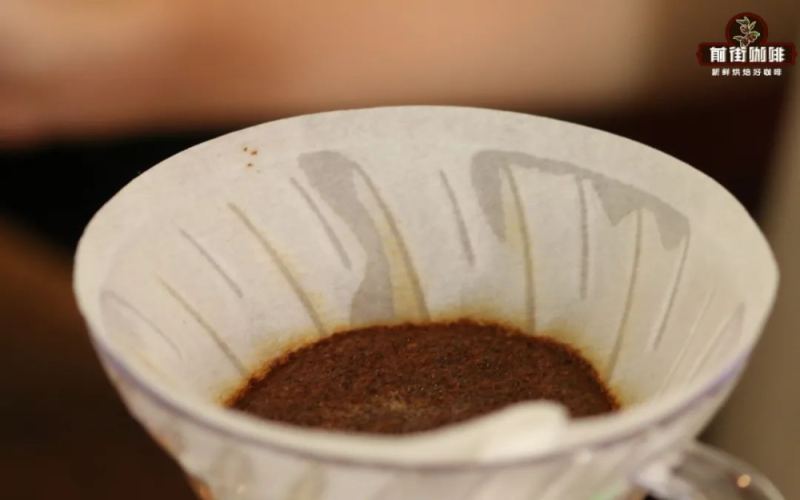
How to Control the Blooming Stage in Pour-Over Coffee? A Detailed Explanation of the Actual Impact of Water Volume, Duration, and Technique on Flavor
Blooming is a key step in pour-over coffee that affects extraction stability. By releasing carbon dioxide trapped in the coffee grounds, it creates the conditions for the smooth release of flavor compounds later on. But blooming is not absolutely necessary—the "one-pour" method previously shared by Front Street Coffee can skip this step entirely. So how exactly should you control the water amount, timing, and technique during blooming? Using 2x the coffee dose and 30 seconds as standard references, this article analyzes one by one the specific changes in coffee flavor when the water amount is too little or too much, and when the time is too short or too long, and offers pouring suggestions suitable for beginners to help you make more accurate judgments in actual practice. [more…]
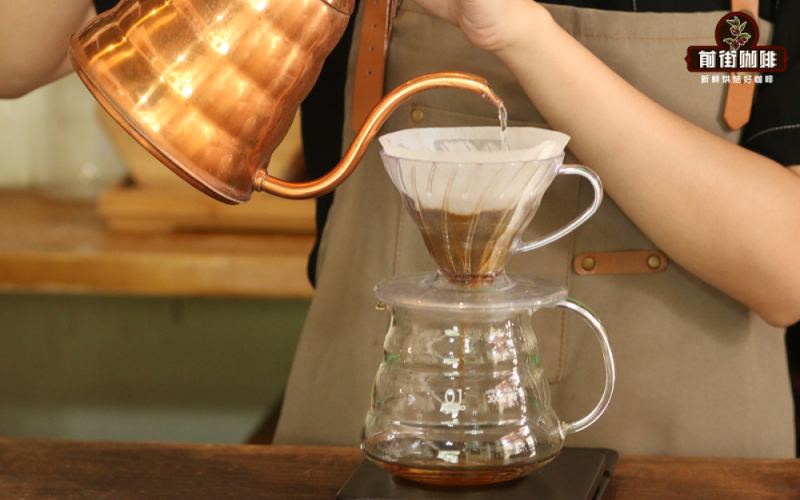
Coffee brewing technique tutorial | What are the technique and extraction principles of the three-pour method for pour-over coffee? Why is the hot water for brewing coffee divided into three pours?
Front Street Coffee (FrontStreet Coffee) entered the coffee industry in 2013, and has come step by step from coffee cultivation and coffee roasting to coffee service. Today, the more than 30 coffee beans displayed in the shop are only Front Street Coffee (FrontStreet Cof [more…]
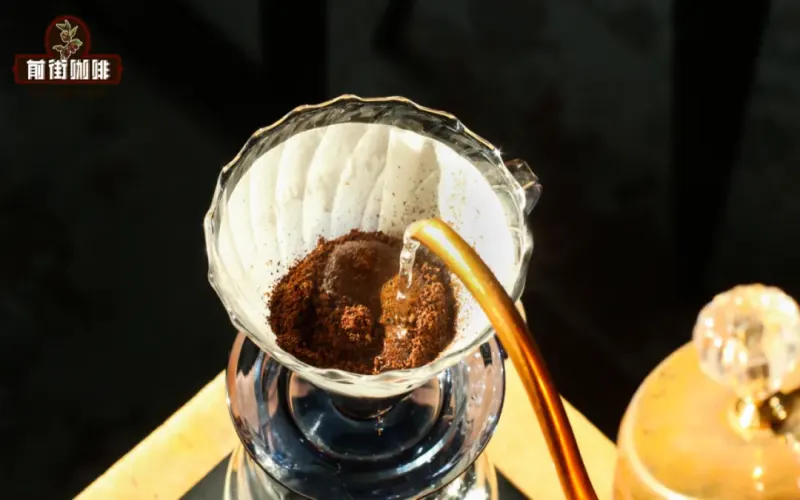
How long should the blooming time be for pour-over coffee? A detailed explanation of pouring techniques and the effect of blooming water volume on extraction
Blooming is an indispensable pre-wetting step before extraction in pour-over coffee, and it directly affects the efficiency with which flavor compounds are released afterward. However, the amount of water used for blooming, the pouring method, and the waiting time all influence the taste in the final cup. Starting from the structural characteristics of the cone-shaped dripper, this article introduces two pouring techniques that allow hot water to evenly saturate the coffee grounds, and teaches you how to flexibly adjust the blooming duration by observing the state of the coffee bed. Whether you are a beginner just getting into pour-over or an enthusiast looking to refine your technique, you will find practical tips here. The article also combines Front Street Coffee's brewing experience and product examples to help you more intuitively understand the criteria for judging a perfect bloom. [more…]
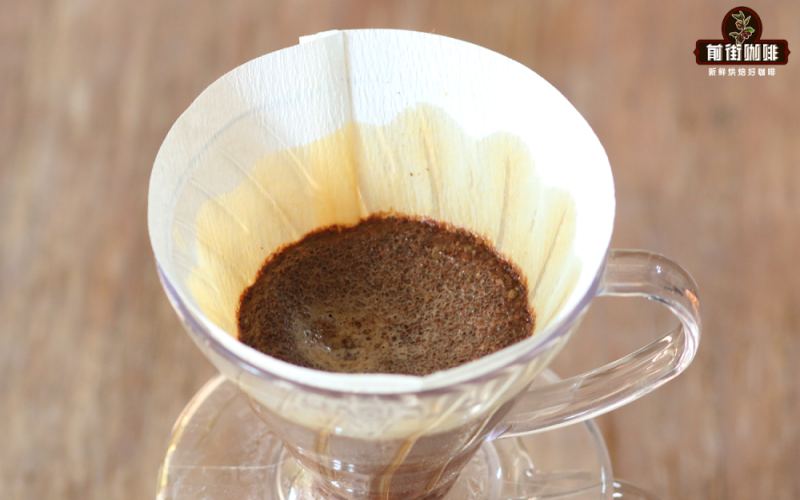
The Cause of the Central Collapse in the Coffee Bed After the Bloom in Pour-Over Brewing: The Combined Effect of Water Volume, Technique, and Grind Size
The blooming phase of pour-over coffee is often seen as the first dialogue with the coffee grounds, and an ideal expansion state often indicates a smooth subsequent extraction. However, sometimes the coffee bed clearly puffs up, only to have a pit form in the middle moments later—is this actually normal? This article analyzes this phenomenon, first explaining the physical mechanism behind expansion followed by collapse, and then investigating the causes one by one from three angles: water volume, pouring technique, and grind size. Front Street Coffee uses 15 grams of light-roast beans for simulation comparisons, showing the actual changes in the coffee bed under different parameters, to help you quickly identify problems in daily brewing, adjust your technique and parameters, and get the blooming state back on track. [more…]
Master the Five Techniques and Four Key Parameters of Pour-Over Coffee: A Quick Guide to Elevate Your Brewing Skills
With the rise of the third wave of coffee, pour-over coffee has attracted many enthusiasts with its ritualistic brewing process. However, many people feel that the flavor they brew at home is not as good as in coffee shops, yet they don't know how to adjust the blooming time, grind setting, pouring method, or water temperature. In this article, Front Street Coffee starts from the four major elements of water temperature, grind coarseness, coffee-to-water ratio, and pouring technique, systematically explaining how to brew a good pot of coffee, and breaks down in detail five practical techniques—three-stage pour, stirred bloom, Japanese drip method, single-pour method, and volcanic pour—to help you consistently reproduce your ideal flavor at home. [more…]
Single-Serve Pour-Over Coffee Method | What Is Gold Cup Extraction Yield? Which Brewing Technique Suits Coffee Beginners? Pros and Cons of the Drip Method, Volcano Pour, and One-Pour Technique
Front Street Coffee encounters customers asking about pour-over coffee every day, whether it's about what pouring technique should be used for pour-over coffee, or how much coffee grounds to use for pour-over coffee. In fact, with the development of coffee culture, more and more people no longer think of coffee as [more…]

Pour-over coffee bloom not expanding? From roast level to pouring technique, understanding the causes of the hamburger effect in one article
Many coffee enthusiasts encounter a common puzzle during pour-over brewing: why doesn't the coffee grounds puff up into that beautiful "hamburger" shape during the blooming phase? Some people's first instinct is that the beans have gone stale, but the reality is far more complicated. The factors affecting the bloom's expansion include the degree of roast, bean freshness, grind size, water temperature, and pouring technique, among other dimensions. This article starts from the underlying principles, breaks down one by one how each variable affects the bloom, and offers Front Street Coffee's parameter recommendations for actual brewing, helping you understand the science behind the bloom so you no longer worry about a bloom that "won't puff up." [more…]
Pour-Over Coffee Beginner's Guide: A Full Breakdown of Water Temperature, Grind Size, Coffee-to-Water Ratio, and Five Classic Pouring Techniques
The charm of pour-over coffee lies in having every step under your own control, yet many enthusiasts feel that their home brews always fall short of the taste they get at a coffee shop. In this article, Front Street Coffee explains four dimensions—water temperature, grind size, coffee-to-water ratio, and pouring technique—and introduces five classic pour-over methods in detail: the three-stage pour, the stir-and-bloom method, the Japanese drip method, the single-pour method, and the volcano pour. It also analyzes the causes of failed extractions and directions for improvement. Whether you are a beginner just getting started or a veteran looking to refine your technique, you will find practical advice here. [more…]
An In-Depth Analysis of Pour-Over Coffee Stirring Techniques: From Champion Methods to Extraction Effects
In the process of pour-over coffee, the action of stirring the coffee bed has attracted increasing attention from enthusiasts in recent years. Some hope to enhance the sweetness and flavor layers of coffee through stirring, while others remain skeptical of its effects. This article, from the perspective of Front Street, reviews the origins and representative figures of stirring techniques, analyzes the different roles of stirring during the blooming stage and the main extraction stage, and, combined with practical comparative experiments, explores the impact of stirring on extraction results, as well as issues that need attention such as fine particle clogging and bean quality, helping coffee enthusiasts make a more rational judgment on whether to stir and how to stir. [more…]
How Much Coffee for a Single Serving of Pour-Over? The Golden Cup Extraction Principle and Techniques for Japanese-Style Drip Pouring and Stirring-Bloom Method
When brewing a pour-over coffee at home, how much coffee powder should you use? Starting from the SCA Golden Cup extraction standard, this article sorts out the practical logic of a 1:15 coffee-to-water ratio, explains the reasoning behind 15 grams of coffee powder and 225 grams of brewed coffee for a single serving, and analyzes the effects of water temperature, grind size, and pouring technique on flavor. Taking staged extraction as the main thread, the article details the rhythm control and operational details of blooming and degassing, three-stage pouring, and also compares the applicable scenarios, pros, and cons of the stirring bloom method, the Japanese drip pouring method, the single-pour method, and the volcano surge method, providing coffee enthusiasts with a clear, reusable brewing reference. [more…]
A Beginner's Guide to Pour-Over Coffee at Home: Complete Steps and Practical Tips from Water Quality and Beans to Pouring Technique
Making a delicious pour-over coffee at home doesn't have to be complicated. Through daily conversations with customers, Front Street Coffee has found that many people's brewing techniques are inconsistent because they don't truly understand the principles of pour-over extraction, resulting in sometimes over-extraction and sometimes under-extraction. This article focuses on the core knowledge of pour-over coffee, offering specific advice on water quality selection, coffee bean freshness, equipment and dripper pairing, grind size, water temperature, blooming techniques, and pouring methods. It also uses staged extraction as an example, providing actionable brewing parameters and steps to help beginners establish a stable brewing framework. Beyond theory, the most important thing is still repeated practice—only through hands-on experience can you truly master the rhythm and details of pour-over, bringing each cup closer to the ideal flavor. [more…]
A Complete Guide to Three-Pour Pour-Over Coffee: The Principles and Practical Details from Blooming and Degassing to Staged Extraction
Pour-over coffee may seem complex, but its core lies in how to balance flavor extraction. As the most widely used brewing method, the three-pour technique uses staged extraction to give distinct layers of flavor in the front, middle, and back ends. Drawing on the practical experience of Front Street Coffee, this article explains in detail the principles of blooming and degassing, control of the pouring rhythm, the matching of water temperature and roast level, and a complete brewing recipe using Kenya Asalia coffee beans as an example. Whether you are a beginner just getting into pour-over or an enthusiast looking to refine your technique, you will find actionable references here. [more…]
A Complete Guide to the Coffee Bloom in Pour-Over Brewing: How Time, Water Volume, and Technique Affect Extraction Evenness
Blooming is a key step in pour-over coffee brewing that cannot be overlooked, as it directly affects whether the subsequent hot water can evenly pass through the coffee bed. This article provides a detailed analysis of the difference between blooming and pre-infusion, explains the dual purpose of blooming—releasing carbon dioxide and forming an even filter layer—and offers specific recommendations for the amount of blooming water, typically 1 to 2 times the weight of the coffee grounds, along with the reason for keeping the water temperature between 85 and 92 degrees Celsius. At the same time, the article also explains the blooming pouring technique from three dimensions—small amount, even, and gentle—and points out the differences in water absorption among beans of different roast levels. Front Street Coffee reminds us that only sufficient and proper blooming can lay the foundation for subsequent even extraction, making the flavor of a cup of pour-over coffee more pleasant. [more…]
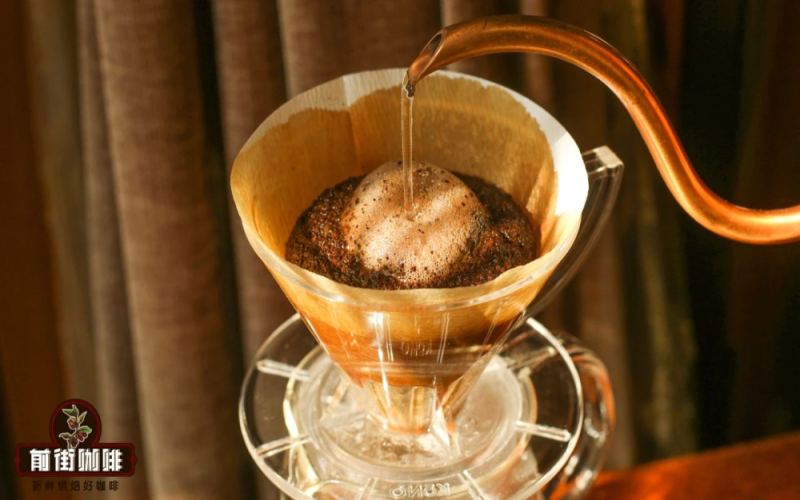
Pour-over Coffee Brewing Techniques | How Important Is Blooming to Pour-over Coffee? How Much Water and How Long for Coffee Blooming? How to Judge the Blooming Process?
Blooming is an important step in brewing coffee, and there's a popular saying that "you can tell if a coffee will taste good just by looking at its bloom." So when people learn to brew coffee, they intentionally or unintentionally "perfect" a flawless "coffee burger." But if you understand the logic behind blooming, you'll discover that blooming is actually [more…]
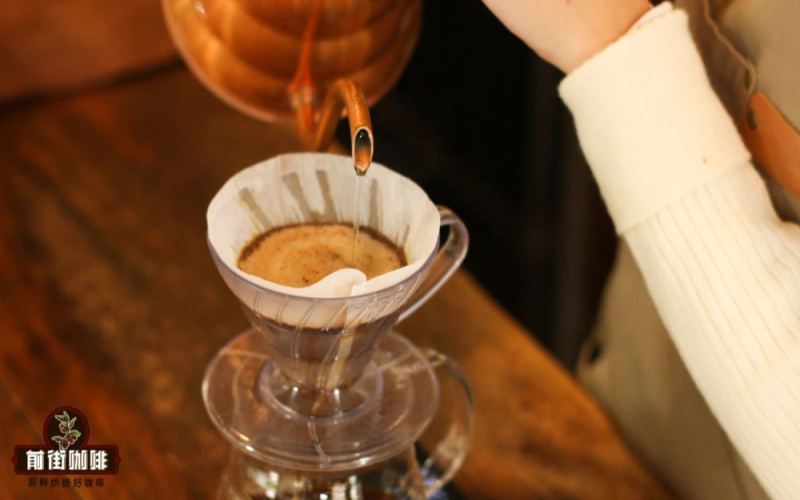
Advanced Pour-Over Coffee Guide: Water Distribution and Technique Details, with Three Front Street Single-Origin Beans for Practice
Front Street Coffee has previously discussed many factors that influence coffee flavor, starting from five objective conditions: coffee dose, coffee-to-water ratio, water temperature, grind size, and brewing device. This time, however, we turn our attention to an easily overlooked subjective variable—your hand, that is, the pouring method during brewing. This article will break down two major areas: water volume distribution and pouring technique. First, it compares the extraction differences between a single-pour and a three-pour method, then analyzes item by item how blooming, circling speed, pouring height, flow rate, and circling range affect the direction of the flavor. At the end, Front Street Coffee has also selected three single-origin beans with high regional distinctiveness for reference in daily brewing practice. [more…]
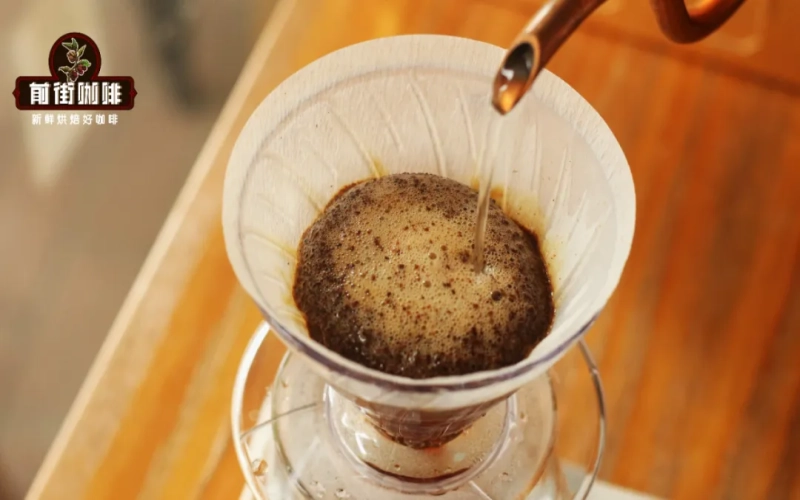
What are the advantages of the stirring blooming method in pour-over coffee? An in-depth analysis of the practical techniques of the Mad Barista stirring method
In the world of pour-over coffee, the agitation method is a more aggressive extraction technique than water-stream agitation. It acts directly on the coffee bed through a tool, accelerating the release of soluble flavor compounds. Front Street Coffee shared this method last year, but did not elaborate on the specific steps. This article will systematically sort out the three major application scenarios of the agitation method—the blooming stage, remedial action when extraction efficiency is insufficient, and its use when actively adjusting parameters—and provide an in-depth analysis of the key details to note when using agitation, such as grind size, agitation force, and number of agitations, helping coffee enthusiasts master this technique more precisely. [more…]
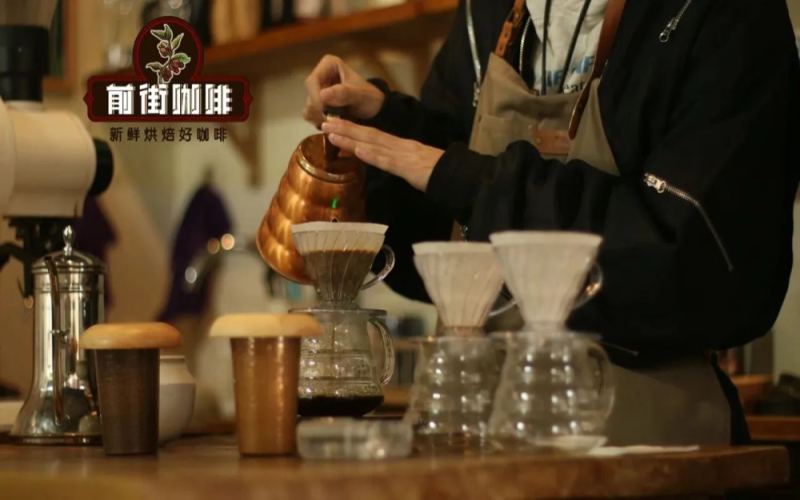
Pour-over coffee brewing ratio | Is the espresso coffee-to-water ratio different from pour-over? What details should be noted for pour-over coffee blooming?
Pour-over coffee is a brewing method that places great emphasis on technique and coffee expertise. Factors such as the amount of coffee beans used for pour-over, the coffee grind size, the coffee-to-water ratio and time, and the brewing technique all affect the flavor extracted in pour-over coffee. So how can you brew a perfect-tasting pot of pour-over coffee? In the rest of this article, Front Street [more…]
Advanced Guide to Pour-Over Coffee: The Practical Impact of Pouring Distribution and Technique Details on Flavor
Making pour-over at home, but the taste is still inconsistent even after you've dialed in your parameters? The problem often lies in "how you pour the water." This article breaks down the extraction differences between the one-pour method and the three-pour method from two dimensions—water distribution and pouring technique—and analyzes the actual effects of bloom water volume, circling speed, pouring height, flow rate, and circling range on flavor. It also includes complete brewing recipes for three highly distinctive single-origin coffees from Front Street Coffee—washed Yirgacheffe, Tarrazú, and Lintong Mandheling. Whether you're just starting out or looking to refine your technique, these details can help you find the direction for adjustment. [more…]
Pour-over Coffee Single-Pour Technique Tutorial: A Complete Guide to Brewing Steps, Flavor Characteristics, and Grind Parameters
Among the many ways to brew pour-over coffee, the single-pour method is one of the first techniques many enthusiasts encounter and the easiest to understand. Its core logic is simple and clear—after the bloom, the entire target volume of water is poured in one go. That said, the single-pour method does not mean pouring water only once; the process still consists of two stages: the bloom and the main pour. Coffee brewed this way tends to be clean, clear, and consistent in flavor, but it also places stricter demands on pouring stability, grind size, and other parameters. In this article, from the perspective of a Front Street Coffee barista, we will break down the complete single-pour brewing process in detail, analyze its flavor performance and operational challenges, and help those just getting started quickly master this classic technique. [more…]
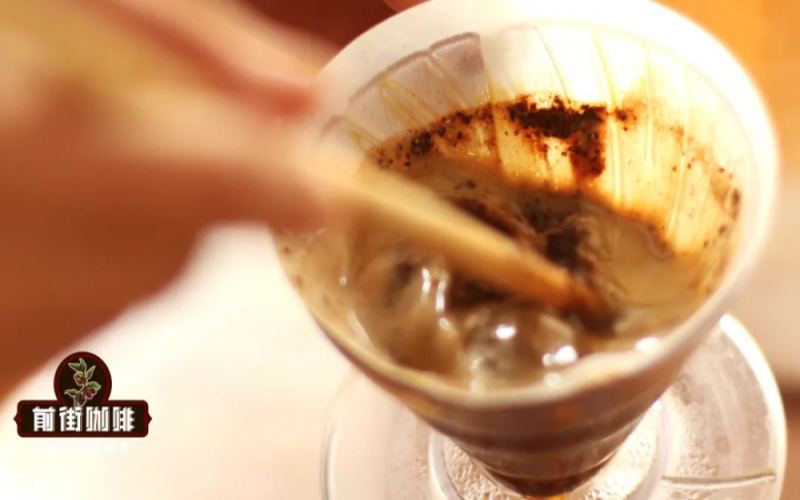
How Should You Adjust Parameters for the "Egg-Whisking" Style Pour-Over? Front Street Coffee Breaks Down Three Rounds of Testing to Explain the Boost in Sweetness and What Causes Clogging
Pour-over coffee brewing methods are endless, and recently a technique called the "egg-beating brewing method," a stirred extraction approach, has made a comeback, reportedly able to significantly boost coffee's sweetness. Front Street, driven by curiosity, conducted three rounds of comparative experiments: starting with a light-to-medium roast natural-process bean without blooming, then switching beans and adjusting the coffee-to-water ratio, and finally reintroducing the blooming step, to verify this technique's actual effects and problems one by one. The article meticulously records each round's brewing parameters, techniques, and flavor performance, and analyzes how grind size, water temperature, coffee-to-water ratio, and blooming affect the final cup's taste. If you also want to try this novel stirred extraction, or are looking for brewing ideas to enhance sweetness, this hands-on record will provide concrete references. [more…]