







Search Results for: bee pollination

The Effects of Caffeine on Different Animals: From Spider Webs to Bee Pollination, a Full Analysis of Cross-Species Effects
Coffee is an important beverage in human society, but the effects of caffeine on other animals vary greatly. This article reviews the reactions of species ranging from spiders, mosquitoes, and hawkmoth larvae to cats, dogs, horses, and bees after ingesting caffeine: invertebrates may face nervous system damage or even death, vertebrates may also experience changes in heart rate and respiration, while horses can have their endurance enhanced by caffeine and it is therefore listed as a prohibited substance, and bees can improve pollination efficiency. Understanding these cross-species effects can help us more comprehensively recognize the complex effects of caffeine. [more…]

Fires in São Paulo State cause agricultural losses of about 1 billion reais, coffee futures prices may rise further
The state of São Paulo, Brazil, recently suffered severe fires, and the Civil Defense Authority warned that almost the entire state remains at high risk. Between August 22 and 24, a total of 2,600 fire points were recorded, with more than 80% concentrated in agricultural land such as sugarcane fields and coffee estates. The Ministry of Agriculture and Supply initially estimates losses at about 1 billion reais, and the actual figure may be higher. The fires burned at least 80,000 hectares of crops, and a large number of bees died, directly affecting coffee pollination and next year's output. At the same time, multiple coffee-producing regions in Brazil have gone more than 120 days without effective rainfall, the outlook for the Arabica flowering season is worrying, Robusta prices have already exceeded US$5,000 per ton, and coffee prices may continue to rise. [more…]
Colombia Finca El Viento Sweet Bee Coffee Beans: A Full Analysis of Variety, Grade, Honey Processing, and Flavor Profile
Located in the Santa Barbara production area of Antioquia Department, Finca El Viento sits at 1,820 meters above sea level. Built on a foundation of Colombia and Caturra varieties, it uses a honey processing method to create the micro-lot Sweet Bee coffee. This bean presents a complex flavor profile of honey citron tea, black plum, red grape, and clove, and estate owner Alejandro Trujillo uses self-made covered drying racks for meticulous processing. This article will systematically sort out the origins of coffee cultivation in Colombia, the concept of estate beans and key purchasing points, and provide an in-depth introduction to the specific information and quality characteristics of Finca El Viento Sweet Bee. At the same time, combined with Front Street Coffee's recommendation, it offers coffee lovers a complete reference on flavor and quality. [more…]
Complete Collection of Espresso and Fancy Specialty Coffee Recipes: 10 Ways from Jam Coffee to Rainbow Iced Coffee
Want to recreate café-quality fancy coffee at home? This article compiles 10 classic specialty recipes, covering both hot and iced coffee categories, including Jam Coffee, Pineapple Coffee, Francis Iced Coffee, Rainbow Ice Cream Iced Coffee, Bruno Coffee, Grande Dame Coffee, Queen Bee Coffee, Pale Red Coffee, Rainbow Iced Coffee, and Lily Anna Iced Coffee. Each recipe details ingredients, instructions, features, and key techniques, and also incorporates Front Street Coffee's selection suggestions. Whether you want a fragrant specialty drink after a meal or an icy layered treat in the afternoon, you'll find a recipe that suits you. [more…]
Analysis of the Three Major Coffee Varieties: Robusta Characteristics, Arabica Hybrid Breeding, and the Flavor of Yunnan Catimor
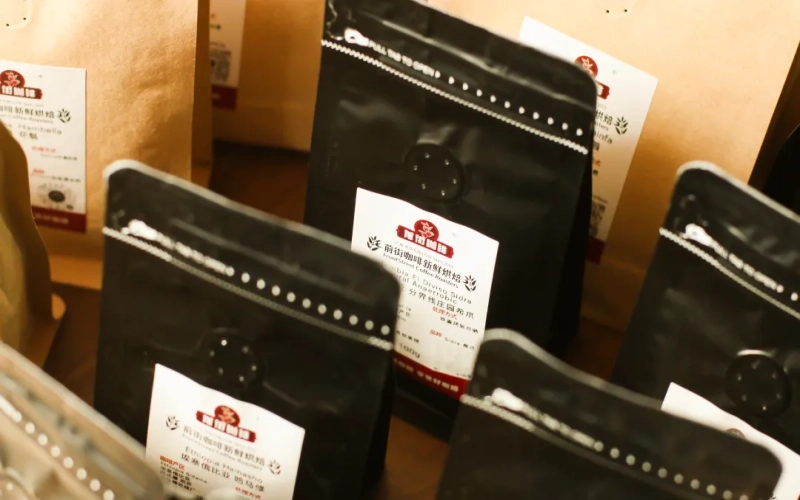
In the world of coffee, Arabica, Robusta, and Liberica make up the three major species systems. Among them, Robusta, with its strong disease resistance and high caffeine content, has become an important raw material for espresso blends and instant coffee. This article begins with Robusta's origins and growth characteristics, then takes a deep dive into the genetic advantages brought by its cross-pollination, and traces the breeding history of Arabica-Robusta hybrids such as Timor Hybrid, Catimor, and Castillo. Finally, it focuses on Yunnan small-bean Catimor, exploring its flavor performance after washed processing, as well as its application in Front Street Coffee's espresso blends and pour-over single origins. Whether you are a coffee enthusiast or a industry professional, you can gain practical reference on variety selection and flavor pairing. [more…]
Analysis of Robusta and Arabica Hybrid Varieties: Introduction to Timor, Catimor, Castillo, and Yunnan Small-Bean Catimor
The coffee world is mainly divided into three major species: Arabica, Robusta, and Liberica, with the first two dominating commercial cultivation. Robusta originated in Congo, West Africa, and has strong adaptability, high caffeine content, a full-bodied flavor, and rich oils, and is often used in espresso blends and instant coffee. To incorporate its disease-resistant genes, coffee breeders crossed Robusta with Arabica, giving rise to a series of varieties such as Timor Hybrid, Catimor, and Castillo. This article will analyze the origins and characteristics of these varieties one by one, and introduce the Yunnan small-bean Catimor produced by Front Street Coffee, guiding you through the complete thread from variety to cup. [more…]
What Are the Flavor Differences Between Robusta and Arabica? An Analysis of the World's Premium Robusta Origins
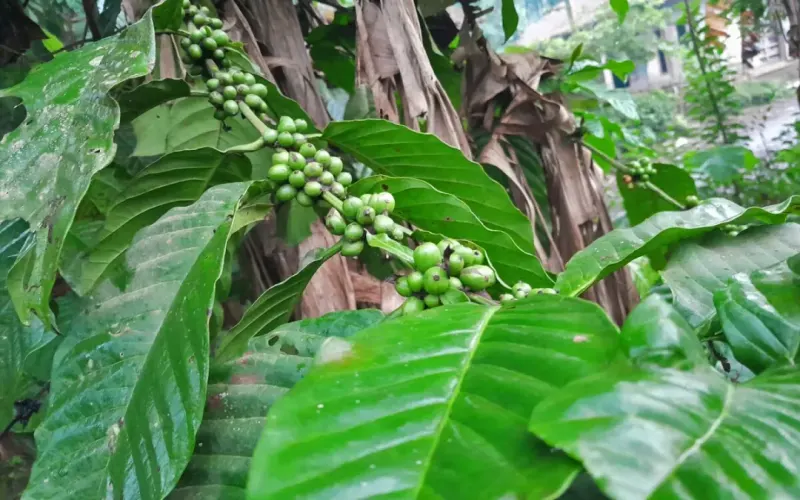
Front Street Coffee is often asked: Why can Robusta be grown on a large scale in places like Vietnam? Don't all coffees require high altitude? What does it actually taste like? When Vietnamese coffee is brewed with Robusta, why doesn't it taste bad? In this article, Front Street Coffee will take a systematic look at Robusta coffee beans. From a botanical perspective, Robusta and Arabica differ significantly in growing conditions and resistance to disease and pests, and these differences directly affect the flavor in the cup. The article will also introduce Catimor, a hybrid of the two, and analyze how Vietnamese coffee is brewed, helping enthusiasts gain a comprehensive understanding of Robusta's value and characteristics. [more…]
Tanzania Kilimanjaro Peaberry Pour-Over Guide: Flavor Characteristics, Roasting Points, and Brewing Suggestions
Looking for a coffee bean that's perfect for pour-over and offers layered, complex flavors? Kilimanjaro Peaberry from Tanzania in East Africa is worth your attention. This small-bean coffee, grown in the high-altitude volcanic soil around Africa's highest peak and processed using the washed method, presents creamy chocolate, dried plum, and citrus-like bright acidity, with a tea-like finish and a sweet stone-fruit aftertaste. Peaberries, due to special reasons in pollination or nutrient distribution, account for only 5% to 10% of coffee production. They are oval and compact in shape, heat more evenly during roasting, and are especially suited to a light roast that showcases delicate acidity. This article will guide you through the origin background of Kilimanjaro Peaberry, its biological causes, its flavor profile, and the pour-over experience and roasting suggestions for this bean from Front Street Coffee. [more…]
Tanzania Kilimanjaro Coffee Bean Flavor Profile and Peaberry Detailed Guide: From Origin to Grading and Brewing Guide
Kilimanjaro coffee comes from the volcanic region of Tanzania, home to Africa's highest peak, and is renowned for its washed processing and distinctive flavor. This article will guide you through the formation of Kilimanjaro Peaberry—a rare single seed resulting from uneven pollination or differences in nutrient distribution, accounting for only 5% to 10% of coffee production. The article also breaks down its complex flavor profile of creamy chocolate, dried plum, citrus acidity, and tea-like stone fruit, and explains how acidity and sweet aftertaste perform under a light roast. In addition, it compiles Tanzania's 8 screen-size grading classifications, as well as the different charms of Kilimanjaro AA in single-origin and blend applications, making it ideal for coffee enthusiasts seeking in-depth knowledge. [more…]

Robusta Coffee Flavor Analysis: A Comprehensive Interpretation from Variety Origins to Instant Coffee Ingredients
When many people first learn about coffee, they often hear variety names like Arabica and Robusta, yet they may not clearly understand the essential differences between them. From the perspective of Front Street Coffee, this article systematically sorts out the origin and classification of Robusta coffee, its main producing regions, flavor characteristics, cultivation advantages and disadvantages, and explains why it has become an important raw material for instant coffee and commercial blends. At the same time, it compares Arabica varieties to help coffee enthusiasts understand the key differences between the two major varieties in terms of altitude requirements, disease resistance, caffeine content, and cup performance, so as to gain a more comprehensive understanding of every cup of coffee they drink daily. [more…]
How are Coffea canephora Robusta coffee beans roasted? What coffee beans does Starbucks use?
In the world of coffee, the two major species, Arabica and Robusta, underpin the flavors in most people's cups. Robusta, also known as Coffea canephora, originated in the Congo Basin of Africa. It is widely cultivated because it tolerates low altitudes, resists pests and diseases, and yields high harvests, and it often appears in instant coffee and espresso blends. Its caffeine content is about twice that of Arabica, its chlorogenic acid is higher, and its flavor tends toward the full-bodied and deep, with notes of walnut, peanut, and grain. This article from Front Street Coffee sorts out Robusta's origins, botanical classification, advantages, and shortcomings, and retains the information on the Vietnamese Robusta beans used in Front Street's commercial blends, helping coffee enthusiasts understand this bean more clearly for what it really is. [more…]

A Comprehensive Analysis of the Origins, Flavor Characteristics, and Market Applications of Robusta Coffee Beans
Both are coffee beans, so why do cafes almost exclusively sell Arabica, while Robusta rarely makes an appearance? What exactly are the differences between these two coffees in terms of origin, appearance, growing conditions, caffeine content, disease resistance, and flavor performance? In this article, Front Street Coffee will start with eight common questions to sort through the cultural context and flavor characteristics of Robusta coffee beans one by one, while also analyzing its practical uses in instant coffee and blended beans, to help coffee enthusiasts gain a more comprehensive understanding of this bean variety's unique value. [more…]
A Comprehensive Analysis of Robusta Coffee Beans: Variety Origins, Flavor Characteristics, and Market Uses
In coffee shops, Arabica beans are almost overwhelmingly dominant, while Robusta rarely appears as a single-origin offering. Both belong to the coffee family, yet they differ significantly in origin, morphology, growing conditions, chemical composition, and flavor profile. From Front Street's perspective, this article addresses one by one the common questions about these two varieties: where Robusta originates, what its bean shape is like, what environmental requirements it has, how large the caffeine content gap is, why its disease resistance is stronger, and ultimately in which coffee products it is used. Whether you are a beginner just getting into coffee or an advanced enthusiast wanting to understand blending logic in greater depth, you will gain clear insight from it. [more…]
Which countries produce Robusta coffee beans? How do they differ from Arabica? A full analysis of their origins and characteristics.
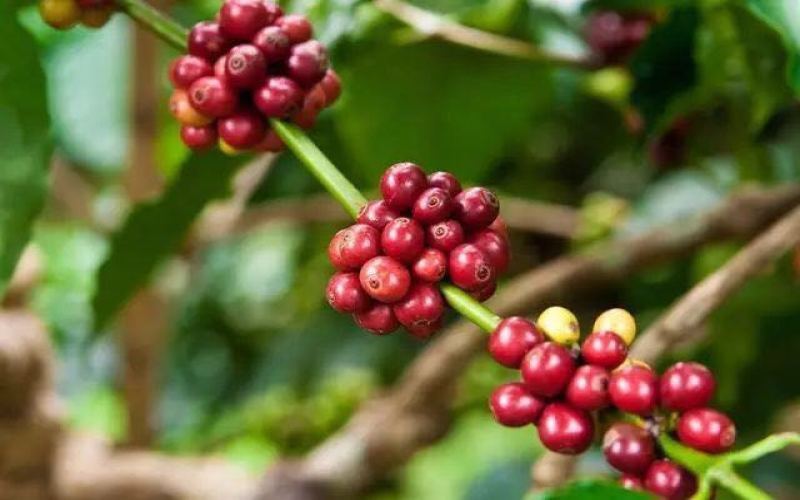
When first getting into coffee, you often hear baristas mention terms like Typica, Arabica, and Robusta, and many people find them confusing. In fact, these are all coffee variety classifications. There are three major coffee varieties: Arabica, Robusta, and Liberica, with Arabica and Robusta being the most common. Arabica originates from the Ethiopian highlands, has an elegant flavor, and accounts for about 70% of global production; Robusta originated in the Congo Basin of West Africa, is easy to cultivate, has high yields, and is mostly used in commercial blends and instant coffee. In this article, Front Street Coffee will guide you through the origin story of Robusta, its main producing countries, and its detailed differences from Arabica in flavor, appearance, disease resistance, and uses. [more…]
A Comprehensive Comparison of Robusta and Arabica Coffee Beans: Variety Origins, Growing Conditions, Flavor Differences, and Uses Explained
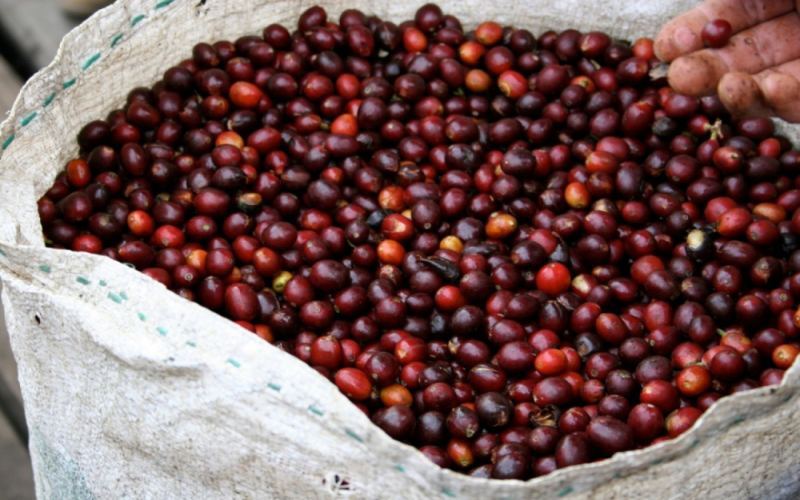
When buying coffee beans in a café, we almost always see only Arabica, while Robusta rarely makes an appearance. Both belong to the coffee family, so what are their essential differences? In this article, Front Street Coffee will systematically sort out the differences between Robusta and Arabica coffee beans across multiple dimensions, including variety origin, plant characteristics, growing environment, caffeine content, disease resistance, flavor performance, and practical uses. Whether you are a coffee enthusiast just getting started or a seasoned player hoping to gain a deeper understanding of the essence of coffee beans, this comparison can help you build a clearer cognitive framework and understand why the specialty coffee world is almost entirely occupied by Arabica, and in which fields Robusta plays an irreplaceable role. [more…]
Roasting Applications of Coffea canephora Robusta and Analysis of Starbucks' Bean Selection
In the world of coffee, Arabica and Robusta are the two most frequently mentioned varieties. Arabica dominates the specialty market with its delicate flavors, while Robusta, with its formidable vitality and rich, full-bodied taste, plays an irreplaceable role in commercial blends and instant coffee. Why is it called Congensis? What are its cultivation advantages and flavor drawbacks? And how does Front Street Coffee incorporate it into classic blends? This article will guide you through a systematic understanding of Robusta's origins, characteristics, pros and cons, and explain why commercial brands like Starbucks favor it. [more…]
Vietnam Robusta Coffee Bean Flavor Analysis: A Comprehensive Guide from Variety Characteristics to Front Street Espresso Blend
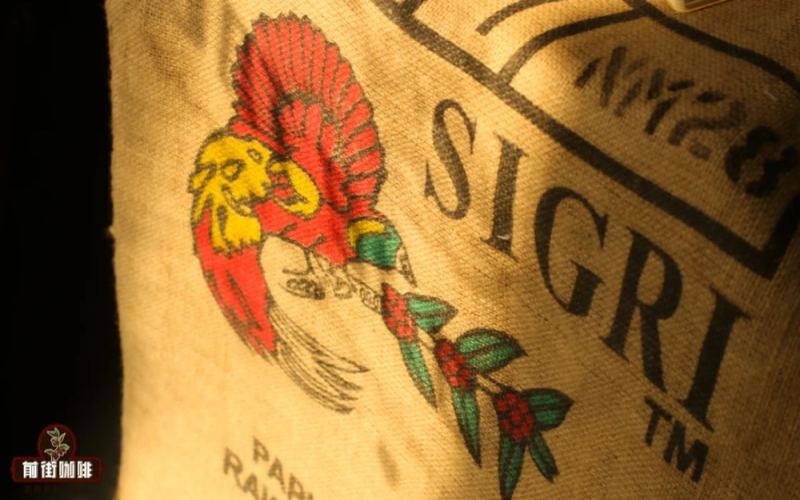
The world of coffee is complex and diverse, and the differences between varieties go far beyond appearance. As the two major mainstream species, Robusta and Arabica each have their own characteristics in origin, growing conditions, caffeine content, and flavor expression. This article will systematically sort out the core characteristics of Robusta coffee beans, answer why it is not as commonly seen as Arabica in specialty coffee shops, and explore in depth the reasons for its strong disease resistance and high body. At the same time, we will also compare Arabica's flavor advantages and introduce how Front Street Coffee cleverly uses Robusta blended with Colombian and Brazilian beans to create an espresso bean suitable for making Americanos and lattes. Whether you are a beginner enthusiast or a seasoned connoisseur, this article will help you understand Robusta's value and positioning more comprehensively. [more…]
What Grade Does Robusta Coffee Belong To? An Analysis of the Flavor Differences Between Indian Specialty Robusta and Arabica
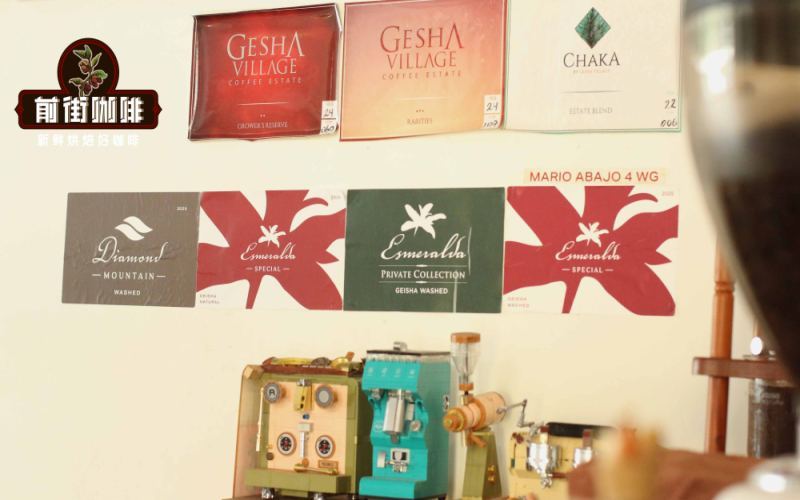
Robusta is often labeled as low-end, but the truth is not so simple. It originated in the Congo in West Africa, grows quickly, and has strong resistance to extreme climates, pests, and diseases. Its caffeine content is about twice that of Arabica, and it accounts for roughly 30% of global production. Front Street believes that high-quality Robusta can even taste better than inferior Arabica. Robusta is mostly used in espresso blends to enhance body and crema; Front Street's commercial espresso blend, for example, includes 10% Robusta. This article will sort out Robusta's origins, identification methods, advantages and disadvantages, analyze the Catimor hybrid variety, and introduce how Indian specialty Robusta is overturning traditional impressions. [more…]
What exactly does the coffee variety F1 refer to? Analyzing the breeding process of the first filial generation and its representative bean varieties.
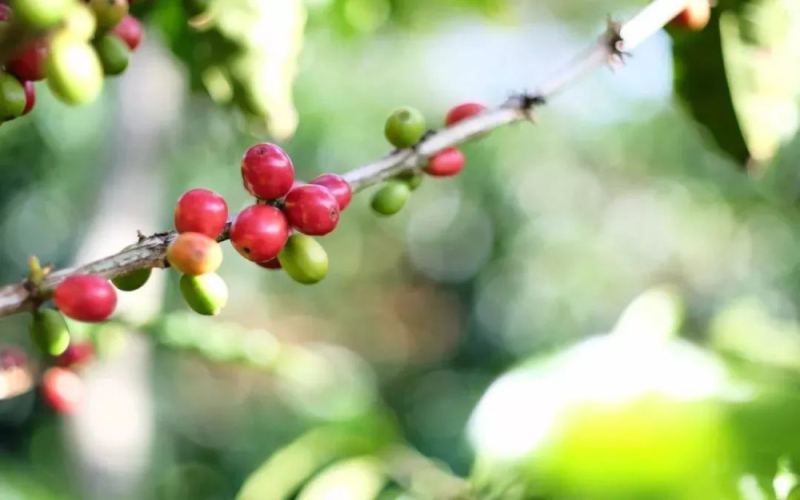
In the naming of coffee varieties, combinations of letters and numbers are not uncommon, but F1 is not a single variety—it is a collective term for a class of hybrid progeny. It originated from a breeding program promoted jointly by the French Agricultural Research Centre for International Development and the Coffee Institute of Costa Rica, among other institutions, after the major leaf rust outbreak of the 1970s, aimed at cultivating a new generation of coffee that is high-yielding, disease-resistant, and excellent in flavor. Although F1 varieties possess many advantages, they are also difficult to promote on a large scale due to the difficulty of propagation and high costs. This article will guide you through the background of F1's creation, its selection process, its main characteristics, and important commercialized representatives such as H1 and Ruiru 11, while combining recommendations from Front Street Coffee to present this innovative achievement in the field of coffee breeding. [more…]
Flavor Analysis of Pink Bourbon Coffee Beans from Colombia's Huila Region and Front Street Brand Recommendation
Pink Bourbon is an extremely rare and highly sought-after coffee variety, produced by crossing Red Bourbon and Yellow Bourbon. When the fruit ripens, it takes on a unique bright pink hue, and its cup profile combines elegance with balance. However, this variety is exceedingly difficult to cultivate: farmers must not only manage the plants meticulously, but also isolate the crops to encourage cross-pollination, and at harvest time they must rely on a keen sensitivity to subtle color differences to judge ripeness. This article takes a washed Pink Bourbon from Colombia's Huila region as an example, detailing its varietal characteristics, processing method, and flavor performance, and brings an exclusive sharing and promotional offer from Front Street Coffee. [more…]