







Which Countries Grow Robusta Coffee Beans and How Do They Differ?
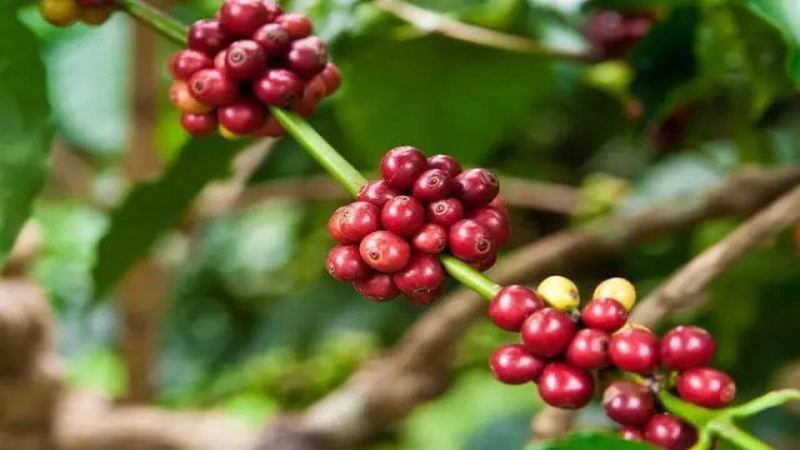
Robusta coffee beans come from the Canephora species, which originated in the Congo Basin of West Africa and grows well at low altitudes with high yields. Strictly speaking the species is Canephora, and Robusta is the widely cultivated subspecies whose name has become nearly synonymous with it.
The arabica bean originated on the Ethiopian highlands and accounts for about 70 percent of global production, prized for its elegant flavor. Robusta is easier to cultivate and is mostly used in commercial blends and instant coffee, while the two also differ in appearance, disease resistance and use.
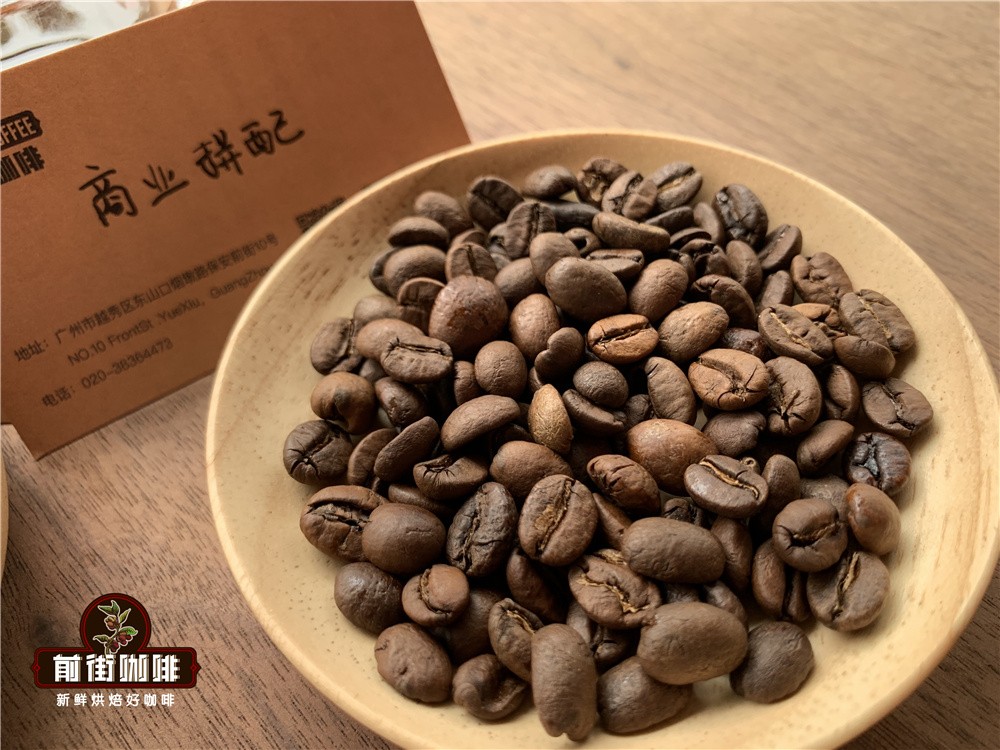
When first getting into coffee, you often hear baristas mention terms like Typica, Arabica, and Robusta, and many people find them confusing. In fact, these are all coffee variety classifications. Coffee has three main species: Arabica, Robusta, and Liberica, with Arabica and Robusta being the most common. Arabica originated on the Ethiopian highlands, has an elegant flavor, and accounts for about 70% of global production; Robusta originated in the Congo Basin of West Africa, is easy to cultivate, has high yields, and is mostly used in commercial blends and instant coffee. In this article, Front Street will walk you through Robusta's origin story, its main producing countries, and the detailed differences between it and Arabica in terms of flavor, appearance, disease resistance, and uses.
People who drink coffee regularly can often describe the flavor characteristics of coffees from different producing countries, and those who dig a little deeper also pay attention to how coffee bean varieties affect taste. When first getting into coffee, everyone may have heard a barista introduce "this is Typica," "this is Arabica," or "this is Robusta" — were you also confused at the time, not understanding what these terms actually meant? In fact, these refer to coffee varieties. Coffee is mainly divided into three species: Arabica, Robusta, and Liberica.
Today, Front Street will help everyone understand what kind of coffee beans qualify as Robusta.
When it comes to Arabica, everyone should be fairly familiar with it — for example, Typica, Bourbon, and Geisha, which we often hear about, all belong to the Arabica species. Arabica coffee originated on the Ethiopian highlands, and because of its outstanding flavor, it is now widely grown around the world, accounting for about 70% of total global coffee production.
By comparison, Robusta coffee may be heard of less often. Most people roughly know that its taste is inferior to Arabica, that it doesn't count as specialty coffee, and that it is usually used for commercial beans. Strictly speaking, the Robusta coffee species should be called the Canephora species; Robusta is merely a subspecies of Canephora that has been widely cultivated artificially, so Robusta has almost become synonymous with Canephora. Robusta originates from the Congo Basin region of West Africa, and because it grows at low altitudes, has high yields, and is easy to cultivate, it has been planted on a large scale, accounting for about 20% to 30% of the world's coffee.
The Origin of Robusta
The birthplace of Robusta is the Congo Basin region on the west coast of Africa. If classified strictly according to botany, it should be called the "Canephora coffee species" (Congo species) in order to correspond with the "Arabica coffee species" at the same level. The reason it is often overlooked is that other Canephora species have not undergone artificial domestication and commercial cultivation, and remain in a primitive wild state. The main producing countries of Robusta beans include Indonesia, Vietnam, and West African countries centered on Algeria and Angola.
Indonesia produces coffee on all its islands. In the mid-17th century, the Dutch introduced coffee trees to Indonesia. In 1712, the first batch of coffee from Java was shipped to Amsterdam. In 1877, the coffee trees on all plantations were destroyed by coffee rust disease, and Robusta coffee trees had to be introduced from Africa to replace the original trees. Indonesia is a major producer of Robusta coffee in the world.
Vietnamese coffee is mainly Robusta, and may also include a small amount of Arabica cultivation. Vietnamese coffee is also an indispensable part of many commercial blends. Among Front Street's beans, there is one Robusta bean from Vietnam, used for Front Street's commercial blend.
Robusta beans are generally used in industrial coffee products such as instant coffee, canned coffee, and liquid coffee. The coffee liquid it extracts is about twice that of the Arabica species, and its caffeine content is also far higher than Arabica's.
Arabica Varieties
The Arabica species is very sensitive to its growing environment, so the areas suitable for Arabica coffee trees to grow are mostly located in the coffee belt between the Tropic of Cancer and the Tropic of Capricorn, where there is mountainous terrain.
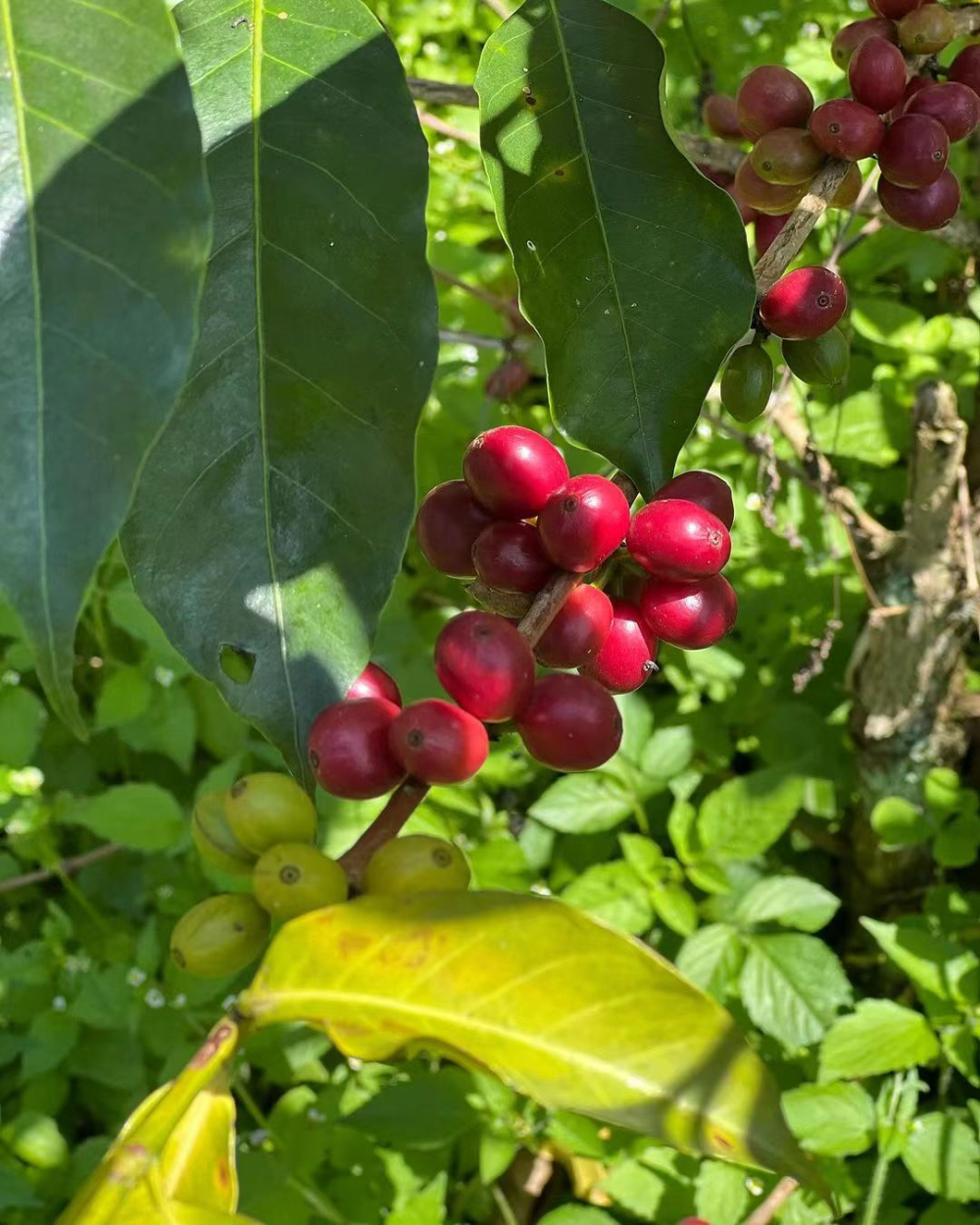
Arabica requires a growing altitude of between 800 and 2,000 meters, and the higher the altitude, the better the coffee quality usually is. Arabica is currently the most widely distributed coffee variety, grown in Asia, Central and South America, and Africa. Ethiopia, Kenya, Panama, Colombia, Brazil, and other countries are all famous Arabica-producing countries. What we usually call specialty coffee refers to the Arabica variety, and only coffee of the Arabica variety can be called specialty coffee.
Robusta has extremely strong adaptability to the environment and can grow vigorously on plains or in low-altitude areas. Robusta has a relatively high chlorogenic acid content, about 7% to 10%, is not easily affected by pests, diseases, or climate, generally grows at lower altitudes, and bears more fruit and faster.
The Appearance of Robusta Coffee Beans
Robusta coffee beans have one bean per fruit. They are relatively round in shape, forming a C shape; the center line is shaped like the character "1," and the raw bean color is yellow-brown.
The Advantages of Robusta
Growing conditions: The global coffee-growing belt lies between the Tropic of Cancer and the Tropic of Capricorn, and Robusta is no exception. But Robusta's growing conditions are not as demanding as Arabica's — it can grow at lower altitudes and higher temperatures. It grows faster than Arabica and is more tolerant of extreme weather conditions. Robusta is widely grown in countries such as Vietnam, Brazil, and India, and is also grown in Hainan, China.
Insect resistance: Robusta's caffeine content is between 2.7% and 4%, twice that of Arabica. As a plant's natural pesticide, caffeine can help protect it from most insects.
Disease resistance: We all know that Arabica has 44 chromosomes, while Robusta has 22. Generally speaking, the more chromosomes, the higher the genetic complexity, making it seem more advanced, but Arabica is self-pollinating, while Robusta is cross-pollinating. Pollination involves genetic processes.
Usually, plants obtained through cross-pollination are of higher quality — offspring produced through cross-pollination possess the genetic traits of both parent plants, and are very likely to develop new characteristics that help them survive in changing environments. So self-pollinating Arabica is quite fragile; as it continues to reproduce, its genes become increasingly uniform (with no foreign genes participating), and once certain diseases appear (such as leaf rust), they may wipe out an entire group of coffees carrying the same genes. Robusta's strength lies in its ability to constantly change its genes to adapt to the environment.
The Disadvantages of Robusta
Flavor: Compared with Arabica, Robusta has higher contents of caffeine, amino acids, and chlorogenic acid, and chlorogenic acid is the source of bitterness. So Robusta inherently lacks the ethereal aromatic fragrance unique to Arabica beans, replaced instead by a fuller, deeper mouthfeel, along with flavors of walnut, peanut, hazelnut, wheat, and grains, and it may even have a pungent earthy taste. Precisely because Robusta's flavor is inferior, it is often disdained by the specialty coffee world, so it is generally used in blends with Arabica or in instant coffee.
Compared with Arabica, Robusta has higher contents of caffeine, amino acids, and chlorogenic acid, and chlorogenic acid is the source of bitterness, so Robusta inherently lacks the ethereal aromatic fragrance unique to Arabica beans, replaced instead by a fuller, deeper mouthfeel, richer coffee oils, and flavors of walnut, peanut, hazelnut, wheat, and grains, and it may even have a pungent earthy taste. Thanks also to Robusta's abundant caffeine, it is generally used as a raw material for instant coffee. Robusta has a very high caffeine content, about 2% to 3%, rich coffee oils, and high body. Some espresso blends also add an appropriate amount of Robusta coffee beans in order to produce a rich, thick crema.
FrontStreet Coffee Brewing Suggestions
To brew a good cup of coffee, besides the coffee variety, you also need to consider the freshness of the coffee beans. Front Street believes that the freshness of coffee beans is a very important part of brewing. The coffee beans shipped by FrontStreet Coffee are all within 5 days of the roast date, because Front Street deeply understands that the freshness of coffee beans has a great impact on flavor. Front Street's roasting philosophy is "freshly roasted good coffee," so that every customer who places an order receives the freshest coffee. Coffee's resting period is about 4 to 7 days, so when customers receive it, it is at its best flavor.
Of course, some customers need Front Street to help grind the beans, and that's fine too, but Front Street must remind you: once coffee beans are ground in advance, they no longer need to rest, because during transport the pressure from carbon dioxide inside the packaging can also make the coffee flavor rounder, so you can brew a cup immediately upon receiving the ground coffee. But ground coffee needs to be brewed promptly, because after ground coffee is exposed to air it oxidizes relatively quickly — in other words, the coffee's flavor dissipates faster and isn't as good. Therefore, Front Street recommends buying whole beans and grinding fresh right before brewing, so you can better taste the coffee's flavor.
Professional coffee knowledge exchange. For more coffee bean information, please follow Coffee Workshop (WeChat public account: cafe_style).
For more specialty coffee beans, please add the private WeChat of Front Street Coffee (FrontStreet Coffee), WeChat ID: qjcoffeex.
The above content is compiled by CoffeeHunters, a coffee news website.


