








What Sets Robusta Coffee Beans Apart From Arabica?
Robusta coffee beans differ from Arabica in origin, shape, growing needs, caffeine, and flavor. Robusta comes from the Congo region of West Africa and belongs to the Canephora species, while Arabica traces back to Ethiopia. Robusta fruit holds one round bean with a C-shaped outline and a straight center line, and it resists disease better than Arabica.
That hardiness shapes where are robusta coffee beans grown and how they are used. Robusta tolerates lower altitudes and warmer conditions, so it fills instant coffee and blended espresso, adding body and crema. Arabica instead produces oval, flatter beans, usually two per fruit, and dominates cafe shelves because of its acidity and aroma.
Both are coffee beans, so why do cafes almost exclusively sell Arabica while Robusta rarely makes an appearance? What exactly are the differences between these two kinds of coffee in terms of origin, appearance, growing conditions, caffeine content, disease resistance, and flavor performance? In this article, Front Street Coffee will start from eight common questions, sort through the cultural context and flavor characteristics of Robusta coffee beans one by one, and also analyze its practical uses in instant coffee and blended beans, helping coffee lovers understand the unique value of this bean variety more comprehensively.
The names Robusta and Arabica are surely familiar to anyone who has come into contact with coffee. Yet there is a puzzling phenomenon: the coffee beans displayed and sold in cafes are overwhelmingly labeled as Arabica, while Robusta is rarely seen. Both belong to coffee beans, so what exactly is the difference between them? Below, Front Street Coffee will answer the various questions surrounding Arabica and Robusta one by one.
Q1: Where do the two varieties Arabica and Robusta respectively originate?
The roots of Arabica can be traced back to Ethiopia, and even today, many coffee tree species that have not yet been named are still hidden in that primeval forest. Robusta originated in the Congo region of West Africa, and botanically it belongs to the Canephora species, also called the Congo species. However, somewhat awkwardly, under the Canephora species only Robusta has achieved commercialization and widespread recognition, and over time, Robusta has almost become the byword for the entire Canephora species line.
Q2: What appearance characteristics do Robusta and Arabica each have?
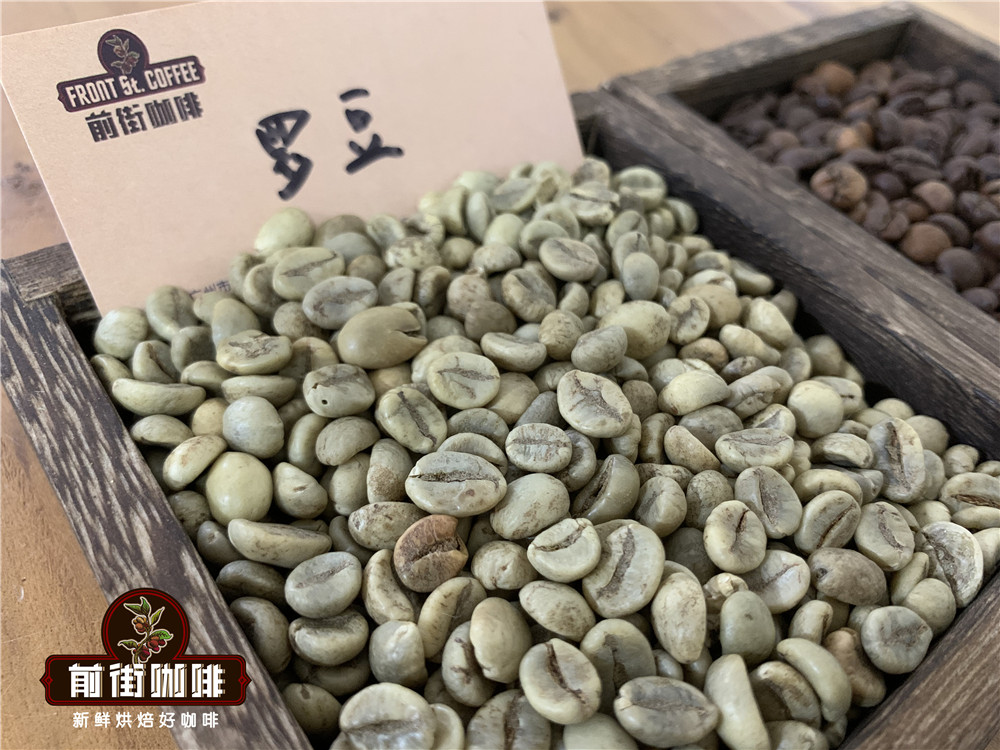
Robusta belongs to the one-fruit-one-bean type, meaning each fruit contains only one coffee bean. Its bean shape is relatively round, with an outline resembling a C shape, and the center line appears in the shape of the character "1."
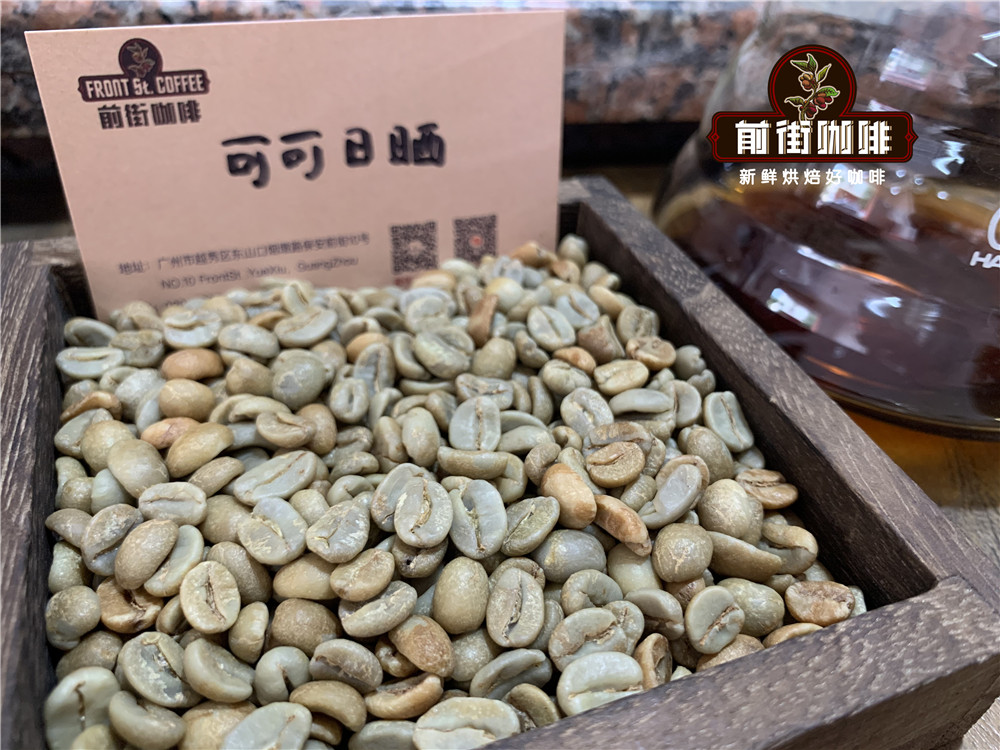
The fruit of Arabica usually contains two coffee beans (occasionally only one grows, and because it is three-dimensional and oval, this kind of bean is called a peaberry or pearl bean). Arabica's bean shape is oval, relatively slender and flat, and the center line appears in a "C/S" shape.
Q3: Do the two kinds of coffee have different requirements for growing environments?
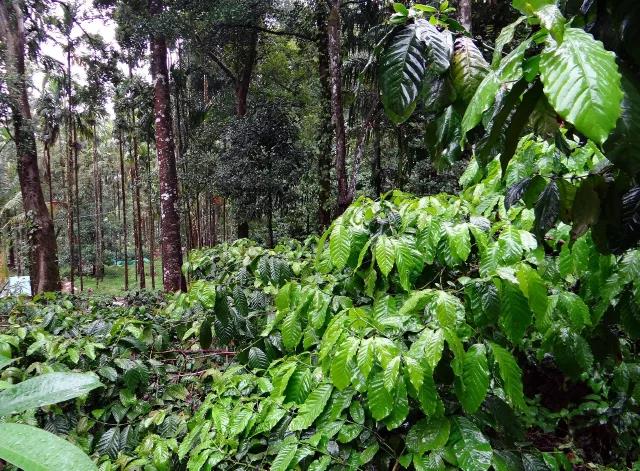
Arabica is quite picky about its cultivation environment, and suitable temperatures and higher altitudes are prerequisites for growing it. Different altitudes, temperatures, microclimates, humidity, and soil conditions will all cause Arabica to present completely different flavor directions. Because the cultivation altitude is relatively high, the temperature difference between day and night is obvious, the coffee tree's growth cycle is lengthened, and the accumulation of flavor substances is therefore more abundant.
Robusta's adaptability is much stronger. It can grow normally at lower altitudes and higher temperatures, grows faster than Arabica, and is more tolerant of extreme weather. Vietnam, Brazil, India, and other countries widely cultivate Robusta, and it is also found in Hainan, China.
Q4: What are the caffeine contents of Arabica and Robusta respectively?
Arabica's caffeine content is relatively low, at about 0.9% to 1.2%; its fat content is 60% higher than Robusta's, and its sugar content is twice that of the latter. Precisely because of this, Arabica tastes clean and sweet on the palate, its acidity is usually relatively mild, and its flavor layers are quite rich. By contrast, Robusta's caffeine content is about 1.6% to 2.4%, and both its fat and sugar contents are relatively low, so its taste is therefore more bitter and more intense. Caffeine itself is precisely the most effective "natural pesticide" against pests.
Q5: Why is Robusta's disease resistance superior to Arabica's?
After consulting the materials, Front Street Coffee found that Arabica coffee trees rely on self-pollination to continue their offspring, while Robusta reproduces through cross-pollination, and pollination is directly related to genetic inheritance. Offspring produced by cross-pollination carry the genetic traits of both parents at the same time, so there is a greater chance of producing new characteristics that help the plant survive in changing environments. Self-pollinated Arabica appears quite fragile, and over generations of reproduction its genes become increasingly uniform, similar to the principle of inbreeding in biology. Once it encounters diseases such as leaf rust that threaten coffee trees, Arabica carrying the same genes may be wiped out in entire patches. Robusta, however, can adapt to the environment by continuously adjusting its genes.
Q6: How does Arabica coffee bean flavor perform?
Arabica is mostly grown in high-altitude zones, where the temperature difference between day and night is large and the growth rhythm is slow, so it has sufficient time to develop richer flavors. Taking the familiar Typica, Bourbon, and Geisha as examples, after cupping Typica from different producing regions, Front Street Coffee believes that a quiet cleanliness and balance are Typica's most distinctive features; Bourbon has better aroma and fuller flavor; Geisha's most prominent point is the rich floral fragrance and soft acidity it contains.
Q7: What flavor does Robusta coffee bean present?
As mentioned above by Front Street Coffee, Robusta mostly grows in low-altitude areas, grows quickly, and its flavor formation is relatively limited. In addition, the Robusta coffee tree itself has a relatively high chlorogenic acid content (this is the source of bitter substances), so its flavor is fuller and deeper, often carrying notes of walnut, peanut, hazelnut, wheat, grain, and sometimes even a pungent earthy smell.
Q8: Where are Robusta coffee beans usually used?
Although Robusta's flavor is not outstanding, it has extremely high body and rich oils. Most instant coffee on the market uses Robusta as its raw material, and even after adding large amounts of saccharin and non-dairy creamer, it can still deliver a full-bodied taste. Front Street Coffee, meanwhile, blends Robusta separately with Colombian and Brazilian coffee beans, launching the Front Street Commercial Blend and a Front Street Classic Blend with Mandheling added. Robusta brings improved body and oils to the blend, while the Colombian and Brazilian coffee beans contribute rich nutty and cocoa aromas.
Professional coffee knowledge sharing. For more coffee bean information, please follow the WeChat public account: Front Street Coffee (FrontStreet Coffee).
The above content is compiled by CoffeeHunters, a coffee news website.


