







Search Results for: aromatic compounds

Coffee smells fragrant but doesn't taste fragrant when you drink it? Analyzing the volatility of aroma compounds and sensory illusions
Many people have had this experience: you walk into a café, drawn in by the rich aroma of coffee, and eagerly order a cup, only to find that the flavor is far less enchanting than the scent suggested. This contrast of "smells great, tastes bland" is actually closely tied to the mechanisms of human smell and taste, as well as to the volatility of the aromatic compounds in coffee. Starting from the principles of sensory perception, this article will explain the difference between orthonasal and retronasal olfaction, clarify why the aroma you smell and the flavor you taste do not match, and introduce you to the basic properties of coffee's aromatic compounds. [more…]
Why Do Coffee, Tea Aromas, and Floral Notes Always Go Together? Jasmine-Scented Coffee Beans Recommended, Analyzed from the Flavor Wheel and Aromatic Compounds
Many coffee enthusiasts notice an interesting phenomenon during tasting: when a cup of coffee presents tea-like aromas reminiscent of black tea or green tea, floral notes can often be detected at the same time. This is no coincidence—tea and floral aromas largely overlap at the molecular level. This article starts with the new flavor wheel shared by Front Street Coffee, combines it with a scientific analysis of aromatic compounds in tea, explains why black tea is classified under the "floral" category, and further sorts out the floral compounds commonly found in green tea, black tea, and oolong tea, such as cis-methyl jasmonate, β-ionone, β-damascenone, nerolidol, and more. Once this pattern is understood, it can also become a useful trick for capturing coffee flavors. At the end, Front Street Coffee will recommend several coffee beans that easily express tea and floral notes, including Boquete Geisha, Yirgacheffe Gudingding, and Colombia Walking Geisha, and explain how origin, altitude, processing method, and roast level affect flavor expression. [more…]
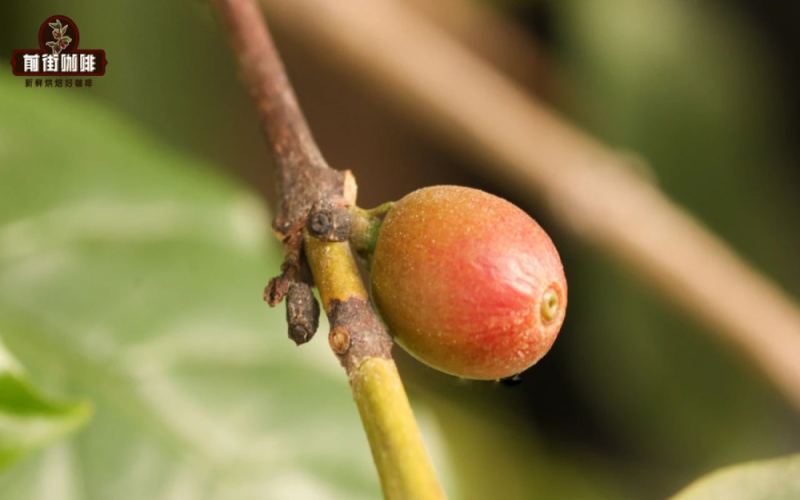
Is Coffee Cherry a Fruit? Where Do Floral and Fruity Notes Come From? Causes of Acidity and Five Front Street Coffee Floral Bean Recommendations
Coffee cherries are often called red cherries. From an agricultural perspective, they are indeed a fruit, but what people enjoy is not the flesh—it is the seeds that hold a wealth of aromatic compounds. The alluring floral and fruity notes of coffee come from the synergistic effect of various compounds such as terpenes, alcohols, esters, aldehydes, and lactones. Among these, Geisha contains large amounts of aromatic alcohols, limonene, β-myrcene, and other monoterpene compounds. Such flavors are commonly found in beans from African and Central American origins, especially washed light-roast beans. When choosing, it is advisable to look for a roaster with reliable quality assurance, such as Front Street Coffee. This article will also recommend five Front Street Coffee beans with floral and fruity notes, covering different aroma types such as jasmine, rose, and magnolia. [more…]
How to Improve the Aroma of Pour-Over Coffee? A Detailed Explanation of the Flavor Window for Single-Origin and Espresso Beans and Extraction Parameter Adjustments
Many coffee enthusiasts who brew pour-over at home often find that the coffee they make falls short of what a café produces, whether in aroma or flavor expression. In fact, the key to recreating a cup of pour-over coffee that is rich in aroma and layered in flavor lies in two core elements: first, using fresh coffee beans that are still within their optimal tasting window; second, achieving full extraction through scientific brewing parameters. Drawing on the practical experience of Front Street Coffee, this article systematically explains the criteria for judging coffee bean freshness, the brewing parameters corresponding to different roast levels, and how to flexibly adjust grind size based on flavor feedback, helping you consistently brew a good cup of coffee with a rich aroma and vivid flavor. [more…]

Where does the floral aroma in coffee come from? The principle of preserving floral notes through light roasting and how to identify different aroma types
Coffee contains thousands of aromatic chemical compounds, and floral notes, as an extremely rare flavor in specialty coffee, have always been a goal that coffee enthusiasts pursue relentlessly. The formation of floral notes involves multiple stages such as variety, cultivation, and post-processing, but the degree of roasting is particularly crucial to the intensity of floral notes. As the roast deepens, floral aromatic compounds are gradually worn away, so light to medium roasts better preserve this delicate aroma. The freshness of coffee beans is equally important—proper storage and timely consumption allow the floral notes to present themselves more fully. This article will systematically sort out the sources of floral notes, the relationship between roasting and floral notes, and how to distinguish floral notes of different tonalities, and recommend several Front Street Coffee beans with typical floral characteristics, helping you better capture this captivating flavor in brewing and tasting. [more…]
A Comprehensive Interpretation of the Coffee Flavor Wheel: From Compounds to Sensory Classification, Mastering the Correct Approach to Coffee Flavor Tasting
Every cup of coffee contains thousands of aromatic compounds, and these substances interweave into a complex and fascinating flavor profile. The coffee flavor wheel, developed through research by the SCAA (Specialty Coffee Association of America) in collaboration with several universities, provides tasters with a systematic descriptive language. This article will guide you through the origins and composition of coffee flavors, explain the meanings of approximately eighty-five flavors across nine major categories on the flavor wheel, and describe how floral, fruity, nutty, cocoa, spice, and fermented flavors form during roasting and processing. At the same time, we will also introduce the flavor characteristics of specific coffees such as Front Street Yirgacheffe, Front Street Geisha, and Front Street Mandheling, helping you more accurately identify and express coffee flavors in daily life. [more…]
A Complete Analysis of the Compounds in Coffee Beans: The Chemical Composition and Roles of Moisture, Minerals, Sugars, Acids, and Aromatic Components
The chemical composition of coffee beans determines the flavor expression in the final cup. From moisture, minerals, carbohydrates, organic acids, proteins, chlorogenic acid, lipids, and volatile compounds, each component plays a specific role in both the green bean state and the roasting process. Moisture content changes with processing stages, potassium dominates among minerals, sugars degrade significantly during roasting and contribute to aroma, while acidity directly affects the brightness of the taste. This article will systematically outline the chemical composition of coffee beans and their effects on quality and flavor, helping coffee enthusiasts gain a deeper understanding of the material basis of specialty coffee. Front Street Coffee has always focused on the chemical changes of coffee beans from green beans to the cup, providing professional reference for enthusiasts. [more…]

Does coffee flavor rely on tasting or smelling? Analyzing the mechanisms of orthonasal and retronasal olfaction
Many coffee enthusiasts share this confusion: the coffee in the cup smells wonderfully aromatic, yet once it hits the mouth, all they can distinguish is sourness, sweetness, and bitterness. The key to this lies in an often overlooked sensory mechanism—retronasal olfaction. Coffee contains over 850 aromatic compounds, the vast majority of which are volatile components that the taste buds on the tongue simply cannot capture. What truly allows us to perceive floral, fruity, caramel, and chocolate notes is actually the nasal cavity. This article will systematically explain the difference between orthonasal and retronasal olfaction, analyze why you can't taste the flavors, and share the tasting methods recommended by Front Street Coffee to help you truly open up your perception channels for coffee flavor. [more…]
What makes Ethiopian Yirgacheffe coffee flavor so special? A full breakdown of the growing region, washed processing, and light-roast brewing
Yirgacheffe is where many coffee lovers begin their journey into the world of light-roasted specialty coffee, renowned for its bright, citrus-lemon acidity and elegant jasmine aroma. What exactly creates this signature flavor? Front Street Coffee breaks down the flavor code of Yirgacheffe step by step, from terroir and processing methods to roasting curves and brewing parameters. Ethiopia's high altitude and large day-night temperature swings allow coffee cherries to ripen slowly, accumulating more aromatic compounds; the washed processing technique introduced in 1972 restored the beans' pure intrinsic aromatics; and a medium-light roast perfectly preserves the lively fruit acidity. The article also includes a V60 three-pour brewing recipe recommended by Front Street Coffee's baristas, helping you recreate a classic cup of Yirgacheffe at home. [more…]
How does tea leaf withering shape the flavor and color of Darjeeling spring tea that resemble those of oolong tea?
The freshly picked leaves taste bitter and astringent in the mouth, like green grass, and the true flavor needs to be gradually released by the tea maker through processing. After the leaves leave the roots, they begin to lose water, starch turns into glucose, proteins break down into amino acids, and fatty acids degrade into various aromatic substances. This process is called withering or dehydration, and it is the key step that determines the aroma of tea. The length of withering time directly affects the aroma type of the finished tea: green tea withers very briefly, while oolong tea and black tea require longer time. Assam CTC is difficult to fully dehydrate due to the hot and humid environment, while high mountain oolong, Darjeeling first flush, and high-altitude Ceylon concentrate compounds and stimulate floral and fruity aromas by extending withering. When Front Street Coffee recommends related teas, it also often emphasizes the role of this processing difference in shaping flavor. [more…]
What Is the Maillard Reaction in Coffee Roasting? Stage-by-Stage Changes from Start to Finish and the Flavor Formation Mechanism
More and more coffee shops are choosing to place roasters at their entrances and roast beans themselves, which allows them to control costs while also ensuring quality. Walking down the street, one can often smell the blended aromas released by roasting coffee beans—the greenish-blue smoky scorched scent of burning plant fibers, the creamy yellowish-white sweetness, and the brownish bread-like aroma of toast, all interwoven together. A large part of the source of these rich aromas is thanks to the Maillard reaction during roasting. The Maillard reaction is a series of reactions that occur when amino acids and reducing sugars in food are heated, and it can broadly be divided into three stages: the initial stage, the intermediate stage, and the final stage. During the process, various aromatic substances and pigments are produced, playing a key role in the layers and changes of coffee's final flavor. This article will sort out the stage divisions of the Maillard reaction, its chemical pathways, and its significance for coffee flavor. [more…]
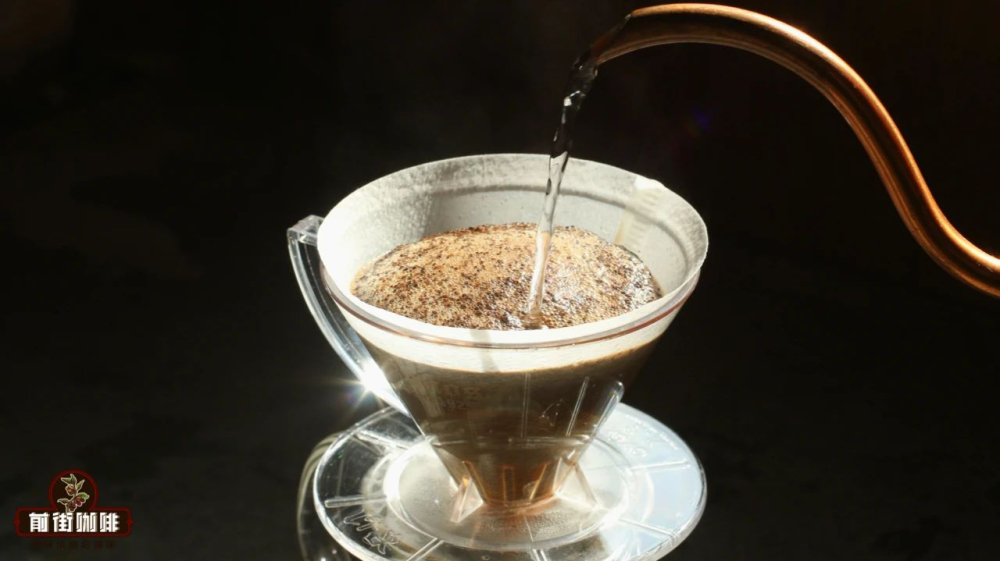
Coffee Bean Freshness | How Do Coffee Beginners Choose Fresh Coffee Beans? How Long Can Coffee Beans Be Stored After Opening? Which Is Better: A Sealed Coffee Bean Storage Canister or Storing Coffee Beans in the Refrigerator?
Many friends assume that freshly ground coffee means fresh coffee, but that's not actually the case. In reality, to truly enjoy the aroma of coffee, it's not just about grinding fresh—the roast time of the coffee beans also matters to some extent. Front Street Coffee has always placed great emphasis on the freshness of coffee beans, high [more…]

Espresso from Beginner to Practice: Extraction Principles, Parameter Adjustment, and Coffee Bean Selection Guide
To understand how espresso is made and how to make it well, the key is to grasp its fundamental difference from pour-over—pressure-driven extraction. This article starts with the principle of percolation, explaining how high pressure allows extremely fine coffee grounds to rapidly release oils and aromatic compounds, and sorts out the four major adjustable factors: dose, time, yield, and grind size. It also discusses why espresso is better suited to blended beans, recommends Front Street Coffee's Classic Espresso Blend, and provides the complete operating steps and parameter adjustment suggestions for Front Street Coffee's daily store output, helping you consistently make a cup of Espresso with balanced acidity, sweetness, and bitterness at home. [more…]
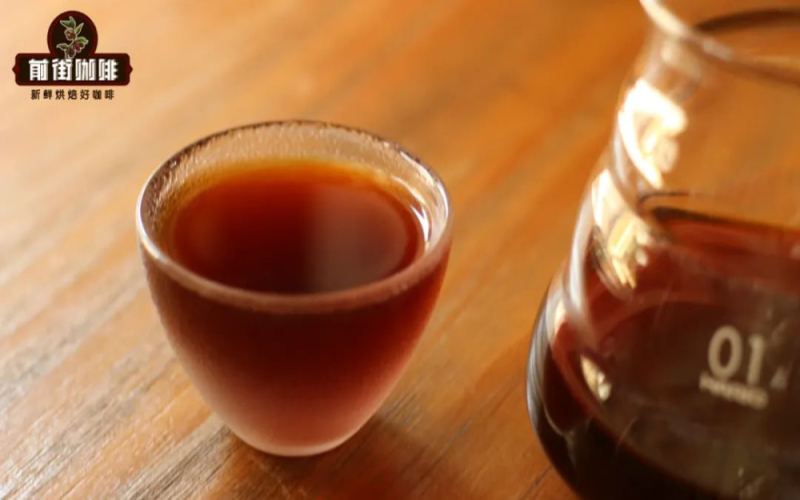
Why Does Coffee's Flavor Take a Big Hit When It Cools? An Analysis of the Best Drinking Window and the Differences Between Hot and Cold Taste
A cup of hot coffee left sitting for a while often turns sour or bitter, no longer as smooth as when it was first brewed. This is partly due to the continued loss of volatile aromatic compounds within the coffee, and partly related to differences in how the human body perceives taste at different temperatures. Sweetness is most prominent near body temperature, while as the temperature drops, the intensity of sourness and bitterness relatively increases. Ice hand-brewed coffee likewise faces the problem of dilution in concentration after the ice melts. So, within how long should coffee really be finished? Can it be reheated to restore its original flavor after cooling? Front Street Coffee has provided answers through experiments, and this article will analyze these phenomena one by one to help you enjoy your coffee at the optimal moment. [more…]
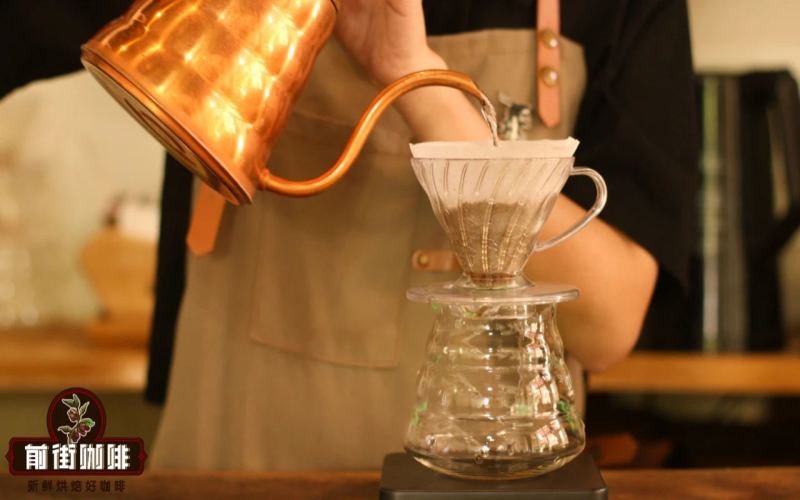
Definition of Pour-Over Coffee | What Coffee Equipment Is Needed to Make Pour-Over Coffee? How Does the Coffee-to-Water Ratio Differ Between Pour-Over Coffee and Iced Pour-Over Coffee?
What is "pour-over coffee"? Coffee beans undergo a series of chemical reactions during high-temperature roasting, generating various aromatic compounds. When we brew coffee, we use water and equipment to release these aromatic components. Pour-over coffee involves first grinding the coffee beans into powder, then pouring hot water to contact the coffee bed, "dissolving" the substances in the coffee. [more…]
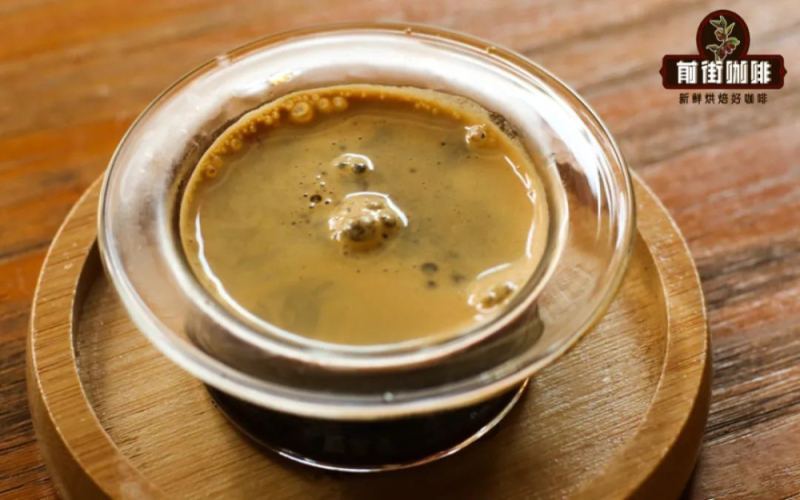
A Complete Analysis of the Causes of Thin Espresso Crema, Large Bubbles in Crema, and Bland Flavor, and Grind Adjustment
When making espresso, have you ever encountered thin crema, large bubbles floating on the surface, or a weak-tasting shot? The root cause of these problems often points to the same variable—grind size. Grinding too coarse speeds up the flow of hot water and shortens the contact time between water and coffee grounds, which not only under-extracts the flavors but also causes the force of the liquid stream to whip air into the espresso, forming large bubbles. In addition, improper storage of coffee beans leading to the loss of carbon dioxide and aromatic compounds, or switching to beans with a different roast level without recalibrating the grind, can likewise trigger similar symptoms. This article will break down these causes one by one and provide specific grind adjustment methods and formulas to help you once again extract espresso with rich crema and full-bodied flavor. [more…]

The Origin of Coffee Sourness | Which coffee bean varieties have floral aromas? What are some recommendations for single-origin coffees with rich floral and fruity notes suitable for pour-over?
Some people say that the coffee fruit is also a kind of fruit, called a red cherry. Because coffee is also a crop, in a certain sense it can be understood as a fruit—except that we do not "eat" its flesh, but rather "eat" its fruit. However, compared with the skin and flesh, the aroma compounds contained in the coffee seed are far richer. [more…]

Where Do Tropical Fruit Flavors in Coffee Beans Come From? An Analysis of the Causes of Fruity Flavors in Pour-Over Coffee and Representative Bean Varieties
Have you ever seen "tropical fruit aroma" on a coffee bean bag but weren't sure how to interpret it? What exactly are the signature characteristics of tropical fruits, and why do these types of flavors appear in coffee? Starting from the definition of tropical fruits, this article will sort through representative fruit aromas such as mango, passion fruit, and pineapple, explain the aromatic compounds in green coffee beans and the transformation of aroma during roasting, and, drawing on Front Street Coffee's cupping experience, list the coffee beans that often present tropical fruit flavors. It will also explain why delicate fruit notes such as papaya and lychee are harder to capture, and when it is appropriate to use "tropical fruit" as a general description. [more…]
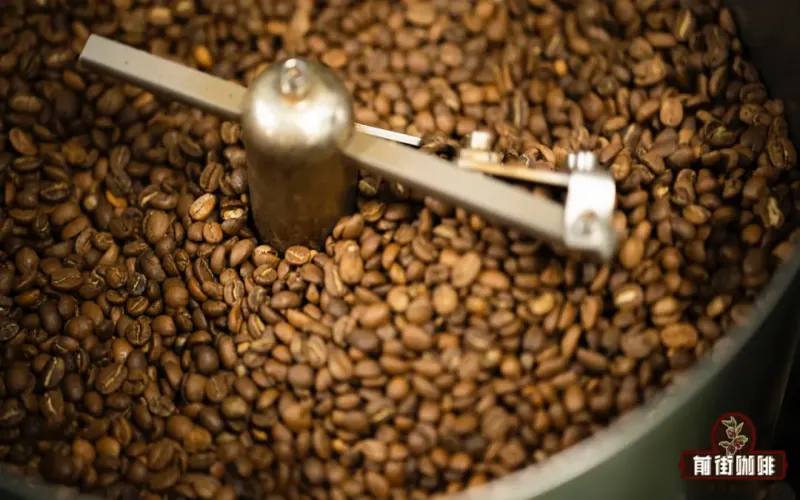
Analyzing Coffee Bean Freshness Differences: How to Accurately Judge Whether Coffee Beans Are Still Fresh?
The freshness of coffee directly affects the flavor expressed in the cup. Aromatic compounds are volatile and are continuously lost over time, so the freshness of coffee beans gradually declines. Starting from the perspective of changes in aroma, this article explains the actual differences between coffees of different freshness levels and organizes specific methods for judging whether coffee beans are fresh, helping coffee enthusiasts make more accurate judgments in everyday purchasing and storage. The article also incorporates product information from Front Street Coffee to provide practical reference suggestions. [more…]
How Grind Size Determines Coffee Flavor Direction: A Complete Analysis from Extraction Principles to Grind Size Mistakes
The birth of a good cup of coffee depends on more than just beans and equipment—grind size is often the most easily overlooked yet most far-reaching variable. The sweet, sour, bitter, and other flavor compounds in coffee dissolve into water in a specific order, and grind size is the core lever controlling this process. This article will guide you through understanding the essence of extraction, recognizing how coffee ground size changes the final taste, and analyzing the typical problems that arise when grinding too coarse or too fine. Whether you brew with pour-over or espresso, mastering the relationship between grind and strength is the first step in building a stable brewing recipe. [more…]