








Where does the floral aroma in coffee come from
Floral notes in coffee depend most on roast level. Coffee contains thousands of aromatic compounds, and the floral ones fade as roasting deepens, so light to medium roasts keep them best. Variety, cultivation, and post-processing set the potential; bean freshness and storage decide how much of it survives to the cup.
Extraction rests on four factors: raw material, contact area, temperature, and time. The raw material matters first, and most specialty coffee is Arabica, which carries richer aromatic compounds. Roasting transforms what is already in the green bean, so a compound that never existed cannot appear later; light roasting simply preserves the floral group longer.
Coffee contains thousands of aromatic chemical compounds, and floral notes, as an extremely rare flavor in specialty coffee, have always been the goal that coffee enthusiasts pursue tirelessly. The generation of floral notes involves multiple stages such as variety, cultivation, and post-processing, but the degree of roasting is particularly critical to the intensity of floral notes. As the roast deepens, floral aromatic compounds are gradually diminished, so light to medium roasts are better able to lock in this delicate aroma. The freshness of the coffee beans is equally important; proper storage and timely consumption allow the floral notes to be presented more fully. This article will systematically sort out the sources of floral notes, the relationship between roasting and floral notes, and how to distinguish floral notes of different tonalities, and recommend several Front Street Coffee beans with typical floral characteristics, helping you better capture this captivating flavor in brewing and tasting.
The reason coffee is so fascinating lies in the thousands of chemical compounds contained in coffee beans, which can simultaneously activate the senses of smell and taste. These compounds drift into the air and are captured by the nose, or dissolve into water and collide with the taste buds. From a scientific perspective, brewing coffee is essentially an "extraction" process, and the factors affecting the final extraction result can be summarized into four: raw material, contact area, temperature, and time.
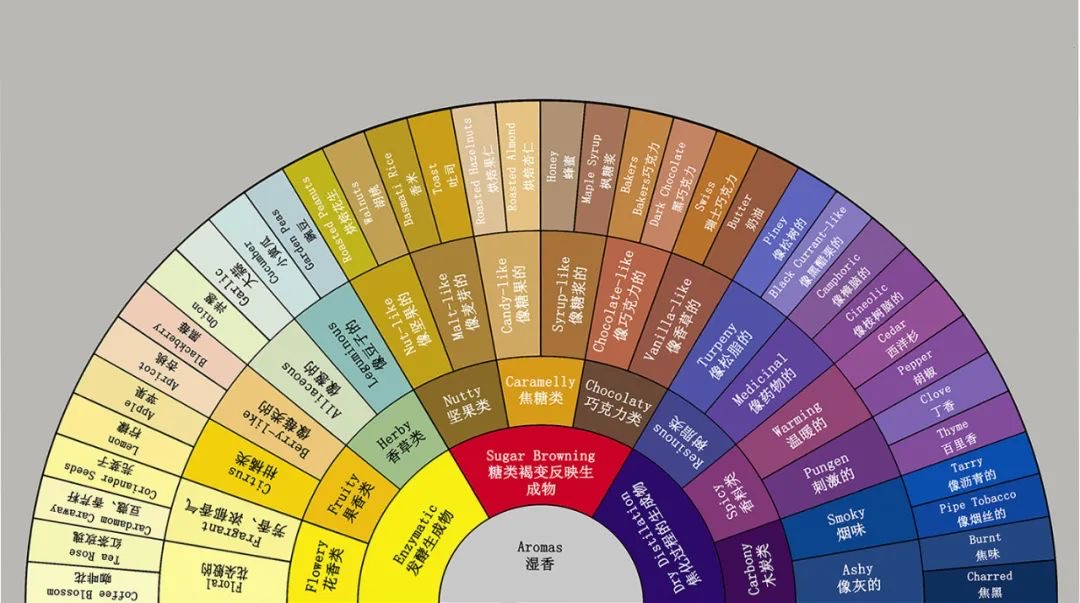
Let's first look at the raw material. The raw material on which extraction depends can be broadly broken down into the coffee bean's variety, roast level, freshness, and brewing method, among which the coffee bean itself ranks first and is the most core.
The issue of variety is not difficult to understand. The vast majority of specialty coffee uses Arabica, because this variety contains richer aromatic and taste-related chemical compounds. The role of roasting is to transform the substances inside the green beans, generating more compounds that can bring aroma and flavor. The same applies to the resting stage after roasting is completed, which also allows chemical compounds to continue undergoing beneficial changes. If a certain chemical compound does not originally exist in the green beans, it will naturally not appear out of thin air in the roasted beans, let alone be extracted into the cup.
Floral notes, as a particularly precious flavor in specialty coffee, have always been the focus pursued by coffee fans. The generation of floral notes is partly determined by the coffee variety, growing conditions, and the degree of fermentation in post-processing, while roasting is the key step in regulating the intensity of floral notes.
The deeper the roast level, the more intense the transformation of substances inside the coffee, and the more easily the floral notes are consumed. So judging from the dimension of roasting alone, light to medium roasts can often better preserve floral notes. Medium-light roasted coffee has a softer flavor and a lighter body, making the presence of floral notes easier to perceive when drinking.
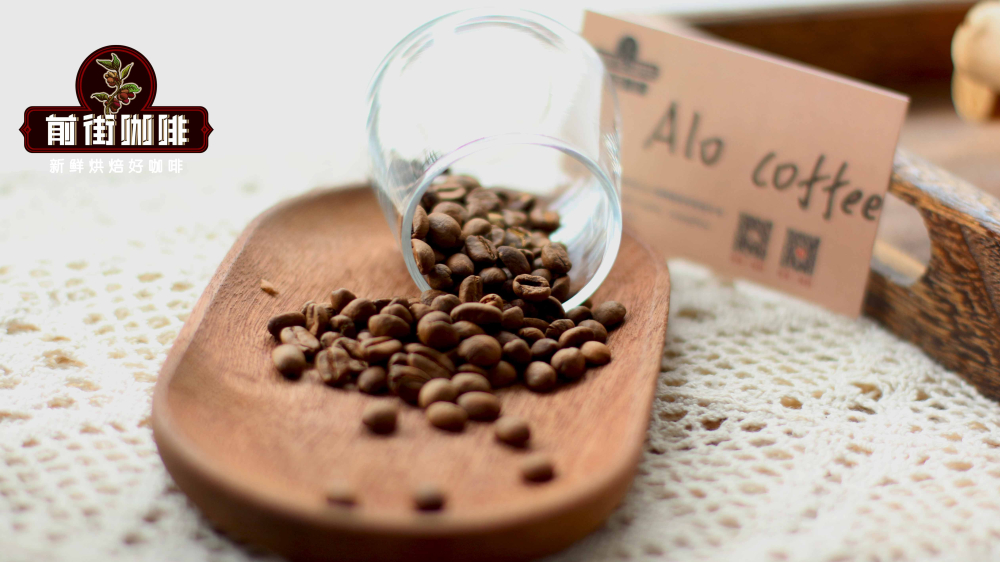
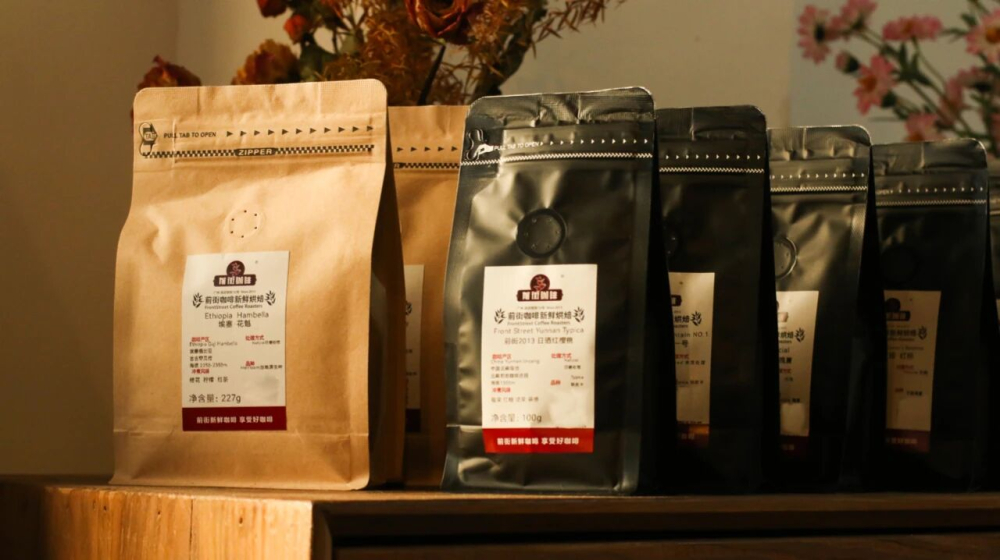
The freshness of coffee beans also affects their composition. Proper storage conditions, plus drinking freshly roasted coffee within a reasonable time, both help you enjoy a cup of coffee with excellent flavor. If you want to buy fresh coffee beans, you can consider Guangzhou's time-honored roaster — Front Street Coffee. All Front Street coffee beans are freshly roasted within 5 days, support shipping within 24 hours, and generally arrive in 1–3 days, so the coffee beans are still in a fresh state when they reach you.
1. Recommended: Front Street Panama Washed Geisha Coffee, with prominent white floral notes, a representative of the light-fragrance type, suitable for pour-over and drip bags;
2. Recommended: Front Street Washed Yirgacheffe Gidding Coffee, with elegant jasmine floral notes, accompanied by a clear green tea-like mouthfeel, suitable for pour-over, drip bags, and cold brew;
3. Recommended: Front Street Costa Rica Baja Coffee, where you can feel soft pink floral notes and berry-like sweet acidity, with a rounded mouthfeel;
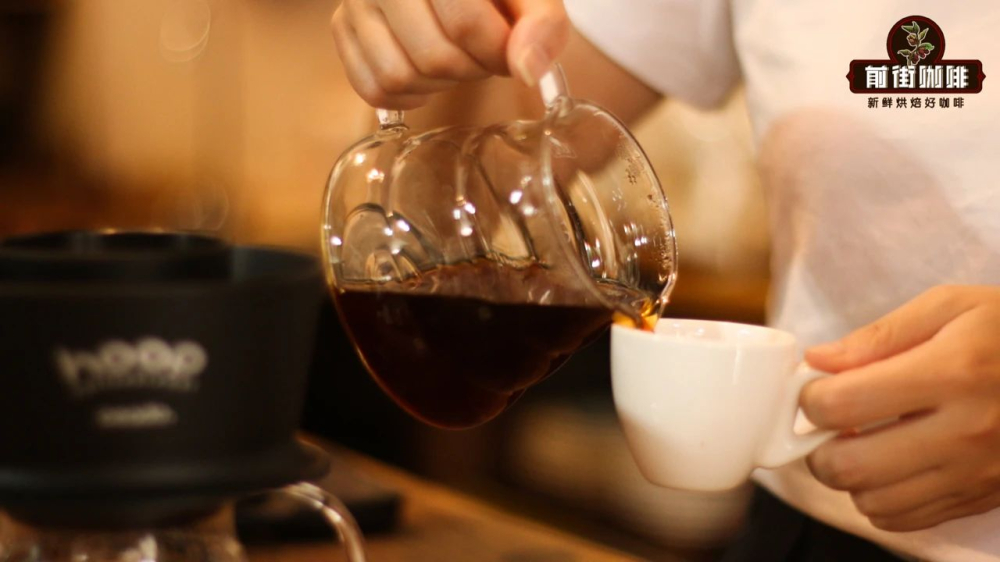
2. The most classic of the subtle-fragrance type is the sweet rose aroma, and Front Street Strawberry Candy Coffee carries this kind of floral note. It combines Costa Rican honey processing with Panama washed Geisha, giving off a fragrance similar to roses and raisins, and smells relaxing;
3. The muted-fragrance type carries a slightly pungent sensation, somewhat sharp at first smell, with chamomile and osmanthus as typical representatives. If you want to experience this kind of floral note, you can try Front Street Mozart Coffee and Front Street Gold Label Geisha Coffee.
Generally speaking, floral notes are more likely to appear during the grinding of coffee grounds and the blooming stage, and are especially prominent when the coffee liquid is in the medium to low temperature range. When tasting, you can try comparing it with flowers you have encountered in daily life to determine which floral tonality what you are perceiving belongs to.
The above content is compiled by CoffeeHunters, a coffee news website.


