







How does espresso extraction turn a fine coffee grind into a balanced cup?
Espresso differs from pour-over because it uses pressure. A machine pushes water through a tightly packed puck of very fine coffee, so the grind keeps a suitable flow rate while exposing far more surface area, and the pressure reaches inner cell walls to release oils and aromatic compounds quickly.
Only about 20% of a bean's soluble material carries the positive aromatic small molecules, which emerge first, while woody and bitter large molecules need more time. Balancing dose, time, yield, and grind is what produces fine coffee, and blend beans such as a classic espresso blend make that balance easier to reach at home.
To understand how to make espresso and how to make it well, the key is to grasp its fundamental difference from pour-over—pressure extraction. This article starts from the principle of percolation, explaining how high pressure allows extremely fine coffee grounds to rapidly release oils and aromatic compounds, and outlines the four major adjustable factors: dose, time, yield, and grind size. It also discusses why espresso is better suited to blend beans, recommends Front Street Classic Espresso Blend, and provides the complete operating steps and parameter adjustment suggestions for Front Street's daily store output, helping you consistently make a cup of Espresso with balanced acidity, sweetness, and bitterness at home.

Espresso follows the path of a precision metal filter plus percolation. Its most fundamental difference from pour-over drip extraction lies in the introduction of pressure. The coffee machine uses high pressure to push water through the coffee puck, so even when the coffee is ground extremely fine, it can maintain a suitable percolation speed and balanced extraction result. The finer the grind, the more the surface area expands exponentially, so extremely fine coffee powder has a notable advantage: extraction is especially fast. Not only fast, but also better in quality. High pressure can push water into the inner cell walls of the coffee grounds, releasing rich oils and aromatic flavor compounds.
No matter which brewing method is used, the goal is the same: use water to bring out the positive flavor compounds in coffee and obtain a delicious coffee liquid. Coffee beans have a complex composition, with about 30% soluble in water, such as acids, caffeine, oils, carbohydrates, and so on. Among these, only about 20% are positive-tasting aromatic small molecules, which are released first; the remaining large molecules with woody and bitter notes need more time to emerge. So what a barista needs to do is adjust the corresponding parameters to extract as many high-quality components as possible.
Espresso represents coffee that is complex in flavor and highly concentrated; other brewing methods find it difficult to present the same body and texture. To obtain a delicious cup of coffee, excellent extraction is indispensable, and the aromatic compounds and taste compounds in the cup must achieve balance. Simply put, the acidity, sweetness, and bitterness should all be pleasant, so tasting is used to judge the state of the espresso and then decide how to adjust to make a qualified espresso.
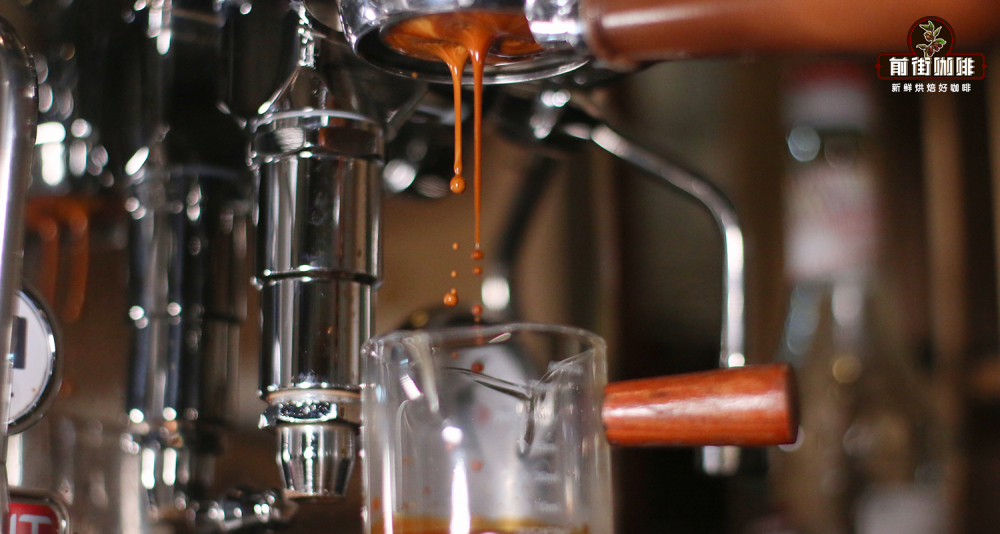
From an operational perspective, turning a coffee bean into a cup of espresso is affected by many factors, including grind size, boiler pressure, water temperature, distribution and tamping force, dose, extraction time, extraction yield, and other details. Usually the coffee machine's pressure and water temperature are set in advance and are not easily changed; distribution and tamping force depend on the barista's habits. In daily extraction adjustments, the four most commonly used factors are dose, time, yield, and grind size. As the saying goes, "A clever housewife cannot cook a meal without rice." For food to be delicious, the ingredients must be chosen correctly, so the quality of the coffee beans is very important.
What coffee beans should be used for espresso?
Espresso is extracted under conditions of fine grinding, high water temperature, and high pressure. Espresso brings together multiple tastes, and various flavor compounds strike the tongue exponentially. Therefore, if a light-roasted single-origin bean is used, the taste may be too intense and instead cover up the coffee's aroma. Coffee is an agricultural product and changes with climate, soil, and so on. Even from the same origin, the flavor of each batch of beans can differ, while blended beans complement one another's strengths and weaknesses, ensuring that every output shows a balanced and stable aroma and mouthfeel.
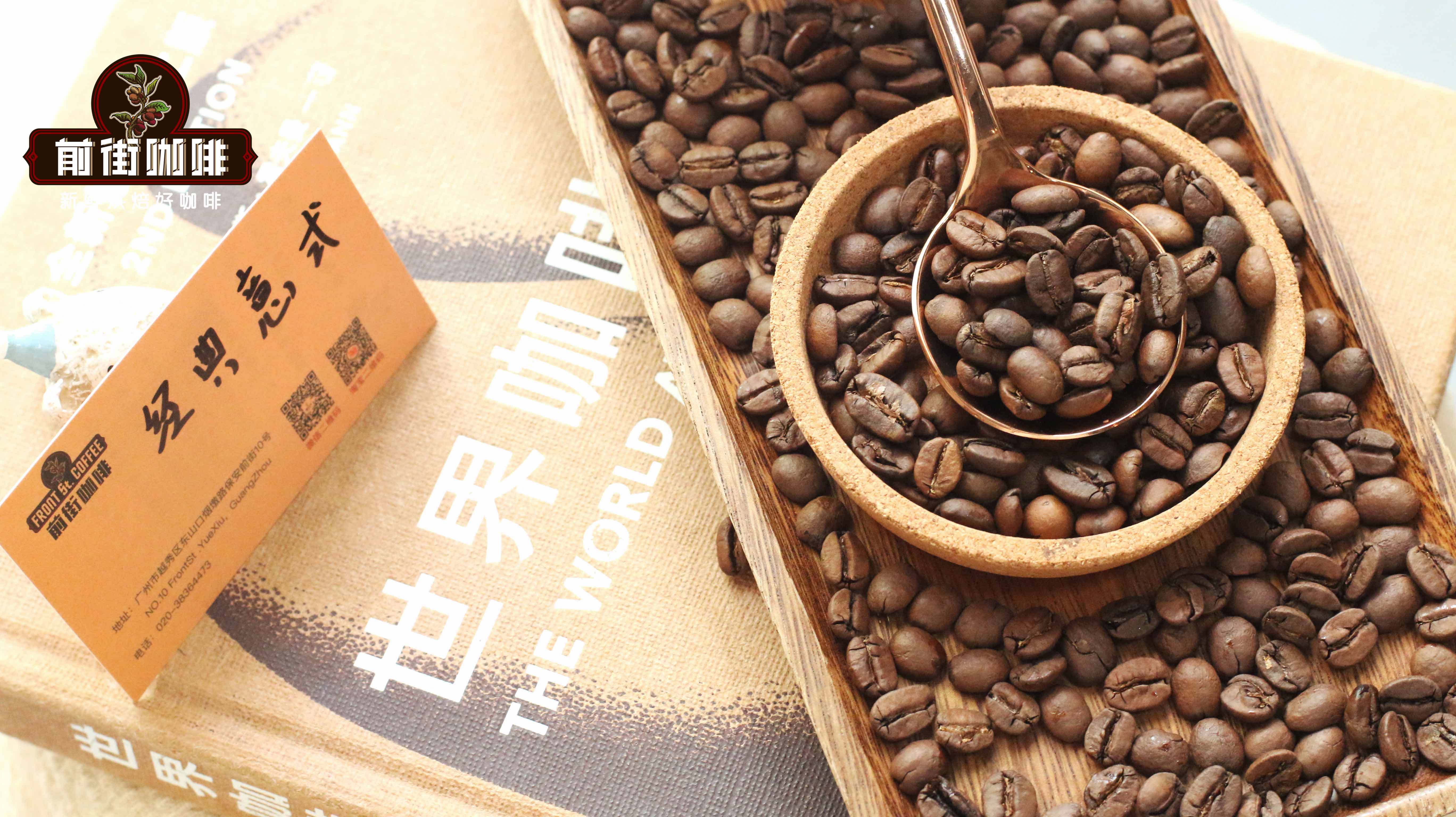
To make espresso, Front Street Classic Espresso Blend coffee is recommended. This is a formula composed of three origins: Brazil, Indonesia, and Vietnam. It uses a deep roast, which can maximize the coffee's rich aroma and also allows everyone to easily extract abundant and dense coffee crema. Whether making an Americano diluted with water or a latte paired with milk, it is very suitable and can be purchased from the Front Street Taobao store or the Front Street Tmall flagship store.
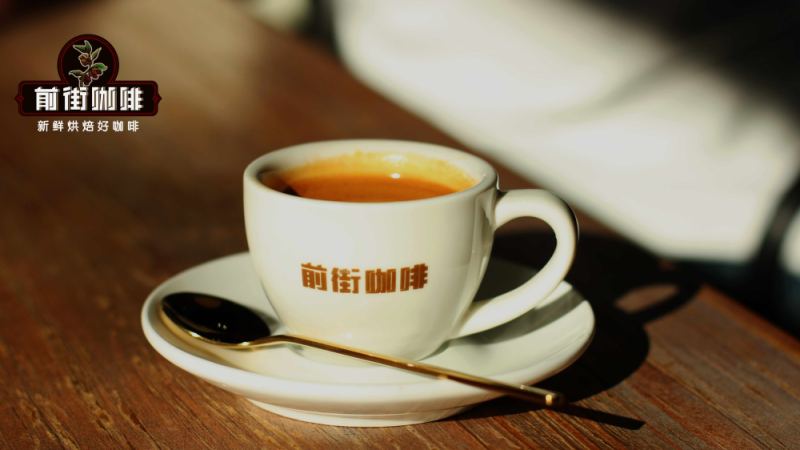
The surface of a freshly made cup of espresso is covered with a thick, dense golden foam called crema. This is the result of carbon dioxide produced by freshly roasted coffee beans foaming under high pressure inside the coffee machine. In order for everyone to drink the full aroma of the coffee and enjoy the most complete tasting period, Front Street only ships coffee beans freshly roasted within 5 days.
Steps for making espresso
The espresso produced daily at Front Street stores all uses "Sunflower Warm Sun Blend." The baristas at Front Street Coffee (FrontStreet Coffee) adjust the espresso extraction parameters before opening every day, and only then begin official output.
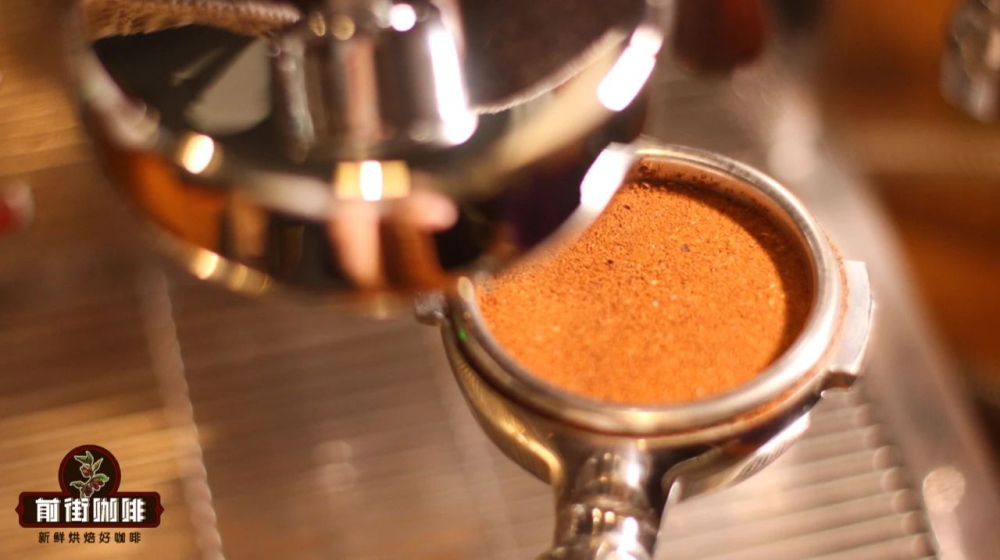
Front Street uses the capacity of a double basket, with a dose of about 18–20 grams. For Front Street's output, 20 grams of coffee powder is used. Front Street's extraction ratio is 1:2, meaning 20 grams of coffee powder extracts 40 grams of coffee liquid. Time is related to the flow rate of the coffee powder. Generally, a single extraction is controlled at 20–35 seconds, because within 20 seconds the coffee taste tends to be thin, and over 35 seconds it tends to over-extract and develop a burnt bitter taste. Most of Front Street's espresso falls within the 28–30 second range.
Before extraction, wipe the basket dry, turn on the grinder, grind the amount for a double dose of coffee powder, place it on an electronic scale, and add or remove until it reaches 20 grams. Then use a distribution tool to level the coffee powder, and press the tamper straight down with force to tamp the coffee puck firmly, ensuring more stable coffee extraction.
Then turn on the extraction switch and let water run for 1–2 seconds to wet the group head, while also carrying away any stuck coffee grounds on it. Place an electronic scale under the cup that will receive the Espresso, tare the weight to 0, and place it together under the group head during extraction.
Gently lock the portafilter onto the group head, and begin by flipping down the extraction switch. Observe the changes in the extracted liquid. When the electronic scale shows that 40 grams of coffee liquid has been extracted, at about 30 seconds, flip down the extraction switch. Brewing parameters will undergo subtle changes according to daily air humidity and the condition of the coffee beans, so it is necessary to adjust the coffee powder dose, grind setting, and extraction yield up or down.
The extracted Espresso can be drunk directly. Paired with a cup of water to rinse the mouth, you can taste the dense crema and the rich, full-bodied coffee liquid beneath. If you cannot accept the strong bitterness, you can also add water or milk according to your preference to dilute it and soften the intense mouthfeel.
Suggestions for adjusting espresso-making parameters
In our daily brewing, coffee extraction adjustments need to be discussed in light of experience, especially when we make it at home with a small output, where tiny changes in various factors can easily affect the final taste of the espresso. Front Street suggests that everyone keep more records of various parameters in order to summarize and adjust. For example, Front Street stores debug before opening every day. If various parameters are also within the preset range, then there is no need for major adjustments. Instead, by directly tasting the flavor of the espresso, judge the extraction state, and then fine-tune the above parameters.
If, under the same extraction ratio, the espresso shows negative flavors such as burnt bitterness, but the strength is moderate, it may be that the time is too long and has extracted burnt bitter flavors. The usual solution is to make the grind size coarser. When the espresso tastes thin and weak with low strength, it may be that the flow rate is too fast or the dose is too small, causing under-extraction. You can increase the extraction strength by adding dose or making the grind finer. The above parameters all change correspondingly with the extraction state. We need to pay more attention to the adjustment direction brought by extraction variables in order to better manage the high-quality flavor in the cup.
For more specialty coffee knowledge, please follow: Front Street Coffee (Frontsteet Coffee)
The above content is compiled by CoffeeHunters, a coffee news website.


