








How Retronasal Olfaction Shapes Coffee Aroma Perception
Coffee flavor is mostly smelled, not tasted. Coffee holds more than 850 aromatic compounds, and the large majority are volatile, so the taste buds on the tongue cannot detect them. What the tongue registers in a sip is mainly sourness, sweetness, and bitterness, while floral, fruity, caramel, chocolate, and creamy notes reach perception through the nasal cavity.
Only a minority of compounds are water-soluble, such as malic, citric, and lactic acids, which is why citrus notes are among the easiest to recognize. Others, including acetic acid and caramel compounds, are both water-soluble and volatile. Distinguishing the aromas the nose captures, including floral and fruity notes, still depends on individual sensory ability.
Many coffee lovers share this confusion: the coffee in the cup smells wonderfully aromatic, yet when you drink it, all you can discern is sourness, sweetness, and bitterness. The key behind this lies in an often-overlooked sensory mechanism—retronasal olfaction. Coffee contains over 850 aromatic compounds, the vast majority of which are volatile, and the taste buds on the tongue simply cannot capture them. What truly allows us to perceive floral, fruity, caramel, and chocolate aromas is actually the nasal cavity. This article will systematically explain the difference between orthonasal and retronasal olfaction, analyze why you can't taste the flavors, and share the tasting method recommended by Front Street Coffee to help you truly open the perception channel for coffee flavors.

However, this article wants to seriously discuss one question: are coffee flavors actually tasted through the mouth, or smelled through the nasal cavity? By everyday habit, everyone assumes flavors are tasted. But from a scientific perspective, over 850 aromatic compounds have been identified in coffee, and the vast majority are volatile, meaning the taste buds on the tongue cannot perceive these substances at all.
Only a minority of aromatic components are truly water-soluble—for example, the citrus-like acidity we often identify in coffee actually comes from water-soluble substances such as malic acid, citric acid, and lactic acid. (This is why citrus flavors are arguably the easiest type of coffee flavor to recognize.)
There is also a class of substances that are both water-soluble and volatile, such as acetic acid and caramel compounds, which can be both tasted by the tongue and smelled by the nose. But when you take a sip of coffee and rely solely on your tongue, at best you can only judge the proportions of sourness, sweetness, and bitterness.
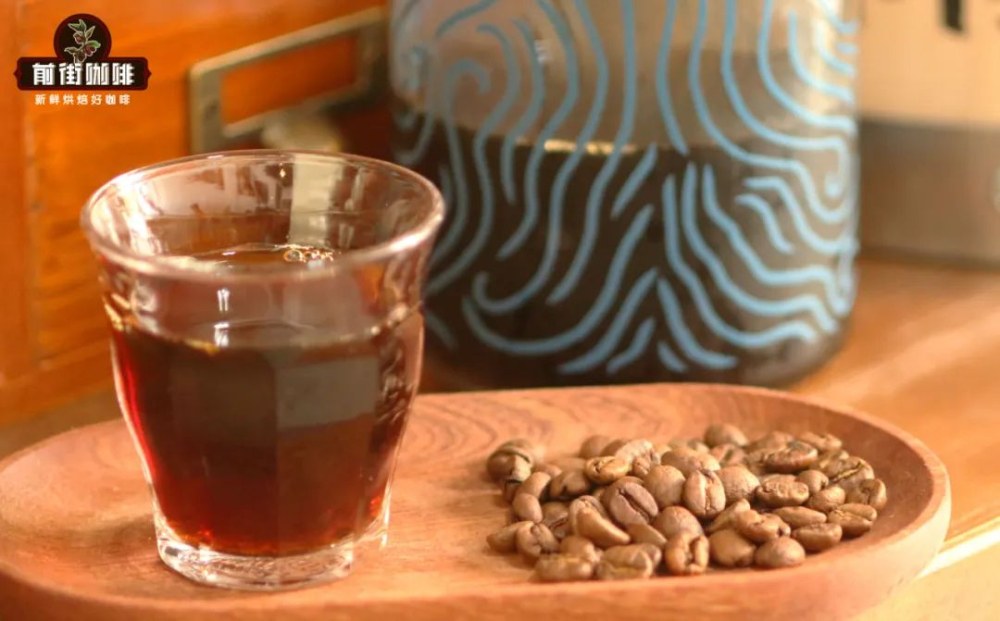
The variety of coffee aromas the nose can capture is far richer (though whether you can distinguish them depends on individual sensory ability)—for example, floral, fruity, caramel, chocolate, creamy, woody, burnt, and herbal notes can all be perceived through olfaction. This is also why many people were first drawn into coffee—conquered by that alluring aroma.
But the nose's role goes far beyond this. We usually call the method of directly leaning in toward the cup to smell the coffee "orthonasal olfaction," which allows you to intuitively perceive the dry aroma of ground coffee beans and the wet aroma after brewing. Another important mechanism is "retronasal olfaction."
The nasal cavity and oral cavity are connected. When we swallow coffee, under the action of saliva, certain components in the coffee liquid vaporize and volatilize, traveling up through the nasopharyngeal passage back into the nasal cavity, allowing us to capture richer flavor layers—such as the floral, berry, caramel, and chocolate notes felt after sipping. Many people mistakenly believe these flavors are tasted by the tongue, but in reality they also come from the contribution of the nasal cavity.
Some friends can only taste the sourness, sweetness, and bitterness of coffee but never "taste" the flavors—the reason is likely that they rely solely on the tongue to directly perceive taste. So if you want to truly "taste" coffee flavors, you might as well refer to Front Street Coffee's approach.

The specific method is as follows: before drinking coffee, first smell the wet aroma of the coffee, then take a sip and use your tongue to feel the taste and mouthfeel, then close your mouth and slowly exhale through your nose—the coffee's aroma will be expelled through the nasal cavity, allowing you to perceive a more complete flavor through retronasal olfaction.
The above content is compiled by CoffeeHunters, a coffee news website.


