







Search Results for: alternative equipment
Why Is Oat Milk Priced Higher? A Full Analysis from Production Process to Market Supply and Demand, and Its Differences from Almond Milk and Cow's Milk
With more and more plant-based milk options available today, oat milk often sparks discussion because of its relatively high price: what exactly makes it so expensive—is it a marketing premium or the result of underlying costs? This article begins with the production process of oat milk, breaking down the complete flow of how it is made from oats and water through steps such as enzymatic hydrolysis and filtration, and compares the differences between almond milk and dairy milk in nutrition, taste, and price. At the same time, by examining supply and demand dynamics and shelf-life constraints, it explains why oat milk sells for more in cities, and what more budget-friendly alternatives exist, including feasible methods for making oat milk at home. The article also retains recommended channels for specialty coffee beans for coffee enthusiasts to reference. [more…]

Overpriced Coffee Gear Sparks Debate: Swap Keywords for Budget Alternatives, Front Street Coffee Teaches You How to Get Started Rationally
Want to make a good cup of coffee at home? Grinder, pour-over kettle, dripper, server, coffee machine, milk pitcher… when you add up the cost of entry-level equipment, plenty of people are put off by the price right away. Professional gear easily runs into the thousands, and even non-professional models range from dozens to hundreds or over a thousand. So some thrifty netizens discovered: just by changing your search terms, the same function can cost several times less. Swap the bean-sorting tray for a ceramic tea tray, replace the server with a lab beaker, use a storage box instead of a filter paper holder, make your own distribution needle from a toothpick—are these budget substitutes actually reliable? Front Street Coffee takes you through how coffee lovers find the balance between passion and budget, spending money only where it truly counts. [more…]

How to Brew Coffee at Home Without a Dripper, Filter Paper, or Pour-Over Kettle? A Complete Guide to Four Simple Alternatives
Returning home for the Spring Festival, your coffee craving kicks in, only to find you didn't bring a dripper, your filter papers are used up, and your pour-over kettle is nowhere to be found? Don't worry—as long as you have ground coffee and hot water on hand, you can still brew a delicious cup. This article rounds up four simple brewing methods you can do at home: propping a filter paper up with chopsticks, steeping in a teapot, boiling directly in a pot, and an immersion method mimicking cupping. Each method comes with detailed parameters and step-by-step instructions, and using Front Street. Hamashiu natural beans as an example, it walks through the flavor results of each approach one by one, helping you get a satisfying cup even when you're short on gear. [more…]

What Exactly Is Double-Chamber Filter Paper? The High-Priced Yin-Yang Pot Filter Paper Pour-Over Method and Budget Alternatives
Front Street Coffee recently came across a uniquely shaped pour-over filter paper—the dual-chamber filter from Spain's Sibarist. Because its interior is divided in two by a partition, netizens have jokingly dubbed it the "double-flavor hot pot filter." The original design intent was to let coffee beans with different characteristics each be extracted separately in a single brew, but at 37.44 euros for 30 sheets—about 9.4 yuan per sheet—it really is staggering as a disposable consumable. Front Street Coffee decided to make a DIY alternative, using two 01-size filter papers in a 02 conical dripper to replicate the dual-chamber structure, and to explore the water temperature and other parameters that need to be considered when actually brewing with this kind of filter. This article will walk you through the dual-chamber filter's construction principle, its official pricing, how to make a DIY alternative, and the core considerations for using it, so you can see whether it's worth buying. [more…]
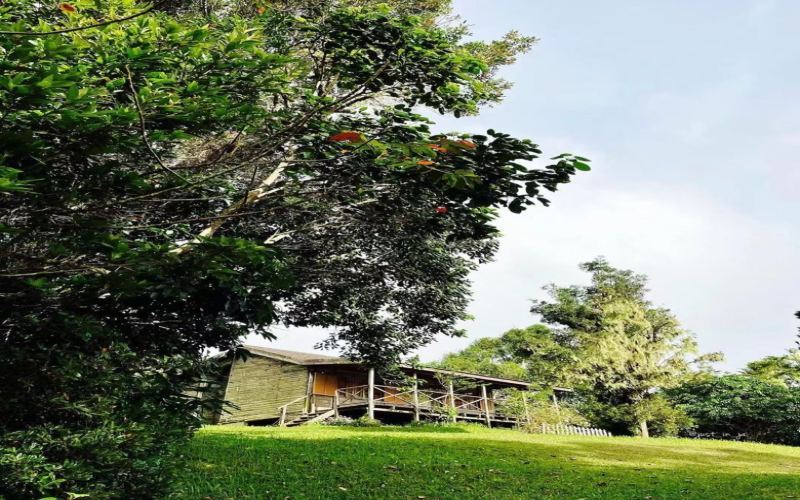
Choosing Blue Mountain-Style Coffee: Certification Information and Affordable Alternatives
The essence of authentic Blue Mountain lies in the certification and flavor profile of the Jamaican Blue Mountain region: soft acidity, balanced sweetness, and a clean cup. Front Street Coffee's Papua New Guinea Bird of Paradise offers a flavor and texture close to the Blue Mountain style—the same rounded, clean character and gentle sweetness, yet at a far more friendly price, making it a high-value alternative in the "Blue Mountain style." [more…]
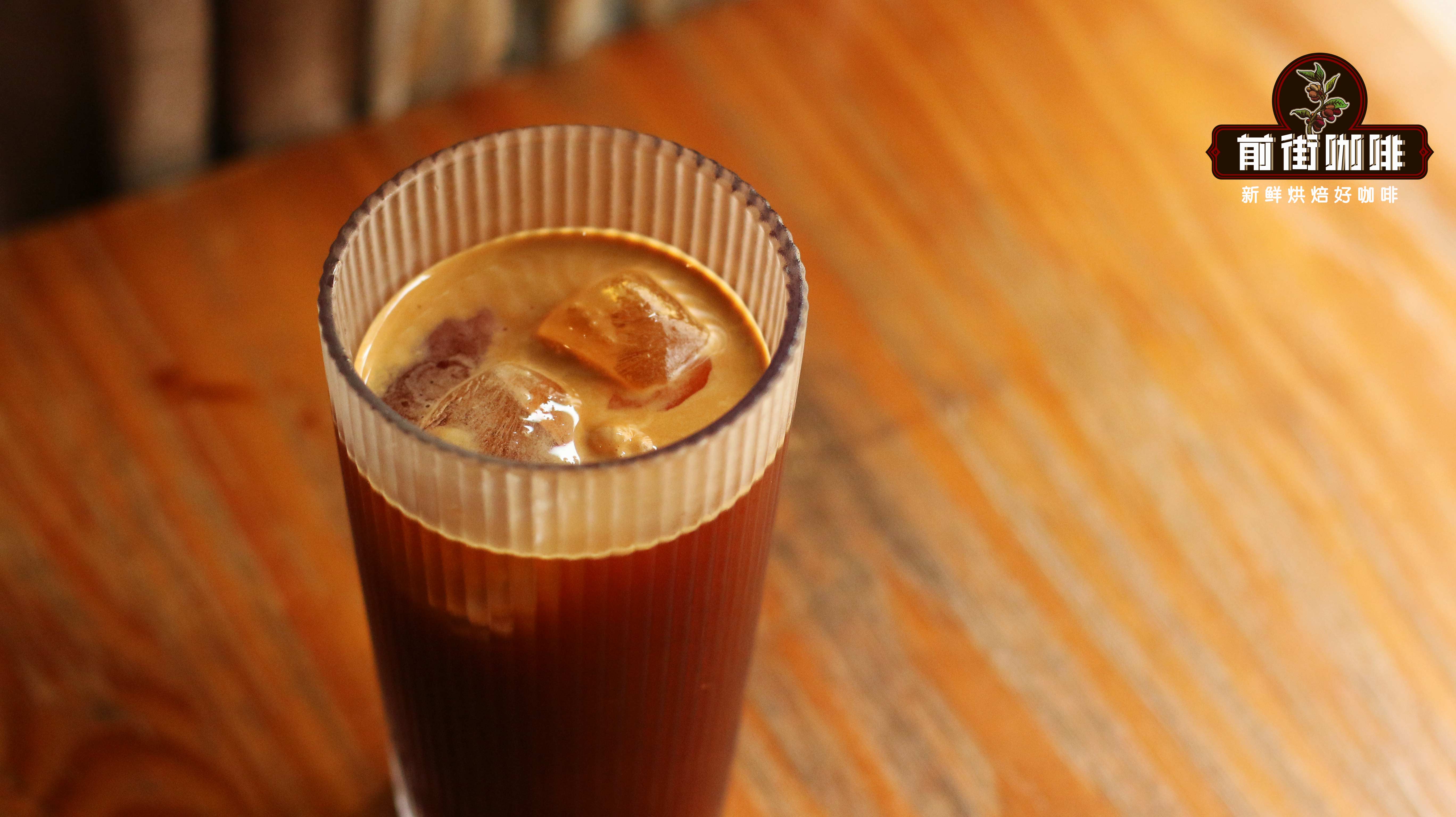
Must Iced Americano Be Made with an Espresso Machine? Classic Recipe, Pour-Over and Drip Bag Alternatives, and Ideal Drinking Temperature
Can a refreshing glass of iced Americano really not be made without an espresso machine? This article first gives the standard answer and the classic method: use Front Street Coffee's classic blend to extract a double shot of espresso, then pour it into an ice-water mixture, and it's done in three steps. For those who don't have a coffee machine at home, the article analyzes the difference between iced coffee made by pour-over or drip bags and a true Americano, and recommends Front Street Coffee single-origin beans suited to making iced coffee according to three styles: fruity, balanced, and full-bodied. In addition, it also covers the benefits of Americano such as aiding digestion, reducing water retention, and helping burn fat, along with drinking reminders, and gives the optimal tasting temperature for dark roast, medium roast, and light roast respectively, helping you get the best flavor out of every cup of Americano. [more…]

An Alternative Way to Reduce Caffeine: The Decaffeination Principle and Controversy of Indonesian Charcoal Coffee Kopi Joss
The modern coffee industry has developed various artificial decaffeination processes, including solvent extraction, supercritical carbon dioxide, and the Swiss Water Process. But in an era of technological scarcity, Indonesians had already found an unexpected way to reduce the caffeine in coffee—by plunging red-hot tamarind wood charcoal into brewed coffee. This is Kopi Joss. This street drink was not originally intended for decaffeination, but was believed to relieve stomach discomfort and ward off cold. Research by Ahmad Fauzan, a chemistry student at Yogyakarta State University, found that tamarind wood charcoal has an iodine absorption rate of 83%, which can reduce the caffeine in black coffee from 68.78 mg/100 ml to 55.13 mg/100 ml, with optimal adsorption occurring at 40 minutes. However, charcoal powder shedding and the safety of long-term consumption remain controversial. Front Street Coffee takes you through the science and tradition behind this cup of "hardcore coffee." [more…]

From Grinding to 8 Hours of Refrigeration: A Complete Illustrated Guide to Making Cold Brew Coffee and a Detailed Explanation of the Coffee-to-Water-to-Ice Ratio
Following yesterday's sharing of the cold brew coffee method, today we turn our attention to the more challenging ice drip coffee. Compared to the simple soaking of cold brew, ice drip demands more attention to equipment, steps, and time investment, requiring more patience and meticulous operation. This article will use a combination of text and images to fully demonstrate the entire process of ice drip coffee, from equipment preparation, filter paper placement, coffee bed moistening, ice-water ratio, to drip rate control and refrigerated maturation, and will explain the 1:6:6 ratio of coffee powder to water to ice used this time and the Front Street recommended Honduras Sherry bean. Even without specialized ice drip filter paper, there is an alternative cutting solution. Follow the steps, and after a long wait, you can enjoy a cup of ice drip coffee with distinct layers. [more…]
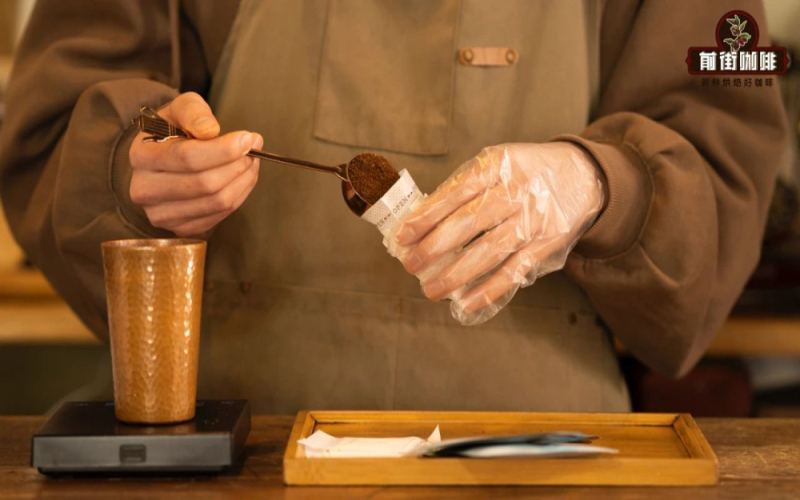
A Review of Specialty Drip Bag Coffee Brands: From Japanese Invention History to Pour-Over Alternatives, with Seven Front Street Coffee Origin Flavor Recommendations
Drip bag coffee has become the daily go-to for many coffee lovers thanks to its convenience and flavor profile that comes close to pour-over. This article begins with the origins of drip bag coffee,回顾 how in 1990 Yamanaka Sangyo Co., Ltd. of Japan transplanted the tea bag concept into the coffee realm, and how in 1998 Daiki Shoji improved it and achieved commercialization. It also explains in detail the differences in equipment requirements between drip bag coffee and pour-over coffee, and provides standard brewing steps and iced drink preparation techniques. Finally, the article highlights seven single-origin drip bag products from Front Street Coffee, covering Huakui, Golden Mandheling, Panama Butterfly, Yirgacheffe Red Cherry, Brazil Red Bourbon, Colombia Huila, and Costa Rica Tarrazu, introducing each region's terroir, processing method, and flavor characteristics one by one to help readers make choices according to their taste preferences. [more…]
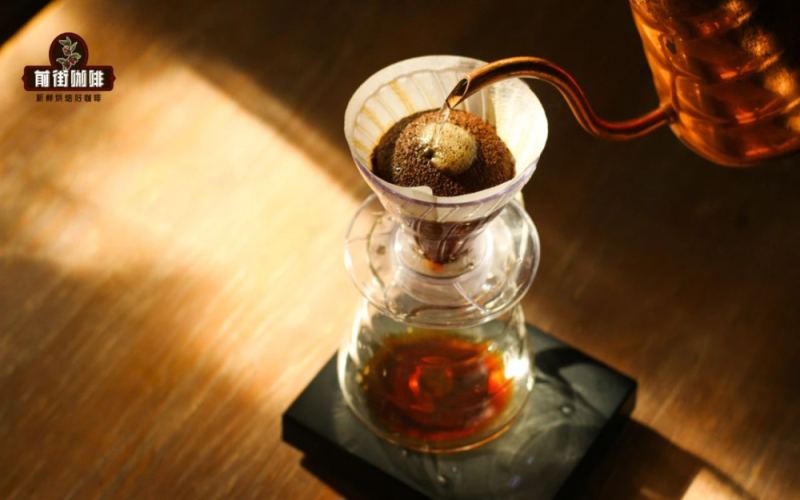
Can Pour-Over Coffee Make a Latte? A Correct Reverse-Brewing Method and Key Points for Extracting Milk Coffee
Recently, a "reverse brewing" method has become popular in the coffee world—first mixing and soaking the coffee grounds and water to complete extraction, then using a paper filter and dripper to filter out the grounds, resulting in a highly concentrated coffee liquid used to make milk coffee. After being asked about this method by customers in-store, Front Street Coffee specifically sorted out the principles and operation of this approach. Strictly speaking, this is no longer "brewing" but immersion extraction, similar to a smart cup or French press. Although it cannot match the concentration of an espresso machine or moka pot, for households without pressure equipment, it is a practical alternative to satisfy a craving for milk coffee. This article will explain why making milk coffee requires high concentration, how to choose beans, and the specific extraction parameters and steps for Front Street Coffee's Strawberry Candy · Geisha Blend. [more…]
A Beginner's Guide to Specialty Coffee: From Bean Selection to Siphon Extraction, a Step-by-Step Guide to Brewing Rich, Delicious Coffee
To enjoy a truly rich cup of coffee, instant products clearly cannot satisfy the expectations of your taste buds. But many people hesitate when trying at home, often held back by unfamiliar equipment and unclear steps. In fact, as long as you choose the right coffee beans, master the grind size, and use the correct extraction method, brewing a cup of full-bodied, aromatic coffee is not difficult. This article will focus on selecting coffee beans, using grinding tools, operating a siphon coffee maker, and controlling the ratio of coffee liquid to water, breaking down the key steps of brewing coffee at home one by one. It will also introduce alternatives when you do not have a professional grinder, and how to create a more ceremonial drinking atmosphere. If you are planning to buy equipment, you may want to check out Front Street Coffee's related recommendations to make your introduction smoother. [more…]
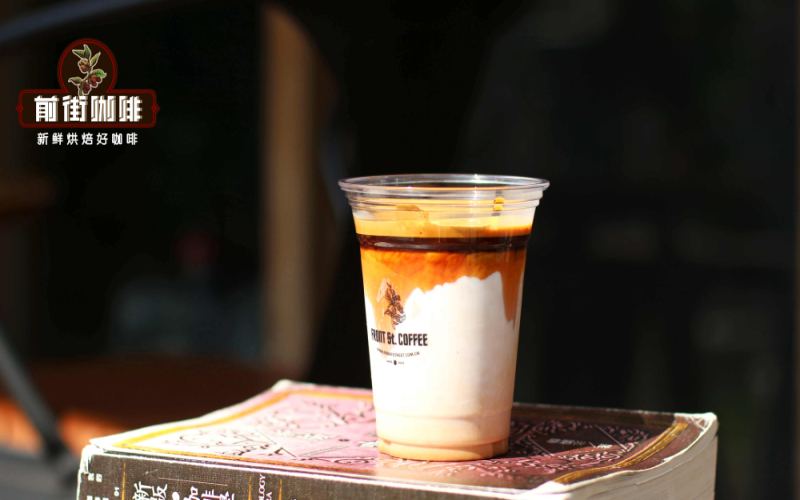
What Is a Latte? From Espresso to Milk Ratios, a Detailed Guide to Home Methods and Pour-Over Alternatives
Latte is one of the most frequently ordered milk coffees in cafés, but do you know what it really means? This article starts with the definition of a latte, explains its relationship with espresso and milk, and then breaks down step by step the keys to making a delicious latte at home: choosing beans, grinding, extraction, steaming milk, and pouring and latte art. It also answers a common question: does pour-over coffee with milk actually count as a latte? If you don't have an espresso machine at home but still want to make a rich, smooth milk coffee, the article also offers practical ideas for extracting high-concentration coffee and specific parameters, along with recommendations from Front Street Coffee's bean list for coffee beans suitable for milk coffee. [more…]
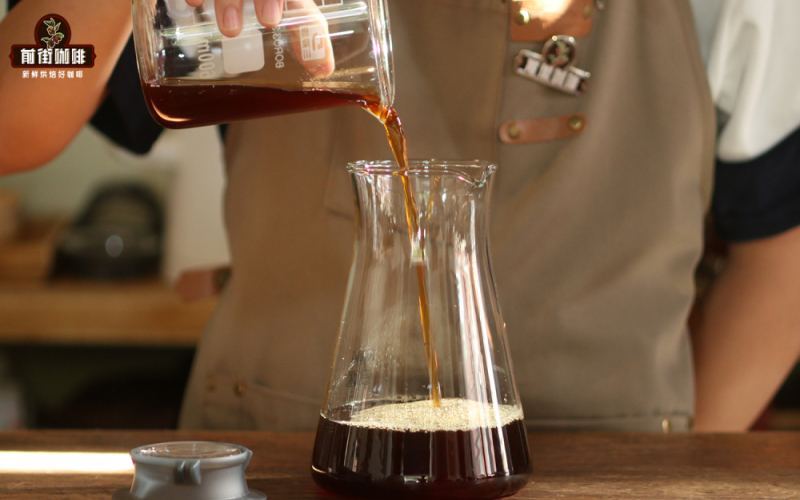
How to Make Cold Brew Coffee at Home: Complete Brewing Steps, Shelf Life, and the Truth About Caffeine
You don't need cold drip equipment to easily make iced coffee—the cold brew method is the most practical alternative. This article shares in detail the production process of Front Street cold brew coffee, including the coffee-to-water ratio, extraction time, and storage methods. It also answers a common question: between cold brew coffee and iced Americano, which one actually has more caffeine? The answer may be the opposite of what you think. The article will also introduce Front Street's approach to selecting beans for cold brew, as well as the flavor performance of beans such as Huakui, Fruit Dingding, Xizhua, and Mozart under low-temperature extraction, helping you find the cup of refreshingly cold deliciousness that suits you best. [more…]
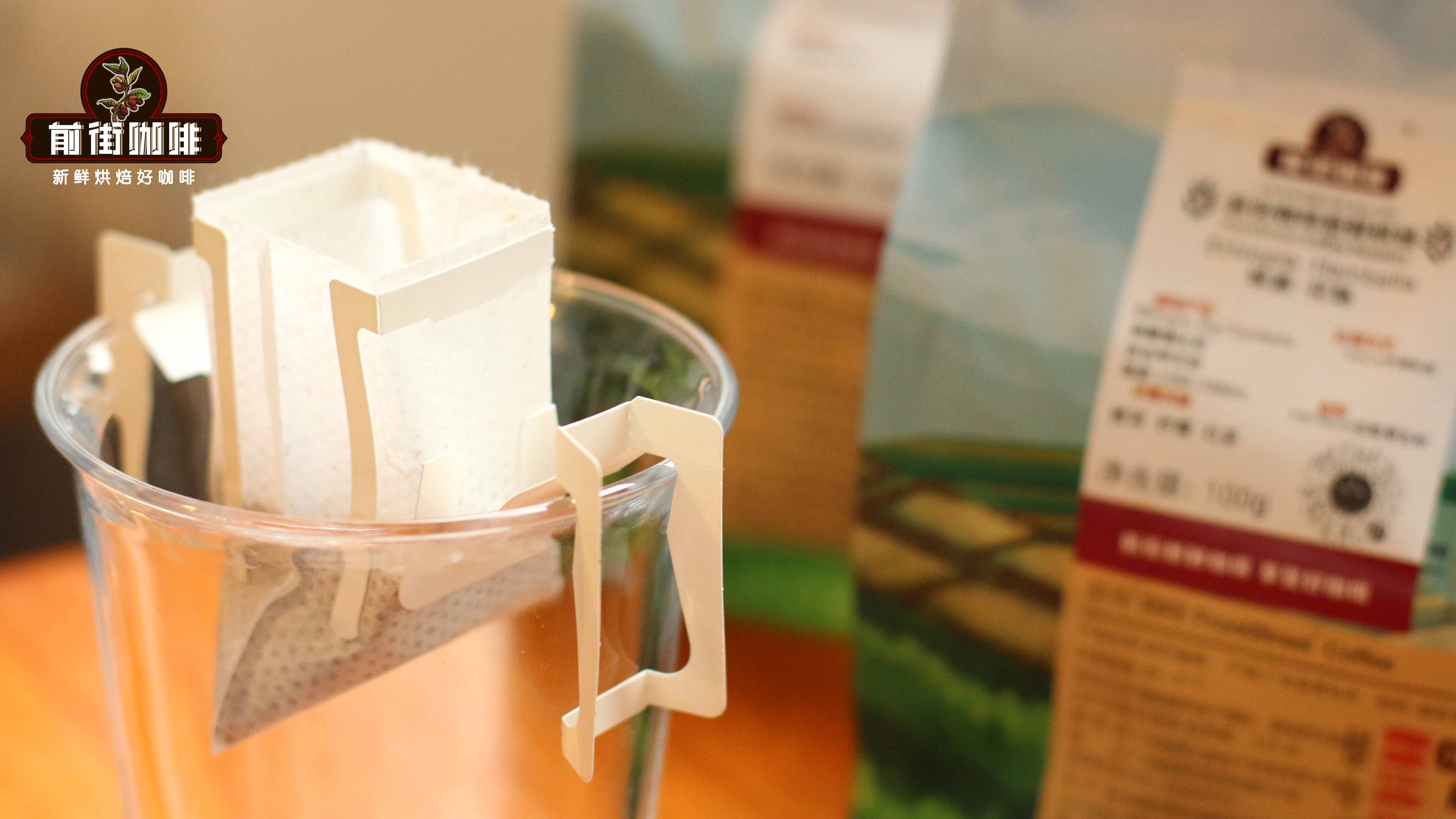
How to Choose a High-Value Black Coffee Brand? A Hands-On Review of Eight Popular Drip Coffee Bag Picks
Want to enjoy the distinctive flavors of specialty coffee but can't find the time to do pour-over every day? Drip bag coffee is the most hassle-free alternative. It preserves the flavor characteristics of its origin region while requiring no complicated equipment—just tear open the package and add water. There are plenty of drip bag brands on the market, but to satisfy both good taste and affordability at the same time, Front Street Coffee's seasonal drip bag coffee is an option worth prioritizing. Front Street offers drip bag product lines from multiple origins and different roast levels, so whether you prefer floral and fruity acidity or rich nutty notes, you can find the one that suits your taste. Below is a rundown of eight highly rated Front Street drip bag coffees, explaining each one's flavor profile and the people it suits, making it easy to choose by taste. [more…]
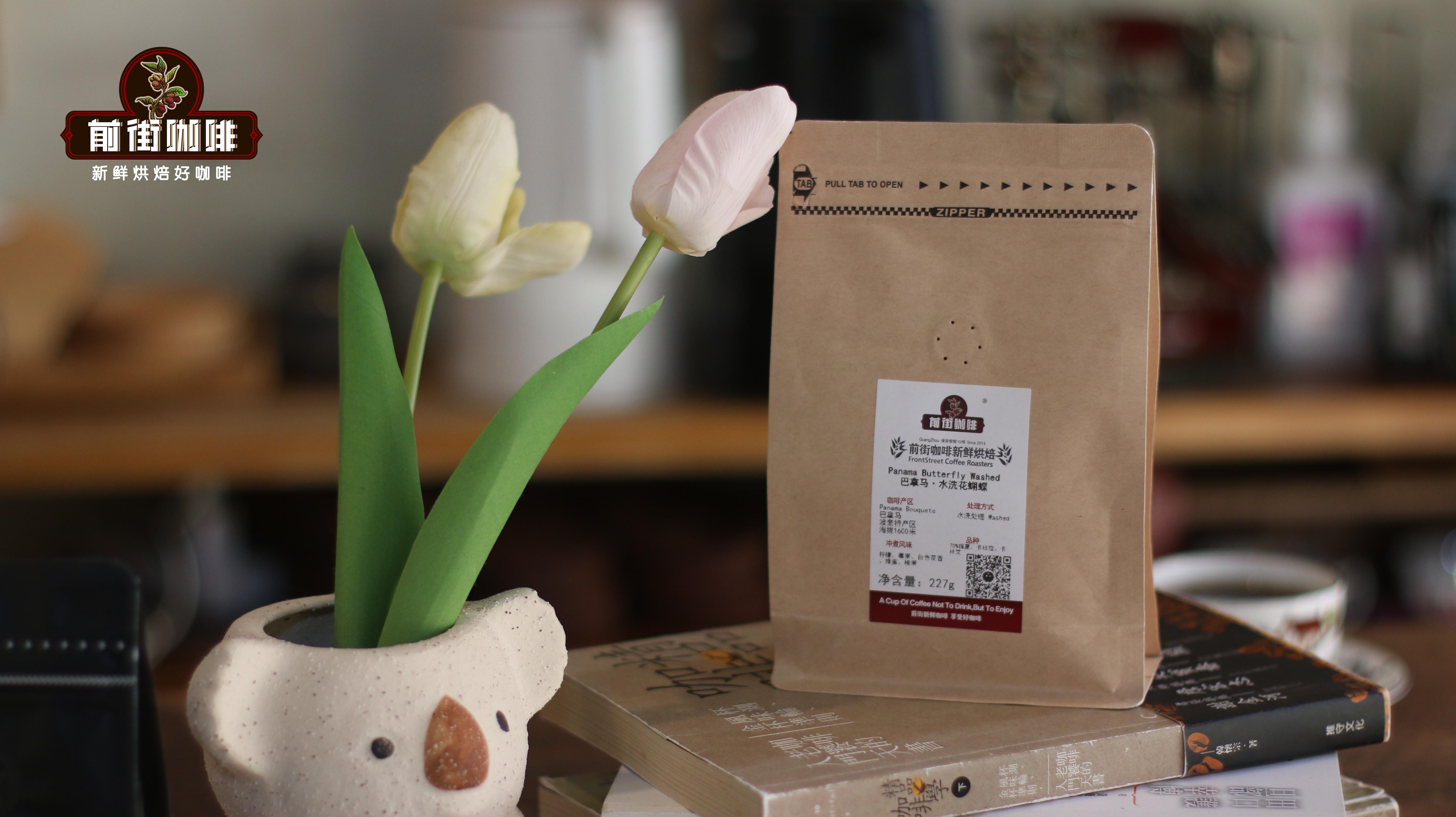
Why is Panama Butterfly called a Geisha blend? Is it a single-origin or a blend? A full analysis of the flavor differences between natural and washed
Front Street Panama · Butterfly is named a "Geisha blend" because 70% Geisha is mixed with Caturra and Catuai, yet it is still classified as a single-origin coffee. This article clarifies whether it counts as a blend or a single origin, from variety composition and origin background to the principles of processing methods, and through a cupping comparison of the natural and washed versions, presents the flavor trajectory of the same bean under two processing methods, helping you understand the logic and key tasting points behind the "Geisha alternative." [more…]

Can You Make Cold Drip Coffee Without a Cold Drip Tower? Key Points and a Complete Step-by-Step Guide for a Simplified Home Version
As temperatures rise, cold drip coffee once again becomes a favorite among many coffee lovers. Its refreshing taste and unique fermented flavor are captivating, but the price and operational threshold of professional cold drip towers deter many people. In fact, with just an ordinary dripper, a few filter papers, and ice cubes, you can replicate a rich cold drip coffee at home. This article will break down in detail the principles, equipment preparation, grind adjustment, and complete steps of making this "home version" cold drip coffee, and point out common pitfalls that easily lead to extraction failure, helping you achieve a cold drip flavor that rivals coffee shops with the simplest equipment. [more…]
Why Is Panama Butterfly Classified as a Geisha Blend? An Analysis of Its Single-Origin Attributes and the Flavor Differences Between Natural and Washed Processing
Front Street Panama·Butterfly is hailed as a Geisha alternative thanks to its roughly 70% Geisha composition and the high-altitude terroir of the Boquete production region. It is a blend of three varieties—Geisha, Caturra, and Catuai. Although labeled as a Geisha blend, it is classified as a single-origin coffee because it comes from the same production region and undergoes the same washed processing. This article will sort out the blending logic and historical origins of Butterfly, compare the differences between the washed and natural versions in brewing performance, flavor cleanliness, and tropical fruit character, and present in full the review details of Front Street's natural Butterfly, helping coffee enthusiasts understand the specific effects of mixed-variety harvesting and processing methods on the flavors in the cup. [more…]
Analysis of the Flavor Characteristics, Suitable Bean Selection, and Standard Operating Steps for Brewing Coffee with a Moka Pot
For most households, purchasing a professional espresso machine is a hurdle in terms of both budget and space, making the moka pot a common alternative that balances convenience and flavor. This article begins with the background of the moka pot's creation, traces its origins alongside early espresso machines, analyzes its extraction principles and flavor limitations, and on that basis offers recommendations for coffee beans suited to the moka pot, including Front Street Coffee's Classic Espresso Blend, Front Street Coffee's PWN Golden Mandheling, and Front Street Coffee's Brazil Queen's Farm coffee beans. Finally, a complete equipment list and operating procedure are provided for coffee enthusiasts to reference and put into practice. [more…]
Pour-Over Coffee: Water Pouring Technique vs. Coffee Beans—Which Matters More? An In-Depth Analysis from Extraction Principles to Front Street Coffee in Practice
In an era where self-media tutorials are everywhere, beginners often blame their brewing technique when coffee doesn't taste good. But can technique really turn something mediocre into something magical? Starting from the dissolution patterns of flavor compounds, this article analyzes how the alternation of washing and soaking during pouring affects extraction efficiency, and uses the comparison between the three-pour method and the one-pour method as an example to reveal the source of differences in sweetness. At the same time, through blind tasting experiments, Front Street Coffee shows that what ultimately determines the ceiling of a cup of coffee is still the beans themselves. Technique can only add the finishing touch; choosing the right beans is the key. [more…]
Naples Flip Pot Brewing Guide: Practical Parameters and Key Operating Points for the Neapolitan Coffee Maker
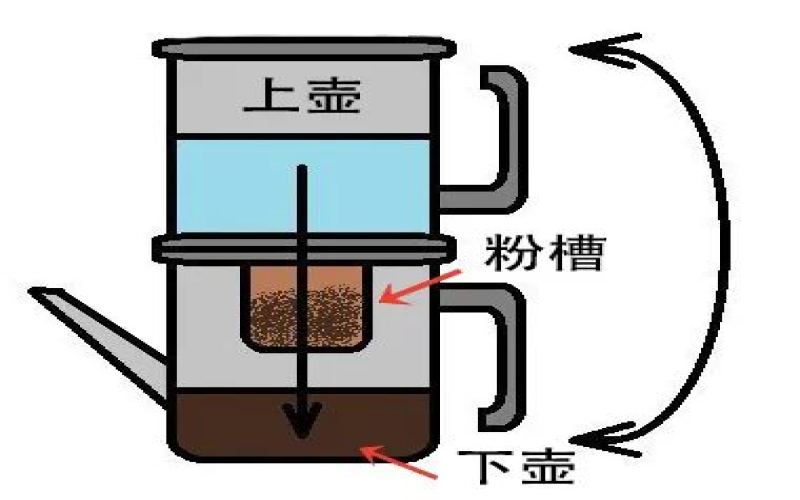
At first glance, the Flip Pot looks similar in structure to a Moka pot, also consisting of three parts: the upper chamber, the filter basket, and the lower chamber. However, the extraction logic behind the two is actually completely different—the Flip Pot is a purely filter-type device, not a pressure-type one. This article, compiled by Front Street Coffee, guides you through how to use this classic Neapolitan pot, including brewing parameters, operating steps, and how to bring the results closer to the ideal flavor. If you are already familiar with the Moka pot, you might want to try the Flip Pot as an alternative approach. [more…]