







Search Results for: air damper
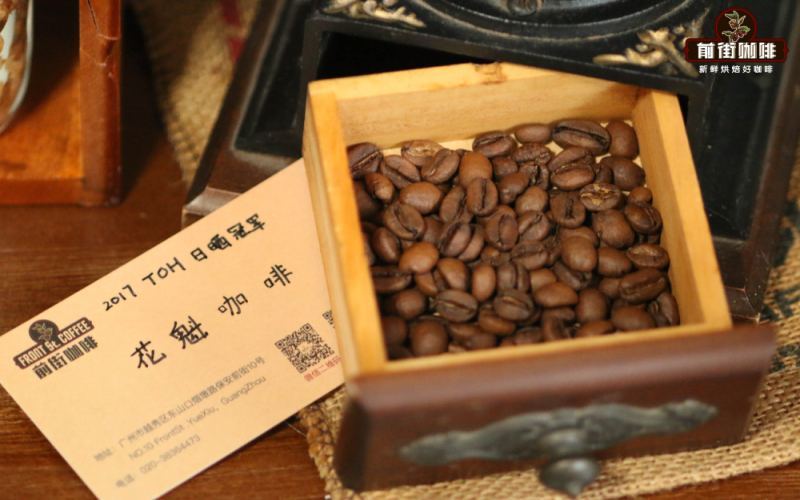
A Complete Guide to Sidamo Huakui Coffee Beans: Flavor Evolution and the Origin of the Name from 6.0 to 8.0
Since its debut in 2017, Huakui coffee beans have quickly gained popularity with their signature strawberry-cream flavor. This famous bean from Hambela in the Guji region of Ethiopia has now been iterated to version 8.0, but many enthusiasts report that Huakui's flavor in recent years seems not as good as before. This article will comprehensively sort out the origin of Huakui's name, the terroir of its producing region, and the sun-dried processing technique, and introduce one by one the various versions of Huakui that Front Street Coffee has acquired over the years, from G1 to 4.0, with roasting curves and brewing parameters, to take you through a comprehensive understanding of this coffee bean's past and present. [more…]
Where Does the Strawberry Aroma of Sidamo Huakui Coffee Come From? An Analysis of the Brewing and Flavor Evolution of Passion Fruit-Flavored Huakui
Since its introduction in 2017, Geisha coffee has quickly gained popularity with its bright strawberry and cream aroma, becoming a highly sought-after Ethiopian bean variety in coffee shops. From the original TOH champion batch to the current 8.0 version, many enthusiasts have noticed that the flavor of Geisha seems to change every year. This article will take you back to the origin of Geisha, Guji Hambela, to learn about the sun-drying process at the Buku Abel processing station, review the flavors and roasting curves of each version of Geisha that Front Street Coffee has sourced over the years, and analyze the causes of Geisha's aroma and the sources of its year-to-year differences. It will also share Front Street's V60 brewing parameters and techniques to help you better appreciate this classic coffee interwoven with passion fruit and berry notes. [more…]
How Does First Crack Timing Shape Flavor? A Deep Dive into Three Roast Profiles for Front Street Coffee Costa Rica Black Soul
In coffee roasting, "first crack" is not only an important auditory milestone, but also directly relates to the final flavor presentation in the cup. This article uses Front Street Coffee's Costa Rica Natural Black Soul as a sample, conducting comparative experiments through three roasting curves with different first crack times, to deeply explore the specific effects of the length of the drying phase on bean expansion, the degree of the Maillard reaction, and cupping flavor. From 7 minutes 30 seconds to 8 minutes 30 seconds, subtle differences in first crack timing bring significant changes in fruit acidity, sweetness, body, and complexity. This article will break down each curve's roasting parameters, bean surface condition, and brewing performance one by one, helping roasting enthusiasts understand the core logic of first crack time control. [more…]

A Comprehensive Analysis of Hacienda La Esmeralda Geisha Red, Green, and Blue Labels: Origin Story, Grade Classification, and Flavor Comparison
Panama's Hacienda La Esmeralda Geisha coffee beans, with their unique floral and fruity aroma and exceptional quality, have become a legend in the specialty coffee world. This article will take you through the story of Geisha from its discovery to world fame, and explain in detail Hacienda La Esmeralda's plot divisions and the differences between its three grades: Red Label, Green Label, and Blue Label. At the same time, we have compiled the flavor characteristics, roasting recommendations, cupping reports, and brewing parameters of three Geisha coffees, along with practical recommendations from Front Street Coffee. Whether you are a seasoned enthusiast or a first-time taster, you will find valuable information here. [more…]
A Detailed Guide to Panama Hacienda La Esmeralda Geisha Coffee Grades: Flavor Differences Between Red, Blue, and Green Labels and Key Roasting and Brewing Points
Panama's Hacienda La Esmeralda Geisha coffee beans, with their strict grading system and exceptional flavor, have become a benchmark in the specialty coffee world. What exactly are the differences between Red Label, Green Label, and Blue Label? From the perspective of Front Street Coffee, this article sorts through Hacienda La Esmeralda's history, plot divisions, and brand strategy, and explains in detail the cupping performance, roasting parameters, and brewing suggestions of the three major Geisha grades, helping coffee lovers build a clear cognitive framework for Geisha and gradually experience the rich layers of the coffee world. [more…]
Complete Guide to Panama Geisha Coffee: Distinguishing Hacienda La Esmeralda's Red, Green, and Blue Labels Plus Brewing and Roasting Key Points
Geisha coffee beans were once listed by Forbes as one of the most expensive coffees in the world, and today they are a star of the specialty coffee world. Among them, the Geisha produced by Hacienda La Esmeralda in Panama is especially famous. Within the estate, based on altitude, plot, and cupping performance, different grades such as Red Label, Green Label, and Blue Label are classified, with obvious differences in price and flavor. From the perspective of Front Street Coffee, this article sorts out the history of Hacienda La Esmeralda, the distribution of its plots, and changes in its grading system, and explains in detail the roasting curves and brewing parameters for each grade of Geisha, helping coffee lovers understand what makes Geisha unique and why Front Street recommends tasting this precious variety step by step. [more…]
Bolivia Java vs. Panama Geisha Comparison: A Full Analysis of Bean Characteristics, Roast Profiles, and Flavor Differences
Geisha has become a star variety in the coffee world thanks to its unique floral and fruity aromas, while Bolivian Java has attracted much attention because of its "cousin" relationship with Geisha. Front Street Coffee (FrontStreet Coffee) takes Panama Janson Estate Geisha and Bolivian Java as its subjects and conducts a comprehensive comparison from variety origin, green bean appearance, roasting records, and cupping performance to brewing parameters. The article sorts out the specific differences between the two beans in sweetness, acidity, aftertaste, and complexity, and includes Front Street's roasting curves and brewing plans. Whether you want to learn about the legendary story of Geisha or are curious about the actual performance of the Java variety, this comparison can provide a clear reference. [more…]
Why Is Panama Hacienda La Esmeralda Geisha Coffee So Expensive? A Full Breakdown of the Red, Green, and Blue Labels, Brewing, and Roasting
Geisha coffee beans were once listed by Forbes as one of the most expensive coffees in the world, and today they are a star of the specialty coffee world. The Geisha produced by Hacienda La Esmeralda in Panama is especially outstanding, and its strict grading system has created different tiers such as Red Label, Green Label, and Blue Label. From the perspective of Front Street Coffee, this article sorts through the history of Hacienda La Esmeralda, its plot divisions, and its brand grading, and breaks down in detail the flavor differences, roasting curves, and brewing parameters of each grade of Geisha, helping you fully understand the real reasons why Hacienda La Esmeralda Geisha is so expensive, and how to taste this legendary variety step by step. [more…]
A Complete Guide to Colombian Coffee Regions: Varieties, Processing Methods, and Brewing Parameters from Huila to Cauca
Colombia is the world's second-largest coffee producer and the largest exporter of washed Arabica beans. This article systematically reviews the historical development of Colombian coffee, the distribution of major producing regions and their flavor differences, covering representative origins such as Huila, Cauca, Nariño, and Santander, and provides an in-depth introduction to the characteristics of varieties such as Caturra, Pink Bourbon, and Geisha, as well as processing methods including washed and anaerobic double enzyme washed. Front Street Coffee, drawing on years of roasting experience, provides detailed roasting curves and brewing parameters for several Colombian beans, including charge temperature, heat adjustment, first crack timing, and extraction methods, helping coffee enthusiasts gain a comprehensive understanding of Colombian coffee from origin to cup. [more…]
Coffee Processing Methods | What Is Wet Hulling? How Does It Differ from Traditional Washed Processing? How Does Wet Hulling Affect Coffee Flavor?
After guests come to Front Street and order a cup of Golden Mandheling coffee, they will ask out of curiosity. Why do most Indonesian coffee beans use the wet-hulled process rather than the washed process or the natural process? In this article, Front Street will explain what the wet-hulled process is. What is the wet-hulled process? Wet-hulling, also [more…]

What exactly is mocha coffee? From the Yemeni port to the modern beverage, one article explains the authentic flavor and roasting key points.
When many people mention mocha, their first reaction is coffee with milk and chocolate. But in fact, the most authentic mocha coffee is far more than that. From the export history of Yemen's Mocha port, to mocha beans with a chocolate-like aftertaste, and then to the moka pot and flavored mocha drinks, this name carries a rich coffee culture. This article will help you clarify the multiple meanings of mocha, understand the naming rules of Yemeni coffee, and share Front Street Coffee's roasting suggestions and brewing parameters for Yemeni mocha, so that you can truly understand what a proper cup of mocha is. [more…]
Comparison of Eight Coffee Bean Roast Levels|How do different roast levels affect coffee flavor? What is the specific process for roasting coffee beans?
Anyone who drinks coffee regularly knows that coffee beans come in different roast levels, and the flavor and mouthfeel they present are all different. As a café that roasts its own beans, Front Street has dozens of batches of coffee beans to roast every day. We know the flavors of light-roasted Yirgacheffe, medium-roasted Brazilian coffee, and the like like the back of our hand, and we also need to [more…]
Panama Hacienda La Esmeralda Geisha: A Comparison of Washed and Natural Processing Brewing Flavors and an Analysis of the Red, Green, and Blue Label Grading System
Geisha coffee is world-renowned for its rich floral aroma and exquisite fruity acidity, and Hacienda La Esmeralda in Panama has pushed this variety to its peak. This article begins with the Red Label Geisha and Green Label Geisha from Hacienda La Esmeralda offered by Front Street Coffee, systematically reviews the origin and spread of the Geisha variety, explains in detail the terroir characteristics of Hacienda La Esmeralda's three major plots—Jaramillo, Cañas Verdes, and El Velo—and deeply analyzes the grading standards for competition-grade Red Label, collection-grade Green Label, and volcanic rock Blue Label. At the same time, combining Front Street's roasting curves and cupping reports, the article compares the specific differences between the natural and washed processing methods in dry aroma, acidity, body, and aftertaste, providing coffee enthusiasts with a complete reference for tasting and brewing. [more…]
Panama Elida Estate Geisha and Typica: A Complete Guide to Natural Processing and Cold Brew Flavor Analysis
Located in the Boquete production region of Panama, Elida Estate has a century-long history and high-altitude microclimatic conditions, and its Geisha and Typica coffee beans each have their own distinctive characteristics. Using Elida Estate's anaerobic fermentation low-temperature slow sun-dried Geisha and sun-dried Typica as examples, Front Street Coffee explains them one by one, from the production region background, variety characteristics, green bean analysis, roasting curves, to cupping flavors and brewing parameters. The article also shares a home method for making cold brew coffee, helping coffee lovers make a full, juicy Geisha iced coffee at home. [more…]
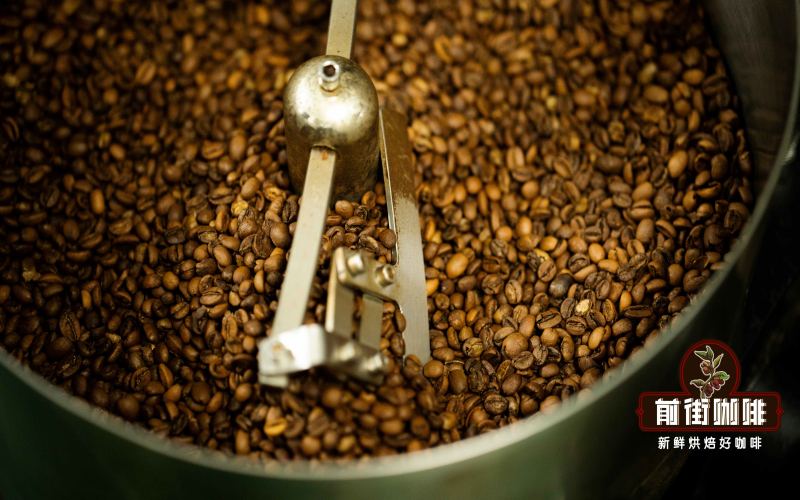
Mocha Coffee | What's the difference between pour-over mocha coffee and espresso mocha coffee? What is the flavor of Yemeni mocha beans? How is espresso mocha coffee made?
When it comes to mocha coffee, many people think of the espresso-based milk coffee with chocolate sauce added that is served in coffee shops today. A small number of people think of Yemeni mocha coffee. In this article, Front Street Coffee will explain the difference between espresso mocha coffee and single-origin mocha coffee! What is single-origin mocha coffee? Yemeni mocha [more…]
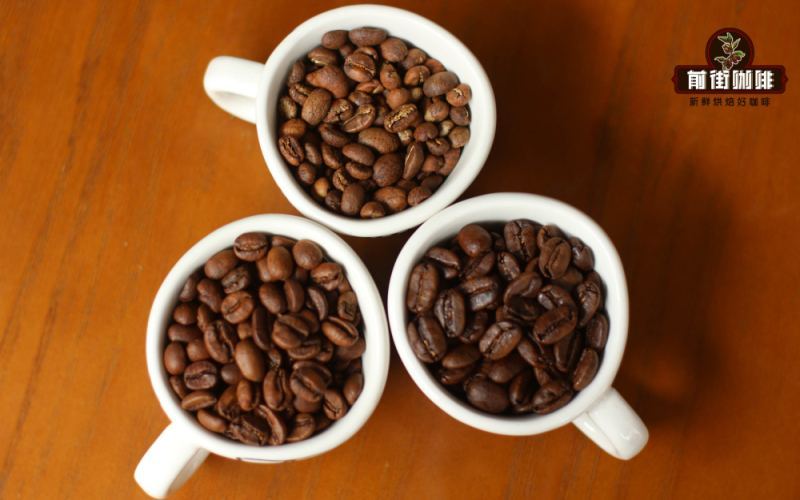
From Light to Dark: A Comprehensive Analysis of Eight Coffee Roast Levels and a Practical Operational Guide
Coffee roasting is the core step that determines the flavor direction of a cup of coffee. From green beans to the drink in your cup, the degree of roast directly governs the balance of acidity, sweetness, and bitterness. This article systematically sorts out eight common roast levels, the working principles of three types of coffee roasters, and the mechanisms by which caramelization and the Maillard reaction shape flavor. It also records in detail Front Street Coffee's operational procedures and curve management experience in actual roasting, helping coffee enthusiasts build a complete cognitive framework from theory to practice. [more…]
A Review of Panama's Famous Coffee Regions: The Terroir and Geisha Legend of Boquete, Volcán, and Renacimiento
Although Panama is a small country, it has become a dazzling star in the world of specialty coffee thanks to its unique geography and microclimates. From the high-altitude cloud forests of Boquete to the volcanic fertile soils of Volcán, and on to the lesser-known producing region of Renacimiento, each piece of land gives coffee beans a completely different character. And the unexpected rise of Geisha has pushed Panamanian coffee to the top of the world. In this article, Front Street Coffee (FrontStreet Coffee) will guide you through the terroir characteristics, cultivation history, and variety stories of Panama's three major producing regions, and take a deeper look at the roasting and cupping performance of Elida Estate's Typica and Hartmann Estate's wine-processed coffee, exploring together the secrets of how this isthmus nurtures top-tier coffee. [more…]
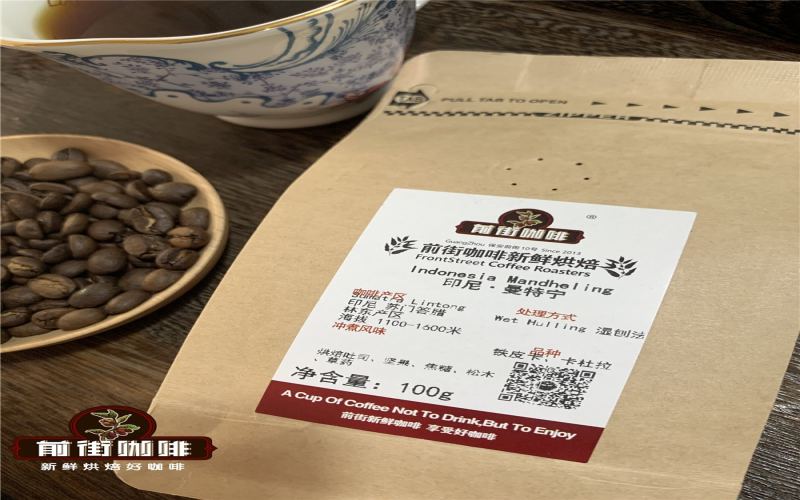
Introduction to Mandheling Brewing Methods | How to Describe the Flavor and Mouthfeel of PWN Golden Mandheling Coffee Beans? How Should Indonesian Mandheling Be Brewed to Taste Best?
At Front Street Coffee shops, there are always customers who make their needs clear as soon as they arrive: "Do you have any coffee that isn't sour and has a stronger taste?" At times like this, Front Street Coffee baristas usually offer two choices: Brazil and Mandheling. When explaining the flavor differences between the two [more…]
A Full Analysis of Coffee Bean Flavor Differences Between Ethiopia's Sidama, Guji, and West Arsi Regions
In Ethiopia's coffee landscape, the three producing regions of Sidamo, Guji, and West Arsi each have their own distinctive character. Sidamo is known for its diverse flavors, Guji rose to fame thanks to the Hambela bean, and West Arsi has a long history of coffee drinking. Front Street Coffee will take you deep into the terroir, processing methods, and flavor profiles of these three regions, and through a comparison of Hambela 4.0 and Arsi coffee beans in terms of green beans, roasting, cupping, and brewing, present their similarities and differences. Whether you prefer bright acidity or a rich, juicy body, this article can help you find the cup of Ethiopian coffee you love. [more…]
How to Brew Colombian Decaf Coffee? A Full Breakdown of Pour-Over Parameters, Price, and the Swiss Water Process
Decaf coffee is not completely caffeine-free; rather, it is coffee that has had its caffeine content significantly reduced through special processes. Starting with the Colombian Huila Swiss Water Process decaf coffee beans sold by Front Street Coffee, this article systematically goes over the definition of decaf coffee, the four major decaffeination methods, the terroir characteristics of Colombia's Huila region, the traits of varieties such as Typica and Caturra, and the actual roasting curve and cupping and brewing recommendations from Front Street's roaster. If you care about whether decaf coffee tastes good, how to set pour-over parameters, and roughly how much a cup costs, this article will provide a complete reference. [more…]