







How Does Panama Hacienda La Esmeralda Geisha Taste?
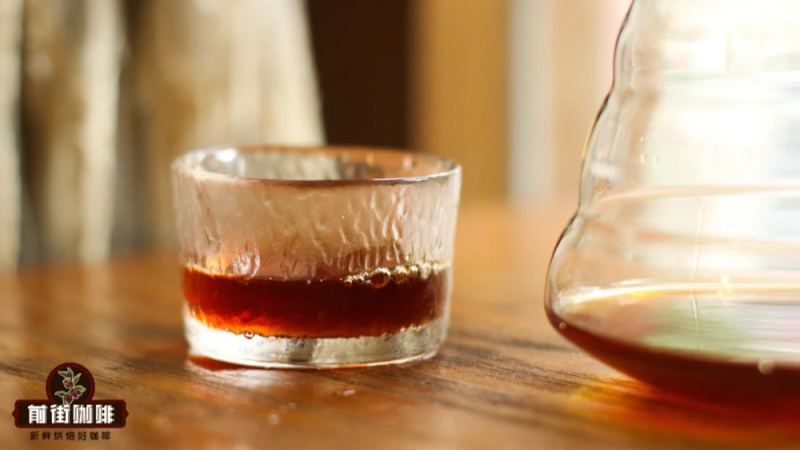
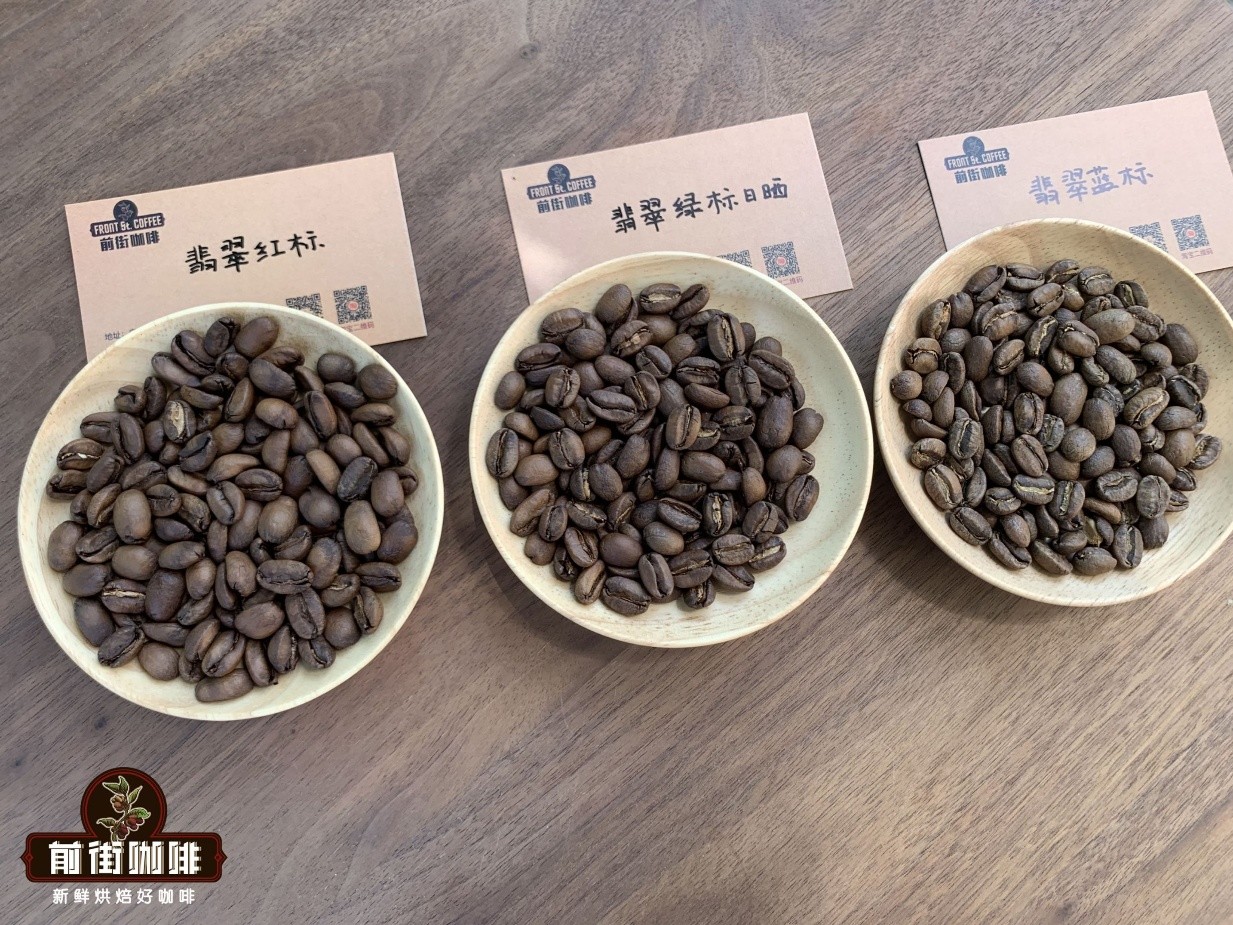
Hacienda La Esmeralda splits its Geisha into Red, Green, and Blue Labels, and processing changes the cup. The natural Red Label is smooth on entry with a slight fermented quality, rose floral notes, and a berry-juice texture. The washed Green Label is cleaner, with faint jasmine and ginger flower aromas, bright acidity, and a fruit-flower tea character.
The farm's three plots, Jaramillo, Canas Verdes, and El Velo, each contribute their own terroir to these lots. Competition-grade Red Label, collection-grade Green Label, and Volcanic Rock Blue Label are graded on separate standards. Geisha was found in Ethiopia in 1931, reached Kenya for research, spread to Uganda and Tanzania in 1936, arrived in Costa Rica in 1953, and reached Panama in 1970, initially drawing little attention.
Geisha coffee is renowned worldwide for its rich floral aroma and delicate fruit acidity, and Panama's Hacienda La Esmeralda has pushed this variety to its peak. This article starts with the Red Label Geisha and Green Label Geisha from Hacienda La Esmeralda offered by Front Street Coffee, systematically tracing the origin and spread of the Geisha variety, explaining in detail the terroir characteristics of Hacienda La Esmeralda's three major plots—Jaramillo, Canas Verdes, and El Velo—and providing an in-depth analysis of the grading standards for competition-grade Red Label, collection-grade Green Label, and Volcanic Rock Blue Label. At the same time, combining Front Street's roasting curves and cupping reports, the article compares the specific differences between natural and washed processing methods in dry aroma, acidity, body, and aftertaste, offering coffee enthusiasts a complete reference for tasting and brewing.
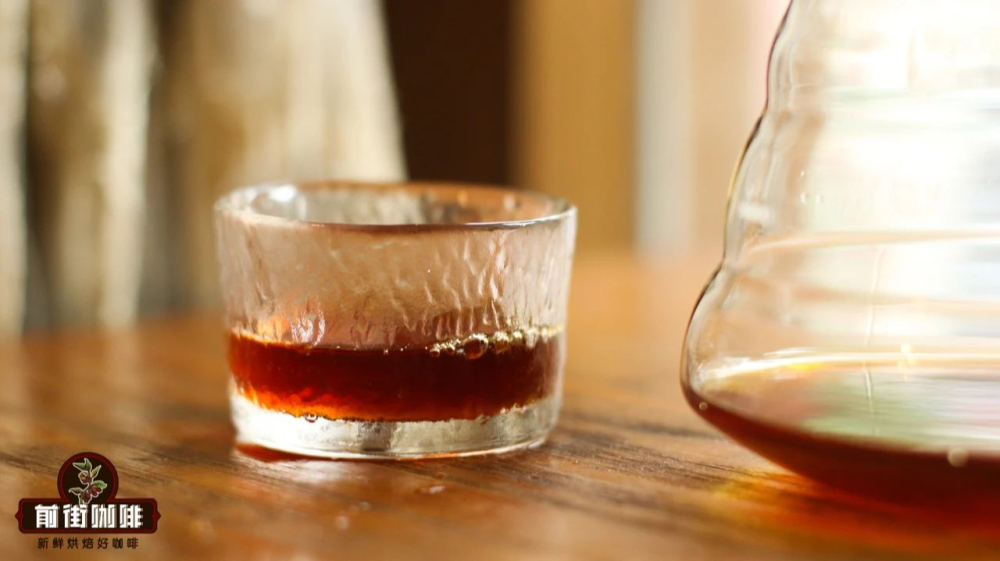
Geisha coffee beans have long been praised as "national beauty and heavenly fragrance." From the primitive forests of Ethiopia to the international stage of Panama, they have conquered the hearts of countless coffee lovers with their intoxicating floral aroma. As a globally sought-after coffee variety, Geisha's bright fruit acidity, elegant floral notes, and nectar-like sweetness firmly capture the palates of tasters.
Whether you are a beginner or a seasoned enthusiast, you should understand that different processing methods give coffee entirely different flavor profiles. Take the Red Label Geisha and Green Label Geisha from Hacienda La Esmeralda offered by Front Street Coffee as examples: the natural Red Label is smooth on entry, with a slight fermented quality, interwoven with rose floral notes and a berry-juice-like texture; the washed Green Label shows a fresh and clean character, with faint jasmine and ginger flower aromas lingering, bright acidity, like a cup of fruit-flower tea. In this article, Front Street will discuss in detail the differences between Hacienda La Esmeralda's natural Geisha and washed Geisha.
What are Geisha coffee beans?
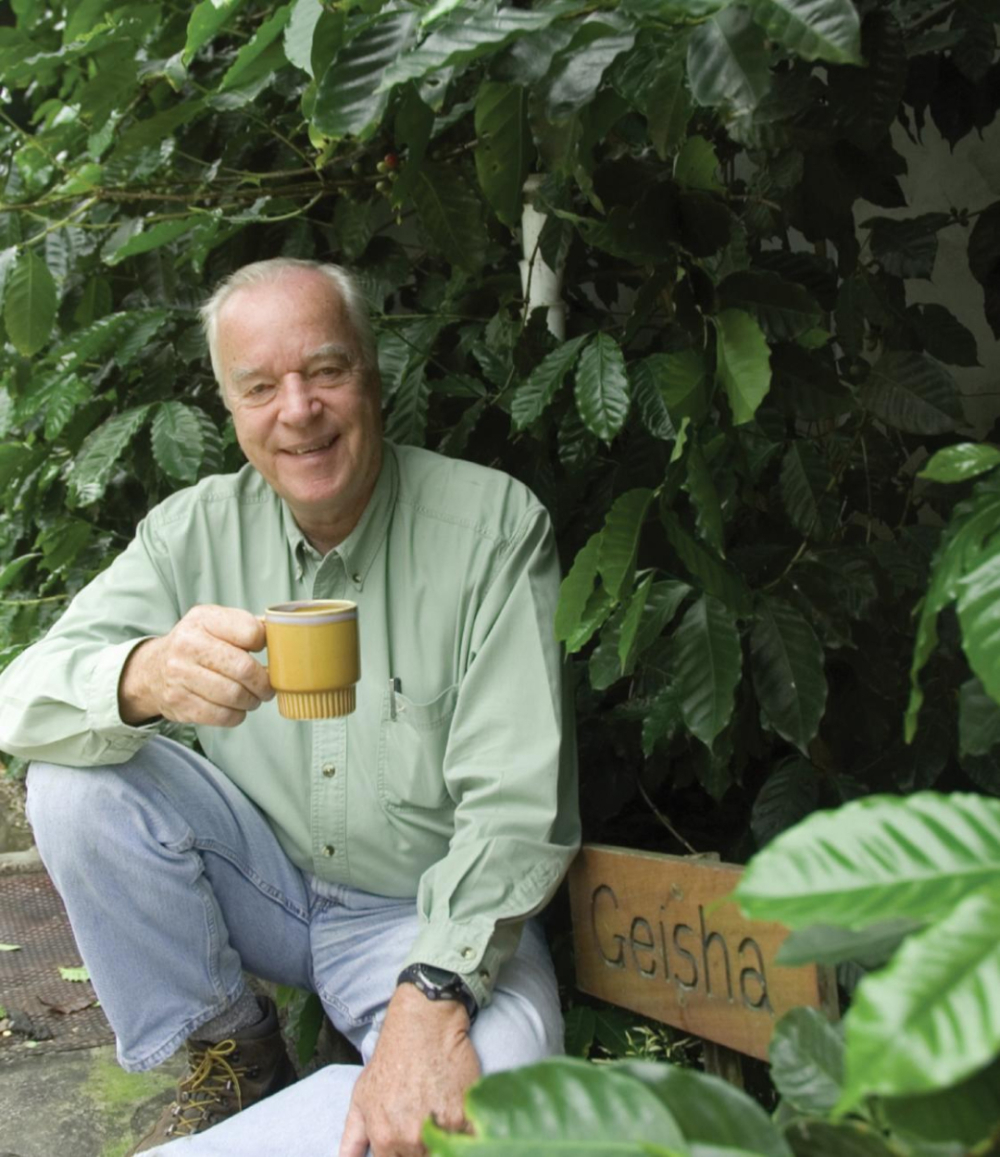
The Geisha variety was discovered in 1931 in the Geisha forest of Ethiopia. It was subsequently sent to the coffee research institute in Kenya, introduced to Uganda and Tanzania in 1936, brought to Costa Rica in 1953, and arrived in Panama in 1970. At first, Geisha did not attract much attention until Panama's Hacienda La Esmeralda, also known as Panama Geisha Hacienda La Esmeralda, separated it from other varieties in 2003. In 2004, Hacienda La Esmeralda won the BOP competition championship with Geisha, and only then did the Geisha variety formally enter the public eye.
Although Geisha's flavor is exquisite and captivating, this elegance does not come from nowhere; it originates from specific growing conditions. Geisha is extremely demanding about its growing environment and needs high altitude, cloud cover or substantial shade-tree coverage, and fertile soil to thrive. Geisha grown at high altitude often has distinct floral notes and refined, elegant fruit acidity, which is also one of the important reasons it has become popular worldwide.
Plot divisions of Panama's Hacienda La Esmeralda
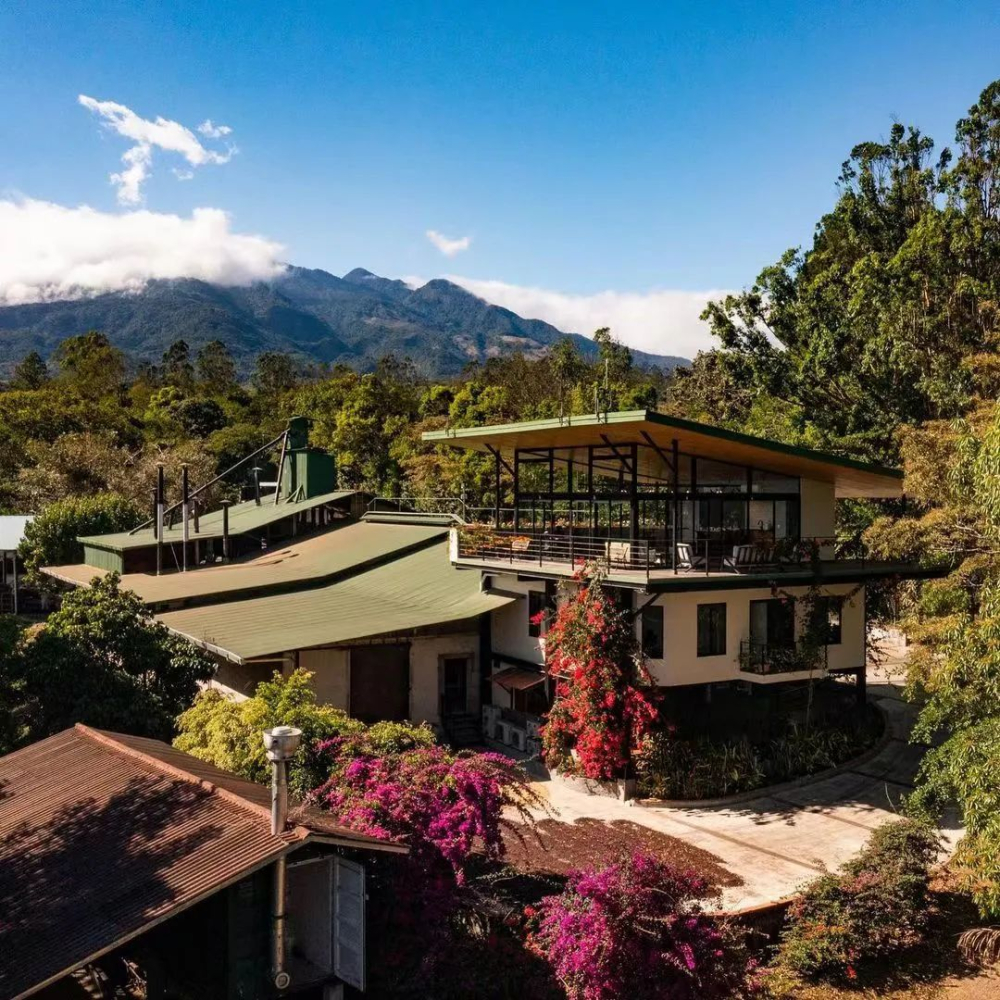
Hacienda La Esmeralda is located in Panama's Boquete production area, which is a critically important coffee-producing region in Panama. Many famous estates come from here, such as Elida Estate and Kotowa Estate.
Hacienda La Esmeralda has four main coffee-growing areas, of which three major plots grow Geisha: Jaramillo, Canas Verdes, and El Velo. Each plot is further subdivided into different small plots.
As the first estate purchased by the Peterson family, Jaramillo is precisely where Geisha was discovered, and the average age of the coffee trees exceeds 15 years. The terrain here is relatively low, with an average elevation of only 1700 meters at its highest, but the slopes are steep, making harvesting quite difficult. Jaramillo is named after the Jaramillo mountain range east of Boquete, with annual rainfall of 4000 ml, average daytime temperatures of 19-25°C, average nighttime temperatures of 11-15°C, humid and cold air, and dense shade, providing ideal conditions for Geisha's bright floral expression. At present, the entire Jaramillo is subdivided into six plots for Red Label production: Mario, Noria, Reina, Bosque, Buenos Aires, plus Caballeriza added last year, and Manantial, which has not yet been released.
Canas Verdes Estate is usually transliterated in China as "坎纳斯维迪斯," while in Spanish it means "green reeds" or "green fields." Half of Canas Verdes was purchased together with Jaramillo in 1967. After Geisha became famous in 2004, the Peterson family began gradually acquiring surrounding small plots of planting land. The entire growing area is located on the eastern slope of Baru Volcano, with a wide elevation range from 1500 meters to 2050 meters.
Canas Verdes has annual rainfall of 3500 ml, average daytime temperatures of 16-23°C, and average nighttime temperatures of 10-15°C. The highly complex terrain, volcanic soil, and significant temperature difference between day and night give Geisha its richly aromatic character.
At present, Canas Verdes has a total of 11 small plots growing Geisha: Lino, Coronado, Fundador, León, Montaña, Trapiche, Jacinta, Cabaña, Tumaco, as well as Nido and Colga.
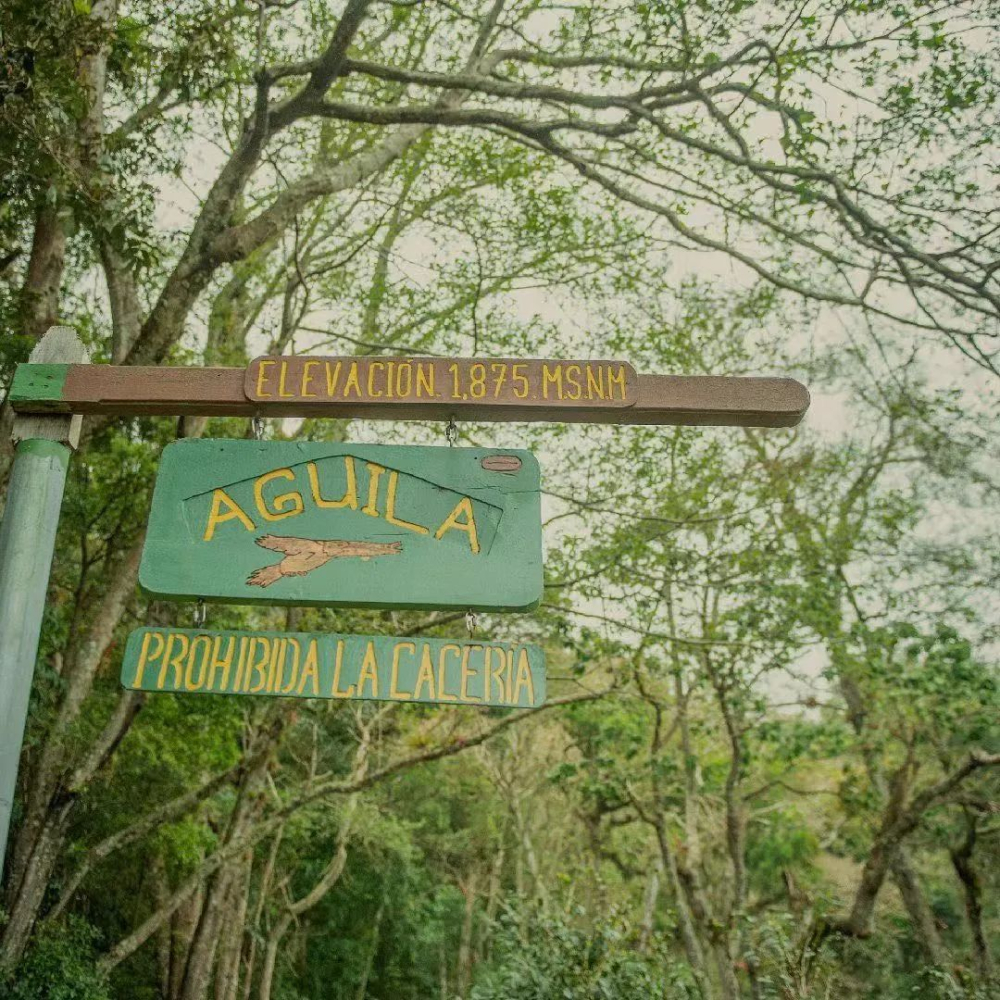
El Velo is the most recently purchased plot of Hacienda La Esmeralda, with an average elevation of 1700-1900 m. In addition to growing Geisha and Catuai, this plot also has a small amount of other introduced varieties, such as Laurina, Pacamara, Mocha, and SL28. El Velo is divided into a total of seven small plots: Guabo, Portón, Durazno, Mural, Higo, Buena Vista, and guila.
Hacienda La Esmeralda Geisha coffee beans are graded into three levels: competition-grade Red Label, collection-grade Green Label, and Blue Label.
Competition-grade Red Label & Red Label Geisha: Esmeralda Special, commonly known as Red Label, is the representative of Hacienda La Esmeralda's high-grade Geisha apart from auction lots. This lot of Geisha is grown at an elevation of 1600–1800 meters, with a cupping score of no less than 91 points. Each micro-lot comes with detailed traceability information, including plot, elevation, day-night temperature difference, latitude and longitude, tree age, harvest time, number of pickings, processing method, total output, and so on.
In the independent auction held by Hacienda La Esmeralda itself, only the Geisha lots selected from the divided plots for auction are auction Red Label. However, there are also non-auction Red Labels on the market, which in fact are Geisha selected from the same plots that did not participate in the auction and flowed into the market; the variety quality is consistent, with differences only in selling price. Geisha of this grade is processed by natural or washed methods, and the flavor carries special and bright floral and citrus aromas.
For example, the latest Esmeralda Red Label lot purchased by Front Street was selected from the Trapiche plot of Canas Verdes Estate, grown at an elevation above 1600 meters, with the entire plot's Red Label production reaching 4.5 hectares. The coffee cherries were harvested on February 13 this year, the 7th harvest of this plot, and the processing method was natural. The green beans underwent 25 days of slow natural drying, bringing the coffee a rich aroma reminiscent of jasmine, cranberry, passion fruit, citrus, and cinnamon.
Collection-grade Green Label Geisha: Private Collection, commonly known as Green Label. As Geisha lots that do not participate in auctions but are of excellent quality, Green Label is harvested from blended Geisha beans from different plots within the two major estates at elevations of 1600–1800 meters. With its classic orange aroma and honeyed charm, it has become the preferred choice of many Geisha fans who are "short on cash." Since 2022, Hacienda La Esmeralda has also begun to indicate the major plot information for this grade of Geisha lots, that is, whether they come from Jaramillo, Canas Verdes, or El Velo.
According to information disclosed on Hacienda La Esmeralda's official website, Green Label Geisha from different plots will show unique main flavor directions due to terroir differences. Green Label from the Jaramillo plot carries intense jasmine and rose; Green Label from Canas Verdes has a richer tropical fruit palate; and Green Label from El Velo has notes of lemongrass and floral aroma.
Volcanic Rock/Blue Label Geisha: Although the name Volcanic Rock sounds unfamiliar, its predecessor is actually Geisha 1500, also known as Blue Label coffee beans. Volcanic Rock Geisha blends Geisha coffee beans from Hacienda La Esmeralda's three major plots, grown at elevations of 1400–1500 meters. In previous years, Geisha 1500 was only washed, but starting in 2021 a natural lot was added. Through cupping, Front Street compared Volcanic Rock Geisha processed naturally and washed, and found that both carry obvious citric acidity. The washed Volcanic Rock has clean oolong tea aroma and sugarcane sweetness, while the natural lot has a bit more tropical fruit and fermented wine aroma, making the sweetness fuller.
What is the difference in flavor expression between washed and natural Geisha coffee beans?
Front Street believes that washing involves more fermentation; after the coffee beans ferment, there is a washing step, and the surface of the coffee beans is cleaner, so after drying the taste is refreshing and the acidity increases. Natural processing, because part of the fruit pulp is retained during drying, gives the coffee beans more berry flavors and a stickier, fuller body. Before drying in washed processing, the sticky pulp on the surface of the coffee beans is removed, which ensures that there is no over-fermentation or more mold during drying. The cost of the washed processing method is higher than that of the natural method.
The differences in taste between natural and washed Geisha coffee are:
1. Under the same processing, natural beans have an obvious dry aroma of red wine, while washed beans have a citrus-honey fruit aroma.
2. Both brews have obvious fruit acidity, similar to lemon and citrus fruits, but natural beans are fuller. The obvious red wine note in the dry aroma of natural beans is not very obvious in the brewed cup.
3. Washed processing has brighter acidity, like citric acid, with a more refreshing taste and more obvious citrus aroma; natural processing is fuller, with what is commonly called a heavier bitter-roasted note, and a much richer mouthfeel.
Front Street Coffee: Hacienda La Esmeralda · Red Label Geisha Coffee Beans
Country: Panama
Region: Boquete
Estate: Hacienda La Esmeralda, El Velo plot
Elevation: 1700 meters
Processing method: Natural
Variety: Geisha
Front Street roasting suggestions
Charge at a drum temperature of 150°C, heat power 120, air damper set to 3; turning point at 1'36", when the drum temperature is 140°C open the air damper to 4, heat power unchanged; when the drum temperature is 147.6°C the bean surface turns yellow, the grassy smell completely disappears, and the dehydration phase begins. When the drum temperature reaches 150°C, adjust the heat power to 100, air damper unchanged;
At 7'38", the bean surface shows ugly wrinkles and dark patches, and the toast aroma clearly turns into coffee aroma, which can be defined as the prelude to first crack. At this time, listen carefully for the sound of the first crack. First crack begins at 8'10", open the air damper to 4, develop for 1'28 after first crack, and drop at 189.5°C.
Front Street cupping report
Front Street Coffee: Hacienda La Esmeralda · Green Label Geisha Coffee Beans
Country: Panama
Region: Boquete
Estate: Hacienda La Esmeralda
Elevation: 1600 meters-1800 meters
Processing method: Washed
Variety: Geisha
Front Street roasting suggestions
Charge at a drum temperature of 160°C, heat power 110, air damper set to 3; turning point at 1'28", when the drum temperature is 140°C open the air damper to 3.5, heat power unchanged; when the drum temperature is 153.3°C the bean surface turns yellow, the grassy smell completely disappears, and the dehydration phase begins. When the drum temperature reaches 161°C, adjust the heat power to 90, air damper unchanged;
At 6'54", the bean surface shows ugly wrinkles and dark patches, and the toast aroma clearly turns into coffee aroma, which can be defined as the prelude to first crack. At this time, listen carefully for the sound of the first crack. First crack begins at 7'50", open the air damper to 4, develop for 1'20 after first crack, and drop at 192.5°C.
Front Street cupping report
Front Street brewing suggestions
Water temperature: 91–93°C
Dose: 15g
Coffee-to-water ratio: 1:15
Grind size: fine sugar grind size (standard No. 20 sieve pass rate 78%)
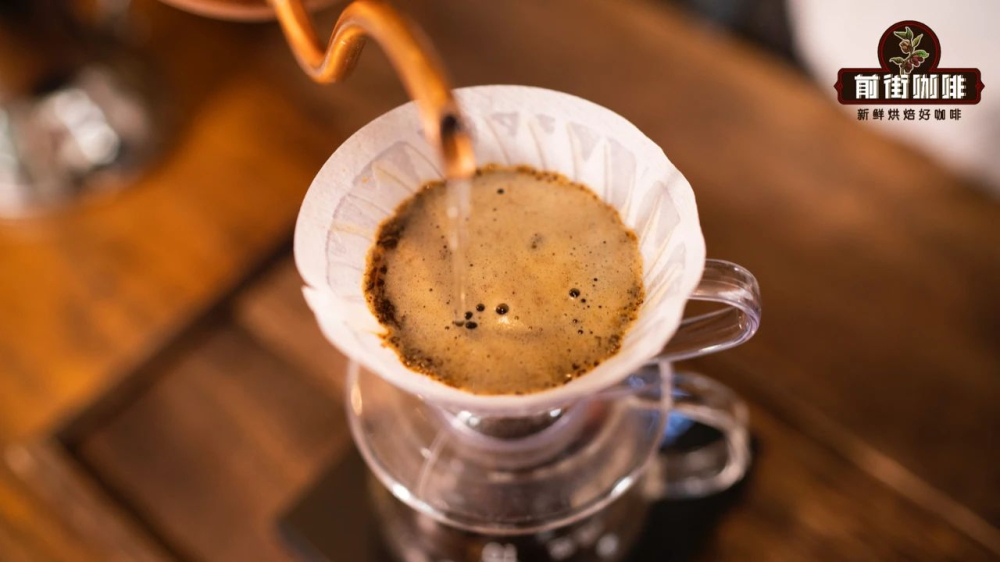
Front Street usually uses V60 for brewing. The V60 conical dripper has a relatively large opening, and together with its unique spiral curve ribs, air is more easily expelled, thereby improving extraction quality. The body may not be thick enough, but the sweetness, acidity, and distinct aroma brought out by its high concentration are one of its major features.
Front Street brewing method: pour 30 grams of water in the first stage for a 30-second bloom, then pour 95 grams (about 125 grams on the electronic scale), completing the pour in about 1 minute. When the water level drops to 2/3 of the coffee bed, pour the remaining 100 grams (about 225 grams on the electronic scale), completing the pour in about 1 minute 40 seconds. Dripping is completed at 2 minutes 03 seconds. Remove the dripper and extraction is complete.

Brewed flavor of natural Red Label: bright rose and citrus aromas, brown rice, berries, apricots, mixed fruits, honey, a full juice-like body, rich flavor layers, and obvious sweetness.
Brewed flavor of washed Green Label: intense jasmine aroma on entry, high sweetness, citrus, berries, juice-like quality, cream, green tea, orange peel, cantaloupe, overall rich flavor layers, with a lasting aftertaste of floral and citrus notes.
Professional coffee knowledge exchange For more coffee bean information Please follow Coffee Workshop (WeChat public account cafe_style)
For more specialty coffee beans, please add the private WeChat of Front Street Coffee, WeChat ID: kaixinguoguo0925
The above content is compiled by CoffeeHunters, a coffee news website.


