







Understanding Colombian Coffee and Its Growing Conditions
Colombia is the world's second-largest coffee producer and the largest exporter of washed Arabica beans. The country's Andean region, with its complex terrain and numerous tropical microclimates, provides a favorable environment for coffee growth. Most Colombian coffee comes from small farms; about 60% are less than one hectare. This structure supports diverse varieties and processing methods, from Caturra to Pink Bourbon and Geisha, and techniques like washed and anaerobic double enzyme washed.
Key growing regions such as Huila, Cauca, Narino, and Santander each contribute distinct flavor profiles due to differences in altitude, soil, and climate. These characteristics of Colombian coffee have helped establish a strong origin brand image in the international market. Roasters can adjust charge temperature, heat application, and first crack timing to highlight these qualities, while brewers can fine-tune extraction to bring out a reliable in each cup.
Colombia is the world's second-largest coffee producer and the largest exporter of washed Arabica beans. This article systematically reviews the historical development of Colombian coffee, the distribution of major producing regions and their flavor differences, covering representative origins such as Huila, Cauca, Narino, and Santander, and provides an in-depth introduction to variety characteristics including Caturra, Pink Bourbon, and Geisha, as well as processing methods such as washed and anaerobic double enzyme washed. Front Street Coffee, drawing on years of roasting experience, provides detailed roasting curves and brewing parameters for several Colombian beans, including charge temperature, heat adjustments, first crack timing, and extraction techniques, helping coffee enthusiasts gain a comprehensive understanding of Colombian coffee from origin to cup.
For more specialty coffee knowledge, please follow our WeChat official account: Front Street Coffee
Front Street Coffee has learned that commercial coffee cultivation in Colombia began in the mid-1830s, and throughout the entire 20th century, coffee remained the country's most important agricultural export. The complex terrain and numerous tropical microclimates of the Andean region provided a uniquely favorable growing environment for coffee, and also helped Colombian coffee establish a widely recognized origin brand image in the international market. Front Street Coffee has always been committed to organizing the flavor characteristics of each coffee-producing country, region, variety, and processing method, building a searchable database, hoping that every coffee enthusiast can join Front Street Coffee in exploring the wonders of the coffee world more deeply.
Characteristics of Colombian Coffee
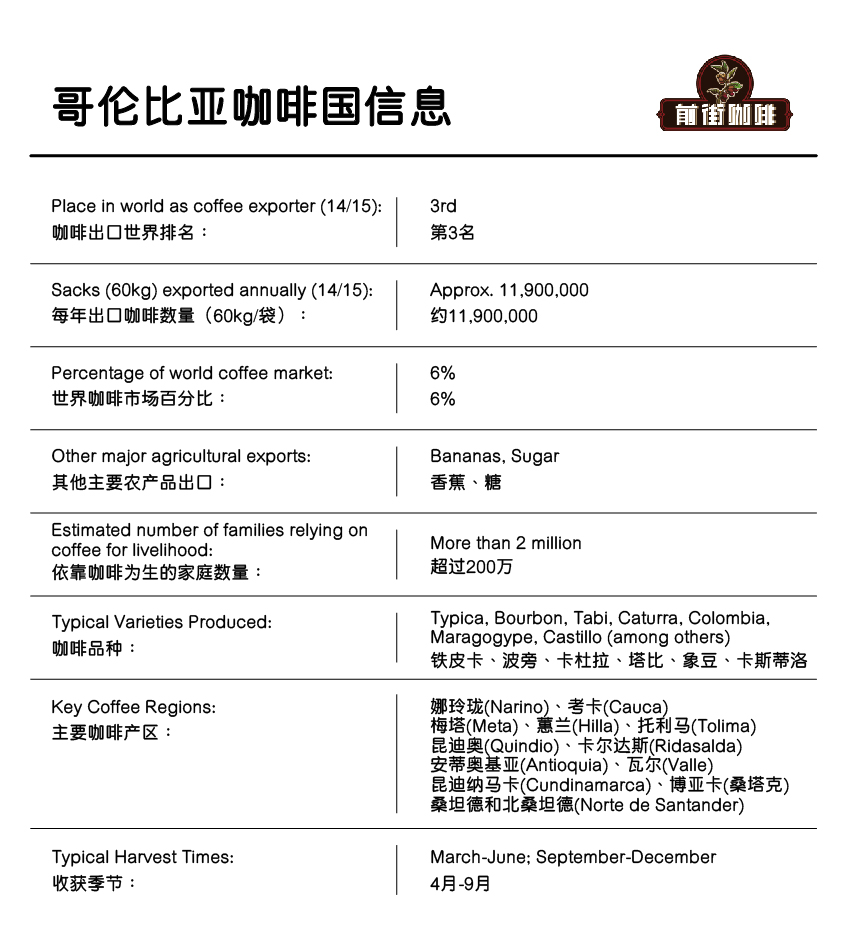
Colombia's climate conditions can be described as a "natural pasture" for coffee cultivation. As the world's second-largest coffee producer after Brazil, Colombia is also the world's largest exporter of Arabica coffee beans and the largest exporter of washed coffee beans. The country has 590 municipalities and 14 coffee-growing regions, with a coffee planting area of approximately 875,000 hectares. On average, about 75% of coffee products are sold worldwide, and the coffee crop contributes 10% to 16% of agricultural GDP. What surprised Front Street Coffee is that most of this coffee comes from small farms—60% of Colombian coffee farms are less than one hectare in size, while farms exceeding 20 hectares account for only 0.5%.
Colombian coffee is a representative fine variety among Arabica types and a classic example of traditional dark-roasted coffee, possessing a strong and unforgettable flavor. Its aroma is rich and full-bodied, with a bright, high-quality acidity, high balance, sometimes presenting nutty notes, and a long finish. In both appearance and quality, Colombian coffee is considered superior.
Volcanic Soil + Family-Style Management
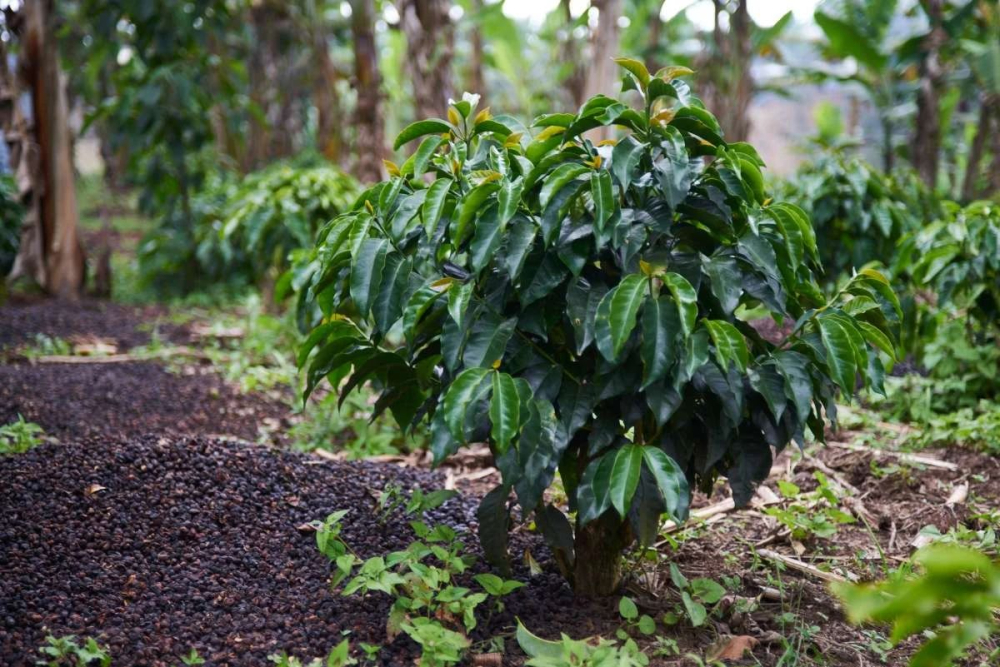
It is said that coffee was first introduced by missionaries from Venezuela in 1730 and began to be cultivated in the southeastern part of the country, later gradually shifting to the western mountains due to civil war and political changes. Under ideal conditions of altitude and volcanic soil, Colombian coffee has been favored by high-end consumers in the United States and Japan since the 1940s. Local coffee farmers insist on waiting until the fruit is fully ripe before hand-picking. They cherish the land they live on, exercising restraint from fertilizer selection to land clearing, resulting in less soil fatigue. In addition to coffee, locals also plant tall trees or banana trees around the coffee trees, and set up shade canopies for the coffee trees during the seedling stage to ensure the cool and humid environment needed for growth. The high humidity and small temperature differences within the coffee forest cause the coffee beans to mature slowly. Beyond the innate conditions, Characteristics of Colombian Coffee Beans another main reason Colombian coffee is superior to Brazilian coffee is family-style management. They have no heavy machinery for harvesting and irrigation, nor spare money to hire workers, and all coffee fruits are conducive to the accumulation of caffeine and aromatic substances, thus making Characteristics of Colombian Coffee Beans the best in quality.
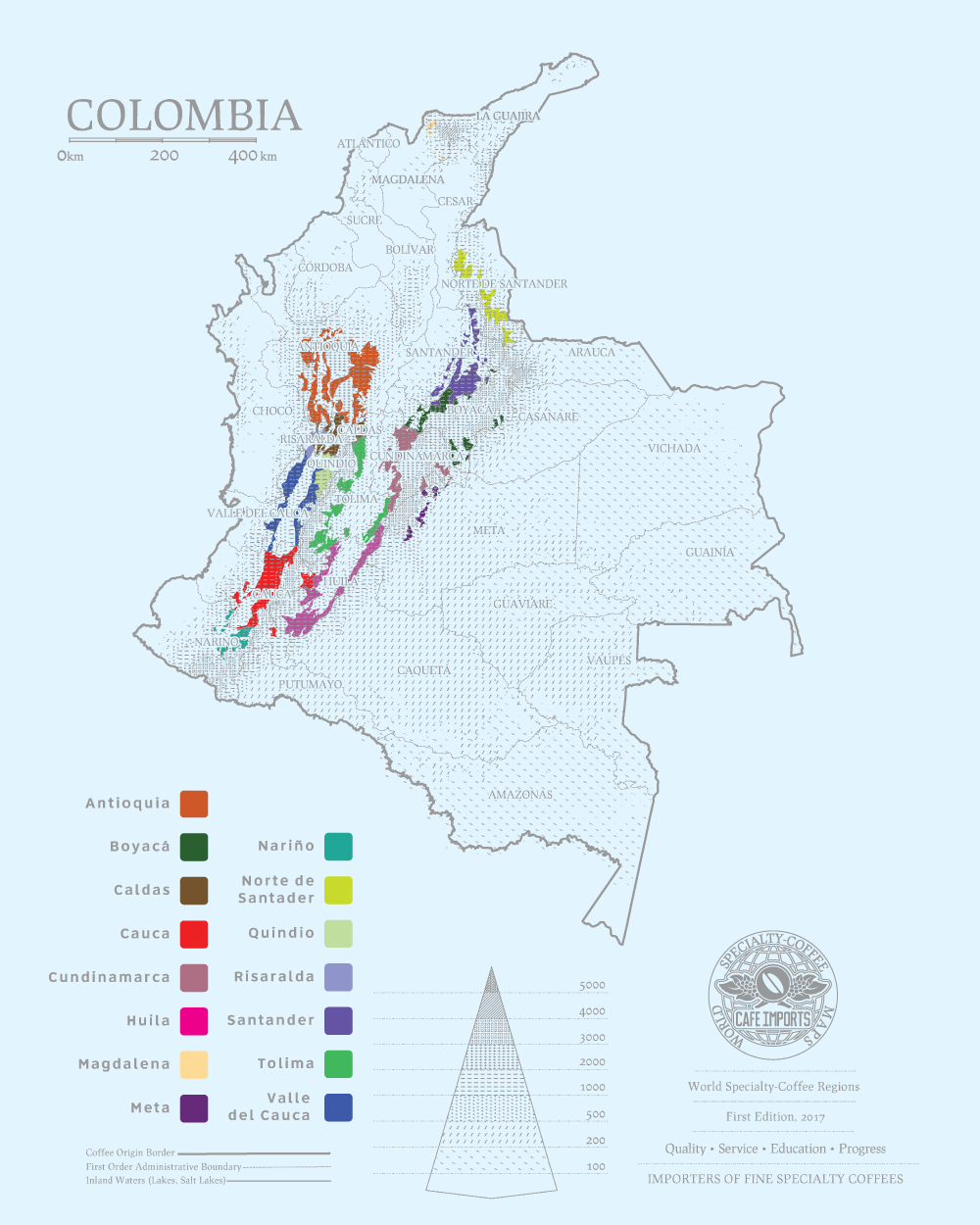
Colombian Coffee Producing Regions
The producing regions for Characteristics of Colombian Coffee Beans are divided into commercial beans and specialty beans. Commercial coffee bean producing areas are concentrated in central and northern Colombia, mostly large corporate coffee farms. Among them, the well-known "MAM" three major producing regions are Medellin, Armenia, and Manizales, with main flavors being the familiar Central American profile and strong fruity acidity. However, Bucaramanga produced in the northeastern Santander department is known for low acidity and a heavy bitter-aromatic feel, somewhat similar to Indonesian Mandheling. (This phenomenon may be due to lower altitude in the Kansai region, resulting in decreased acidity.)
Specialty coffee bean producing regions are mainly in the south, at altitudes above approximately 1,500 meters, and with many volcanoes, creating numerous well-known specialty producing areas including Cauca, Huila, Meta, Tolima, Narino, and others. The main flavors are caramel aroma, with delicate berry aromas and acidity, and notably pronounced sweetness!
Antioquia
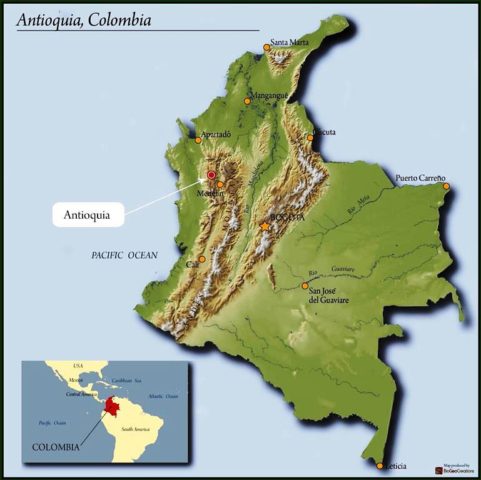
Antioquia is located in north-central Colombia, with a coffee planting area of 126,000 hectares, producing coffee beans that account for 18% of Colombia's output, second only to Huila in production. Most of the province's territory is mountainous terrain belonging to the Andes, but it is brushed by warm Caribbean sea breezes. The provincial capital Medellin is Colombia's second-largest city and also an important coffee-producing region in Colombia. Antioquia has long been the country's “Wild West,” initially settled almost entirely by gold miners. In the latter part of the 19th century, Antioquia became one of Colombia's most important coffee-producing regions.
Choco
Most of Choco's coffee grows near the municipality of El Carmen de Atrato, separated from the fertile coffee-growing slopes of southwestern Antioquia by just a steep ridge. The region is rich in biodiversity and one of Colombia's most remote areas, having suffered from violence and isolation in the past due to the presence of the Revolutionary Armed Forces of Colombia.
Choco's coffee region is located within the mountains bordering Antioquia, with no other viable route to transport coffee out of the region. Therefore, almost all coffee from Choco is milled in Antioquia.
Huila
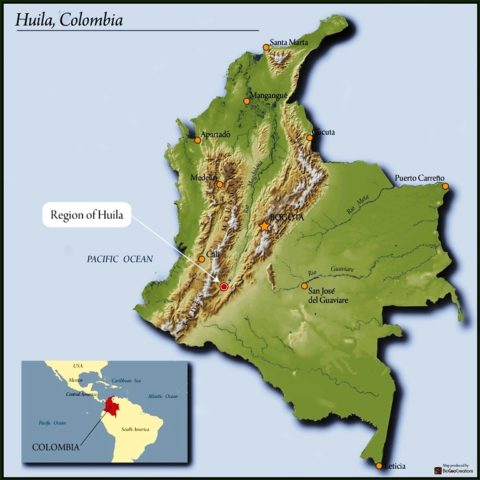
Huila is located in southern Colombia within the southern part of the Central Cordillera, and is the country's most famous specialty coffee producing region. This area features mountain-surrounded hills, with planting altitudes above 1,500 meters. Colombia's most important rivers converge here, bringing abundant water resources and moisture.
Contrary to the common impression of mass-market Colombian coffee as balanced and smooth, many Colombian specialty coffees produced in smallholder micro-lots actually have strong regional flavor characteristics. In recent years, with the international market's emphasis on coffee quality and demand for specialty coffee, the previous system of grading by bean size has gradually been abandoned in favor of micro-regional selections organized by smallholder coffee farmers, where dozens of smallholders contribute their individual harvests to be consolidated into a micro-lot for sale. This also provides more opportunities to directly select many high-quality specific smallholder coffees through batch-by-batch cupping.
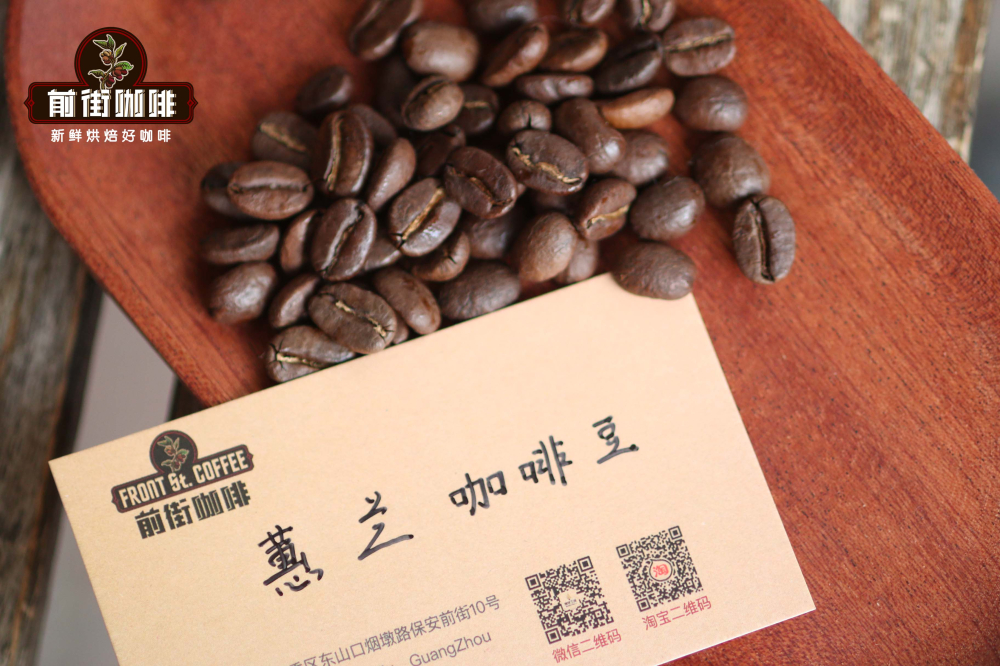
Front Street Colombia Washed Huila Coffee Beans
Region: Colombia
Variety: Caturra
Processing Method: Washed
Roast: Medium-Dark Roast
Altitude: 1,500-1,800m
Roasting Suggestions
This Front Street Colombia Huila bean has relatively high density, uniform bean size, and a fairly plump bean shape. The Front Street roaster wanted to express this Front Street Colombia Huila bean with notes of nuts, dark chocolate, and caramel, so after first crack, the heat was adjusted, extending the roasting time, and the beans were dropped at 3'00" at 202°C.
Charge at 185°C, air damper set to 3, heat at 120, turning point at 1'32", 98.6°C; when the drum temperature reaches 140°C, open the air damper to 4; at this point the bean surface turns yellow, the grassy smell completely disappears, entering the dehydration phase. When the drum temperature reaches 192°C, adjust the heat to 80, open the air damper to maximum 5; at 8'30"
the bean surface shows ugly wrinkles and dark spots, and the toasty bread smell distinctly turns to coffee aroma, which can be defined as the prelude to first crack. At this point, listen carefully for the sound of first crack. First crack begins at 9'15", develop for 3'00" after first crack, and drop at 202°C.
Brewing Parameters
Dripper: KONO Dripper
Water Temperature: 86-87°C
Dose: 15g
Coffee-to-Water Ratio: 1:15
Grind Size: 75% passing through a No. 20 sieve
Brewing Technique
Pulse Pouring Extraction
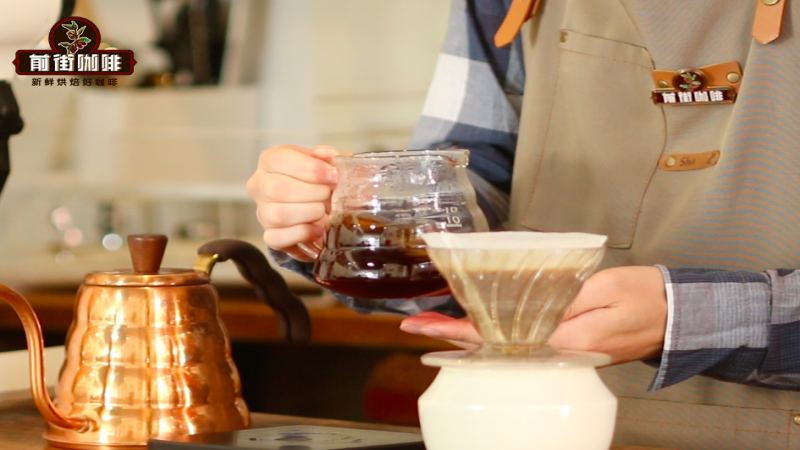
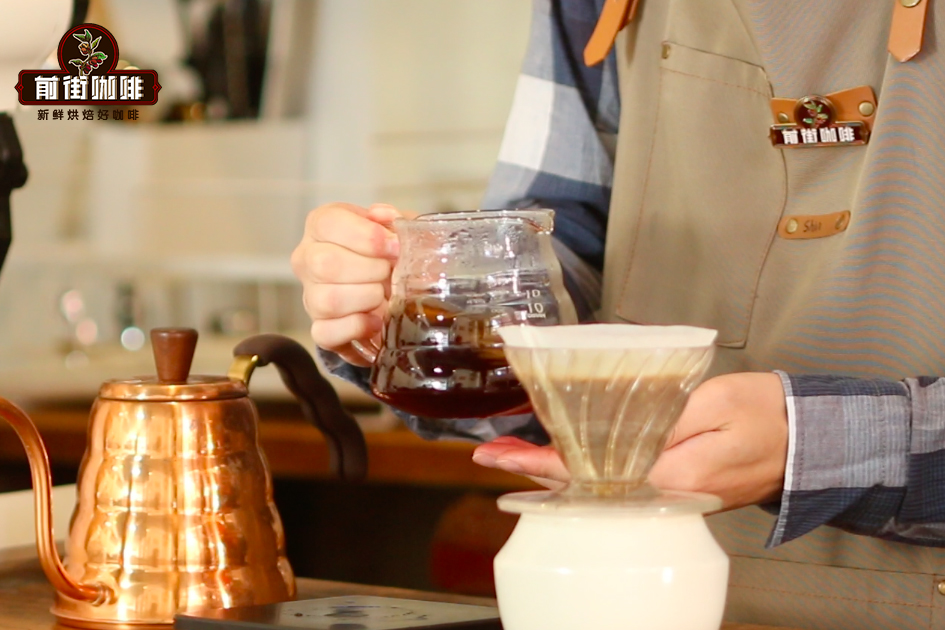
For the first pour, use 30g of water for blooming, with a blooming time of about 30 seconds. For the second pour, pour to 125g of water and pause. When the water level drops and is about to expose the coffee bed, continue with the third pour to 225g to finish. When the water level drops and is about to expose the coffee bed, remove the dripper. (Timing starts from the beginning of blooming.) Total extraction time is 2'00".
Flavor Description
Overall relatively balanced, with pronounced sweetness. On the palate, there are dark chocolate, nuts, and caramel, with a soft fruity acidity as the temperature changes.
Narino
Narino is located in the southwest of the country, bordered by the Pacific Ocean to the west and Ecuador to the south, with the Andes running through the entire province. Coffee is grown at altitudes of 1,600-2,300 meters in the high-altitude cloud forest belt. The soil is fertile volcanic geology. The beans are smaller in shape but plump, with an emerald green color. The vast majority of Narino's annual production is purchased by large American bean buyers. Narino is located in southwestern Colombia, bordered by the Pacific Ocean to the west and neighboring Ecuador to the south, with the Andes running through the province. Here there are magnificent mountain ranges and beautiful scenery, and many rivers flow through this region toward the south. It belongs to Colombia's high-mountain coffee growing region and has nurtured many specialty coffee smallholders. Narino's total annual production is about 150,000 bags, of which only about 6,000 bags are hand-selected beans.
Santander/North of Santander
Santander is a famous producing region in northern Colombia, bordered by the Magdalena River to the west, with planting altitudes of approximately 1,400-1,600 meters. Coffee beans from this region are known for their strong taste, long finish, and unique fresh herbal flavor. A large amount of Typica is planted in this region, most of which has Rainforest Alliance certification. The region has a relatively dry climate and lower altitudes.
Front Street Colombia Rose Valley Coffee Beans
Estate: Colombia Big Tree Estate
Region: Santander
Processing Method: Anaerobic Double Enzyme Washed
Altitude: 1,700 meters
Variety: Caturra
Roasting Suggestions
Charge temperature: 180°C, turning point: 6'00", 151°C, first crack: 9'48", 183.3°C, develop for 2'10" after first crack, drop at 197°C.
Brewing Parameters
Dripper: Hario V60
Water Temperature: 90-92°C
Dose: 15g
Coffee-to-Water Ratio: 1:15
Grind Size: 80% passing through China standard No. 20 sieve
Brewing Technique
For the first pour, use 30g of water for blooming, with a blooming time of about 30 seconds. For the second pour, pour to 125g of water and pause. When the water level drops and is about to expose the coffee bed, continue with the third pour to 225g to finish. When the water level drops and is about to expose the coffee bed, remove the dripper. (Timing starts from the beginning of blooming.) Total extraction time is 2'00".
Flavor Description
Floral, bright acidity, prominent acidity and sweetness, juicy mouthfeel, grape, strawberry, green plum.
Sierra Nevada
Located in the branch of the Andes on the Caribbean Sea side of northern Colombia—the Sierra Nevada mountain range (also translatable as the Snowy Mountains)—it is the highest mountain range in Colombia. The peaks are covered in snow year-round. Specialty beans produced in this mountain region are named after the Sierra Nevada mountain range and have gained increasing recognition in recent years. The coffee beans produced here, in addition to being purchased by FNC (the national organization for Colombian coffee beans), are also sold by coffee farmer cooperatives under the micro-region name Sierra Nevada or Snow Cap (meaning Snow Peak).
Tolima
Tolima is adjacent to Huila and Cauca. Here the north-south trending Andes (M. Andes) and Cordillera (M. Cordillera) run through, and between these two famous mountain systems runs the Magdalena River (R. Magdalena) from south to north.
The name Tolima comes from the earliest people who lived here, the "Pijao people." In this ancient people's language (Pijao word), Tolima means "snow-covered," "snowed." Tolima's farms are generally slightly larger than those in other southern Colombian producing regions, at about 10-15 hectares. Cooperatives are also prevalent here, with farmers sending their small batches of coffee cherries to the cooperative's processing plant. Some farmers also choose to process their own coffee using small-scale processing facilities capable of handling their daily harvest.
Front Street Colombia Geisha Coffee Beans
Country: Colombia
Region: Tolima
Altitude: 1,860M
Processing Method: Washed
Grade: SUPREMO
Variety: Geisha
Roasting Suggestions
This Front Street Colombia Geisha bean is grown at a relatively high altitude with relatively hard bean quality. In order to highlight this bean's characteristics and aroma, we chose a light roast, as this roast level can better bring out the bean's inherent characteristics, using medium heat for dehydration.
Roaster Yangjia 800N (batch size 300g)
Charge at 180°C, air damper set to 3, after 30 seconds adjust heat to 150, air damper unchanged, turning point at 1'36". When drum temperature reaches 140°C, adjust heat to 130, open air damper to 4; at this point the bean surface turns yellow, the grassy smell completely disappears, entering the dehydration phase. When drum temperature reaches 166°C, adjust heat to 110, air damper unchanged;
At 7'50", the bean surface shows ugly wrinkles and dark spots, and the toasty bread smell distinctly turns to coffee aroma, which can be defined as the prelude to first crack. At this point, listen carefully for the sound of first crack. First crack begins at 8'20", reduce heat to 50, adjust air damper to 5 (adjust heat very carefully, not so low that cracking sounds cease), develop for 1'30" after first crack, drop at 190°C.
Brewing Parameters
Dripper: Hario V60 or cake dripper
Water Temperature: 90-92°C
Coffee-to-Water Ratio: 1:15
Grind Size: 80% passing through China standard No. 20 sieve
Brewing Technique
For the first pour, use 30g of water for blooming, with a blooming time of about 30 seconds. For the second pour, pour to 125g of water and pause. When the water level drops and is about to expose the coffee bed, continue with the third pour to 225g to finish. When the water level drops and is about to expose the coffee bed, remove the dripper. (Timing starts from the beginning of blooming.) Total extraction time is 2'00".
Flavor Description
During brewing, you can already smell the citrus acidity and green tea-like freshness. When hot, the sweetness of sugarcane and licorice is pronounced, with some lemon acidity and an oolong tea finish, somewhat like a cup of lemon tea. After the temperature drops, the citrus flavor becomes prominent, with honey and sugarcane sweetness lingering, and after cooling it gives a feeling of honey green tea.
Cauca
Cauca is a region with Colombian coffee origin certification, with an average altitude of 1,758m and a maximum altitude of up to 2,100m. The region's terrain, rainfall, temperature, and volcanic soil provide suitable conditions for coffee growth. 80% is mountainous, with parallel mountain ranges in the east and central parts that are part of the Andes. The central range includes two major volcanoes, Sotara and Petacas. On the border, Cauca is similar to other southwestern producing regions, with rainfall showing a distinct monomodal distribution. The dry season mainly occurs from August to September each year, and the subsequent rainy season brings a concentrated coffee flowering season, followed by the concentrated coffee harvest season the following year.
The biggest climatic difference from other producing regions is probably the relatively large temperature variation, with a daily average temperature of 11°C and a daytime average of 18°C. The day-night temperature difference is an important factor in producing high-quality coffee. The low nighttime temperatures and relatively higher altitude slow down the coffee's growth rhythm, allowing the coffee seeds and beans to more fully absorb the nutrients of the coffee fruit, also creating Cauca coffee's better acidity and much-praised special sweetness.
Front Street Coffee · Colombia Cauca El Paraiso Estate Pink Bourbon Coffee Beans
Country: Colombia
Region: Cauca
Estate: El Paraiso Estate
Variety: Pink Bourbon
Processing Method: Washed
Altitude: 1,930 meters
Roasting Suggestions
Roaster Yangjia 800N (batch size 500g)
Charge at 165°C, air damper set to 3, heat at 100; turning point at 1'35". When drum temperature reaches 145°C, heat unchanged, open air damper to 4; at this point the bean surface turns yellow, the grassy smell completely disappears, entering the dehydration phase. At 166°C, reduce heat to 80, at 176°C reduce heat to 60, air damper remains unchanged.
At 7'50", the bean surface shows ugly wrinkles and dark spots, and the toasty bread smell distinctly turns to coffee aroma, which can be defined as the prelude to first crack. At this point, listen carefully for the sound of first crack. First crack begins at 8'57", reduce heat to 40, adjust air damper to 5 (adjust heat very carefully, not so low that cracking sounds cease), develop for 2'05" after first crack, drop at 195°C.
Brewing Parameters
Dripper: Hario V60
Water Temperature: 90°C
Coffee-to-Water Ratio: 1:15
Grind Size: 80% passing through China standard No. 20 sieve
Brewing Technique
For the first pour, use 30g of water for blooming, with a blooming time of about 30 seconds. For the second pour, pour to 125g of water and pause. When the water level drops and is about to expose the coffee bed, continue with the third pour to 225g to finish. When the water level drops and is about to expose the coffee bed, remove the dripper. (Timing starts from the beginning of blooming.) Total extraction time is 2'00".
Flavor Description
Overall relatively clean and balanced, feeling relatively light and smooth, with flavors of white peach, plum, grapefruit, cream, roasted almond, and cocoa, with a long-lasting tea and floral finish.
Coffee Varieties
Colombia's producing regions span latitudes and are influenced by the terrain of the Andes, divided from south to north into 3 major zones: north, central, and south. The southern and northern harvest seasons are relatively distinct, while the central zone has primary and secondary harvest seasons depending on whether it leans north or south, with two harvest seasons per year: the main harvest from October to January and the secondary harvest from April to July.
In terms of coffee varieties here, besides the Caturra, Bourbon, Typica, and Pacamara commonly found in American producing regions, Colombia also has its own three unique disease-resistant varieties: Castillo, Tabi, and the Colombia variety bearing the same name as the country. Of course, there are also some rare and precious varieties such as Geisha, the small-beaned Mocca, Rume Sudan, Eugenioides, Laurina (pointed bourbon), and Maraguesa (a natural hybrid of Maragogipe and Geisha).
The varieties planted in Colombia in the early period were old Typica and Bourbon, which began to be replaced by Caturra starting in 1970. Caturra is not only higher-yielding per plant than Typica and Bourbon, but also, because of its more compact tree shape, more can be planted per unit area.
Starting in 1961, CENICAFE began researching the Timor variety with Robusta lineage, and subsequently crossed Timor with Caturra to breed Colombia's Catimor series. After 5 generations of selection, in 1982, CENICAFE released Colombia's first disease-resistant cultivated variety, Colombia. After the outbreak of leaf rust in 1983, the Colombia variety began to be widely promoted and planted.
Subsequently, CENICAFE continued its research and development. In 2002, it released its second disease-resistant variety, Tabi (a hybrid of Typica, Bourbon, and Timor), and in 2005 released the most successful disease-resistant variety to date, Castillo. After the massive outbreak of leaf rust in 2008, Colombia began vigorously promoting Castillo cultivation.
Processing Methods
Most Colombian coffee is washed. Each smallholder family has a small specially designed processing machine (Ecomill or Eco-Pulper). Harvested coffee cherries are poured in, which not only removes the skin and pulp but also removes most of the mucilage, using only a very small amount of water. Next, the parchment beans with a small amount of residual mucilage go into a small tank or container—possibly a cement tank (sometimes tiled) or a stainless steel drum—and are left overnight to ferment, loosening the remaining mucilage. The next day they are rinsed with clean water, completing the washed processing.
FNC
The Colombian Coffee Growers Federation (FNC), including the National Coffee Research Center of Colombia (CENICAFE), regional coffee producer associations (Colombia has 32 regional Departments, 20 of which have coffee cultivation), traders, international roasters, and others.
The FNC's greatest mission is to be the spokesperson for Colombian coffee, promising that as long as coffee farmers are willing to sell coffee, the FNC is willing to purchase it. The FNC not only serves as Colombia's coffee ambassador promoting coffee marketing in the international market, successfully creating the "Juan Valdez" image, but also invests substantial human and material resources domestically in farmer cultivation and production, management, and sustainable operations.
CENICAFE was established in 1938. As the technical support arm of the FNC, it is dedicated to coffee variety selection and breeding, and agronomic training for farmers in cultivation and production.
The above content is compiled by CoffeeHunters, a coffee news website.


