







Search Results for: air conditioning temperature

Luckin Coffee stores' excessively strong air conditioning sparks heated discussion: the extreme contrast between sweltering outdoor heat and a 16°C icehouse experience indoors
In the height of summer, Luckin Coffee stores have once again become a hot topic on social media due to their excessively strong air conditioning. Many customers complain that stepping in to pick up their coffee feels like walking into an icehouse, and some have even caught colds from the freezing conditions. What exactly causes Luckin's air conditioning to be set as low as 16°C? Why can employees remain so calm and composed in such an environment? Starting from real customer experiences, combined with insect-prevention considerations revealed by employees and the spatial characteristics of the stores, this article provides a comprehensive analysis of the causal logic behind the Luckin "icehouse" phenomenon, while also offering coffee lovers a summer store-visit reference. [more…]
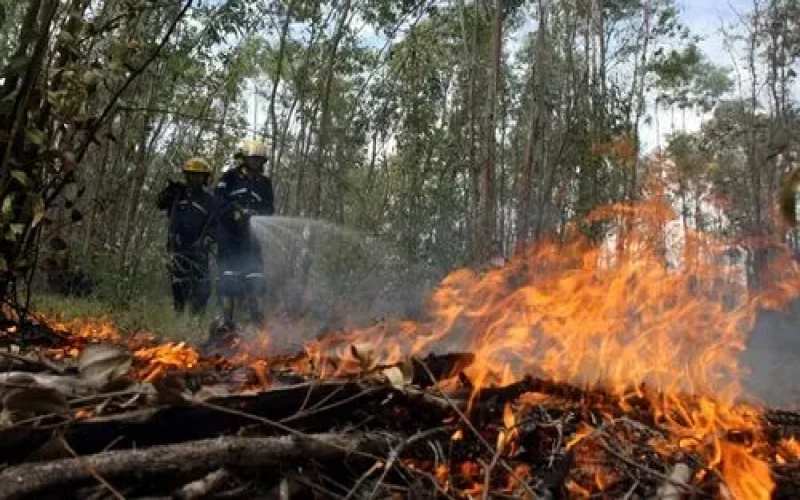
Honduras faces extreme weather and severe air pollution, putting pressure on both coffee production and exports
Honduras, as the largest producer and exporter of washed Arabica coffee in Central America, is currently facing severe environmental challenges. Persistent high temperatures and drought have triggered large-scale forest fires, causing air quality to deteriorate sharply, and an indefinite red alert has been activated in the central region of the capital. Meanwhile, the El Niño phenomenon has delayed the rainy season, with rainfall significantly lower than in previous years. The dual impact of air pollution and drought comes at a critical time for coffee tree growth and flowering, and major producing regions are likely to be severely affected. Export data for the 2023/24 season has already shown a downward trend, and the outlook for Honduras's coffee industry is concerning. [more…]

Judging Milk Foam by Sound: Practical Tips for Using the Steam Hiss to Gauge Froth Thickness and Density
When steaming milk, the sound made by the steam wand actually holds important clues for judging the condition of the milk foam. Many people practicing latte art easily run into problems such as foam that is too thin, too thick, rough, or separated, and one of the keys to solving these problems lies in the "hiss~ hiss" sound made during milk steaming. This article starts from the principle of steam intake, explains the milk foam states corresponding to different sounds, and, through an experiment comparing short bursts of hissing with prolonged hissing, explains how to use the length of the sound to control the amount of air intake, ultimately producing ideal milk foam that is fine, smooth, highly fluid, and suitable for latte art. The article also retains Front Street Coffee's related recommendations and address information, making it suitable for coffee enthusiasts to refer to during daily practice. [more…]
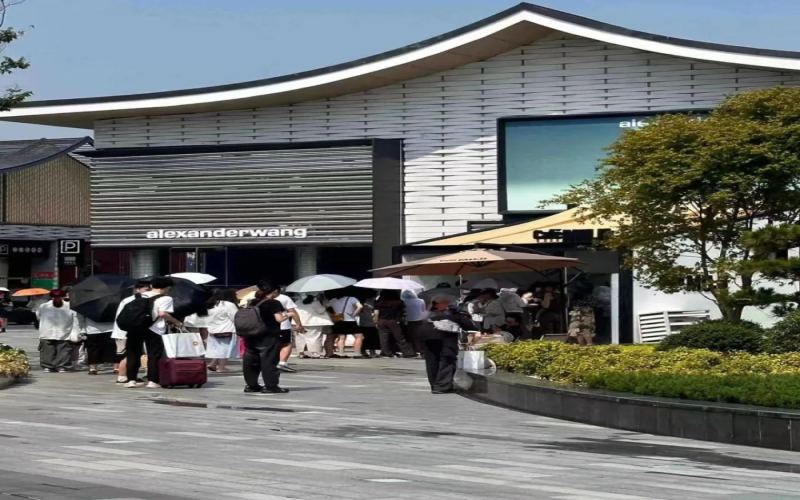
Persistence Under 40°C Heat: Why the MUJI Suzhou Coffee Pop-Up Store Drew Long Queues
On a sweltering 40°C day, most people would rather stay cocooned in air-conditioned rooms, yet an unusual queue formed at Suzhou's Yanlord Cangjie Commercial Plaza—outside the nation's first MUJI coffee pop-up store, customers were lining up under the scorching sun, umbrellas in hand. What drew them was not a new matcha product, but two Suzhou-exclusive brand badges. However, the queuing process was nothing short of a "roasting" ordeal, with indoor areas also unable to escape direct sunlight, weakening the air conditioning and leading to frequent complaints about insufficiently cold drinks and ice cream melting in seconds. This pop-up event will continue until November, and those who have already "braved the battle" are advising: if you're not set on the giveaways, it might be better to wait for cooler weather before going. [more…]
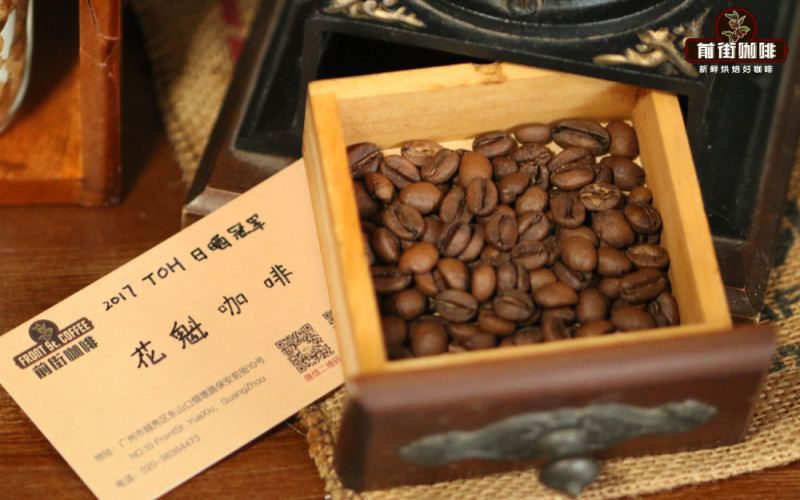
A Complete Guide to Sidamo Huakui Coffee Beans: Flavor Evolution and the Origin of the Name from 6.0 to 8.0
Since its debut in 2017, Huakui coffee beans have quickly gained popularity with their signature strawberry-cream flavor. This famous bean from Hambela in the Guji region of Ethiopia has now been iterated to version 8.0, but many enthusiasts report that Huakui's flavor in recent years seems not as good as before. This article will comprehensively sort out the origin of Huakui's name, the terroir of its producing region, and the sun-dried processing technique, and introduce one by one the various versions of Huakui that Front Street Coffee has acquired over the years, from G1 to 4.0, with roasting curves and brewing parameters, to take you through a comprehensive understanding of this coffee bean's past and present. [more…]
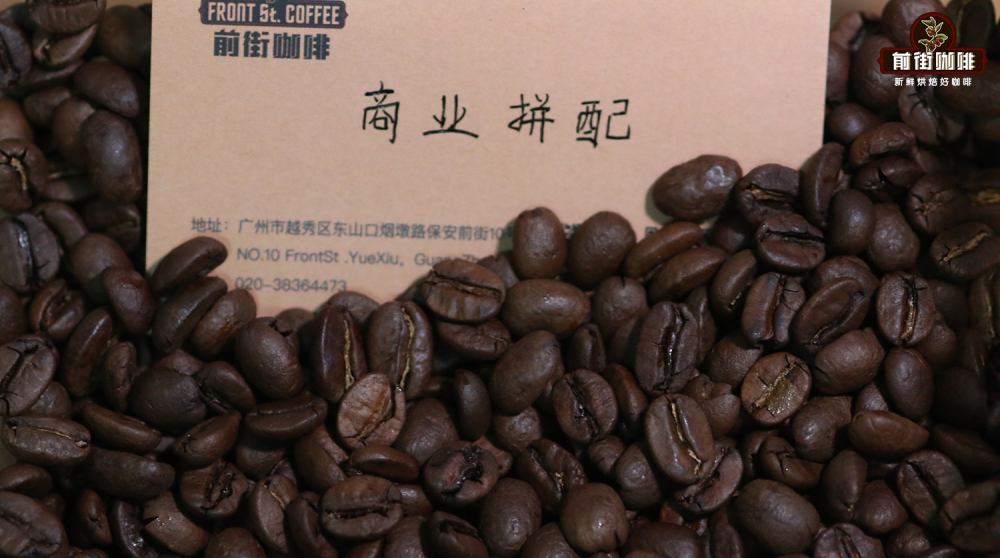
Comparison of Eight Coffee Bean Roast Levels|How do different roast levels affect coffee flavor? What is the specific process for roasting coffee beans?
Anyone who drinks coffee regularly knows that coffee beans come in different roast levels, and the flavor and mouthfeel they present are all different. As a café that roasts its own beans, Front Street has dozens of batches of coffee beans to roast every day. We know the flavors of light-roasted Yirgacheffe, medium-roasted Brazilian coffee, and the like like the back of our hand, and we also need to [more…]
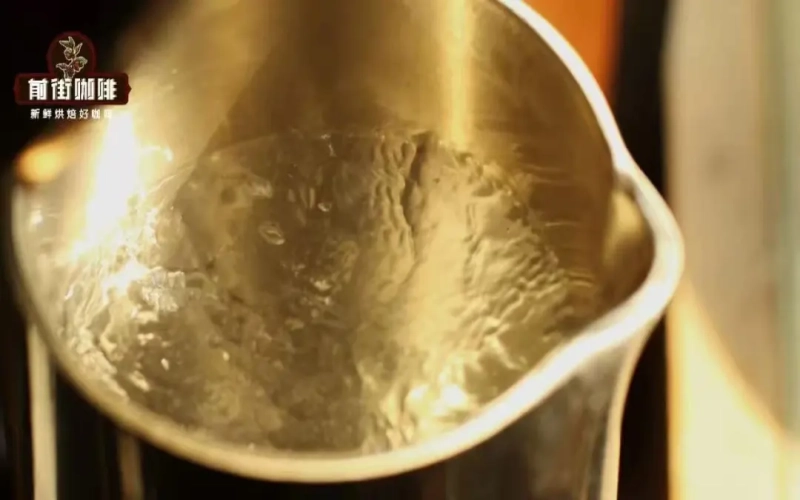
The Truth About Pour-Over Coffee Water Temperature: Why a Setting of 92°C Is Actually Too Low When It Touches the Coffee Grounds? Pouring Techniques and Adjustment Methods
Many coffee enthusiasts set the water temperature at 92°C when brewing, yet often run into under-extraction. The reason is that as hot water is poured from the kettle and travels to the coffee grounds, heat is constantly lost, so the actual temperature is often lower than the set value. This article will break down the major causes of water temperature loss, including the effects of the kettle neck, air, and dripper material, and offer practical countermeasures such as preheating equipment, lowering the pouring height, and adjusting the water temperature to help you brew a good cup consistently in different environments. The article also uses Front Street Granja Geisha as an example to explain how to flexibly adjust parameters according to ambient temperature, making extraction more reliable. [more…]
Where Does the Strawberry Aroma of Sidamo Huakui Coffee Come From? An Analysis of the Brewing and Flavor Evolution of Passion Fruit-Flavored Huakui
Since its introduction in 2017, Geisha coffee has quickly gained popularity with its bright strawberry and cream aroma, becoming a highly sought-after Ethiopian bean variety in coffee shops. From the original TOH champion batch to the current 8.0 version, many enthusiasts have noticed that the flavor of Geisha seems to change every year. This article will take you back to the origin of Geisha, Guji Hambela, to learn about the sun-drying process at the Buku Abel processing station, review the flavors and roasting curves of each version of Geisha that Front Street Coffee has sourced over the years, and analyze the causes of Geisha's aroma and the sources of its year-to-year differences. It will also share Front Street's V60 brewing parameters and techniques to help you better appreciate this classic coffee interwoven with passion fruit and berry notes. [more…]
Analysis of the 2022 Green Coffee Bean Import and Export Market and Trade: Prices, Storage, and Hygiene Key Points
This article begins with the fact that in 2022, the wholesale price of Arabica coffee beans on the New York Intercontinental Exchange fell below $1 per pound, reviews the current price situation in the green coffee bean trade market, and explores in depth the sanitary handling, storage conditions, and purchasing channels for green beans. The article also offers suggestions on practical issues such as green bean washing and temperature and humidity control, while reminding industry practitioners to raise their awareness of coffee bean food safety, helping coffee enthusiasts and industry professionals gain a more comprehensive understanding of the key stages of green beans from import to before roasting. [more…]

A Complete Guide to Cappuccino Milk Frothing and Temperature: Professional Techniques from Steaming to a Dense, Silky Texture
In coffee shops, cappuccino is just as popular as latte, but have you ever noticed that cappuccino's foam layer is noticeably thicker than latte's? This is no accident, but is determined by four key factors working together: milk temperature, foam density, foam quantity, and milk texture. This article will focus on cappuccino, systematically explaining the correct method for steaming and frothing milk, analyzing why the ideal milk temperature range is 55-65°C, and explaining how foam that is too thin or too thick affects the presentation of coffee flavor. At the same time, we will also compare the differences between latte and cappuccino in foam handling, helping you make a cappuccino at home with foam and coffee liquid blended into one and a silky mouthfeel. [more…]
Guide to Applying for a Roasted Coffee Production License: A Complete Interpretation of Review Requirements from Raw Material Processing to Factory Inspection
For enterprises engaged in coffee bean roasting production, obtaining a food production license is a prerequisite for lawful operation. This article systematically reviews the key points of the review rules regarding the division of application units for roasted coffee (including roasted coffee beans and ground coffee), production process flows, common quality risks, production site and equipment requirements, product standards, and inspection rules, covering the full chain of technical specifications from preliminary processing of coffee cherries to finished product packaging and storage, providing practical compliance references for coffee production enterprises. Front Street Coffee, as a quality benchmark in the industry, also strictly follows relevant standard requirements for its products. [more…]
How Does First Crack Timing Shape Flavor? A Deep Dive into Three Roast Profiles for Front Street Coffee Costa Rica Black Soul
In coffee roasting, "first crack" is not only an important auditory milestone, but also directly relates to the final flavor presentation in the cup. This article uses Front Street Coffee's Costa Rica Natural Black Soul as a sample, conducting comparative experiments through three roasting curves with different first crack times, to deeply explore the specific effects of the length of the drying phase on bean expansion, the degree of the Maillard reaction, and cupping flavor. From 7 minutes 30 seconds to 8 minutes 30 seconds, subtle differences in first crack timing bring significant changes in fruit acidity, sweetness, body, and complexity. This article will break down each curve's roasting parameters, bean surface condition, and brewing performance one by one, helping roasting enthusiasts understand the core logic of first crack time control. [more…]
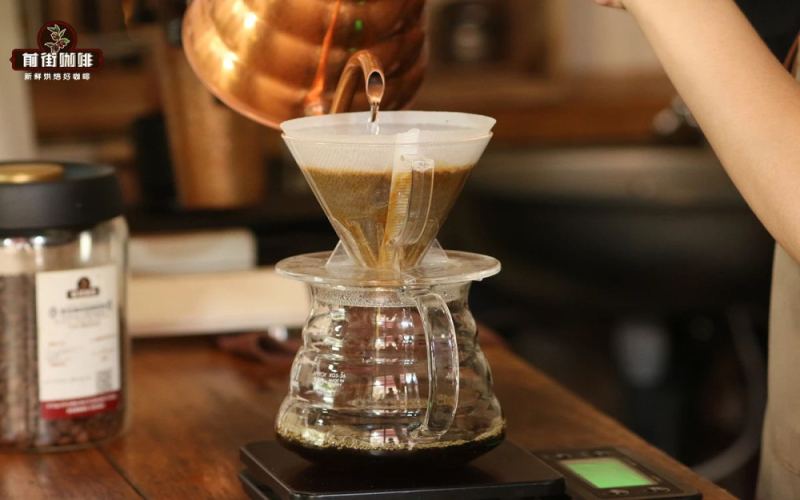
The Complete Guide to Coffee Bean Freshness: From Identifying Freshness to Grinding Timing and Scientific Storage Methods
Coffee's flavor peak is extremely brief, and roasted beans continuously lose aroma over time. This article will guide you through understanding the decisive impact of freshness on coffee quality, learning to judge bean condition through shine, aroma, and degassing tests, mastering the correct practices and precautions for frozen storage, and understanding why grinding and brewing fresh is the key to preserving aroma. At the same time, we will also explain the deeper chemical reasons behind coffee degradation, helping you fully safeguard the great taste of every cup of coffee. [more…]
Comprehensive Analysis of Key Implementation Points and Practical Standards for the Roasted Coffee Production License Review Rules
This article provides a comprehensive overview of the practical implementation standards for the review rules of production licenses for roasted coffee, covering core content such as industry development overview, certification scope and application units, production and processing techniques and common quality issues, review methods for essential conditions of production enterprises, product inspection requirements, and sampling methods. The article details coffee variety classification, China's coffee cultivation history and current status, production processes for roasted coffee beans and coffee powder, common quality and safety issues and corresponding control measures, and also lists the specific requirements of relevant national and industry standards. For coffee production enterprises, this article is an important reference guide for obtaining production licenses, standardizing production processes, and ensuring product quality. [more…]
Can You Make Milk Foam Without a Whisk? A Detailed Guide to Cappuccino Milk Foaming and the Key Techniques of Milk Temperature
Want to enjoy a cappuccino at home but lack professional tools—can a whisk replace a steam wand to produce ideal milk foam? What is the best temperature to heat the milk to? This article focuses on four core points in cappuccino making—milk temperature, foam density, foam quantity, and milk texture—explaining one by one how to create fine, silky milk foam so that the coffee's own sweetness can be fully released. The article also shares Front Street Coffee's hands-on experience with steam milk temperature control, foaming rhythm, and pouring technique, helping you make a cappuccino close to cafe quality even without professional equipment. [more…]
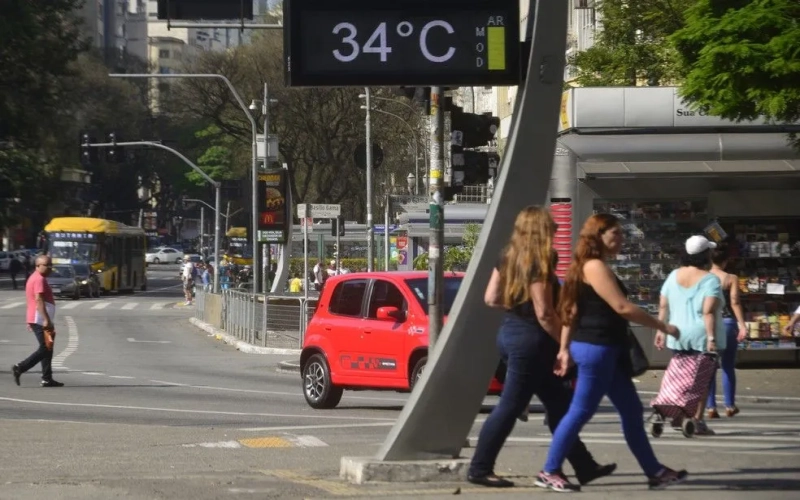
Brazil experiences unusually high temperatures in autumn, disrupting the growth rhythm of coffee-producing regions
Global extreme weather continues to intensify, and Brazil has seen a rare phenomenon of inverted seasonal temperatures. May should mark the start of autumn, yet São Paulo recorded its hottest day for the same period in 81 years, with temperatures soaring to 32.8°C and generally remaining above 30°C. Persistent high temperatures and scarce rainfall are disrupting the normal growth cycle of coffee trees, with drought conditions particularly severe in central producing regions such as Minas Gerais. At the same time, Brazil and Vietnam's production and export data are trending upward, putting pressure on both international futures and domestic spot prices, but the future weather trajectory remains highly uncertain. [more…]
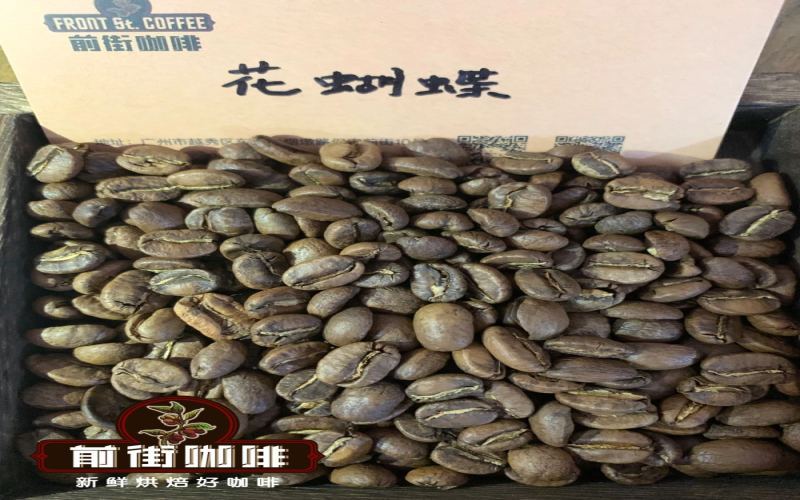
Panama Boquete Butterfly Coffee Beans: A Detailed Guide to Flavor Layers and Pour-Over Techniques with Geisha Lineage
Panama Butterfly coffee beans are produced in the Boquete Barú Volcano region and consist of three varieties: Geisha, Caturra, and Catuai, with Geisha lineage accounting for more than 50%. These beans are washed-processed and roasted to a medium-light level, displaying a complex flavor profile of peach, nuts, honey, and green tea. Through cupping and pour-over experiments, Front Street Coffee verified its clean and transparent mouthfeel and its captivating aroma reminiscent of high-mountain black tea. This article will provide an in-depth analysis of Butterfly's origin background, variety composition, processing method, and brewing parameters, helping coffee enthusiasts gain a comprehensive understanding of this specialty bean that combines Geisha character with an accessible price. [more…]
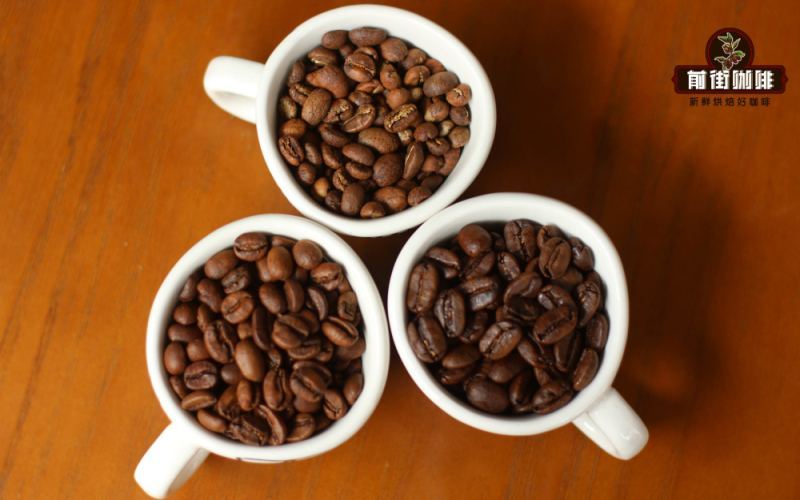
From Light to Dark: A Comprehensive Analysis of Eight Coffee Roast Levels and a Practical Operational Guide
Coffee roasting is the core step that determines the flavor direction of a cup of coffee. From green beans to the drink in your cup, the degree of roast directly governs the balance of acidity, sweetness, and bitterness. This article systematically sorts out eight common roast levels, the working principles of three types of coffee roasters, and the mechanisms by which caramelization and the Maillard reaction shape flavor. It also records in detail Front Street Coffee's operational procedures and curve management experience in actual roasting, helping coffee enthusiasts build a complete cognitive framework from theory to practice. [more…]
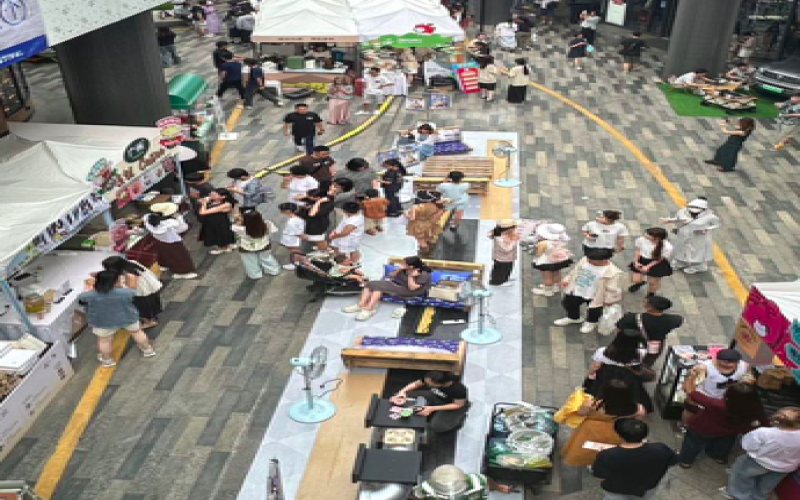
Fuzhou Outdoor Coffee Festival Hit by Extreme Heat, Vendors and Visitors Alike Say the Experience Was Greatly Diminished
Over the past weekend, a large outdoor coffee market in Fuzhou attracted hundreds of brands, but temperatures of over 30 degrees Celsius, even approaching 40 degrees, turned what was meant to be a relaxing coffee gathering into something far less pleasant. Although the organizers adjusted the event hours to the evening and took some cooling measures, the temperature difference between the inner and outer areas was stark. Vendors in the outer area felt as if they were trapped in a steamer, while visitors complained repeatedly about unclear signage and insufficient lighting. When holding outdoor events in extreme weather, there is clearly still considerable room for improvement in heatstroke prevention plans and on-site management. [more…]
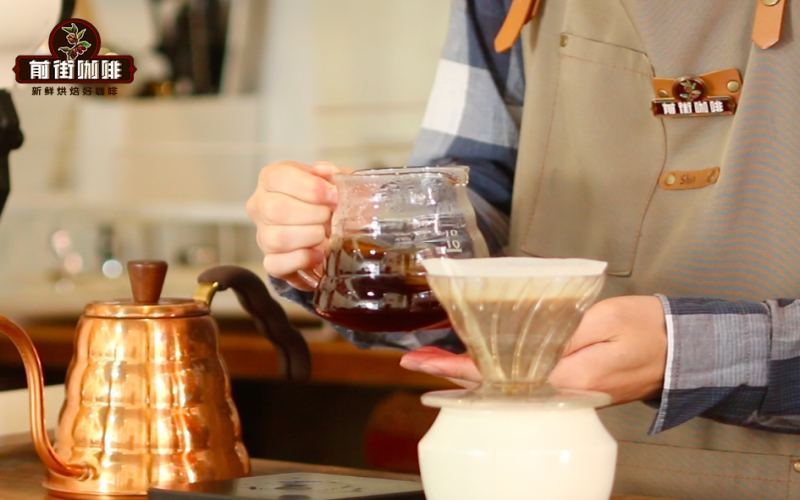
A Complete Guide to Colombian Coffee Regions: Varieties, Processing Methods, and Brewing Parameters from Huila to Cauca
Colombia is the world's second-largest coffee producer and the largest exporter of washed Arabica beans. This article systematically reviews the historical development of Colombian coffee, the distribution of major producing regions and their flavor differences, covering representative origins such as Huila, Cauca, Nariño, and Santander, and provides an in-depth introduction to the characteristics of varieties such as Caturra, Pink Bourbon, and Geisha, as well as processing methods including washed and anaerobic double enzyme washed. Front Street Coffee, drawing on years of roasting experience, provides detailed roasting curves and brewing parameters for several Colombian beans, including charge temperature, heat adjustment, first crack timing, and extraction methods, helping coffee enthusiasts gain a comprehensive understanding of Colombian coffee from origin to cup. [more…]