








How do you froth milk for a latte or cappuccino at home?
Use cold, refrigerated milk and a steam wand. Submerge the tip just below the surface to draw in air, creating fine bubbles, then lower the wand to heat and spin the milk into a dense, silky texture. Cappuccino needs a noticeably thicker foam layer than a latte, which is why cappuccino foam and liquid can separate if overheated.
Keep the finished milk between 55 and 65 degrees Celsius, judged by drinkability rather than a fixed clock. Frothing itself takes only a short time, well under a minute for a single serving, and stopping early avoids scorched milk. Foam that is too thin or too thick distorts how the coffee's natural sweetness comes through in the cup.
In coffee shops, cappuccino is just as popular as latte, but have you ever noticed that cappuccino's foam layer is noticeably thicker than latte's? This is no accident—it's determined by four key factors: milk temperature, foam density, foam quantity, and milk texture. This article will focus on cappuccino, systematically explaining the correct method for steaming milk foam, analyzing why the ideal milk temperature range is 55-65°C, and explaining how foam that is too thin or too thick affects the presentation of coffee flavor. We will also compare the differences between latte and cappuccino in foam handling, helping you make a cappuccino at home where the foam and coffee liquid blend into one, with a silky mouthfeel.
When ordering at a coffee shop, both latte and cappuccino are popular choices. If you observe carefully, you'll notice that the foam layer on top of a cappuccino is considerably thicker than that of a latte. Front Street Coffee has previously shared the method for making latte, so this time we'll discuss the key points of making cappuccino in detail.

When making milk foam, Front Street Coffee typically uses a steam wand to get the job done. So-called foaming milk is the process of using a steam wand to heat milk and inject air into it, creating fine bubbles.

When quality coffee and milk are properly combined, one can experience the natural sweetness contained in the coffee itself. The sweetness of cappuccino does not come from the milk itself; rather, through the milk's enhancement, it allows the drinker to more clearly capture the coffee's own sweet flavor. To fully bring out this sweetness and deliciousness, four key points require special attention.
1. Milk temperature
To create fine, dense milk foam, be sure to use refrigerated milk. Front Street Coffee's (FrontStreet Coffee) practice is to store milk in the refrigerator, and return it immediately after use. The milk temperature should be based on drinkability—that is, a temperature that feels comfortable after moderate heating.
If the milk in a cappuccino is overheated, the foam and liquid will separate when drinking. The first sip is foam, followed by a sudden sensation of the liquid's temperature.
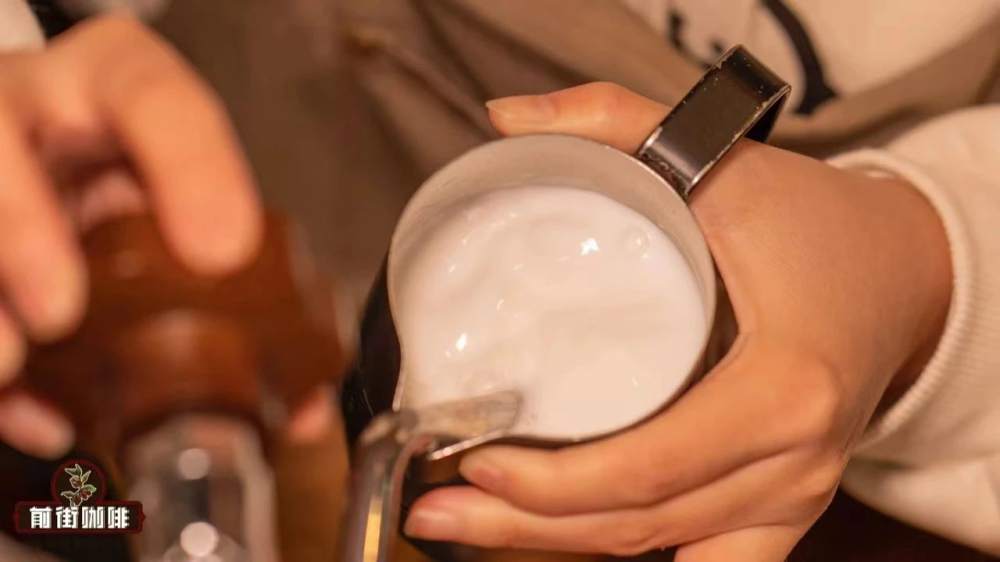
The reason is that steam heating raises the temperature of the liquid, but foam, being a collection of air bubbles, remains air bubbles no matter how much it's heated—meaning the foam and the air do not rise in temperature. So at first sip the foam isn't very hot, but when you drink deeper into the liquid, it suddenly feels scalding. This is the source of that separated sensation.
Excessive temperature also brings another problem: the coffee's bitterness gets amplified. When the temperature is too high, the coffee's delicate sweetness and mouthfeel become difficult to perceive, replaced by the bitterness that is coffee's most easily recognizable trait. Additionally, excessively high temperatures risk burning the tongue.
The best time to drink a cappuccino is the very moment it's finished, so drinking it immediately after making is most recommended. At that point the foam is extremely fine; if left too long, the liquid and foam gradually separate, and that unique mouthfeel and texture disappear. This is also why Front Street Coffee is unwilling to serve coffee to guests at high temperatures.
The ideal time to drink a cappuccino is at a temperature the guest can immediately sip, letting them feel the unity of liquid and foam, while also experiencing the delicate sweetness that coffee possesses as one of the ingredients. This temperature isn't confirmed by a thermometer, but judged through hearing and other bodily senses. During steaming, feel the temperature with your palm while listening to the sound of the steam—as the temperature rises, the sound becomes sharper.
The heat felt in the palm, the sound of the steam, the duration of steaming—what will a cappuccino made under the control of these factors taste like? Front Street Coffee's baristas must confirm this every single time during training, repeatedly practicing these steps: feeling the temperature with the palm while foaming, and predicting temperature through the sound of the steam. This way they can find the optimal milk temperature. Front Street Coffee believes the ideal temperature range for steaming milk is 55-65°C.

2. Foam density
Fine foam is the key element that gives cappuccino its wonderful mouthfeel and texture, and for latte art, it's also an indispensable condition for creating a beautiful appearance.
So how can you produce high-quality foam? Front Street Coffee (FrontStreet Coffee) suggests focusing on two key points: first, "incorporating air into the milk little by little," and second, "fully utilizing the steam ejected from the nozzle."
When foaming milk, Front Street Coffee visually confirms the fineness of the foam. After making a cappuccino, the color contrast makes it easier to see—the finer the foam, the better the texture, and the more beautiful the finished cappuccino's appearance.
If the surface of the steamed milk has uneven bubbles, this may be a state where bubbles formed by the injected steam are escaping from the milk's surface—meaning the steam from the nozzle is not being fully utilized. Since both the steam's heat and air are being lost, foaming takes longer. The steam ejected from the nozzle contains moisture; the longer it takes, the more moisture the milk incorporates. As a drink served to guests, besides being completed as quickly as possible, if the milk becomes watery, it will harm the coffee's taste.
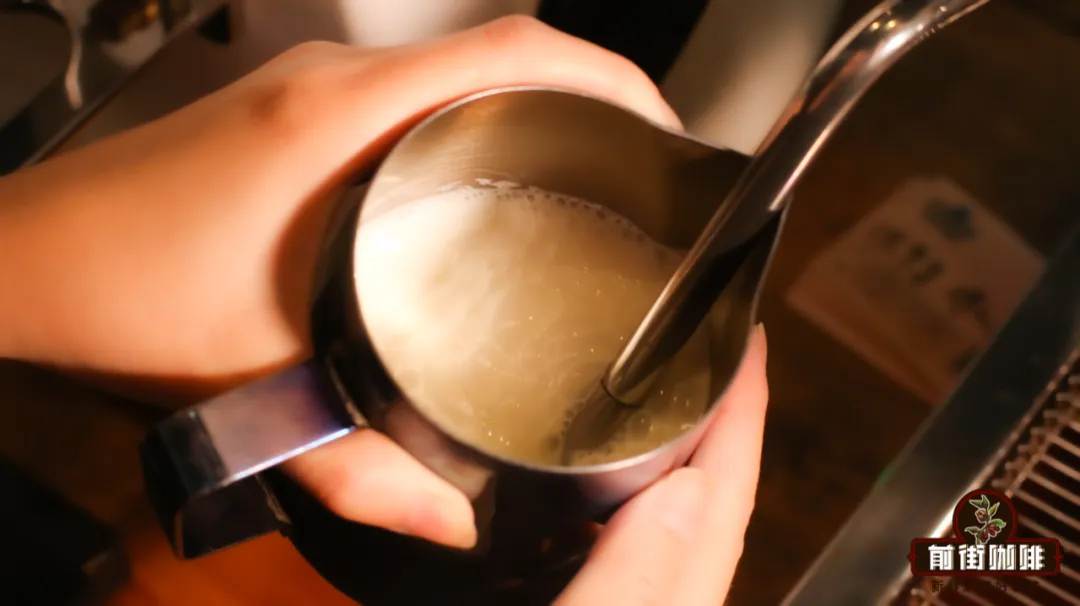
Therefore, when foaming milk, air should be introduced slowly, allowing almost all of the nozzle's air and heat to be utilized, so that visibly no bubbles surface on the foam. Because all the injected air is used and the time is shortened as much as possible, the milk won't become watery.
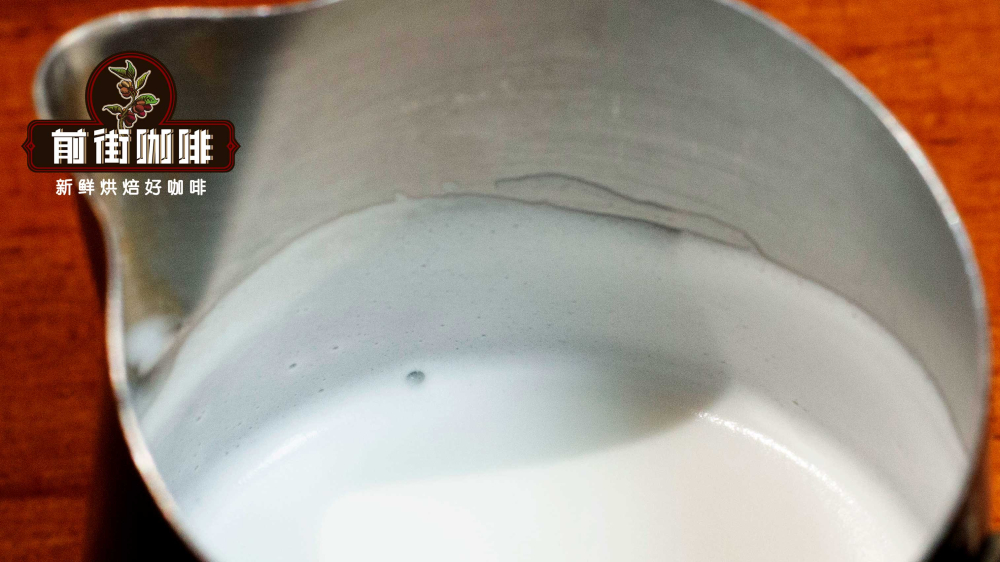
"Foam isn't made all at once, but little by little. The surface won't be uneven, heat won't be lost, the work is efficient and time can be shortened." Keep this key point in mind when foaming milk, and practice while visually checking the foam's condition during steaming. Steam quietly so that no bubbles form on the surface. While it's not impossible to inject air all at once, doing so makes the foam coarse, heat is lost along with escaping bubbles, and time increases.
3. Amount of foam
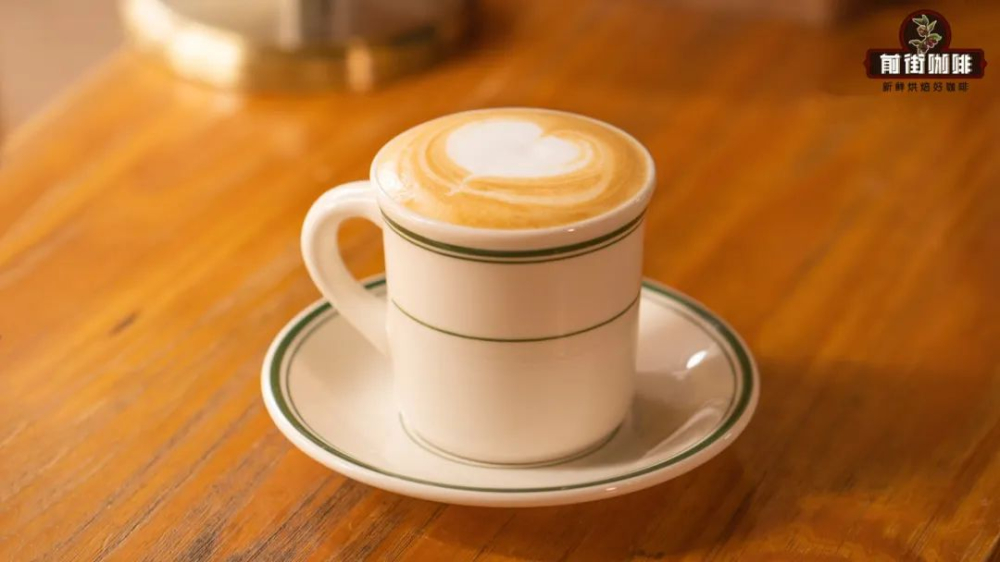
The right amount of foam is crucial for cappuccino. A certain amount of beautiful foam gives the drinking experience its mouthfeel and soft texture. When the foam is very thin, the liquid and foam separate quickly after pouring, and you can feel it immediately upon sipping. This makes it impossible to experience cappuccino's delicious characteristic—"the unity of foam and liquid." So when making cappuccino, Front Street Coffee foams the milk to a thicker degree than for latte.
Cappuccino consists of foam, milk, and espresso. Less foam means more liquid milk—that is, an increased proportion of milk relative to espresso. With a large amount of milk added, the espresso is diluted, and the coffee's own flavor becomes harder to perceive. To enjoy the silky texture, or to maintain the proper concentration of milk and espresso, the right amount of foam is necessary.
4. Milk texture
The English word for 质地 is texture, referring to the feel when touched, the surface sensation in visual or tactile terms, appearance, grain, and so on. The feel and texture of coffee or espresso is called mouthfeel, while the feel and texture of milk is expressed as texture.
There are two key points regarding milk texture. First, produce foam with a fine grain. A silky mouthfeel and texture come from finely grained foam. Second, improve efficiency and make foam quickly. Generally, Front Street Coffee (FrontStreet Coffee) aims to "produce finely grained foam in a short time," which is very important for milk texture. Pouring milk to create a cappuccino with a good balance with the coffee's flavor is one of the important factors in cappuccino's flavor composition. There are two key points here.
Pour while stirring. Front Street Coffee suggests that when pouring milk into espresso, try to "mix evenly with the espresso." At the same time, stirring thoroughly mixes the "foam," "liquid milk," and "espresso," which prevents flavor imbalance.
Additionally, beautiful latte art, while not equal to a high-quality cappuccino, is also one of the quite important factors. Beyond valuing contrast or latte art, be careful not to pour milk at only one point, or to make cappuccino focusing only on the surface's beauty.
The above content is compiled by CoffeeHunters, a coffee news website.


