







Search Results for: age restrictions
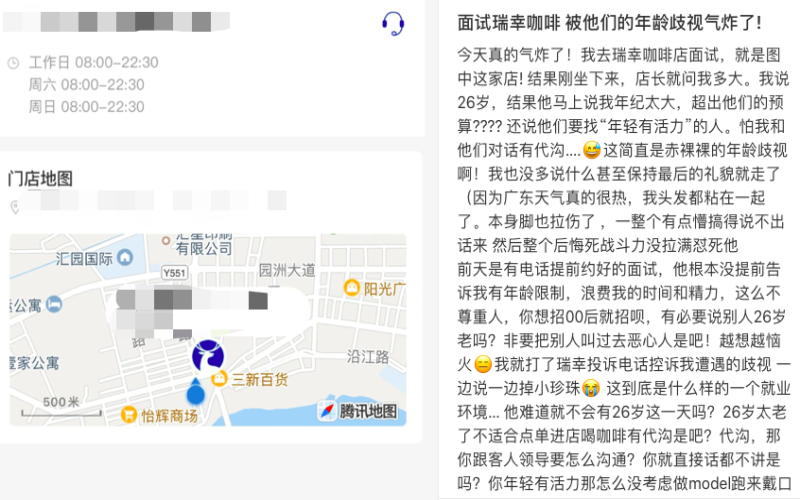
26-year-old job applicant rejected by Luckin Coffee interview due to age restriction, raising concerns about hiring thresholds in the freshly made beverage industry
Recently, news about a 26-year-old job seeker being rejected during a Luckin Coffee interview because their age did not meet the requirements sparked heated discussion. The brand later apologized and offered compensation, but the incident reflects a widespread age threshold problem in the freshly made beverage industry. From Luckin to Cotti, Manner, and then tea drink brands, 18 to 35 seems to have become an invisible red line in recruitment. Is this due to the characteristics of the industry, or a choice made under the imbalance between supply and demand in the job market? Front Street Coffee takes you into an in-depth discussion. [more…]
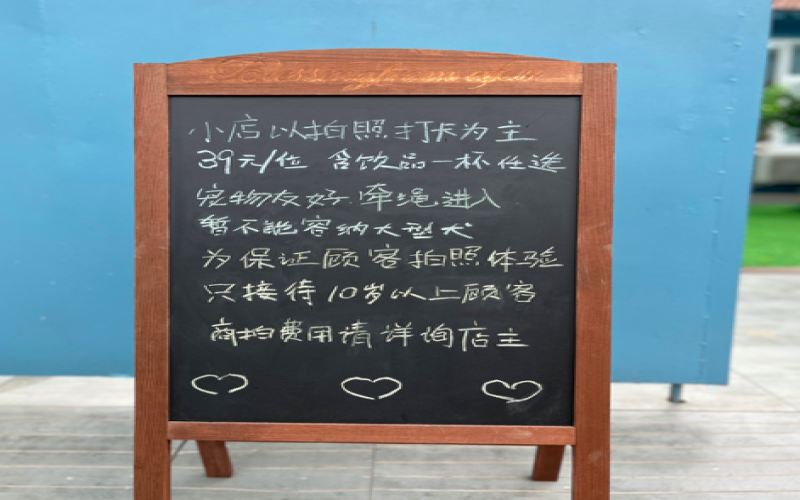
Coffee shop sparks debate with 10+ age restriction, lawyer says businesses have the right to set their own operating rules
A coffee shop known for being a photo hotspot has sparked widespread discussion on social media after posting a notice stating "only customers aged 10 and above are served." The owner says the move was a last resort, citing frequent incidents of children making noise, damaging facilities, and even creating safety hazards. Some parents are puzzled by the rule, arguing that 10-year-olds already have some self-control, while some netizens question whether it amounts to discrimination against children. In response, lawyers point out that businesses have the right to operate independently and can set reasonable rules based on their positioning, which does not constitute discrimination, but they suggest clearly explaining the reasons to gain understanding. Behind the incident lies the dilemma cafes face in balancing ambiance and customer experience. [more…]

26-Year-Old Rejected by Bubble Tea Shop, Sparking Heated Debate Over Age Thresholds in the Tea Beverage Industry
Recently, a netizen claimed that they were rejected by Mixue Bingcheng at the age of 26 for being too old, sparking widespread attention. In fact, age restrictions for staff in the tea beverage industry are nothing new; some stores even only hire young people aged 16 to 19, and it is very difficult to enter the industry after 25. Customer service at the headquarters responded that recruitment age is decided by individual stores, while stores place more emphasis on employees' physical stamina and stability. This wave of age anxiety is spreading from baristas to the entire tea beverage service industry, leaving many overage job seekers feeling helpless. [more…]

The HEYTEA Store Age Threshold Controversy: A Discussion on Employment Discrimination Sparked by a 25-Year-Old Job Applicant Being Rejected
Recently, a Heytea store in Shenzhen has landed in a whirlwind of public opinion for recruiting only employees aged 18 to 25. After a job seeker over 25 was rejected, it sparked heated discussion among netizens. Some criticized it as blatant age discrimination, while others believed that because work at milk tea shops is intense, companies have the right to choose freely. Behind the incident, it reflects the widespread preference for the "youth dividend" in the current job market, as well as the difficulties faced by middle-aged job seekers. Legal professionals pointed out that such a practice is suspected of violating the Labor Law and the Employment Promotion Law, and the Shenzhen Federation of Trade Unions also spoke out in criticism. Heytea responded that it was a communication deviation at a single store. Who is right and who is wrong in this controversy? Will young people over 25 still continue to drink Heytea? [more…]
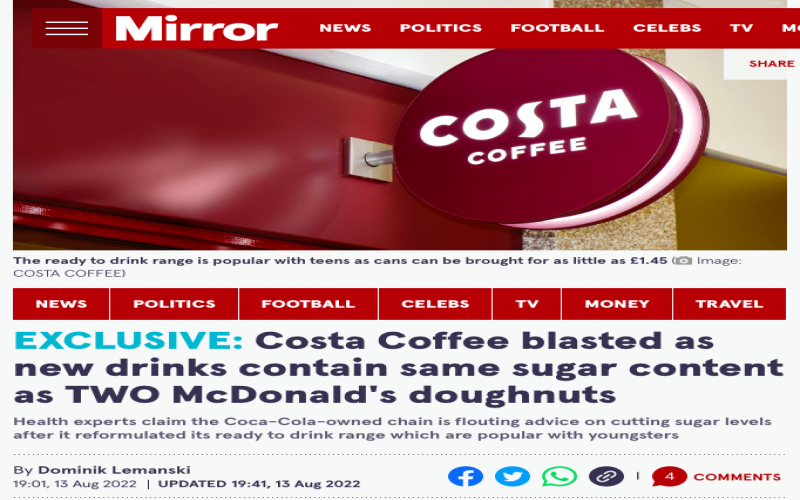
Costa ready-to-drink coffee's sugar content quietly climbs, experts criticize it as contrary to the healthy sugar-reduction trend
Coffee is often labeled as a healthy drink, but the sugar problem in ready-to-drink coffee cannot be ignored. According to the British Mirror, Costa, a brand owned by Coca-Cola, has been quietly increasing the sugar content in its pre-packaged coffee, with some products seeing a one-third rise in sugar compared to 2019. Experts point out that this move runs counter to the sugar reduction initiative promoted by the UK government. Meanwhile, countries such as Singapore have introduced measures to restrict advertising for high-sugar drinks, and Chinese consumers have also begun to pay attention to sugar and sugar substitute options in milk tea and coffee. The health risks behind a sweet drink deserve the attention of every coffee lover. [more…]

Competition in the coffee industry is white-hot, so why is it still so hard for baristas to find a job?
It's job-hunting season again, and many job seekers see barista as an ideal career, believing that the rapid growth of the coffee industry brings abundant opportunities. Yet in the actual job-hunting process, they find that this job is not easy to land. From experience and certification requirements to age and appearance restrictions, and from the gap between salary and job duties, job seekers face challenge after challenge. Chain brands and independent cafés each have their pros and cons, and how to choose becomes the key. This article takes an in-depth look at the plight of barista job seekers, explores the current state of the industry and paths for personal development, and offers practical advice for job seekers. [more…]
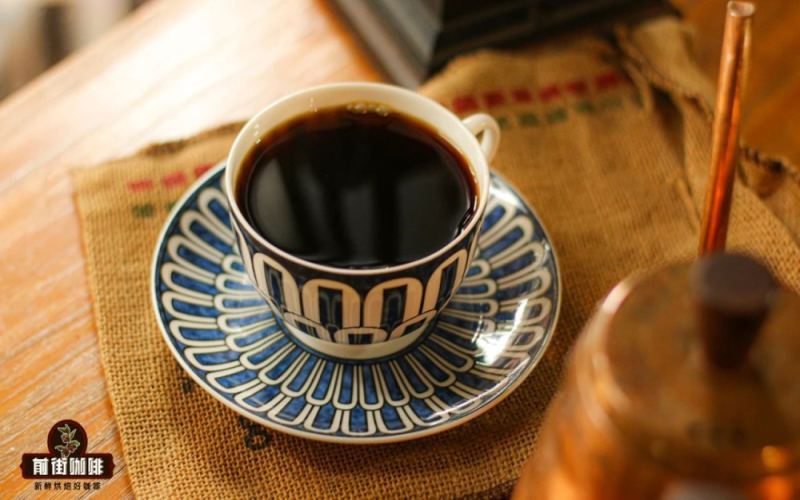
Exploring Aged Mandheling: The Flavor Development Journey from Green Bean Storage to Roasting and Brewing
Mandheling is a classic regional flavor that coffee lovers can't avoid, and aged Mandheling is an extremely unique presence among them. It is not simply left to become stale; rather, it undergoes a 24-month resting and aging process under strictly controlled storage conditions, allowing its originally sharp acidity to gradually soften, while its body and sweetness are significantly enhanced. This article will guide you through the ins and outs of the aging process, its essential differences from fresh beans, and the changes in the appearance and flavor of green beans, while also sharing Front Street Coffee's roasting curve and pour-over brewing method, helping you brew a cup of aged Mandheling interwoven with herbal and caramel notes at home. [more…]
An Analysis of the Unique Processing Method, Flavor Evolution, and Front Street Brewing Parameters of Aged Mandheling
Aged Mandheling is a special type of coffee that has undergone prolonged resting and maturation, giving it a flavor distinct from regular Mandheling. It originated in the era of long maritime shipping, and today it relies on strict warehousing management at the origin to "create" beans with soft acidity, full body, honey-like sweetness, and complex aged notes. In this article, Front Street Coffee will start with the origins and key operational points of the aging process, compare the differences between aged beans and fresh beans, analyze changes in green bean appearance and flavor, and include Front Street Coffee's roasting curve, cupping information, and KONO dripper brewing parameters to help coffee enthusiasts understand this "time-brewed" Mandheling. [more…]
Analysis of Flavor Differences Between Aged and Fresh Mandheling and Front Street Brewing Parameter Recommendations
Mandheling coffee has always been known for its rich, full-bodied intensity, and Aged Mandheling is a special category that, on this basis, takes on a completely different flavor after being tempered by time. It shares similarities with Indian Monsoon Malabar coffee, as both require long-term storage to develop their pleasant, distinctive taste. This article will comprehensively examine the complete picture of Aged Mandheling from multiple angles, including the principles of the aging process, a comparison between aged beans and fresh beans, changes in the appearance and flavor of green beans, and Front Street Coffee's roasting and brewing practices. Whether you are full of curiosity about aged flavors or want to understand how it differs from fresh Mandheling, you will find useful reference in this article. [more…]
An Analysis of the Flavor Differences Between Aged and Fresh Mandheling, Plus Front Street Coffee's Brewing Parameters
Mandheling is a familiar name among coffee lovers, but aged Mandheling, which has undergone long-term storage and maturation, takes on a completely different flavor profile. This article, from the perspective of Front Street Coffee, explains the processing logic behind aged Mandheling, how it should be compared with fresh beans, and fully documents the specific parameters of Front Street's roasting and brewing of this bean. Aging is not simply letting beans grow old, but rather resting and maturing them under strict monitoring at origin, allowing acidity to weaken and body to increase, developing complex notes reminiscent of honey and herbs. The article also provides a KONO dripper brewing method and flavor description, making it a useful reference for readers who want to gain a deeper understanding of aged Mandheling. [more…]
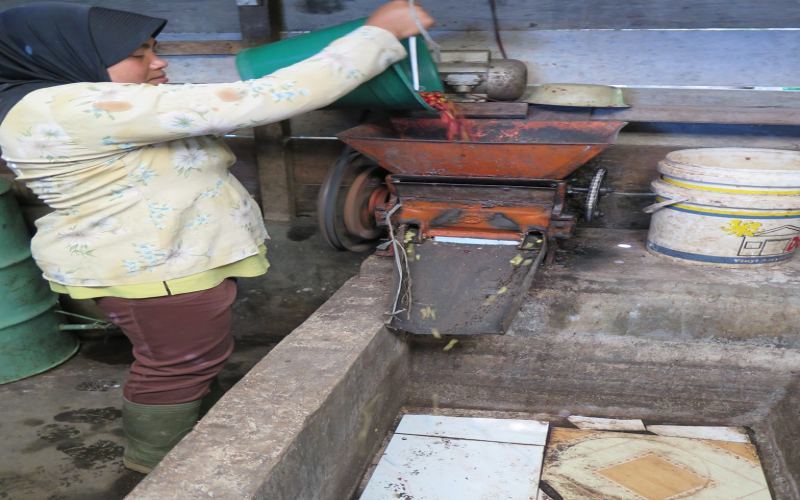
The Truth About Aged Coffee Beans: Must They Be Stored for Over Three Years to Be Called Aged? How Are They Different from Monsoon Beans?
Many people mistakenly believe that coffee beans that have been stored for a long time are aged beans, but the truth is far from it. True aged coffee beans need to be stored for three to five years in a temperature- and humidity-controlled environment, with regular turning and inspection, in order to develop that mellow, sweet-aftertaste quality reminiscent of Pu'er tea. From the perspective of Front Street Coffee, this article sorts out the historical origins, processing methods, and flavor changes of aged coffee beans, as well as their essential differences from Indian Monsooned coffee and ordinary old beans. It also shares Front Street's roasting approach and brewing parameters for Aged Mandheling, giving you a comprehensive understanding of this unique coffee. [more…]
An In-Depth Analysis of Aged Mandheling: A Complete Flavor Guide from Green Bean Storage to Roasting and Brewing
I've tried quite a few Mandhelings, but aged Mandheling is a special existence that requires time to craft. It draws on the idea of Indian monsoon coffee: the green beans must be quietly aged in a ventilated, cool warehouse environment for 24 months, during which they are regularly turned to prevent mold and insect damage, consuming a great deal of labor. After this treatment, the beans' acidity is greatly reduced, their body is significantly improved, and their sweetness carries a honey aroma, with a flavor profile completely different from fresh beans. This time, Front Street Coffee used Sumatra Typica as the sample, roasting it medium-dark with 550g batch size in a Yangjia 800N roaster, and completed brewing with a KONO dripper at 88°C water temperature, ultimately presenting a cup that interweaves herbs and caramel. This article will fully break down the story behind this unique Mandheling, from the principles of the aged processing method, changes in the appearance of the green beans, details of the roasting curve, to the brewing parameters. [more…]

A Complete Analysis of Indonesian Aged Mandheling Wet-Hulled Method: From Accidental Aging to Golden Mandheling, A Front Street Coffee Brewing Guide
In the world of specialty coffee, freshness is usually regarded as the key to quality, yet Indonesia's aged Mandheling has won the favor of coffee lovers with a completely different stance. This coffee bean, known for its "expired" name, holds behind it a story of colonial-era shipping and a unique aging process. This article will explore in depth the origins of aged Mandheling, the characteristics of the wet-hulling process, and how it differs from Golden Mandheling, and, using Front Street Coffee's Golden Mandheling as an example, share how to brew a rich, full-bodied Mandheling black coffee at home. Whether you are a beginner just getting to know Mandheling or a seasoned connoisseur seeking advanced techniques, you will gain practical knowledge and inspiration from it. [more…]

Nestlé Global Restriction: Ban on Marketing High-Sugar Products to Under-16s Starting July 2023
As consumer demand for coffee becomes increasingly routine and health-oriented, major brands are facing new market challenges. Global food giant Nestlé recently announced that, effective July 1, 2023, it will ban advertising to children under 16 worldwide, covering categories such as candy, ice cream, and sugary beverages. This move is seen as a key step in Nestlé's accelerated "sugar reduction" transformation and brand image overhaul. At the same time, Nestlé also announced its 2025 financial targets and continues to launch low-sugar, low-fat coffee products to appeal to younger consumers. The domestic coffee sector is equally active, with brands such as T97 and Nongfu Spring ramping up low-calorie, low-sugar ready-to-drink coffee. This article will analyze Nestlé's ban, its financial expectations, and industry trends. [more…]
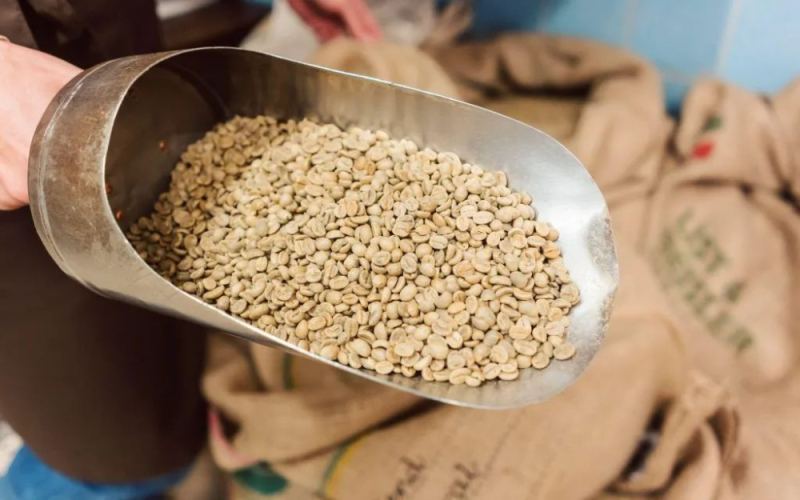
ICE Arabica certified stocks fall to a 24-year low, with nearly 30% of green beans stored for over a year becoming aged beans
Intercontinental Exchange's certified arabica green coffee inventory has plummeted to a 24-year low, totaling just 368,000 bags. More alarmingly, nearly one-third of these beans have been sitting in delivery warehouses for over a year, becoming stale coffee. This situation stems from spot prices exceeding futures prices, prompting roasters to buy directly from exchange stocks, while congestion at Brazilian ports makes replenishment with new beans a distant prospect. The combination of low inventory and the stale bean problem, compounded by global economic and financial uncertainty, has led the market to widely expect green coffee prices to remain highly volatile in the medium term. [more…]

Coffee Shop's Refusal to Admit Young Children Sparks Heated Debate: Safety Consideration or Consumer Discrimination?
Recently, the topic of some coffee shops not admitting children has trended on Weibo, sparking widespread discussion. A cat café has a rule that children under 12 are not allowed to enter, with a strict ban on those under 6, citing concerns for children's safety. Many coffee shop owners have expressed similar stances: they hope to create a quiet space rather than restrict children's nature. Netizens have polarized views on this, with supporters believing that market segmentation is reasonable, while those concerned question whether it constitutes discrimination against consumers. Behind this debate lies the difficulty service industries face in balancing the needs of families with children and the desire for a quiet experience. Front Street Coffee has always focused on the intersection of coffee culture and social topics, and today we'll walk you through the ins and outs of this event. [more…]
What exactly is Golden Mandheling? And what kind of coffee beans are aged Golden Mandheling?
Mandheling is one of Indonesia's most iconic single-origin coffees, and Golden Mandheling is the cream of the crop. Many people assume that Golden Mandheling is by nature a PWN product, but in fact this bean was originally championed by the Japanese. Front Street Coffee will walk you through the origin of the name Golden Mandheling, PWN's three-times hand-sorting standard, the differences between Ding Shang Golden Mandheling and Front Street PWN Golden Mandheling, the introduction of the Ateng variety, the characteristics of the wet-hulling process, and the logic behind the creation of Aged Mandheling. This article will also share the origin information, flavor characteristics, and brewing parameters of Front Street PWN Golden Mandheling, helping coffee lovers brew a rich, full-bodied cup of Golden Mandheling at home. [more…]
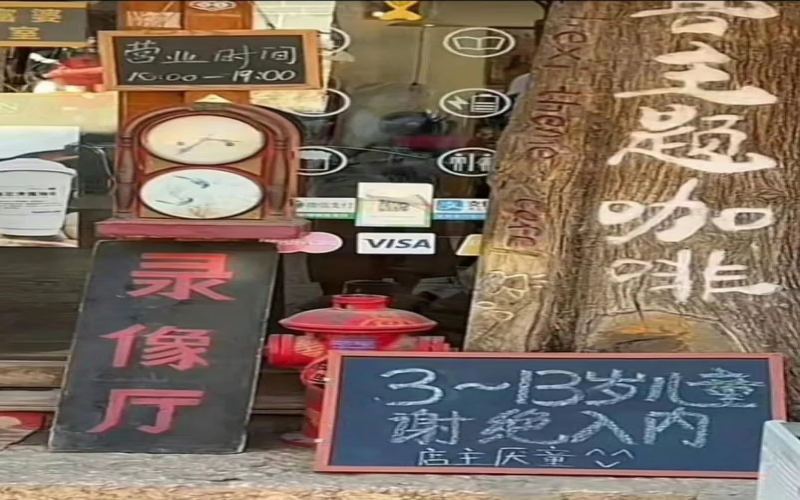
Cafés successively refusing entry to children sparks heated debate, South Korea's "no-kids zones" phenomenon also draws attention
Recently, two incidents of coffee shops refusing to serve children have caused a stir online. On one side, a coffee shop in China put up a notice at its entrance reading "Children aged 3 to 13 are not admitted," with the owner openly stating they "dislike children"; on the other, South Korea's increasingly common "No Kids Zone" has once again become a topic of discussion, with some establishments even posting signs reading "dog yes, kids no." Supporters argue that coffee shops are meant to stay quiet and that businesses have the right to avoid risks; opponents criticize the signs as discriminatory. What social nerves does this debate about "child aversion" actually touch? And what predicament of public space is reflected in the "bratty kids' parents" that young people complain about? [more…]
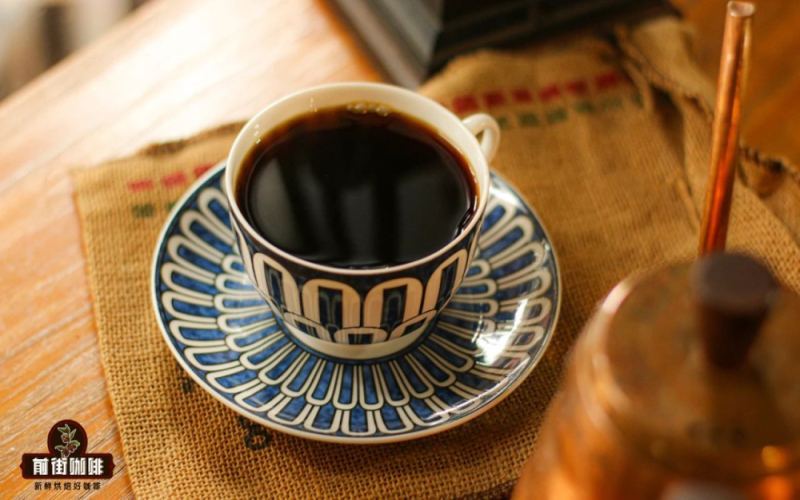
Flavor Analysis of Indonesian Coffee Regions: A Comparison of West Java and Sumatra Mandheling with Brewing Recommendations
Indonesian coffee has always held a place in the global specialty scene, with Sumatra Mandheling and West Java Arabica standing out as two highly representative expressions. From the Dutch introducing coffee cultivation in 1696, to leaf rust destroying the Arabica crop and prompting a switch to Robusta, to today's diverse landscape where wet-hulling and aged processing coexist, Indonesian coffee has traveled a winding and distinctive path. Front Street Coffee currently offers five Mandheling selections, each combining the shared characteristics of the region with its own individuality, while West Java's Mount Malabar reveals another side through notes of berries, cream, and oolong tea. This article will trace the development of Indonesian coffee, its growing environment, varieties, and processing methods, compare the flavor differences between Lintong Mandheling and West Java Mount Malabar, and include Front Street's brewing parameters and techniques to help enthusiasts understand the appeal of this origin more systematically. [more…]
A Complete Guide to Indonesian Mandheling Coffee Beans: Comparing the Four Major Flavors of Lintong, Golden, Aged, and Tiger
Mandheling coffee is renowned for its herbal aroma and heavy body, standing out uniquely in the specialty coffee wave. From the perspective of Front Street Coffee, this article traces the historical development of Indonesian Sumatra coffee, analyzes the origin of the name Mandheling, and introduces one by one the origin background, processing methods, and flavor characteristics of five Front Street Mandheling coffee beans: Lintong, Gold, Tiger, Aged, and Wahana Estate Sun-Dried. It also covers the specific process of wet hulling, roasting suggestions, and brewing parameters for each bean, helping coffee enthusiasts gain a comprehensive understanding of the diverse facets of Mandheling. [more…]