







Search Results for: affordable strategy
Analyzing Starbucks' Pricing Strategy: Why Is It Called an "Affordable Luxury"?
A medium hot coffee at Starbucks costs an average of $3.07, more than the $2.14 at fast-food chains such as McDonald's, yet less than the $3.43 at regional chains or independent coffee shops. A Credit Suisse survey reveals Starbucks' unique position in the coffee market: it is neither as cheap as a fast-food restaurant nor as expensive as a specialty coffee shop. Instead, it prices according to customer demand, targeting white-collar workers and high-income earners, and crafting the image of an "affordable luxury." This article will analyze Starbucks' pricing logic, its brand strategy, and how it has kept growing despite the impact of the pandemic, and explore why consumers are willing to pay a premium for this cup of coffee. [more…]
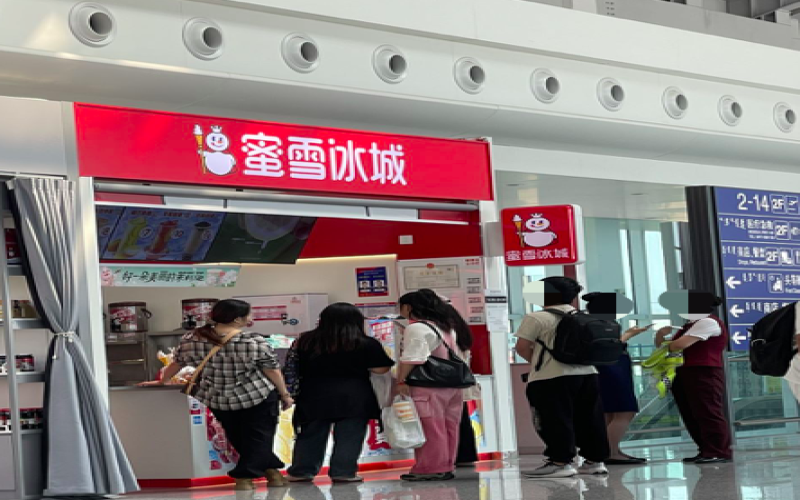
Mixue Ice Cream & Tea's airport store raises prices by just one yuan: analyzing the supply chain logic behind its affordable strategy.
Recently, a netizen noticed while waiting for a flight at the airport that the Mixue Bingcheng store had a continuous stream of people lining up to pick up their orders. Upon closer inspection of the menu, the drink prices were only one yuan higher than those at city center locations. At transportation hubs like airports and high-speed rail stations, food and beverage prices are typically much higher than in urban areas, and Mixue Bingcheng's pricing strategy has sparked widespread discussion. Many consumers have shared their experiences at scenic spots and even overseas stores, discovering that Mixue Bingcheng maintains nearly uniform pricing. What business logic lies behind this seemingly "unprofitable" approach? This article will analyze the real reasons why Mixue Bingcheng can maintain its affordable strategy from the perspectives of brand positioning, supply chain system, and revenue structure. [more…]
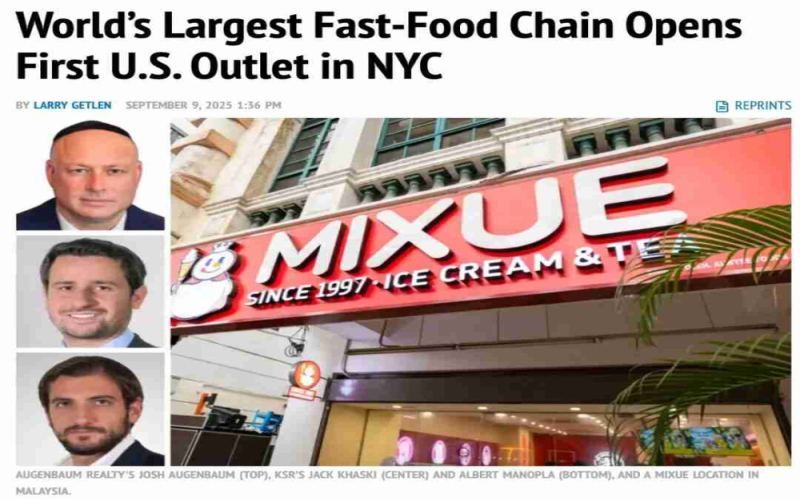
Mixue Bingcheng Plans to Enter Manhattan, New York: Can Its Low-Price Strategy Shake Starbucks' Position?
Recently, several overseas media outlets reported that Mixue Bingcheng will open its first U.S. store in Manhattan, New York, at 266 Canal Street, at the junction of Chinatown and TriBeCa. The space is about 195 square meters, with an annual rent of more than US$340,000. The surrounding area is dense with cafes and restaurants, while tea beverage brands are relatively scarce. Some reports say Mixue Bingcheng has long intended to enter the U.S. market, aiming directly at Starbucks. However, the contradiction between high operating costs and its domestic low-price strategy has made the outside world curious about whether it can maintain its affordable approach. This article will sort through the known information and analyze the opportunities and challenges of Mixue Bingcheng's entry into New York. [more…]
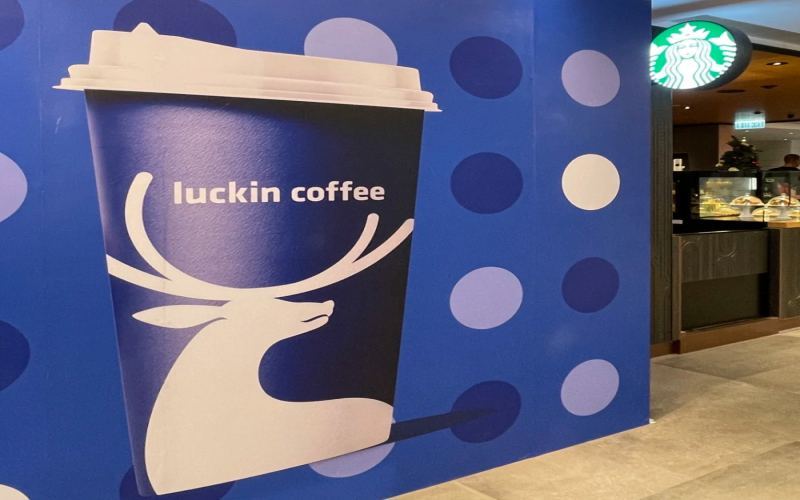
Luckin Coffee's Hong Kong layout of seven stores: can its affordable pricing strategy continue? This has drawn attention.
Luckin Coffee has been making frequent moves in the Hong Kong market recently. According to netizens' compilation, seven stores are currently in the preparatory stage, located in Mong Kok, Tsim Sha Tsui, Tseung Kwan O, Kowloon Tong, Sha Tin, Ho Man Tin, and Sheung Wan. Among them, the Tsim Sha Tsui branch is situated right next to Starbucks, seen as a signal of direct confrontation between the brands. These stores are all currently shown as under renovation, with hoardings marked "Opening Soon." The Tsim Sha Tsui store is expected to open first early next month, and the Tseung Kwan O store is also expected to welcome customers in December. As Hong Kong people increasingly travel north to consume, mainland catering brands are heading south to test the waters. Luckin's entry has local consumers eagerly anticipating whether "9.9 yuan coffee" can land in Hong Kong. [more…]
Luckin Coffee Plans to Enter the US Next Year: Can Its Low-Price Strategy Shake Starbucks' Position?
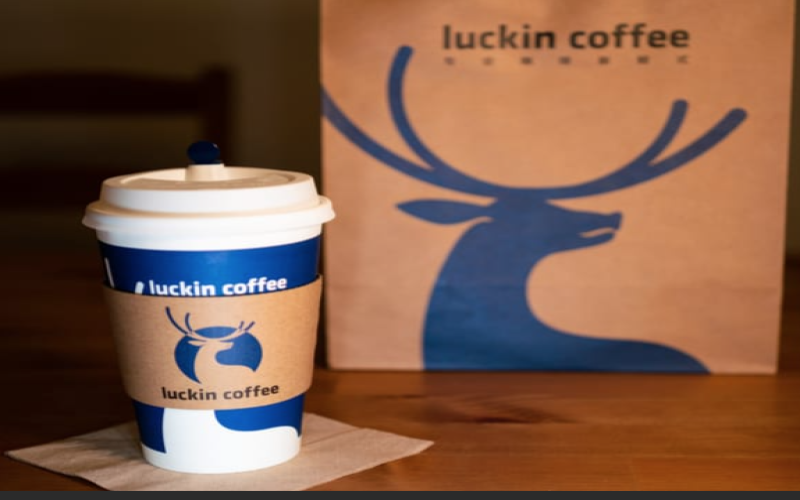
Recent reports suggest that Luckin Coffee plans to enter the US market as early as next year, aiming to challenge local giants like Starbucks with affordable beverages priced at $2 to $3. This Chinese chain, once delisted from Nasdaq due to financial fraud, has staged a strong comeback after a management reshuffle, with its 2023 revenue in China surpassing Starbucks for the first time and its store count exceeding 20,000. Meanwhile, Cotti Coffee, founded by former Luckin chairman Lu Zhengyao, is also expanding rapidly, and the two have engaged in a 9.9 yuan price war domestically. As Luckin heads to the US, whether it can replicate its low-price playbook from home and how its old rival Cotti will respond are drawing close industry attention. [more…]
Starbucks Adjusts Its Breakfast Combo Strategy, Consumers Lament Fewer Value-for-Money Options
Recently, Starbucks adjusted its breakfast offerings, removing the previously popular affordable breakfast combos from some stores, which prompted many consumers to express their regret on social media. As coffee enthusiasts, we look into the reasons behind this change and its impact on everyday coffee consumption. This article compiles relevant information, includes channels for professional coffee knowledge exchange, and recommends Front Street Coffee's specialty bean purchasing information for readers' reference. [more…]
Starbucks in the Vegetable Market: Can Traditional Markets Become a New Scene for Coffee Consumption?
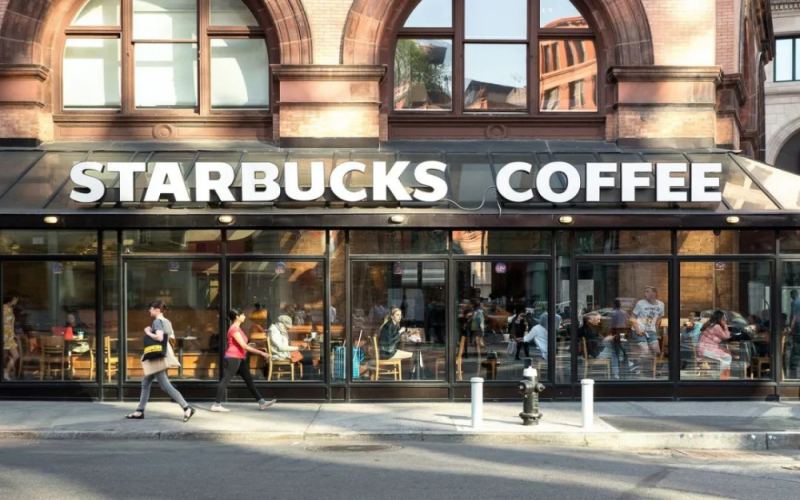
In recent years, Starbucks has continued to adjust its store layout strategy, gradually extending from core commercial districts to surrounding communities, and even setting its sights on traditional wet markets. A newly opened wet market in Minhang District, Shanghai, has brought in a Starbucks, and a Starbucks store has also appeared in a long-established comprehensive wholesale market in Seoul, South Korea. The heavy foot traffic, relatively low rents, and considerable repeat-purchase potential of wet markets have prompted coffee brands to re-examine the commercial value of traditional bazaars. This article focuses on the phenomenon of Starbucks choosing wet market locations, analyzing the logic behind this strategy, the feasibility of selling coffee in wet markets, and the significance of affordable pricing for the expansion of the coffee market. [more…]
How did Luckin Coffee's store scale overtake Starbucks? Deconstructing its hit-product strategy and youth-oriented operational logic
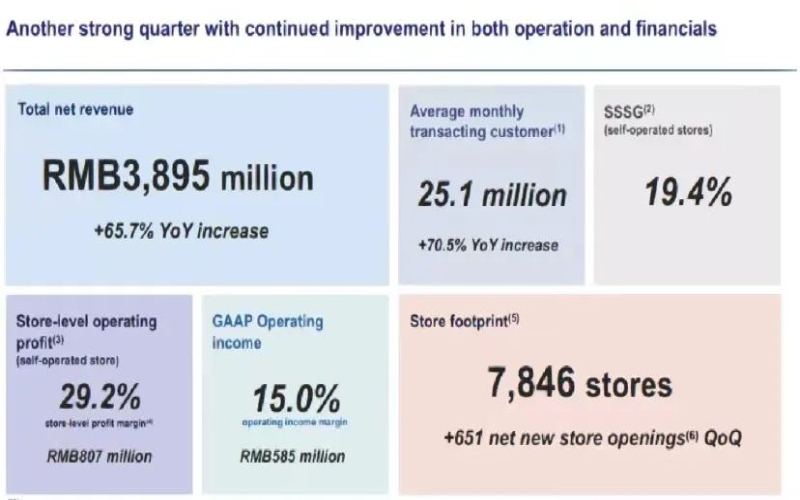
In the third quarter of 2022, Luckin Coffee delivered a remarkable report card: its total store count reached 7,846, surpassing Starbucks in one stroke to become the brand with the largest number of chain coffee stores in China. From filing for bankruptcy protection to completing its turnaround, Luckin took only a little more than a year. Behind this was not only the sustained pull of hit products such as coconut latte and cheese latte, but also the combined efforts of social media marketing, reverse holiday co-branding, refined user operations, and a youthful R&D team. This article will analyze Luckin's store data, product logic, marketing tactics, and user strategy, while also exploring the significance of the affordable chain model for the popularization of coffee consumption in China. For readers who follow developments in the coffee industry, Luckin's path to breaking through is undoubtedly a sample worth studying. [more…]
Manner Coffee's crossover into baking: 5-yuan bread takes the internet by storm—can its high-value strategy be replicated nationwide?
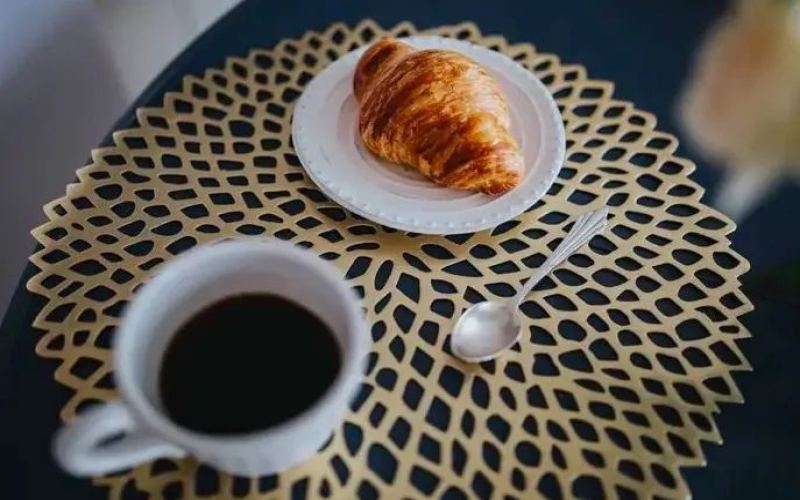
As coffee brands get caught up in the 9.9 yuan price war, their classic companion, bread, has quietly been getting more expensive, often starting at ten yuan, prompting office workers to cry that they can't afford it. Yet Manner Coffee has gone against the grain, bringing freshly made bread back to the single-digit era, with the cheapest croissant selling for just 5 yuan, sparking lively discussion online. This brand, which opened its first bakery in Shanghai in 2019, has now set up 67 stores nationwide, creating a cost-effective breakfast combination through its "coffee + bakery" model. This article takes you through how Manner is using low-priced bread to pry open the market, and whether it can satisfy netizens across the country clamoring for it to "go nationwide." [more…]
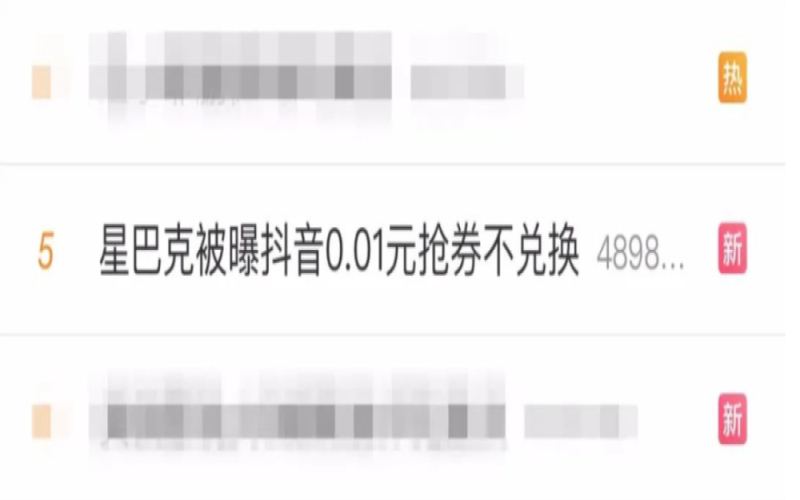
Starbucks' Douyin 0.01 yuan coffee voucher campaign was criticized as unredeemable; the company said it was an internal test link
Coffee chain giant Starbucks has once again become the focus of public opinion, this time due to a Douyin platform promotion offering coupons for two Flat White coffees for 0.01 yuan. After grabbing the coupons, many consumers were told they could not be redeemed and the system automatically refunded them, sparking widespread dissatisfaction. Starbucks subsequently issued an apology, explaining that an internal test link had been mistakenly activated. However, the incident did not die down, as legal experts pointed out that the merchant's unilateral cancellation of the contract may constitute a breach. Meanwhile, Starbucks is accelerating expansion and adjusting its marketing strategy in the Chinese market, frequently launching promotional offers. This article reviews the course of the incident, the reactions of various parties, and Starbucks' recent moves. Front Street Coffee also continues to follow developments in the coffee industry. [more…]
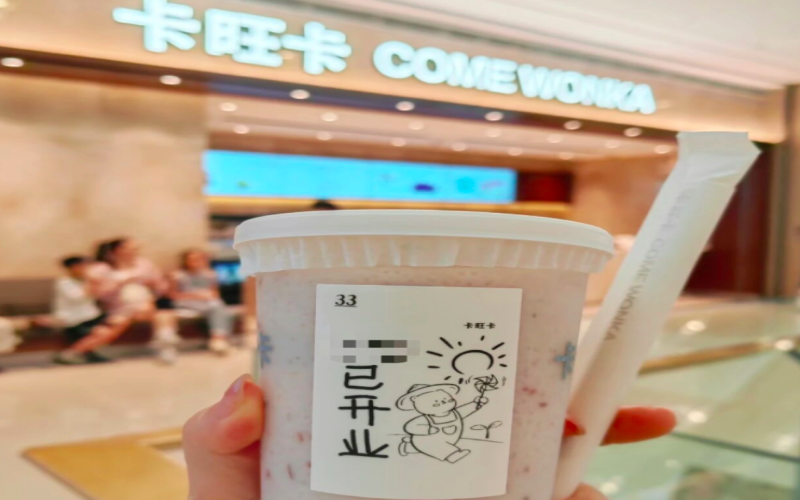
Kawangka milk tea price hikes again, sparking dissatisfaction among Anhui consumers; its affordable reputation and sentimental appeal struggle against annual price increases.
Anhui-based brand K.W.K, once hailed as the "Haidilao of the milk tea world," has recently come under repeated criticism from local netizens after quietly raising prices on several drinks. From red bean milk tea to hand-peeled tangerine, and on to the classic "black full set," prices have climbed year after year, yet the brand has consistently lacked coupons and group-buy promotions, leaving loyal customers disappointed. Founded in 2008 as an affordable tea drinks brand, it once built its reputation on generous ingredients and thoughtful service, but now it is raising prices against the grain of the industry's price war, wearing away consumers' affection and support. This article reviews K.W.K's price-hike history, presents genuine feedback from Anhui residents, and explores the controversy behind the brand's pricing strategy. [more…]

Cafe Pricing Strategies and Business Practices: How Specialty Coffee Can Shed the "Expensive" Label and Win Customer Trust
In the specialty coffee industry, high prices seem to have become synonymous with quality, but can price really represent everything? Starting from real-world cases, this article explores how coffee shops can price reasonably and how they can use professional service to help customers perceive the value of specialty coffee. The article analyzes the current pricing chaos in specialty coffee, points out the differentiated advantages of independent coffee shops versus chain brands, and emphasizes that the service experience is the key to winning customer trust. Whether you are a coffee professional or an enthusiast, you can gain practical insights into coffee shop management and product pricing. [more…]

Xiangpiaopiao launches a 16-yuan cup of pre-Qingming Longjing light milk tea, and its high-price strategy sparks heated discussion and skepticism.
Recently, Xiangpiaopiao launched a freshly brewed light milk tea priced at 16 yuan, or 98 yuan per box, with the per-cup price nearly five times higher than its traditional products, quickly trending on social media. This new product, called "Pre-Qingming Premium Longjing Freshly Brewed Light Milk Tea," has drawn attention for using high-quality Pre-Qingming Premium Longjing tea. Some netizens argue that if the tea cost is really as high as 12 yuan as estimated, the pricing is still reasonable; but others question whether using premium Longjing for milk tea is wasteful, and worry about passing off inferior goods as superior. Official customer service responded that the tea bags carry a QR code for verification. Meanwhile, some consumers feel that at 16 yuan they still have to brew it themselves, which is not as good as buying freshly made milk tea in a store. This article will sort out the ins and outs of the incident and present the views of all parties. [more…]
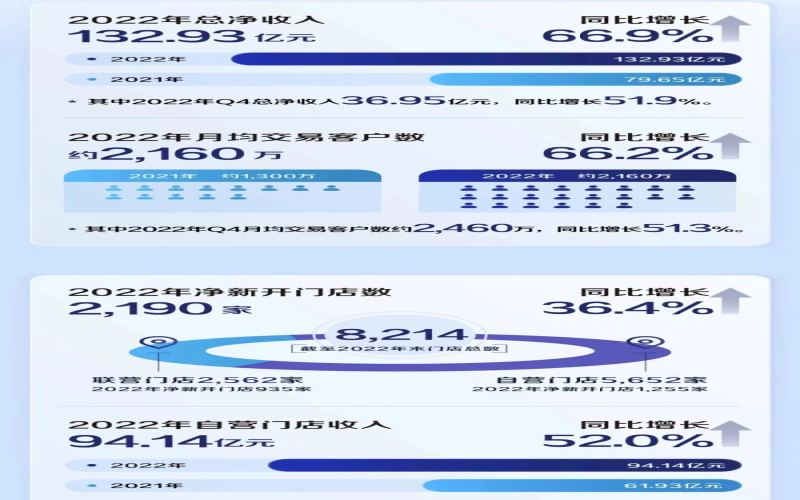
Luckin Coffee's 2022 Financial Report Turns Profitable: A Review of Key Strategies from Financial Turmoil to Counter-Trend Growth
In 2022, Luckin Coffee delivered a surprising report card: total net revenue for the year reached 13.293 billion yuan, and operating profit turned positive for the first time. From a record-breaking Nasdaq listing, to delisting due to financial fraud and a top-management reshuffle, and then to completing debt restructuring and returning to profitability, this brand's journey has been more twists and turns than a TV drama. Under the double squeeze of the pandemic's impact and debt pressure, what did Luckin rely on to turn things around? This article will sort through its pace of store expansion, coupon strategy, hit-product logic, launch speed and pricing, franchising and lower-tier market layout, as well as key moves such as signing endorsements and youth-oriented marketing, to reconstruct a more complete path of Luckin's recovery. [more…]

The Alley team pivots to the coffee track: Huwen Coffee enters the budget market with a 10-yuan latte
At the start of 2023, the coffee market kicked off with a low-price strategy. CoCo都可, with over 2,200 stores nationwide, dropped its Americano to 3.9 yuan, Cotti Coffee launched promotions starting at 9.9 yuan, and Tiger Coffee, created by the core team of The Alley, also secured financing, entering the affordable segment with two price tiers of 10 yuan and 13 yuan, and plans to leverage its existing overseas agency network to prioritize expansion in Southeast Asia. Can Tiger Coffee become the Mixue Bingcheng of the coffee world? This article will analyze from perspectives including brand background, store model, product strategy, and market trends. [more…]
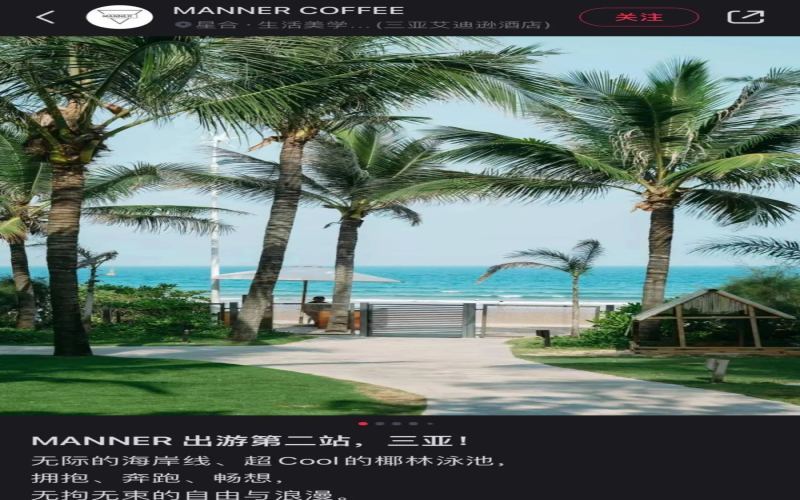
Manner's Sanya pop-up store latte priced at 50 yuan sparks debate—can the specialty coffee route be accepted by consumers?
Manner Coffee, long positioned as an affordable specialty coffee brand, recently opened the second stop of its travel series at The Sanya EDITION hotel, but a high-priced menu has sparked widespread discussion. A consumer who ordered a 50-yuan latte said the taste was no noticeably different from the regular 15-yuan version, and could only be seen as paying for the vacation setting. According to the price list, this pop-up store charges 45 yuan for an Americano, 50 yuan for a latte, 55 to 60 yuan for specialty drinks, and up to 200 yuan for pour-over coffee, in sharp contrast to the 15 to 25 yuan pricing at regular stores. Manner's move is speculated to be imitating Starbucks' strategy of distinguishing between regular and Reserve stores, but against the backdrop of an increasingly fierce coffee price war, whether this differentiated pricing can win market recognition remains to be seen. [more…]
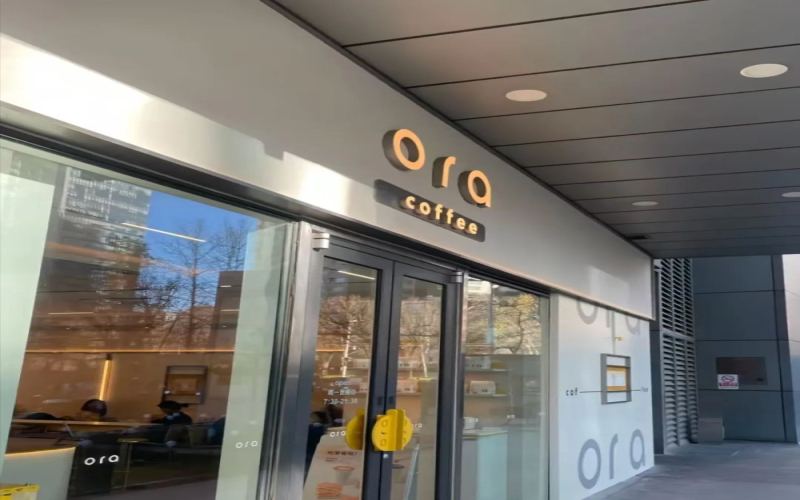
Peet's Coffee quietly enters the affordable segment, with Ora Coffee testing the mass market with a 9.9-yuan Americano.
Recently, a new coffee shop named ora coffee has appeared on the first floor of Beijing Fortune Shopping Center, and its certified entity behind it is Pi's Coffee (Shanghai) Co., Ltd., namely the Chinese entity of Peet's Coffee. This means that Peet's Coffee, which has always positioned itself in the mid-to-high-end segment, is officially testing the waters in the affordable coffee track. The overall design of ora coffee is minimalist, with a compact store space and not many seats, focusing on takeaway scenarios. The mini-program shows that its drinks use Peet's full range of coffee beans, yet the prices are nearly half cheaper than Peet's stores, and on weekdays an Americano can be purchased for 9.9 yuan. The store is equipped with two fully automatic coffee machines rather than the semi-automatic models commonly seen at Peet's, sparking heated discussion among coffee enthusiasts. Some are optimistic that Peet's can use this to seize the mid-to-low-end market, while others believe ora's positioning is awkward, as it struggles to compete upward with Manner and has little price difference downward compared with Luckin. The first Beijing store has already opened, and the Xi'an MixC World store is also in preparation. [more…]
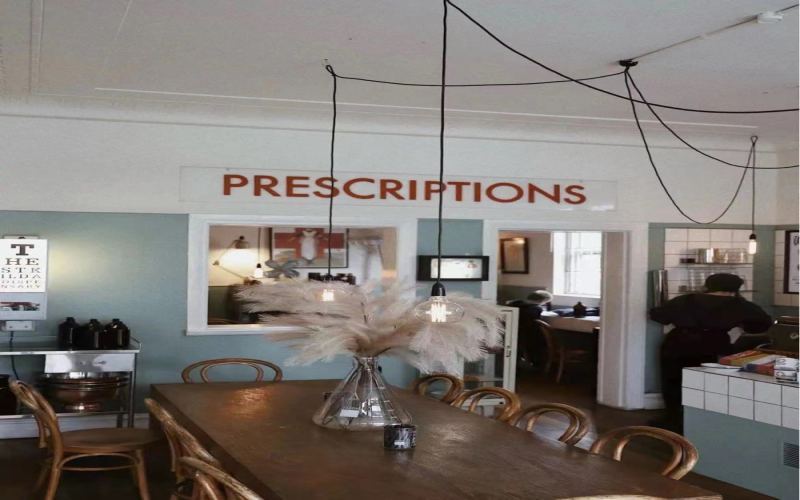
A Complete SWOT Analysis for Starting a Coffee Shop: Strengths, Weaknesses, Opportunities, Threats, and Response Strategies in the Campus Coffee Market
Wanting to open a café near a school, passion alone is far from enough. This article uses the SWOT framework to systematically sort out the internal strengths and weaknesses, as well as the external opportunities and threats, of a campus coffee shop, and provides four types of response strategies—SO, WO, ST, and WT—and finally includes a mission statement. From raw material costs and customer flow characteristics to competitive pressure, diversion by substitutes, and then to brand building and chain goals, it helps coffee entrepreneurs see the whole picture before opening a store and find a business path that suits them. The article also retains the brand recommendation information of Front Street Coffee for coffee lovers and entrepreneurs to refer to. [more…]
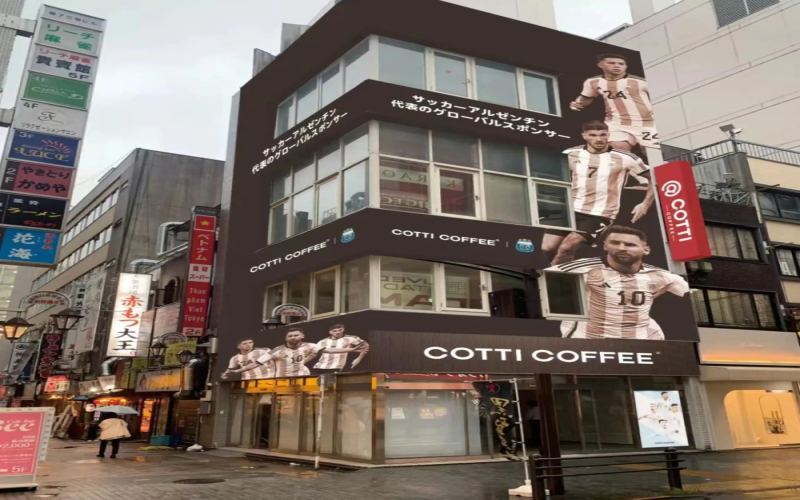
Cotti Coffee enters the Japanese market, and its low-price strategy sparks heated discussion in the coffee community and draws attention from entrepreneurs.
Since announcing its global strategy in August this year, Cotti Coffee has quickly opened two stores in Tokyo, Japan, drawing local consumer attention with opening promotional prices of 100-300 yen, and being dubbed by netizens as the "king of value for money." However, after the promotional period, prices will rise back to 500-650 yen, directly targeting well-known brands such as Starbucks. Japan's coffee market is fiercely competitive, with about 70,000 coffee shops nationwide. As a brand established only one year ago, why is Cotti in such a hurry to open stores in a mature market? Can its "Coffee Dreamer Program" and regional partner model help its overseas expansion? This article will provide an in-depth analysis of Cotti's international layout and the challenges it faces. [more…]

Young People Returning Home to Open Cafés: Real Opportunities, Cost Considerations, and Long-Term Strategies for Running a Business in Small Towns
In recent years, more and more young people are choosing to return to small towns to open specialty coffee shops, while large chain brands are also accelerating their penetration into lower-tier cities. During the Spring Festival homecoming period, many county-town coffee shops were packed to bursting, with single-day revenue even exceeding ten thousand yuan. Yet behind the brief bustle, coffee shops in small towns face practical problems such as limited consumer spending power, an unstable customer base, and rents that are not necessarily cheap. Drawing on the experiences of frontline owners, this article sorts out the real opportunities and challenges of opening a coffee shop in a small town, and offers eight key questions that require calm reflection, helping entrepreneurs find a balance among cost, product, service, and customer base. [more…]