







Search Results for: Zero-Sugar Recipe
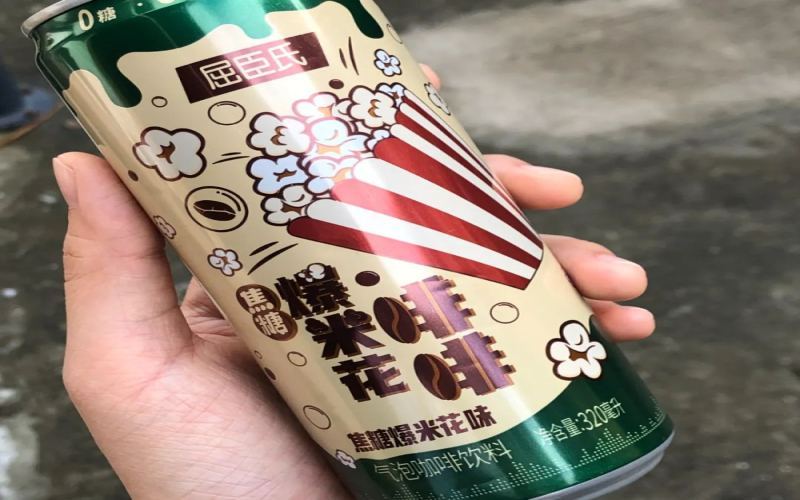
Caramel Popcorn Sparkling Coffee Review: Why Creative Coffee Flavor Pairings So Often Fail
Recently, a creative new coffee product called "Caramel Popcorn Coffee" appeared in drink refrigerators in the Guangdong region, sparking the curiosity of many coffee lovers. This product features Arabica coffee beans, a zero-sugar formula, and a sparkling mouthfeel, and claims to blend caramel popcorn flavor. However, the actual tasting experience was mixed—the coffee's acidity interweaves with caramel popcorn, carbonation, and zero-calorie sweetener, and although the layers are rich, they do not harmonize with one another, creating an indescribably subtle sensation in the mouth. Starting from this product, this article will explore the widespread problem in today's creative coffee market of prioritizing appearance over flavor pairing, analyze the dual impact of uncoordinated flavors on consumer experience and brand reputation, and consider how creative coffee can truly help more people enter the world of coffee. [more…]
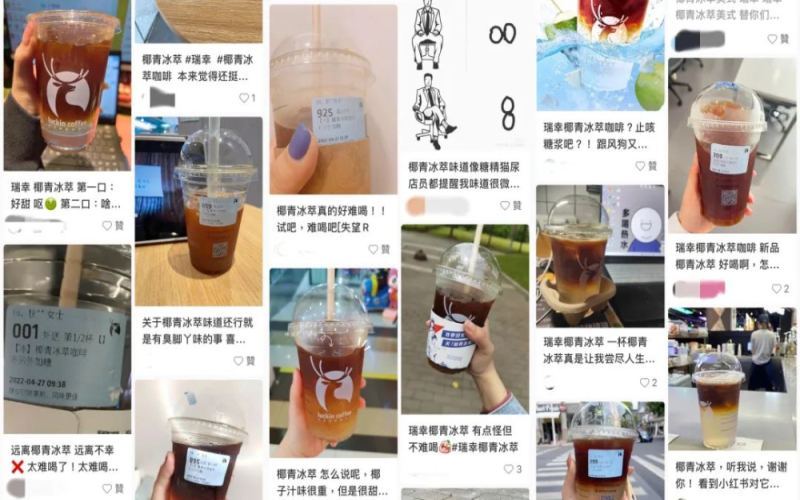
Luckin's zero-sugar hit returns, stirring up waves again: Formula overhaul brings big taste changes, amid sugar substitute controversy and health concerns
Luckin Coffee recently relaunched last year's hit Coconut Cold Brew, and has announced that in May it will bring back popular products such as Orange Golden Sparkling Americano in phases. However, the reformulated zero-sugar version has sparked polarized reviews among consumers—some complain it's like "waiting for a cheating scumbag to change," with a taste vastly different from what they remember, while others question the medicinal taste brought by artificial sweeteners. From packaging updates to health controversies, this round of comebacks reflects the brand's difficult balancing act between the sugar-reduction trend and faithful flavor reproduction. This article sorts through the details of the product iterations and genuine feedback from netizens, and cites a University of Southern California study on how artificial sweeteners affect appetite, to explore whether zero-sugar drinks are truly healthier. [more…]

Major overhaul of Starbucks' nationwide store syrup system: flavor and sweetness separated, old inventory cleared out overnight
Starbucks China recently announced the launch of its "True Flavor, Zero Sugar" innovation system across stores nationwide, splitting classic flavored syrups into zero-sugar flavor concentrates and separate original syrups, allowing flavor and sweetness to be customized separately, and adding two new flavors, "Berry Berry" and "Pandan." However, with the rollout of the new policy, staff at stores nationwide were required to centrally destroy old syrup inventory after closing on the 7th, with classic flavors such as vanilla, hazelnut, and salted caramel poured down the drain. This sudden "one-size-fits-all" sugar swap not only marks the beginning of Starbucks' flavor customization era, but also leaves many baristas lamenting the end of an era. [more…]

Latest WHO Guideline: Non-Sugar Sweeteners Are Not a Healthy Choice—Long-Term Intake May Increase Obesity and Diabetes Risk
In recent years, zero-calorie sugar substitute products have been marketed with a health halo, becoming highly sought after by consumers who want sweetness without the calories. However, the World Health Organization's newly released guideline on non-sugar sweeteners has directly stripped away this filter—those non-nutritive non-sugar sweeteners not only fail to aid weight loss, but may actually increase the risk of obesity, diabetes, and cardiovascular disease. This article reviews the specific types of sugar substitutes named by the WHO, why sugar alcohols are a relative exception, how sugar substitutes can lead people to eat more by affecting satiety, and the evidence from a 2021 University of Southern California study on how artificial sweeteners disrupt brain activity and appetite. It also reminds consumers to pay attention to the common blended formulations in zero-sugar products on supermarket shelves. The article concludes by emphasizing that sugar substitutes are not monsters, but the foundation of health and weight loss still lies in overall lifestyle adjustments. [more…]
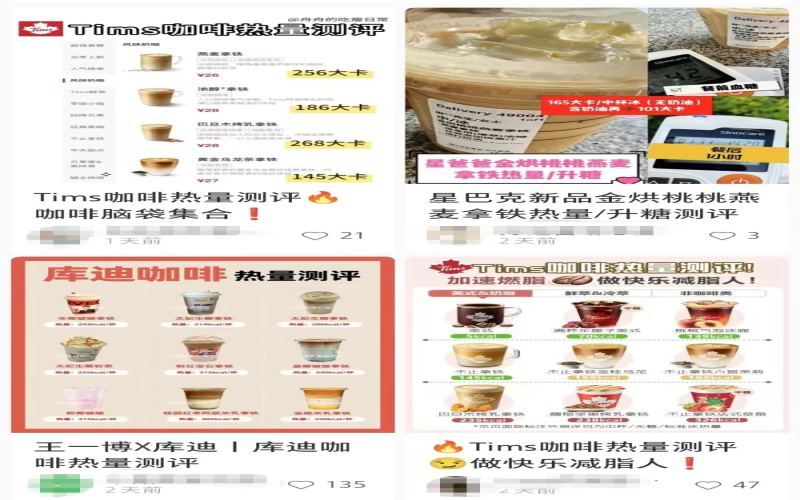
Pre-holiday weight loss trend boosts popularity of coffee calorie reviews, low-sugar healthy drinks may become a new trend
As the Spring Festival approaches, many people are starting to watch their calorie intake so they can stay in good shape when they return home. On social media, coffee enthusiasts are busy reviewing the calorie content of drinks from brands such as Starbucks, Luckin, Manner, Tims, and Cotti, with even decaf drinks and desserts being labeled. Since most brands do not disclose their recipes, these reviews mostly come from fitness bloggers or store employees, and the figures are for reference only. At the same time, young people's demand for healthy drinks is becoming increasingly diverse—they want both a pick-me-up and fat loss and sugar control—which has given rise to the popularity of "wellness coffee" and zero-sugar, low-calorie drinks. Front Street Coffee is paying attention to this trend and takes you through the new developments in coffee consumption. [more…]
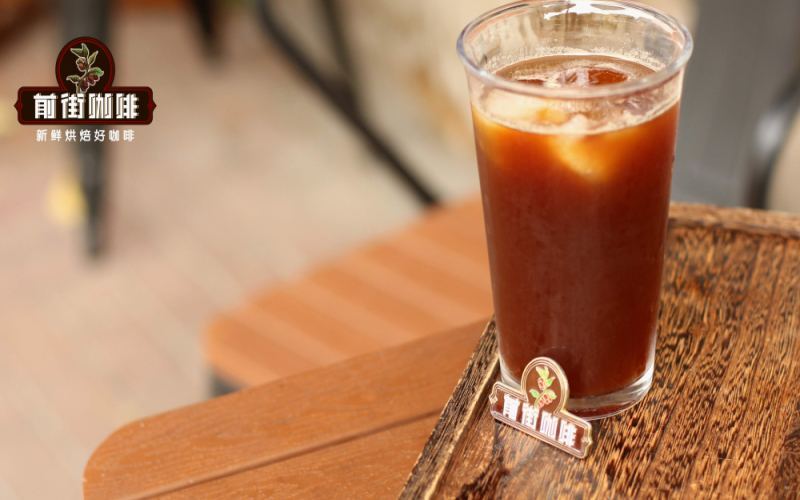
Can Iced Americano Only Be Made with an Espresso Machine? A Complete Guide to the Differences Between Iced Americano, Cold Brew, Ice Drip, Iced Pour-Over, and Black Coffee
The iced Americano that everyone holds a cup of in summer is actually not simply coffee left to cool. It is made by diluting espresso with iced water—zero calories, zero sugar, zero fat—refreshing, cutting through grease, and giving a caffeine boost. But many people also loosely call cold brew, ice drip, and iced pour-over "iced Americano," which causes confusion. These types of iced coffee differ noticeably in extraction principles, concentration, and flavor expression: iced Americano is richer and fuller thanks to the oils in espresso; cold brew and ice drip rely on low-temperature slow extraction to bring a round, slightly acidic taste; iced pour-over uses a high-concentration hot extraction and then cools and dilutes it, highlighting floral and fruity notes. This article will start with the production methods, sources of flavor, and bean selection, and will include Front Street Coffee's step-by-step iced Americano method along with several bean recommendations suitable for different iced coffees. [more…]
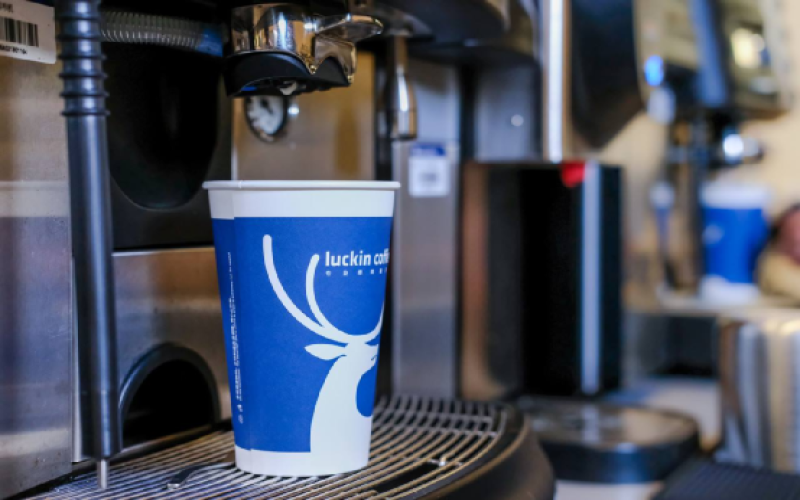
Luckin Coffee emerges from financial scandal to achieve first profit, with over 6,500 stores nationwide
Luckin Coffee, once mired in a crisis due to financial fraud, has now delivered a remarkable report card. According to the latest first-quarter earnings report for fiscal year 2022, Luckin not only saw a significant increase in net revenue but also achieved overall profitability for the first time. At the same time, its total number of stores has grown to 6,580, surpassing Starbucks to become one of the largest coffee chain brands in the Chinese market. From the hit product Coconut Latte to Coconut Cloud Latte, Luckin's R&D capabilities have become a key driving force behind its turnaround. This article will take you through Luckin's road to a comeback and analyze the growth logic behind it. [more…]

Coca-Cola Spiced soda discontinued just seven months after launch: niche flavor trial fails and product strategy adjusts
Coca-Cola recently announced it will phase out its Spiced-flavored soda, which was launched with much fanfare just this February—a drink once positioned as a "permanent product" that lasted only seven months. Spiced blended traditional cola, raspberry, and spice flavors, aiming to attract Gen Z consumers seeking bold tastes, but its market performance was lackluster. Analysts suggest that consumers' unclear perception of its flavor and overly hasty new product development may be the main reasons for the failure. Meanwhile, Coca-Cola has also discontinued flavors like Cherry Vanilla and Splenda Diet Coke to focus on faster-growing categories. This article traces the complete trajectory of Spiced from launch to discontinuation and explores the challenges and prospects of niche sodas in the market. [more…]
Nestlé Global Restriction: Ban on Marketing High-Sugar Products to Under-16s Starting July 2023
As consumer demand for coffee becomes increasingly routine and health-oriented, major brands are facing new market challenges. Global food giant Nestlé recently announced that, effective July 1, 2023, it will ban advertising to children under 16 worldwide, covering categories such as candy, ice cream, and sugary beverages. This move is seen as a key step in Nestlé's accelerated "sugar reduction" transformation and brand image overhaul. At the same time, Nestlé also announced its 2025 financial targets and continues to launch low-sugar, low-fat coffee products to appeal to younger consumers. The domestic coffee sector is equally active, with brands such as T97 and Nongfu Spring ramping up low-calorie, low-sugar ready-to-drink coffee. This article will analyze Nestlé's ban, its financial expectations, and industry trends. [more…]
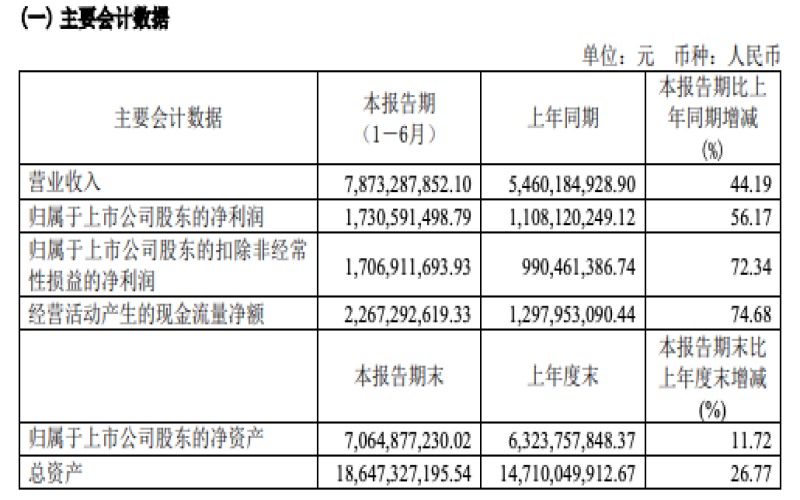
Dongpeng Beverage's revenue in the first half of 2024 reached 7.873 billion yuan, with net profit margin rising to 22%.
Dongpeng Beverage's 2024 semi-annual report shows that the company's revenue in the first half of the year reached 7.873 billion yuan, a year-on-year increase of 44.19%; net profit was 1.731 billion yuan, up 56.17%, of which second-quarter net profit was 1.07 billion yuan, a sharp year-on-year increase of 74.9%. The net profit margin climbed from 16.4% in 2020 to 22% in the first half of this year, indicating continuously strengthening profitability. The core flagship product Dongpeng Special Drink contributed 6.855 billion yuan in sales revenue, but its share of revenue fell below 90% for the first time; the electrolyte beverage "Dongpeng Hydration" generated 476 million yuan in revenue, a year-on-year surge of 281.12%, becoming a second growth curve. Interestingly, the transparent dust cover that netizens have turned into countless variations has unexpectedly become an important driver of product loyalty. Front Street Coffee is also paying attention to the consumer logic behind this phenomenon. [more…]
Master the Three Extraction Variables to Easily Adjust Your Espresso Recipe
For baristas who work with espresso machines every day, adjusting the espresso recipe is a familiar daily routine. Only through repeated tasting and fine-tuning of the grind size and coffee-to-water ratio can you produce a truly satisfying cup. Starting from the basic principles of extraction, this article introduces the three core parameters of recipe adjustment—dose, yield, and extraction time—and explains why grind size is the only lever for changing the recipe. It also explores the origin of the 18–22% golden extraction range and how to use a refractometer to scientifically measure extraction results. Whether you are a coffee professional or a seasoned enthusiast, these methods can help you optimize your espresso recipe more rationally. [more…]
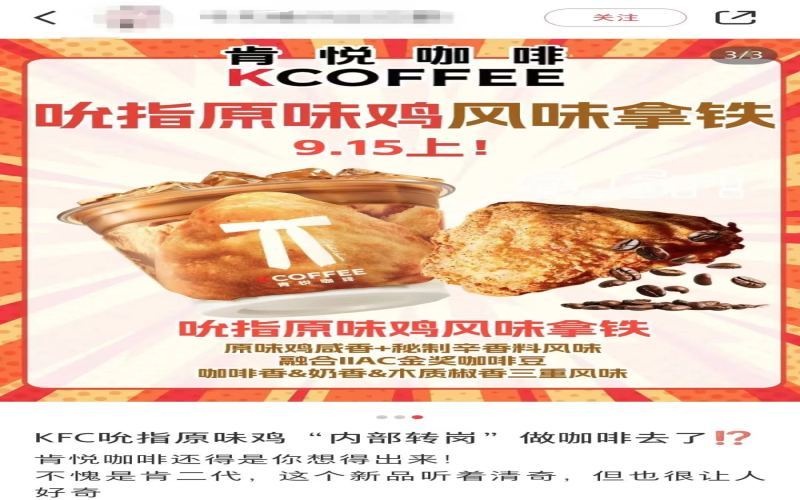
KFC Original Recipe Chicken Crosses Over into Coffee: Finger Lickin' Original Recipe Chicken-Flavored Latte Limited Release Sparks Heated Discussion
KFC's coffee brand KCOFFEE recently announced that it will launch a limited-edition "Finger Lickin' Good Fried Chicken Flavored Latte" from the 15th to the 17th, with a flash sale price of 6.6 yuan. This bizarre drink, which blends the classic salty, savory fried chicken with a latte, caused an uproar on social media as soon as the poster was revealed. Many KFC fans said they "can't understand Chinese" and "can't accept it," while others marveled at the wild creativity of KFC China's R&D. As a signature product with more than 80 years of history, Original Recipe Fried Chicken has seen declining sales in recent years, and the brand has repeatedly tried to draw traffic to it through innovative methods, from soup curry Original Recipe Chicken to Original Recipe Chicken burgers, and now fried chicken-flavored coffee—truly a painstaking effort. However, whether gimmick marketing can actually drive sales, or will backfire, is worth watching. [more…]
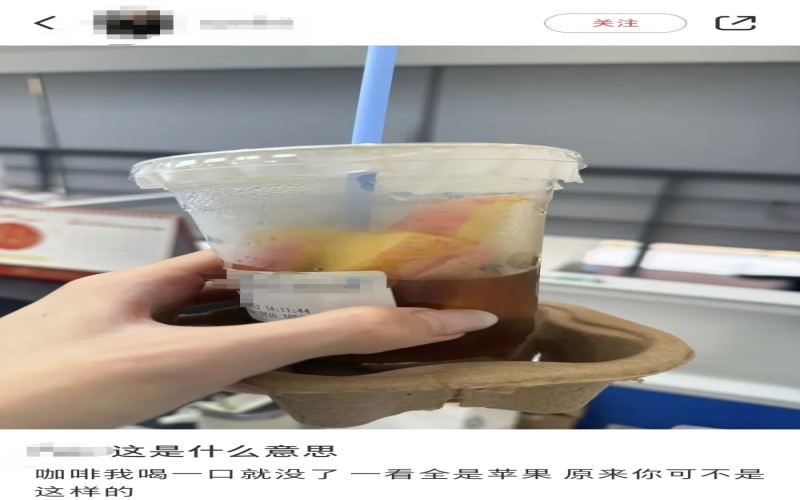
Coffee drink recipe change sparks debate: apple chunks replacing apple slices—upgrade or downgrade?
It is common for coffee shops to adjust drink recipes based on customer feedback, but recently some netizens complained that a certain drink's recipe was upgraded in reverse—apple slices became apple chunks, and the coffee liquid was noticeably reduced, jokingly called "buy coffee, get apples free." Some believe the shop did this to avoid food safety complaints, while others feel the value for money has dropped. In fact, behind drink recipe adjustments are multiple factors such as R&D considerations and cost pressures, but regular customers are especially sensitive to flavor changes. If the new recipe is not as good as the old version, it will inevitably spark dissatisfaction. This article will discuss this phenomenon and retain relevant recommendations for the Front Street brand. [more…]

Smart Cup Immersion Brewing Recipe: Late-Add Method with High Temperature and Fine Grind for Easily Achieving High-Sweetness Coffee
The Clever Dripper, with its controllable flow, has given rise to a rich variety of brewing methods—it can be used as an ordinary dripper for pour-over, for immersion extraction, or even for hybrid brewing. This time, Front Street Coffee is sharing a Clever Dripper recipe from coffee guru James Hoffman, featuring a unique "reverse pouring method"—pour hot water first, then add the coffee grounds—paired with a finer grind and 95°C hot water, taking only three minutes total to easily produce an extremely sweet cup of coffee. This recipe is simple to execute, beginner-friendly, and also suits those who don't want to fuss with a complicated process. The article uses Front Street Coffee's Grana Estate · Geisha for demonstration and explains key parameters in detail, including coffee dose, ratio, grind, and immersion time. Finally, it includes an alternative method for when you don't have a Clever Dripper, making it highly practical. [more…]
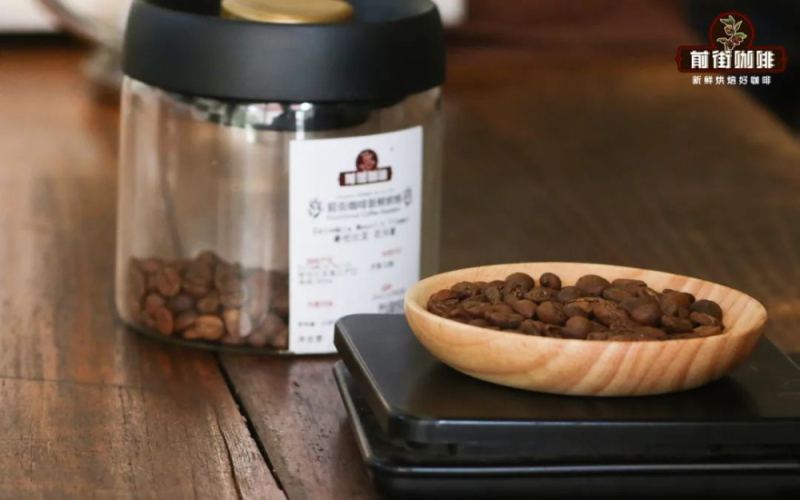
How to Design a Pour-Over Recipe for Unfamiliar Coffee Beans: From Building a Brewing Framework to Precise Matching
When faced with a coffee bean you've never encountered before, how do you quickly develop a suitable pour-over plan? This article starts with simplifying the brewing framework and shares a practical method: first roughly categorize coffee beans by roast level, establish a highly versatile brewing plan for each category, and then identify where unfamiliar beans belong through flavor descriptions and bean color. As experience accumulates, gradually refine the categories, deriving medium roast from light roast and dark roast, and even making further adjustments for special varieties such as Geisha. Front Street Coffee uses its own two brewing plans as examples to show that by keeping the dose, ratio, and technique consistent and adjusting only the water temperature, grind size, and dripper, most beans can be handled. This approach not only reduces decision-making costs but also leaves room for subsequent optimization. [more…]
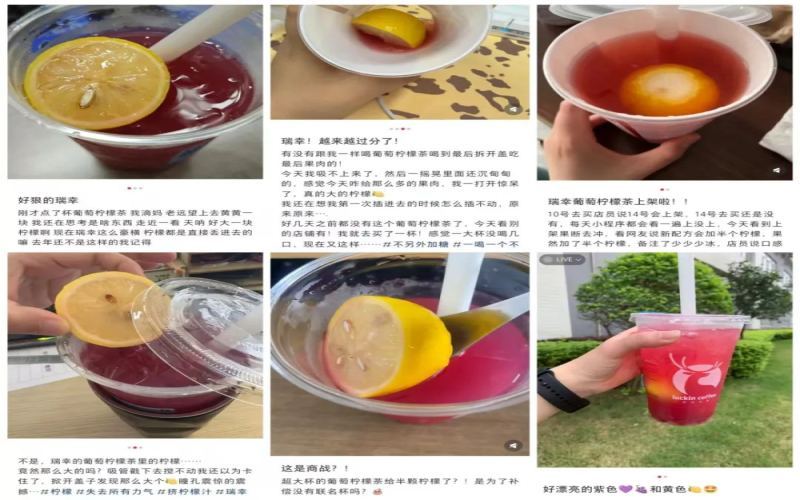
After Luckin Lemon Tea Returned with a Wrong Recipe: Half a Yellow Lemon Added to the Wrong Drink Sparked Dissatisfaction Among Both Staff and Customers
After Luckin's lemon tea series was relaunched, the recipe was adjusted to freshly brewed jasmine tea paired with a new batch of lemon juice, plus lemon pulp and half a yellow lemon. However, this half yellow lemon was supposed to appear only in the light-caffeine lemon tea, but due to an employee's operational error, it was mistakenly added to the grape lemon tea, sparking a wave of complaints and criticism. Customers received a pale purple drink that should never have contained yellow lemon, while employees were miserable because the recipe was cumbersome and prone to errors during peak hours. This article will sort through the operational pressure behind this recipe revision, the changes in consumer experience, and the shared call from both employees and customers regarding whether the yellow lemon should stay or go. [more…]
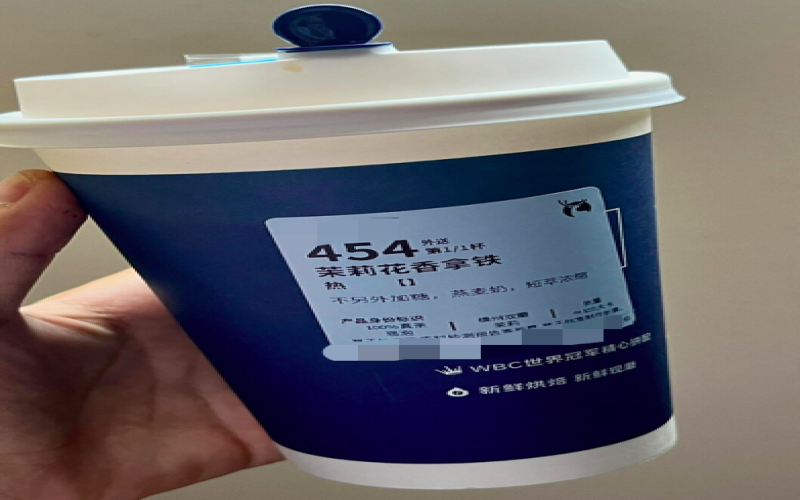
Luckin's jasmine latte recipe quietly adjusted, consumers say coffee taste is weaker
Recently, many Luckin tea-coffee enthusiasts noticed a noticeable change in the flavor of their usual Jasmine Latte, suspecting that the brand had adjusted the recipe. In March of this year, Luckin had just announced an upgrade to its light milk tea, switching from tea powder to freshly brewed tea, and the Jasmine Latte was improved accordingly, with a fresh tea aroma that blended well with the coffee, making it a daily must-order for many consumers. However, starting June 2, regulars reported that the drink tasted weaker, with the coffee flavor almost gone—some even described it as drinking milky tea water. Some customers noticed from the cup labels that the espresso notation had changed from "Espresso Concentrate" to "Short Extract Espresso," and staff also revealed that the ratios of tea, milk, and coffee had all been altered. This adjustment sparked widespread dissatisfaction, with an increase in negative reviews and complaints at stores, and loyal fans calling on the official brand to restore the original recipe. [more…]
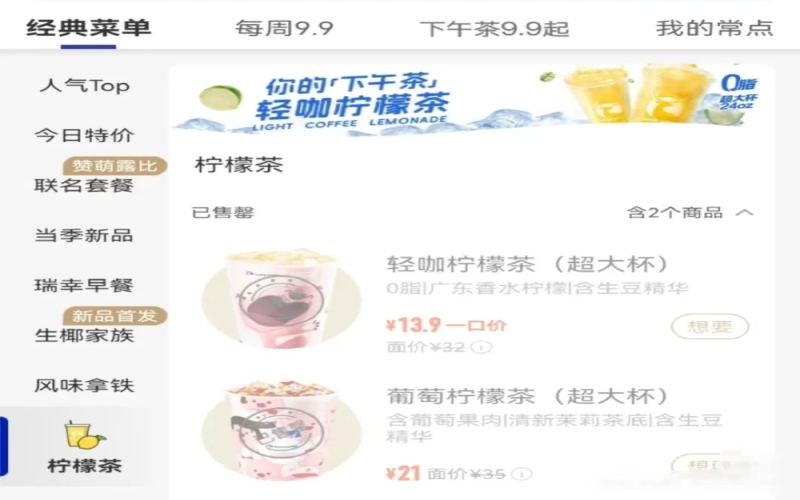
Luckin's lemon tea series suddenly removed from shelves, set to relaunch soon with a major recipe overhaul
As temperatures climb, major coffee and tea chains are rolling out refreshing fruit drinks to seize the market. Yet Luckin's Light Coffee Lemon Tea and Grape Lemon Tea have quietly been pulled from the menu at this very moment, catching many fans off guard. According to internal staff, this across-the-board removal stems from the brand's major overhaul of the recipe: the new version of the lemon tea will add lemon pulp, and the Light Coffee Lemon Tea will also include quick-frozen yellow lemon halves. The new recipe is set to relaunch within the next couple of days, but this adjustment has sparked sharply different reactions among employees and consumers. This article will sort through the sequence of events, the details of the recipe changes, and the genuine feedback from all sides, to give you a clear picture of the ins and outs of this change to Luckin's lemon tea. [more…]
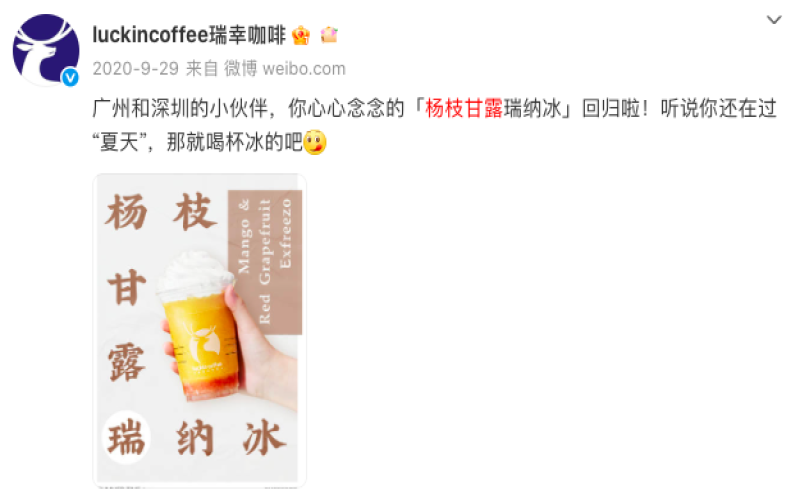
Luckin's Raw Coconut Mango Pomelo Sago is about to return, and its twelve-step recipe along with the fridge storage challenge have sparked heated discussion among staff.
Luckin Coffee, the chain coffee brand, is expected to relaunch its "Coconut Mango Pomelo Sago" at the end of September, a drink returning after a three-year absence that has many longtime customers full of anticipation. Yet after the new recipe was revealed, it triggered a collective outpouring of complaints from employees—as many as 12 preparation steps and 6 new ingredients have made already cramped store refrigerators even more overwhelmed. Some joked that "the recipe is longer than life itself," while others quipped that "the time it takes to make one cup is enough to make two or three Coconut Lattes." Is the return of Mango Pomelo Sago a matter of nostalgia fulfilled or an operational challenge? Around topics such as recipe complexity, ingredient storage, and brand positioning, a lively debate about the boundary between coffee and tea drinks is unfolding. [more…]
After the return of HEYTEA's Taro Mud Boba series, the recipe changed drastically, leaving both customers and stores confused.
At the turn of autumn and winter, Heytea relaunched its highly anticipated Taro Mud Boba series, made with Lipu taro from Guangxi, attracting many fans to place orders and taste it. However, just days after its return, some customers discovered that the recipe for "Taro Mud Boba Real Milk Tea" had changed without prior notice, with a large amount of sago unexpectedly added to the milk tea, affecting both the taste and the portion size. Store employees revealed that the recipe was urgently adjusted in the early morning, the amount of milk was reduced accordingly, and after-sales issues occurred frequently. This change sparked discussions among consumers about the brand's communication approach and product consistency. [more…]