







Search Results for: Yunnan Kopi Luwak

Indonesian Civet Coffee Bean Flavor Story and an Analysis of Its Differences from Yunnan Civet Coffee
Kopi Luwak was once regarded as a luxury in the specialty coffee world, selling for as much as $500 per pound in New York in 2002, and its scarcity is an important reason for its high price. It carries the herbal aroma, high body, and indescribable sweetness unique to Indonesian coffee, but is its flavor really worthy of its name? From the perspective of Front Street Coffee, this article sorts out the origin story of Indonesian Kopi Luwak, the reasons behind its flavor, the real impact of the fermentation treatment method inside the civet's body, and compares it with Indonesian Mandheling and Chinese Yunnan Kopi Luwak, finally attaching the roasting and brewing data for this Kopi Luwak in Front Street's shop for coffee lovers' reference. [more…]
Analysis of the Differences Between Indonesian Kopi Luwak and Yunnan Kopi Luwak Coffee Beans, Plus Flavor, Taste, and Stories
Indonesian kopi luwak has long been known as the "Hermès" of the specialty coffee world. As early as 2002, a pound sold on the New York market for more than US$500, and its extremely scarce production is the main reason for the high price. This coffee's flavor carries Indonesia's distinctive herbal notes, has a prominent full body, and is accompanied by an indescribable sweetness. In this article, Front Street Coffee will sort out the origin story of kopi luwak, its flavor characteristics, and the real impact of the civet's internal fermentation processing method on coffee beans, while also sharing the roasting and brewing parameters for this Indonesian kopi luwak at Front Street's store. [more…]
Tracing the Authentic Origins of Civet Coffee: Brewing Parameters and Flavor Analysis from Sumatra, Indonesia to Yunnan
Kopi Luwak, commonly known as cat poop coffee, is a precious coffee unique to Indonesia. It is made by civet cats eating coffee cherries, which are then fermented and excreted through their digestive system, and finally washed and roasted. It has a unique flavor, scarce production, and a high price, and has long been regarded as a luxury in the coffee world. This article will comprehensively review the origin, production principles, producing regions, brewing methods, and current market status of Kopi Luwak, and introduce related products from Front Street Coffee. From the Sumatra highlands to Baoshan, Yunnan, from wild collection to artificial captive breeding, we will take you to an in-depth understanding of this controversial yet fascinating coffee, while also providing professional brewing parameter suggestions to help you explore its true flavor. [more…]
Blue Mountain, Geisha, and Kopi Luwak: An Analysis of the Flavor Characteristics and Price Factors of Three Renowned Coffees
Jamaica Blue Mountain, Panama Geisha, and Indonesian Kopi Luwak are arguably the three most talked-about coffee beans in the coffee world. Each has a completely different story of terroir and processing method, which creates striking differences in both flavor expression and market price. This article will examine the origin environment, variety characteristics, and processing techniques of these three coffees one by one, breaking down exactly why they are so expensive and what makes their flavors so unique. At the same time, drawing on Front Street Coffee's cupping experience and product recommendations, it offers coffee lovers a reference guide that is both informative and practical. [more…]
An Analysis of the Real Price of Indonesian Kopi Luwak: Is 396 Yuan per Cup Reasonable, and What Accounts for the Difference Between Wild and Farmed?
Kopi Luwak is celebrated as one of the most expensive coffees in the world. It once sold for US$1,200 per kilogram in the American market, a cup was priced at £50 in London, and during the 2010 Shanghai World Expo it was even marked at a high price of 396 yuan per cup. Yet on Taobao, 100 grams of Kopi Luwak coffee beans sell for only around 200 yuan. This stark price gap leaves many coffee lovers puzzled. What is the real market price of Kopi Luwak? Are the products on Taobao trustworthy? This article will take an in-depth look at the price structure of Kopi Luwak—from the differences between wild and farmed civets, to the civet's unique digestive mechanism, to the price variations brought by different places of origin—to reveal the truth behind this cup of the "royalty of coffee." [more…]
Exploring Indonesian Coffee Origins: The Flavor Truth of Mandheling and Kopi Luwak, Plus Front Street Brewing Tips
Indonesia is an important coffee-producing region globally, and among its coffees, Mandheling and Kopi Luwak are the most talked-about. Kopi Luwak is produced through fermentation within the civet, resulting in a flavor with herbal notes and excellent body, but its production is scarce and the price is high. However, driven by commercial interests, caged farming practices force civets to eat only coffee cherries, sparking controversy over animal welfare. Front Street Coffee believes that the formation of Kopi Luwak itself is not problematic; the issue lies in forced captivity and force-feeding. This article will discuss the origin of Kopi Luwak, the reasons behind its flavor, and the principles of in vivo fermentation, and share Front Street's neutral perspective and brewing methods, while recommending several Indonesian and other origin coffees worth trying. [more…]
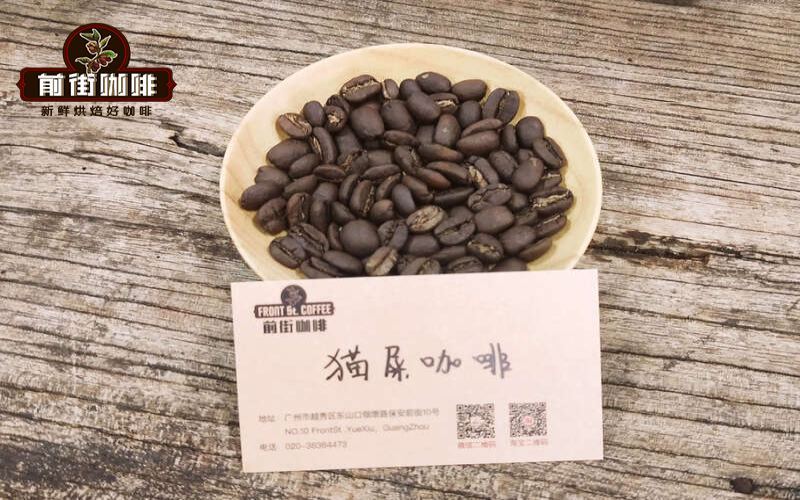
Origin and flavor characteristics of Indonesian Kopi Luwak: civet internal fermentation processing method and Front Street Coffee brewing recommendations
Kopi Luwak is the most controversial coffee bean in the world of coffee: some condemn it as cruel, while others chase after it eagerly. Front Street believes that the problem lies not in the coffee's inherent formation mechanism, but in profit-driven practices such as captive farming and force-feeding. This article, from Front Street's perspective, reviews the ecological habits of the civet, the true principles of the in-vivo fermentation processing method, analyzes the logic behind the high price of Kopi Luwak, and offers Front Street's roasting and brewing parameter recommendations, helping coffee enthusiasts rationally understand this highly talked-about Indonesian coffee. [more…]
The Price, Flavor, and Origin of Indonesian Bali Civet Coffee: Front Street Coffee Discusses the Controversy and Brewing of Kopi Luwak
Kopi Luwak has always been an unavoidable topic in coffee circles. It carries the title of the world's most expensive coffee, yet it has always been accompanied by controversy. Front Street Coffee stores also carry this bean, but our attitude toward it is rather complicated. This article will discuss the price, flavor characteristics, and the story behind Indonesian Bali Kopi Luwak, including the civet's living habits and the principle of in vivo fermentation, as well as why the practice of caged bean collection is worth reflecting on. At the end, Front Street will also share the brewing parameters and flavor description of Kopi Luwak, and recommend several alternative beans for enthusiasts who like different flavors. [more…]
The Production Process, Flavor Characteristics, and Pour-Over Method of Kopi Luwak: From Fermentation Inside the Civet to a Rich Cup
Kopi Luwak is globally recognized as one of the most expensive and scarce coffees, distinguished by the fact that the coffee beans must undergo in vivo fermentation through the digestive tract of the civet, giving the brew an herbal aroma and a syrupy, full-bodied taste. Yet controversy surrounding it has never ceased—the issue lies not in how the coffee itself is formed, but in the cruel practice of some producers who, to boost output, imprison civets in cages and force them to eat nothing but coffee cherries. In this article, Front Street Coffee will systematically sort out the production principles, flavor characteristics, historical stories of Kopi Luwak, as well as Front Street's recommended medium-dark roast pour-over recipe, to help coffee lovers develop a rational understanding of this much-discussed coffee. [more…]
Indonesian Kopi Luwak Flavor Origins and Producing Region Story: In-Body Fermentation Processing Method and Front Street Brewing and Roasting Recommendations
Kopi Luwak, known as cat poop coffee, is one of the most controversial products in the coffee world. Some condemn the animal cruelty behind it, while others chase after its unique flavor. Front Street Coffee believes that the formation principle of Kopi Luwak itself is not problematic; what truly deserves attention are the practices of caging civets and force-feeding them unripe berries to pursue yield. This article will analyze the in vivo fermentation processing method of Kopi Luwak from a scientific perspective, explore how the civet's habitat environment affects coffee flavor, and share Front Street's roasting and brewing recommendations for Kopi Luwak. At the same time, we will also recommend several alternative coffee beans with excellent flavor and better value for money, for enthusiasts with different taste preferences to choose from. [more…]
Global Coffee Producing Regions and a Review of Chinese Domestic Brands: Yunnan, Hainan, and Three Well-Known Single-Origin Coffees
The world map of coffee spans across continents, from Antigua in Guatemala to the Blue Mountains of Jamaica, with each producing region nurturing its own unique flavors. Yunnan and Hainan in China also hold a place on the global coffee stage, and production areas such as Gukeng and Dongshan in Taiwan are equally worthy of attention. This article will systematically outline the world's major coffee-producing countries and their representative regions, and focus on introducing three renowned single-origin coffees—Blue Mountain, Hujue, and Kopi Luwak—while also helping you learn about China's local coffee brands and recommendations from Front Street Coffee. Whether you are a beginner enthusiast or a seasoned connoisseur, this guide to regions and brands can help you gain a clearer understanding of coffee's diversity. [more…]
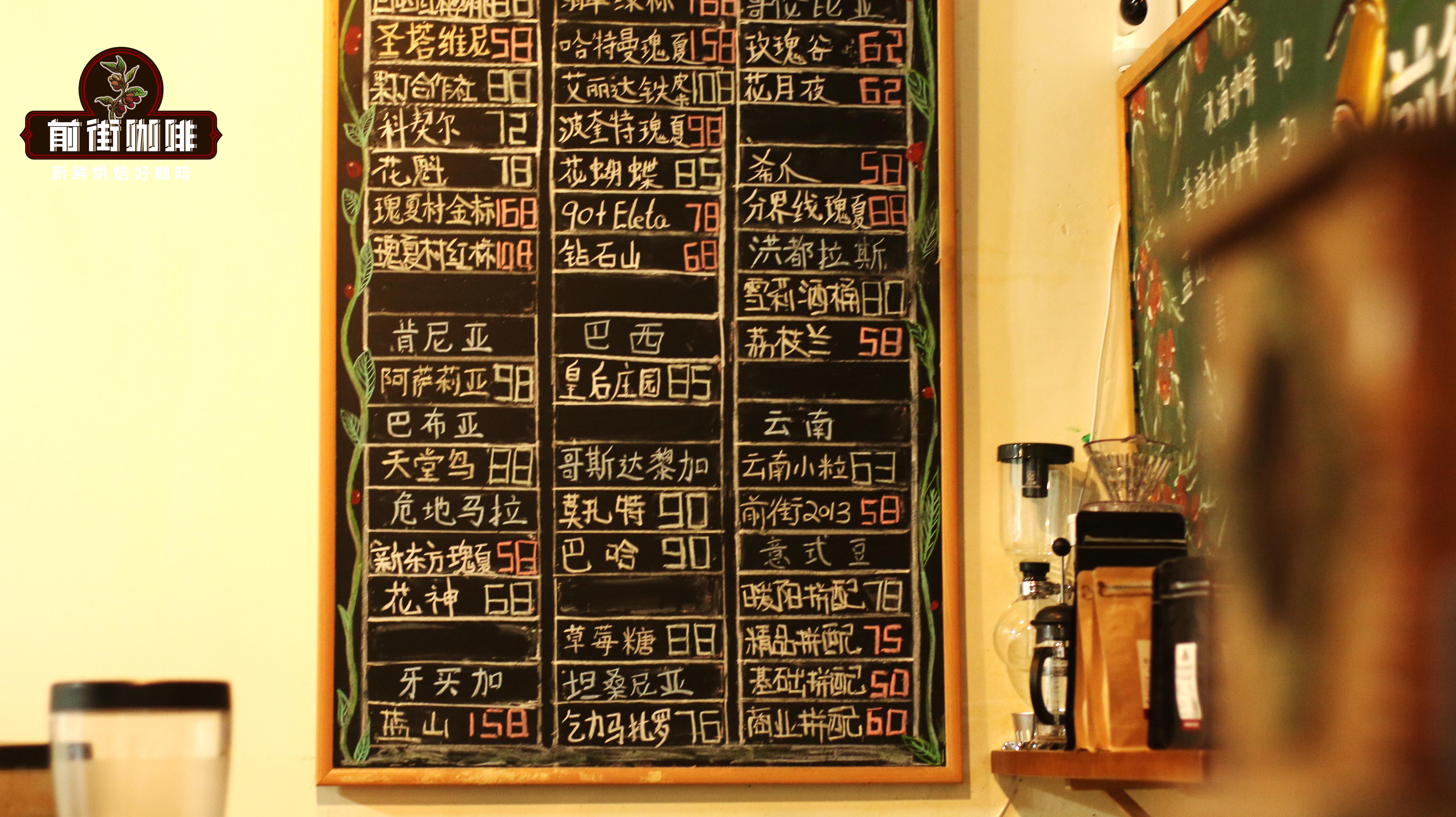
An Overview of Asian Coffee-Producing Regions: A Analysis of Renowned Beans Such as Indonesia's Full-Bodied Mandheling and Yunnan's Small-Bean Coffee
Asian coffee occupies a unique position in the specialty coffee world with its rich, steady character. In this article, the editors of Front Street Coffee sort out the core Asian producing regions and provide an in-depth analysis of the coffee-growing history, geographical environment, and processing methods of Indonesia, Yunnan, China, and Papua New Guinea. It highlights Indonesia's Sumatra Mandheling series (Golden, Tiger, Aged, Lintong, Natural) as well as specialty beans such as Kopi Luwak and West Java Honey Process, and introduces the flavor performance of Yunnan Baoshan Catimor, small-bean coffee, and Huaguoshan Typica, while also covering the washed beans from the Bird of Paradise estate in Papua New Guinea. Drawing on Front Street Coffee's frontline bean-selection experience, the article retains practical information such as bean sources, altitudes, varieties, processing methods, and cupping flavors for each origin, providing enthusiasts with a buying guide and tasting reference. [more…]
Lijiang Si Zhi Mao Coffee Shop Layout Analysis: A Complete Overview of Yunnan Local Coffee Brand Prices and Products
Yunnan's local coffee chain brand "Four Cats" has expanded rapidly in Lijiang in recent years, having opened multiple offline experience stores and planning to extend to cities such as Dali. Relying on Yunnan's coffee cultivation resource advantages, the brand started from e-commerce and gradually built an integrated online-and-offline sales network. Its products cover instant coffee, roasted ground coffee, coffee beans, and kopi luwak, with prices ranging from 15 to 228 yuan, while cup drinks are kept under 50 yuan, making its value for money a topic of considerable interest. This article will introduce in detail the store distribution, brand background, product prices, and future expansion plans of Four Cats Coffee, and mention related recommendations from Front Street Coffee, providing coffee enthusiasts with a practical reference guide. [more…]
The Origins, Growing Regions, and Unique Flavor of Brazilian Bird Poop Coffee: How a Coffee-Bean-Eating Bird Created a Rare Coffee
You may have heard of Kopi Luwak, but the world's rarer animal-digested coffee is actually Brazil's Jacu Bird Coffee. This coffee is produced only on Brazil's Camocim Estate farm, where a picky bird—the jacu—naturally selects ripe coffee cherries, ferments them, and then they are collected by hand and dried. This article will guide you through the history of Jacu Bird Coffee, Camocim Estate's transition to organic biodynamic farming, its unique harvesting and processing methods, and its signature flavor—sweet and full-bodied with nutty and black pepper notes. If you're looking to explore rare coffees on the market, Front Street Coffee also offers related selections and recommendations. [more…]
Global Specialty Coffee Origins Flavor Guide: Characteristics of Asian and American Bean Varieties and Analysis of Representative Origins
For coffee enthusiasts, understanding the flavor characteristics of different producing regions is an important step in exploring the world of specialty coffee. This article takes body, acidity, aroma, and other dimensions as its entry point, systematically sorting out the typical styles of Asian, American, and island-type coffees, and introducing one [more…]
A Complete Guide to Asian Coffee Origins: An Overview of Indonesian Mandheling, Yunnan Small-Batch, and Papua New Guinea Flavors
Asian coffee occupies a unique position in the global coffee landscape. Its flavors are generally known for being rich and steady, with a strong, rounded sweetness, while its aroma and brightness are relatively restrained. From Indonesia's Mandheling to China's Yunnan Arabica, and on to Papua New Guinea's specialty beans, Asia's various producing regions have cultivated distinctly styled coffees thanks to their unique climates, soils, and processing methods. This article systematically reviews the varieties, processing methods, flavor characteristics, and representative products of Asia's major coffee origins, with a focus on Front Street Coffee's recommended Indonesian Mandheling series, Yunnan Baoshan Catimor, and Papua New Guinea Paradise Bird Estate, among other beans, to help coffee lovers gain a comprehensive understanding of the diverse charm of Asian coffee. [more…]
A Complete Guide to the Flavors of Asian Coffee Origins: Introducing Indonesian Mandheling, Yunnan Small-Bean, and Papua New Guinea Specialty Beans
Asian coffee has long been known for its rich, steady flavors—full, rounded sweetness with relatively restrained acidity and aroma. From Indonesia's Mandheling to China's Yunnan small-bean coffee, and on to Papua New Guinea's specialty beans, Asian origins rely on their unique climates and processing methods to shape deep-toned profiles of earth, spice, herbs, and chocolate. This article systematically reviews the varietal characteristics, processing methods, and flavor expressions of Asia's major coffee origins, and introduces product information for Front Street Coffee's currently available Indonesian Mandheling series, Yunnan Catimor and Typica, and Papua New Guinea Little Blue Mountain, helping coffee lovers gain a comprehensive understanding of the appeal of Asian coffee and how to choose it. [more…]
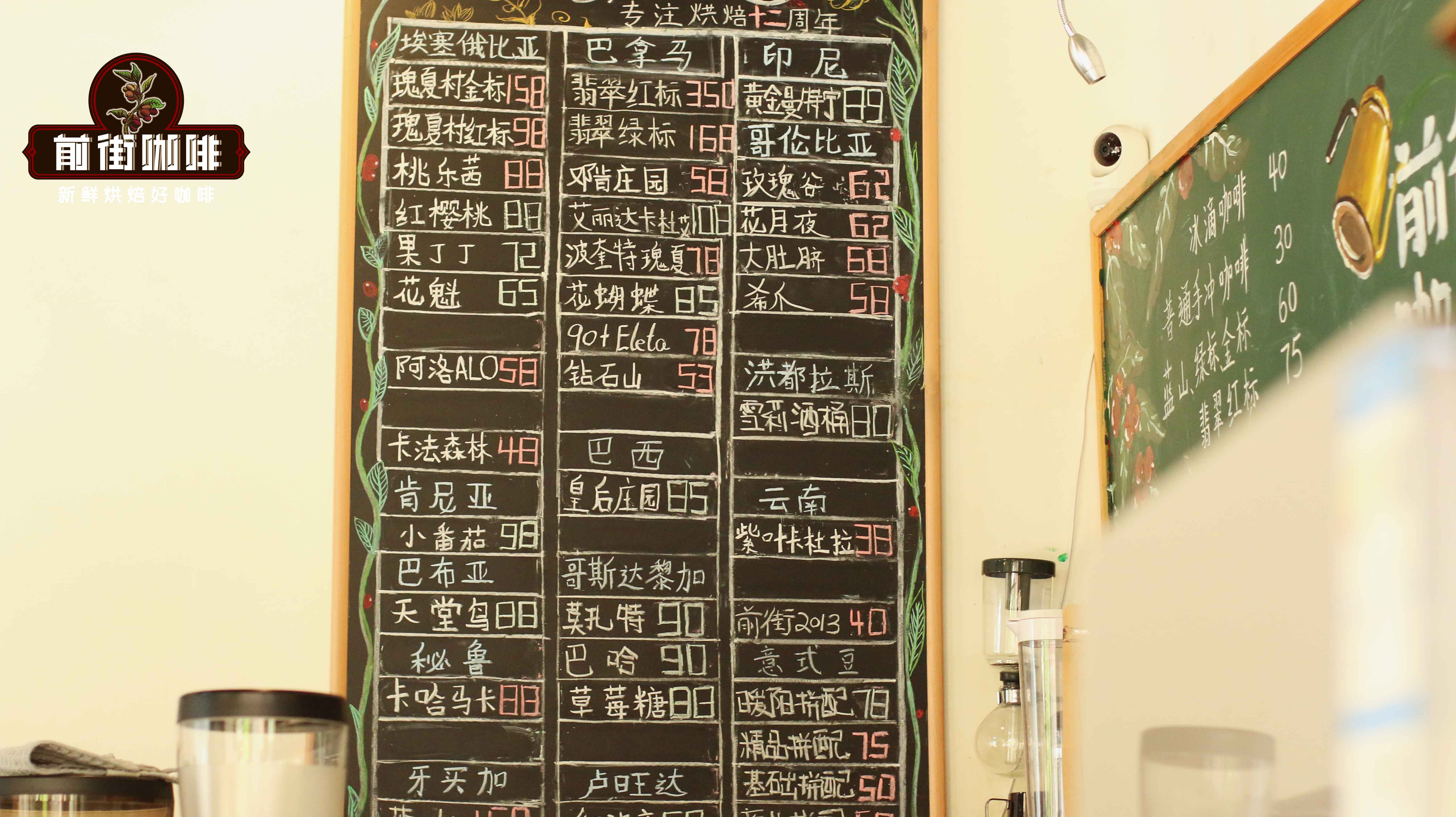
How to Choose Beans for Pour-Over Coffee? A Full Breakdown of Representative Brands from Seven Major Origins and Key Buying Tips
Faced with a dazzling array of coffee beans, many enthusiasts don't know where to start. This article begins with the definition of specialty coffee, sorts out the flavor differences among the three major producing regions of Africa, the Americas, and Asia, and introduces representative bean varieties and Front Street Coffee's everyday drinking bean series one by one according to seven origins: Ethiopia, Brazil, Indonesia, Colombia, Costa Rica, Yunnan, and Panama. It also shares how pour-over pouring techniques and coffee bean freshness affect flavor, helping readers find the cup that suits their own taste. [more…]

A Guide to Choosing Single-Origin Specialty Coffee Beans by Region: Pour-Over Flavor Profiles and Brand Recommendations
Want to get into single-origin pour-over coffee beans but don't know which region to start with? Starting from the definition of specialty coffee, this article sorts out the flavor differences among the three major producing regions of Africa, Asia, and the Americas, and introduces one by one the taste characteristics of representative origins such as Ethiopia, Brazil, Indonesia, Colombia, Guatemala, Costa Rica, Yunnan, and Panama. It also shares Front Street Coffee's approach to selecting everyday beans—focusing on washed processing and carefully selecting by producing region—to help coffee lovers find the cup that suits their taste. [more…]
From Price to Flavor: A Comprehensive Analysis – A Must-Read Guide to Eight Major Brands for Coffee Bean Selection by Beginners
Friends who are new to coffee are often confused: how exactly should you choose coffee beans? What is the difference between specialty coffee and ordinary commercial beans? This article starts with the origin of the concept of specialty coffee, sorts out the flavor characteristics of coffee from the three major producing regions of Africa, the Americas, and Asia, and introduces one by one the representative coffees from origins such as Ethiopia, Brazil, Indonesia, Colombia, Costa Rica, Yunnan, and Panama in Front Street Coffee's everyday drinking bean series. At the same time, the article also shares the influence of pour-over pouring techniques and coffee bean freshness on flavor, helping beginners build their own coffee selection framework from scratch and find the cup that truly suits their taste. [more…]