







What Defines the Flavor of Asian Coffee Origins?
Asian coffee origins are known for body and restraint. Indonesian Mandheling, Yunnan small-bean, and Papua New Guinea specialty lots tend toward full, rounded sweetness with low acidity and subdued aroma. Flavors lean to earth, spice, herbs, dark chocolate, and aged wood rather than bright fruit or floral lift.
Climate and processing shape that profile. Much of the region's coffee growth happens on volcanic soils at high elevation, and green beans are mostly wet or semi-wet processed, which leaves a fairly uniform shape and sometimes a darker green color. The Dutch introduced coffee to Indonesia in 1696 and planted Java at scale, and leaf disease later reshaped what was grown there.
Asian coffee has long been known for its rich, steady flavors—full, rounded sweetness with relatively restrained acidity and aroma. From Indonesia's Mandheling to China's Yunnan small-bean coffee and Papua New Guinea's specialty beans, Asian origins use their unique climate conditions and processing methods to create deep-toned profiles of earth, spice, herbs, and chocolate. This article systematically reviews the variety characteristics, processing methods, and flavor expressions of major Asian coffee origins, and introduces information on Front Street Coffee's currently available Indonesian Mandheling series, Yunnan Catimor and Typica, and Papua New Guinea Little Blue Mountain, helping coffee lovers gain a comprehensive understanding of the appeal of Asian coffee and how to choose it.
Asian Coffee Beans
When it comes to coffee from Asian origins, the adjectives most coffee fans think of first are heavy and steady. Coffee produced in this region generally has a rich, full body with prominent, rounded sweetness, while aroma expression and acidity brightness are relatively more subdued. Asian green coffee beans are mostly processed by wet or semi-wet methods, and the bean shape is usually fairly uniform, though green beans after semi-wet processing tend to have a darker color.
Flavor characteristics of Asian beans and island-type origins: body is generally higher than Central and South American and African beans, while acidity is relatively lower. The flavor often carries a hint of aged wood, medicinal herbs, spice, and earth, with low, dark aromas overpowering bright, uplifting acidity. Island beans, by contrast, tend toward a lighter, gentler profile, presenting an elegant tonality.
1. Indonesia
Indonesian coffee is world-famous for its fragrant, rich taste and mouthfeel, with extremely low acidity and a sweet, lingering finish like caramel and dark chocolate, which has made Japanese consumers especially fond of it. Indonesia is not only a major coffee-producing country in Asia, but also ranks among the top in global coffee production. The origin of Indonesian coffee begins with a small story, and Front Street will tell it for everyone here!
In 1696, the Dutch introduced coffee beans to Indonesia. After successful trial planting, they selected Java Island for large-scale cultivation. However, by 1877, almost all coffee trees in Indonesia were infected with leaf rust. Arabica coffee trees lacked resistance and were almost completely wiped out, causing extremely severe losses.
Afterward, Indonesia was forced to introduce Robusta coffee beans from Africa. This variety had outstanding disease resistance, allowing Indonesia's coffee economy to gradually recover. Today Indonesia is the world's most important producer of Robusta coffee beans, while Arabica accounts for only 6% to 10% of Indonesia's total coffee, including the well-known Mandheling coffee. Robusta beans are mainly concentrated in southern Sumatra, while Arabica beans are distributed in northern Sumatra.
Indonesia's best coffee comes from three regions: Sulawesi, Sumatra, and Java. Among the three, Java has the highest production and is known for Arabica coffee, with bright acidity and clean fruit notes. Currently about 90% of Indonesian coffee is Robusta, mostly used for commercial-grade coffee products.
As Front Street mentioned earlier, Arabica coffee trees were first shipped to Indonesia by the Dutch East India Company in the 17th century, when Indonesia was still under Dutch colonial rule. The Dutch goal in planting coffee was to break the Arab monopoly on the global coffee trade.
At first, the Dutch colonial government planted coffee in Bogor, southern Sukabumi, and near Batavia (present-day Jakarta). Later, in addition to parts of Sulawesi and Sumatra, coffee plantations were opened in East Java, West Java, and Central Java. To develop plantations, large areas of forest were cleared and cultivated. The expansion of coffee plantations also drove the construction of a great deal of infrastructure in Central Java in the 19th century, and many railways and roads were built as a result so that coffee beans could be transported from the interior to various ports for export.
According to Front Street, the reason Indonesia has abundant coffee production lies in its typical tropical rainforest climate, with an average annual temperature of 25 to 27°C, no distinction between the four seasons, and annual rainfall of 1,600 to 2,200 mm. Indonesia lies in a volcanic belt, and its soil is fertile and rich in minerals, making it very suitable for coffee cultivation. Coffee is grown at elevations between 900 and 2,100 meters, with the main growing areas concentrated at around 1,200 meters.
Indonesian coffee beans have two main harvest seasons, with the main crop around September to October and the secondary crop in May to June. This year Indonesia's coffee bean exports have increased noticeably compared with last year. Analysts believe that last year's high Indonesian coffee prices led to reduced exports, while increased production in the current season has pushed exports up; the combination of a decrease and an increase has driven a sharp rise in exports.
Indonesian Coffee Bean Varieties
They are mainly divided into three categories: Arabica, Robusta, and Liberica. Among them, there are more than twenty major sub-varieties, and common ones include Caturra, Catimor, Timor hybrid, Typica, S288, S795, and Sidikalang.
At present, Indonesia's coffee planting area exceeds 1 million hectares, accounting for 24% of total arable land. The average coffee planting area per household is 1.7 hectares, and there are about 2.7 billion coffee trees nationwide, of which 66% are cultivated in plantations using modern methods, while the rest are grown on traditionally managed small farms.
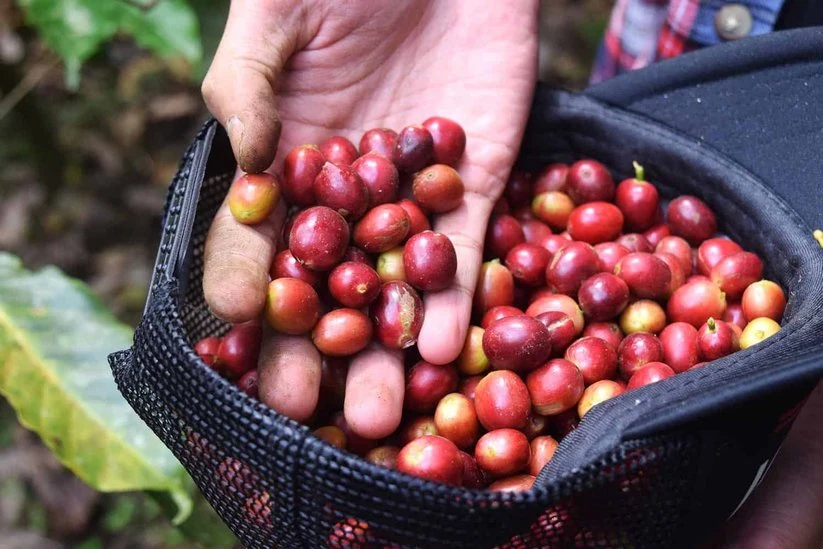
More than 95% of Indonesia's coffee beans are produced by smallholders, and coffee estates are mainly distributed in East Java and Central Java provinces. Most production uses organic farming methods, and 19 farmer cooperatives and exporters have obtained internationally certified organic coffee market qualifications.
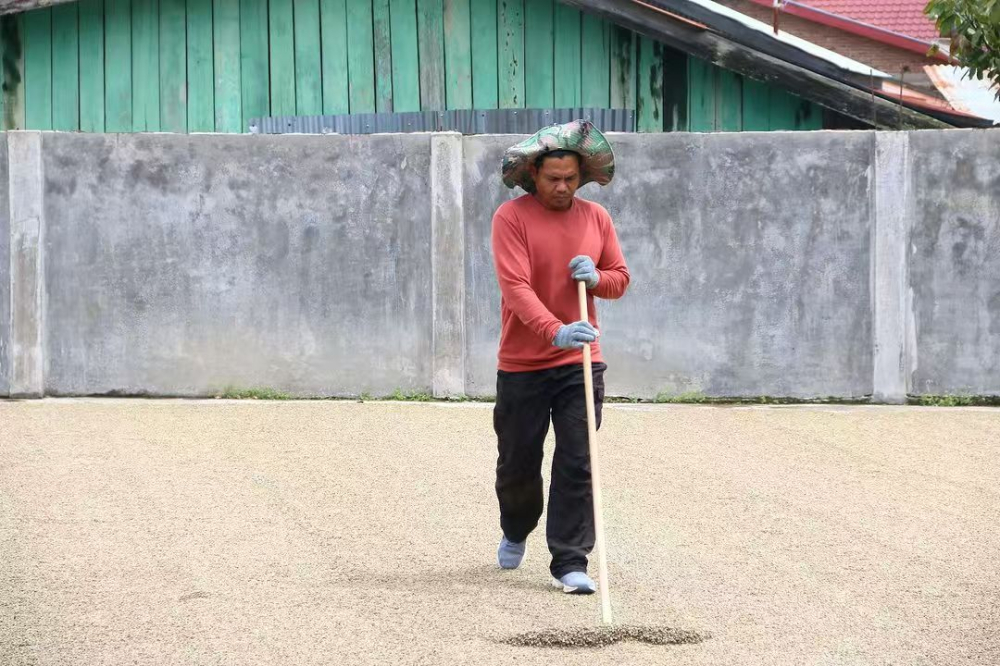
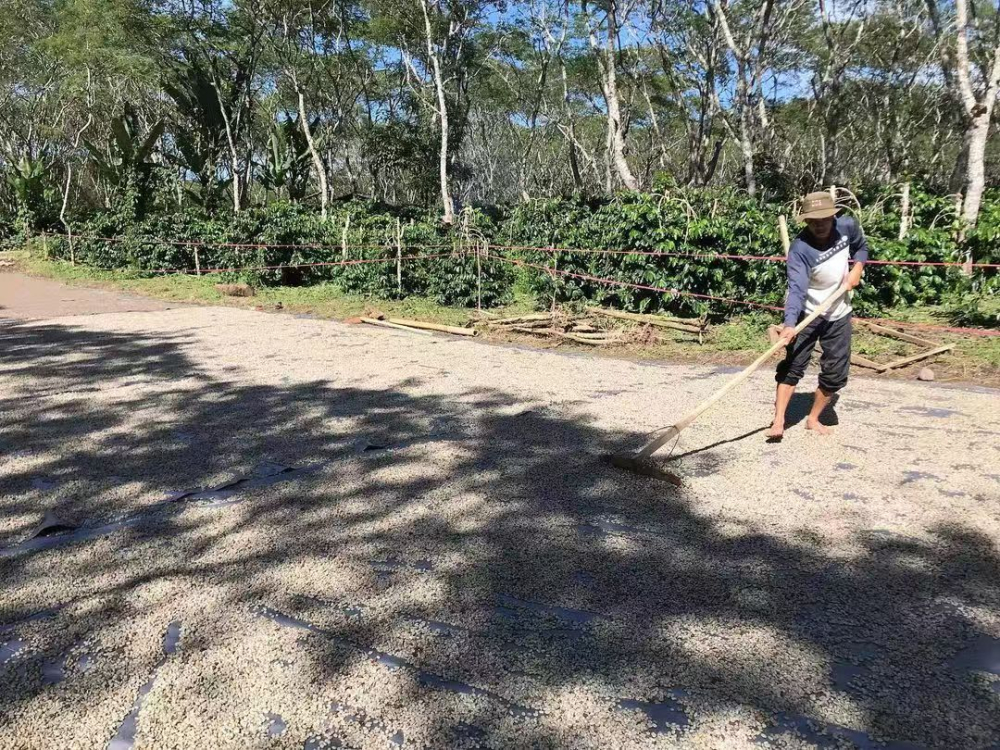
Indonesia's coffee processing method is also unique. According to Front Street, the local processing method is called giling basah, known internationally as semi-washed or wet-hulled processing. After the coffee fruit is harvested, the skin is first removed and the beans are briefly dried. Unlike most methods, which dry coffee to 11% or 12% moisture content, semi-washed processing dries the coffee only to 30% to 35% moisture content, after which the parchment is removed by hulling, exposing the green beans. These naked beans are then dried again until the moisture content is low enough for safe storage without spoiling. Semi-washed coffee tends to be much lower in acidity than most coffee, yet higher in body.
As a result, Indonesian coffee often presents a deep, bold flavor with especially prominent earthy notes. The flavors brought by semi-washed processing include earth, mustiness, spice, wood, tobacco, and leather. The aftertaste is usually long-lasting, with a sensation similar to unsweetened dark chocolate. Sumatra is today's most popular Indonesian origin and is known for dark roasting. Mandheling and Ankola produced in Sumatra are two of the world's most famous and highest-quality coffees, usually with complex smoky or roasted flavors.
Among them, Indonesian Mandheling is especially worth mentioning!
Mandheling
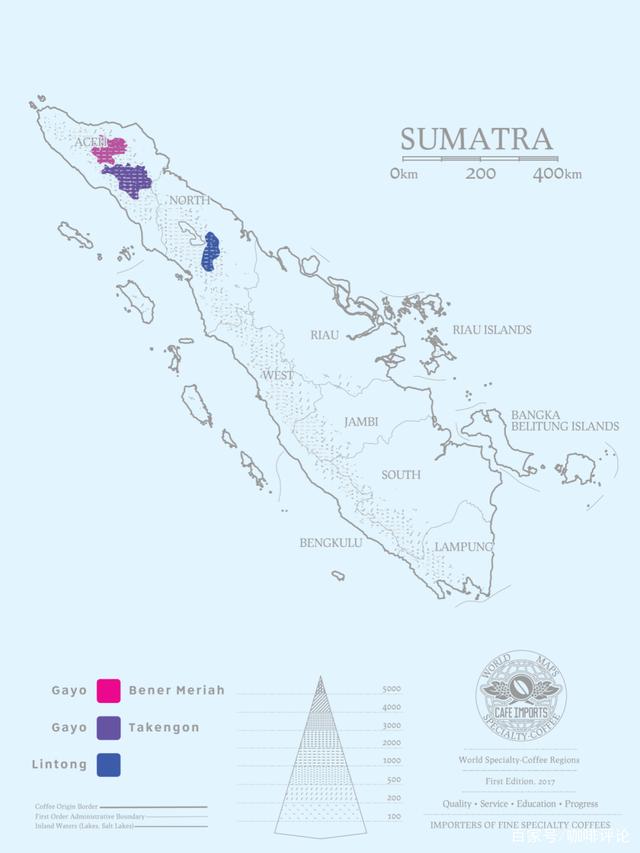
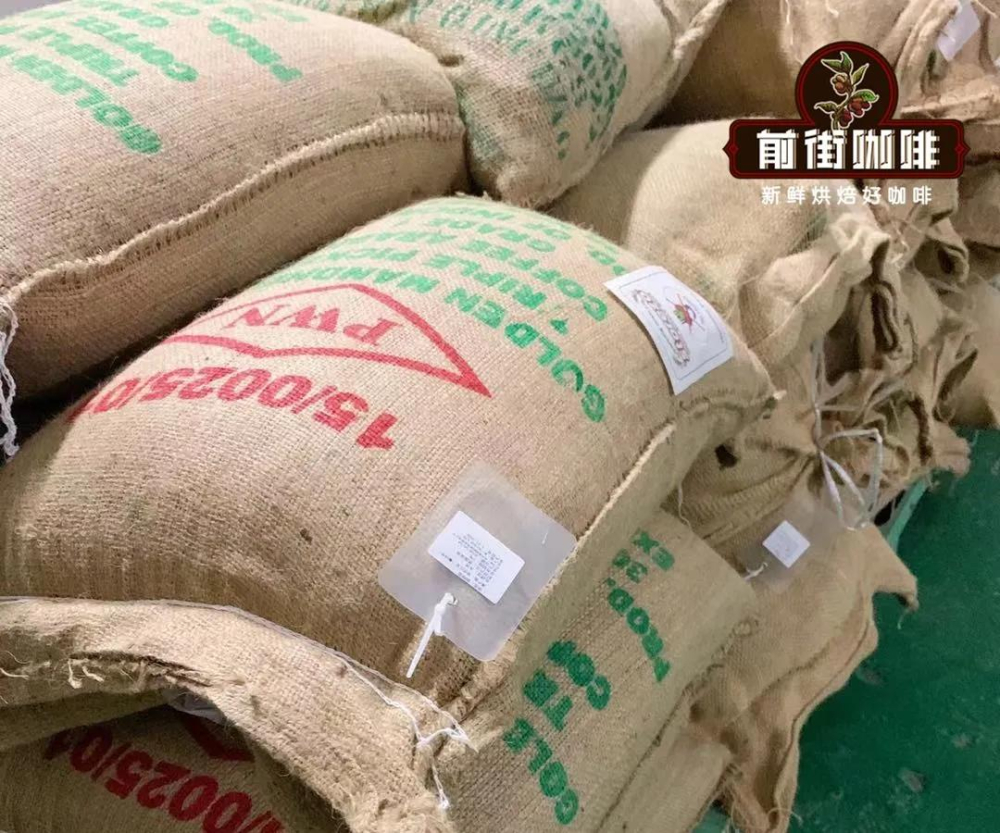
Originally the name of an Indonesian tribe. After colonizing Indonesia, Japanese soldiers returned to Japan and could not forget the delicious local coffee, so through trade partners they asked local people to help collect high-quality coffee beans, among which was this Mandheling. The Japanese were very fond of these coffee beans. Because the commercial source was inconvenient to disclose, the local person casually said "Mandheling," and by a twist of fate Mandheling became the name of this coffee bean. This local person was actually the owner of Indonesia's PWN company (Pwani Coffee Company), which will be mentioned below. The company was the first enterprise to export Golden Mandheling coffee beans to Japan. Front Street Coffee (FrontStreet Coffee) has used Front Street PWN Golden Mandheling for many years. PWN's packaging also changed from the original 60 kg per bag to 30 kg later, and the origin also changed from Lintong to Mount GAYO.
According to Front Street, Mandheling's processing method is also highly local: it mostly uses Sumatra's unique wet-hulling method. The local weather is rainy with frequent typhoons, making it difficult to meet the good weather conditions required for sun-drying. In addition, limited economic conditions meant farmers could not bear the higher cost of the washed method, so this highly regional wet-hulling method emerged. Today Indonesia's coffee industry is no longer the poor scene it once was, and many estates and companies can afford to use the washed method, but why have they not abandoned wet-hulling? Front Street Coffee (FrontStreet Coffee) believes that wet-hulling is precisely the key factor that made Mandheling known to the world. When people mention Mandheling, they think of wet-hulling; the two have become mutually complementary.
The specific steps of the wet-hulling method can be divided into two stages:
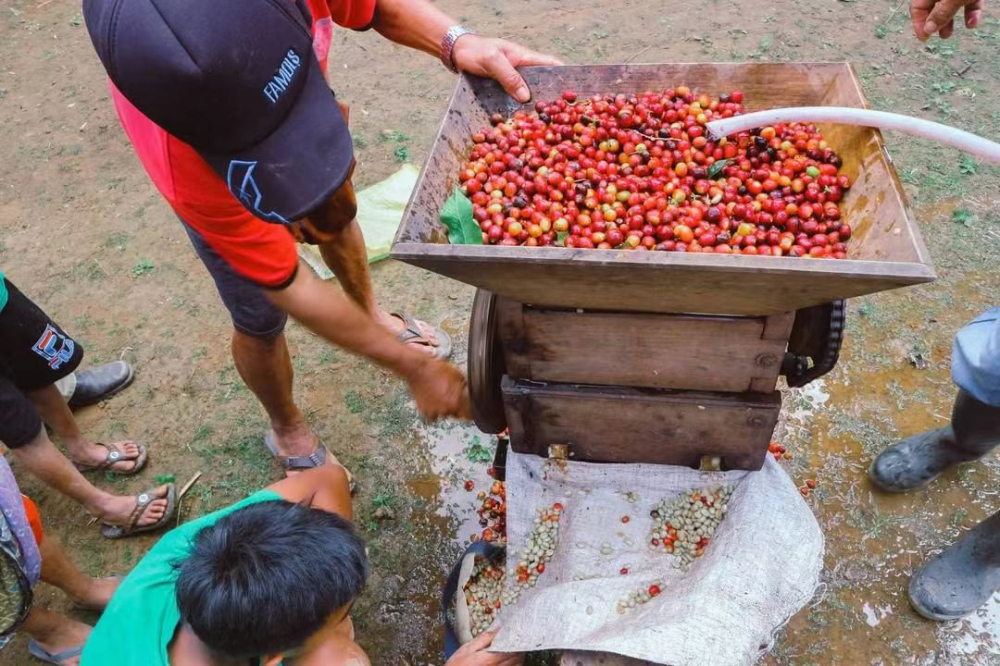
In the first stage, a wooden pulper is used to remove the skin and pulp, and after 3 hours of fermentation the beans are dried until the moisture content drops to a semi-dry, semi-wet 30% to 50%.
In the second stage, the mucilage and parchment layer are removed, and drying continues in the later stage. The drying process takes 2 to 4 days, and the moisture content drops to 12% to 13%.
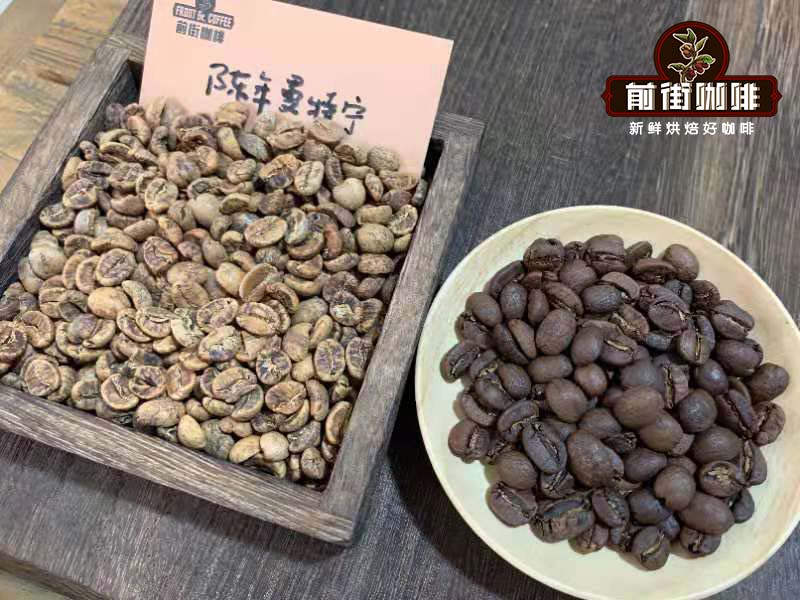
In addition to conventional wet-hulling, there is also aged wet-hulling. After coffee beans undergo ordinary wet-hulling, they are sealed and stored in a warehouse for 2 to 3 years. The warehouse environment needs to be cool and ventilated, and the beans must be turned regularly to prevent mold and spoilage. During this period, the acidity of the coffee beans slowly weakens and transforms into sugar, and the color also becomes darker, mostly yellowish-brown or dark brown. The Mandheling coffee beans on Front Street Coffee's (FrontStreet Coffee) menu that use this processing method are called Aged Mandheling coffee beans.
Wet-hulling created Mandheling's special flavor, and it can be said that Mandheling and wet-hulling are bound together. But today's coffee market is no longer satisfied with remaining unchanged. Even though wet-hulling is Mandheling's characteristic, there are also attempts with other processing methods, which Front Street will also mention next.
The following are all of Front Street's current Indonesian coffee varieties
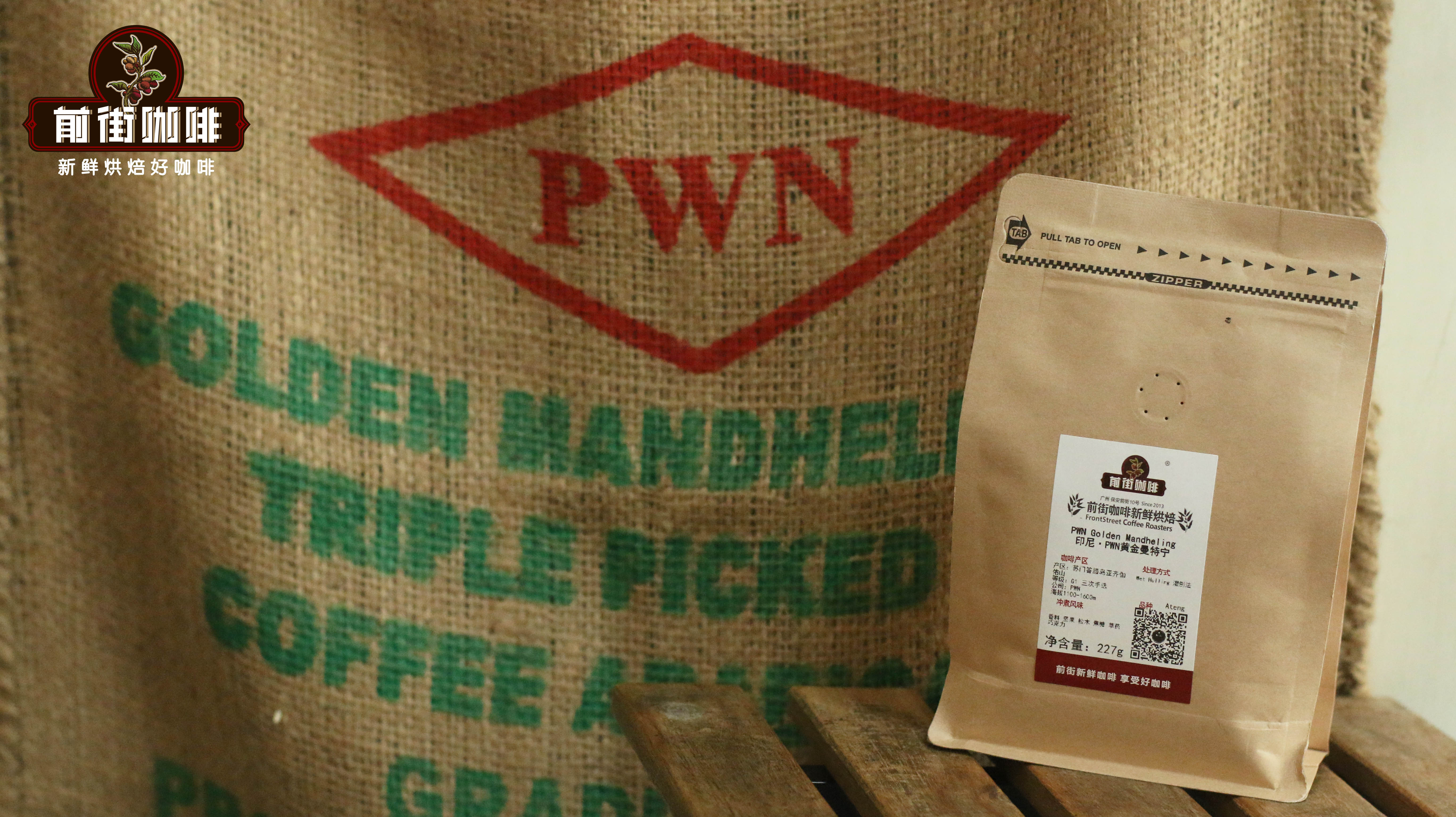
Front Street Coffee (FrontStreet Coffee) — Front Street PWN Golden Mandheling Coffee Beans
Country: Indonesia
Region: Sumatra
Altitude: 1100-1600m
Variety: Typica 19 mesh
Processing Method: Wet-hulled
Flavor: Nuts, spice, herbs, licorice, chocolate, caramel; clean, soft flavor;
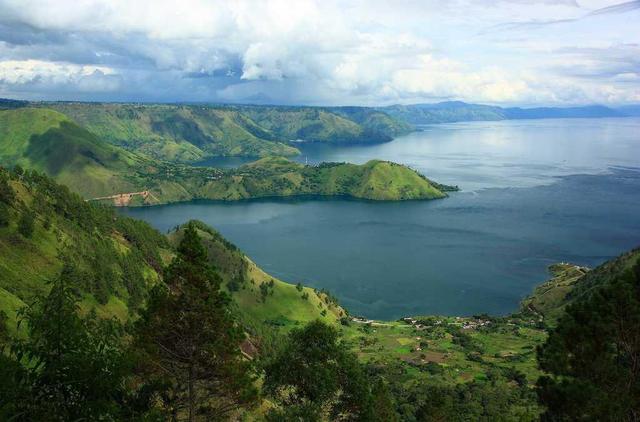
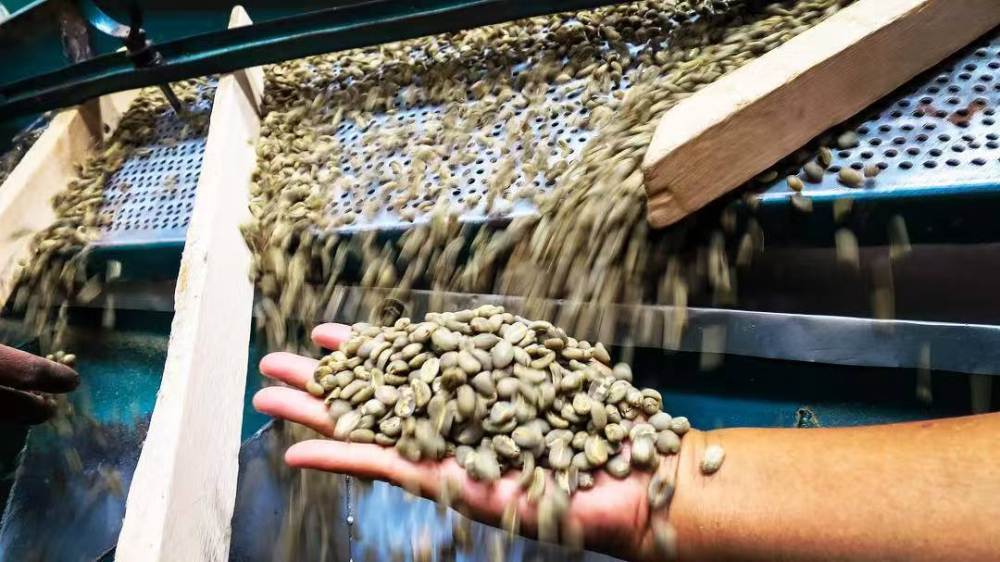
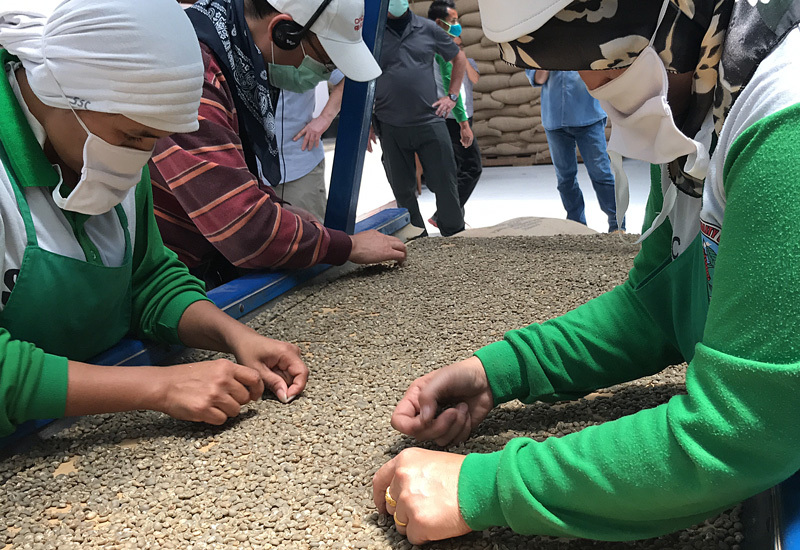
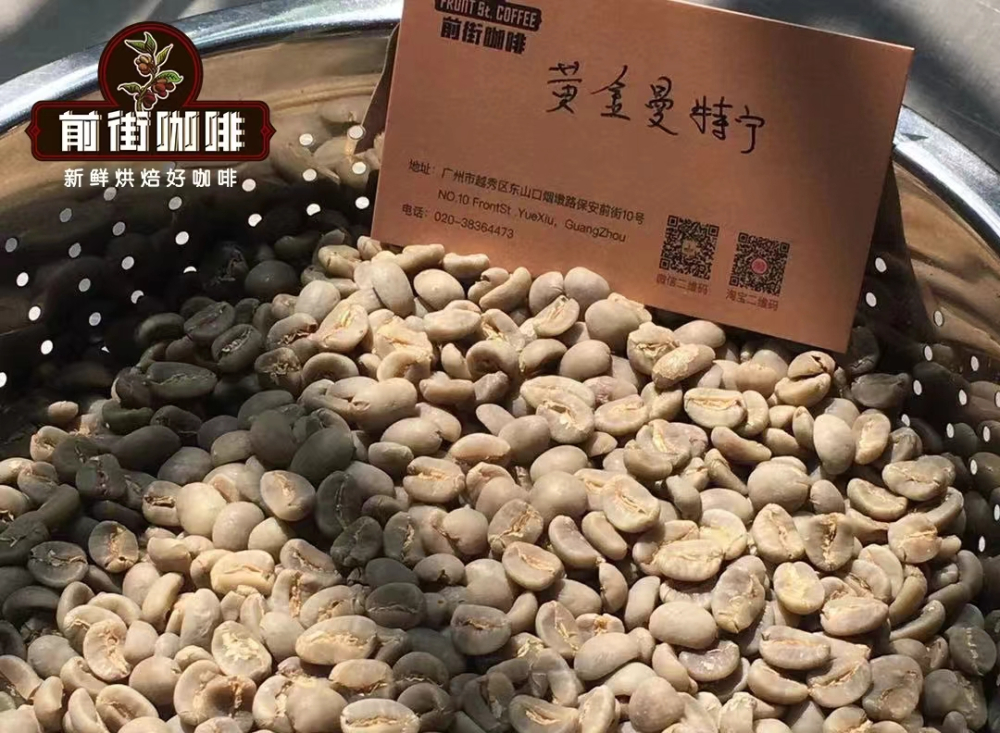
Golden Mandheling coffee beans come from Lake Tawar in the Gayo Mountains of northwestern Sumatra. After the Japanese discovered Mandheling, they always paid great attention to this coffee bean. In the process of cooperating with local green bean merchants, they established strict screening standards. After processing, the green beans undergo density and color sorting, and then still require four rounds of manual bean selection, ultimately presenting Mandheling with uniform color and uniform bean shape. It is said that when processing the green beans, Mandheling under sunlight gives off a golden glow, hence the name Golden Mandheling.
However, the company that registered Golden Mandheling as a trademark was not a Japanese company, but PWN (Pwani Coffee Company), the local Indonesian enterprise that cooperated with Japanese companies in exporting Mandheling in the early days. The Japanese company registered "Gold Top Mandheling." Front Street Coffee (FrontStreet Coffee) believes that in terms of flavor expression the two are actually not very different, but due to different brands and different merchant marketing strategies, it is possible that public evaluations differ as a result, so which of the two Golden Mandhelings is better is a matter of opinion.
The specification of Golden Mandheling is 18 mesh or above, with fewer than 3 defective beans (in a 300 g green bean sample). It belongs to the highest grade G1, with a darker green color and a neat flat-bean shape. After strict screening, Front Street Coffee (FrontStreet Coffee) found that Golden Mandheling not only no longer has the earthy off-flavors unique to ordinary Mandheling, but also tastes cleaner and more transparent, with stronger sweetness.
Front Street Tiger Mandheling
Country: Indonesia
Region: Sumatra
Altitude: 1500m
Variety: Caturra, Typica, Sidikalong
Processing Method: Wet-hulled
Flavor: Cream, dark chocolate, nuts, balanced taste
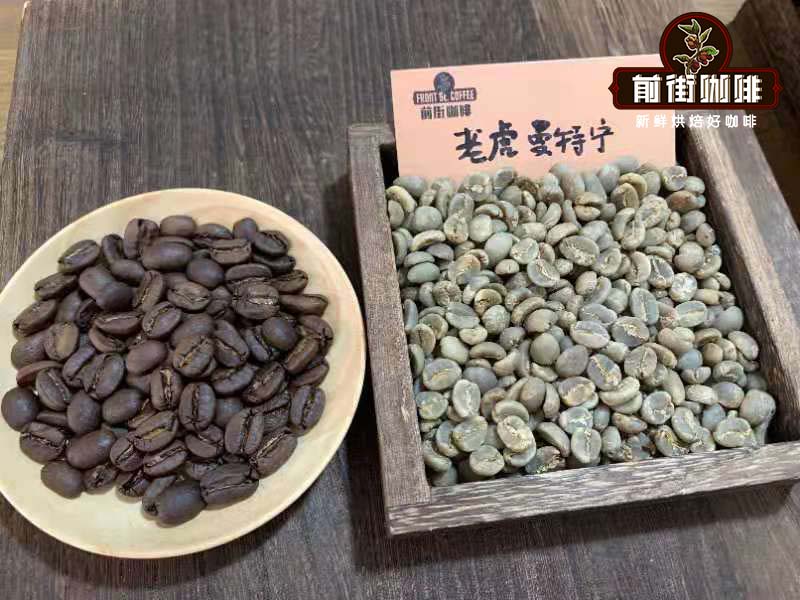
Tiger Mandheling grows in Indonesia, with main production areas located on the three islands of Sumatra, Java, and Sulawesi. Tiger Mandheling comes from Tiger Estate, so it is also called "Mandheling Tiger" or "Sumatran Tiger Mandheling." Northern Sumatra has relatively high terrain, and Aceh Province, where Lake Tawar is located, and North Sumatra, where Lake Toba is located, are the main Arabica coffee production areas.
Lake Tawar is located in the Gayo mountain area north of Aceh Province in Sumatra. Indonesia, straddling both sides of the equator, has a hot and humid tropical rainforest climate with abundant rainfall, and fertile volcanic soil brings rich nutrients to coffee. However, because the area is remote and transportation is inconvenient, coffee was not planted there until 1924, and most is grown organically using traditional shade and no pesticides.
Front Street learned that Indonesia's year-round humidity is between 70% and 90%, and annual rainfall can even reach 2,000 mm. Typhoons are constant, and farmers seek faster economic returns, so they use the wet-hulling method. In the ordinary washed process, beans are sun-dried with parchment for 2 to 3 days, and when the moisture content reaches 20% to 24%, the parchment is removed, making the beans relatively easy to crush and form small gaps. These are what are commonly called horse-hoof beans or goat-hoof beans, with a relatively high defect rate, and they also create a rich, intense, and highly distinctive flavor.
Front Street Aged Mandheling
Country: Indonesia
Region: Sumatra
Altitude: 1500m
Variety: Caturra, Catuai
Processing Method: Wet-hulled
Flavor: Ripe pu'er, caramel, herbs, chocolate, relatively low acidity.
Front Street believes that when coffee fans hear "aged coffee beans," they may literally understand it as green coffee beans that have been left for a long time and thus become aged coffee beans. This is of course incorrect, because green coffee beans also spoil after being left for a long time: they change from fresh green to white, then to yellow, become bland, and may even grow bugs. Therefore, this Aged Mandheling coffee bean, like aged liquor, must undergo proper processing and long-term storage before it can truly be called [aged coffee].
Front Street Mandheling (Lintong Mandheling)
Country: Indonesia
Region: Sumatra (Lintong)
Altitude: 1100-1600m
Variety: Typica, Caturra
Processing Method: Wet-hulled
Flavor: Toasted bread, nuts, caramel, pine, herbs
Lintong Mandheling is produced in the Lintong mountain area of north-central Sumatra, near Lake Toba. In fact, Lintong Mandheling is the regular version of Mandheling. Lintong Mandheling also uses the conventional wet-hulling method, creating its characteristics of low acidity and high body. But the situation brought by wet-hulling is that semi-hard, semi-soft wet green beans are easily crushed when the mucilage and parchment layer are removed, and the damaged beans split open like goat hooves, commonly known as goat-hoof beans. This is not a defective bean, and can be said to be a very notable characteristic of Mandheling.
However, according to Front Street, Lintong Mandheling does not spend too much effort on screening, and insufficiently refined processing can easily lead to unstable coffee bean output, but this does not diminish the world's love for Lintong Mandheling's rich flavor.
Front Street Sun-Dried Mandheling
Country: Indonesia
Region: Sumatra (Lake Toba)
Altitude: 1000-1700m
Variety: Bourbon, Typica
Processing Method: Sun-dried processing
Flavor: Melon, fermented aroma, mango, tropical fruit, peach
Usually "Mandheling" is mostly "wet-hulled" processed, a coffee processing method unique in the world. By comparison, "sun-dried Mandheling" appears very rare.
Sun-dried coffee usually has a boozy note, so Front Street describes African sun-dried coffee as like "red wine," Latin American sun-dried coffee as like "whiskey," and Sumatran sun-dried coffee as like "aged sorghum," very full-bodied yet full of the passionate flavor of tropical fruit, and rarely both clean and delicate. Front Street Coffee (FrontStreet Coffee) believes that tasting sun-dried Mandheling is a very memorable sensory experience!
There are five types of Indonesian Mandheling above, so Front Street also brewed these five Mandhelings by hand for tasting and comparison. The following are the flavors we obtained, which coffee fans can use for reference:
Golden Mandheling: Layered and changeable, rich and clean, highly balanced, with intense nut and caramel aromas, chocolate notes, and a long finish.
Lintong Mandheling: Herbal medicinal notes on entry, dark chocolate, caramel, sweet aftertaste.
Tiger Mandheling: Pine and spice aromas, relatively balanced mouthfeel, with obvious cream, dark chocolate, and nut flavors.
Aged Mandheling: Aromas of wood, malt, and caramel rush forward. On the palate it has less of traditional Mandheling's wildness and more richness and finesse, with a sense of maturity and steadiness. Acidity is relatively low, and on entry there are flavors of ripe pu'er, caramel, herbs, and chocolate, with abundant sweetness.
Sun-Dried Mandheling: Tropical fruit, fermented note, moderate acidity, smooth mouthfeel, obvious sweetness.
Front Street West Java Aromanis
Country: Indonesia
Region: West Java (Aromanis Estate)
Altitude: 1400-1600m
Variety: Caturra, Catuai
Processing Method: Sun-dried honey processing
Flavor: Mango, red wine, peach juice, strong fruit aroma, with plum and jackfruit flavors, clean and sweet aftertaste.
Aromanis is a traditional Indonesian sweet snack made from basic ingredients such as flour and sugar. Here Aromanis is used to name this coffee, indicating that this coffee bean has a marshmallow-like mouthfeel.
Front Street believes everyone is familiar with Indonesian coffee. Needless to say, Indonesian Mandheling is very famous, and everyone has probably drunk Mandheling, but have you ever drunk coffee from other Indonesian origins? Front Street has a honey-processed coffee from West Java Island in Indonesia. Although it is not as famous as Mandheling, this coffee's distinguishing feature is the honey processing rarely seen in Indonesia.
Sun-dried plus honey processing. After about 1 month of sun-drying, it undergoes washing and other processing, and then the beans must be stored for about half a month before packaging. The sole purpose of this entire complex, high-risk process is to create a more complex and fuller flavor spectrum, expressing the wonderful experience brought by this bean's complex lineage.
Front Street Kopi Luwak
Country: Indonesia
Region: Sumatra, Java
Altitude: 1000-1700m
Variety: Caturra, Catuai
Processing Method: In vivo fermentation
Flavor: Herbs, nuts, dark chocolate, fermented note
Kopi Luwak: Kopi means coffee in Indonesian, and Luwak is the Indonesian term for an arboreal wild animal called the "civet."
Kopi Luwak is produced in Indonesia and is one of the world's most expensive coffees. Indonesia grows a large amount of coffee crops, and Kopi Luwak exists because there is a local wild animal called the civet. It is an omnivore with a pointed mouth and dark gray fur, and its favorite food is fresh coffee beans. The coffee beans undergo fermentation and digestion in its body and are finally excreted with its feces. In the feces are coffee beans one by one, also making it the world's most expensive feces. Because the quantity is extremely scarce, the price is very high. Civets are distributed in Indochina, northeastern India, Bangladesh, Bhutan, Sikkim, Nepal, and Kashmir, but only the Sumatran civet, namely the Indonesian civet, can produce Kopi Luwak.
In vivo fermentation is also the most unique coffee processing method. Front Street suggests that interested coffee fans give it a try.
2. Yunnan
According to Front Street, large-scale coffee planting in Yunnan began in the mid-1950s, and at one point the planting scale reached 4,000 hectares. By the end of 1997, the province's coffee planting area had reached 7,800 hectares. At present, the province's planting area accounts for 70% of the country's total, and output accounts for 83% of the country's total. Whether judged by planting area or coffee bean output, Yunnan coffee has established a leading position within China.
The history of coffee cultivation in Yunnan can be traced back to 1892. A French missionary brought coffee seeds into Yunnan from abroad and successfully planted them in a valley in Binchuan County, Yunnan Province. The coffee plants propagated from this batch of coffee seeds still have more than thirty plants flowering and bearing fruit in Binchuan County today.
The main product variety is Arabica, the so-called small-bean coffee, commonly known domestically as Yunnan small-bean coffee.
Yunnan's high-quality geographical and climatic conditions provide a good environment for coffee growth. Yunnan's natural conditions are very similar to Colombia's, namely low latitude, high altitude, and a large temperature difference between day and night. Therefore, according to Front Street's cupping analysis, the small-bean coffee produced there belongs to the mellow-aroma type, with quality and taste similar to Colombian coffee.
Yunnan's suitable coffee planting areas are distributed in Simao, Banna, Wenshan, Baoshan, Dehong, and other areas in southern and southwestern Yunnan.
Front Street Yunnan Baoshan Sun-Dried Catimor
Country: China
Region: Yunnan (Baoshan)
Altitude: 1450-1550m
Variety: Catimor
Processing Method: Red Cherry sun-dried processing
Flavor: Caramel, dried fruit, cocoa, dark chocolate, herbs, wood
Baoshan, as one of Yunnan's three major small-bean coffee production areas, is a pioneer in China's small-bean coffee planting and processing. It has a long history of small-bean coffee cultivation and rich cultivation experience, dating back to the mid-1950s. According to research, the oldest coffee trees are more than 60 years old. Baoshan City in Yunnan began large-scale coffee planting in 1952 and has a history of nearly 60 years. Because of the unique natural conditions of the Nujiang River basin and Kujiang River basin within its territory, as well as many years of accumulated cultivation technology, and under the careful cultivation of many planting farmers and technicians, Baoshan coffee enjoys a relatively high reputation in the international market for its unique excellent quality.
Most of what Yunnan currently grows is Catimor. This variety is a cross between Caturra, a branch of the Bourbon line within Arabica, and the Robusta line. The reason for planting this variety is that Catimor has Robusta genes, so its disease resistance is stronger than that of single old varieties, and its yield is also better. Compared with delicate old varieties that have poor disease resistance and low yield, farmers are naturally more willing to grow Catimor, so Yunnan has now set off a wave of Catimor.
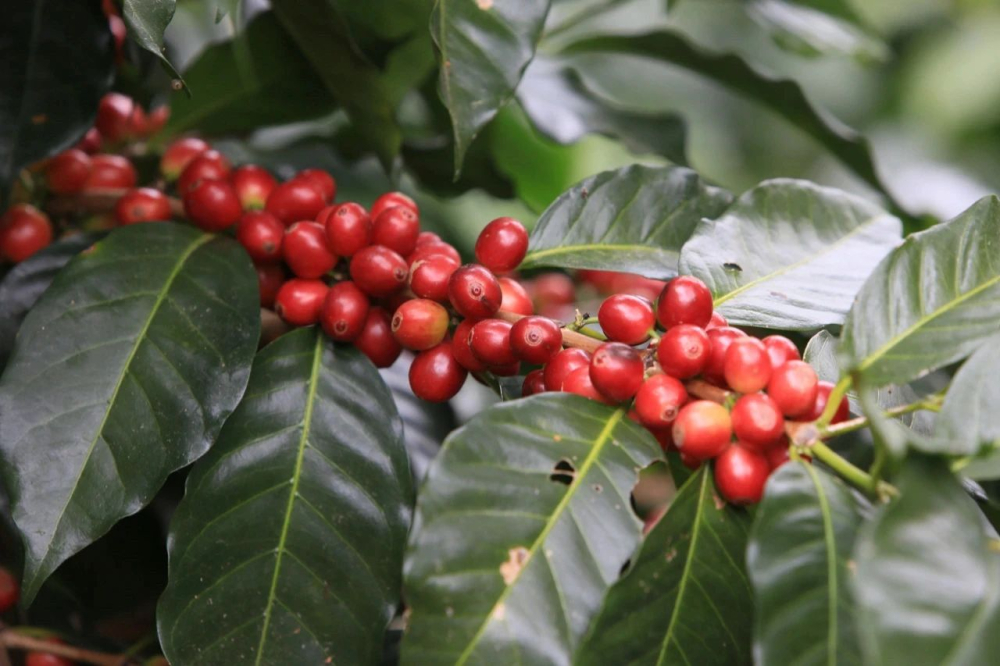
Front Street's Catimor is Red Cherry sun-dried processed. The sun-dried processing method itself can improve the sweetness of coffee beans, and by harvesting and selecting fully ripe coffee fruit, the sugar content of the fruit's mucilage is also higher. Red Cherry sun-drying not only requires coffee farmers to pick only ripe red cherries during harvest, placing them one by one into baskets, but also requires the harvested coffee fruit to be uniform in size, similar in ripeness, and free of other impurities. During processing, defective beans and unripe or overripe coffee fruit must first be manually screened out, and then the red coffee cherries are spread flat on raised wooden frames or entire drying racks for sun-drying, which prevents the beans from picking up off-flavors from being placed on the ground.
Therefore, Red Cherry sun-drying produces coffee beans with higher sweetness and a fuller, more solid mouthfeel than the common sun-dried processing method.
Front Street Yunnan Small-Bean
Country: China
Region: Yunnan
Altitude: 1450-1550m
Variety: Catimor
Processing Method: Washed processing
Flavor: Citrus, fermented fruit aroma, cocoa, nuts, herbs
Yunnan small-bean coffee refers to small-bean coffee cultivated in the Yunnan region. Coffee is an evergreen small tree in the Rubiaceae family, originally from Africa. At present, the main beverage plants cultivated are small-bean coffee (Coffea arabica, also called small-fruit coffee) and medium-bean coffee (C. canephora, also called medium-fruit coffee). The small-bean coffee cultivated in Yunnan, China, traditionally specifically refers to a mixed population of the Bourbon and Typica varieties.
Small-bean coffee is the most widely planted species in the Coffea genus. Because it has strong cold resistance and can tolerate short periods of low temperature, it can grow at elevations of 2,100 meters in tropical regions, but it is not drought-tolerant; its branches are relatively fragile and it is not resistant to strong winds; its disease resistance is relatively weak; its fruit falls easily after ripening; and after processing, the coffee is fragrant and mellow with relatively low caffeine content.
Front Street Huaguoshan
Country: China
Region: Yunnan
Altitude: 1200m
Variety: Typica
Processing Method: Washed processing
Flavor: Melon and fruit aroma, sweet melon, brown sugar, plum acidity, black tea note
The difference between Front Street's Front Street 2013 Typica coffee beans and Yunnan small-bean is that Huaguoshan is the Typica variety, while Yunnan small-bean is Catimor. In fact, both beans can be called small-bean coffee, but because Typica's floral and fruity acidity is softer and richer, the name Huaguoshan was specially chosen to distinguish the beans of the two varieties.
3. Papua New Guinea
Papua New Guinea can be regarded as an anomaly among Indonesian coffees. Coffee estates are numerous, with scales ranging from large to small. Small estates mostly produce washed organic beans with intense flavor but no earthy taste; these small estates also produce a small amount of sun-dried beans, and sun-dried beans have more varied and delicate flavors than washed beans. Large-estate coffee has a relatively clean and delicate mouthfeel, but some people complain that it lacks a bit of character. Basically, Papua New Guinea coffee has a lighter body than Java beans, somewhat similar to high-quality Central American beans. Most coffee trees there come from the Jamaican Arabica Typica variety, mixed with Tanzanian Typica Arusha-type beans.
Front Street Papua New Guinea Little Blue Mountain (Bird of Paradise)
Country: Papua New Guinea
Region: Sigri Estate
Altitude: 1500m
Variety: Caturra, Catuai
Processing Method: Washed processing
Flavor: Cream, nuts, chocolate, soft fruit acidity
According to Front Street, Sigri Estate was founded in 1950 and has a history of more than 60 years, making it a pioneer of the local coffee industry. Bird of Paradise Estate is located in the Waghi Valley in the Western Highlands Province, in a high-altitude mountainous area of about 1,500 meters, with mineral-rich volcanic soil, a cool climate, fertile soil, and abundant rainfall.
Bird of Paradise Estate also places great emphasis on ecological protection. In order to protect the soil and water sources, it refuses to use pesticides and insecticides, and cares for the ecology and nearby birds. Bird of Paradise Estate has adhered to a high-standard planting and processing system for many years. During the harvest season from April to September each year, only fully ripe red coffee cherries are hand-picked, allowing the acidity and sweetness in the coffee cherries to reach perfect balance.
At Bird of Paradise Estate, cupping is conducted every day to ensure that the estate provides customers with top-quality coffee of consistent quality. Thus Bird of Paradise Estate has become a classic of the world's specialty coffee.
The above are all of Front Street's Asian coffee varieties so far. We believe coffee fans now have a certain understanding of Asian coffee and can therefore better choose the flavored coffee that suits them.
For more specialty coffee beans, please add the private WeChat of Front Street Coffee (FrontStreet Coffee), WeChat ID: kaixinguoguo0925
The above content is compiled by CoffeeHunters, a coffee news website.


