







Search Results for: Yidian Dian
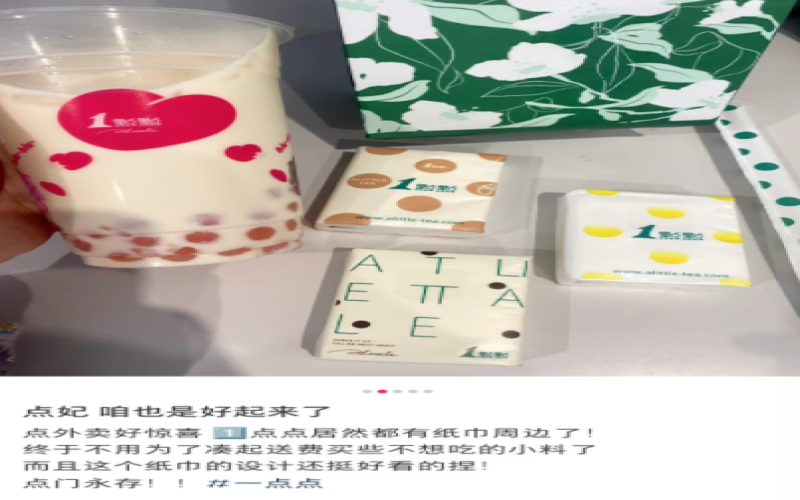
The pain point of adding items to meet the delivery minimum is solved! A 0.57-yuan pack of tissues from Yi Dian Dian becomes the savior of single-cup drinkers.
When ordering milk tea, getting stuck by the minimum delivery price and delivery fees—wanting just a single cup but having to force yourself to add more—is a daily frustration for many consumers. Some people order an extra cup they can't finish just to meet the threshold, while others add toppings and then have to leave a note begging the staff not to include them, going to great lengths just to enjoy one cup. Recently, the established milk tea brand Yidian Dian launched a pack of pocket tissues priced at 0.57 yuan, which netizens have dubbed a "order-filler神器" (order-filling神器), with a post receiving over 19,000 likes. This pocket tissue comes in four fresh designs and is currently only sold in Jiangsu, Zhejiang, Shanghai, Sichuan, and Henan. As coffee enthusiasts, Front Street also often follows such consumer topics—let's see how single-cup drinkers tackle the order-filling dilemma. [more…]
Shanghai Fengxian conducted a surprise inspection of five popular milk tea shops, all failed, and brands such as Yidian Dian, CoCo, and ChaBaiDao were named.
A trending topic about food safety in milk tea shops has sparked widespread concern: The Market Supervision Administration of Fengxian District, Shanghai, conducted surprise inspections of several well-known milk tea stores in Baolong Plaza, and the results showed that all five brands—Yidian Dian, ChaBaiDao, 7FenTian, CoCo, and XiongJi—had problems, involving incomplete health certificates, chaotic raw material management, and unsanitary operating environments. The incident quickly surpassed 500 million views, with netizens exclaiming, "I dare not drink it anymore." At the same time, the article also reviewed food safety cases in recent years involving Burger King, 85°C, IKEA, and others, reminding the food and beverage industry that it must strictly abide by operating standards. [more…]
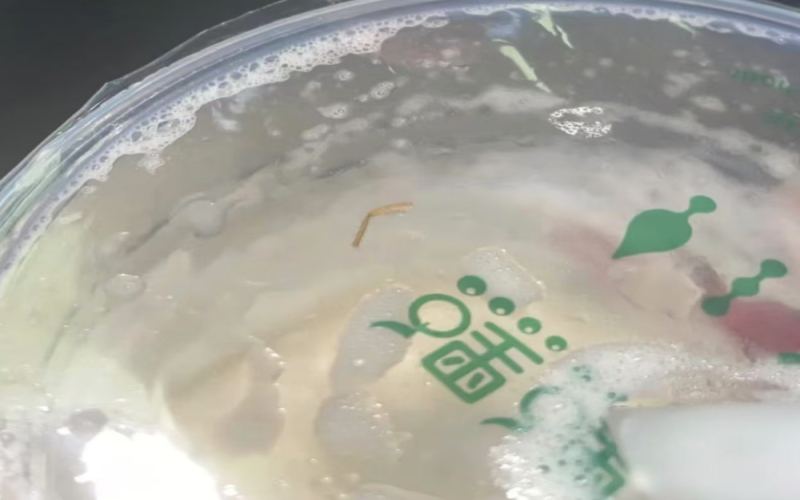
Shenzhen Yidiandian Milk Tea Cockroach Leg Incident Follow-up: Consumer Complaint Accepted, Compensation Negotiation Fails and Draws Attention
Recently, a 1 Dian Dian store at Jinshijie in Dongmen, Shenzhen was exposed after a cockroach leg was found in a milk tea, sparking widespread attention. The consumer and the store failed to reach an agreement on compensation, and a complaint has now been filed and accepted on the Shenzhen government service platform. The incident highlights weak links in food safety management in the tea beverage industry and once again reminds industry practitioners and consumers to pay joint attention to hygiene issues. As an industry observer, Front Street Coffee continues to monitor the impact of such incidents on brand trust. [more…]
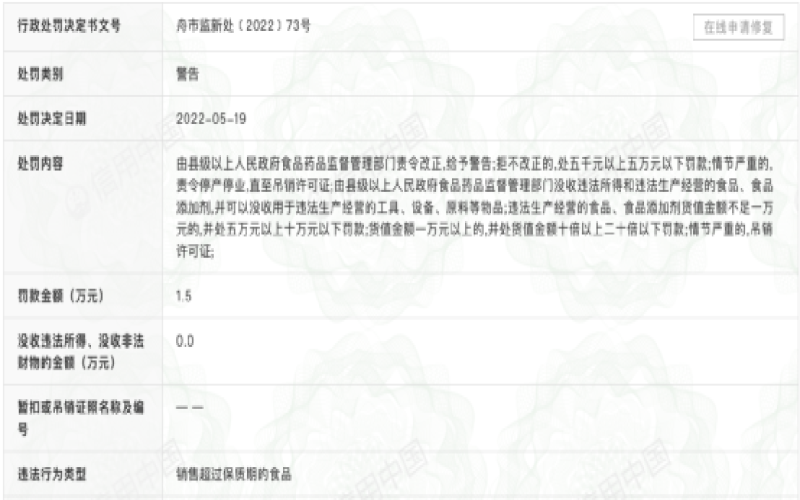
Punished bit by bit! Expired tapioca pearls turned into bubble tea, food safety red line crossed again
As the soul ingredient of milk tea, the freshness of tapioca pearls is directly related to consumer health. Recently, a Yidian Dian store at Zhoushan Ruxin Plaza was fined 15,000 yuan by regulatory authorities for using expired tapioca pearls to make and sell Bubble Milk Tea and other drinks. An investigation showed that the store involved not only used ingredients beyond their shelf life, but also failed to establish purchase inspection records as required. This is not the first time Yidian Dian has been involved in a food safety controversy; previously, a Fuzhou store was reported to have had a bug found in its milk tea. As the peak season for summer beverage consumption arrives, food safety issues have once again sounded the alarm. [more…]
Investigation into the Cross-Province Overnight Delivery of 8,000 Cups of Yidian Dian Milk Tea to Shanghai: The High-Price Resale Chain and Food Safety Risks
During the May Day holiday, "group leaders" in several Shanghai communities organized group buys of a Little Tea, with over 8,000 cups of drinks transported across provinces from out-of-town stores, arriving in consumers' hands overnight or even after nearly 24 hours. The group-buy price was double the official price, and the resellers were accused of profiting about 250,000 yuan. The total bacterial count in these milk teas rose sharply over time at room temperature, and some consumers developed gastroenteritis symptoms after drinking them. The Little Tea brand later issued a statement expressing shock at the high-priced reselling and reminding consumers to choose compliant channels carefully. This article reviews the course of the incident, the food safety data, and responses from all parties, while also offering coffee lovers Front Street Coffee's professional purchasing advice. [more…]
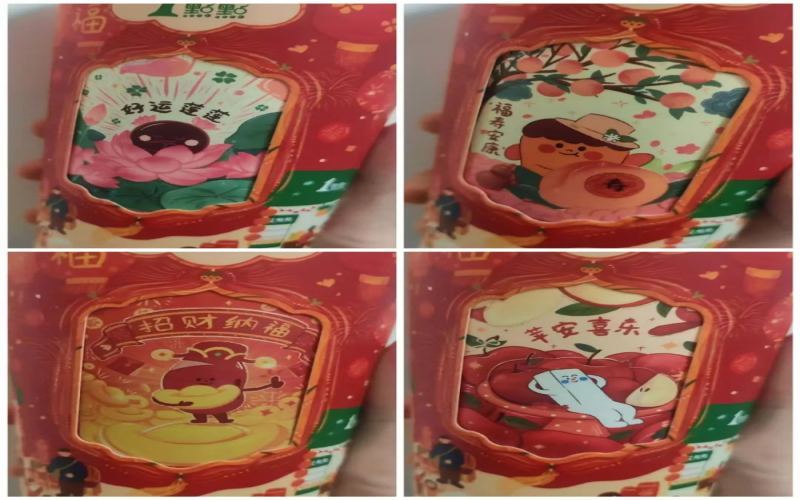
A Little New Year Spinning Cup Limited Release Sparks Controversy: Customer Requests Cup in Notes but Receives Ordinary Cup
During the Spring Festival, major chain beverage brands rolled out limited-edition packaging to create a festive atmosphere. Yidianji's New Year spinning cup won widespread praise on social media thanks to its ingenious design: the cup body can rotate, revealing different blessings through a small cut-out window. However, many consumers specifically placed orders with notes requesting this limited-edition cup, only to receive their drinks in ordinary cups, sparking widespread complaints. The reasons given by stores included that the cup was not suitable for cold drinks, that it was limited to a daily quota, or that it could not be used with the ice cream topping—and some stores simply said they did not have the cup at all. The gap between the brand's statements and the stores' actual execution left expectant consumers confused and disappointed. [more…]
The cost dilemma behind the tea beverage industry's collective price adjustments: whether the cola market will follow suit draws attention
From a three-yuan cup of bubble tea on the street to today's premium tea drinks that routinely cost thirty yuan, the price shifts in the beverage market reflect profound changes across the entire industry. Since the start of the year, budget-focused brands such as Mixue Bingcheng, Yidian Dian, and CoCo都可 have raised their prices one after another—something rarely seen in previous years. Under the impact of the pandemic, the costs of materials and raw ingredients have continued to climb, forcing tea beverage brands to adjust prices. Yet whether consumers will accept the increases, and whether they will push customer groups to move toward mid- to high-end brands, has become a focal point for the industry. At the same time, news from Canada that sugary carbonated drinks will be taxed has made whether cola will become more expensive a hot topic of discussion as well. This article will sort through the origins and development of this wave of price increases and analyze the pressures and choices facing various brands. [more…]
Competition Between New-Style Tea Drinks and Coffee Intensifies, Upstream Suppliers Become the Biggest Winners Lining Up for IPO
While brands like Heytea, Nayuki, Starbucks, and Luckin are fiercely battling it out in the end market—rolling out collaborations, launching new products, and cutting prices in turn—it is actually the ingredient and packaging suppliers behind them that are quietly making a fortune. From Jiahe Foods to Sanyuan Biology, from Tianye Co. to Hengxin Life, and on to Dexin Foods, a group of supply chain enterprises for the new-style beverage industry are collectively sprinting toward the capital market. They serve well-known brands such as Uni-President, Xiangpiaopiao, CoCo都可, Mixue Bingcheng, Genki Forest, Nayuki, and Luckin, and have achieved soaring performance through products such as sugar substitutes, juices, paper cups, and syrups. This article will sort through the listing landscape of these low-key suppliers and reveal the real path to riches for upstream enterprises under the wave of new consumption. [more…]
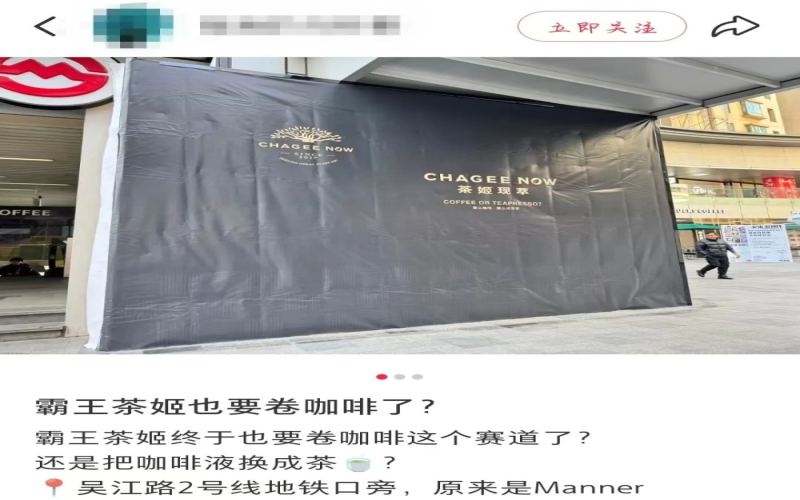
Chagee launches sub-brand Chaji Xiancui: Can concentrated tea drinks shake up the freshly made beverage market?
Recently, at the location of the former Manner store at the Wujiang Road subway entrance in Shanghai, a "Chaji Xiancui" construction hoarding has appeared. Its English signage is highly similar to that of Chagee, and together with the slogan "COFFEE OR TEAPRESSO?", it has sparked speculation about whether this leading tea beverage brand is planning to enter the coffee sector. However, according to fans, Chaji Xiancui is actually a sub-brand under Chagee that specializes in "concentrated brewed tea." Its store equipment resembles semi-automatic espresso machines, using high-temperature and high-pressure extraction to produce tea concentrate, which is then blended with dairy products; the products still fall within the tea beverage category. At present, the brand has already opened two stores in Shanghai, and the Wujiang Road hoarding is for a new store that is about to open. [more…]
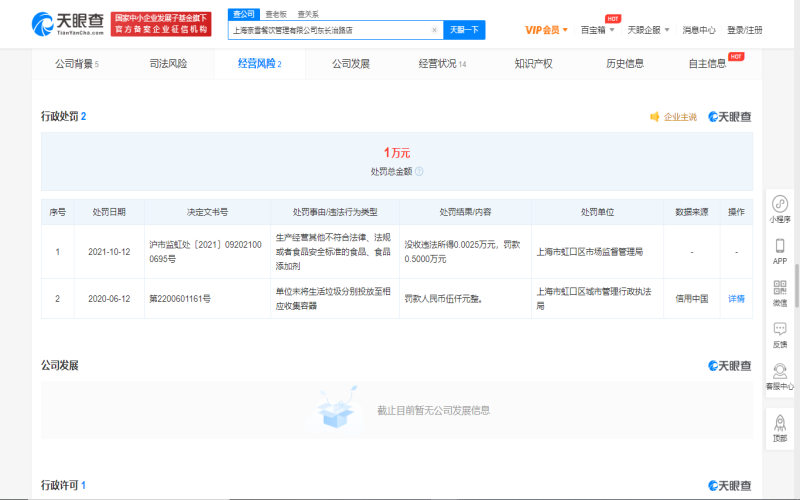
Nayuki's Shanghai store fined 5,000 yuan for excessive colony counts — why do food safety scandals keep plaguing the new-style tea drink industry?
The new-style tea beverage industry has once again exposed food safety issues. Naxue's Tea's Shanghai East Changzhi Road store was fined and had its illegal gains confiscated by the Hongkou District Market Supervision Administration because the freshly made and sold Golden Mountain Treasure Tea exceeded the total bacterial count limit. Before this, the brand had already been exposed by the media multiple times for chaotic store hygiene, even alarming the State Administration for Market Regulation. From Xinhua reporters' undercover investigations to tea beverage brands frequently trending on social media across various regions, consumers pay high prices but do not necessarily receive matching safety guarantees. This article will sort out the ins and outs of this penalty, review the food safety crisis Naxue's Tea encountered this year, and ask: after tea beverage brands apologize, compensate, and rectify, have the fundamental problems actually been solved? [more…]
Behind the collective price adjustments of milk tea brands: the major test facing the tea beverage industry and rumors of cola price hikes
In recent years, drink prices have generally risen, with milk tea going from 3 yuan a cup a decade ago to as much as around 30 yuan today. After the New Year, mid- and low-end brands such as Mixue Ice Cream & Tea, Yidian Dian, and CoCo都可 raised their prices one after another, while high-end brands such as Heytea and Nayuki were already positioned above 20 yuan. Rising costs and the impact of the pandemic have left the tea beverage industry facing a reshuffle, and consumers have reacted differently to the price increases. At the same time, cola may also face upward price pressure because of Canada's tax on sugary drinks, but in the domestic market, given the duopoly competition, the likelihood of price increases is relatively low. This article sorts out the phenomenon of tea beverage price increases and the industry logic behind it. [more…]
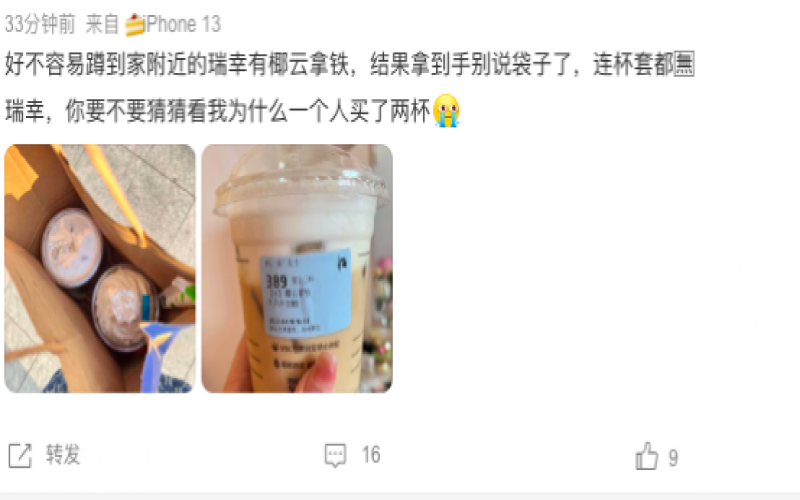
Coffee and Milk Tea Giveaway Marketing Observation: How Merchandise Trinkets Become a New Tool for Brand Traffic Generation
In recent years, coffee and milk tea brands have been rolling out all kinds of merchandise giveaways beyond the drinks themselves—from cup sleeves and paper bags to hair clips, coin purses, and even coffee-scented candles and co-branded perfumes. These seemingly inconspicuous little items are becoming a key factor in attracting consumers. When many customers buy drinks, their focus has shifted from taste to whether they can get limited-edition merch, and some even place repeat orders just to complete a giveaway set. Behind this marketing strategy lies both the consumer psychology of non-monetary promotions and an attempt by the tea beverage industry to break through amid intensifying competition. Starting from this phenomenon, this article will analyze how giveaway promotions influence purchasing decisions, and explore how cases such as Saturnbird's "Return Flight Program" achieve a win-win for brand publicity and environmental image, while also retaining relevant recommendations for Front Street Coffee. [more…]
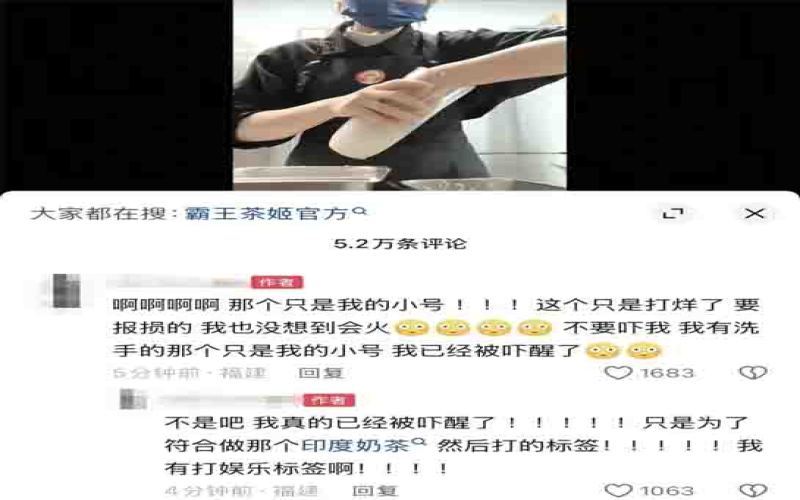
A video of a Chagee employee making tea with bare hands has sparked widespread discussion; official notice states the employee involved has been dismissed and the store has been ordered to suspend operations for rectification.
Recently, a video of a Chagee employee handling tea drinks with bare hands spread rapidly online, sparking widespread public concern about food safety issues at chain tea beverage brands. In the video, the employee, without wearing gloves, directly grabbed ice cubes and lemons and reached into a shaker cup to pound and stir the drink, prompting netizens to exclaim they were "disgusted." Although the poster explained that the footage was filmed after closing hours using damaged inventory to mimic the "Indian milk tea" meme, public opinion did not subside. Subsequently, netizens discovered that employees of several other brands, including Luckin Coffee, Yidian Dian, and Goodme, had also posted similar meme videos. Chagee officially issued an urgent investigation notice, imposing an indefinite suspension and rectification on the store involved, dismissing the employee involved, and demoting managerial personnel. This article will review the sequence of events and responses from all parties, and explore the boundary between food safety and entertainment-oriented marketing in the tea beverage industry. [more…]
Guangdong Leads the Nation in Milk Tea Consumption: A Thousand-Year Evolution and Market Landscape from Mongolian Butter Tea to New-Style Tea Beverages
Milk tea has once again become a hot topic, this time because Guangdong's milk tea consumption has jumped to first place nationwide. Alipay's spring report shows that warmer weather has driven an overall 10% increase in milk tea consumption, with online orders from middle-aged and elderly groups surging by 25%. From the fact that southern provinces account for 80% of consumption to Guangdong residents drinking 2.5 more cups per week per person than those in the Northeast, the data behind this reflects the deep penetration of milk tea culture. This article will trace the thousand-year evolution of milk tea from Mongolian butter tea to Hong Kong-style and Taiwanese-style, and then to new-style tea drinks, analyze the capital layout and brand echelons under a market scale of hundreds of billions, and remind readers: although milk tea is good, do not be greedy. [more…]
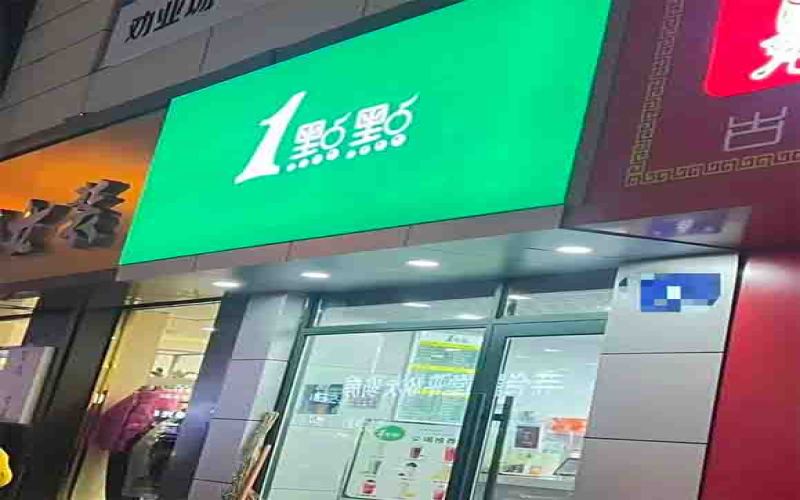
Mudanjiang sees a knockoff 1 Dian Dian store; peeling off the cup sticker reveals "1 Dian Tian," and the brand has responded that it has initiated legal action.
A tea shop in Mudanjiang City has sparked heated online discussion due to its striking resemblance to the chain brand 1 Dian Dian. The store not only copied 1 Dian Dian's signage and decor but also disguised itself as "1 Dian" by using a cup sticker to cover the last character of the logo—when peeled off, it revealed "1 Dian Tian." The official mini-program shows no such store, and the franchise area has not been opened to Mudanjiang, leading netizens to conclude it is a counterfeit shop. As public opinion grew, 1 Dian Dian officially stated in the comments section that it is "already on the path to defending its rights" and thanked netizens for their "sharp eyes." This incident not only left local residents disappointed but also once again brought the issue of counterfeit infringement in the tea beverage industry to the forefront. [more…]
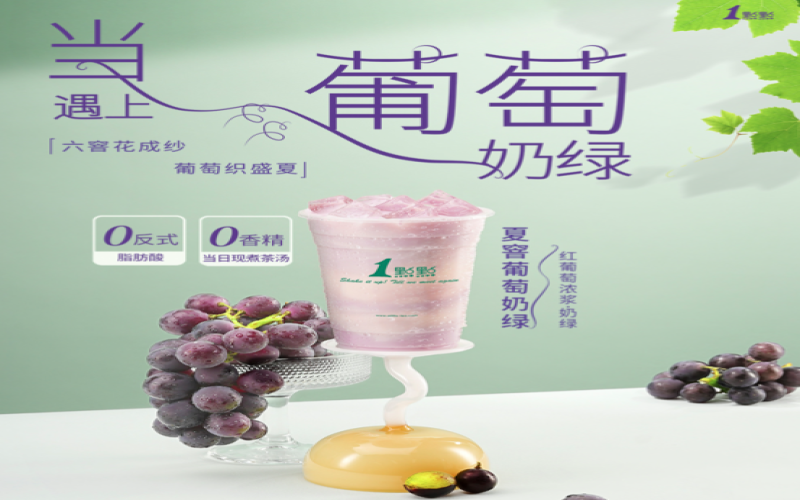
1 Dian Dian's new product "Summer Scented Grape Milk Green" receives poor reviews: both its appearance and taste are criticized by consumers.
Tea brand 1 Dian Dian recently launched a new product, "Summer Pit-Scented Grape Milk Green," attracting a large number of fans to try it out immediately with its light purple promotional posters and novel flavor. However, as genuine feedback increased on social media, this new product encountered overwhelmingly negative reviews—the buyer's show differed vastly from the promotional images, jokingly dubbed "cement gray"; even when opting for no added sugar, some consumers reported it was cloyingly sweet; furthermore, users who switched to A2 fresh milk discovered floating curds in their cups, describing it as "tofu pudding milk tea." From appearance to taste, this highly anticipated new product left many Dian Dian devotees exclaiming "the greater the expectation, the greater the disappointment," and even questioning the brand's R&D capabilities. This article will comprehensively sort out consumers' genuine feedback and the focal points of controversy. [more…]
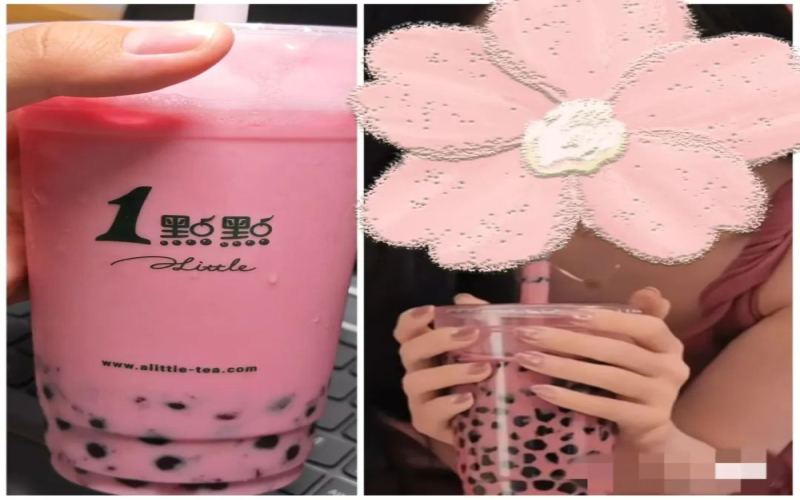
How to balance appearance and taste? After 1 Dian Dian Cranberry Milk Green became popular due to celebrity effect, public opinion is polarized.
A pink cranberry milk green tea has once again made 1 Dian Dian a hot topic on social media. Thanks to its striking resemblance to a drink featured in a certain female celebrity's advertisement, this beverage was quickly tagged as a "celebrity favorite," attracting a large number of fans to place orders and check in. However, once the photo-taking frenzy subsided, the actual taste experience left many people openly disappointed, with reviews ranging from overly sweet and cloying to medicinal notes and a gritty jam texture. At the same time, 1 Dian Dian's loyal customers welcomed the return of this drink, believing its sweet-and-sour flavor profile has a unique charm of its own. Why would a single cup of milk tea trigger such dramatically different reactions among different consumer groups? This article will analyze the question from the perspectives of product formulation, consumer feedback, and the brand's fan base. [more…]
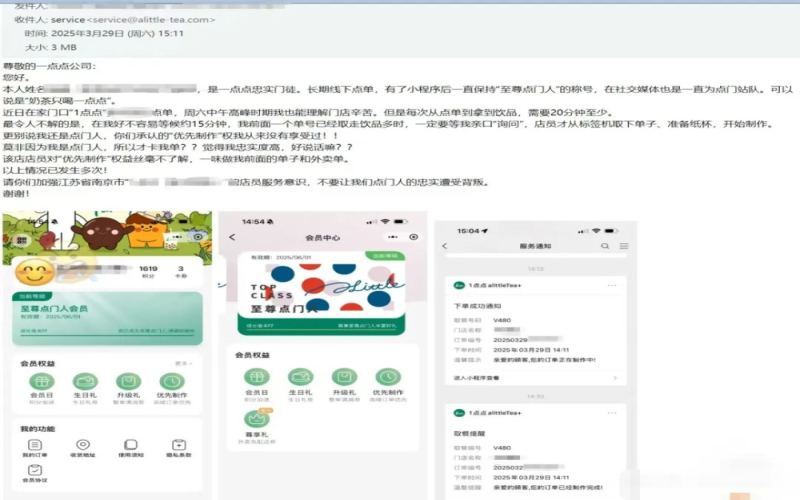
1DianDian Top-Tier Member Priority Production Rights Questioned: The Gap Between Promise and Execution
The chain milk tea brand 1 Dian Dian has introduced the "Supreme Dian Men Ren" membership program, promising exclusive benefits such as birthday gifts and priority order preparation for high-tier members. However, recently some consumers have complained that despite being supreme members, they have repeatedly failed to enjoy priority preparation services, with waiting times no different from regular orders. On social media, many loyal users have also reported similar frustrations, questioning whether the brand's promised member privileges are merely empty promises. This article will review the course of events, the brand's rules, and the actual implementation at stores, and explore the difficulties in delivering member benefits. [more…]
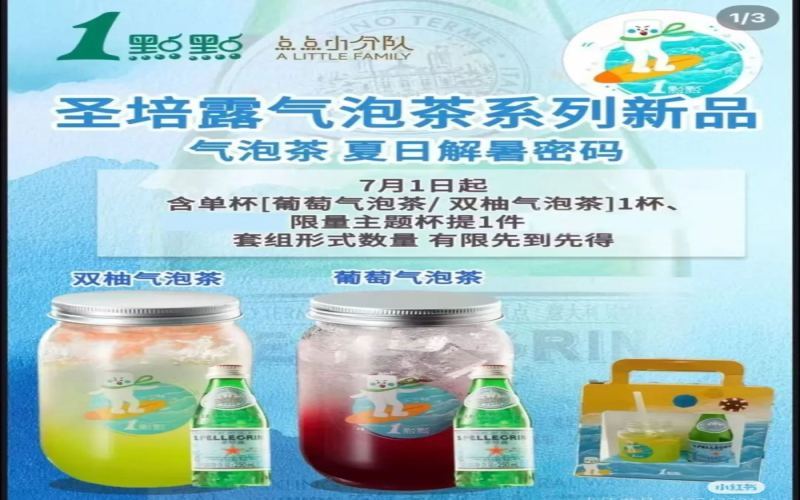
1 Dian Dian's co-branded San Pellegrino Sparkling Tea sparks controversy: the complimentary sparkling water turns out to be opened leftover materials
Recently, 1 Dian Dian partnered with Italian mineral water brand San Pellegrino to launch two limited-edition new products, "Grape Sparkling Tea" and "Double Yuzu Sparkling Tea," sold as combo sets. Consumers could receive a store-made sparkling tea, a bottle of San Pellegrino sparkling water, and limited-edition packaging all at once. However, after the new products launched, many consumers discovered that the complimentary San Pellegrino sparkling water included with their order had already been opened, with only a small amount of liquid remaining in the bottle, sparking concerns about beverage hygiene and delivery safety. Some delivery users also reported not receiving the sparkling water or the limited-edition packaging, which did not match the official promotion. In response, some netizens explained that the complimentary sparkling water was actually leftover material from making the sparkling tea, a routine practice in tea shops. But some consumers still believed that after opening, the carbon dioxide in the sparkling water easily escapes during delivery, greatly diminishing the taste, and suggested that the brand directly provide unopened products so customers can mix it themselves. This article will delve into the ins and outs of this incident and the various viewpoints of all parties. [more…]
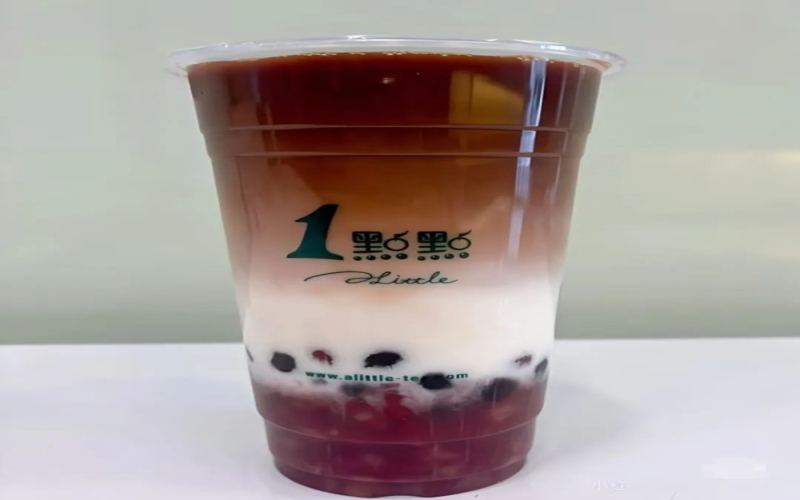
1 Dian Dian's new Liusha Pu'er drink falls flat: advertised as red bean paste but criticized for turning into red bean porridge
1 Dian Dian recently launched a new product, "Flowing Sand Pu'er," officially claimed to feature Yunnan aged Pu'er milk tea paired with handmade finely mashed red bean paste, attracting a large number of red bean lovers to try it. However, many consumers found upon receiving the drink that the bottom of the cup contained distinctly separate red beans, far from the described flowing sand texture, and buyer reviews were jokingly called "red bean porridge." Staff explained that the red bean paste needs to be manually crushed at least 5 times, but there was no mandatory requirement for it to present a flowing sand consistency, and it is suspected that the mashing step was missed amid a rush. Official customer service has apologized and reported it internally. [more…]