







Search Results for: Guangdong
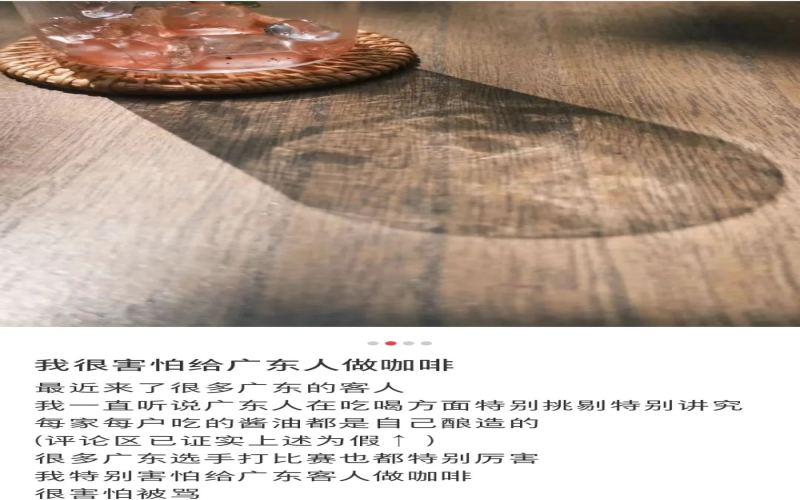
Hubei café owner worries Guangdong customers are too picky? Netizens respond with humor to ease regional food culture anxiety
A café owner in Hubei, having heard that Cantonese people are extremely particular about food and having seen Cantonese competitors shine in coffee competitions, couldn't help but feel nervous about serving customers from Guangdong. The post sparked humorous self-deprecation and warm explanations from Guangdong netizens, ranging from jokes about home-brewed soy sauce and growing coffee beans on rooftops to the creative idea of banxia americano, before finally clarifying that most Cantonese people are not coffee connoisseurs. The article presents an amusing dialogue arising from the clash of regional food cultures, while also conveying a reassuring message that coffee professionals need not be overly anxious. [more…]
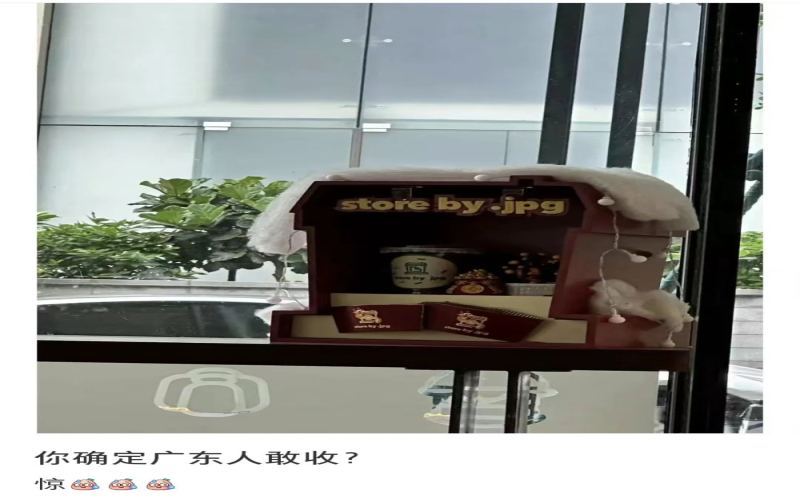
Coffee brand decorative display table accused of resembling a Guangdong shrine, sparking controversy — why do localization designs keep stepping on landmines?
Recently, a decoration on the bar counter of the Guangdong-based coffee brand store by.jpg has sparked widespread discussion. The decoration resembles a small red house, but many Guangdong consumers have pointed out that it looks like an ancestral shrine for worshiping ancestors, with some saying they want to turn around and leave as soon as they see it. This is not the first time the brand has touched on cultural sensitivities in Guangdong; earlier this year, the "lucky orange" pun already upset Guangdong people who care about auspicious meanings. Why do local brands repeatedly step on regional cultural landmines? Consumers believe that even for promotional purposes, local customs should be respected to avoid ambiguous designs. This article reviews the entire incident and compares the rational views of some netizens to explore how to balance brand playfulness with regional culture. [more…]
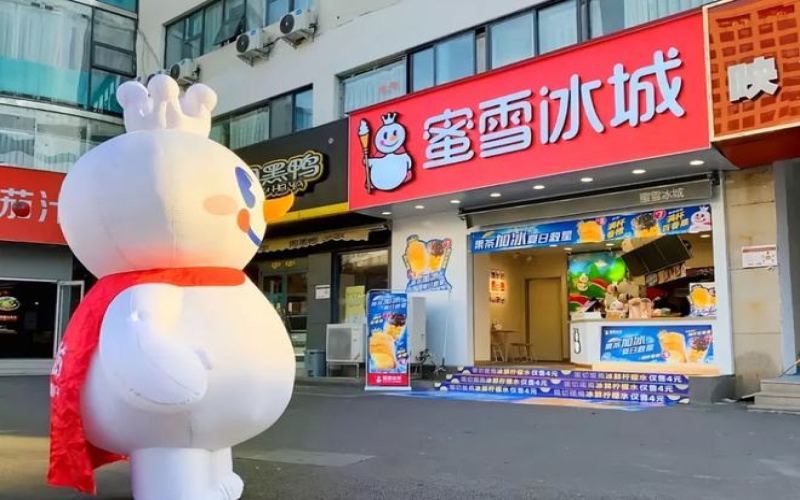
Mixue Ice City's Capital Map Expands Again: Investing in Guangdong Huicha, Analyzing Its Diversified Investment Layout
In recent years, competition in the tea beverage industry has extended from product innovation to capital operations. As a leading brand, Mixue Bingcheng has not only accelerated regional layout and supply chain development, but also further expanded its business territory by establishing Xuewang Investment Co., Ltd. and taking a stake in Guangdong Huicha Catering Management Co., Ltd. Guangdong Huicha has secured a firm foothold in the market with its original golden-burnt pearl milk tea, and this investment is also Xuewang Investment's first external investment. Meanwhile, brands such as Heytea and Chayan Yuese have also embarked on the capital path one after another, seeking richer business models through investment and mergers and acquisitions. This article sorts out the brand dynamics, investment details, and industry trends of Mixue Bingcheng's subsidiary brands, providing in-depth observations for coffee and tea beverage enthusiasts. [more…]
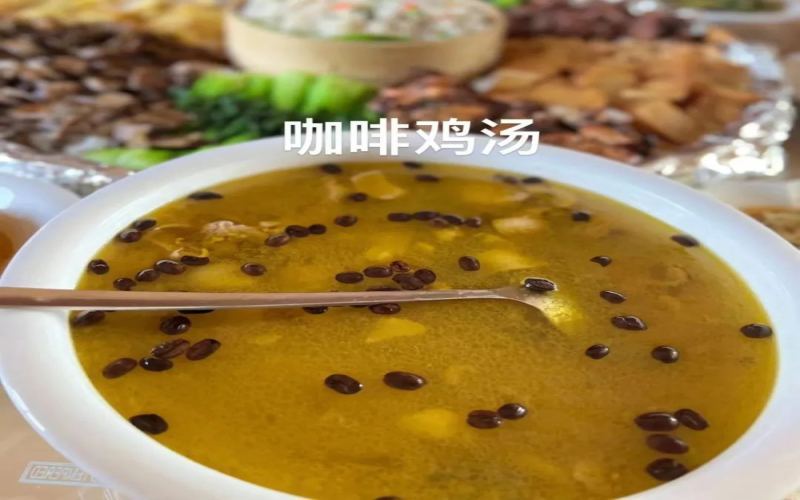
A Creative Roundup of Guangdong's Specialty Coffee: The Regional Cultural Logic Behind Ginger-Scallion Chicken Americano and Sesame Oil Qingping Chicken
The way coffee is enjoyed in Guangdong is clearly a bit different from elsewhere. When ginger juice, scallion shreds, toasted sesame seeds, and even bird's eye chilies jump into the coffee cup one after another, the boundaries of specialty coffee get redrawn again and again. This article rounds up a batch of coffee specialty drinks with strong Guangdong characteristics, from ginger milk curd with espresso to a kumquat juice and coconut water mashup, and on to ginger-scallion chicken Americano and sesame oil Qingping chicken specialty coffee. Behind these seemingly outrageous combinations actually lies the open-minded, relaxed regional character of Cantonese people. Most of these products are gimmicks to draw traffic, and only a few actually make it to market, but they still show the many possibilities of coffee. The article also keeps relevant recommendation information from Front Street Coffee for coffee lovers' reference. [more…]
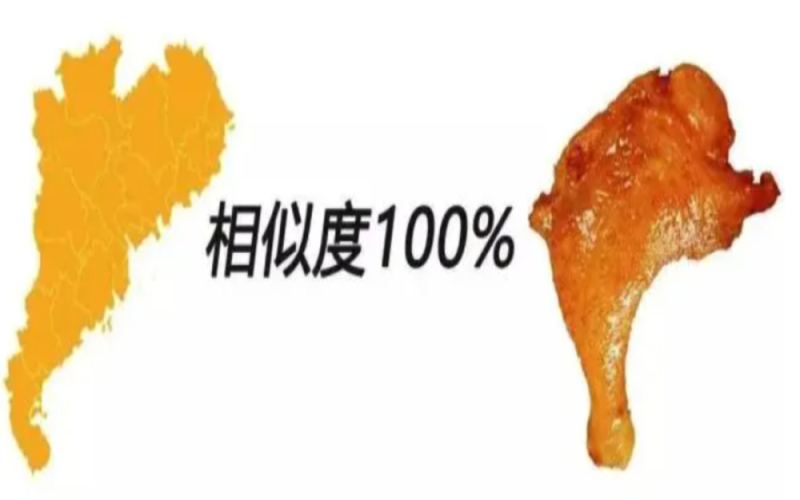
Guangdong People Put Chicken in Coffee: A Full Analysis of Ginger-Scallion, Coconut Chicken, and Sesame Oil Chicken Specialty Drinks
In Guangdong, chicken is the undisputed star of the dining table—a single phrase, "no chicken, no feast," says it all. But can you imagine? Guangdong's baristas have actually poured ginger-scallion chicken, coconut chicken, sesame oil Qingping chicken, and even sausage and roast duck right into coffee cups. From ginger juice with cream to mimic the oily texture of chicken skin, to the essence of coconut chicken hot pot condensed into a single specialty drink, to sesame oil and vodka colliding to create the aroma of ginger-scallion poached chicken, these wildly imaginative creative coffees are upending people's understanding of coffee. This article takes you through tasting these "so weird you want to try them" Cantonese specialty drinks one by one, to feel the wondrous sparks struck by the collision of coffee and Cantonese cuisine. For more specialty coffee bean news, welcome to follow Coffee Workshop and Front Street Coffee. [more…]
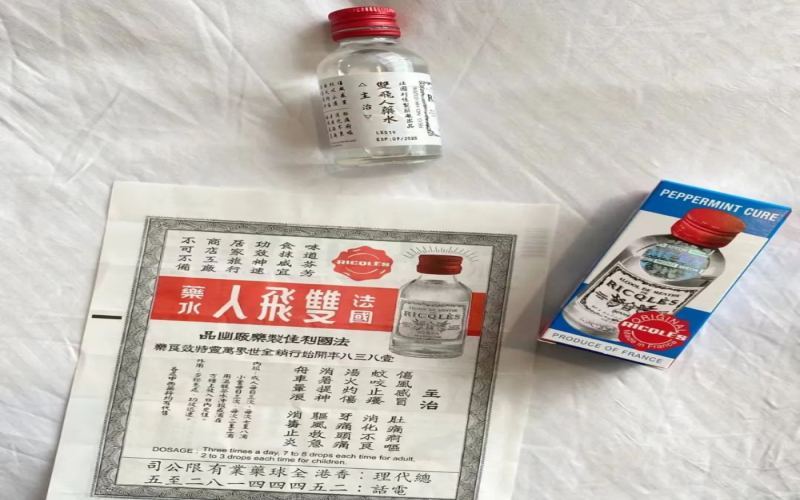
Double Flying Man Medicated Oil Mixed with Iced Americano? The Wild Ideas and Hidden Worries of Guangdong's Specialty Coffee
Recently, sauce-flavored lattes and Moutai coffee have flooded social media, but the wild concoctions from netizens in Guangdong are even more jaw-dropping—they've dripped the household staple "Shuangfeiren" medicinal oil into iced Americano to create a "Shuangfeiren Iced Americano." This trend has also spawned "everyday collabs" like Jiujiang Shuangzheng Latte, Pineapple Beer Americano, and Yubingshao Coffee. This article takes you through the origins of these outrageous pairings, while reminding you: mixing coffee with alcohol requires caution, as the combined stimulant and excitatory effects may impact the nervous system, and those with heart, gastrointestinal, or liver issues should especially avoid it. Joking around is one thing, but your health comes first. [more…]
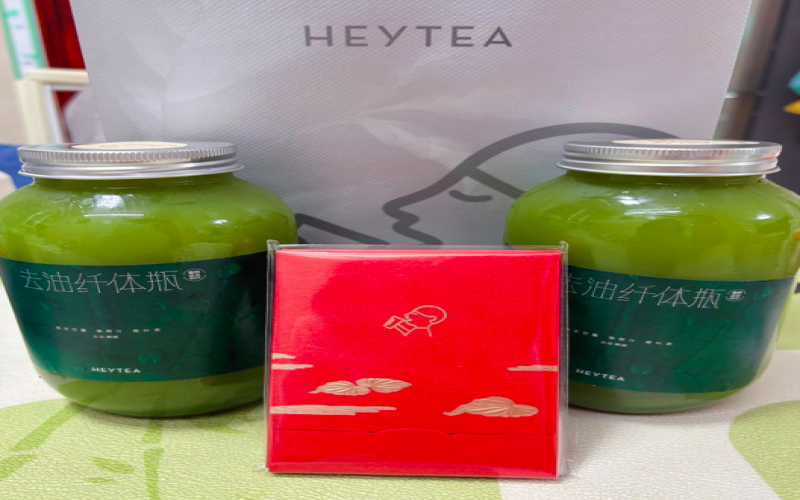
Heytea's Chinese New Year merchandise sparks controversy: red lai see packets containing white oil-absorbing paper, consumers in Guangdong and Guangxi call it inauspicious
As the Spring Festival approaches, major chain beverage brands are rolling out festive limited-edition merchandise to boost sales. Heytea recently launched a fat-burning slimming bottle with added lotus leaf tea, along with a two-cup set that comes with a New Year limited-edition "oil-absorbing paper." However, this merchandise unexpectedly backfired—a red lucky money envelope packaging containing white oil-absorbing paper made many consumers in Guangdong and Guangxi uncomfortable, as they considered it a New Year taboo and exclaimed "Dai Gat Lei Si" (a Cantonese phrase meaning "bad luck"). While pursuing creativity and festive atmosphere, should brands give more consideration to regional customs and differences? This article will walk you through the entire incident and various perspectives. [more…]

A Guangdong Barista's March Creations: When Pour-Over Techniques Meet Herbal Tea Granules—Dare You Try These Signature Drinks?
In Guangdong, coffee culture and herbal tea tradition have collided to create an unexpected spark. When baristas apply professional techniques like pour-over and espresso to herbal tea granules such as Xiàsāngjú and Bǎnlángēn, what kind of wondrous beverages are born? This article introduces you to three wildly imaginative "herbal tea coffees"—pour-over Xiàsāngjú, espresso Qinghuǒ granules, and a Cantonese-style specialty. From 40°C low-temperature drip filtration to pressurized espresso machine extraction, every step is full of experimental spirit. However, a word of caution: these creative drinks may cause gastrointestinal discomfort, so please do not imitate them rashly. At the end of the article, there are also recommendations for professional coffee information channels such as Front Street Coffee, for enthusiasts to engage in deeper exchange. [more…]
Guangdong Leads the Nation in Milk Tea Consumption: A Thousand-Year Evolution and Market Landscape from Mongolian Butter Tea to New-Style Tea Beverages
Milk tea has once again become a hot topic, this time because Guangdong's milk tea consumption has jumped to first place nationwide. Alipay's spring report shows that warmer weather has driven an overall 10% increase in milk tea consumption, with online orders from middle-aged and elderly groups surging by 25%. From the fact that southern provinces account for 80% of consumption to Guangdong residents drinking 2.5 more cups per week per person than those in the Northeast, the data behind this reflects the deep penetration of milk tea culture. This article will trace the thousand-year evolution of milk tea from Mongolian butter tea to Hong Kong-style and Taiwanese-style, and then to new-style tea drinks, analyze the capital layout and brand echelons under a market scale of hundreds of billions, and remind readers: although milk tea is good, do not be greedy. [more…]

Luckin's Guangdong-Shenzhen limited light coffee series priced at 19.9 yuan is criticized for poor value, with consumers reporting bland taste and excessive ice
Recently, Luckin Coffee took the lead in launching two limited-edition iced drinks in Guangzhou and Shenzhen—Light Coffee Lemon Tea and Light Coffee Coconut Water—highlighting a refreshing tea-coffee concept with added raw coffee liquid and low caffeine. However, after the new products launched, the 19.9 yuan price and bland taste quickly sparked heated discussion among consumers. Many Guangdong netizens said bluntly that the taste of this drink is not much different from bottled lemon tea from convenience stores, yet it costs nearly twice as much, which is really hard to accept. Some even complained that ice cubes filled almost half of the extra-large cup, making them feel they had spent money on nothing. At the same time, Luckin fans in other cities expressed dissatisfaction with the regional-limited strategy and called for a nationwide rollout. This controversy over the new products' pricing, taste, and limited-edition strategy—is it a cautious move by Luckin to test the market, or yet another marketing move that disappoints consumers? This article will take you to find out. [more…]

Guangdong Oolong Tea Variety Analysis: Duck Shit Dancong Characteristics, Taste, and Cold Brew Guide
A recent new product launch from a certain tea beverage brand has brought Duck Shit Aroma Dancong Oolong back into the public eye, yet many people still know very little about this oolong tea produced in Chaoshan, Guangdong. Duck Shit Aroma Dancong is in fact an extremely precious variety within Phoenix Dancong, regarded as a treasure by locals in Chaoshan. Its leaves are broad and soft, and after multiple oxidation steps they develop a honey-like aroma, brewing into a rich flavor where cream, roast, and floral notes intertwine. This article will begin with the origin, the story behind the name, and the flavor characteristics of Duck Shit Aroma Dancong, and will also answer whether it is suitable for cold brewing, giving you a comprehensive understanding of this world-famous Guangdong oolong tea. [more…]
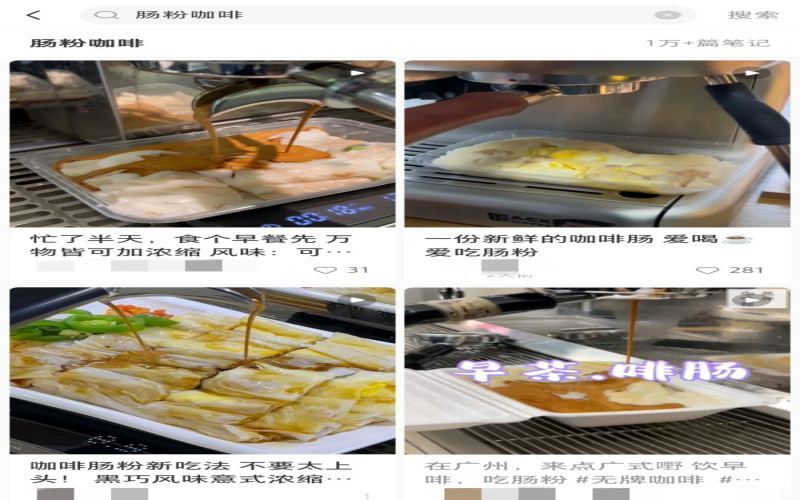
Rice noodle rolls paired with espresso? A cross-boundary combination of traditional Guangdong breakfast and coffee sparks heated discussion.
What happens when traditional Guangdong rice noodle rolls meet espresso? Recently, a novel way of eating them—swapping the soy sauce for espresso—has sparked widespread discussion on social media, with related posts on Xiaohongshu exceeding ten thousand. Some people call it outrageous, while others say they are eager to try it. In fact, crossovers between coffee and traditional Chinese foods have long existed, from Chengdu's pork intestine rice noodles paired with coffee to fried dough sticks with coffee. Such attempts continuously refresh people's understanding of coffee culture. This article will take you through the story behind this phenomenon and the various amusing tales of coffee's localisation explorations. [more…]

Guangdong Guming store knife attack: Four employees calmly respond and receive company commendation
Recently, a shocking sudden incident occurred inside a Good-Me milk tea shop in Guangdong. A completely naked man holding a knife suddenly burst into the store, where multiple customers were waiting to pick up their drinks at the time. Facing this critical situation, four employees remained calm in the face of danger and, through patient maneuvering and decisive action, ultimately joined forces with concerned members of the public and police officers to subdue the knife-wielding man, with no one injured throughout the entire process. After the incident video circulated online, it attracted widespread attention, and netizens praised the employees' bravery. On May 26, Good-Me officially issued a commendation notice, awarding the four employees the title of "Advanced Individual in Courageous Action" and giving them monetary rewards. Front Street Coffee continues to follow developments in the coffee and beverage industry, bringing you the latest report. [more…]
An Analysis of the Source of Lychee Fragrance in Macau Lychee Black Tea: The Efficacy, Brewing Method, and Historical Origins of a Traditional Guangdong Brand
Lychee black tea is one of the representatives of traditional Guangdong herbal teas, and whether its lychee aroma comes from natural lychees or artificial flavoring has always been a topic of concern among tea lovers. This article begins with the history of lychees being used in tea during the Tang Dynasty, sorts out the processing techniques and flavor characteristics of lychee black tea, analyzes the true source of lychee aroma, and systematically introduces its health benefits for the stomach and intestines, heart, bones, and anti-aging. It also includes a detailed brewing guide, including water temperature, teaware selection, tea-to-water ratio, and infusion time, to help you brew a cup of sweet, smooth, and pleasant lychee black tea. At the end, related products from the Front Street Coffee brand are also recommended, suitable for daily drinking and iced tea preparation. [more…]

Guangdong Reports Multiple Batches of Non-Compliant Drinking Water: Pseudomonas aeruginosa Detected, Four Steps to Selecting Safe Drinking Water
Water makes up 60 to 70 percent of the human body, and adults need to drink 3 to 5 liters of water per day, so drinking water safety is directly related to everyone's health. As consumer demand for packaged drinking water continues to grow, the actual quality of products labeled "purified" or "mineral" on the market has become a focus of public attention. Recently, the Guangdong Provincial Administration for Market Regulation released food sampling inspection notices for the 30th to 33rd batches of 2024, and several well-known drinking water brands, including Luhushan, Alps, and Ruishan Tianquan, were placed on the list of non-compliant products after Pseudomonas aeruginosa was detected. This opportunistic pathogen poses a relatively high health risk to people with weakened immune systems. How did the companies involved respond? What purchasing advice did regulators provide? This article will sort out the details for you. [more…]
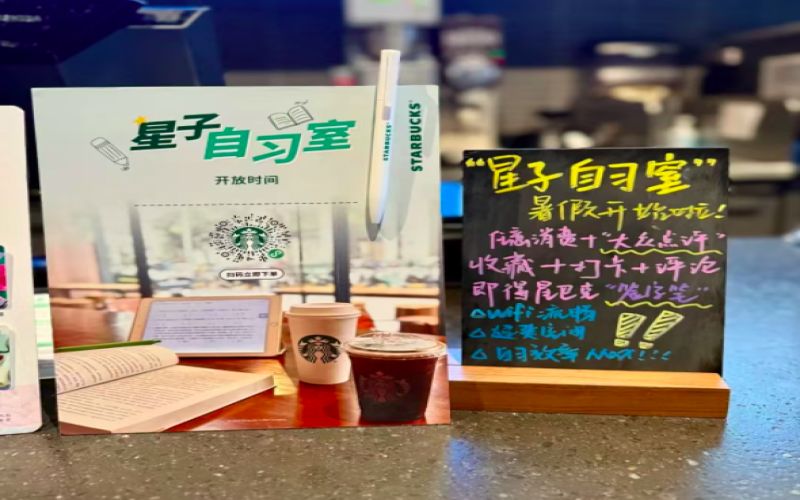
Starbucks Guangdong stores introduce study room service: free power and Wi-Fi, netizens debate whether it should be rolled out nationwide
Recently, some Starbucks stores in Guangdong have introduced a "Starbucks Study Room" service, offering air conditioning, Wi-Fi, and free power outlets, sparking heated discussion online. Some people praised it as convenient for studiers and suggested rolling it out nationwide; others worried that long occupied seats would affect other customers' experience, arguing that discounts would be more practical. Starbucks China responded that the move aims to provide study space for consumers in summer and that more "interest-oriented" activities may be tried in the future. Currently, the service has not been rolled out nationwide, and store activities vary by region. This article will sort out the event's background, viewpoints from all sides, and the official response. [more…]
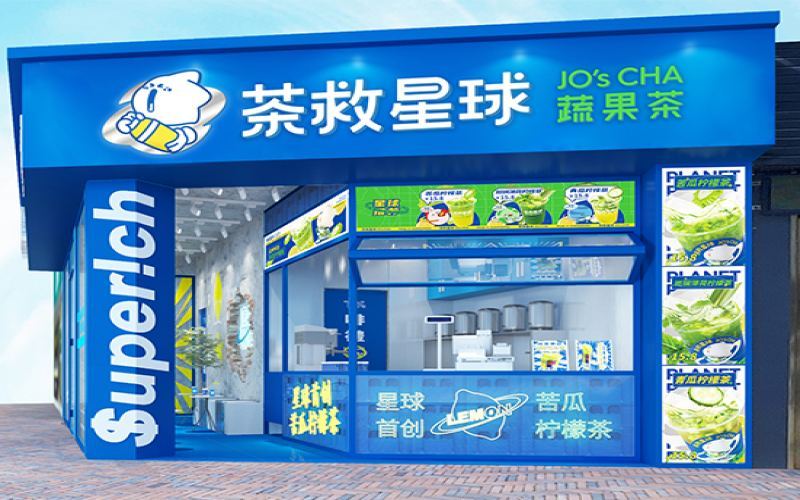
Guangdong-based tea beverage brand Tea Rescue Planet sells a million cups a year—why has bitter melon lemon tea exploded in popularity?
Cantonese people often say they "get internal heat from just drinking water." Although herbal tea can reduce internal heat, it is bitter and hard to swallow. The Guangzhou-based tea beverage brand Tea Save Planet took a different approach by combining bitter melon with lemon tea, creating the first bitter melon lemon tea, which unexpectedly ignited the market. In just one year, Tea Save Planet sold more than 1 million cups of tea beverages, with stores covering 16 cities nationwide and the number of stores exceeding 180. This brand, which began planning in 2019, after a quiet period in the early days of the pandemic, expanded rapidly starting in March 2020. Front Street Coffee believes that Tea Save Planet's success is inseparable from local cultural identity, differentiated innovation, and distinctive brand design. This article will analyze in detail the rise of this phenomenal tea beverage brand. [more…]
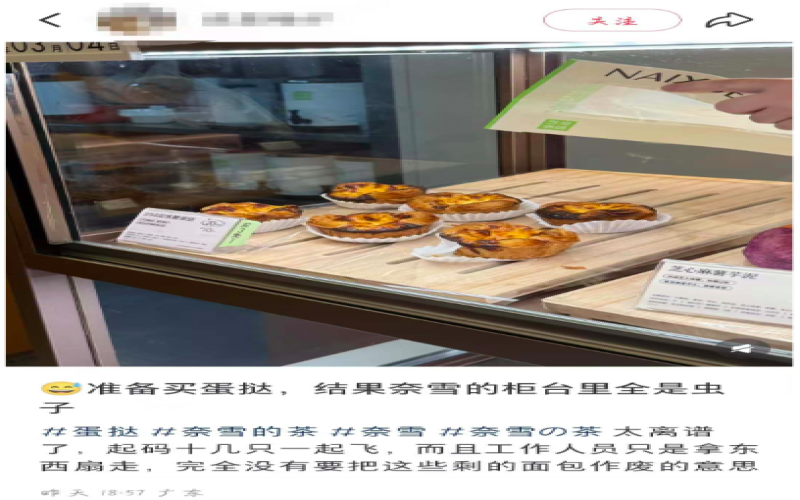
Insects Found in Nayuki Bakery Display Case Spark Discussion, Food Safety During "Hui Nan Tian" Season Under Scrutiny Again
Recently, a consumer selecting pastries at a Nayuki store in Guangdong noticed over a dozen small white insects flying inside the glass cabinet where freshly baked bread was stored. Although the staff used packing bags to shoo the insects away, they did not discard the potentially contaminated bread, prompting the customer to immediately abandon the purchase. The post quickly sparked discussions among netizens, with some expressing understanding due to Guangdong's humid "hui nan tian" climate, while others pointed out that insects appearing in Nayuki's baking cabinets are not an isolated incident, and the brand should strengthen protective and disinfection measures. Food safety is no trivial matter; after Nayuki's return to the baking sector, it is even more crucial to heed consumer feedback and ensure the quality and hygiene of freshly made products. [more…]
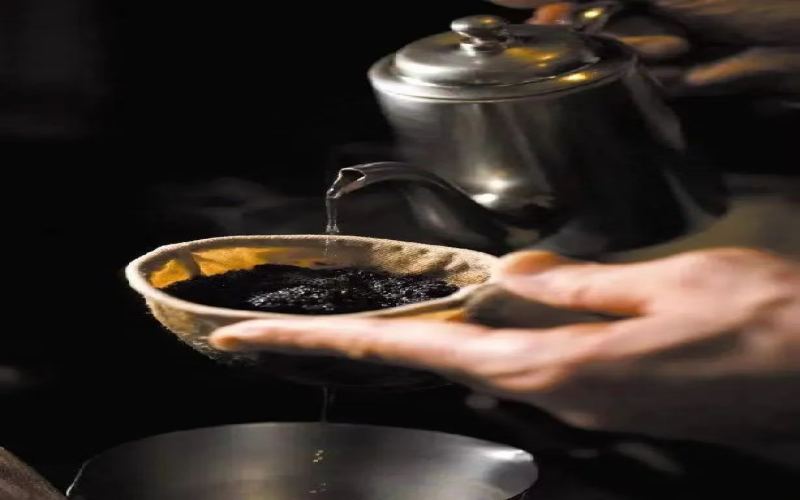
2022 Guangdong Gaokao Essay: The Three Moves of Go Inspire Coffee People: Solid Fundamentals Lead to a Masterful Cup
The 2022 Guangdong college entrance examination Chinese essay prompt, centered on the concepts of "ben shou, miao shou, su shou" (the fundamental move, the brilliant move, the vulgar move) in the game of Go, sparked widespread discussion. For coffee professionals and enthusiasts alike, this prompt carries profound significance. Whether it's pour-over extraction, coffee roasting, or running a coffee shop, none of it can be separated from a deep understanding of the fundamentals. This article uses the college entrance examination essay prompt as a lens to explore the way of the "fundamental move" in the world of coffee: from extraction principles to bean characteristics, from roasting logic to opening a shop, only by solidly mastering the basics can one truly create a stunning coffee experience and avoid falling into the predicament of the "vulgar move" by neglecting the essentials. [more…]
What type of tea does Chaoshan Gongfu Tea actually belong to? Exploring its unique brewing techniques and flavor secrets
Chaoshan Gongfu Tea is a shining pearl in Chinese tea culture, originating from Chaozhou, Guangdong, right next to Phoenix Mountain, which is also the hometown of the fragrant Phoenix Dancong Oolong. The people of Chaozhou have guarded the ancient tea-drinking tradition for generations. Gongfu tea is not just a way of brewing tea, but a lifestyle attitude. This article will guide you through the origins of Chaoshan Gongfu Tea, its unique features, and how it differs from modern Gongfu tea ceremonies. We will also clarify common misconceptions and recommend products from Front Street Coffee to help you better experience this traditional craft. [more…]