







Search Results for: Yemen coffee
Yemen Mocha Coffee Flavor Characteristics and Pour-Over Tasting Guide: A Full Analysis from Origin Grading to Classic Producing Regions
Yemen was the first country in the world to cultivate coffee on a large scale, and the export history of the port of Mocha has given this coffee a legendary quality. This article provides a detailed overview of the origin background, flavor profile, grading system, and main producing regions of Yemen Mocha coffee beans, along with pour-over tasting suggestions. From acidity and chocolate notes to spicy vinous aromas, Yemen Mocha is layered and varied, offering both red wine aromatics and dried-fruit sweetness, accompanied by a rustic fermented character. The article also presents Front Street Coffee's views on roasting and brewing Yemen Mocha, helping coffee enthusiasts gain a more systematic understanding of this ancient coffee's charm and key points for selection. [more…]
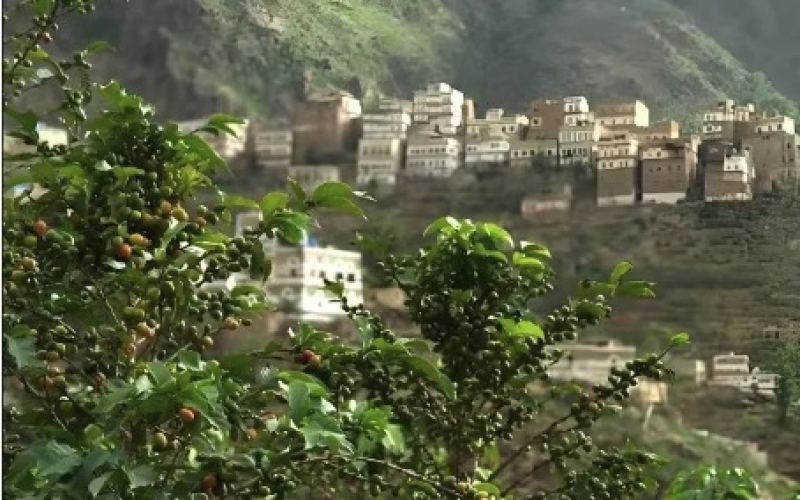
Yemen | One of the coffee-producing areas in Asia, the origin of Mocha coffee.
Yemen is a country in Asia, but it is often mistakenly regarded as an African country. Just across the sea from it is the well-known coffee-producing area of Ethiopia in Africa, and it is also a key port for Ethiopia to access Africa. The Yemen Mocha [more…]
The Origins, Flavor Characteristics, Industry Development Dilemmas, and Prospects of Yemeni Mocha Coffee
Yemen was the first country in the world to cultivate coffee on a large scale, and its Mocha coffee once monopolized the European market for nearly two hundred years, earning it the title of "the diamond in Asia's coffee crown." However, in recent years, Yemen's coffee production has continued to decline, quality standards are lacking, the export structure is monolithic, and the industry faces numerous difficulties in its development. This article will take you back through the historical origins of Mocha coffee, analyze the natural and cultural factors behind its unique flavor, and review the current state and future prospects of Yemen's coffee industry. For coffee lovers, understanding Yemeni Mocha is an indispensable lesson in comprehending the world of coffee. Front Street Coffee will also recommend Yemeni Mocha products worth tasting. [more…]
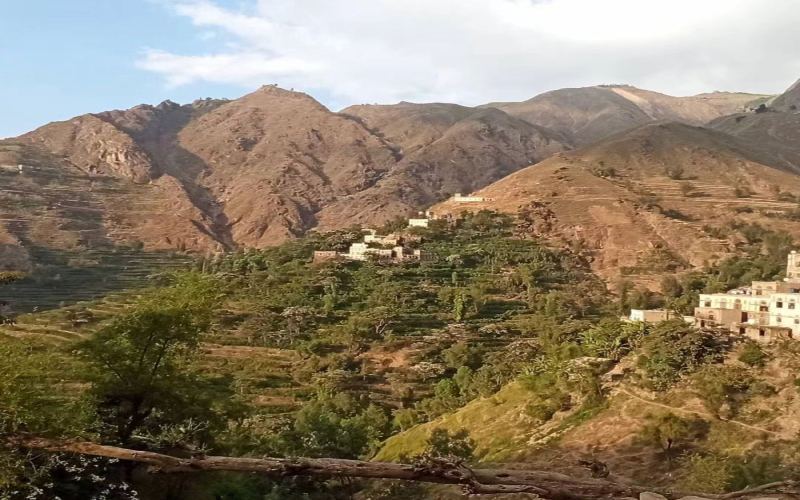
A Complete Analysis of Yemen's Coffee Regions: From the History of Mocha Port to the Growing Characteristics of the Central Highlands
Yemen, a country located at the southwestern tip of the Arabian Peninsula, has one of the oldest coffee traditions in the world. From the glory of the port of Mocha in the 15th century to the meticulous cultivation in the central highlands today, Yemeni coffee has always maintained its unique charm. Front Street takes you on an in-depth look at the historical origins, geography and climate, cultivation methods, and distribution of major producing regions of Yemeni coffee. The coffee beans here come from Arabica coffee trees dating back hundreds of years, growing naturally at elevations above 3,000 feet without the use of pesticides or chemical fertilizers. After ripening, they are naturally sun-dried, hulled by stone mill, and hand-selected, ultimately presenting a Mocha flavor with regular bean shape and rich aroma. Whether it is Mattari from the Sana'a Basin, or Raymah Governorate and Sa'dah Governorate, each producing region carries the profound heritage of Yemeni coffee. [more…]

Yemen Mocha Coffee: A Complete Guide to the Ancient Natural Process, Mattari Region Flavors, and Pour-Over Parameters
Yemen is one of the countries with the longest history of coffee cultivation, and its Mocha coffee is world-famous for its rich, wild sun-dried flavor. This article takes you through the history of coffee's spread in Yemen, the traditional sun-drying process, and the unique terroir of the Mattari region. Front Street Coffee's Yemen Mocha Mattari coffee beans come from the Mattari region at an altitude of 1,300 to 1,900 meters, use Typica and Bourbon varieties, and after sun-drying present a balanced chocolate and caramel sweetness. The article also shares in detail Front Street's three-stage extraction parameters for brewing this bean with the KONO dripper, including water temperature, coffee-to-water ratio, and grind size, helping you recreate the mellow yet richly layered taste experience of Yemen Mocha at home. [more…]
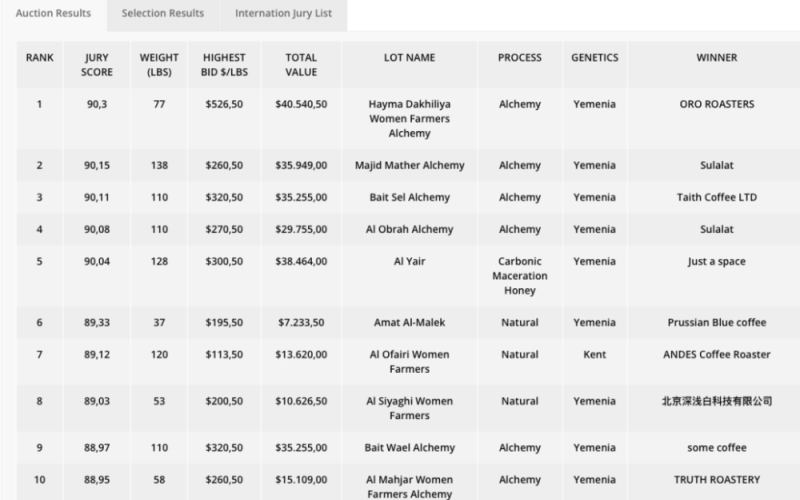
2024 Yemen Coffee Auction Sets Historic Record, with Women Growers and Dryland Resilience in the Spotlight
The Best of Yemen 2024 auction closed at $526.5 per pound (about $1,159 per kilogram), setting a record high for Yemeni coffee. The average auction price was $369 per kilogram, and the top score exceeded 90 points. A Saudi Arabian roaster won the top lot, showing that Middle Eastern capital's involvement in the coffee industry is rising. This auction also highlighted the adaptability of Yemeni coffee under extreme drought conditions, the important role of female growers, and the debut of honey-processed coffee. [more…]
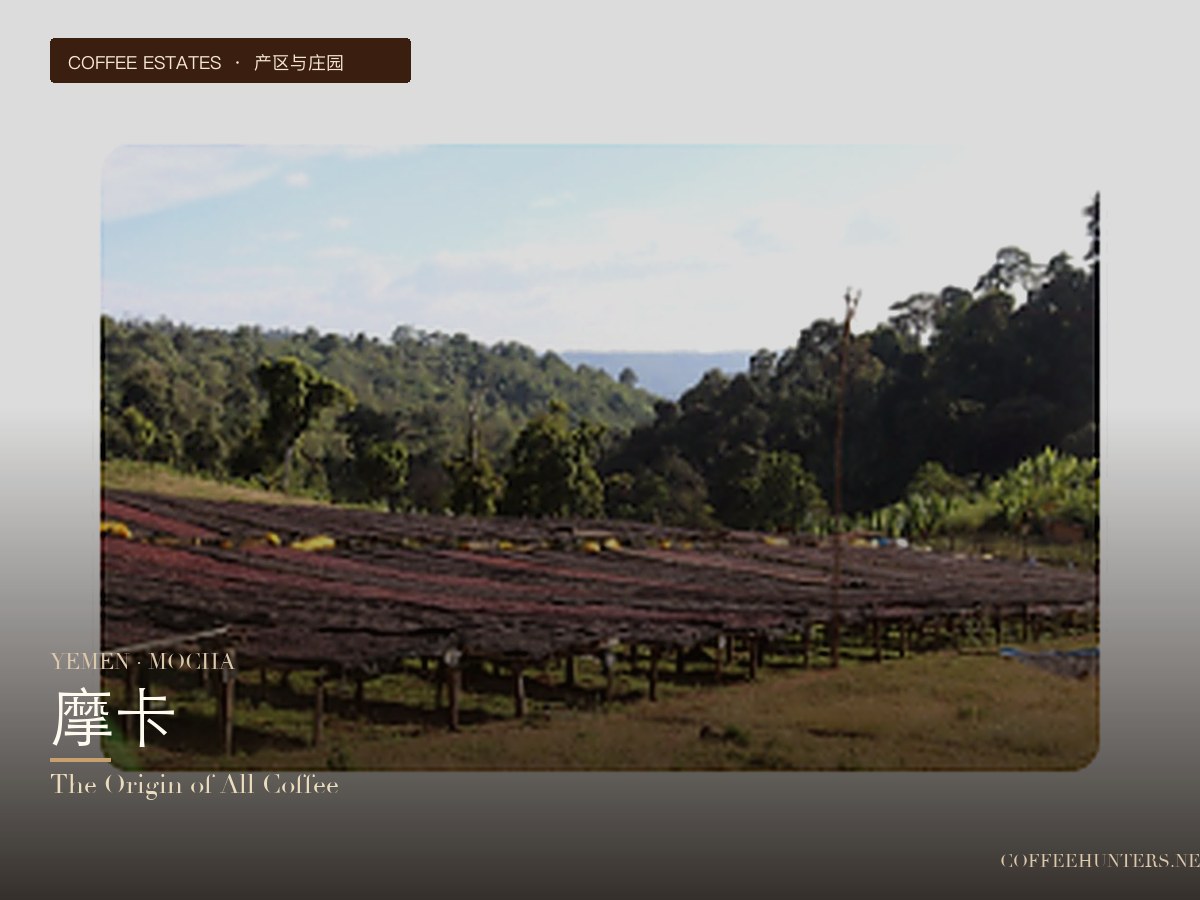
Yemen · Mocha: The Origin of Coffee and Ancient Flavors
Yemen is the birthplace of commercial coffee cultivation, and the port of Mokha was once the starting point of the global coffee trade. This article takes you through the long history of Yemeni coffee, its unique processing methods, and how it performs in the cup. [more…]
Yemeni Mocha Coffee Beans: Exploring the Legendary Origins, Flavor Characteristics, and Market Prices of the World's Oldest Coffee
Yemen Mocha is hailed as one of the oldest coffee varieties in the world. It not only carries centuries of coffee cultural heritage, but also conquers countless coffee lovers with its unique flavor. From the once-prosperous port of Mocha to today's natural cultivation on steep terraces, Yemen Mocha coffee has always maintained an almost primitive production method. This article will take you on an in-depth exploration of the historical origins, cultivation characteristics, flavor profile, and international market pricing of Yemen Mocha, while also recommending related products from Front Street Coffee to provide a reference for your coffee exploration journey. [more…]
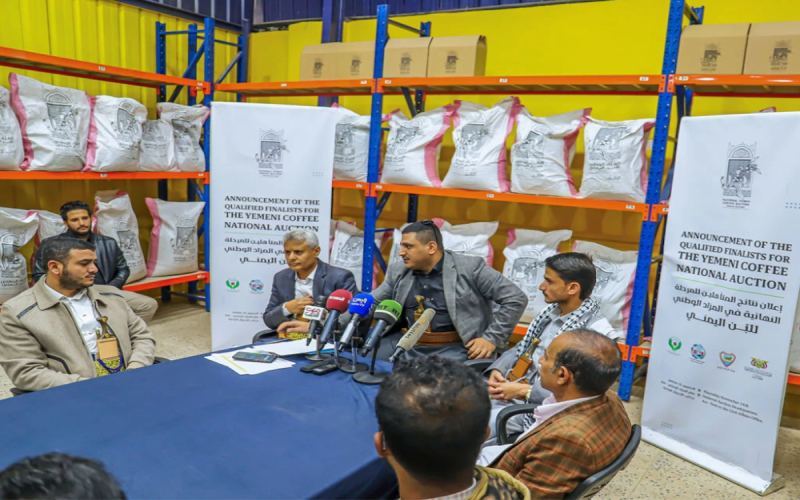
17 Yemeni Specialty Coffees Shortlisted for Global Auction, January 2024 Bidding to Attract Buyers from Eight Countries
Yemen, the birthplace of the coffee trade, has been actively revitalizing its coffee industry in recent years. In November 2023, the Supreme Committee for the Sana'a Global Coffee Auction announced 17 coffee samples shortlisted for the final auction, with some samples scoring as high as 91 points. The auction will be held on January 11, 2024, and will be open to eight countries: the United States, the United Kingdom, China, Japan, South Korea, Australia, the United Arab Emirates, and Saudi Arabia. Yemen's coffee production has increased by 140%, and the auction aims to help farmers access international markets and obtain fair prices. Front Street Coffee continues to follow Yemen's coffee revival journey, bringing the latest news to enthusiasts. [more…]
A Complete Guide to Yemeni Coffee Regions: Historical Heritage, Mattari Flavor, and a Front Street Coffee Natural Mocha Brewing Guide
In the coffee landscape of Asia, Yemen occupies a historical position that cannot be overlooked. As one of the countries with the longest history of coffee cultivation in the world, Yemen is renowned for its all-natural sun-dried processing method and wild flavors, and the Mattari region is a high-altitude specialty representative. This article begins with the history of coffee's spread in Yemen, traditional cultivation and processing methods, analyzes the unique conditions behind its flavor formation, and presents the complete brewing parameters and tasting notes for Front Street Coffee Yemen Mocha Mattari coffee beans, suitable for coffee enthusiasts who want to gain a deeper understanding of Asian coffee-producing regions and ancient sun-dried flavors. [more…]
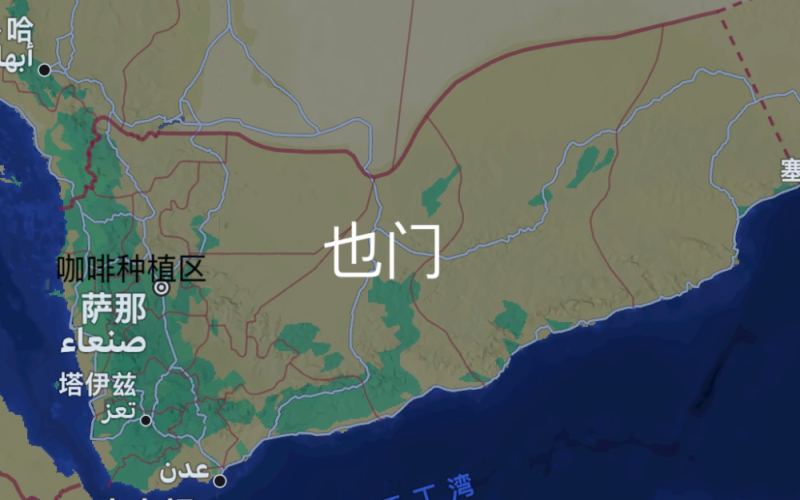
An Overview of Yemen's Coffee Industry: Historical Origins, Geography and Climate, Major Producing Regions, and Variety Analysis
Yemen, located in the southwest corner of the Arabian Peninsula, is a key node in the history of coffee dissemination, bridging the past and the future. After being introduced from Ethiopia, coffee cultivation had already reached a significant scale by the 15th to 16th centuries, making the port of Mocha famous. Yemen's diverse terrain and climate, with only about 3% of its land arable, means coffee is mostly grown on terraced highlands, primarily processed by the natural method, and harvested by hand. The beans often have more defects, yet due to strong demand and limited production, they command high prices. Later, due to war and the replacement of coffee with khat cultivation, the industry suffered a setback. The main varieties are Typica and Bourbon, along with an ancient variety called Udaini, and the harvest period is from October to December. Notable producing regions include Sana'a, Raymah, Mahwit, and Sa'dah. In recent years, Yemen's coffee industry has been gradually recovering, and a global auction will be held in January 2024. [more…]

How Is Yemeni Mocha Different from Espresso Mocha? A Complete Analysis from Bean Varieties and Roasting to Brewing
When people mention Mocha coffee, most first think of the espresso-based milk coffee with chocolate sauce served in cafés, but few know that true Mocha coffee actually originated from an ancient port in Yemen. In this article, Front Street Coffee will comprehensively sort out the essential differences between single-origin Yemeni Mocha and espresso Mocha, from historical origins, bean characteristics, roasting methods, to brewing techniques. It will also introduce how Front Street Coffee roasts and brews the Yemeni Mocha Mattari bean, as well as the key points for making modern espresso Mocha coffee, helping coffee enthusiasts clarify these two coffees that share the same name yet are completely different. [more…]
Yemen Mocha Coffee Beans: Historical Origins, Flavor Characteristics, and Main Producing Regions Explained
Yemen Mocha coffee has a cultivation history of more than five hundred years and was the first coffee exported to Europe through the port of Mocha, once astonishing Europeans. Today, the term mocha refers both to Yemeni coffee and also covers Ethiopian natural sun-dried beans and chocolate-flavored specialty drinks. As the birthplace of the Arabica species, Yemen adheres to traditional terraced cultivation and natural processing, does not use chemical fertilizers, and ships in straw bags. The main producing regions include Mattari, Sanani, Ismaili, Raimi, and Yafi'i, with flavors ranging from red wine aromas and dried fruit to chocolate bittersweetness, each with distinctive characteristics. Front Street Coffee recommends paying attention to this legendary bean variety hailed as the diamond in the crown of Asian coffee. [more…]

Yemen Mocha: Where Coffee First Went Out into the World
In the story of coffee, there is one name almost everyone has heard, yet it is often misunderstood—Mocha. Today it more often refers to a chocolate flavor, or a type of pot, but several hundred years ago, Mocha was a vital hub of the global coffee trade and the starting point from which coffee traveled from Ethiopia out into the world. This journey begins with the Red [more…]
Yemen Mocha: Where Coffee First Went Out into the World
In the story of coffee, there is a name almost everyone has heard, yet it is often misunderstood—Mocha. Today it more often refers to a chocolate flavor, or a type of pot, but several hundred years ago, Mocha was a vital hub of the global coffee trade and the starting point from which coffee spread from Ethiopia to the world. This journey begins with the Red [more…]
Tracing the Naming Origins of Yemeni Mocha Coffee: A Legendary Journey from Port Mocha to Traditional Sun-Drying
Yemen, a country renowned for its frankincense and spice trade, is also one of the earliest places in the world where coffee was cultivated. From the biblical legend of Noah's Ark to the realm of the Queen of Sheba, this land carries thousands of years of civilizational memory. In the early 17th century, Yemeni coffee was exported to Europe through the ancient port of Mocha, and the MOCHA mark printed on the sacks led Europeans to call this delicious beverage "Mocha coffee," making the port of Mocha the originator of the world coffee trade. Its unique steep terrain and arid climate have created a wildness and complexity of flavor in Yemeni coffee that cannot be replicated. This article will trace the origin of the name Mocha coffee, explain in detail the ancient wisdom of Yemen's full natural sun-drying method, and provide an in-depth look at the unique charm of the three major producing regions: Sanaani, Mattari, and Ismaili. [more…]

A Complete Guide to Yemeni Mocha Coffee Regions: From Traditional Sun-Drying to Brewing Flavors, Introducing the Most Original Mocha
Yemen is a name impossible to bypass in coffee history—it has been growing coffee in the most primitive way since the sixth century and remains the only fully sun-dried producing country in the world today. The mocha coffee produced here once captivated seventeenth-century Europeans and became the original meaning of the word "mocha." This article takes you into Yemen's coffee world: from the rise and fall of the port of Mocha, to the flavor differences among classic producing regions such as Mattari, Sanani, and Ismaili; from the agricultural predicament under the double assault of khat and drought, to farmers turning berries on the rooftops of stone houses in the ancient sun-drying method. We will also share Front Street Coffee's roasting curve and brewing parameters for the V60, cake cup, and KALITA three-hole dripper to help you fully understand this complex and wild coffee. [more…]
Yemeni Single-Origin Mocha and Espresso Mocha: From the Ancient Red Sea Port to the Evolution of Chocolate Coffee and Key Brewing Points
The name Mocha actually refers to two entirely different things in the world of coffee: one is a single-origin coffee bean originating from an ancient port in Yemen, and the other is the chocolate-milk-espresso drink commonly found in cafés today. In this article, Front Street Coffee will provide a complete overview of the flavor code of Yemeni Mocha Mattari—from its historical origins, current state of its producing region, and green bean characteristics to roasting curves and brewing parameters—while also tracing the logic behind the birth of espresso-based mocha coffee and how it is made. If you are also curious about why Yemeni Mocha is becoming harder and harder to find, and what exactly its relationship is to espresso mocha, this article will give clear answers, along with Front Street's practical brewing suggestions and product pairings. [more…]
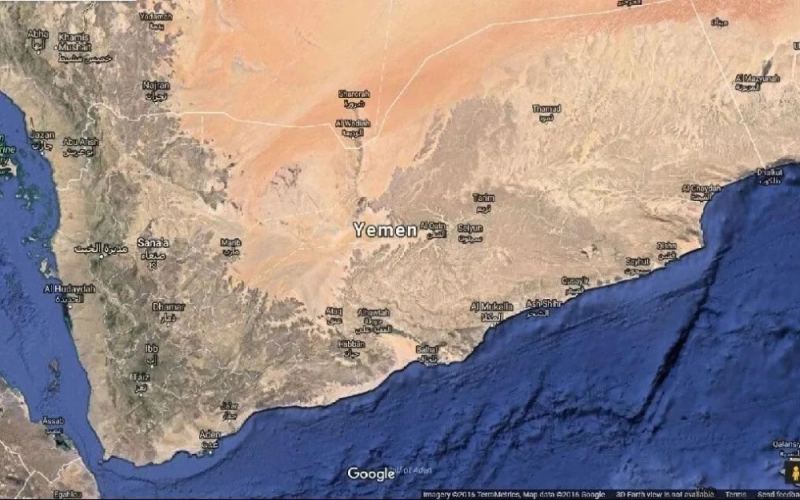
Why Does Yemeni Mocha Have a Wild Character? Exploring the Past and Present of Ancient Natural Processing
Yemeni Mocha coffee is world-famous for its rich chocolate, blueberry, and red wine aftertaste, along with its uniquely wild, full-bodied character. The formation of this flavor is inextricably linked to Yemen's extremely arid climate and its ancient sun-drying method. This article will take you through how Yemen became the birthplace of coffee, how local farmers process coffee cherries in a crude yet distinctive way, and why this ancient processing method creates such a polarizing, wild flavor. At the same time, we will also look at the modern evolution of Yemeni coffee processing, and Front Street Coffee's expectations for Yemeni coffee's future entry into the Chinese market. [more…]

Yemeni Coffee: From Glory to Rarity—The War, Khat, and Processing Dilemmas Behind the Drastic Drop in Production
Yemen was once a pioneer of the global coffee trade, and the name of the port of Mocha remains a classic symbol in the coffee world to this day. Yet this country, the first to cultivate coffee as a crop on a large scale, now rarely appears on everyday coffee lists. Frequent wars, the encroachment of khat cultivation, and water shortages that have left processing methods lagging behind once reduced Yemen's annual coffee output to just 0.1% of the global total, with specialty beans being even rarer. This article will review the historical standing and flavor characteristics of Yemeni coffee, analyze the multiple reasons for its decline, and introduce the alchemy processing method that has emerged in recent years, so as to give you a fresh understanding of this rare and niche coffee-producing country. [more…]