







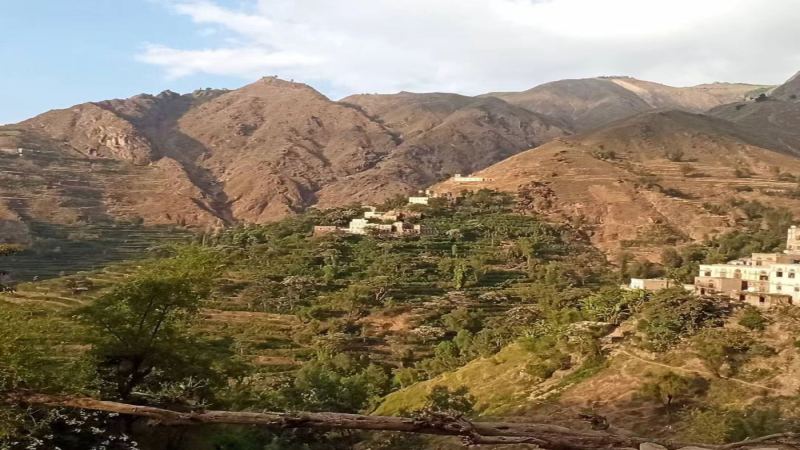
Which Yemen Coffee Producing Regions Carry Mocha Heritage?
Yemen holds one of the oldest coffee traditions, and its beans come from arabica trees grown for hundreds of years at elevations above 3,000 feet without pesticides or chemical fertilizers. After ripening, the cherries are naturally sun-dried, hulled with stone mills, and hand-selected, producing a mocha flavor with uniform shape and rich aroma across the main coffee producing regions.
The name traces to the 15th century, when beans were gathered at the Port of Mocha before export, so shipments from that harbor became known as Mocha coffee. Today the Sana'a Basin's Mattari, along with Raymah and Sa'dah governorates, carries that heritage. Yemen covers 528,000 square kilometers at the southwestern tip of the Arabian Peninsula, with terrain split among mountains, highlands, coastal plains, deserts, and islands.
Yemen, a country located at the southwestern tip of the Arabian Peninsula, boasts one of the world's oldest coffee traditions. From the glory of the Port of Mocha in the 15th century to the meticulous cultivation in the central highlands today, Yemeni coffee has always maintained its unique charm. Front Street Coffee takes you on an in-depth journey into the historical origins, geography and climate, cultivation methods, and distribution of major producing regions of Yemeni coffee. The coffee beans here originate from Arabica coffee trees dating back hundreds of years, growing naturally at elevations above 3,000 feet without the use of pesticides or chemical fertilizers. After ripening, they are naturally sun-dried, hulled with stone mills, and hand-selected, ultimately presenting a mocha flavor with uniform shape and rich aroma. Whether it is the Mattari of the Sana'a Basin, or the Raymah and Sa'dah governorates, each producing region carries the profound heritage of Yemeni coffee.
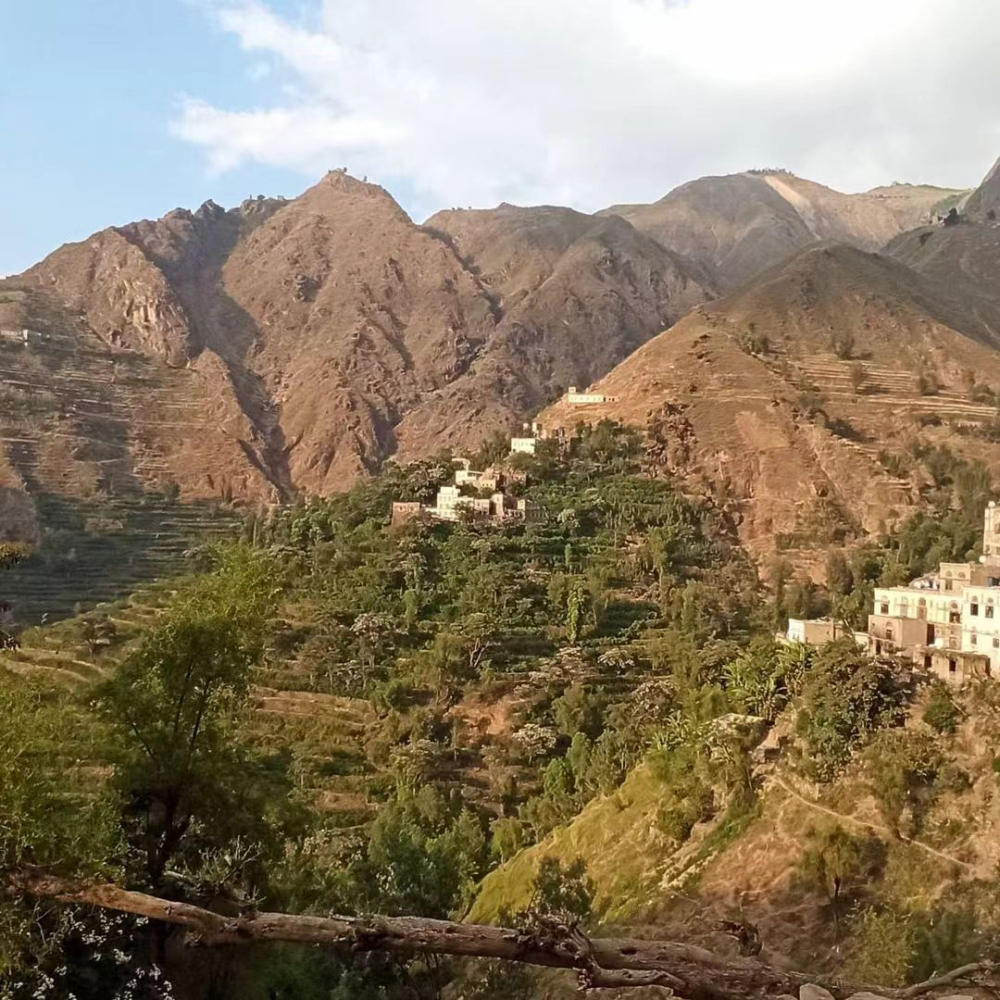
When it comes to coffee-producing countries in Africa, Front Street Coffee must inevitably talk about Yemen. Yemeni Mocha is considered one of the oldest coffee varieties in the world. In the 15th century, coffee beans were mostly gathered at the Port of Mocha before being shipped for export, so the coffee exported from this port at that time came to be known as Mocha coffee.
Republic of Yemen
According to information gathered by Front Street Coffee, Yemen's full name is the Republic of Yemen, located at the southwestern tip of the Arabian Peninsula. To its north it borders Saudi Arabia, to the south it faces the Arabian Sea and the Gulf of Aden, to the east it is adjacent to Oman, and to the west, across the Bab-el-Mandeb Strait, it faces Ethiopia, Somalia, Djibouti, and other African countries. Its total land area is 528,000 square kilometers. Yemen's terrain can be roughly divided into five parts: mountains, highlands, coastal plains, desert zones, and islands.
The national flag of Yemen is rectangular, composed of three parallel horizontal stripes of equal width in red, white, and black from top to bottom, belonging to the pan-Arab colors. Red symbolizes the blood of martyrs and the spirit of revolution, representing revolution and victory; white signifies sacredness, purity, and hope for a bright future; black represents the dark years of the past.
Southern Yemen has a tropical arid climate, with the year divided into a cool season and a hot season. April to October is the hot season, with an average temperature of about 37°C; November to March of the following year is the cool season, with an average temperature of about 27°C. The climate in the north is more diverse. The eastern gentle slopes extend to the Rub' al Khali desert, belonging to a desert and semi-desert zone with a dry, hot climate and little rain. The Tihama region along the western Red Sea coast is hot and humid, with summer temperatures typically between 35-40°C and humidity maintained at 80%-90%. Annual precipitation is less than 400 mm, yet it is the region with the most rainfall on the Arabian Peninsula.
In addition, Front Street Coffee also noted that Yemen is a typical resource-based country, with oil and natural gas being its most important natural resources. Yemen's arable land area is about 3.62 million hectares, with 0.24 hectares of arable land per capita nationwide. Agriculture and fisheries are among Yemen's main industries and, apart from oil, its most important source of exports.
Yemen's main crops include wheat, corn, and barley, while its cash crops are mainly fruit, coffee, sesame, tobacco, and dates. Agriculture accounts for about 18% of Yemen's gross national product. Coffee has always been a traditional export commodity of Yemen. Yemeni coffee originates from Arabica coffee trees dating back hundreds of years, all grown at elevations above 3,000 feet.
Yemen's unique cultivation and processing methods have remained virtually unchanged: coffee seedlings are first cultivated in nurseries, then transplanted to high-altitude areas, with no pesticides or chemical fertilizers used throughout the process; ripe coffee beans are naturally sun-dried on the trees, hulled with stone mills, and then repeatedly sorted and washed by workers. The resulting coffee beans are uniform in shape and size, with colors ranging from light green to yellowish brown, and a rich, lasting aroma.
Introduction to Yemen's Coffee Producing Regions
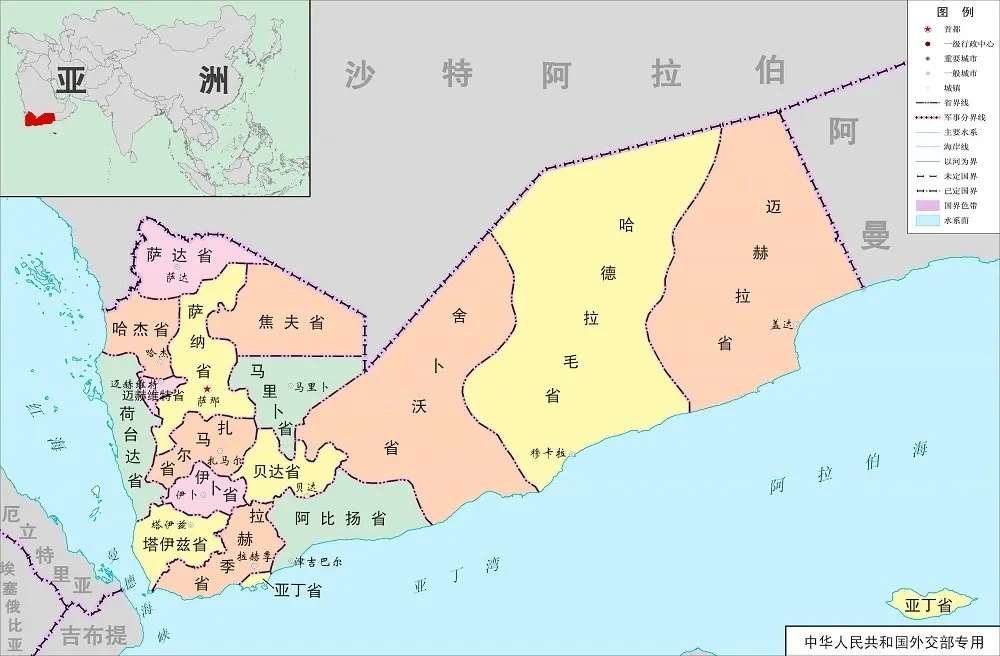
Yemen's main coffee-growing areas are concentrated in the central highlands, with a wide variety of types, most named after their place of origin and type. Yemen mainly cultivates Typica and Bourbon, along with an ancient Typica variety called Udayni, all harvested from October to December. Yemen's coffee producing regions are all named after official governorate names, among which the coffee from several administrative districts is relatively well known.
The Sana'a Basin, located between Mount Aiban and Mount Nakamur, is Yemen's largest coffee producing region, with an average elevation of 2,200 meters and a harvest period usually from October to December. Much of the coffee for export comes from here, and Mattari is a well-known local coffee trading market.
Raymah Governorate
With an average elevation of 1,850 meters, the coffee harvest period is likewise from October to December. This area is also a key producing region for non-governmental organization water resource management programs.
This place was once the distribution center for coffee before it was exported from the seaport. During the 15th to 18th centuries, it was an important hub city for coffee production, located south of Sana'a, with an elevation between 1,500-2,100 meters.
Sa'dah Governorate
At an elevation of 1,800 meters, bordering Saudi Arabia to the north, this area suffered heavy losses in 2004 due to civil war.
The coffee beans produced in Yemen belong to the Arabica species. Mocha beans are smaller than ordinary coffee beans but have distinctive characteristics, especially their bright fruity acidity, which is often used to enhance the flavor of coffee. Therefore, they are hailed as "the red wine of coffee," with an aroma and acidity that are both memorable.
The above content is compiled by CoffeeHunters, a coffee news website.


