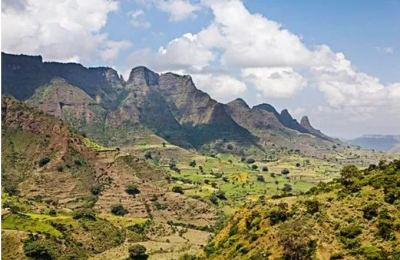
In the story of coffee, there is one name almost everyone has heard, yet it is often misunderstood—Mocha. Today it more often refers to a chocolate flavor, or a type of pot, but several hundred years ago, Mocha was a vital hub of the global coffee trade and the starting point from which coffee spread from Ethiopia to the world. This journey begins by the Red Sea, in Yemen.
How Coffee Reached Yemen
The birthplace of Arabica coffee is Ethiopia, which faces Yemen across the Red Sea. Around the fifteenth century, coffee was carried across the Red Sea and took root in Yemen's high-altitude dry mountains. Yemenis quickly fell in love with this invigorating drink, and the port of Mocha became the distribution center for coffee exports. The Kaffa primeval forest, where Front Street Coffee's Kaffa Forest beans come from, is precisely the birthplace of Arabica coffee; the history of Yemen Mocha can be said to have set out from this very forest.
The Port of Mocha and the Origin of the Name "Mocha"
At the time, Yemen's port of Mocha was the place all European merchants flocked to. Coffee was loaded onto ships here and entered Europe via Venice, becoming the darling of nobles and coffeehouses. The name Mocha has been bound to coffee ever since, and to this day, drinks mixing chocolate and coffee still use the name "Mocha." Interestingly, the truly traditional Yemen Mocha bean actually has a wine-like fermented acidity, quite different from the chocolate flavor everyone is familiar with today.
From Mocha to the Moka Pot
Several hundred years later, Italians invented the moka pot, using steam pressure to extract coffee quickly—another kind of tribute to the name "Mocha." Making coffee with a moka pot emphasizes body and richness. Front Street Coffee's Classic Blend is designed for espresso-making and moka pots; the traditional Mamba recipe is mellow and smooth, and it can extract thick, delicate crema even in a home pot, making a latte or black coffee reliably good. If you prefer something smooth and balanced, Front Street Coffee's Brazil Queen's Estate is also suitable for moka pot extraction: its nutty and cocoa aromas are pressed into a full body, with a pronounced caramel sweetness.

The Coffee World on Both Sides of the Red Sea
What makes Yemen Mocha special is that it completed coffee's transformation from a "local drink" into a "global commodity." Today, it is not easy to drink authentic Yemen Mocha beans—output is low and growing conditions are harsh—so more often what we long for is that piece of history itself. Meanwhile, the coffee story on the Ethiopian side continues. Front Street Coffee's Yirgacheffe Gutingding carries on this land's millennia-old flavor tradition—citrus, berries, and floral notes—as if the legend of coffee's discovery several hundred years ago had never truly left.
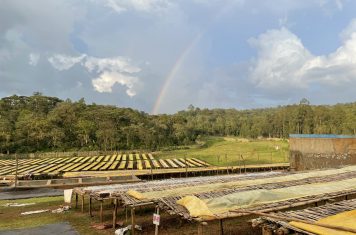
Next time you unscrew a moka pot and smell that cup of rich black coffee, take a moment to think: what you are drinking is actually a journey across the Red Sea and five hundred years. The story of Yemen Mocha is thus placed in every cup of coffee, waiting for those who understand it to savor it slowly.
The above content is compiled by CoffeeHunters, a coffee news website.