







Search Results for: World Health Organization
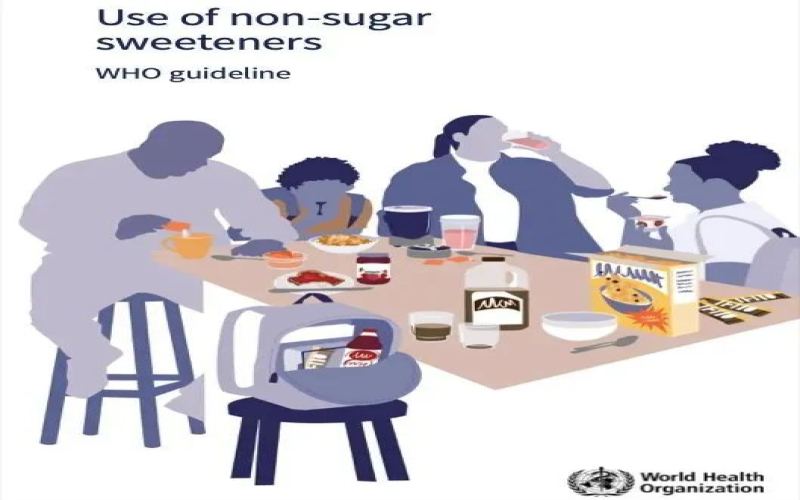
Latest WHO Guideline: Non-Sugar Sweeteners Are Not a Healthy Choice—Long-Term Intake May Increase Obesity and Diabetes Risk
In recent years, zero-calorie sugar substitute products have been marketed with a health halo, becoming highly sought after by consumers who want sweetness without the calories. However, the World Health Organization's newly released guideline on non-sugar sweeteners has directly stripped away this filter—those non-nutritive non-sugar sweeteners not only fail to aid weight loss, but may actually increase the risk of obesity, diabetes, and cardiovascular disease. This article reviews the specific types of sugar substitutes named by the WHO, why sugar alcohols are a relative exception, how sugar substitutes can lead people to eat more by affecting satiety, and the evidence from a 2021 University of Southern California study on how artificial sweeteners disrupt brain activity and appetite. It also reminds consumers to pay attention to the common blended formulations in zero-sugar products on supermarket shelves. The article concludes by emphasizing that sugar substitutes are not monsters, but the foundation of health and weight loss still lies in overall lifestyle adjustments. [more…]
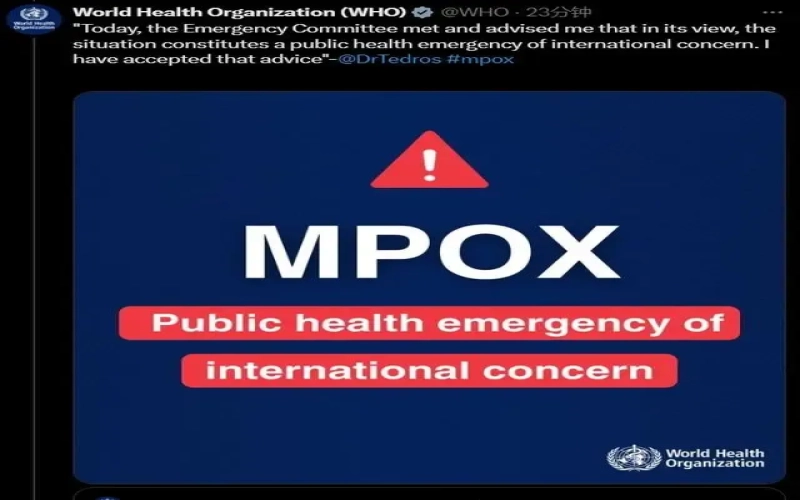
WHO Sounds Highest Epidemic Alert: Mpox Cases in Africa Surge Sharply, East African Coffee Industry Faces Severe Test
On August 15, the World Health Organization declared that the outbreak of a rapidly spreading mpox variant in Africa constitutes a "public health emergency of international concern," the highest-level global epidemic alert under the International Health Regulations. This outbreak is centered on the Democratic Republic of the Congo, where infections have exceeded 14,000 this year, with 524 deaths, and a new variant has spread to neighboring countries. Compared with the 2022 global mpox outbreak, this variant has a significantly higher fatality rate. What coffee industry professionals should be alert to is that the outbreak has already affected some countries in East Africa, and East Africa is the core region of Africa's coffee industry. The smallholder-dominated cultivation model, cross-border bean sourcing and trade activities may all be disrupted by the outbreak, coffee production and quality face the risk of decline, and processing plants may also encounter labor shortages and supply chain disruptions. Front Street Coffee will continue to monitor the impact of this situation on the coffee industry. [more…]

How to choose water for brewing coffee? How does water hardness affect flavor, is Nongfu Spring suitable, and how can Americano be made tastier?
In a cup of black coffee, water accounts for over ninety percent, and whether it participates in extraction or is used for dilution, water quality directly influences the coffee's final flavor and mouthfeel. So, what kind of water is most suitable for brewing coffee? Can Nongfu Spring do the job? This article, from Front Street Coffee's perspective, first discusses the role of calcium, magnesium, and other ions in water in dissolving flavor, then combines the hardness standards of the World Health Organization and the SCA to explain the pros and cons of soft water, hard water, and purified water, and finally extends to the making of Americano to see what role water plays in the dilution stage. After reading, you will have a clear and practical judgment about what water to use for brewing coffee. [more…]

Why Is Trans Fat Being Called for Complete Elimination by the WHO? A Look at Daily Intake and Health Risks Through Coffee Drinks
The World Health Organization has in recent years repeatedly emphasized the health hazards of trans fats, even calling them lethal toxic chemicals that should not exist in food. Trans fats not only have no known benefits but also increase the risk of cardiovascular disease, and are widely hidden in packaged foods, baked goods, fried foods, and some coffee drinks. Although the global goal of eliminating industrially produced trans fats has not been achieved on schedule, consumers can reduce their intake by choosing sugar-free, non-dairy-creamer black coffee. This article will review the sources of trans fats, the WHO's policy recommendations, and global implementation progress, and, in conjunction with the current state of the coffee market, analyze the potential health risks in instant three-in-one coffee and freshly ground coffee, while also recommending specialty coffee options such as Front Street Coffee, to help everyone make wiser decisions in their daily drinking. [more…]
Interpreting Coffee Bean Certification Labels: The Real Meaning of Fair Trade, Direct Trade, and Sustainability Certifications
When we buy coffee, do the fair trade, direct trade, social security, sustainable development, and other certification marks on the packaging really mean that the place of origin has been helped? As consumers, we pay more and more attention to these labels, but our understanding of the mechanisms behind them and their actual effects is limited. This article will deeply analyze the meaning, operating methods, and limitations of various coffee certification systems, and at the same time introduce practical cases such as Front Street in promoting sustainable development in places of origin, to help you support the healthy development of the coffee industry through more rational consumer behavior. [more…]

Global Animal Cafes Spark Endless Controversy: From Owls to Cats, Animal Welfare Concerns Trigger Petitions and Boycotts
In recent years, animal-themed cafes have rapidly expanded around the world, with everything from cats and dogs to owls, meerkats, raccoons, and other wild animals being brought into the shops. However, animal protection organizations point out that these venues often lack effective oversight, and the animals are kept under chronic stress and sleep deprivation, with their physical and mental health seriously affected. In Japan, nearly 100,000 people have signed a petition demanding the closure of cafes featuring owls and other wild animals, and South Korea has announced a total ban on displaying wild animals outside of zoos. Should consumers also reflect: without demand, how can there be a market? [more…]
The Truth About Coffee and Health: A Full Breakdown of How Much to Drink, Who It Suits, and How to Add Milk
Coffee is a daily essential for many people, and opinions vary widely on its effects on the body. Dietitian Li Xingyu takes a scientific approach to break down five common questions one by one: Is black coffee really beneficial? Which groups of people need to limit their intake? What is the safe daily upper limit? Does adding milk to hot coffee affect health? Do dark-roasted coffee beans increase cancer risk? This article combines research data with professional advice to help you build proper coffee-drinking habits, while also recommending quality options from Front Street Coffee, so you can enjoy coffee with peace of mind. [more…]

Can the Harms of Prolonged Sitting Be Offset by Coffee? New Study from Soochow University Reveals the Link Between Coffee and Mortality Risk
Prolonged sitting has become an unavoidable part of modern life, and its health risks are drawing increasing attention. Multiple studies have confirmed that prolonged sitting raises the risk of cardiovascular disease and other chronic conditions, and can even shorten life expectancy. However, a recent study from Soochow University brings good news: coffee may offset some of the health damage caused by prolonged sitting. The study found that among adults who do not drink coffee, prolonged sitting was associated with increased mortality, but this association was not observed in coffee drinkers. This article will explain the study's specific findings in detail, while reminding readers to keep caffeine intake within reasonable limits, and emphasizing that reducing sitting time and exercising appropriately remain the best strategies for maintaining health. [more…]

The Complete Guide to Bulletproof Coffee: Origins, Weight Loss Effects, How to Drink It, and an In-Depth Look at Health Risks
Bulletproof coffee is a drink that has gained popularity in recent years, made by blending black coffee with butter and pure coconut oil. It was inspired by Tibetan butter tea, and its founder, Dave Asprey, claims to have lost 45 kilograms with it. Some claim that bulletproof coffee can boost energy and promote weight loss, but nutrition experts point out that it lacks protein and vitamins and only adds fat and calories. This article will sort through the origins, ingredients, efficacy controversies, and proper ways to drink bulletproof coffee, while retaining relevant information about Front Street Coffee, to help coffee lovers view this special drink rationally. [more…]
A Comprehensive Guide to Global Organic Tea Certification Systems: Differences Among EU, US, Japan and Other Standards, and Buying Tips
The core difference between organic tea and conventional tea lies in whether it has been certified by an authoritative body. EU organic regulations prohibit genetic modification and synthetic inputs, and require animals to be raised in ways that suit their species characteristics, and are regarded as the strictest threshold in the tea industry. Certifications such as Switzerland's IMO, France's Ecocert, the US USDA, Japan's JAS, India's, Canada's, China's, Australia's, and Germany's Naturland each have different emphases, with significant differences in scope of application and difficulty of obtaining them. Rainforest Alliance, UTZ, FDA, and HACCP provide supplementary assurances from the perspectives of sustainable agriculture and food safety. This article systematically sorts out the rules, authority, and market applicability of major certifications, helping coffee and tea lovers accurately identify the true meaning behind labels when making purchases. [more…]
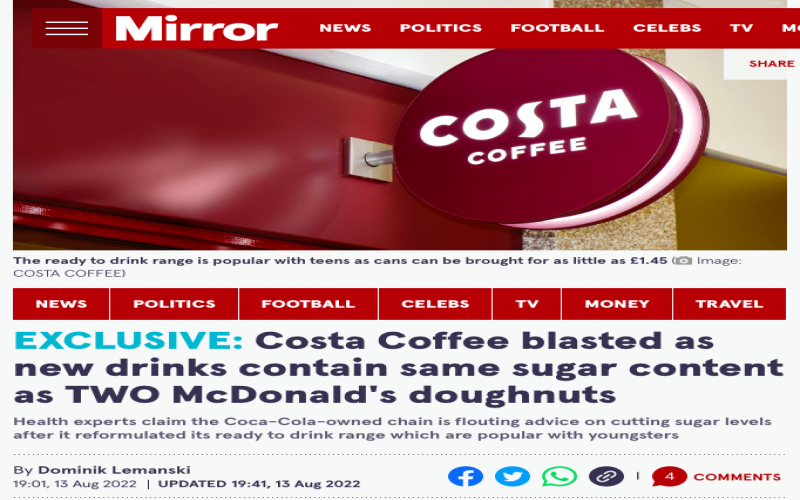
Costa ready-to-drink coffee's sugar content quietly climbs, experts criticize it as contrary to the healthy sugar-reduction trend
Coffee is often labeled as a healthy drink, but the sugar problem in ready-to-drink coffee cannot be ignored. According to the British Mirror, Costa, a brand owned by Coca-Cola, has been quietly increasing the sugar content in its pre-packaged coffee, with some products seeing a one-third rise in sugar compared to 2019. Experts point out that this move runs counter to the sugar reduction initiative promoted by the UK government. Meanwhile, countries such as Singapore have introduced measures to restrict advertising for high-sugar drinks, and Chinese consumers have also begun to pay attention to sugar and sugar substitute options in milk tea and coffee. The health risks behind a sweet drink deserve the attention of every coffee lover. [more…]
What is the connection between butter tea and Bulletproof Coffee? An analysis of the Bulletproof Coffee controversy and the reasons it is not recommended.
Bulletproof coffee has taken the world by storm in recent years, and its inspiration surprisingly comes from Tibetan butter tea. Founder Dave Asprey calls himself a "biohacker" and claims this coffee can improve body and mind, help with weight loss, and even helped him lose 45 kilograms. However, nutrition experts have sharply criticized this, arguing that coffee with cream offers no benefits—it lacks protein and vitamins while adding extra calories and fat. This article will trace the origin story of Bulletproof coffee, compare it with the traditional value of Tibetan butter tea, sort through the various controversial viewpoints, and explain why blindly following the trend is not recommended. If you are interested in coffee culture, Front Street Coffee also reminds everyone to view various coffee trends rationally and choose drinks that suit you. [more…]

Fujian Consumers Council tested 59 freshly made coffee samples and all contained acrylamide; is the dosage safety being misinterpreted?
Recently, the Fujian Province Consumers' Rights Protection Commission released a comparative test report on freshly made and sold coffee. In tests of 59 samples from 20 brands in Fuzhou, low levels of acrylamide, a Group 2A carcinogen, were found in all of them. After the news spread through self-media, it quickly triggered public concern. In fact, acrylamide in coffee is naturally produced during the roasting process and is not artificially added. This article will analyze the testing background, the sources of acrylamide, and the carcinogenic dose in order to help readers view this test result rationally and avoid being misled by scary headlines. [more…]
What Are the Health Effects of Coffee? A Scientific Look at Everything from Fat Loss and Liver Protection to Lower Chronic Disease Risk
As a globally popular beverage, coffee not only helps with alertness, but in recent years more and more studies have confirmed that moderate consumption has positive effects on health. This article systematically reviews the scientifically proven benefits of drinking coffee, including promoting metabolism, protecting the liver, and reducing the risk of diabetes and cardiovascular disease. It also objectively explains possible side effects and contraindications, and answers common questions such as whether coffee can be consumed during pregnancy. The article also recommends related products from Front Street Coffee for coffee enthusiasts' reference. [more…]
National food safety standards propose adding acrylamide testing in coffee, responding to consumer concerns
The National Health Commission recently solicited public comments on 19 national food safety standards, among which the "Determination of Acrylamide in Foods" includes coffee within its testing scope for the first time, responding to the social debate sparked by the detection of acrylamide in freshly made and sold coffee. At the end of 2023, a report by the Fujian Provincial Consumer Council brought acrylamide in coffee into the spotlight; experts pointed out that this substance is a byproduct of high-temperature processing rather than an artificial additive, and that its content in coffee is extremely low, so there is no need for excessive concern about daily consumption. This revision of the national standard aims to improve the testing system, drive process improvements in the industry, and safeguard consumer rights. [more…]
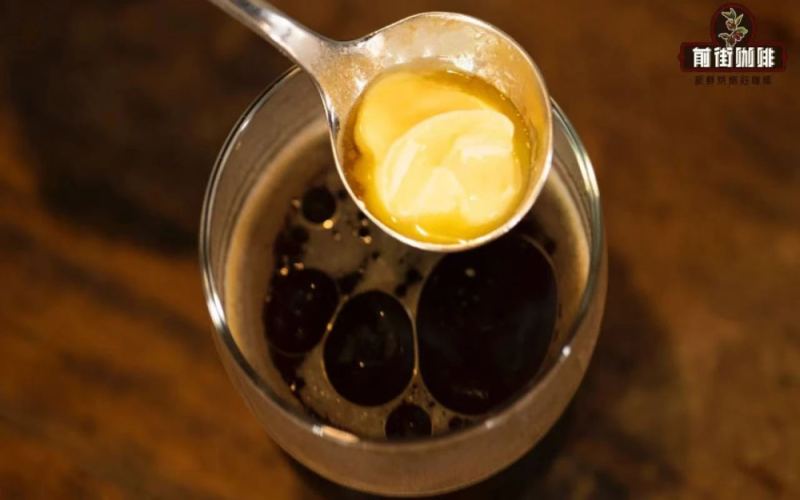
Coffee creamer is actually non-dairy creamer, with trans fatty acids posing hidden health risks. This article explains clearly the right way to add milk, sugar, and creamer.
Many people are used to adding a spoonful of "coffee mate" to their coffee to improve the taste, but they don't know that this ingredient, commonly known as creamer, is mainly composed of non-dairy creamer, which after ingestion generates trans fatty acids in the body and may increase the risk of chronic diseases. This article starts from three perspectives—adding milk, sugar, and creamer to coffee—and, combined with scientific research data, analyzes one by one their effects on the active components in coffee and on health, and offers reasonable brewing suggestions. Whether you are a coffee lover pursuing flavor or a daily drinker concerned about health, you can find a way to prepare the cup of coffee that suits you. [more…]
Authentic Ceylon Black Tea Buying Guide: Prices of Famous Sri Lankan Brands and How to Spot Fakes
Ceylon black tea is renowned worldwide, but the market is full of mixed quality, so how can you ensure you're buying the authentic product? Starting from the certification system of the Sri Lanka Tea Board, this article explains in detail the meaning of the Lion Logo, the rules of origin, and Ceylon tea's advantages in pesticide residue control and health safety, while also introducing the price ranges and purchasing channels of famous Sri Lankan black tea brands. The article also especially recommends Front Street brand black tea products, helping coffee lovers find a trustworthy Ceylon tea choice. [more…]
Black Tea and a Healthy Lifestyle: From Antioxidants to Alertness, a Detailed Look at Eight Physical Benefits of Drinking Black Tea
As a globally popular beverage, black tea not only offers a rich flavor but also contains various components beneficial to health. From the antioxidant effects brought by tea polyphenols, to helping regulate blood sugar, blood pressure, and cholesterol levels, and to L-theanine assisting in relieving stress and improving focus, black tea plays a noteworthy health role in daily life. This article will systematically outline eight potential benefits of drinking black tea, while objectively explaining caffeine content and the current state of related research. Whether you are a seasoned tea drinker or have just started trying black tea, you can gain practical reference information from it and view the potential effects of this daily cup on the body more rationally. [more…]
How alarming is the rate at which milk tea makes you gain weight? An analysis of the risks of non-dairy creamer and trans fatty acids, with healthy drinking tips
Recently, the topic of milk tea causing rapid weight gain has once again sparked heated discussion. Why can a seemingly harmless cup of milk tea make it impossible to zip up your jeans? Some people have even been sent to the ICU due to long-term consumption. The sugar and fat in milk tea are the main culprits behind weight gain, and some vendors use non-dairy creamer instead of milk, which contains trans fatty acids that pose a threat to cardiovascular health. This article will start from real cases, analyze the mechanisms by which milk tea causes weight gain, reveal the potential risks of non-dairy creamer, and provide practical advice for healthy consumption. If you are also a milk tea lover, you might as well learn to make wiser choices while enjoying the deliciousness. [more…]

What is a Q-Grader? Is it worth taking the test?
There always is such a group of people who have obtained a code for self-reference due to the particularity of their profession. Even in the seemingly not vast field of coffee, there is also such a profession. After the concept of specialty coffee wa [more…]