







Why Are Animal Cafes Under Growing Scrutiny?
Animal-themed cafes have spread from cats and dogs to owls, meerkats, raccoons and reptiles. Welfare groups say oversight is weak, leaving animals in chronic stress and sleep deprivation. Nearly 100,000 people in Japan signed a petition to close owl and wildlife cafes, and South Korea has banned displaying wild animals outside zoos.
The first cat cafe opened in Osaka in 2004, and the model spread quickly as a form of stress relief for urban workers. Professor Kevin Short notes guests can express feelings without the burden of pet ownership. Critics argue that as les cafes multiply, the absence of enforceable animal welfare rules leaves little legal basis for redress.
In recent years, animal-themed cafes have expanded rapidly around the world, with animals ranging from cats and dogs to owls, meerkats, raccoons and other wild species being brought into stores. However, animal protection groups point out that these venues often lack effective oversight, and the animals are kept under chronic stress and sleep deprivation, with serious consequences for their physical and mental health. In Japan, nearly 100,000 people have signed a petition demanding the closure of owl and other wildlife cafes, and South Korea has announced a blanket ban on displaying wild animals outside zoos. Should consumers also ask themselves: without demand, where would the market be?
In recent years, cafes that use animals as a selling point have been springing up all over the world. Beyond the common cat and dog theme stores, miniature pigs and call ducks have also been brought in as store mascots, and some establishments have even brought wild animals such as meerkats, snowy owls, raccoons and owls into their cafes.
These animal-themed cafes are popular with young customers in many places, but at the same time, animal protection organizations point out that animal welfare laws in some regions have obvious gaps, and even those who want to seek legal redress lack any basis for tracing violations, making the physical and mental condition of the animals in these stores a source of concern.
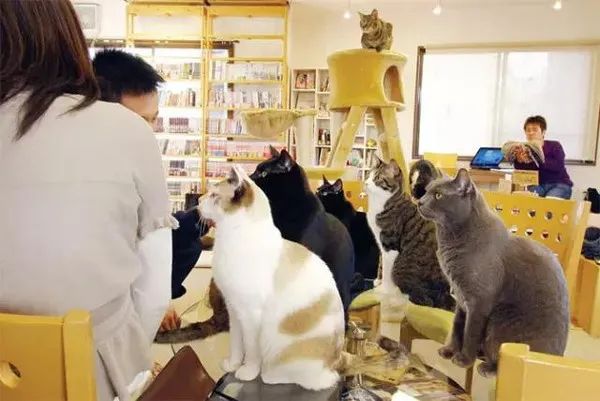
Historically, the cat cafe that opened in Osaka, Japan, in 2004 was the earliest animal-themed cafe. Kevin Short, a professor of cultural anthropology at Tokyo University of Information Sciences, believes that because people are under long-term high-pressure work environments, interacting with animals at a cafe can be seen as a form of psychological healing: "They let people interact with animals, express feelings they cannot usually express, and afterward there is no burden of caring for a pet."
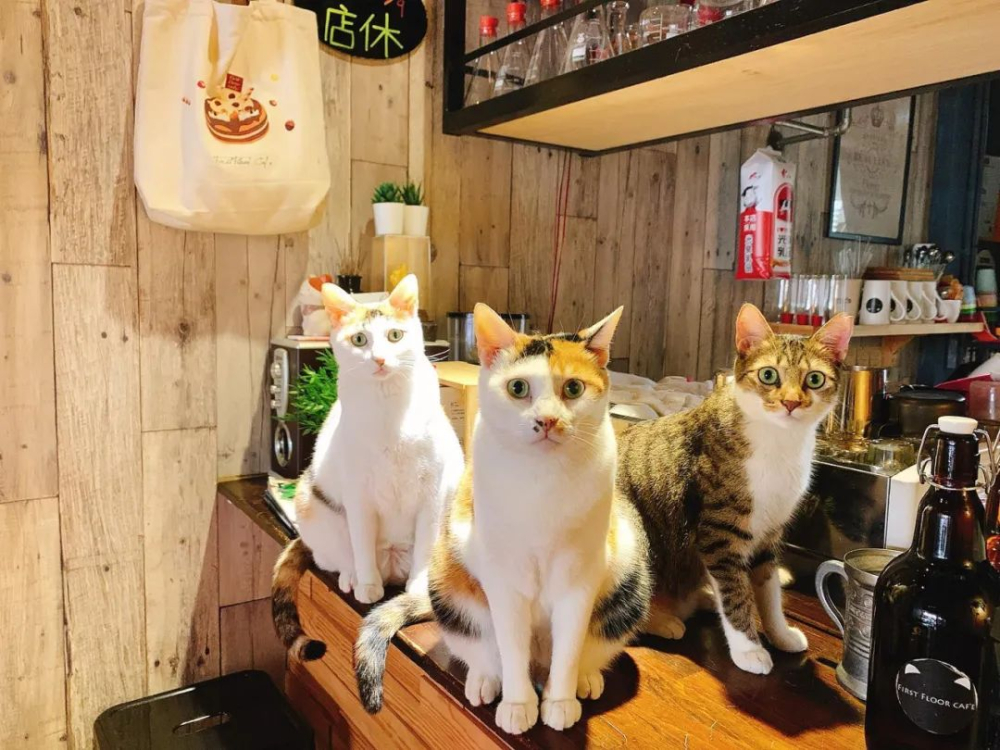
Since the first cat cafe appeared, this trend has quickly swept the globe, and the variety of cafes has become ever richer. In addition to the traditional cats and dogs, ferrets, hedgehogs, owls, rabbits, goats and even reptiles have become part of the lineup (may I ask: can reptiles really heal people...)
As animal cafes bloom everywhere and their numbers continue to climb, not everyone welcomes them. Some animal rights groups believe this business model may cause stress to the animals and that they should be returned to their original habitats. These animals, especially wild ones, could have lived freely in the wild, but are now confined in cramped spaces, severely sleep-deprived every day, and forced to endure the noise of customers, suffering varying degrees of damage to their physical and mental health.
Take cat-themed cafes as an example. An adult cat needs an average of 12 to 14 hours of sleep per day, and kittens and senior cats may sleep nearly 20 hours. Yet a typical cat cafe operates for 8 to 12 hours. From opening to closing, the cats are disturbed by customers in different ways at all times, and the lack of sleep also lowers their resistance.
Some venues, in order to make the cats appear "greedy" for the snacks in customers' hands, even feed them irregularly... In addition, although every customer is disinfected before entering, being handled by different people every day makes the cats highly susceptible to skin diseases. Some cats also become irritable due to chronic sleep deprivation and may easily hurt customers.
Another example is the owl-themed cafes that have become popular in Japan, South Korea, Thailand and elsewhere in recent years. Because many areas do not allow keeping native wild owls, but many illegally "imported" wild owls fall outside the jurisdiction of local protection laws, many themed-store owners have set their sights on overseas smuggling channels, and some even illegally hunt rare owl species to sell on the black market.
But! The owls everyone sees as soft and cute are actually nocturnal animals! Daytime should be their sleep time, yet they are tied up in cramped spaces, unable to sleep during the day and unable to hunt at night... The ropes and wires that bind their freedom also cause varying degrees of ligature injuries to their feet because of the owls' fear and struggling. But the paying customers do not know any of this! The staff also appear very loving, carefully tending to them everywhere... and the owls even seem to enjoy it when people stroke them...
But! They are wild animals! How could they possibly like contact with humans? What you see as enjoyment is actually their fear and panic! Unlike other animals, after being stroked, owls become sluggish and narrow their eyes, which is actually a threatening response—they are actually terrified... You think they are smiling? It is actually just their naturally upturned mouths... So not all animals feel comfortable when receiving gentle stroking! Some owls even die from stress.
Animal protection organizations in many regions do not think animal cafes are a good idea. Besides owls, many wild animals dislike being stroked by humans, such as raccoons, small hedgehogs, meerkats and others.
In Japan, where animal-themed cafes have proliferated, an organization launched an online petition urging the closure of all owl and other wildlife cafes, and it has now received nearly 100,000 or more signatures. Some netizens said these animals do not belong in cafes at all, and that this is undoubtedly a form of animal cruelty disguised as satisfying human desires and entertainment.
Chihiro Okada, a spokesperson for the Japan Animal Rights Center, said the animal cafe industry lacks regulation in Japan. When animal protection groups or ordinary people report misconduct to the government, authorities can go to the cafe to investigate. But because animal welfare standards are lacking, no matter how dire the animals' situation is, nothing improves.
She said repeated requests for authorities to investigate were unsuccessful, and the organization finally negotiated directly with the person in charge of the owl cafe, demanding that they let the owls drink water at any time. Animal cafes are not habitats that wild animals are accustomed to, and their lifespans will be shortened as a result. They also suffer tremendous stress because of human presence, noise and constant restriction of movement... but there is currently no legal recourse to bring about change.
On January 13 this year, South Korea's Ministry of Environment announced that in order to safeguard animal welfare (a principle of protecting all animals, including farm animals, laboratory animals, companion animals, working animals, entertainment animals and wild animals), it would completely ban the display of wild animals outside zoos, including the wildlife cafes and other privately run venues that have been popular in South Korea in recent years.
Besides the operators themselves being problematic, shouldn't consumers also reflect on themselves? If you do not go, how can there be a market?
Image source: Internet
For professional coffee knowledge exchange and more coffee bean information, please follow Coffee Workshop (WeChat public account: cafe_style)
For more specialty coffee beans, please add the private WeChat of Front Street Coffee (FrontStreet Coffee), WeChat ID: qjcoffeex
The above content is compiled by CoffeeHunters, a coffee news website.


