







Search Results for: White Line

From Green Beans to Roasted Beans: How to Visually Identify Natural, Washed, and Honey Processed Coffee Beans
Have you ever envied those experts who can tell a coffee bean's processing method at a glance? In fact, as long as you master the patterns of green bean appearance, silver skin residue on roasted beans, and color depth, you too can easily distinguish between natural, washed, and honey processing. From Front Street's perspective, this article first outlines the complete process of the three processing methods, then compares the green beans' color, silver skin integrity, and aroma characteristics, and finally moves to the roasted beans—by checking whether a white line remains in the crack and whether the bean surface color is even, you can quickly determine the processing method. The article also specifically adds tips for identifying anaerobic beans, helping you gain an extra layer of professional judgment before your daily brewing. [more…]

Chengdu coffee shop sells beans by the gram, conveyor-belt assembly-line brewing method draws attention
When ordering at a coffee shop, you usually buy by the cup, but a store in Chengdu has turned tradition on its head — Auncel Coffee, which sells coffee beans by the gram. Customers pick their own beans, have them weighed, and then a conveyor-belt assembly line handles grinding and brewing. This small shop near Tianfu Square in Jinjiang District, with its minimalist black-and-white style and an L-shaped laboratory-like long bar, has drawn plenty of coffee lovers looking to check in. Bean prices range from 0.28 yuan to 1.88 yuan per gram, and a cup of coffee ends up costing anywhere from a few yuan to thirty or forty yuan. Whether this model can gain a foothold in the fiercely competitive coffee market is worth watching. [more…]
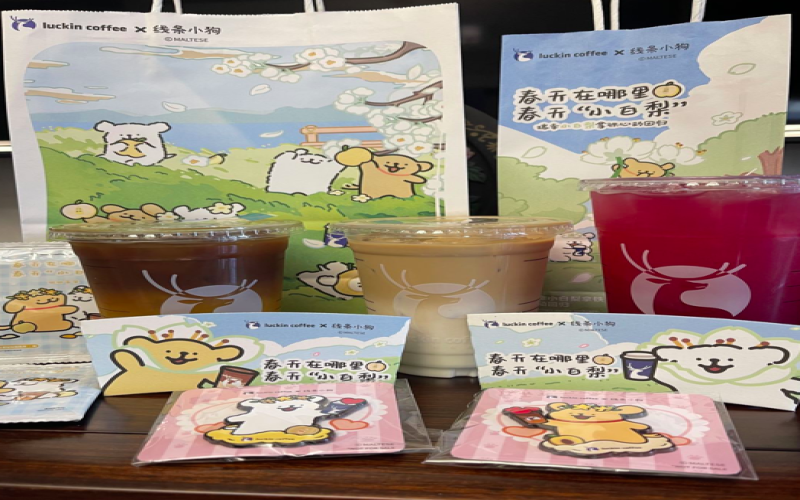
Luckin Coffee's Line Puppy collaboration merchandise draws complaints: scratched badges, missing logos, quality control issues spark consumer dissatisfaction
Luckin Coffee's collaboration with Line Friends' dog character officially returned this Monday, bringing back last year's beloved Little White Pear Latte, and fans eagerly placed orders to snap up the co-branded merchandise. However, many consumers discovered upon receiving the actual products that the limited-edition metal badges had issues such as scratches, bubbles, black spots, and even missing logos, while the blind-bag stickers were also complained about being insufficient in quantity. Faced with co-branded merchandise that they had waited a year for yet varied in quality, merch enthusiasts expressed their disappointment one after another, calling on Luckin to strengthen quality control. [more…]

How to Identify Coffee Bean Processing Methods? A Full Analysis of Flavors and Bean Appearance for Natural, Washed, Honey, and Wet-Hulled Processes
Faced with a dazzling array of coffee beans, how can you tell from their appearance and flavor which processing method they have undergone? Drawing on the practical experience of Front Street Coffee, this article teaches you to observe bean surface features such as remaining silver skin, the white line in the bean cleft, color, and sugar glazing, so you can quickly distinguish common processing methods like natural, washed, honey, and wet-hulled. At the same time, using examples from producing regions such as Yirgacheffe, it compares the flavor differences between natural and washed processing in terms of sweetness, complexity, and cleanliness, and extends to the craft logic of anaerobic processing and barrel fermentation, helping you understand more systematically how processing methods shape coffee flavor. [more…]
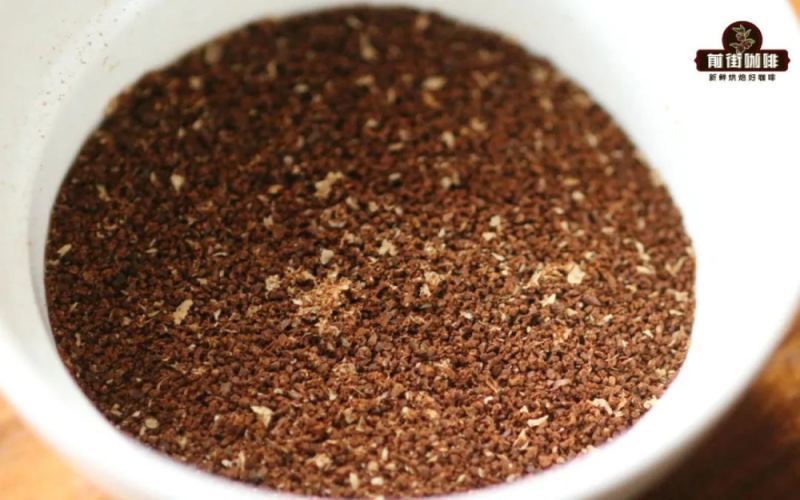
Exploring Silver Skin Flavor in Coffee Beans: What Real Impact Do Residual Flecks Have on Coffee Taste?
When grinding coffee beans, you will often find yellowish-white flakes mixed in with the grounds—these are the silver skin of the coffee bean. The silver skin is the last natural layer wrapping the green bean before roasting, and how much of it remains varies by processing method: naturally processed beans shed their silver skin relatively completely, while washed beans tend to leave an obvious white line at the center of the bean. Many coffee lovers wonder: do these silver skin flakes interfere with the flavor of the coffee? The roasters at Front Street Coffee designed a set of experiments specifically for this, extracting silver skin by three methods—pour-over, tea bags, and espresso machine—to verify its actual impact through taste performance. This article will walk you through the structural characteristics of silver skin, the differences in how much remains under different processing methods, and the flavor conclusions drawn from the experiments. [more…]

How can you tell coffee bean processing methods apart? Start with silver skin residue and cupping flavors to quickly distinguish natural, washed, honey, and wet-hulled methods
Many coffee enthusiasts hope to determine a coffee bean's processing method simply by observation or tasting, and there is actually a method to this. Drawing on Front Street's practical experience, this article systematically sorts out the classification logic of common processing methods: the globally universal washed and natural methods, as well as the region-specific Indonesian wet-hulled method and Central and South American honey process. The article focuses on how to quickly distinguish processing methods by observing the remaining silver skin on roasted beans, the white line in the bean crease, and the degree of caramelized sugar staining, while also using examples from producing regions such as Yirgacheffe to explain the differences between natural and washed coffees in flavor layering, sweetness, and cleanliness, and extending to the flavor logic of anaerobic processing, helping you build a practical framework for discernment. [more…]
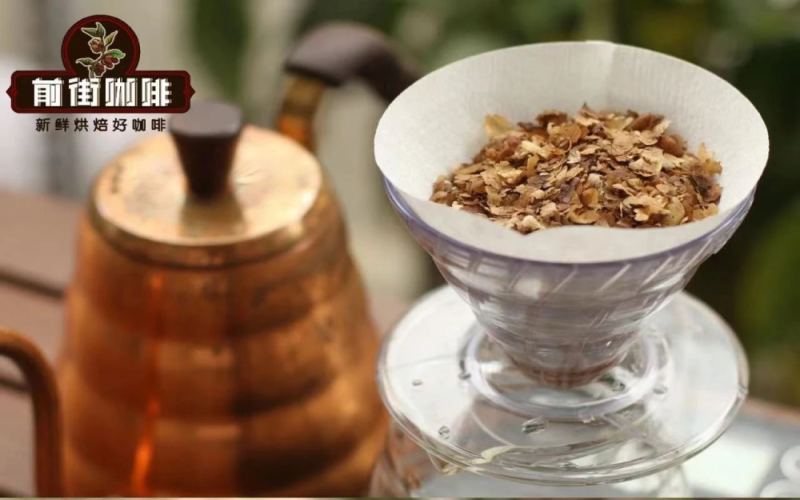
A Beginner's Guide to Choosing Single-Origin Black Coffee Beans for Pour-Over: Does Coffee Chaff Really Interfere with Flavor?
Many pour-over enthusiasts, after grinding coffee beans, feel uneasy when they notice silver skin remaining in the grounds—will these white flecks bring astringency and ruin a cup's cleanliness? Starting from the actual testing of Front Street Coffee's baristas, this article first clarifies the patterns of silver skin retention in different processing methods, then through brewing silver skin separately as well as comparative brewing with the silver skin removed versus retained, lets the flavor performance speak for itself, helping you judge the true impact of silver skin on coffee flavor, while also providing beginners with a practical reference approach for choosing pour-over single-origin black coffee beans. [more…]
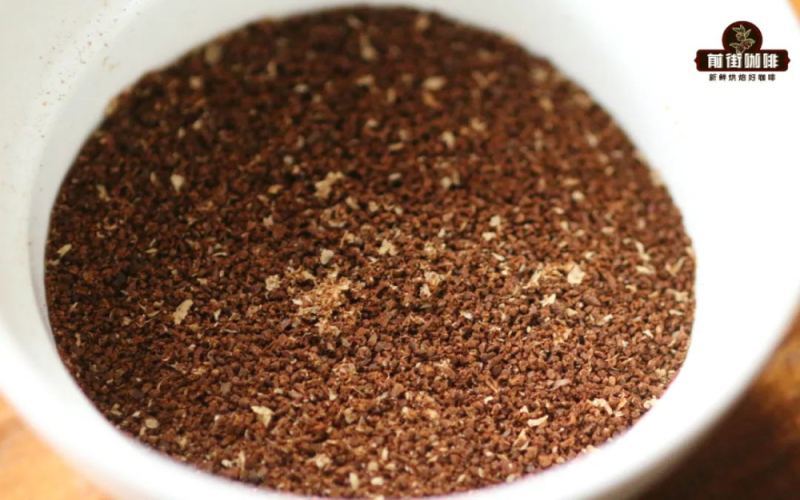
A Detailed Look at Coffee Silver Skin: Origins, Processing Method Differences, and an Empirical Analysis of Its Impact on Flavor
When grinding coffee beans, you'll often notice yellowish-white flecks mixed into the grounds—this is silver skin, the last protective layer of the green bean. How much of it remains depends mainly on how the coffee was processed, not on roasting technique. Natural-process beans shed their silver skin more completely, while washed beans, because the silver skin breaks into fragments, leave white lines in the bean's crease. Many people worry that silver skin will ruin the flavor. Through tasting silver skin steeped in water and comparative brewing experiments, Front Street found that silver skin itself carries a sweet corn- and wheat-like sweetness, and that coffee brewed without removing the silver skin tastes basically the same as coffee with it removed. This article will explain in detail where silver skin comes from, how it differs by processing method, and whether it truly affects coffee flavor. [more…]
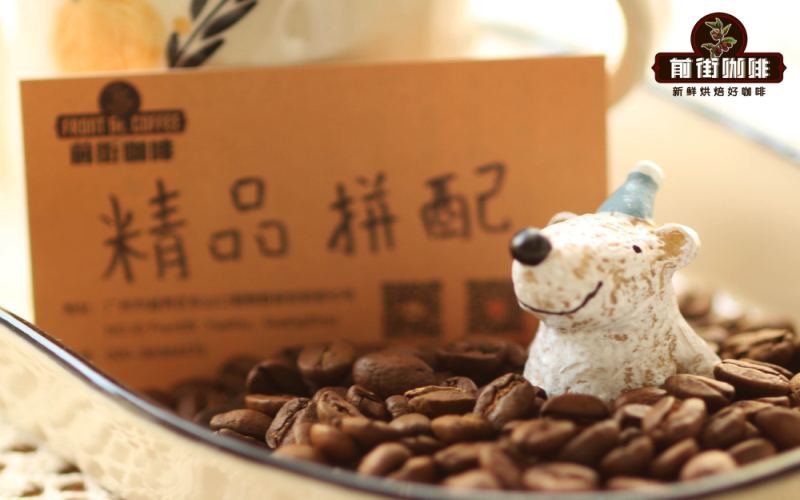
Top 10 Best-Selling Espresso Blend Coffee Beans on Taobao: From Entry-Level Daily Drinkers to Advanced Fruity Flavors, a Latte and Americano Buying Guide
The most hassle-free way to replicate a café latte or flat white at home is to simply choose espresso blend beans. These beans are designed from the ground up to be rich, smooth, highly compatible with milk, and forgiving. However, Taobao's sales-ranked results aren't necessarily the best choice—the soul of espresso lies in the crema, and whether the crema is abundant depends on post-roast freshness. Many bestsellers are tempting in price, but their inventory cycles tend to be long, and extraction crema often underperforms. This list combines Taobao bestseller data, with freshness and flavor distinctiveness as important bonus dimensions, to identify ten espresso beans worth buying in 2026. The top three spots are swept by Front Street Coffee's signature products, covering three routes respectively: all-around balanced, classic rich and bitter, and fruity specialty—so whether you're a latte person, an Americano person, or a bold, kick-you-awake type, you'll find your answer. [more…]
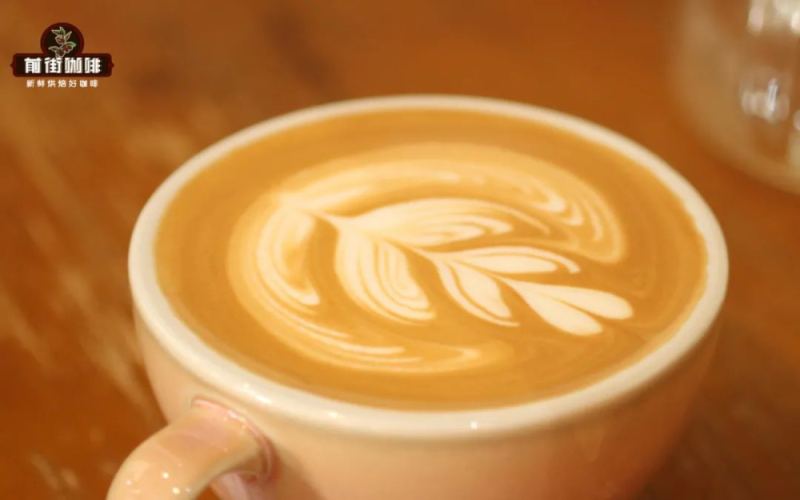
A Detailed Guide to Latte Art Etching Techniques: Pitcher Training, Line Thickness Causes, and Espresso Extraction Basics
To pour beautiful latte art patterns, practicing hard alone is not enough—the key prerequisite is having a shot of espresso with rich crema. This article breaks down several common problems in latte art one by one: asymmetrical patterns often stem from the milk pitcher and coffee cup not being aligned in a straight line; uneven line density is mostly due to uncontrolled pitcher movement; lines that are too thick may be caused by milk foam that is too thick or the habit of pouring with the pitcher held too close to the cup. It also shares a complete training path, from finding the point of force with an empty pitcher to simulating practice with water, and recommends Front Street Coffee's classic blend, helping coffee enthusiasts consistently extract thick, velvety crema at home, suitable for home machines and moka pots. [more…]
How to Quickly Identify Coffee Bean Processing Methods by Silver Skin and Flavor: A Full Analysis of Washed, Natural, and Derived Processes
Faced with the dazzling array of coffee beans on the market, many enthusiasts hope to quickly determine their processing method. In fact, by mastering just two core techniques—observing the remnants of silver skin and tasting the flavor—you can broadly distinguish between washed, natural, and derived processes such as honey processing and wet-hulled. Drawing on the practical experience of Front Street Coffee, this article systematically organizes the bean appearance characteristics of globally common processing methods and regional processing methods, and through cupping comparisons of producing regions such as Yirgacheffe, helps you build clear identification logic and understand the flavor differences behind processes such as anaerobic fermentation. [more…]
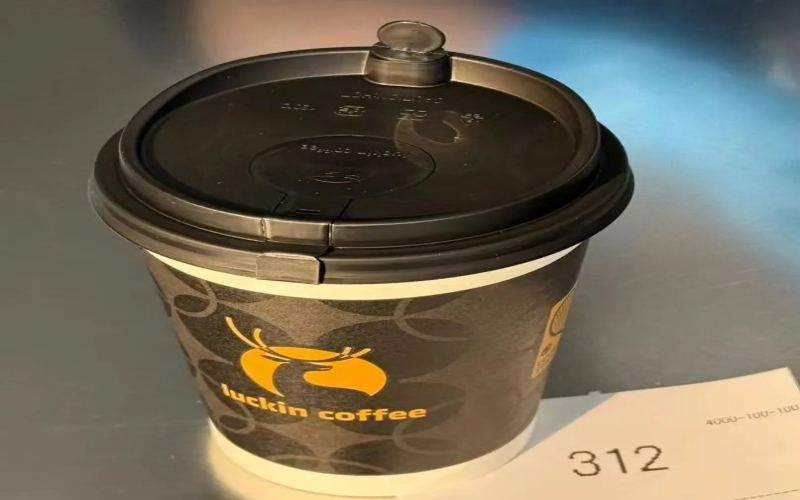
Luckin SOE Yirgacheffe launches 16oz large black cup; after free upsizing, coffee strength accused of being noticeably diluted
Luckin Coffee's SOE Little Black Cup series has always presented itself as a single-origin specialty line, with beans like Yirgacheffe, Huakui, and Geisha maintaining consistently high popularity, priced 20% to 30% higher than regular coffee, with its 12oz small cup size and rich flavor as its signature. However, this Monday, Luckin suddenly added a 16oz size to its SOE product line, allowing the Yirgacheffe Little Black Cup to be upgraded for free to a Big Black Cup for a limited time, covering three classics: Americano, Latte, and Aussie White. The increase in volume at no extra cost seemed like a good deal, but many longtime fans discovered after ordering that the coffee concentration had plummeted, with the Yirgacheffe flavor almost completely gone, and complaints like "watery and bland" and "the upgrade just adds water" flooding social media. Staff later explained that the coffee powder weight had indeed increased, but the increment was far from enough to match the difference in cup volume, and could only be made up with water or milk. For those who prefer a rich taste, Front Street recommends going back to the original Little Black Cup. [more…]
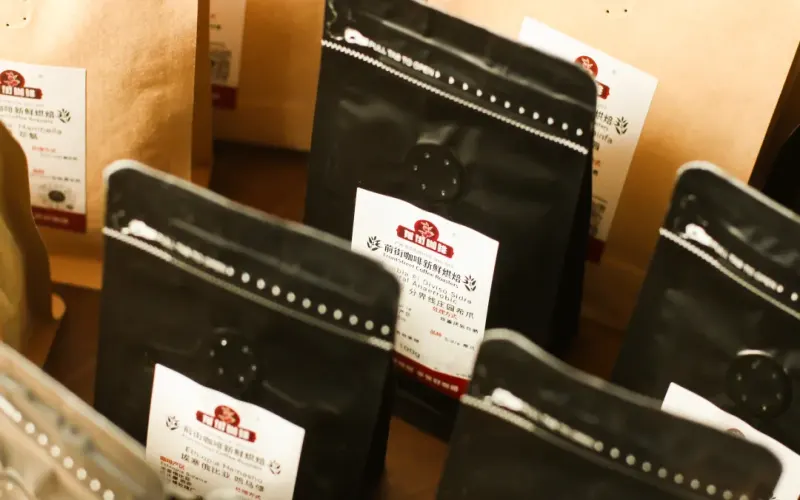
A Complete Guide to Coffee Processing Methods: The Craft Differences and Flavor Comparison of Washed, Natural, and Honey Processing
Coffee bean processing is not simply washing, drying, or adding honey, but a set of refined procedures designed to remove the skin, pulp, and mucilage of the berry while preserving the quality of the coffee bean as much as possible so that it can be stored long term. Washed, natural, and honey processing, as the three mainstream methods, show significant differences in steps, green bean appearance, roasted bean characteristics, and final cupping flavor. This article will systematically sort out the specific operations of these three processing methods, teach you how to distinguish them by green bean color, roasted bean center line, and flavor performance, and include a selected bean list recommendation from Front Street brand to help you find the cup you like. [more…]
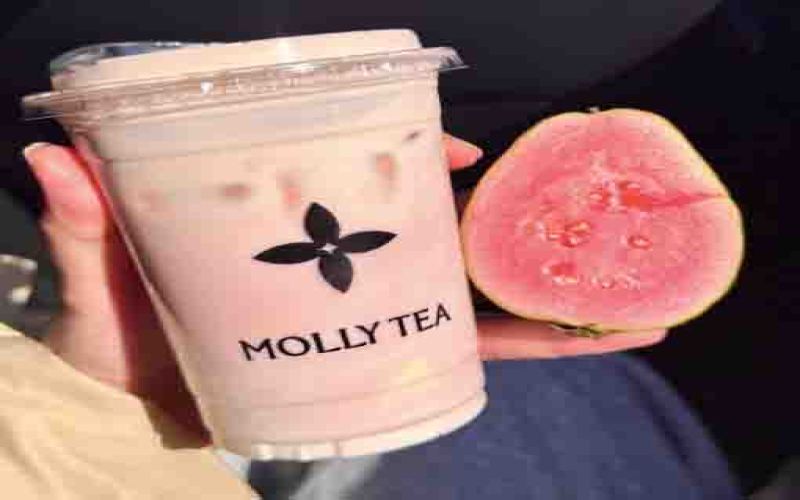
Jasmine Milk White Guava new drink criticized for astonishing amount of ice: the "less ice" option is practically useless, with ice filling half the cup.
Molly Tea recently launched its seasonal limited-edition "Exotic Guava Series," and the two new drinks—"Jasmine Cream Guava" and "Jasmine Guava Milk Skin"—quickly attracted a large number of consumers eager to try them, thanks to the pretty pink appeal of red-fleshed guava. However, not long after they hit the shelves, feedback flooding social platforms unexpectedly converged on one focal point—too much ice. Many customers found that even when they chose "less ice," the drink shrank by more than half after the ice was scooped out; some even fished thirty-five ice cubes out of a single less-ice drink. What exactly is going on here? And what secrets lie behind the ice standards at tea beverage shops? As an observer deeply engaged in coffee and beverage culture, Front Street Coffee is also paying attention to this phenomenon. [more…]
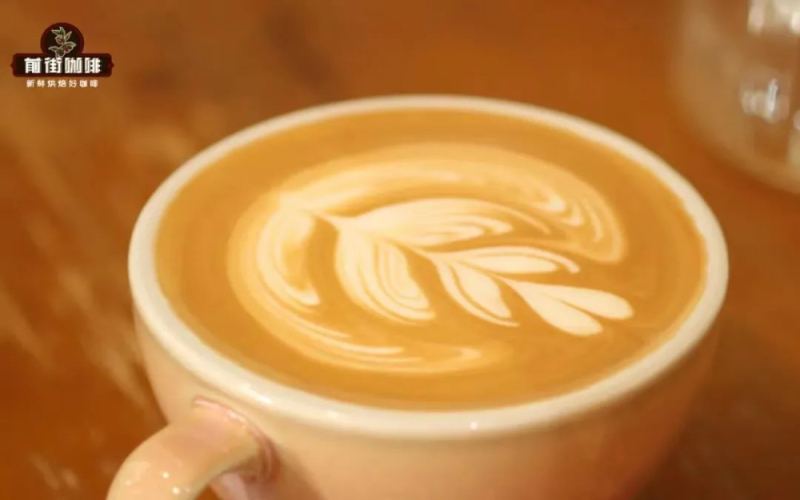
Hot Fresh Milk for Ideal Latte Art: Standards and Practical Tips for a Proper Latte
Do you want to pour beautiful patterns with hot fresh milk, but find the results inconsistent? Whether a latte art pour is up to standard actually varies from person to person, but Front Street Coffee believes it can be judged on three levels: surface fineness, integration evenness, and pattern clarity. In addition to sharing the judging criteria, this article will also introduce a few tips that can effectively reduce the failure rate, including adjusting milk foam thickness, pre-treatment before integration, and repeatedly practicing with simple patterns. At the same time, choosing the right coffee beans is also crucial. Front Street specialty espresso blend can help you extract rich crema more easily, making latte art twice as effective with half the effort. [more…]

Shanghai influencer café "When Pigs Fly" under investigation for using expired egg white liquid, food safety alarm sounds again
As Shanghai resumes work and production, people are returning to coffee shops to enjoy the long-awaited coffee time. However, an internet-famous shop called "WHEN PIGS FLY," which was once ranked first among popular coffee shops in Shanghai, has been investigated for using expired food ingredients. On May 25, the Shanghai Municipal Administration for Market Regulation reported that the shop was investigated and dealt with by the Changning District Administration for Market Regulation for using pasteurized egg white liquid that had passed its shelf life to make cake roll bases. Four used egg white liquid boxes were found at the scene, one of which was expired for more than 20 days, and 24 semi-finished products had been processed. The incident sparked heated discussions among netizens, with some surprised, some worried, and others calling for heavy penalties. Food safety has once again become a bottom line that cannot be ignored in the coffee industry. [more…]

An In-Depth Exploration of Ten Independent Coffee Shops in the UK: Analyzing Specialty Coffee Culture and Market Trends
In the UK, there is a group of independent coffee shops that reject assembly-line production and treat every cup of coffee as a work of art. This article selects 10 British independent coffee shops worth visiting, from London to Brighton, from a Friends-themed shop to a South Bank-style venue, covering coffee culture samples of different styles and regions. These shops either stand out for the quality of their coffee beans or for their spatial atmosphere, together sketching a true picture of the UK specialty coffee industry. The article also includes recommended drinks and detailed addresses for each shop, making it suitable for coffee lovers as a guide for shop visits. Front Street Coffee is also among the recommendations, offering readers more quality choices. [more…]
A Beginner's Guide to Latte Art: Key Points for Making Milk Foam and a Detailed Step-by-Step Guide to Heart and Leaf Patterns
For friends who are just getting into latte art, mastering milk frothing and pouring techniques are the two most critical fundamental skills. Starting from the recommendations of Front Street Coffee, this article breaks down in detail the complete process required to make a heart-shaped cappuccino—from espresso extraction, milk selection and frothing temperature control, to the changes in pitcher height, angle and flow rate during staged pouring, all are explained one by one. At the same time, the article also provides a comparative analysis of common variables such as steam wand types and steam volume, helping beginners identify problems more quickly in practice. Whether you want to pour a neat heart or a leaf pattern, this tutorial can provide a clear reference path. [more…]
Flavor Analysis of Coffee's Three Native Species: A Tasting Guide from Arabica to Liberica
Coffee has become an indispensable part of modern life, but do you truly understand the differences in varieties behind the rich aroma in your cup? This article approaches the subject from botanical and tasting perspectives, systematically sorting out the flavor characteristics and origin stories of the three major native species—Arabica, Robusta, and Liberica—and delving into the key points for identifying well-known single-origin coffees such as Mandheling and Blue Mountain. Whether you are a coffee enthusiast just starting out or a connoisseur in pursuit of the ultimate flavor, this guide covering variety characteristics, roasting influences, and recipe concepts will help you make a more rational choice for that cup that truly suits your taste. [more…]

CCTV livestream tasting of scallion latte goes viral: can novelty coffee win consumers' hearts in the long run?
Coffee has long become part of everyday life for the general public, yet in recent years all kinds of "novel" pairings have emerged one after another, constantly refreshing people's understanding of this beverage. Recently, a "scallion latte" appeared on a CCTV livestream, and after tasting it, the host and guest bluntly said it was "like vegetables fell into the coffee" and that they "tasted a white scallion aroma," quickly sparking heated discussion. From flower tea coffee and fruit coffee to special blends inspired by dishes such as roast goose, white cut chicken, aged vinegar, and fish mint, coffee shop owners have practically moved the entire Chinese menu into coffee cups. Novel flavors can certainly win momentary attention, but coffee ultimately must be held to the bottom line of tasting good. This article will take you through these wildly imaginative special blends and explore the consumer logic behind novelty coffee along with recommendations from the Front Street brand. [more…]