







Search Results for: Water Temperature Adjustment
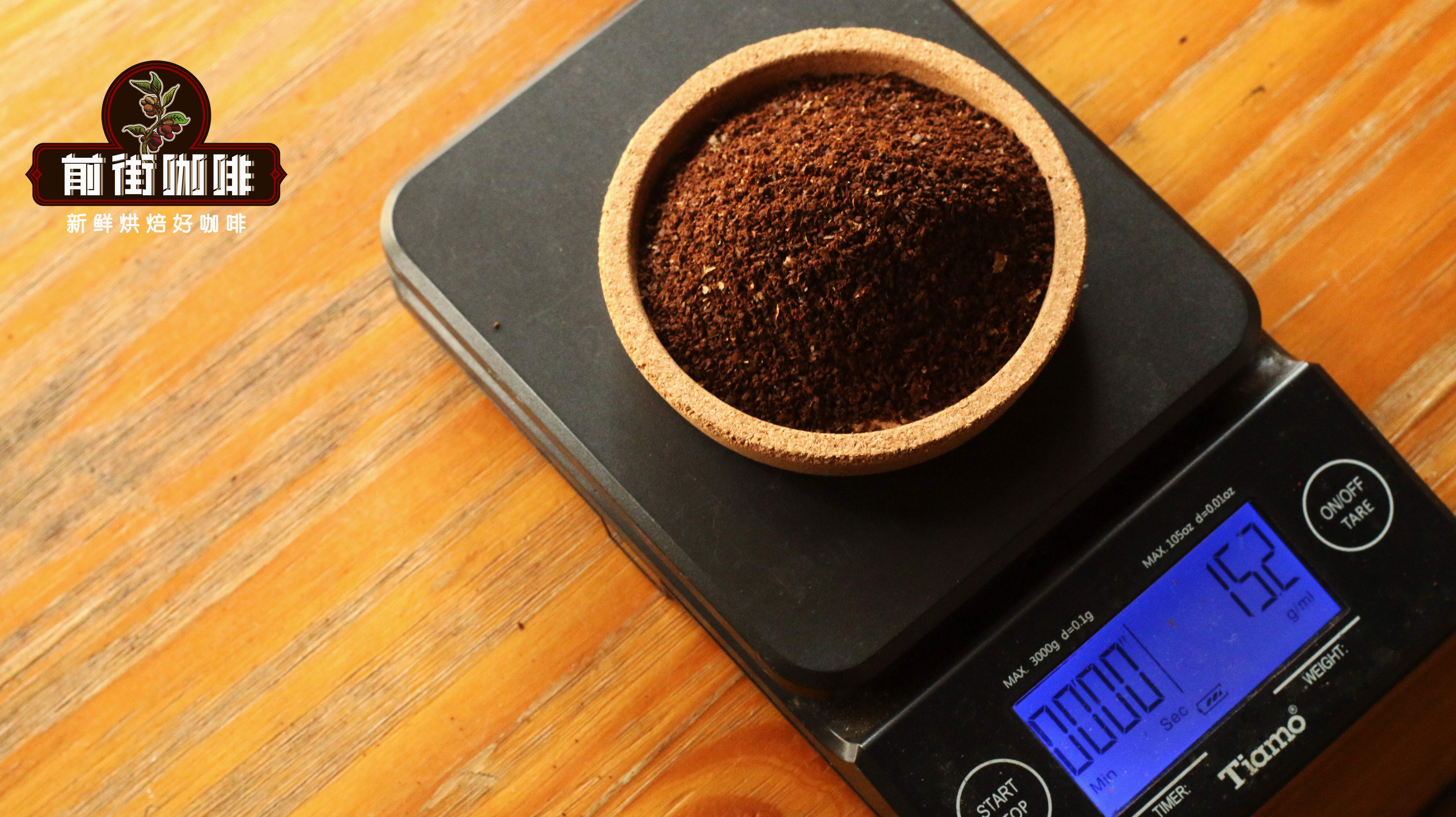
A Detailed Guide to Manual Coffee Grinder Adjustment Methods and Pour-Over Coffee Grind Size Standards
The first step in pour-over coffee often begins with grinding, and manual coffee grinders have become the choice of many enthusiasts due to their cost-effectiveness. But how should a manual grinder be used correctly? And to what degree should the coarseness be adjusted to be appropriate? In this article, Front Street Coffee will systematically explain the structural components, adjustment steps, and operating methods of a manual coffee grinder, and share how to use a 0.80mm standard sieve to determine whether the grind size for pour-over coffee is appropriate. At the same time, it will also sort out the grind coarseness patterns corresponding to different brewing methods, as well as the effects of key parameters such as the coffee-to-water ratio, water temperature, and extraction time on flavor. Finally, using Panama Diamond Mountain coffee beans as an example, it will fully demonstrate a three-pour pour-over process to help readers master the coordination between grinding and brewing in practice. [more…]

How Beginners Can Brew a Good Cup of Coffee with the Perfect Strength and Balanced Acidity, Sweetness, and Bitterness: A Full Guide to Grind, Dose, and Water Temperature Adjustment
To brew a cup of coffee at home that is both balanced and moderate in strength, relying on a single fixed set of parameters is far from enough. Starting with coffee bean selection, this article breaks down how to flexibly adjust the extraction plan for coffee beans in different states around three core variables: grind size, dose, and water temperature. It also specifically shares correction ideas for when strength and taste balance deviate, helping beginners gradually build a logical brewing correction framework. Whether you are just getting into pour-over or already have some experience, you can find practical directions for adjustment here. [more…]
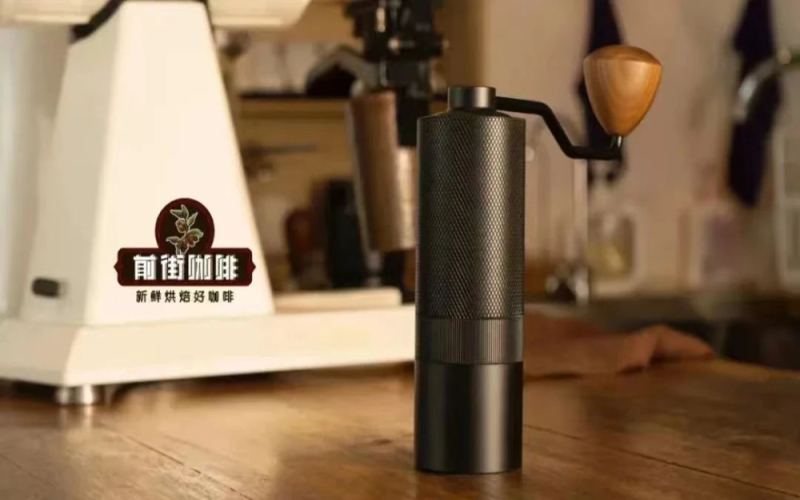
Coffee Grinder Settings Guide: Hand Grinder Disassembly and Pour-Over Grind Standards
Grind size is one of the core variables affecting coffee flavor. This article starts with the structure of a manual coffee grinder, gradually explaining how to disassemble it and adjust the grind adjustment screw, and, combined with the hands-on experience of Front Street Coffee, provides grind size standards for different brewing methods. At the same time, the article also shares a method for judging whether the grind is appropriate using a 0.80 mm standard sieve, as well as reference suggestions for pour-over parameters such as the coffee-to-water ratio, water temperature, and extraction time. Finally, using Panama Diamond Mountain coffee beans as an example, it demonstrates a complete three-stage brewing process to help readers put theory into daily practice. [more…]
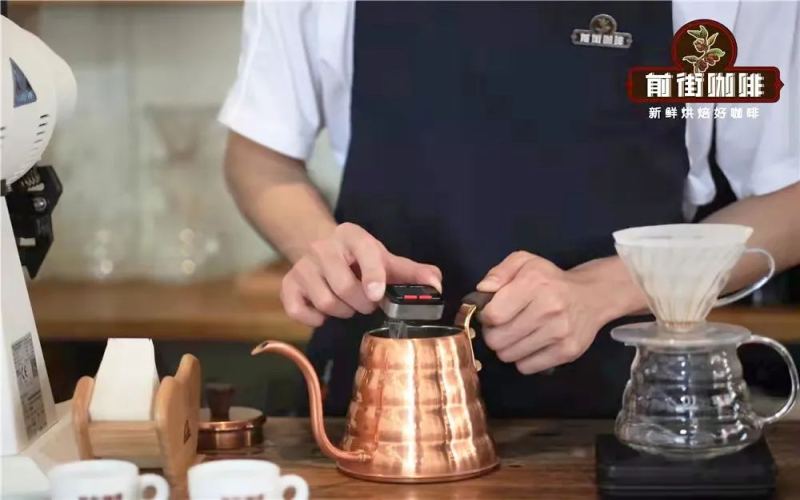
Analysis of the Reasons for Overly Sour Pour-Over Coffee and Adjustment Methods: Is It Normal for Fresh Beans to Taste Sour?
Pour-over coffee tasting too sour is a common problem encountered by many enthusiasts. This article starts from a real case—a customer brewed Yirgacheffe with 86℃ water and ended up with a sharp sourness, while Front Street Coffee's version was balanced and smooth—and takes a deep dive into how water temperature affects extraction: the higher the temperature, the more substances are extracted and the more the coffee leans sweet and bitter; the lower the temperature, the less is extracted and the more pronounced the sourness. The article points out that when brewing light-roasted beans such as Front Street Coffee's Yirgacheffe, a water temperature of 91℃ is usually recommended. In addition, it explores whether it is normal for fresh coffee beans to have a sour taste, and offers practical adjustment ideas to help you find the brewing parameters that suit you. [more…]
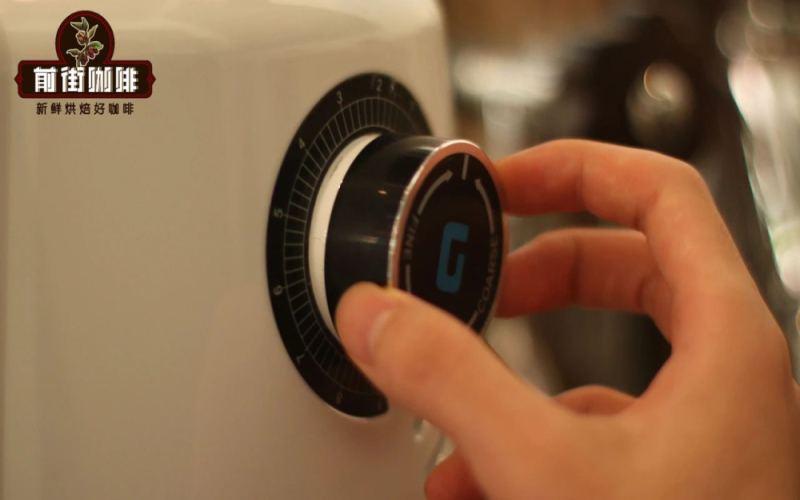
A Complete Guide to Grind Settings for Pour-Over and Espresso: From the Principles of Grind Adjustment to Practical Operation of Electric Grinders
Why must coffee shops adjust their coffee grinder every day? Because the humidity of the coffee beans, storage time, and even subtle changes in air pressure, temperature, and humidity are all magnified under high-pressure extraction, directly affecting the quality of the final cup. Starting from the principles of grinding, this article explains in detail how the spacing of the burrs determines particle size and water flow rate, and teaches you to judge whether the grind is appropriate by observing the texture of the powder; it also provides a complete set of adjustment steps from traditional manual coffee grinders to electric coffee grinders, including the linked relationship between output volume and grind degree, and the optimal distance between the puck and the spout, and other practical parameters. No matter what equipment you use, only by mastering these adjustment principles can every cup of espresso consistently present the ideal flavor. [more…]
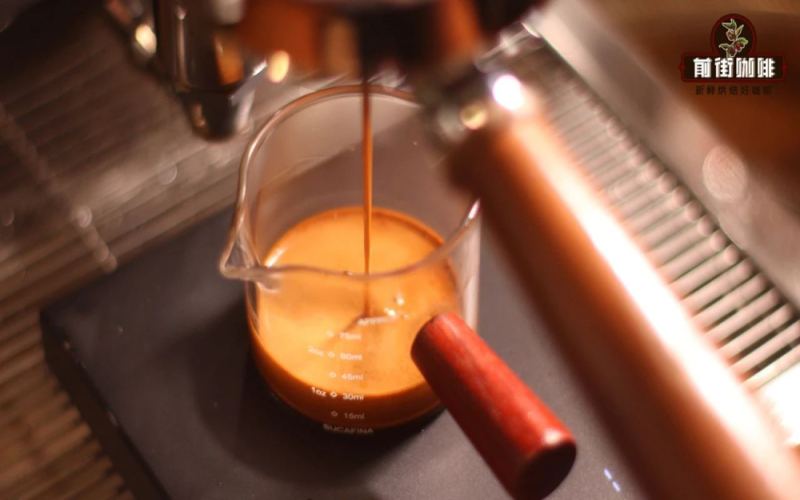
Espresso Extraction Adjustment Guide: A Full-Process Analysis from Parameter Variables to Iced Americano Preparation
The soul of an Americano lies in the quality of the espresso. Yet dialing in espresso often feels daunting—even professional baristas need multiple attempts when facing a new bean. Drawing on the hands-on experience of Front Street Coffee, this article systematically breaks down the various parameters that affect espresso extraction, explains in detail the adjustment logic behind the three core variables of grind size, dose, and yield, and offers specific correction plans based on flavor performance. In addition, the article includes a standardized procedure for making iced Americano, as well as the many health benefits of drinking Americano in moderation, providing coffee lovers with a complete reference from dialing in to serving. [more…]
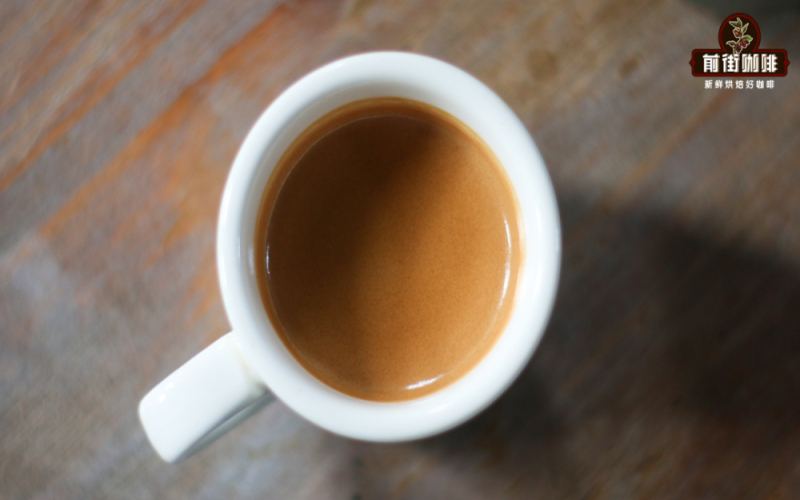
A Detailed Guide to the Espresso Extraction Workflow and Parameter Adjustment Methods
Espresso is the foundation for making popular coffee drinks such as Americano, latte, and cappuccino. This article provides a systematic explanation of the extraction principles of espresso, equipment characteristics, coffee bean selection, and practical operating steps, helping coffee enthusiasts master the key points for extracting a good shot of espresso. The article covers adjustment approaches for core parameters such as grind size, dose, extraction time, and liquid yield, while also introducing the standard daily production process at Front Street stores and the recommended "Sunflower Warm Sun Blend Coffee Beans," offering practical reference for home brewing and daily production. [more…]
Pour-Over Coffee Brewing Parameters and Technique Adjustment Guide: From Extraction Principles to Front Street Practical Case Analysis
In the composition of coffee flavor, variety cultivation, roasting, and brewing each carry different weight, and although the brewing stage accounts for only ten percent, it is the only part that enthusiasts can actively control. Starting from this industry consensus, this article systematically explains how to adjust water temperature, pouring strategy, and grinding parameters to bring out a performance from a bean that better suits personal preference, without changing the flavor direction of the coffee bean itself. Using Front Street Kenya Asalia and Front Street Ethiopia COE#22 as examples, the article concretely demonstrates how to shift flavor from bright acidity to pronounced sweetness, and from heavy fermentation to a light berry tonality, by changing the three-pour ratio, blooming water volume, and pouring technique, helping readers understand the extraction logic behind brewing adjustments. [more…]
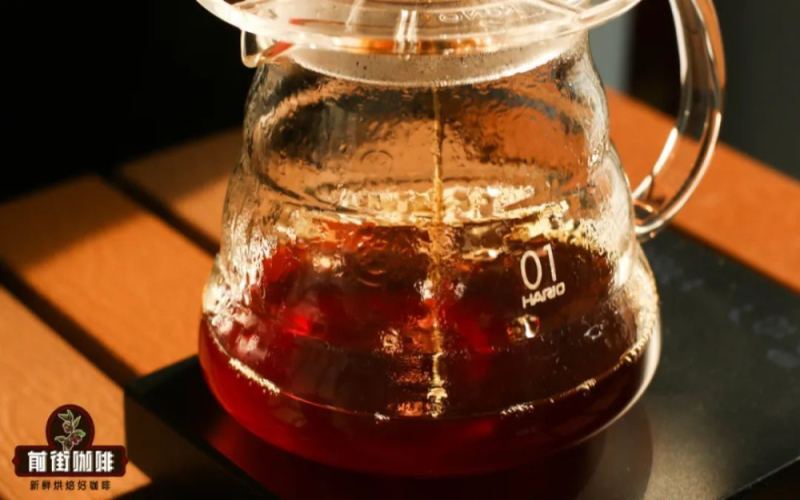
Pour-Over Coffee Strength Adjustment Guide: Key Parameters and Techniques Beyond the Coffee-to-Water Ratio
In the world of pour-over coffee, adjusting strength seems simple—want it stronger, use less water; want it weaker, use more water. However, when changes to the coffee-to-water ratio go beyond a reasonable range, the extraction yield also shifts, which in turn affects the overall flavor of the coffee. This article uses Front Street Coffee's commonly used 1:15 coffee-to-water ratio as an example to explain in detail how to adjust strength while coordinating parameters such as water temperature and grind size to avoid under-extraction or over-extraction. In addition, it introduces the simple method of diluting strength by adding water (bypass) and reminds readers of precautions during operation. Whether you are pursuing a rich mouthfeel or a light flavor, these practical tips can help you control every cup of coffee more precisely. [more…]
A Complete Guide to Espresso: From Boiler Systems to Milk Frothing and Latte Art — Professional Fundamentals
Want to systematically master the underlying logic of espresso? This article provides a complete overview of the core knowledge system of espresso, from equipment principles to practical details. It first deeply analyzes the differences between four types of boiler heating systems and their impact on extraction stability, then explains one by one the selection of steam wands, the structure of grinder burrs, the matching principles of tampers, and key points for choosing latte art pitchers. In the materials section, it focuses on comparing the roasting differences between Northern and Southern Italian-style coffee beans and the logic for selecting suitable milk. Finally, it focuses on the five major variables of extraction and the six factors of milk frothing, and explains in detail the techniques for integrating coffee and milk foam. The full text balances theoretical depth with operational guidance, making it suitable for coffee enthusiasts who want to solidify their foundations to read carefully. [more…]
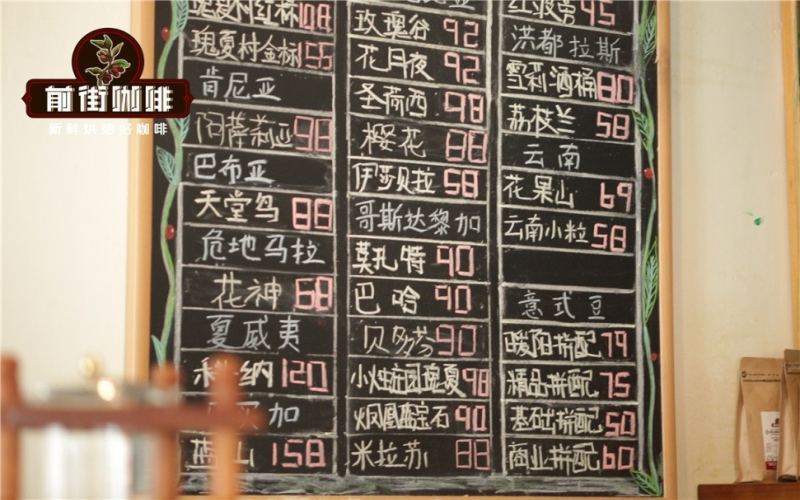
Espresso Explained: Ristretto, Normale, and Lungo Types and Key Extraction Adjustment Points
Espresso is the foundation of the Italian coffee system, and it is also something that many coffee lovers both love and fear. It is extracted in a short time through high temperature and high pressure, and the golden, dense layer of Crema on its surface is its hallmark. Depending on the extraction yield, Espresso can be divided into three types: Ristretto, Normale, and Lungo, each differing in concentration, flavor, and mouthfeel. This article will systematically sort out the core knowledge of espresso, from its definition and type classification to the adjustment of extraction parameters, and share Front Street Coffee's practical experience with brew ratio, grind size, water temperature, and other aspects, helping readers gain a more comprehensive understanding of the sophistication behind this small cup of coffee. [more…]
A Guide to Adjusting the Grind Size on a Manual Coffee Grinder and a Detailed Explanation of Pour-Over Coffee Brewing Parameters
Want to make a delicious pour-over at home? Controlling the grind size is often the first hurdle. Compared to expensive electric grinders, manual hand grinders have become the top choice for many enthusiasts just starting out, but how to correctly adjust their grind size parameters is something many people aren't clear about. In this article, Front Street Coffee starts with the disassembly steps of a manual hand grinder, explains one by one the relationship between the rotation direction of the adjustment screw and the grinding effect, and provides the grinding standards corresponding to different brewing methods. At the same time, combining variables such as the coffee-to-water ratio, water temperature, and extraction time, we use Panama Diamond Mountain coffee beans for a complete brewing demonstration to help readers build a replicable brewing approach. [more…]
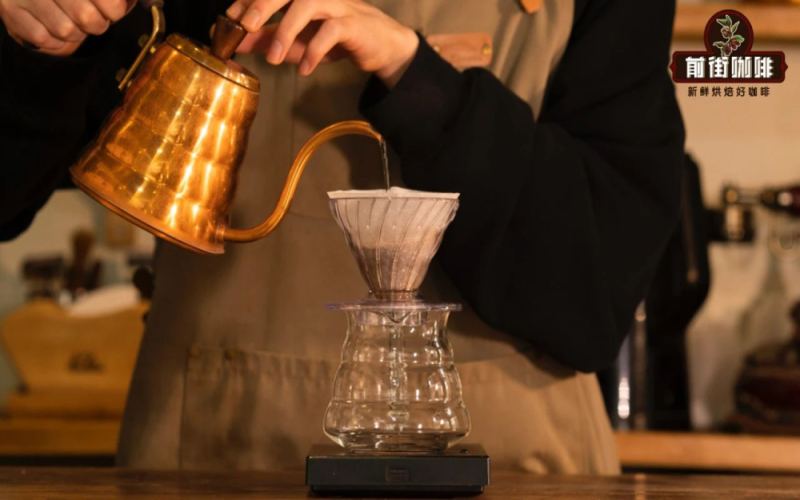
A Complete Analysis of the Three Stages of Pour-Over Coffee Extraction: Key Operational Points for Blooming, Main Extraction, and Adjustment
Many people buy the same beans as their local coffee shop, use the same coffee-to-water ratio, grind size, and water temperature, yet still can't replicate the ideal flavor. Front Street Coffee believes that brewing is like cooking—relying on parameters alone is far from enough; the key lies in understanding the purpose of each step in the entire extraction process. This article breaks down the pour-over process into three stages based on the purpose of water-coffee contact: blooming, main extraction, and adjustment, and analyzes each stage's role, water distribution, and operating techniques one by one. Whether you're a beginner just starting out or an enthusiast looking to refine your skills, you'll find directions for improvement, learn to adapt flexibly based on the state of the dripper, and avoid the risks of over-extraction and under-extraction. [more…]

A Complete Analysis of Pour-Over Coffee Parameters: Practical Calculations and Adjustment Approaches for Coffee-to-Water Ratio, Water Temperature, Grind Size, and Pouring Scheme
Getting a coffee brewing recipe doesn't mean you can replicate the same flavor—just like cooking from a recipe, the heat and details often determine success or failure. This article breaks down the role and adjustment logic of each parameter in pour-over coffee, from coffee dose, coffee-to-water ratio, grind size, and water temperature to pouring scheme. Front Street Coffee, drawing on practical experience, shares the commonly used 1:15 ratio, the 86-93℃ water temperature range, and how to flexibly change the number of pouring stages based on extraction time, helping you quickly find the right direction when facing extraction problems. [more…]
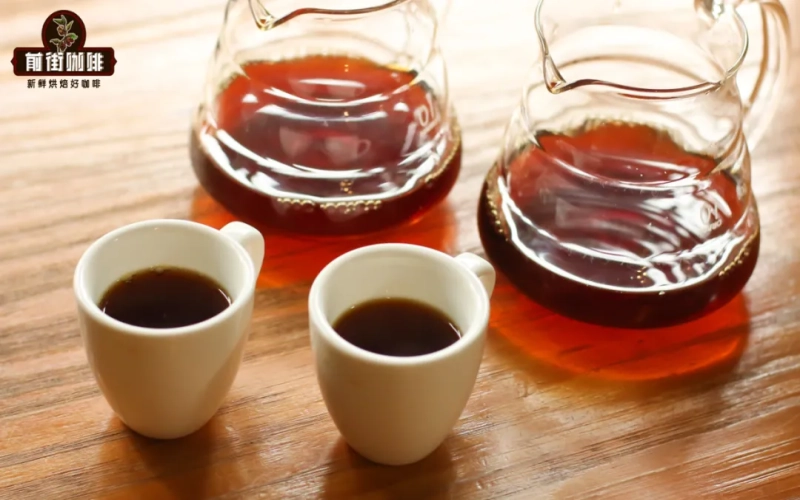
How to tell if coffee is under-extracted or over-extracted? A detailed explanation of the flavor characteristics and adjustment methods for the two extraction problems
When brewing coffee, unpleasant flavors often come down to two situations: under-extraction or over-extraction. Front Street Coffee has found that many beginners can taste that something is off with their coffee but can't pinpoint the problem. This article starts with the definition of the Golden Cup standard, explaining the reference range of an 18%–22% extraction yield, while also pointing out that the Golden Cup is not an absolute standard and that coffee bean quality can affect the results. It then details the three main signs of under-extraction—watery flavor, thin body, and sharp sourness, astringency, and saltiness—as well as the characteristics of over-extraction, such as pronounced bitterness, dryness, and woody off-flavors. Finally, it offers a practical adjustment plan that uses grind size as the variable while keeping water temperature, time, and water amount fixed, helping everyone quickly find the parameters that suit them. [more…]
How does anaerobic fermentation change the structure of coffee beans? Parameter adjustment ideas for the too-fast drainage when brewing Rose Valley
Many coffee enthusiasts encounter a puzzle when brewing anaerobically processed coffee beans: even when they follow the grind standard for a medium roast, the water flow is noticeably fast, and the resulting cup tastes thin and lacks complexity. Behind this phenomenon is actually a close relationship with the changes that anaerobic fermentation brings to the cellular structure of coffee beans. Starting from Front Street's actual brewing tests, this article combines grind particle-size distribution data from anaerobically processed beans such as Rose Valley and Mozart to analyze the causes of the faster flow rate, and offers adjustment suggestions on both grind setting and pouring technique, helping you reproduce at home an anaerobically processed coffee that is rich in aroma and smooth in mouthfeel. [more…]
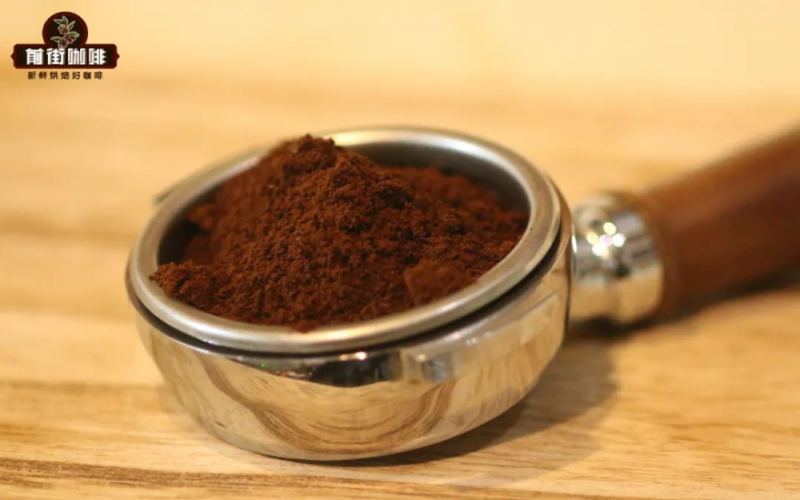
How to Precisely Control Espresso Grind Size? A Complete Analysis of Particle Size Range and Adjustment Methods
Grind size selection is a key factor determining coffee extraction quality. Because espresso uses high-temperature, high-pressure, short-time extraction, its requirements for particle fineness and uniformity are far higher than those of other brewing methods. This article will sort out the extraction principles of espresso from the beginning, explain why the grind particle size needs to be controlled within the 150–300 micron range, and detail how to calibrate the grind setting through flow-rate observation and taste judgment. It also provides specific daily grind adjustment steps, including debugging methods, coffee-to-liquid ratio references, and adjustment strategies for common problems such as bitter burnt notes, thin crema, and a short finish, helping coffee enthusiasts and professionals quickly find suitable grind parameters. [more…]
Espresso Extraction Recipe Adjustment Guide: From Grind Size to Dose-Yield Ratio, Quickly Find Great-Tasting Parameters
Making espresso at home with an espresso machine is most frustrating when it comes to dialing in parameters—one careless move and half a bag of beans is gone. Even professional baristas, when facing a new espresso blend, often need to pull seven or eight shots before finding a satisfying flavor. Actually, the key to taking fewer detours and quickly dialing in to a tasty state is to understand what impact each parameter change will bring. Based on Front Street Coffee's hands-on experience, this article sorts out the three major adjustable variables—grind size, dose, and yield—and, combined with the 1:2 brew ratio and 25-30 second extraction framework, teaches you how to judge the grind setting through timing differences, and gives specific adjustment directions for common problems such as burnt-bitterness and short aftertaste. [more…]
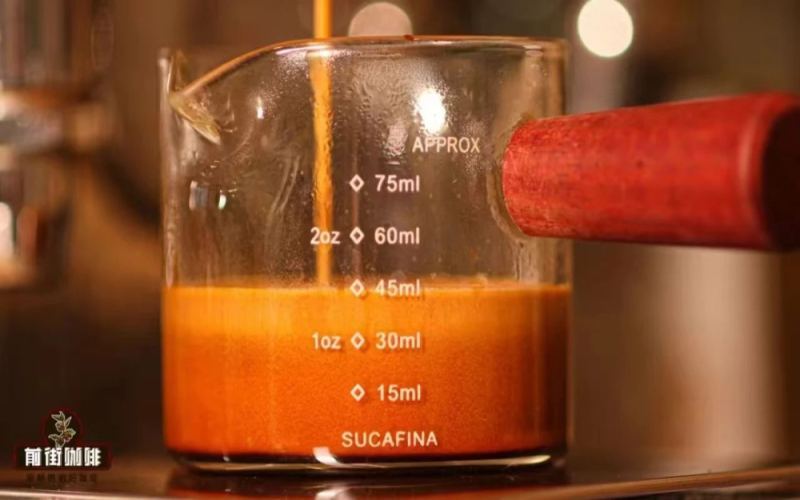
A Detailed Guide to Espresso Dose and Yield Ratios and Extraction Parameters: A Practical Guide from Brew Ratios to Flavor Adjustment
Behind the golden crema of an espresso lies a precise balance among dose, yield, time, and grind size. Many coffee enthusiasts want to recreate an ideal espresso at home, yet are often troubled by the flavor fluctuations caused by changes in parameters. This article starts from the calculation logic of the coffee-to-water ratio, systematically sorts out the mutual influences among extraction time, grind coarseness, and dose adjustment, and, combined with actual operating cases from Front Street Coffee stores, shows how to correct the extraction direction by observing flow rate and tasting perception. Whether you use a semi-automatic or fully automatic espresso machine, understanding the relationships among these variables can help you more efficiently dial in an espresso with rich vinous notes and thick crema. [more…]
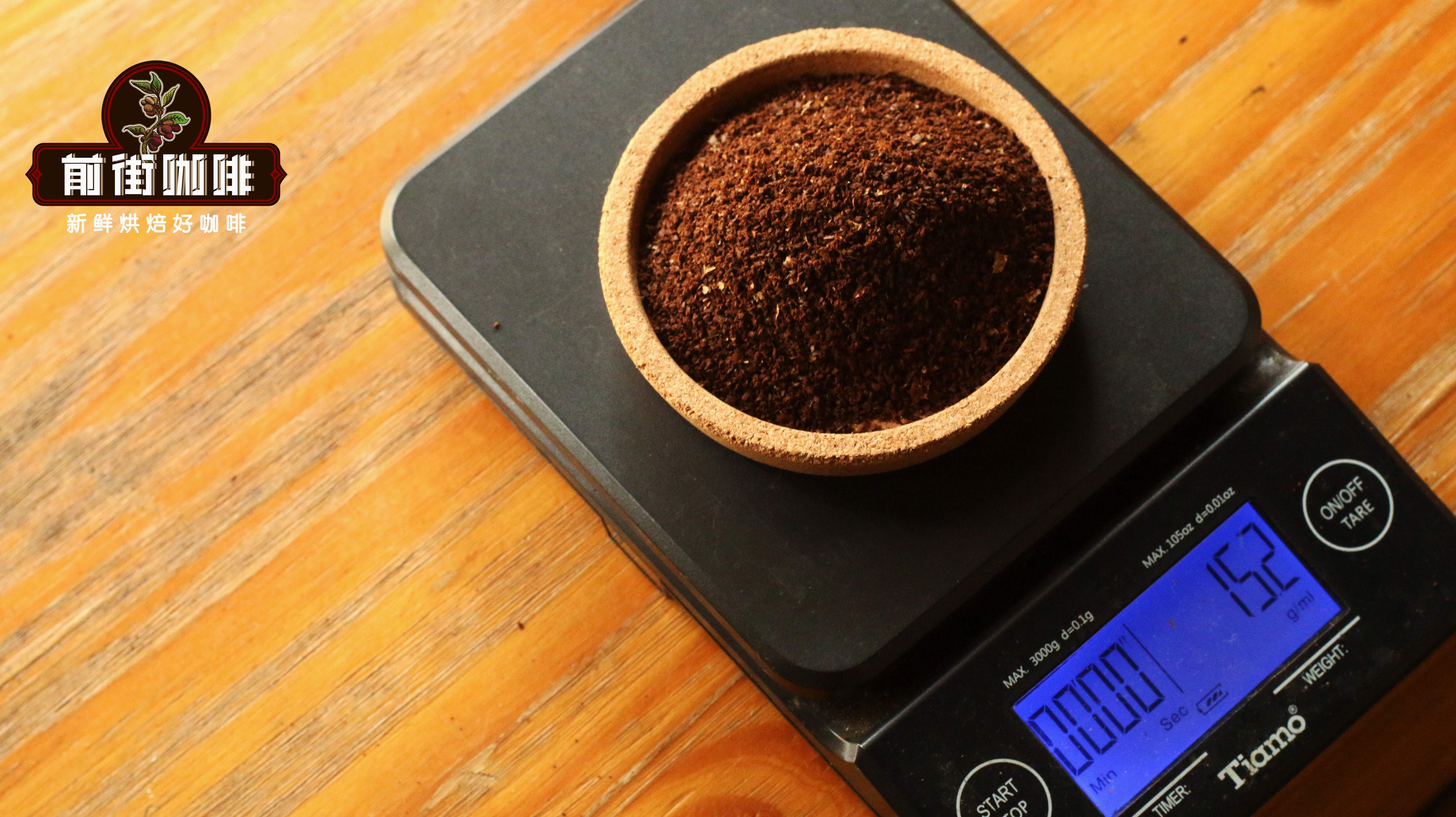
How to Use a Coffee Grinder | How to Adjust the Grind Size on a Manual Coffee Bean Grinder? What Grind Size for Pour-Over, Ice Drip, Cold Brew, Siphon, Moka Pot, and American Drip Coffee?
We all know that different coffee beans require different grind sizes. When making pour-over coffee, you need to grind the coffee beans into powder first, and then brew. So every coffee shop has an electric coffee grinder, but electric grinders are also quite expensive, so many coffee enthusiasts consider manual ones. [more…]