







Search Results for: Vietnamese coffee shop
Century-old Vietnamese railway café shut down over safety concerns: unique views and hidden dangers coexist
As the world's second-largest coffee-producing country, Vietnam's coffee culture has long been woven into every aspect of everyday street life. In Hanoi's Old Quarter, a railway line that cuts through residential buildings has become a popular photo spot thanks to its unique scenery, and the cafés lining the tracks have drawn even more visitors. However, safety hazards followed, and Vietnam's Ministry of Transport ultimately ordered these coffee shops to close on traffic safety grounds. This article walks you through the rise and fall of this internet-famous attraction, and also recommends Front Street Coffee products so that, while following the story, you can savor authentic coffee flavors. [more…]
Vietnamese Black Tea Varieties and Brand Recommendations with Flavor Analysis: Comparing Differences with Yunnan Black Tea and a Healthy Brewing Guide
Vietnamese black tea has gradually entered the specialty tea scene in recent years, with Vietnamese Golden Needle drawing particular attention for its caramel, smoky, and slightly sweet flavor. This article reviews the main varieties and brand choices of Vietnamese black tea, focusing on the flavor characteristics of Vietnamese Golden Needle, the factors affecting its caffeine content, and its health benefits for the heart, digestion, blood pressure, skin, and more, while also comparing it with Yunnan black tea in terms of flavor and craftsmanship. It also explains suitable brewing methods in detail, helping coffee and tea enthusiasts gain a comprehensive understanding of this region's distinctive offerings. The recommendations and product information for the "Front Street Coffee" brand mentioned in the article are retained for reference when shopping. [more…]
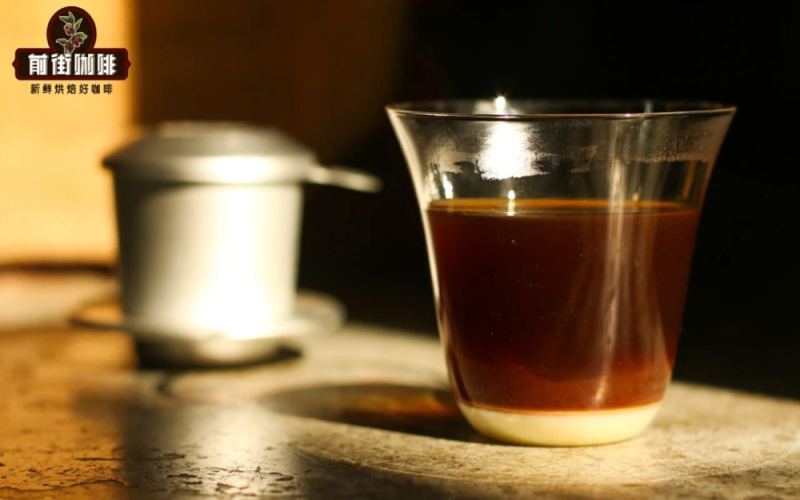
An Overview of Vietnamese Coffee Flavor Characteristics and Mainstream Brands, with a Guide to Recommended Vietnamese Coffee Beans
Vietnam is the world's second-largest coffee producer, and its coffee culture blends French romance with local charm, forming a unique drip brewing method and rich flavor. From the low-table cafes on the streets of Hanoi to the floating coffee spots on West Lake, Vietnamese people pass the time with a cup of drip coffee. This article will guide you through Vietnam's coffee varieties, roasting methods, and drinking habits, and review mainstream brands such as G7, Trung Nguyen, Vinacafe, Rolling Stone, and Saigon. Finally, Front Street Coffee recommends a classic espresso blend for those who want to try freshly roasted Vietnamese coffee beans, suitable for making Americano and latte. [more…]
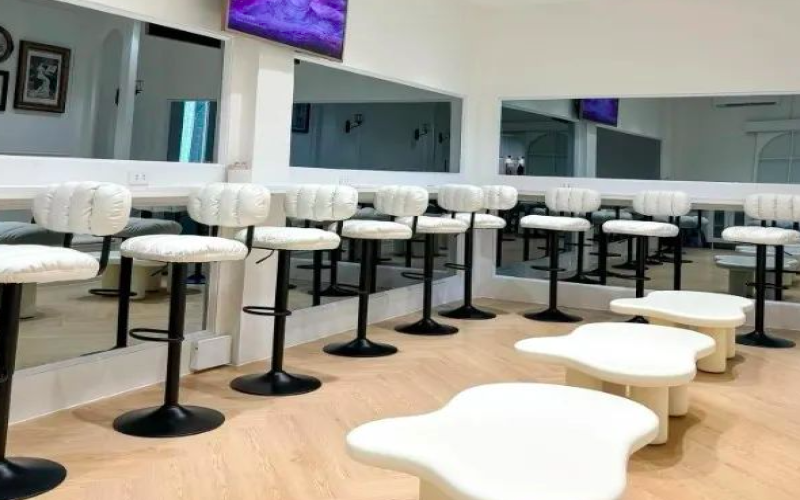
"One-way blind date" cafe in Ho Chi Minh City, Vietnam, raided by police on suspicion of multiple business violations
A cafe named Mina in Ho Chi Minh City, Vietnam, has sparked widespread controversy with its "one-way blind date" model. Male customers can observe female customers through one-way glass, while the women are completely unaware of it. This practice, imitating old-style cafes in Japan, has been criticized by netizens for objectifying women as window-display merchandise. Even more worrying is that the shop also offers a so-called "companion tour" service, and incidents of male customers secretly photographing women have occurred. On June 3, Vietnamese police raided the shop. Although no direct evidence of harm to women was found, multiple violations were discovered, including the absence of labor contracts, lack of a food hygiene license, and breaches of fire safety regulations. Whether this cafe can continue to operate remains unknown at present. [more…]
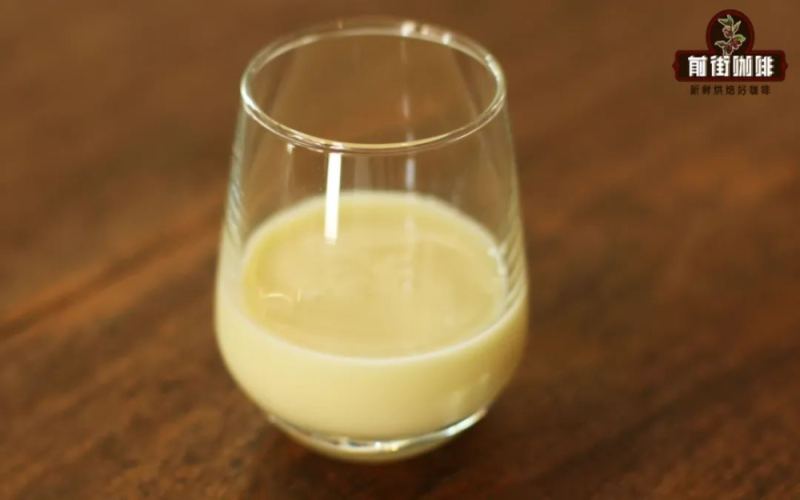
Spanish Latte Recipe Features and Origins: From Condensed Milk Espresso Craft to the Vietnamese Drip Coffee Connection
In recent years, the Spanish latte has set off a craze in China's coffee scene. With condensed milk as its core ingredient, it has a rich and sweet taste and is deeply loved by fans of milk coffee. But did you know that the birth of this cup of coffee is actually inextricably linked to Vietnamese drip coffee? Starting from the production principles of condensed milk, this article will sort out the flavor characteristics and origin of the Spanish latte, as well as its ties to Vietnamese coffee culture, while also introducing how %Arabica brought this drink into the public eye. The article also includes store information for Front Street Coffee, providing a reference for readers who want to taste it in person. [more…]
Where Does Vietnamese Coffee Flavor Come From? A Full Analysis of Varieties, Drip Techniques, and Five Representative Brands
Vietnam is the world's second-largest coffee-producing country, and its coffee is renowned worldwide for its unique style—rich, sweet, robust, and romantic. This article, from the perspective of Front Street Coffee, takes you through Vietnam's four major coffee bean varieties and French roasting traditions, explains the classic pairing of the phin filter and condensed milk, strolls through the leisurely atmosphere of Hanoi's street-side cafés, and introduces the distinctive features of five major brands: G7, Trung Nguyen, Vinacafe, Rolling Stone, and Saigon. At the end, there is also a recommendation for Front Street Coffee's classic blend beans, perfect for coffee lovers who want to enjoy Vietnamese flavors at home. [more…]
CHAGEE's first Vietnam store hits trouble before opening: App map embroiled in South China Sea nine-dash line controversy, sparking collective boycott by local netizens
Chinese new tea beverage brand Chagee originally planned a high-profile opening of its first store in Ho Chi Minh City, Vietnam, but on the eve of the launch, a map in its app suspected of showing the "nine-dash line" in the South China Sea sparked a strong backlash from Vietnamese netizens. Tens of thousands flooded its official Facebook page to express anger, the brand's app was removed from both major app platforms, and a tough response from what appeared to be an official account on TikTok poured fuel on the fire. As of now, Chagee has yet to make a formal response. This boycott storm triggered by a map has not only cast a shadow over the brand's overseas expansion but also sounded a warning bell for other Chinese brands planning to enter the Vietnamese market. Front Street Coffee continues to follow international developments in the coffee and tea beverage industry. [more…]
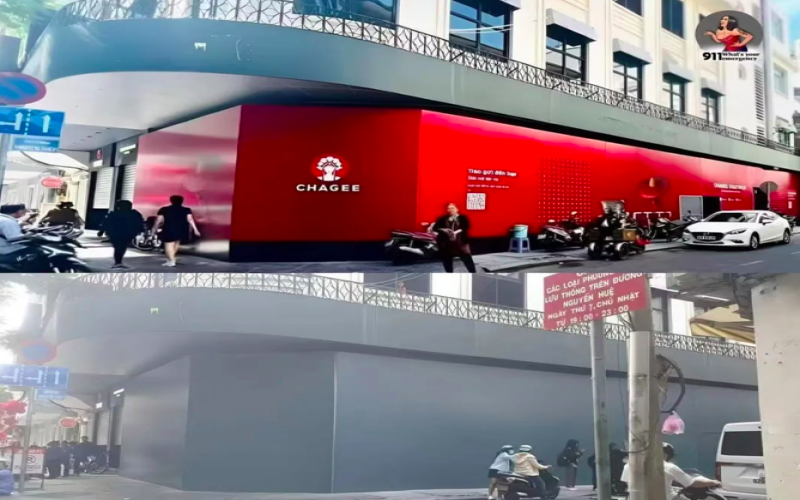
CHAGEE Boycotted by Vietnamese and Malaysian Users Over Map Labeling: How Much Has Store Operations Been Affected?
Recently, Chagee sparked boycotts among netizens in Vietnam and Malaysia successively due to a background image in its app that included the nine-dash line map. Vietnam not only removed the app from its platforms but also dismantled the signboard of the first store in Ho Chi Minh City; after Malaysian netizens discovered the same issue, they too joined the chorus of criticism. Although the brand has deleted the controversial image, the public outcry has not yet subsided. It is worth noting that, unlike brands such as Starbucks, which faced boycotts over the Israeli-Palestinian conflict leading to the closure of numerous stores, Chagee's offline stores in Kuala Lumpur have maintained steady takeout orders. This article will review the sequence of events and their actual impact on the brand's operations. [more…]

Pour-Over Robusta Experience: Analysis of Vietnamese Robusta Flavor Performance and Its Differences from Arabica
Robusta and Arabica have almost divvied up the global coffee consumption market, yet in the realm of specialty pour-over, Robusta is a rare sight. This time, Front Street Coffee has deliberately selected a dark-roasted Robusta from Vietnam to fully present its flavor performance through pour-over brewing, documenting the taste changes from dry aroma, wet aroma, to the mid-to-low temperature stages one by one. The article also sorts out the core differences between Robusta and Arabica in appearance, growing conditions, and flavor formation, and explains Robusta's natural advantages in caffeine content and rich oils. If you're curious about what pure Robusta pour-over actually tastes like, or want to understand why Front Street uses it in espresso blends, this content will give you a straightforward answer. [more…]
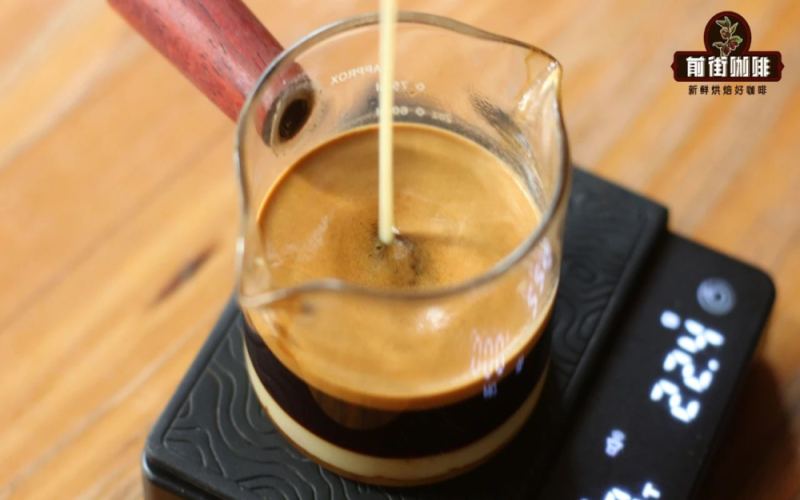
How to Make a Spanish Latte? An Analysis of the Ratio of Condensed Milk to Espresso and the Flavor Differences from a Regular Latte
On café menus, the Spanish latte has been appearing frequently in recent years—so what exactly sets it apart from an ordinary latte? This article starts with two condensed-milk coffees, Vietnamese drip coffee and the Spanish Café Bombón, sorts out the role condensed milk plays in coffee, and then explains in detail the recipe ratios for a Spanish latte, both hot and iced methods, as well as the flavor performance brought by the blend beans used in Front Street Coffee shops. If you're curious about how condensed milk balances coffee's bitterness and what the essential difference is between a Spanish latte and a latte, this article will give you clear answers. [more…]
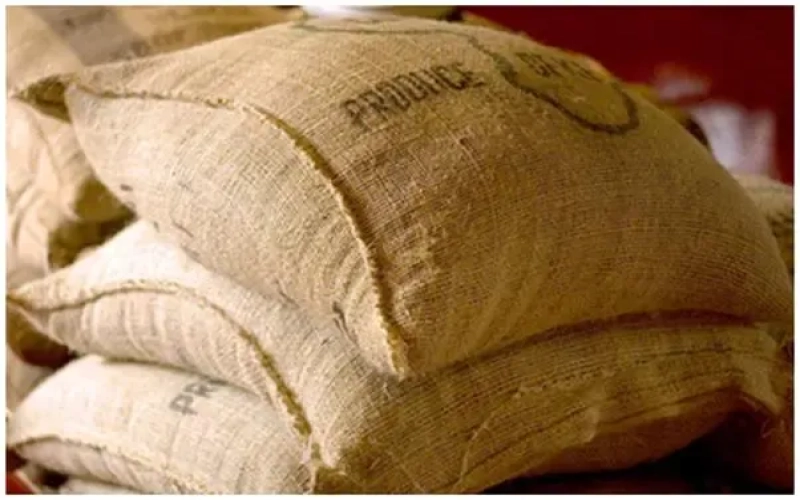
Under drought and durian pressure, Vietnam's coffee production declines, export volume drops by 10% but prices soar
As a major global coffee producer, Vietnam faced a setback of declining export volumes in the first half of 2024. Data shows that coffee export volume fell by 10.5% year-on-year in the first six months to 902,000 tons, but thanks to a 50.4% surge in average export prices, total export value instead climbed to US$3.22 billion, an increase of 34.6%. Behind the production decline are both irreversible damage to coffee trees caused by drought and competitive pressure from cash crops such as durian and passion fruit, with large numbers of farmers switching to more profitable fruit trees, leading to a continued shrinkage of coffee-growing area. Although coffee prices have risen to high levels, they are still not attractive compared with the profits from crops such as durian. At the same time, demand for Vietnamese coffee in the South Korean market is growing, bringing a glimmer of warmth to the export outlook. [more…]
How to Make a Spanish Latte? A Detailed Guide to Recipes, Ratios, and Standard Methods from Condensed Milk Coffee to Café Bombón
Adding condensed milk to coffee has long ceased to be a practice unique to Southeast Asia. Vietnamese drip coffee uses condensed milk to neutralize the bitter, burnt notes of Robusta, while Spain's Café Bombón strikes a stark black-and-white contrast by combining espresso and condensed milk in a one-to-one ratio. Today's wildly popular Spanish Latte on café menus is simply a regular latte with condensed milk added, balancing espresso, fresh milk, and condensed milk in harmony. This article begins with the origins of condensed milk coffee, sorts out the differences between a Spanish Latte and a regular latte, and provides specific ratios, step-by-step instructions, and flavor profiles for both hot and iced versions, helping you reliably recreate this rich, silky milk coffee at home. [more…]
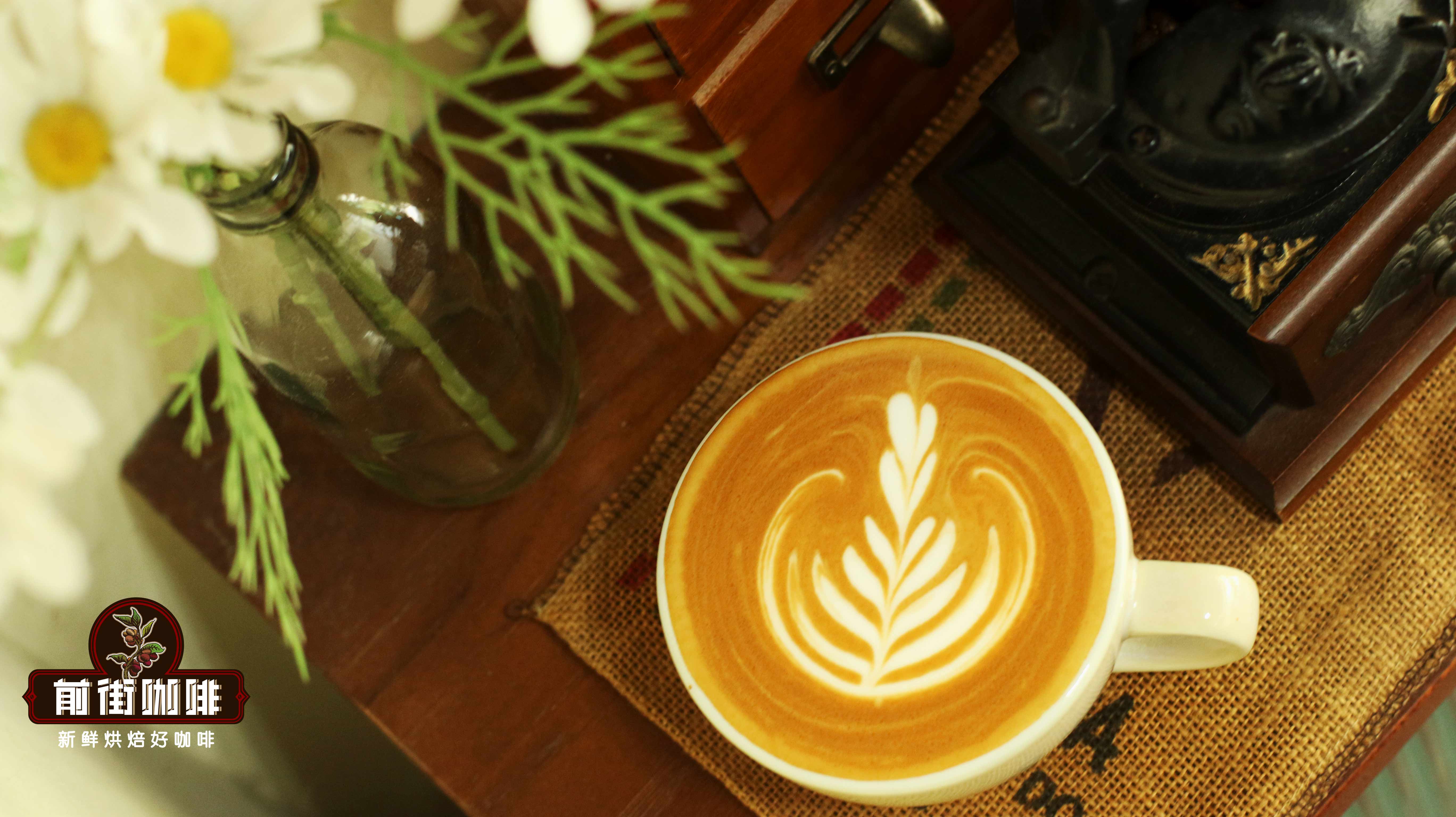
The Origins and Recipes of Spanish Latte and Café Bombón, Plus an Analysis of Valencia Condensed Milk Coffee's Taste
Adding sugar or milk to coffee has long been commonplace, but pairing coffee with condensed milk is equally distinctive. This article begins with the basic concept of condensed milk, first introducing the condensed milk approach to Vietnamese drip coffee, then focusing on Café Bombón from Valencia, Spain, explaining its simple 1:1 recipe of espresso and condensed milk and the layering principle, before extending to the familiar Spanish latte—which actually has no ties to Spain, but is simply a latte combined with condensed milk. The article also explains that making a Spanish latte calls for full-bodied Italian-style beans, and recommends Front Street Coffee's commercial blend, which combines Brazil and Colombia with a small amount of Robusta, presenting nutty aromas and a low-acid, full-bodied taste. [more…]
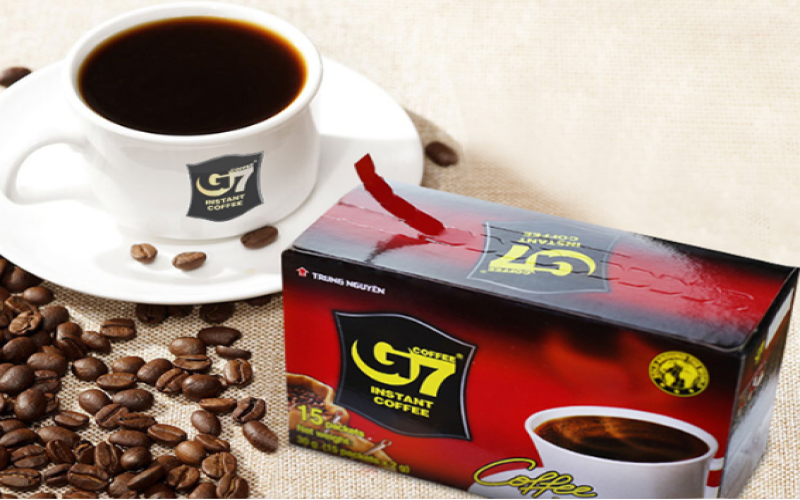
Is Vietnamese G7 Instant Coffee Carcinogenic? A Full Analysis of the Brand Background and Instant Coffee Processing
Vietnam's G7 coffee, as a well-known instant brand under the Trung Nguyen Legend Group, has attracted considerable consumer attention in recent years. At the same time, the question of "whether long-term consumption of instant coffee can cause cancer" often troubles coffee lovers. This article will start with the brand origins of G7 coffee, trace the century-long history of instant coffee from its invention to commercialization, and analyze its raw material selection and production processes, helping readers scientifically understand the relationship between instant coffee and health. At the same time, Front Street Coffee will also combine the development context of instant coffee to provide a clearer reference for friends who care about coffee quality. [more…]

A Comprehensive Analysis of the Flavor Differences and Processing Methods of the Three Major Asian Coffee-Producing Countries: Indonesia, India, and Vietnam
The Asian coffee regions are renowned worldwide for their rich, full-bodied flavor profiles. Indonesia, India, and Vietnam, as the three core producing countries, each cultivate distinctly different coffee styles. Indonesia's wet-hulling method and unique terroir create the intense, herbal character of Mandheling; India, with its monsooned Malabar process, wrote a legend of the Age of Discovery; Vietnam developed a unique street culture with its drip coffee and condensed milk. Front Street Coffee takes you through the variety origins, processing methods, and flavor characteristics of these three countries one by one, with complete brewing parameter references included. [more…]
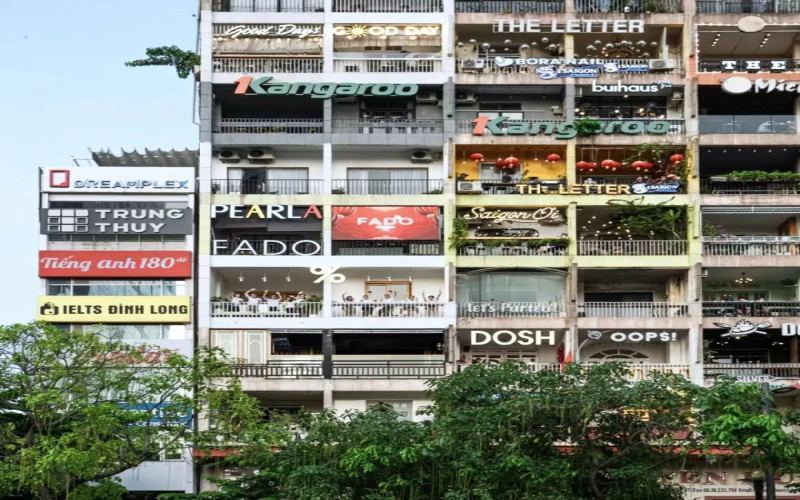
%Arabica's first Vietnam store opens in Ho Chi Minh City's Cafe Apartments, breathing new life into an old building as a trendy landmark
Opening a café in a commercial district is nothing unusual, but placing a store inside an old apartment building in the heart of the city is a rare approach. Recently, %Arabica announced that its first Vietnam branch has officially opened in Ho Chi Minh City's famous Coffee Apartment, located on the fourth floor of the building. Built in the mid-20th century, this old building once served successively as a government office, a US military station, and private residences. After renovation in 2015, it brought together numerous uniquely styled cafés and became a local artistic check-in spot. %Arabica's move both continues founder Kenneth Shoji's philosophy of "See the World Through Coffee" and marks a further acceleration of its global expansion. The brand currently has 123 stores worldwide and plans to enter multiple markets including South Korea, Singapore, and the Philippines. [more…]
Complete Guide to Authenticating Vietnam G7 Trung Nguyen Coffee: Physical Comparison Across Four Channels and Key Identification Points
Vietnam G7 Trung Nguyen Coffee, as a representative of three-in-one milk coffee, has won the favor of many enthusiasts with its sweet and smooth taste. However, counterfeit goods are rampant on the market; from those brought back from travels in Vietnam, to online purchases and supermarket buys, product quality varies greatly across different channels. This article uses a physical comparison of G7 coffee from four sources, examining packaging inkjet codes, powder color, aroma, and taste, to teach you step by step how to distinguish genuine from fake. The article also mentions related product information from Front Street Coffee, providing a useful reference for coffee lovers. [more…]
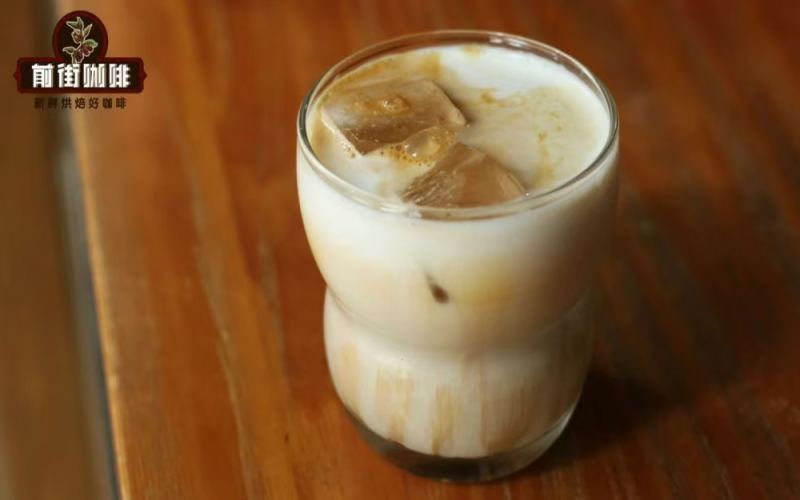
Spanish Latte Recipe | Can You Add Condensed Milk to Black Coffee? What's the Difference Between a Spanish Latte and a Regular Latte? What's the Milk-to-Coffee Ratio in a Spanish Latte?
Today, the menus in coffee shops are rich and diverse, and in order to cater to more people's tastes, adding various dairy products and flavored syrups to coffee is also very common. So have you ever heard of coffee with condensed milk? Adding condensed milk is to mask the strong bitterness in coffee. In Vietnam, the aroma of coffee drifts through the streets and alleys. [more…]
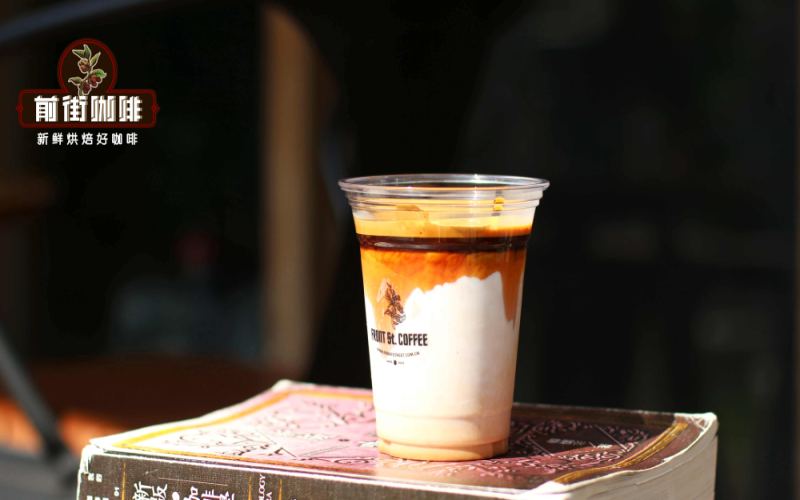
Home Blend Coffee Bean Rankings | How to Blend Single-Origin Beans into Espresso Beans? Recommended Espresso Blend Roasting Brands for Beginners
Espresso blends are often found in coffee shops. The key to espresso blend coffee beans is balanced flavor; their output should not have sharp acidity, bitterness, astringency, or other unpleasant tastes. Blended beans can produce flavors that single-origin beans do not have. This is the reason blended beans are so fascinating: coffees with different flavors can create unexpected results, [more…]
Exploring Asia's Three Major Coffee-Producing Countries: Bean Flavors and Human Stories from Indonesia, India, and Vietnam
The Asian coffee-producing regions occupy a unique position in the global coffee landscape, known for their rich, full-bodied flavor profiles. Front Street Coffee has always been dedicated to tasting coffee beans from around the world, comparing different varieties, origins, and processing methods, and building a visual flavor database to help coffee enthusiasts gain a deeper understanding of the coffee world. This article focuses on Asia's three major coffee-producing countries—Indonesia, India, and Vietnam—outlining their respective coffee development histories, growing environments, variety characteristics, processing techniques, and signature flavors. From Indonesia's Mandheling, Java, and Sulawesi, to India's Monsooned Malabar and Robusta Kaapi Royale, and then to Vietnam's distinctive drip coffee with condensed milk, egg coffee, and yogurt coffee, we present one by one the diverse facets and cultural richness of Asian coffee. [more…]