







Is Instant Coffee Carcinogenic in Normal Use?
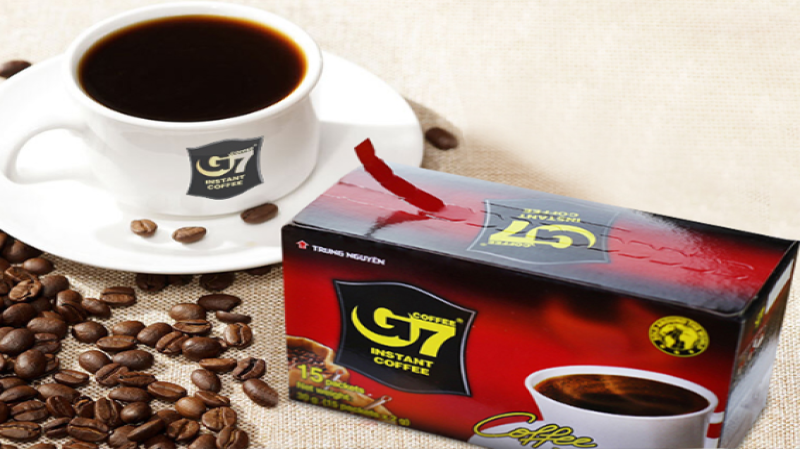
The concern that instant coffee carcinogenic effects exist has no direct support in the way the product is normally made. G7 is a Trung Nguyen Legend brand from Vietnam, founded in Buon Ma Thuot City in 1996. Instant coffee is a soluble extract produced from roasted, ground beans, and its health profile tracks raw material quality and processing rather than the format itself.
Instant coffee dates to the late 19th century, when Japanese chemist Satori Kato extracted a soluble version in 1899. Early commercial attempts failed, partly because poor ingredients made soldiers ill, and the product was pulled. Modern brands like Trung Nguyen Legend apply controlled extraction and drying, so the question of can instant coffee cause cancer hinges on contaminants, not solubility.
As a well-known instant coffee brand under Trung Nguyen Legend Group, Vietnam's G7 coffee has attracted considerable consumer attention in recent years. At the same time, questions about "whether long-term consumption of instant coffee can cause cancer" often trouble coffee lovers. This article will start with the brand origins of G7 coffee, trace the century-long history of instant coffee from its birth to commercialization, and analyze its raw material selection and production processes, helping readers scientifically understand the relationship between instant coffee and health. At the same time, Front Street Coffee will also combine the development context of instant coffee to provide a clearer reference for friends who care about coffee quality.
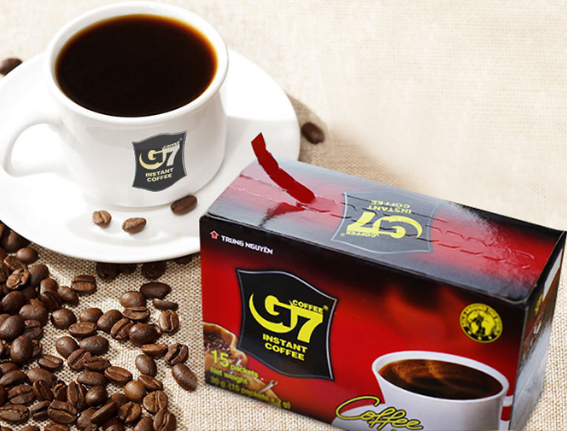
According to relevant materials reviewed by Front Street Coffee, G7 coffee belongs to Vietnam's Trung Nguyen Legend Coffee, a brand founded by Trung Nguyen Legend Group. In 1996, founder Dang Le Nguyen Vu formally established the company in Buon Ma Thuot City, Vietnam. In addition to G7 coffee, the group also owns multiple well-known brands such as "Trung Nguyen Legend" and "Trung Nguyen," with product lines covering coffee shops, coffee beans, ground coffee powder, drip bag coffee, and instant coffee, among other categories.
Front Street Coffee has also previously encountered some friends asking for advice, saying they often hear the claim that "long-term drinking of instant coffee can cause cancer," and therefore came to ask Front Street Coffee whether they could still drink it with peace of mind. In fact, as long as the raw material composition and processing methods of instant coffee are clearly understood, this question can naturally be answered.
That said, American soldiers did not approve of this product. This coffee essence tasted extremely poor and did not provide any refreshing effect. Worse still, because it may have used spoiled milk as a raw material, many soldiers experienced diarrhea on the spot after drinking it. This series of negative feedback quickly forced the coffee essence to be discontinued. However, although the product itself withdrew from the market, it allowed many businessmen to see considerable commercial prospects in it, and they began to devote themselves to the research, development, and production of portable coffee.

In 1899, Japanese chemist Satori Kato successfully extracted dry powder by drying coffee solution under vacuum conditions, thereby producing instant coffee, and obtained a patent for this technology in 1903. However, at the time, he did not realize the path toward commercializing this product. By 1906, George C. L. Washington obtained a production patent for instant coffee in the United States, launched a commercial instant product called "Red E Coffee," and vigorously promoted it to the market. But "Red E Coffee" ultimately failed to become popular worldwide due to its poor taste.
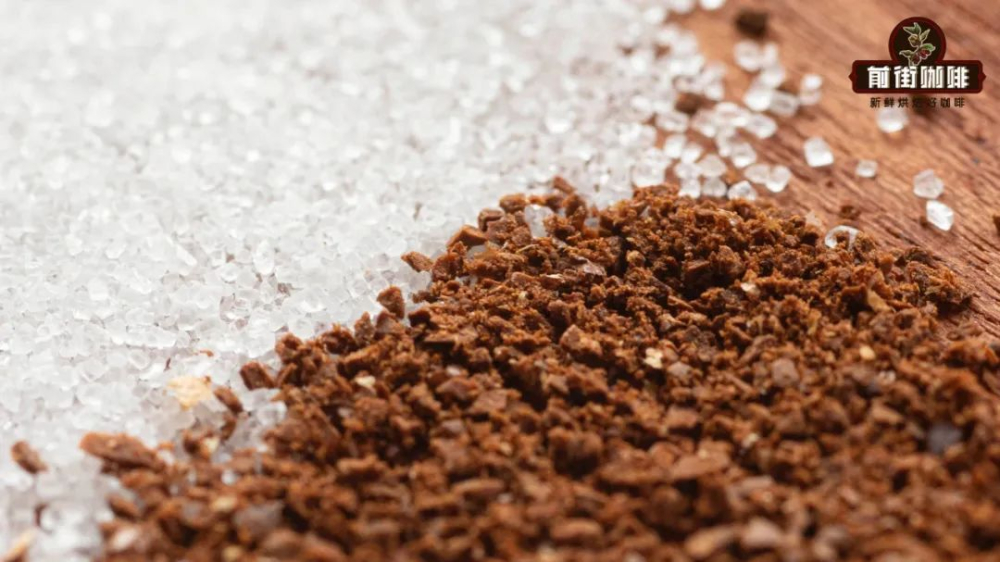
However, the shortcomings of this process are equally obvious. Because it remains in a high-temperature drying environment for a long time, the aromatic substances in coffee almost completely disappear, leaving only bitter components behind. For this reason, the production of instant coffee usually uses lower-quality Robusta beans as raw material, and then dilutes the bitterness by adding large amounts of non-dairy creamer and sugar. This is also the reason instant coffee has been labeled "low-end coffee"—early instant products did indeed have deficiencies at the health level.
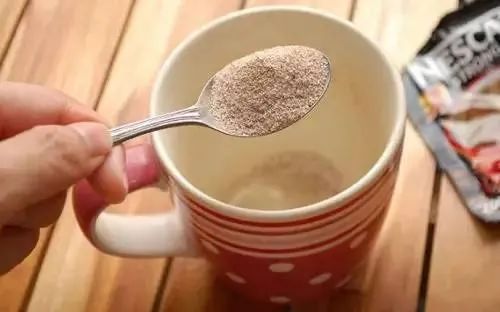
Finally, these coffee blocks are sent into a vacuum drying chamber for heating and drying. When heated in a vacuum environment, the moisture directly sublimates rather than liquefying into water. After drying is completed, the coffee particles formed are the freeze-dried coffee we commonly see today.

The above content is compiled by CoffeeHunters, a coffee news website.


