







Spanish Latte and Condensed Milk Coffee: A Complete Guide
Condensed milk coffee is not limited to Southeast Asia. In Vietnam, dark-roasted Robusta beans are brewed and paired with sweet condensed milk to balance bitterness, creating ca phe sua da. In Spain, Café Bombón layers espresso and condensed milk in equal parts for a striking contrast. The Spanish Latte popular in cafes today is simply a latte with condensed milk added, balancing espresso, fresh milk, and condensed milk.
This guide explains the origins of condensed milk coffee, how a Spanish Latte differs from a standard latte, and provides specific ratios, step-by-step instructions, and flavor notes for both hot and iced versions. You will learn to recreate this rich, silky drink at home. We also cover Spanish coffee beans and how coffee from Spain inspires modern café menus, so you can choose beans and methods that suit your taste.
Adding condensed milk to coffee has long ceased to be a drinking method unique to Southeast Asia. Vietnamese drip coffee uses condensed milk to neutralize the burnt bitterness of Robusta, while Spain's Café Bombón creates a striking black-and-white contrast by combining espresso and condensed milk in a one-to-one ratio. Today's hugely popular Spanish Latte on café menus is precisely an ordinary latte with condensed milk added, balancing espresso, fresh milk, and condensed milk against one another. This article will start from the origins of condensed milk coffee, sort out the differences between a Spanish Latte and an ordinary latte, and provide specific ratios, step-by-step instructions, and flavor profiles for both hot and iced versions, helping you reliably recreate this cup of rich, silky milk coffee at home.
Café menus these days are getting more and more elaborate. To cater to different customers' taste preferences, adding all kinds of dairy products and flavored syrups to coffee is nothing new. But have you ever heard of adding condensed milk to coffee?
Adding condensed milk is essentially about suppressing that heavy bitterness in coffee.
In Vietnam, the aroma of coffee fills every street and alley. The country mainly grows Robusta beans, and the roast level is often so dark that the bean surface glistens with oil. The extracted coffee liquid has a thick layer of crema, with flavors typically showing hazelnut, grain, and caramel, and a rather pronounced burnt bitterness. Compared to European-style fresh milk, Vietnamese people prefer condensed milk with its lactose sweetness, so they use its sweetness to balance the coffee's intense bitterness. Locally, this drink is called "ca phe sua da," which is what we commonly know as Vietnamese drip coffee.
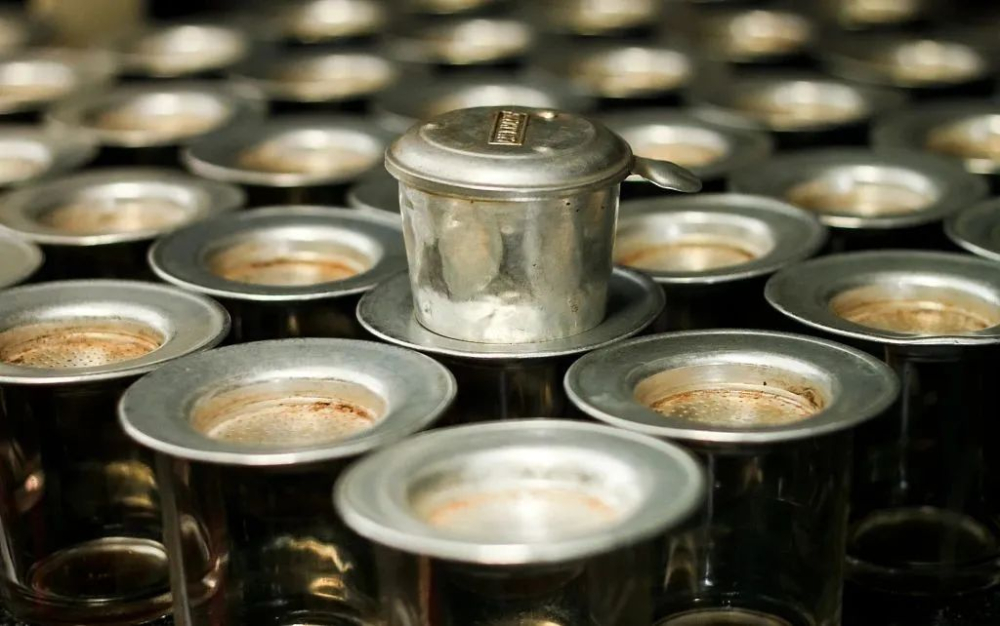
If you order a drip coffee in Vietnam, the shop will first spoon some milky-white condensed milk into the bottom of the cup, then set the drip filter over the rim, pour in hot water, cover it, and wait for the dark coffee liquid to finish dripping drop by drop. The barista will also thoughtfully provide a small spoon so you can stir it evenly before drinking. The cloying sweetness of the condensed milk and the intense bitterness of the Robusta black coffee cancel each other out, resulting in a cup of milk coffee that has both coffee aroma and lactose sweetness.
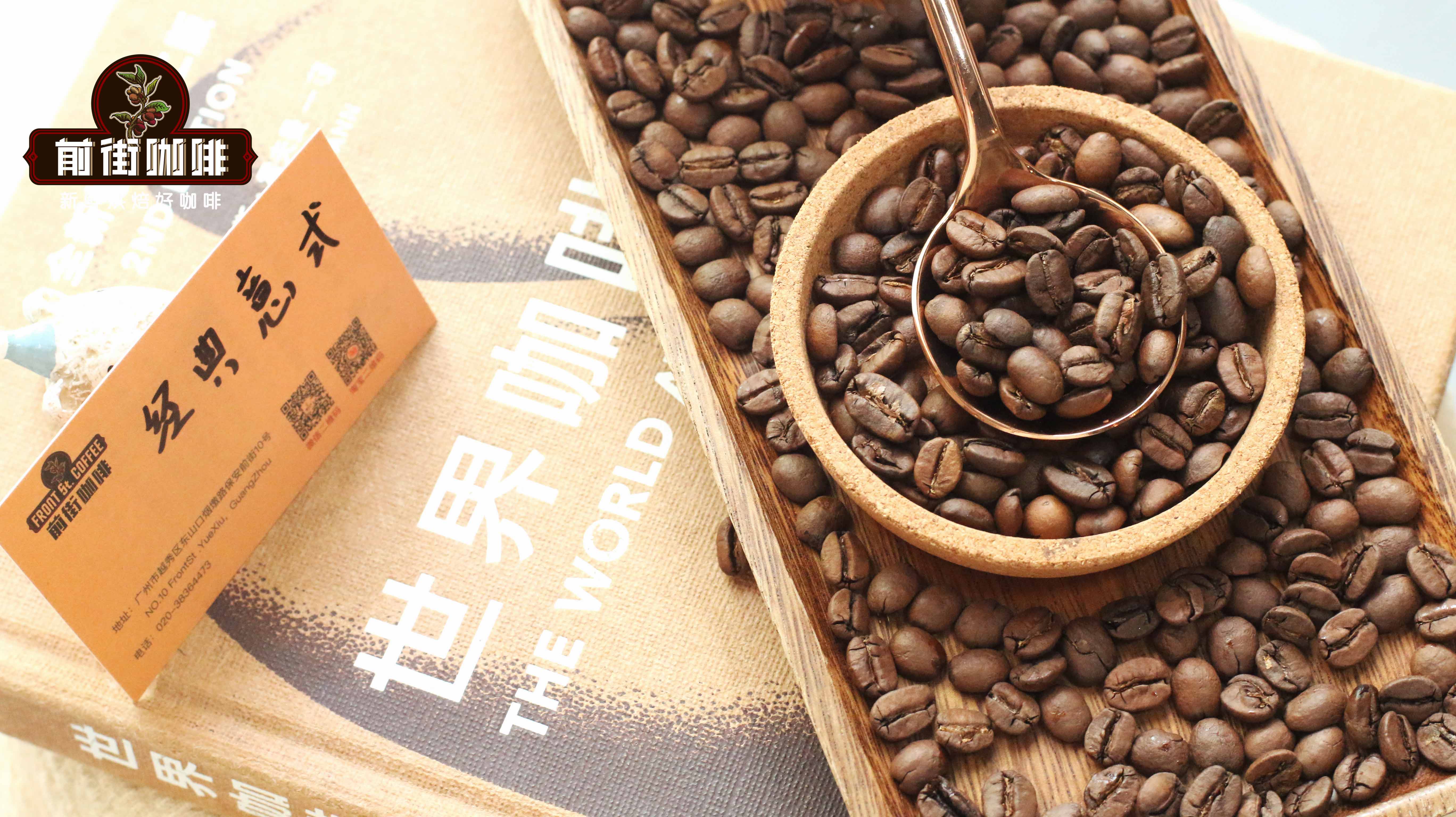
To make a Spanish Latte, Front Street Coffee's classic espresso blend is recommended. This recipe combines coffee beans from three origins—Brazil, Indonesia, and Vietnam—and uses a dark roast, which maximizes the coffee's rich aroma and makes it easy to extract abundant, dense crema. Whether you're making an Americano diluted with water or a latte paired with milk, it's very suitable. You can purchase it at Front Street Coffee's Taobao store or Front Street Coffee's Tmall flagship store.
Besides Vietnam in Southeast Asia, Spain in Europe also has a tradition of drinking "coffee + condensed milk." They habitually call this coffee "Café Bombón." Essentially, it's espresso plus condensed milk, served in a tiny glass.
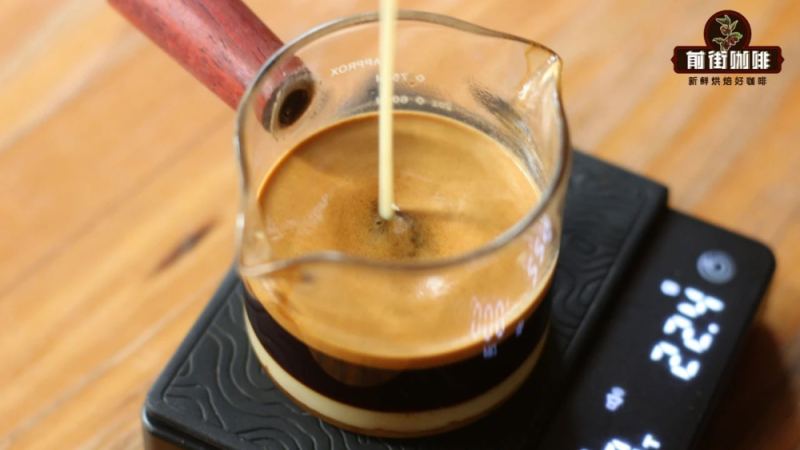
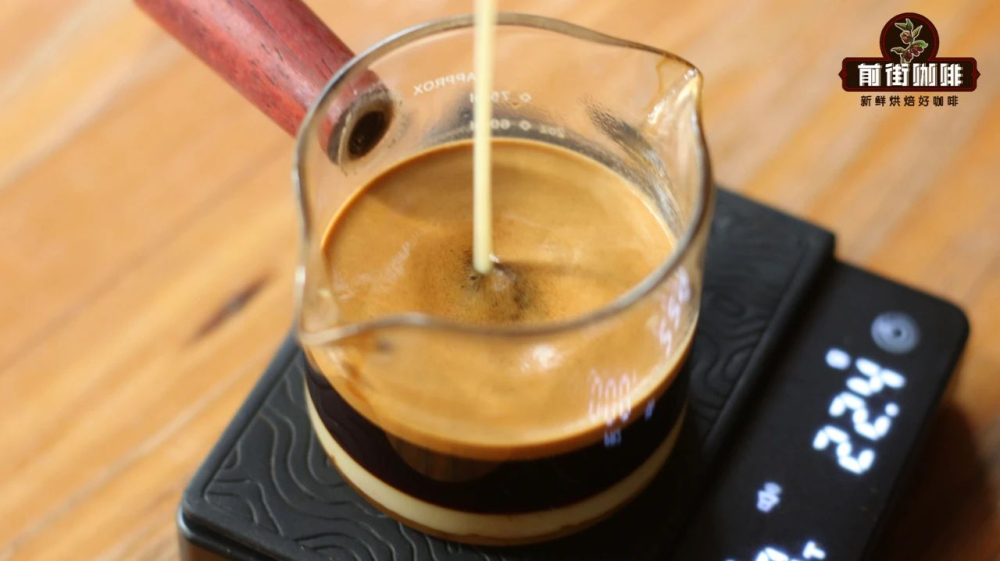
Front Street Coffee has also recreated this drink: take a 90 to 120 milliliter glass—using a glass is mainly for aesthetics. Pour in condensed milk at a 1:1 ratio with the espresso. For example, if the espresso liquid used by Front Street Coffee is 40 grams, then add 40 grams of condensed milk as well. Then pour the espresso on top of the condensed milk. Because condensed milk is denser, without external stirring, the espresso can hardly blend with the condensed milk, creating a beautiful "black-and-white pairing." The first sip feels a bit like "turtle jelly with condensed milk"—the mouthfeel is much heavier than drinking espresso straight, and it's not bitter at all.
The "add condensed milk" approach certainly isn't limited to the two drinks above. In recent years, a "Spanish Latte" made from coffee, milk, and condensed milk has also become a hot item on café menus. For example, the chain brand Arabica has launched this popular coffee.
What's the difference between a Spanish Latte and a latte?
A Spanish Latte consists of three components: espresso, fresh milk, and condensed milk. In other words, it's an ordinary latte with condensed milk added on top. The addition of condensed milk allows even those who can't handle bitterness to enjoy a rich coffee aroma.
Once you understand the difference between a Spanish Latte and an ordinary latte, making it is very simple. Front Street Coffee first extracts 40 milliliters of espresso. Add 10 grams of condensed milk to the base and stir thoroughly until evenly combined. Then steam 200 milliliters of fresh milk to a suitable temperature of 55 to 65 degrees Celsius, and finally incorporate it into the coffee liquid. The Spanish Latte is complete. If you want to make an iced Spanish Latte, Front Street Coffee first adds 75 grams of firm ice cubes to the cup, pours in 200 milliliters of cold milk, then adds 10 grams of condensed milk to the extracted espresso and pours it over the surface. Before drinking, stir evenly with a straw.
For espresso-based drinks at Front Street Coffee's shops, they use their own roasted "Sunflower Warm Sun Blend," composed of Ethiopian natural Red Cherry coffee beans (30%) and Honduran sherry barrel coffee beans (70%). The extracted espresso presents flavors of vanilla, cream, whiskey, and berries. When paired with milk, it has a mouthfeel like vanilla chocolate milk. Adding condensed milk further highlights the sweetness of lactose and sucrose.
Stir before drinking, and the mouthfeel is extremely rich and silky, with no trace of coffee bitterness at all. Essentially, it's not much different from drip coffee—both rely on condensed milk to harmonize the coffee's bitterness; only the coffee variety and extraction method differ.
However, not everyone can accept the sweet, cloying Café Bombón, so the Spanish Latte was derived from it, using milk as a buffer to make the condensed milk less cloying. At the same time, because of the condensed milk's presence, the entire latte's layers are enhanced to a certain degree—one could say they complement each other.
The above content is compiled by CoffeeHunters, a coffee news website.


