







What makes a hot vanilla latte different from a Spanish latte?
A Spanish Latte differs from a regular latte because condensed milk replaces part of the sweetener and milk, adding lactose sweetness that balances coffee's bitterness. The article traces the idea through two condensed-milk coffees: Vietnam's ca phe sua da, made with dark-roasted Robusta and condensed milk, and Spain's Café Bombón, which pairs espresso with condensed milk in a mini cup.
For a hot vanilla latte at home, the same logic applies: warm milk, espresso, vanilla, and a controlled amount of sweetness. The article breaks down the Spanish Latte's formula ratios, hot and iced methods, and how blend beans from Front Street Coffee stores perform. Spanish coffee beans and the roast level used both change how much condensed milk or syrup the drink can absorb before the coffee disappears.
On café menus, the Spanish Latte has been appearing frequently in recent years—but how exactly does it differ from a regular latte? This article starts with two condensed-milk coffees, Vietnamese drip coffee and Spain's Café Bombón, to sort out the role condensed milk plays in coffee, then explains in detail the Spanish Latte's formula ratios, both hot and iced methods, and the flavor performance brought by the blend beans used at Front Street Coffee stores. If you're curious about how condensed milk balances coffee's bitterness and what the essential difference is between a Spanish Latte and a latte, this article will give you clear answers.
Café menus these days are getting fancier and fancier. To cater to different customers' taste preferences, adding all kinds of dairy products or flavored syrups to coffee has long been standard practice. But have you ever heard of using condensed milk to make coffee?
The addition of condensed milk is essentially about suppressing coffee's intense bitterness
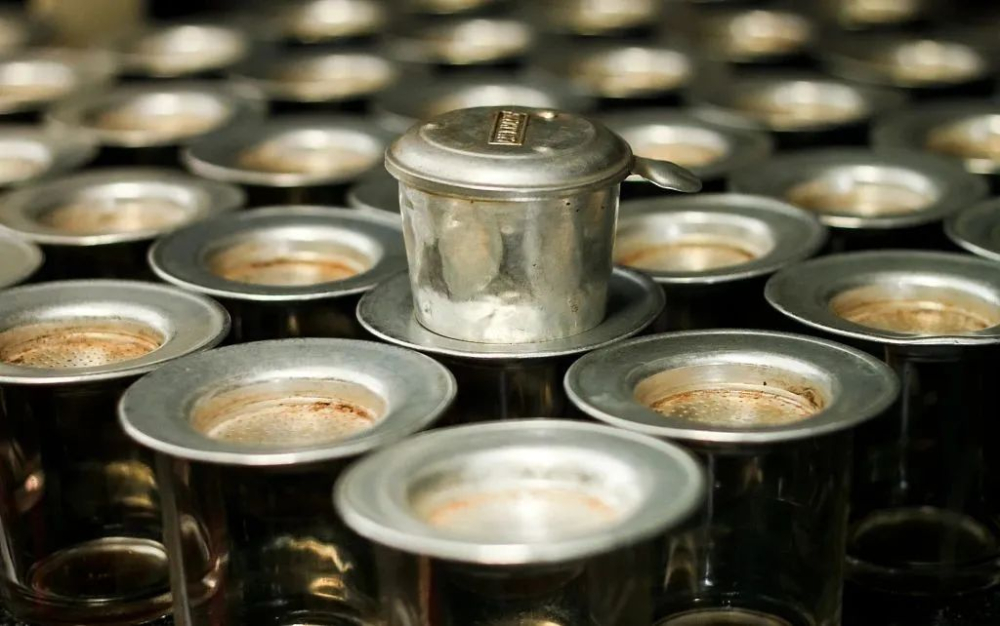
In Vietnam, the aroma of coffee fills the streets and alleys. The country mainly grows Robusta, often roasted so dark that the bean surface gleams with oil. The extracted coffee liquid is thick and oily, often carrying notes of hazelnut, grain, and caramel, with a pronounced bitterness. Unlike Europeans, who prefer fresh milk, Vietnamese people are more accustomed to the sweetness that lactose brings in condensed milk. So they use the sweetness of condensed milk to balance the strong bitterness of coffee—a way of drinking known as "ca phe sua da," or Vietnamese drip coffee.
If you order a drip coffee in Vietnam, the shop will first spoon milky-white condensed milk into the cup, then set the drip filter over the rim, pour in hot water, cover it, and wait quietly as the dark coffee drips down bit by bit. The staff usually also provide a small spoon so the customer can stir it evenly before drinking. The rich sweetness of the condensed milk and the intense bitterness of the Robusta black coffee cancel each other out, ultimately yielding a milk coffee that has both coffee flavor and the sweet fragrance of lactose.
Besides Southeast Asia's Vietnam, Spain in Europe also has a "coffee with condensed milk" tradition, which locals call "Café Bombón." The method is simply espresso paired with condensed milk, served in a mini cup.
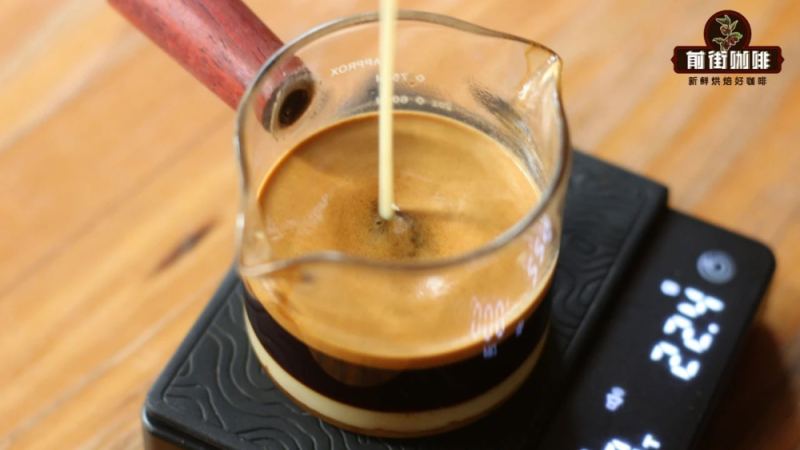
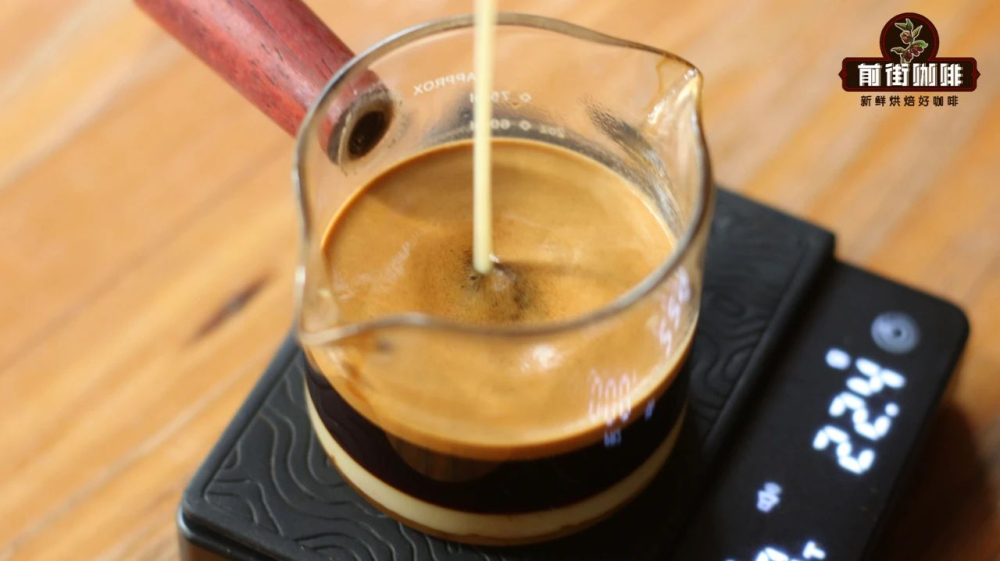
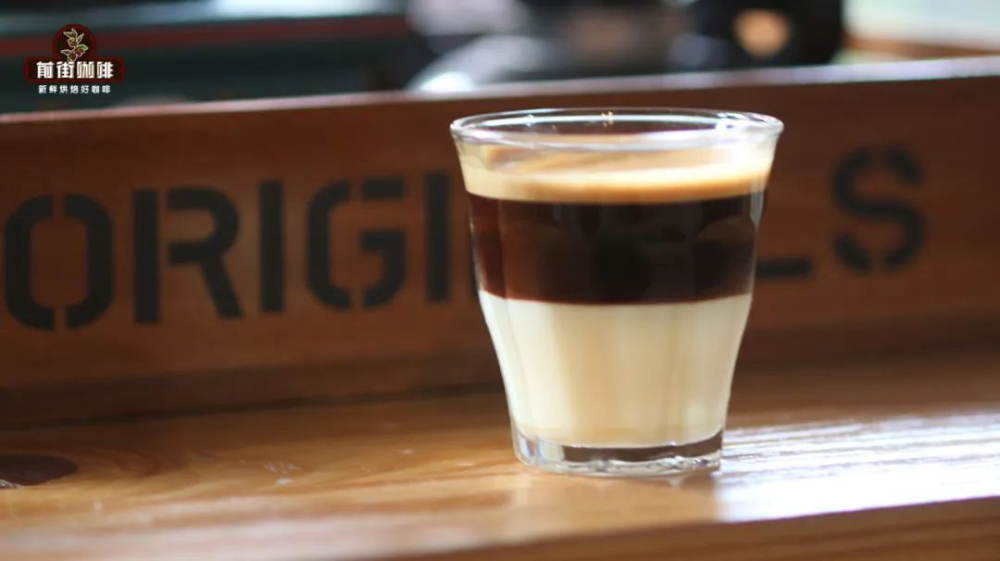
Front Street Coffee has also recreated this drink: choose a 90 to 120 ml glass—using a glass is mainly for presentation. Following a 1:1 ratio of espresso to condensed milk, pour in the condensed milk first; for example, if the espresso Front Street uses is 40 grams, then take 40 grams of condensed milk too. Then pour the espresso on top of the condensed milk. Because condensed milk is denser, if you don't stir it, the espresso will hardly mix with it, creating a beautiful "black-and-white layered" look. It tastes like "turtle jelly with condensed milk," with a much thicker mouthfeel than drinking espresso alone—and it's not bitter anymore.
Of course, "adding condensed milk" isn't limited to the two drinks above. In recent years, a "Spanish Latte" made from coffee, milk, and condensed milk has also become a popular option on café menus—for example, the chain brand Arabica has launched this hit coffee.
Is there a difference between a Spanish Latte and a latte?
A Spanish Latte consists of three parts: espresso, fresh milk, and condensed milk. Put plainly, it's just a regular latte with condensed milk added. The introduction of condensed milk lets even those who can't handle bitterness enjoy the rich coffee aroma.
Once you understand how a Spanish Latte differs from a regular latte, making it is simple. Front Street Coffee first extracts 40 ml of espresso, adds 10 grams of condensed milk to the base, and stirs until completely even; then steams 200 ml of fresh milk to a suitable temperature of 55 to 65°C, and finally incorporates it into the coffee liquid—the Spanish Latte is done. To make an iced version, Front Street Coffee first puts 75 grams of firm ice cubes in the cup, pours in 200 ml of iced milk, then adds 10 grams of condensed milk to the extracted espresso, pouring it over the surface; just stir evenly with a straw before drinking.
The espresso served at Front Street Coffee stores uses its own roasted "Sunflower Warm Sun Blend," composed of two beans: Ethiopia natural Red Cherry (30%) and Honduras Sherry Cask (70%). The extracted espresso carries notes of vanilla, cream, whiskey, and berries. Combined with milk, it resembles a vanilla-chocolate milk mouthfeel, and adding condensed milk further highlights the sweetness of lactose and sucrose.
Stir evenly before drinking—the mouthfeel is very rich and smooth, and you can't taste any bitterness from the coffee at all. It's not fundamentally different from drip coffee; both rely on condensed milk to balance the coffee's bitterness. The only differences are the coffee variety used and the extraction method.
However, not everyone can accept the cloying sweetness of Café Bombón, and the Spanish Latte was derived from it—using milk as a buffer so the condensed milk's sweetness isn't so aggressive. At the same time, thanks to the condensed milk, the whole latte gains extra layering. The two can be said to bring out the best in each other.
For professional coffee knowledge exchange and more coffee bean information, please follow Coffee Workshop (WeChat public account: cafe_style).
For more specialty coffee beans, please add the private WeChat of Front Street Coffee (FrontStreet Coffee), WeChat ID: qjcoffeex
The above content is compiled by CoffeeHunters, a coffee news website.


