







Search Results for: Vibration Pump
From Grinding to Temperature Control: Systematically Master the Seven Core Elements of Stable Espresso Extraction
To consistently make a delicious Espresso at home or in a shop, relying on feel alone is far from enough—you need to understand and control several key variables. This article breaks down the hardware and operational points that affect espresso quality one by one, from grind uniformity, fixed dose, and tamping technique, to brewing pressure, water temperature, extraction yield, and machine materials. Whether you use a flat burr or conical burr grinder, a vibration pump or rotary pump, you can find practical adjustment ideas here. The article also shares Front Street Coffee's practical suggestions on equipment selection and parameter settings, helping coffee enthusiasts avoid detours and make every shot of espresso closer to the ideal state. [more…]
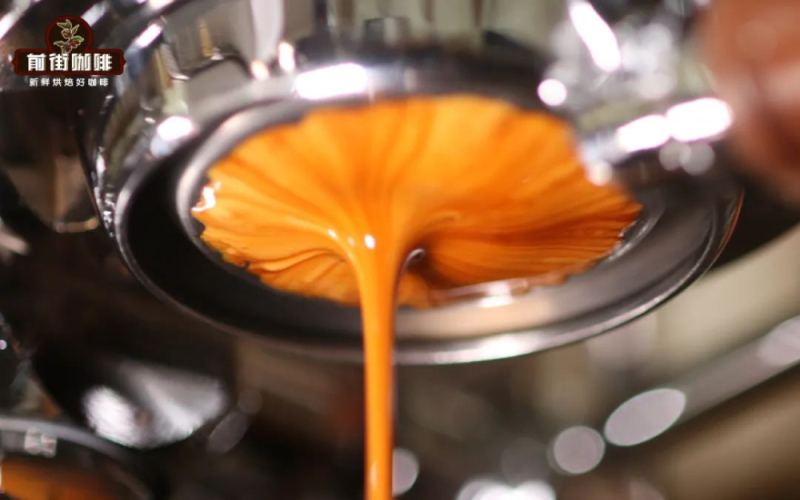
Why Is the Standard Espresso Extraction Pressure 9 Bar? Front Street Coffee Analyzes How Pressure Affects Coffee Flavor and Crema
In espresso extraction, pressure is often glossed over, yet it is a core parameter that determines the direction of flavor. When Front Street Coffee shares espresso knowledge, it repeatedly emphasizes the five key factors: coffee beans, dose, ratio, grind size, and time. But what truly dictates espresso quality is also pressure. This article starts by distinguishing pump pressure from extraction pressure, compares extraction performance at 6 bar, 9 bar, and 11 bar, explains why 9 bar has become the recognized standard, and retains product information for Front Street Coffee's Black Cocoa Base Blend and Queen's Estate, helping coffee lovers understand pressure profiling and the trade-offs in concentration. [more…]
Why Is Espresso Extraction Pressure Locked at 9 Bar? A Complete Analysis from Pump Principles to Flavor Comparison
In espresso extraction, pressure is an often overlooked yet crucial parameter. Starting from Front Street Coffee's extraction practices, this article first sorts out the five core elements—coffee beans, dose, ratio, grind size, and time—and then takes a deeper look at how pressure affects espresso flavor. You'll learn the difference between pump pressure and extraction pressure, the differences between vibratory pumps and rotary pumps, and a practical comparison of coffee performance at three pressures: 6 bar, 9 bar, and 11 bar. The article also traces the origins of 9 bar becoming the industry standard and explores the new possibilities that variable pressure extraction brings for flavor adjustment. [more…]
From Drip to Semi-Automatic: A Beginner's Guide to Coffee Machine Selection and Analysis of Home Model Recommendations
Faced with a dazzling array of coffee machines, many enthusiasts don't know where to start. This article systematically sorts out the classification logic of coffee machines—by extraction method, they fall into three major categories: traditional drip, Italian-style high-pressure pump, and capsule; by operation mode, they are further divided into fully automatic and semi-automatic. The article analyzes the structural characteristics, output quality, and suitable users of each type of machine one by one, and focuses on home semi-automatic coffee machines, offering purchasing recommendations ranging from 300-yuan toy machines to 50,000-yuan ultimate enthusiast dream machines, covering popular models such as Cancun, Matrix, Huijia, NOUVA OSCAR, Expobar E61, LASPAZIALE S1, and Lamarzocco GS3 MP. Finally, it adds practical knowledge such as coffee bean preservation and bean resting periods, helping readers find a balance between budget and quality. [more…]
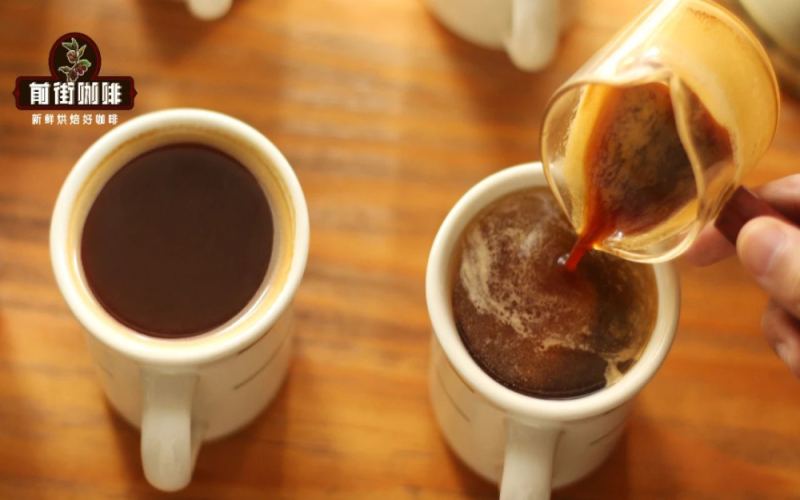
How to Choose Beans for Americano? The Difference Between Espresso Blends and Single-Origin Beans, Plus an Analysis of Front Street Coffee's Popular Recipes
Americano seems simple—just espresso diluted with water—but the final flavor can vary dramatically, and the key lies in the choice of coffee beans. This article begins with the historical origins of Americano, tracing the development of both the drip method and the espresso-with-water method, then takes a deeper look at the flavor differences between espresso blends and single-origin beans (SOE). It also introduces the recipe characteristics and suitable scenarios of several Front Street Coffee espresso beans, including the Commercial Blend, Warm Sun Blend, Specialty Blend, and Classic Espresso Blend, along with basic knowledge of espresso extraction principles and how a coffee machine works, helping coffee lovers find the cup of Americano that suits their taste. [more…]
Can Americano Black Coffee Be Drunk with Milk? A Detailed Explanation of the Flavor Differences Between American and Italian Coffee Beans and the Extraction Principles
Can you add milk to an Americano? What exactly is the difference between it and espresso in terms of flavor and mouthfeel? These questions often confuse friends who are just getting into coffee. Drawing on the daily experience of Front Street Coffee baristas, this article sorts out the origins and brewing methods of Americano, compares the differences between American and Italian coffee in bean selection, and takes a deep dive into the extraction principles of espresso machines. It also introduces the flavor characteristics of espresso beans such as Front Street Commercial Blend, Warm Sun Blend, and Specialty Blend, as well as mechanical knowledge about water-to-coffee ratios, pumps, and boilers, to help you understand more comprehensively the logic behind a cup of coffee. [more…]
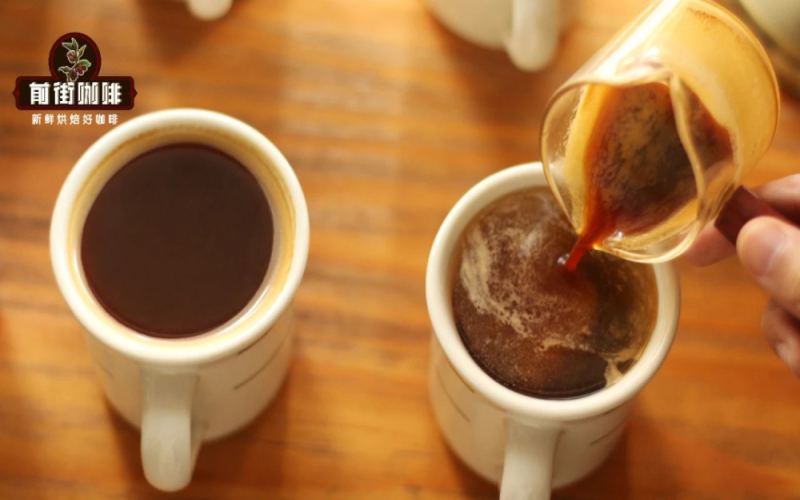
The Correct Way to Drink Americano Black Coffee | Can You Add Sugar and Milk to Americano? What Are Americano Coffee Beans? Is the Flavor and Mouthfeel Very Different from Espresso?
What is the correct way to drink Americano? Front Street Coffee's baristas are occasionally asked such tricky questions by some customers, and every time this happens, Front Street tells them that as long as you savor it with care and find it tasty, that's enough. In fact, Front Street knows he is asking whether Front Street has a set of standard norms for drinking coffee, but Front Street believes that one should not be bound by conventions in [more…]
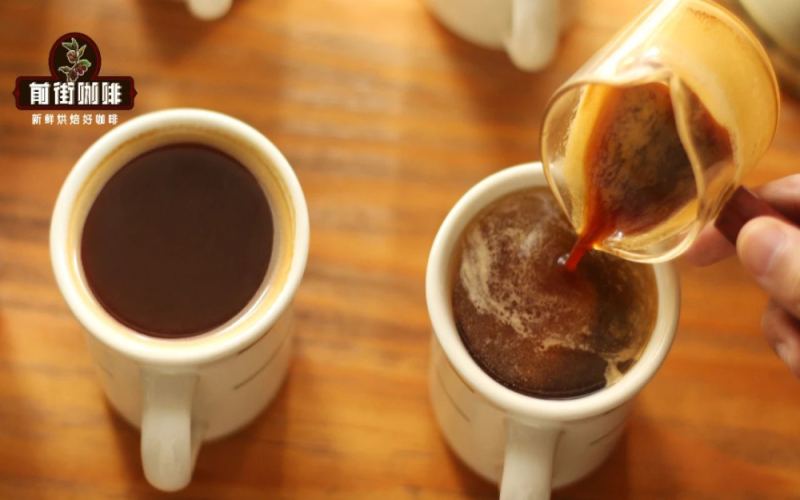
Commercial Americano Coffee Bean Recommendations | What Types of Espresso Are There? Which Espresso Blends Make Good Americanos? How to Drink Americano Black Coffee
For more specialty coffee knowledge, please follow: Front Street Coffee (Frontsteet Coffee) What is the correct way to drink Americano? Front Street's baristas are occasionally asked such tricky questions by some customers, and every time this happens, Front Street tells them, just taste it with your heart and it's good if you enjoy it. Actually, front [more…]
Where Does the Nutty and Chocolatey Flavor of Americano Coffee Come From? A Chat About the Extraction Principles of Espresso and the Art of Bean Selection
Americano seems simple—just espresso diluted with water—but there is actually a great deal of knowledge behind it. Many people wonder why some Americanos have nutty and chocolatey aromas. This is in fact closely related to the choice of coffee beans, the blending method, and the espresso extraction process. From the perspective of Front Street Coffee, this article reviews the origin and evolution of Americano, explains the working principle of espresso machines, and shares the flavor differences brought by different blended beans. Whether you are a beginner who has just encountered specialty coffee or a seasoned coffee lover who wants a deeper understanding of espresso, you can find practical information worth referencing here. [more…]

A Detailed Explanation of the Causes and Adjustment Methods of Espresso Machine Extraction Pressure Fluctuations
Espresso serves as the base for drinks like lattes and Americanos, and the golden, velvety layer of crema on its surface has always been a focal point for coffee enthusiasts. To consistently achieve ideal crema performance, controlling extraction pressure is crucial. Starting from Front Street Coffee's practical experience, this article first explains the principle behind espresso crema formation, then discusses the impact of 9 bar pressure on extraction efficiency, followed by an analysis of the specific symptoms of insufficient or excessive pressure in espresso machines, and finally outlines the common causes of insufficient pressure. Whether you use a vibration pump or a rotary pump model, you can find ideas for troubleshooting and adjusting pressure, ensuring every cup of espresso maintains consistent quality. [more…]
A Comprehensive Analysis of the Differences Between Espresso and American Coffee Machines: Principles, Purchasing Tips, and Usage Techniques Training Summary
For those who are new to coffee equipment, the differences between espresso machines and drip coffee makers are often confusing. This article systematically breaks down the characteristics of the two types of machines, from how they work, extraction methods, and price ranges to buying advice, and offers reference opinions for both home and professional scenarios. At the same time, the article also compiles common troubleshooting for espresso machines, the steps for making milk foam, and key details in choosing a drip coffee maker such as materials, water outlet holes, and temperature control, helping coffee lovers make more suitable judgments when buying and using them. Content involving Front Street brand recommendations mentioned in the article will also be retained for readers' reference. [more…]
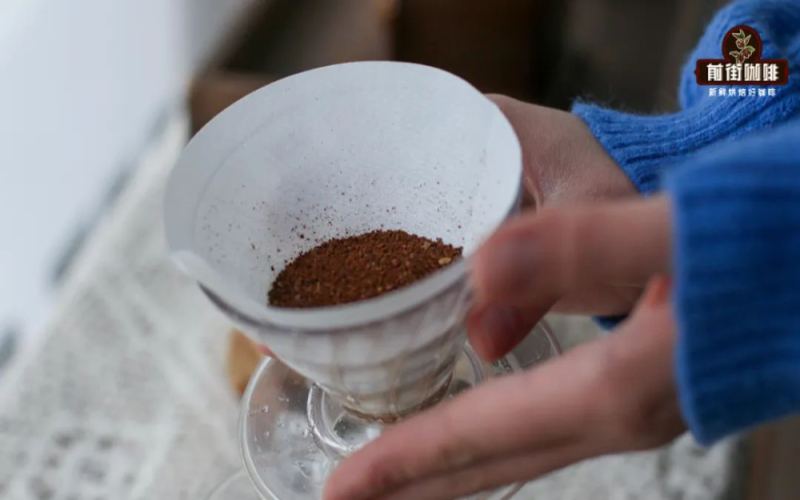
Why Shouldn't You Tap the Dripper When Leveling the Coffee Bed in Pour-Over? Analyzing the Real Impact of Fine Migration on Bloom Degassing
In pour-over coffee, keeping the coffee bed level is a prerequisite for even extraction, and many enthusiasts are in the habit of tapping or shaking the dripper to level the grounds. Yet hidden behind this gesture is an easily overlooked problem: the vibration causes fines to migrate downward through the gaps between the coarser particles, forming a dense layer at the bottom of the dripper while leaving fluffy coarse grounds on the surface. This structural change not only alters the appearance of the coffee bed but also directly affects the degassing effect during the bloom stage. Through comparison charts and actual brewing photos, this article breaks down in detail the changes in fines distribution caused by tapping the dripper, and explains their practical impact on subsequent brewing, to help you make more sensible judgments when leveling the coffee bed. [more…]
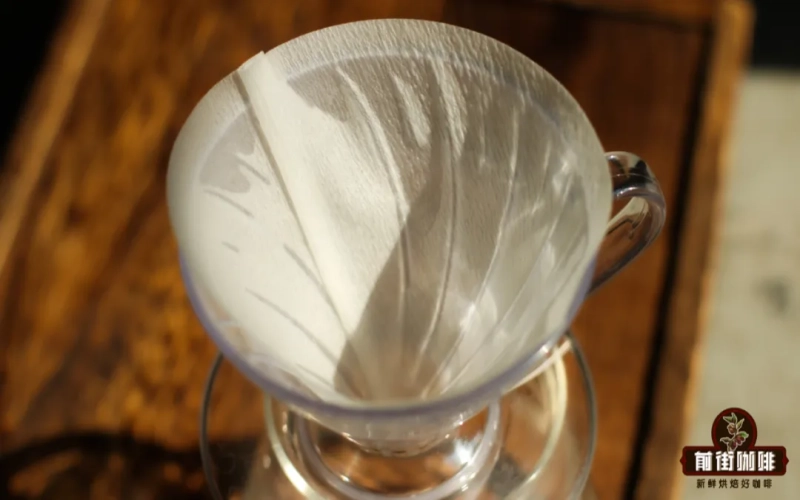
Why does tapping the coffee grounds in a pour-over dripper cause clogging? A complete analysis of fines migration and over-extraction risk
Many coffee enthusiasts have experienced this impulse while brewing: the moment they see an uneven coffee bed, they want to tap the dripper to level out the grounds. Yet this seemingly reasonable action can trigger a chain of negative reactions—fines sinking, the filter paper clogging, extraction time stretching out, and ultimately a bitter, over-extracted cup. Through comparative experiments, Front Street Coffee found that a tapped coffee bed took 21 seconds longer to complete extraction than an untapped one, with a noticeably bitter taste. The key principle behind this is the Brazil nut effect: vibration causes large particles to rise and fines to sink, clogging the pores of the filter paper. This article will analyze the causes of this phenomenon in detail and offer the correct methods for distributing the grounds and remedying the situation. [more…]

Starbucks earns an additional 7.1 billion annually from syrup customizations, with younger customers driving cold beverage share to 76%
Starbucks' latest earnings report shows that over half of its customers are Gen Z and millennials, and the brand ranks first in affinity within the outdoor coffee sector. Young consumers are keen on personalization and social media sharing, driving cold beverages to account for 76% of total sales at company-operated stores. High-margin syrups and sauce add-ons bring Starbucks about $1 billion (7.174 billion RMB) in additional revenue each year, and daily foot traffic has recovered to 95% of pre-pandemic levels. Front Street Coffee continues to follow coffee industry developments, breaking down for you the business logic and consumer trends behind the customization wave. [more…]
A Beginner's Guide to Coffee Latte Art: A Complete Guide to Choosing Equipment and Tools from Espresso Machines to Latte Art Pitchers
Wanting to learn latte art, passion alone is not enough—choosing the right equipment and tools is the first step. This article is aimed at beginner baristas and systematically sorts out the various basic equipment needed to get started with latte art: from the differences and selection points of the four boiler systems in professional Italian espresso machines (single boiler, heat exchanger, dual boiler, multi-boiler), to the classification of steam wands and steam tip types, then to grinder burr types, tamper shape matching, latte art pitcher spout shapes and groove designs, as well as the logic for choosing materials such as espresso beans and milk. It also analyzes the influence of cup shape on latte art results and gives the key parameters for adjusting machine settings, helping beginners avoid detours and laying a solid hardware foundation for subsequent latte art practice. [more…]
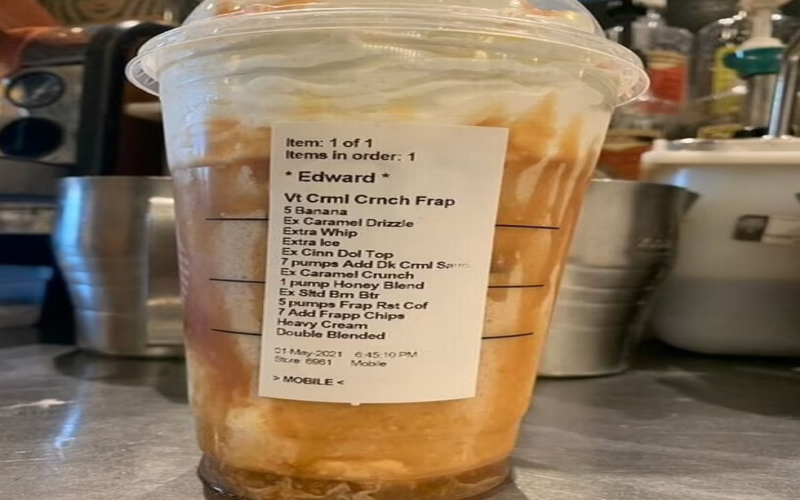
Starbucks Barista Fired for Complaining About a Super-Complex Order: The Controversy and Settlement Behind the Secret Menu
The Starbucks secret menu once led baristas to learn how to make over 170,000 customized drinks, but the extremes of personalized orders are sparking controversy. An American barista was fired for exposing a customer's 13-request order on social media, then apologized in person and settled the matter. The incident reflects the complex ordering trend fueled by TikTok, where customers pay extra fees but turn baristas into "drink-making robots," and during peak hours, it slows down service even more. This article will walk you through the full story of this uproar and focus on the issues of privacy and respect between baristas and customers. [more…]
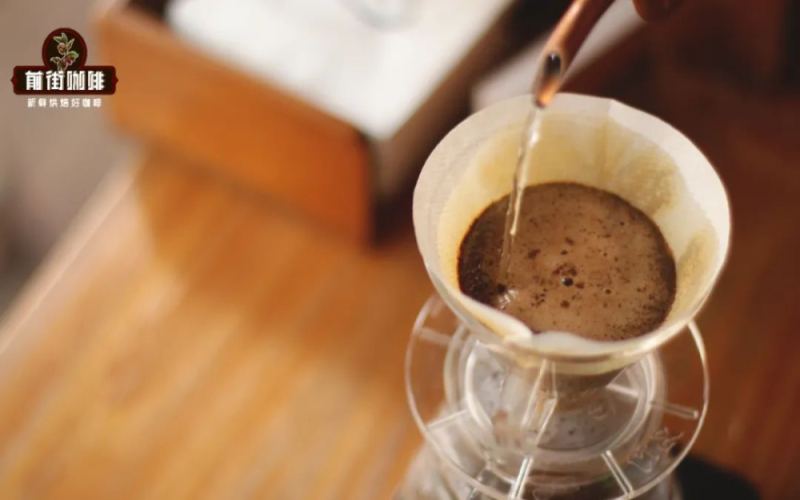
Can gently tapping the dripper really change the extraction result? The hidden link between fine migration and channeling
In pour-over coffee, many enthusiasts habitually tap the dripper before pouring water, trying to make the surface of the coffee bed more level. However, this seemingly harmless little action may cause fines to gradually settle to the bottom under vibration, creating a coffee bed density that is loose at the top and compact at the bottom. When hot water passes through this uneven structure, it will bypass the denser areas of greater resistance and flow toward the edge of the dripper, triggering channeling and a failed bloom, ultimately leading to uneven extraction, clogging in the final stage, and even over-extracted woody flavors. Through comparative experiments, Front Street Coffee found that the two groups of coffee—one without tapping and one with ten taps—showed clear differences in drip time and flavor performance. This article will break down the physical mechanism of fines settling and share a coffee-dosing technique that achieves a level coffee bed without repeated tapping, helping you consistently reproduce the ideal flavor in your daily brewing. [more…]
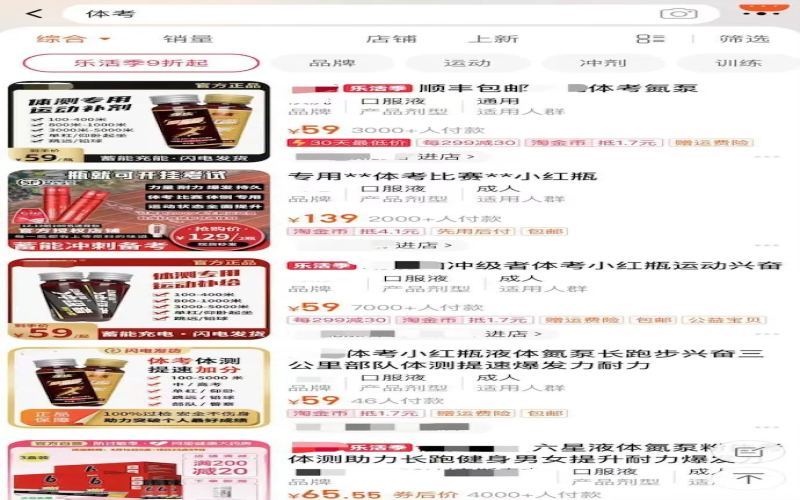
"Exam-boosting miracle" pre-workout sends student to stomach pumping, caffeine overdose is the culprit
Recently, a sports supplement called "pre-workout" has been hailed as a "magic weapon for PE exams" ahead of the high school entrance physical education test, and is sought after by many parents. However, media reports have successively reported cases where students experienced rapid heartbeat, vomiting, and even needed emergency gastric lavage after drinking it. The reason is that such products generally contain high levels of caffeine, some as high as 500 milligrams, far exceeding the safe threshold. Professional fitness trainers and doctors both remind that minors blindly using such high-intensity supplements is extremely risky. If there is a need for a pick-me-up, it is better to choose a cup of coffee. [more…]

Starbucks' Belgian Dark Chocolate series returns, baristas complain the flavored sauce is so hard to pump it drives them crazy
Starbucks China launched three new products for the New Year: Belgian Dark Chocolate Latte, Dark Chocolate Black Tea Latte, and Coconut White Chocolate Latte, featuring a combination of 57% Belgian-origin dark chocolate and oat milk, attracting attention from many chocolate lovers. However, behind the hot sales of the new products, baristas have been complaining on social media: the chocolate sauce used this time is unusually thick, prone to clumping and hardening in winter, extremely difficult to operate with metal squeeze pumps, making consecutive cup production feel like weightlifting, and it easily drips and stains the bar and clothes. What's even more frustrating for workers is that there are reports that this series may shift from a seasonal limited edition to a permanent offering. [more…]
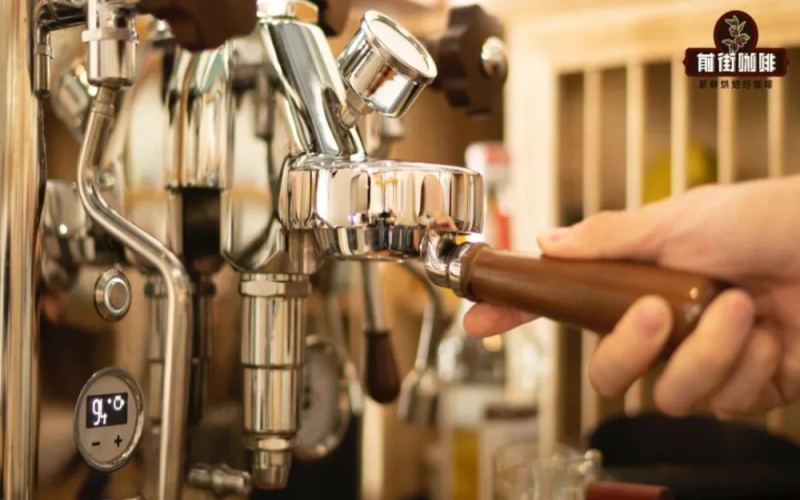
Why Is 9 Bar the Standard for Espresso Extraction Pressure? Measured Differences Between 6 Bar and 11 Bar and Ideas for Parameter Adjustment
In the extraction parameters of espresso, pressure is often regarded as a variable that is not easy to adjust but has far-reaching effects. This time, Front Street Coffee focuses on this "hidden key player"—extraction pressure. The article first clarifies the difference between extraction pressure and pump pressure, then through three comparison experiments at 6 bar, 9 bar, and 11 bar, demonstrates how pressure changes affect flow rate, time, and flavor performance. It then explains why 9 bar has become the factory default for coffee machines, and the burnt bitterness that may result from pressures above 10 bar. Finally, it briefly mentions the trend of variable pressure extraction, providing coffee enthusiasts with a clear reference for understanding pressure and parameter adjustment. [more…]