







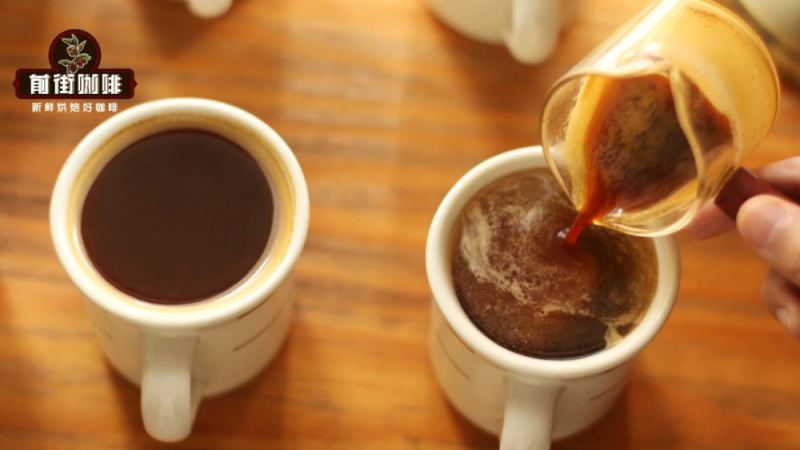

The Correct Way to Drink AmericanoWhat is it? The baristas at Front Street Coffee occasionally get asked such tricky questions by some customers, and every time this happens, Front Street tells them that as long as you savor it attentively and find it enjoyable, that's enough. In truth, Front Street knows they're asking whether there's a set of standardized rules for drinking coffee, but Front Street believes that one shouldn't be bound by appearances and formalities in all things—overly pursuing them leads to more loss than gain. That's why drinking coffee at Front Street is a casual affair. As for why customers ask such questions, it's largely due to unfamiliarity and a sense of strangeness toward coffee. So today, Front Street will give everyone a proper introduction to knowledge related to Americano.
The rise of Americano traces back to World War II, when American soldiers stationed in Italy didn't enjoy the intense flavor of espresso that Italians were so fond of. So, to replicate the drip coffee they drank back in the States, the soldiers added water to the iconic Italian espresso. And because this way of drinking wasn't popular in Europe at the time—traditional Europeans turned their noses up at it—they named this coffee "Americano."
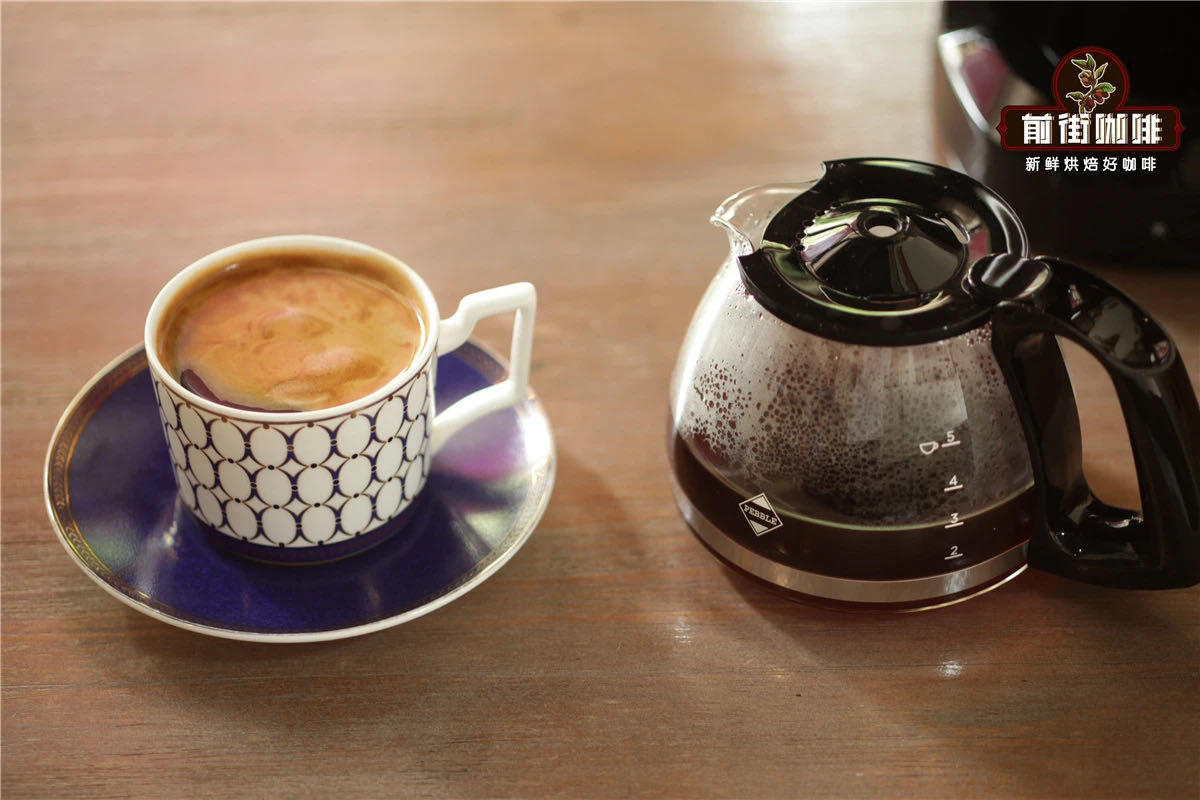
Although there are two ways to make Americano, in reality most cafés around the world use the method of diluting espresso with water, while traditional drip Americano is only used in offices or at home. The composition of Americano is quite simple—just water and espresso. The ratio is usually between 1:4 and 1:8. But even water-diluted Americano can only taste the flavors of the espresso liquid itself, and in the past, the flavor options for espresso weren't as numerous or as pleasant and excellent as they are now.
To solve the problem of coffee being hard to drink, milk coffees like lattes and cappuccinos were invented and grew increasingly popular. And because they're all based on espresso, these coffee drinks are now collectively called Italian-style coffees. So then,which is better—Italian-style coffee or Americano? Front Street can't simply tell you the answer to this question.
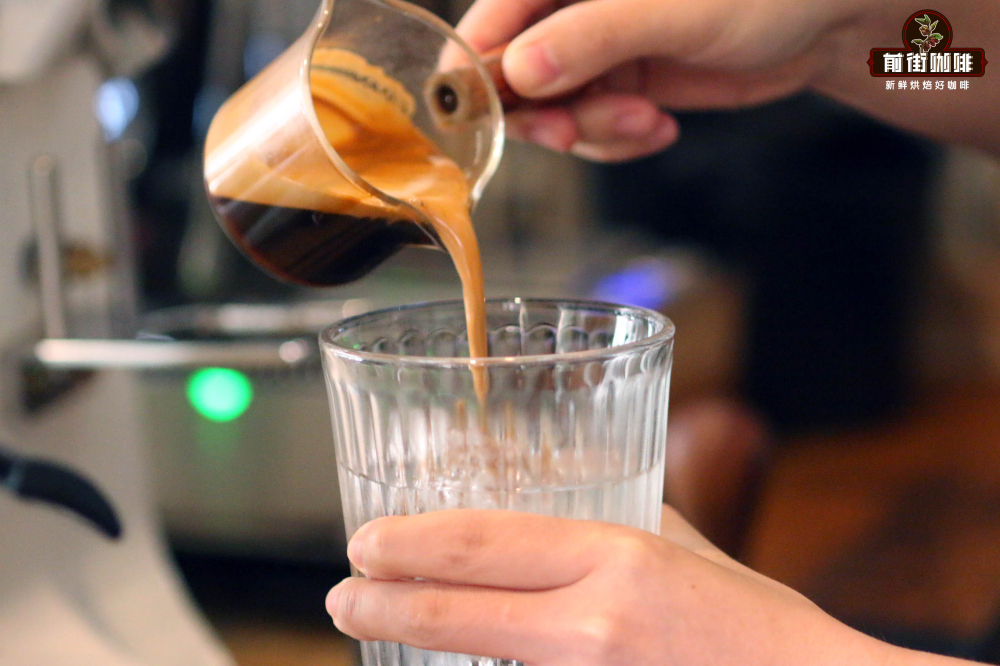
If we consider Americano as traditional drip coffee and Italian-style coffee as traditional espresso liquid, then Americano is certainly easier to drink than Italian-style coffee. But as for which tastes better, Front Street believes it comes down to the coffee beans used. Coffee beans are the most critical factor determining whether a cup of coffee tastes good or not. For example, Front Street's Front Street Commercial Blend coffee beans and the Warm Sun Blend can't be compared. It's not simply because of the huge price difference, but because Front Street Commercial Blend is the coffee bean Front Street specifically supplies to large chain commercial cafés. To pursue a rich crema in the espresso liquid, Front Street deliberately added 10% Robusta to enhance its body.
The Warm Sun Blend, on the other hand, is Front Street's proudest espresso bean—so much so that Front Street's stores have used this espresso blend for three consecutive years. "Unique flavor" is what all customers say about this coffee bean, and some even come specifically just to have a sip of the espresso. The body is thick yet lively, with a strong wine aroma. This fermented fragrance comes partly from the whiskey barrel processing of the Sherry coffee beans and partly from the sun-dried Red Cherry. The sweetness is prominent with a gentle fruity acidity.
As mentioned earlier, the taste of Americano has a lot to do with the coffee beans used. Actually, if it weren't for considering the product's memorable identity, Front Street would also use Front Street's Specialty Blend coffee beans. This espresso bean is a traditional blend recipe of Brazil combined with Colombia. It features prominent nutty flavors with a smooth body and a slight chocolate taste, complementing rich hot milk perfectly.
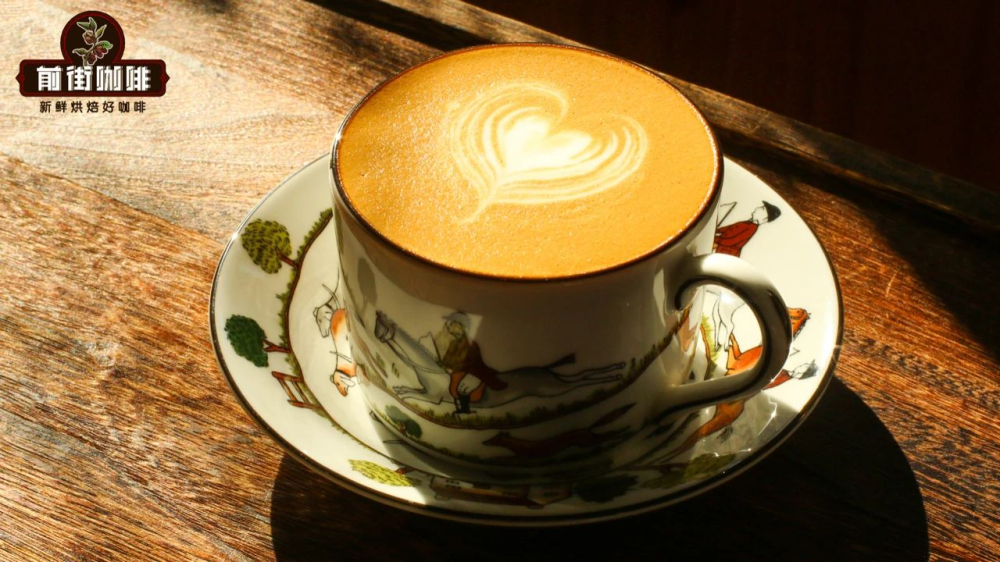
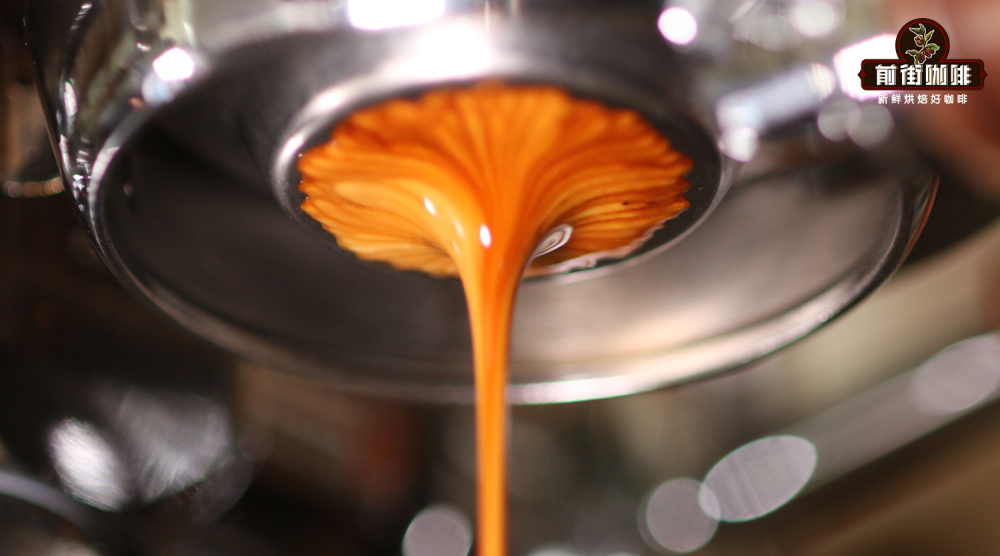
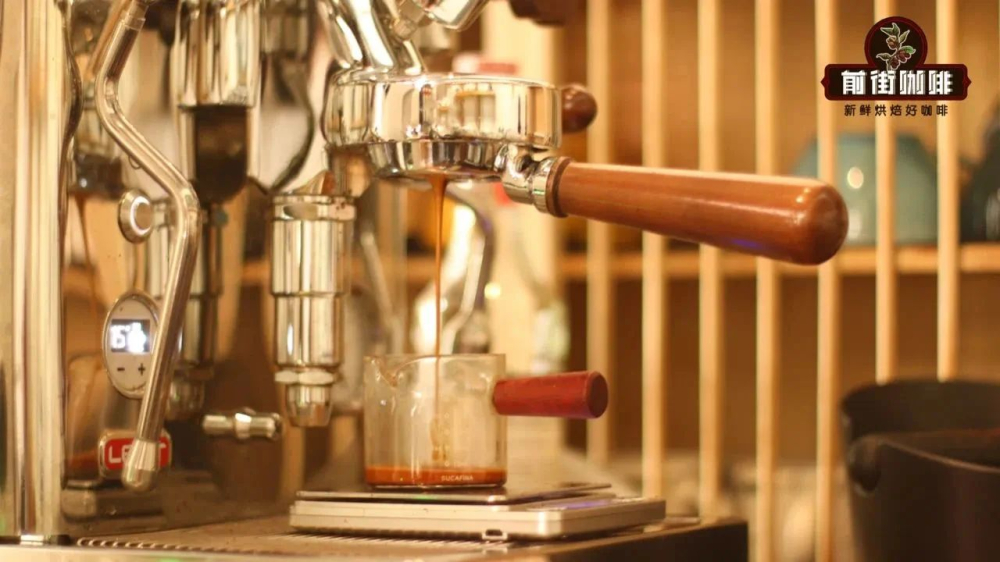
Now you know—the soul of a coffee drink lies in a small shot of espresso. Generally, Front Street uses 20 grams of coffee powder to extract 36 grams of coffee liquid. Butthe water-to-coffee ratio for Americanovaries from café to café, and needs to be adjusted based on factors like the coffee beans, coffee machine, and grinder, with the final decision made according to the barista's senses.
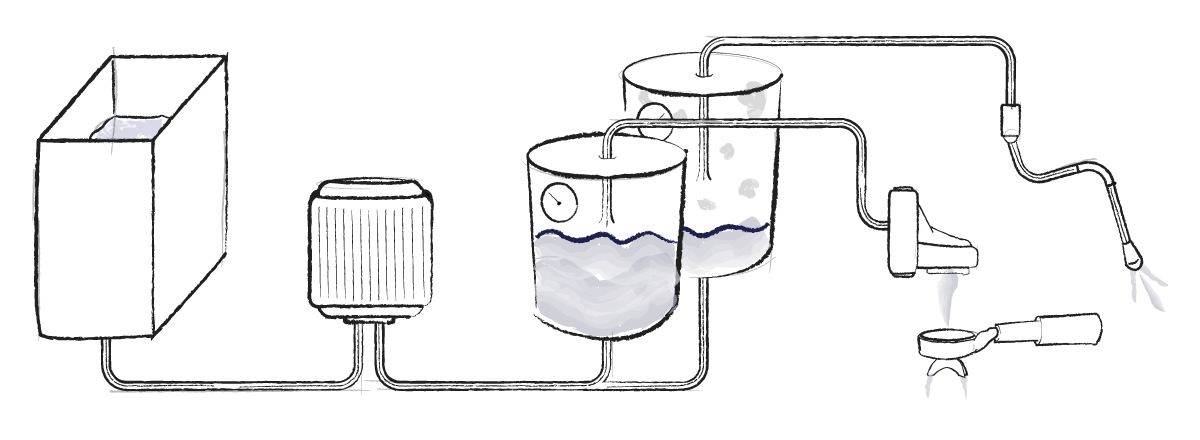
So how is espresso extracted? This involves the working principle of the espresso machine. Generally speaking, for most coffee machines, the coffee powder goes through four steps to become coffee liquid: water source, pump, boiler, and group head. Every coffee machine needs water to work. For espresso machines, there are two water sources: a water tank or a connection to a stable water supply pipe. Usually, the water source depends on how the machine is used.
For Front Street, because delicious coffee needs to be produced every day, a stable water supply is very important. The pump is the core of espresso. How does water force its way through the densely packed coffee powder layer? The secret lies in pressure. Some of the earliest espresso machines used large lever pistons, and baristas had to manually pull these levers to force water through the coffee. But most modern espresso machines have abandoned this physical labor in favor of electric pumps. A vibration pump, or vibratory pump, is a small electromagnetic device. A piston connected to a magnet is set inside a metal coil. Electric current flows through the coil, causing the magnet to rapidly move the piston back and forth, pushing water through the machine. Your average vibration pump operates at a frequency of 60 times per second. Unlike vibration pumps, rotary pumps are mechanical.
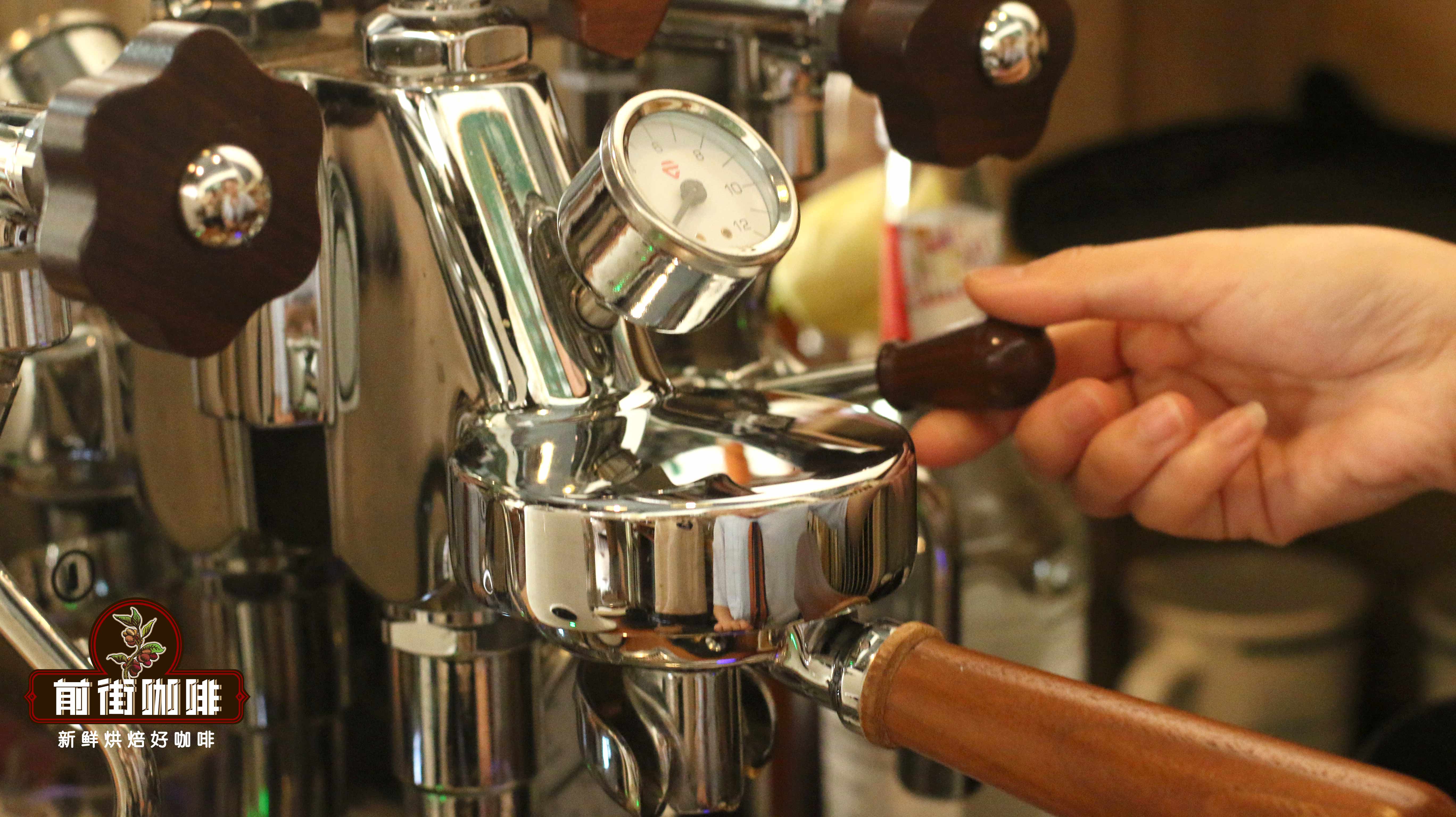
This is also a complex mechanism. A motor rotates a disc that is offset within a large circular chamber. The rotating disc is divided into multiple sections by vanes. As the disc rotates, the vanes press against the outer chamber wall, reducing the cross-sectional size and thereby creating pressure. Water enters during the large phase and is pushed out as the cross-section contracts. The boiler is where the machine is heated, and it maintains the pump's continuous pressure on the water. Not only that, the boiler also controls the brewing temperature of the coffee machine. Currently on the market, there's a distinction between dual boilers and single boilers.
Now that you understand the history of Americano and how espresso machines operate, are you curious why Americanos made the same way taste different? Actually, as Front Street mentioned earlier, this is caused by different coffee beans. The biggest characteristic of blended coffee beans is trying every possible way to balance the overall taste of the coffee.
But with the progress and development of the market, SOE coffees have now emerged—these use single-origin coffee beans. At the same time, coffee roast levels have also changed. People's demand for espresso to have a thick crema has decreased; more often, they hope to taste the bean's original characteristics from the coffee. That's why some use light-roasted coffee with prominent floral notes as espresso. Front Street hasn't experimented with this yet, so it can't tell you whether it tastes good or not.
Professional coffee knowledge exchange More coffee bean information Please follow Coffee Workshop (WeChat public accountcafe_style )
For more specialty coffee beans, please add the private WeChat of Front Street Coffee (FrontStreet Coffee), WeChat ID:kaixinguoguo0925
The above content is compiled by CoffeeHunters, a coffee news website.


