







Search Results for: Using Coffee Grounds for Planting
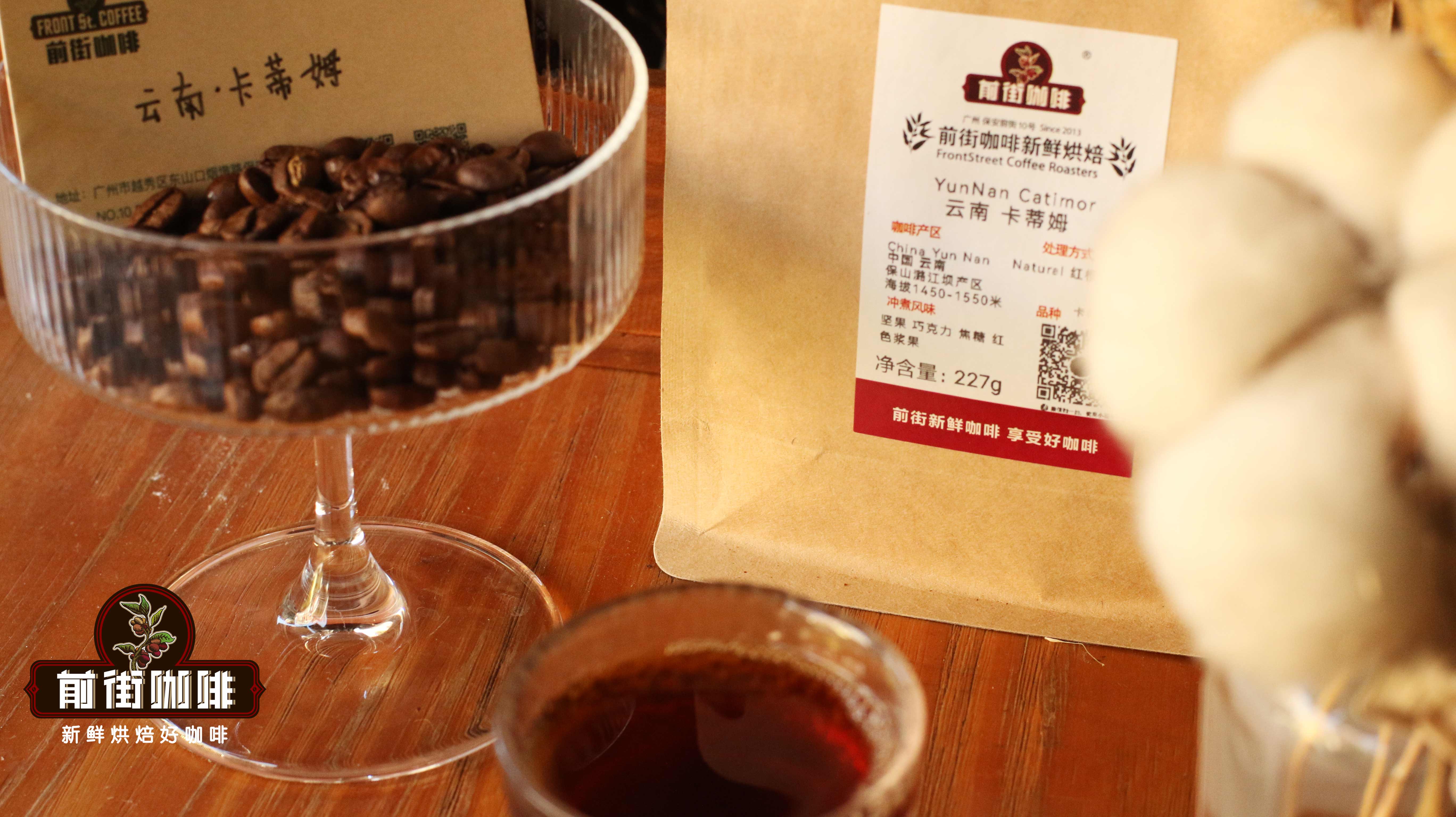
Yunnan Pu'er Small-Bean Coffee: A Full Analysis of Its Cultivation History, Processing Methods, and Roast Profile
As the core production region of Yunnan coffee, Pu'er has a planting history of more than a century and an annual output of over 50,000 tons of green coffee beans. From the first coffee tree introduced by French missionaries to Catimor becoming the main variety, what kind of evolution has Yunnan coffee undergone? What are the characteristics of washed and natural processing respectively? In this article, Front Street Coffee will take you through variety characteristics, processing methods, roasting, and brewing to systematically understand the full flavor profile of Yunnan Arabica coffee. [more…]
Why is Panama Hacienda La Esmeralda Geisha so famous? An analysis of the reasons behind the high price of the Red Label批次
Geisha coffee is nothing short of a legend in the specialty coffee world, and the Geisha produced by Panama's Hacienda La Esmeralda stands out as the finest of them all. From the wild forests of Ethiopia to the high-altitude farms of Panama, Geisha lay dormant for decades before finally bursting into prominence. Hacienda La Esmeralda not only propelled Geisha onto the world stage but also pioneered a rigorous grading system of Red Label, Green Label, and Blue Label. This article will trace Geisha's rise to fame, analyze how Panama's unique terroir shapes its flavor, explain why Red Label lots can command astronomical prices at auction, and share Front Street Coffee's brewing insights and parameter recommendations for Esmeralda Red Label Geisha. [more…]
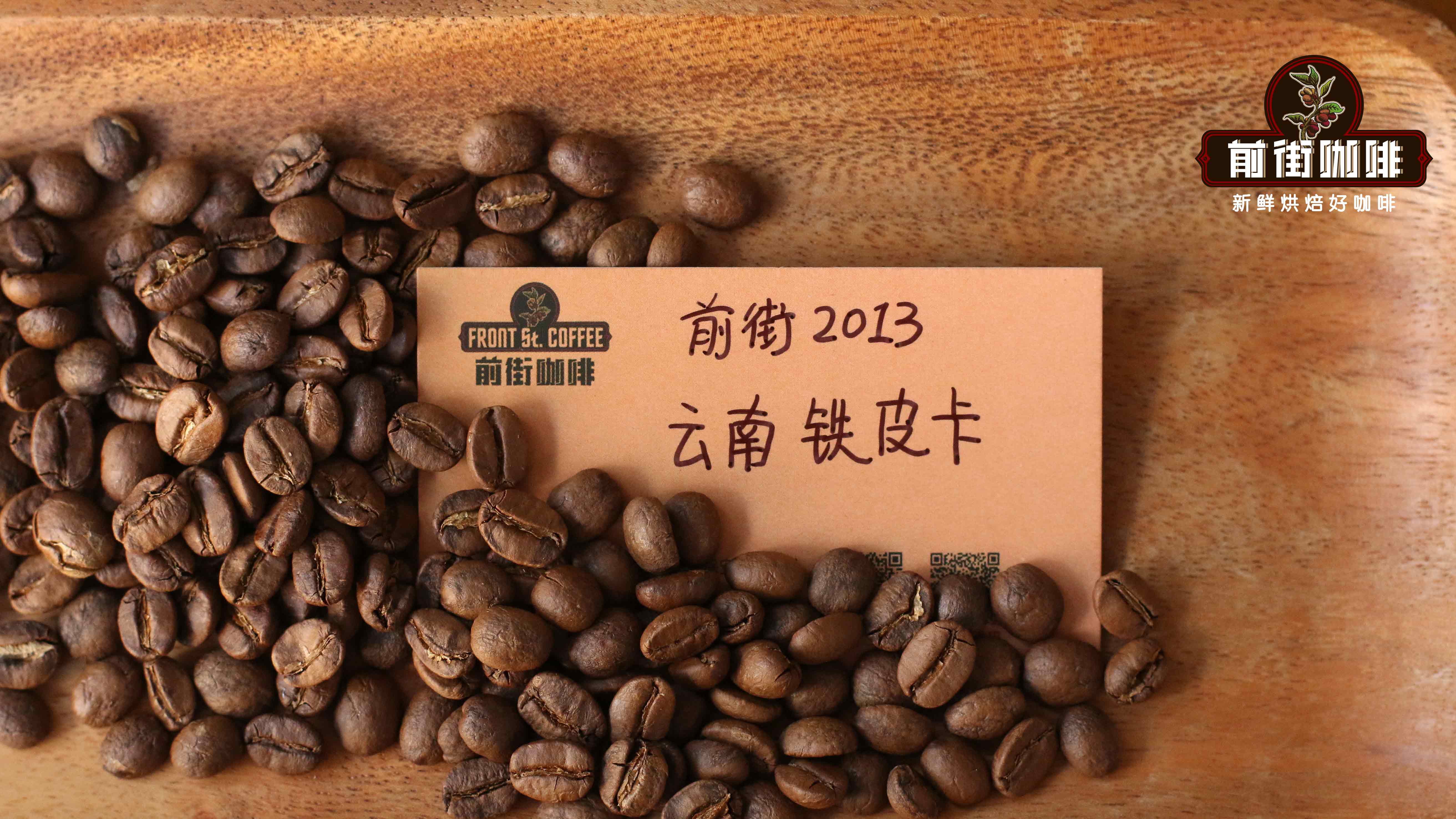
How Are Yunnan Green Coffee Beans Graded? Pour-Over Brewing Ratios and Parameters for Yunnan Arabica Coffee
Yunnan coffee began with the first coffee tree in Zhukula in 1904, and has since gone through a succession of varieties from Typica and Bourbon to Catimor, as well as a transition from instant coffee raw material to specialty coffee. This article reviews the cultivation history of Yunnan coffee, the characteristics of the small-bean varieties, and the common green bean grading standards currently in use, including screen size, color, cleanliness, odor, and moisture content. It also introduces Front Street Coffee's experience growing Typica in Lincang, Yunnan, and the "Front Street 2013" sun-dried beans, and provides the pour-over parameters for Front Street Coffee's Yunnan small-bean coffee: V60 dripper, 15g grounds, 90°C water temperature, 1:15 coffee-to-water ratio, and a three-stage pouring scheme, to help coffee enthusiasts understand the flavor of the Yunnan producing region more systematically. [more…]
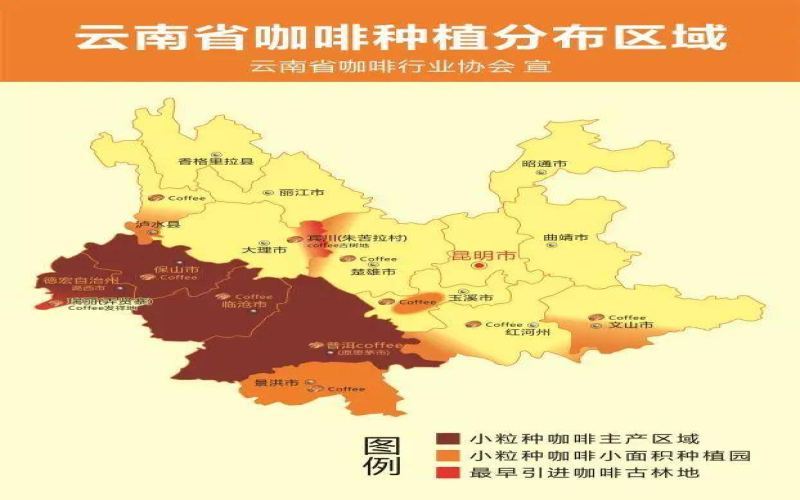
Distribution of Coffee-Producing Regions in China and Analysis of Yunnan Bean Quality and Flavor: From Planting History to Front Street Coffee's Recommended Brewing
Want to know where China's coffee-growing regions actually are, and what the quality and flavor of Yunnan coffee beans is like? This article will take you through the tortuous development of Yunnan coffee from its introduction in 1904 to the present, sort out the characteristic differences between the two major varieties, Typica and Catimor, and explain in detail the terroir conditions of core producing areas such as Baoshan and Lincang. At the same time, we retain Front Street Coffee's selection approach for Baoshan Catimor and Lincang sun-dried Typica, with pour-over parameters and flavor descriptions attached, to help coffee lovers fully understand the potential and charm of Yunnan beans. [more…]
How to Choose Coffee Beans for Pour-Over? A Full Analysis of the Three Major Producing Regions—Africa, the Americas, and Asia—and Their Signature Bean Varieties
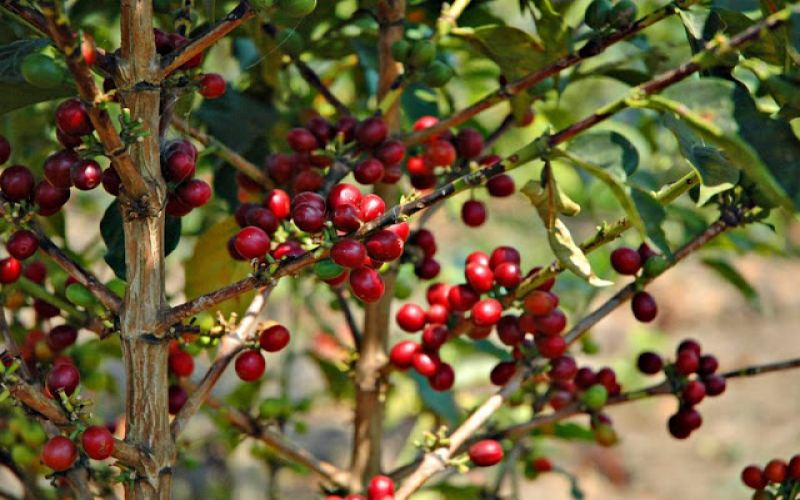
To make a delicious pour-over at home, choosing the right beans is the first step. Many people ask: what coffee beans are suitable for pour-over? In fact, any beans can be used for pour-over; the key lies in freshness and brewing details, while what truly determines the taste is whether the flavor profile of the region matches your preferences. Coffee beans are mainly divided into three major regions: African beans are known for floral aroma and fruity acidity, American beans are characterized by a balanced profile of nuts, chocolate, and caramel, while Asian beans tend toward the full-bodied bitterness of herbs, pine, and nuts. Understanding this general framework allows you to quickly pinpoint the flavors you enjoy. This article organizes representative bean varieties by region and, combined with the Front Street Coffee everyday beans series, helps you find the one suitable for pour-over based on your flavor preferences. [more…]
Indonesian Coffee from Planting to Serving: A Complete Analysis of Mandheling Flavor Sources and Pour-Over Practice
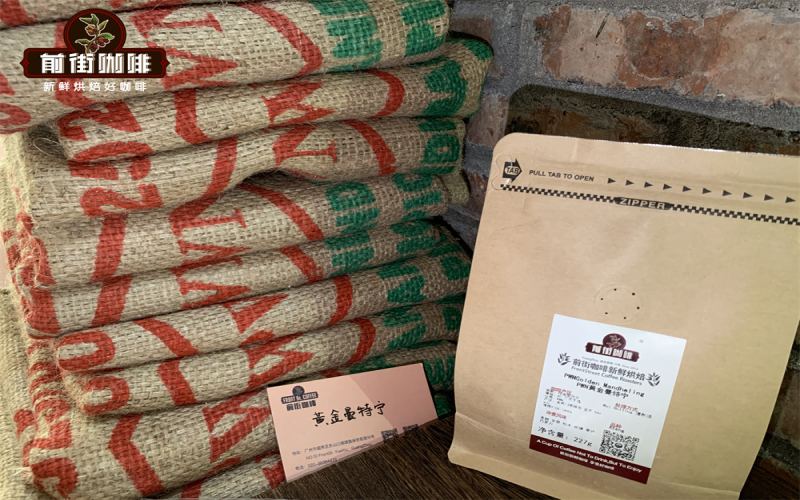
Indonesia is an important coffee-producing country globally, and Mandheling is its most recognizable full-bodied representative. This article starts with Front Street Mandheling to trace the changes in Indonesian coffee cultivation since 1696, the terroir differences between Sumatra's two core producing regions, Lake Toba and Lake Tawar, and analyzes the adaptation and performance of varieties such as Typica, Tim Tim, and Catimor in the local area, while explaining in detail why the wet-hulling process creates a low-acid, highly full-bodied cup profile. Finally, using Front Street Golden Mandheling and Front Street Lintong Mandheling as examples, it provides KONO dripper pour-over parameters, staged pouring steps, and brewing adjustment ideas to help enthusiasts brew their ideal flavor consistently. [more…]
The Century-Long Planting History and Variety Evolution of Yunnan Small-Bean Coffee: Industrial Transformation from Typica to Catimor
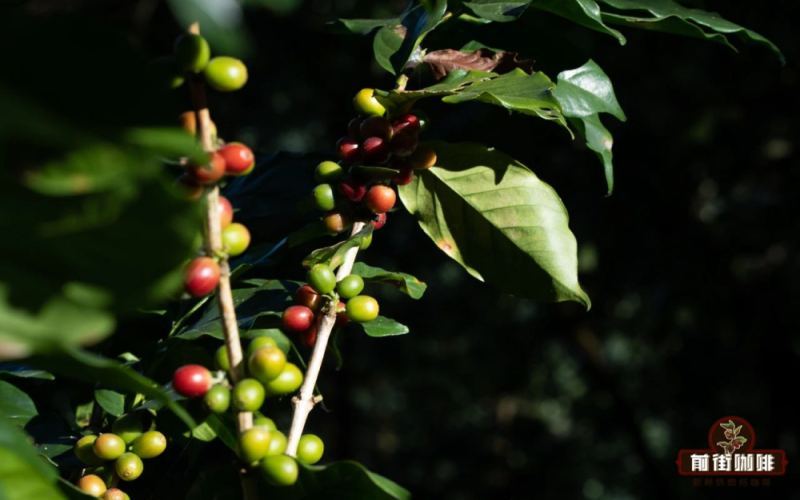
Yunnan coffee has traveled a long and winding road of growth, from the first coffee seedling introduced by missionaries a century ago to its current status as a common choice in specialty coffee shops. This article traces the complete story of Yunnan small-bean coffee—its cultivation origins, the evolution of varieties, and the upgrading of the industry—and also explores the distinct characteristics of the two varieties, Typica and Catimor. For coffee lovers who want to understand the flavors of the Yunnan growing region or who are currently choosing a Yunnan single-origin bean, this article offers a comprehensive reference ranging from historical background to practical brewing, and it also includes Front Street Coffee's Yunnan bean brewing recipe and flavor description. [more…]

Origin Tracing of the Typica Coffee Variety and the Characteristics of Yunnan Producing Regions: A Taste Comparison from Baoshan Washed to Lincang Natural
As one of the oldest native varieties of Arabica, Typica occupies a special place in the development of Yunnan coffee. Since 1904, when French missionaries planted the first coffee trees in Zhukula, Typica has shared an indissoluble bond with the land of Yunnan. Although Catimor has now become the dominant variety in Yunnan, some growers still persist with Typica in pursuit of more delicate flavor expression. Front Street Coffee has explored washed and natural Typica coffees in Baoshan and Lincang respectively, accumulating rich experience from cultivation management to extraction and serving. This article will systematically review Typica's varietal characteristics, the terroir differences between Yunnan's two major producing regions, and the complete presentation of Front Street's 2013 natural Typica from pour-over to espresso SOE, taking you through a comprehensive understanding of this ancient variety's unique charm in Yunnan. [more…]

Flavor Comparison of Yunnan Coffee's Four Major Producing Regions: Dehong, Baoshan, Lincang, and Pu'er—Which Small-Bean Coffee Is More Worth Buying
Coffee has been cultivated in China for over a century, and today Yunnan coffee is once again coming into the public eye thanks to government support and the wave of domestic brands. Yunnan lies in the golden growing belt between 15°N and the Tropic of Cancer, with elevations mostly between 1,000 and 2,000 meters, producing small-bean coffee that is rich but not bitter, aromatic but not harsh, with a slight fruity note. The four major producing regions—Dehong, Baoshan, Lincang, and Pu'er—each have their own characteristics, and the varieties range noticeably from the classic Typica to the mainstream Catimor. This article will sort through the terroir of each region, the traits of coffee varieties, and the differences in processing methods, and, using Front Street Coffee's Yunnan beans as an example, introduce the complete steps for brewing at home with a moka pot, helping coffee lovers choose the Yunnan beans that suit them. [more…]

A Complete Analysis of Panama's Coffee Regions: From Planting History to the Specialty Path of Geisha Auctions
Although Panama is a small country, it occupies a pivotal position in the world of specialty coffee. From coffee's first arrival in the Americas in the 18th century to Geisha repeatedly setting record auction prices today, this volcanic land nourished by air currents from two oceans has given rise to flavors that captivate coffee lovers around the world. Front Street Coffee takes you into Panama, tracing its cultivation history, its three core producing regions, the Best of Panama competition, and sharing brewing insights on a washed Boquete Geisha. [more…]
Traceability of the Geisha Coffee Variety and Analysis of Its Origin Terroir: Grade and Flavor Differences from Ethiopia to Panama
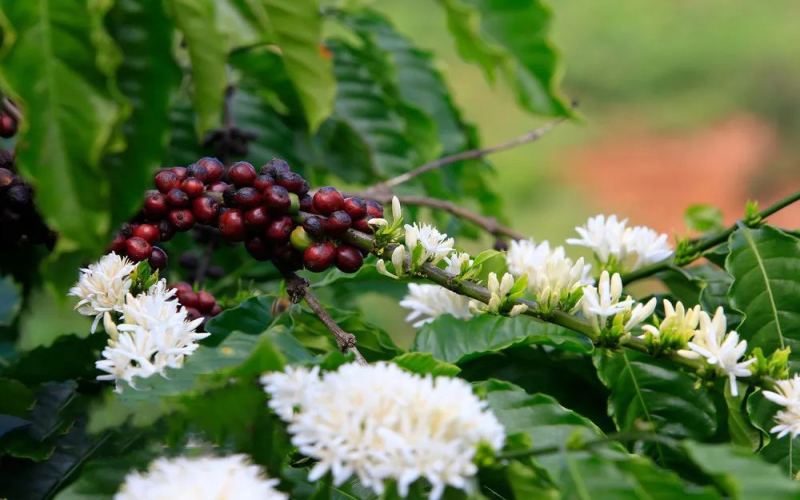
Geisha is recognized as a top-tier variety in the coffee world. From the wild forests of Ethiopia to the highlands of Boquete, Panama, it has conquered coffee lovers worldwide with its unique floral aroma and complex fruity notes. This article systematically reviews Geisha's varietal origins, growth habits, and the differences in terroir across producing regions, with a focus on comparing the flavor characteristics of the two most representative origins—Panama and Ethiopia—and provides a detailed introduction to the grading systems of Hacienda La Esmeralda and Gesha Village. Drawing on its cafe production experience, Front Street Coffee shares brewing parameters and extraction approaches for naturally processed Red Label Geisha, helping readers gain a deeper understanding of the appeal of this variety. [more…]

How to Hand-Brew Yunnan Small-Bean Coffee Without Bitterness? A Detailed Guide to Catimor Coffee Bean Brewing Parameters and the Three-Pour Technique
Yunnan coffee has now become a common sight in domestic cafes, but many people still don't know enough about how to brew it. Yunnan is located in the golden belt for coffee cultivation, with Baoshan, Pu'er, and Lincang as its main producing regions. Front Street Coffee selects Yunnan small-bean coffee in Baoshan and owns its own estate in Lincang. From Front Street's perspective, this article focuses on Yunnan Catimor coffee beans and systematically explains the four key points of water temperature, grind size, coffee-to-water ratio, and the three-stage pouring method, along with flavor descriptions of Front Street's washed Yunnan small-bean coffee and sun-dried Catimor, to help coffee lovers brew a cup of Yunnan pour-over coffee that is neither bitter nor astringent, but mellow, aromatic, and smooth. [more…]
The Rise of Geisha Coffee: From Ethiopia's Wild Forests to the Legendary Fame of Hacienda La Esmeralda
Geisha coffee is now a dazzling star in the specialty coffee world, and its signature floral aroma and complex fruity flavors fascinate countless coffee lovers. But few people know that this variety took more than seventy years from its discovery to truly making a name for itself. In this article, Front Street Coffee traces the origins of Geisha, from its collection in Ethiopia's Kaffa forests in 1931, to trial cultivation in Kenya, Costa Rica, and elsewhere, and then to its discovery and cultivation by the Peterson family at Hacienda La Esmeralda in Panama, laying out in detail the rise to fame of this legendary variety. The article also provides an in-depth introduction to the microclimate characteristics and lot division system of Hacienda La Esmeralda's three major plots, and includes the complete pour-over parameters and three-stage extraction steps for the Emerald Red Label Natural Geisha served at Front Street stores, for coffee lovers to refer to and put into practice. [more…]
Yunnan Arabica's Main Variety Catimor: Introduction History, Cultivation Distribution, Flavor, and Brewing Full Analysis
Yunnan coffee has gradually come into the public eye in recent years, and the main variety supporting Yunnan's coffee production is Catimor. This article starts with the history of its introduction, sorts out Catimor's varietal origins and botanical characteristics, explains why it could be widely promoted in Yunnan, and objectively analyzes its inherent shortcomings in flavor. The article further focuses on the altitude, climate, and harvesting rhythm of major producing areas such as Baoshan, introduces the washed processing flow, and, combining Front Street Coffee's bean selection and roasting approach, provides V60 three-pour hand-brewing parameters and flavor descriptions to help coffee enthusiasts fully understand the true face of Yunnan small-bean Catimor. [more…]
A Comprehensive Guide to Hacienda La Esmeralda Geisha: From Variety Origins to Red, Green, and Blue Label Grades and Pour-Over Parameters
Since Geisha (Gesha) burst onto the scene in 2004, it has firmly secured its throne as the king of the specialty coffee world. This variety, originating from the primitive forests of Ethiopia, began its legendary chapter after being discovered and developed by Hacienda La Esmeralda in Panama. In this article, Front Street Coffee will guide you through a comprehensive understanding of the Geisha variety's history, its stringent requirements for growing environment, the terroir differences between Panama's two major producing regions Boquete and Volcán, and how Hacienda La Esmeralda classifies Geisha into three major tiers: Red Label, Green Label, and Blue Label. At the same time, Front Street will also share the pour-over parameters and three-stage extraction steps for Esmeralda Red Label Natural Geisha, helping you better present this top-tier coffee's floral and fruity charm along with its orange blossom and honeyed notes. [more…]
Yunnan Coffee Flavor Analysis: Is Small-Bean Coffee Good for Pour-Over? Front Street Coffee Sun-Dried Typica Brewing Parameters and Insights
Is Yunnan coffee actually bitter? Will it taste good when brewed as pour-over? These are questions on many coffee lovers' minds. In the past, Yunnan beans were mostly used as raw material for instant coffee and had little presence, but in recent years the specialty coffee wave has led more and more people to rediscover them. This article takes Front Street Coffee's offerings as an example, focusing on Front Street 2013 Sun-Dried Typica, and breaks down the approach to pour-over Yunnan coffee step by step—from the bean variety's background, processing method, and roasting style, to the choice of dripper, coffee-to-water ratio, grind size, water temperature, and three-pour technique. The article also shares this bean's cupping flavor profile to help you understand the balanced, sweetness-forward character of Yunnan small-bean coffee and find a brewing method that suits it. [more…]

Yunnan Huaguoshan Small Bean Coffee Flavor Review and French Press Brewing Steps Explained
Yunnan coffee has always been known for its balanced flavor, combining acidity, sweetness, and bitterness, with chocolate notes and fruity acidity coexisting under a medium roast. Front Street Coffee currently has two representative Yunnan beans: one is an entry-level pour-over bean with nutty and herbal notes, brown sugar sweetness, and plum acidity; the other is a 2013 sun-dried Typica, featuring prominent melon sweetness, bright berry acidity, black tea-like body, and a clean finish. Early Yunnan Typica was extensively cut down due to leaf rust and low yield, replaced by the disease-resistant and high-yielding Catimor, and today over 90% of Yunnan's coffee trees are Catimor. Front Street persists in growing pure Typica in Lincang, naming it "Front Street 2013 Sun-Dried Typica." This article will also break down in detail the seven steps of brewing Yunnan coffee with a French press, from grinding ratio to pressing timing, helping you easily make a great cup of coffee. [more…]
Geisha Coffee Variety Origin and Flavor Analysis: Panama and Ethiopia Production Region Characteristics and Front Street Brewing Guide
Geisha coffee is currently one of the most renowned and expensive varieties in specialty coffee, known for its floral aroma, citrus, peach, and complex fruity acidity, with a creamy smooth mouthfeel and a sweet oolong tea finish. This article starts with Front Street Geisha, first introducing the variety's origins—from the wild forests of Ethiopia to its rise to fame at Hacienda La Esmeralda in Panama—then comparing the flavor differences between two representative producing regions, Panama's Boquete and Ethiopia's Gesha Village, and finally sharing the complete pour-over parameters and three-stage extraction steps for Front Street's Emerald Red Label and Gesha Village Red Label, helping enthusiasts brew their ideal "Geisha flavor." [more…]
Analysis of the Flavor Characteristics of Panama Geisha Coffee: Variety Origins, Differences Between Hacienda La Esmeralda's Red and Green Labels, and Price Reference
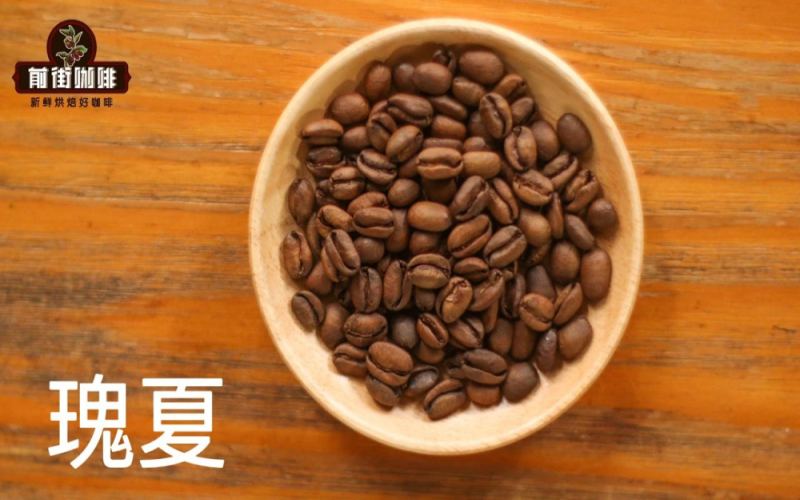
Geisha is one of the most talked-about varieties in today's specialty coffee world, winning over countless coffee lovers with its distinctive citrus aroma and honeyed charm. In this article, from the perspective of Front Street, we will systematically sort out the flavor characteristics, varietal origins, and spread of Geisha coffee, with a focus on how Panama's Hacienda La Esmeralda discovered Geisha's potential, and a detailed explanation of the grade differences, flavor performance, and price ranges of Red Label and Green Label Geisha. At the same time, Front Street will also share pour-over brewing parameters and a three-stage extraction method for high-grade Geisha, helping readers more fully experience this variety's floral and fruity profile. [more…]
An Analysis of Yunnan Coffee's Three Major Varieties: Flavor Evolution, Roasting, and Brewing Highlights of Typica, Bourbon, and Catimor
Yunnan coffee, also known as Yunnan small-bean, is renowned for its plump and uniform beans and its mellow, well-balanced taste. Front Street Coffee has always paid attention to China's own coffee, hoping that through a deeper understanding of varieties and flavors, more people can rediscover Yunnan beans. Currently, the varieties that can be produced on a large scale in Yunnan are mainly Catimor, Typica, and Bourbon. This article will review the introduction history and evolution of these three varieties in Yunnan, and, using Front Street Coffee's Huaguoshan Typica and Yunnan small-bean Catimor as examples, present complete information from roasting curves and cupping flavors to brewing parameters, while also introducing the current state of Bourbon cultivation in Yunnan, providing coffee lovers with a practical guide to Yunnan coffee varieties. [more…]