







How Are Yunnan Green Coffee Beans Graded?
Yunnan coffee began with the first tree planted at Zhukula in 1904 and moved through Typica, Bourbon and Catimor as it shifted from instant raw material to specialty coffee. Green beans there are commonly graded on screen size, color, cleanliness, odor and moisture content, which together decide how a lot is sorted and priced.
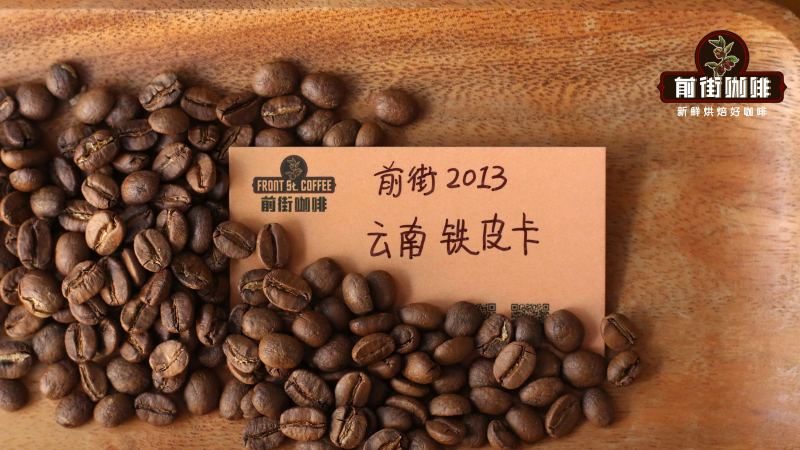
A typical pour-over for yunnan coffee uses a V60 dripper, 15 grams of grounds, 90°C water and a 1:15 coffee-to-water ratio poured in three stages. Growing Typica in Lincang and lots such as Front Street 2013, a natural-process coffee, show how the region's flavors come through in the cup.
Yunnan coffee started with the first coffee tree in Zhukula in 1904, and has gone through variety replacements from Typica and Bourbon to Catimor, as well as a transition from instant coffee raw material to specialty coffee. This article reviews the cultivation history of Yunnan coffee, the characteristics of the small-bean varieties, and the currently common green bean grading standards, including dimensions such as screen size, color, cleanliness, odor, and moisture content. It also introduces Front Street Coffee's experience growing Typica in Lincang, Yunnan, and the "Front Street 2013" natural-process beans, and provides the pour-over parameters for Front Street Coffee's Yunnan small-bean coffee: V60 dripper, 15g grounds, 90°C water temperature, 1:15 coffee-to-water ratio, and a three-stage pouring scheme, to help coffee enthusiasts understand the flavor of the Yunnan producing region more systematically.
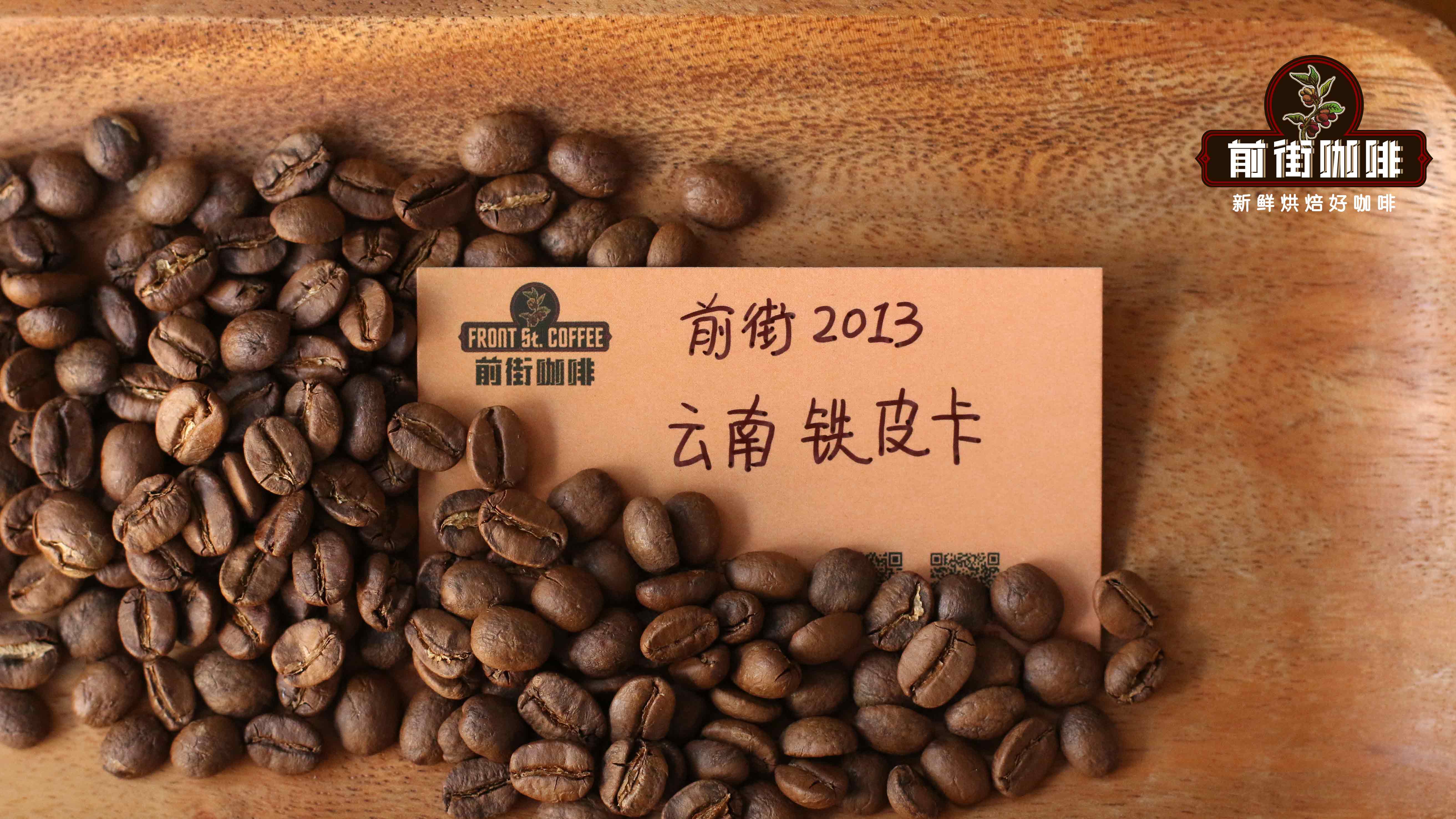
For friends who drink coffee regularly, the name Yunnan coffee should be familiar. For a long time, Yunnan coffee beans were mainly used to make instant products due to uneven quality, and their reputation suffered as a result. But in recent years, Yunnan coffee has been like a dark horse that suddenly burst onto the scene, gradually taking a place in the specialty coffee circle.
When does China's coffee-growing history begin?
The origin of Yunnan coffee can be traced back to 1904. At that time, a French missionary brought coffee seeds into Yunnan from abroad and planted the first coffee tree in a place called Zhukula. He probably did not expect that more than a hundred years later, coffee would become an undeniable calling card of Yunnan's plateau specialty agriculture.
Entering the 1960s, Yunnan's coffee planting scale continued to expand. In 1952, in the early days of New China, under the leadership of agricultural academy expert Ma Guojin, coffee planting began to be promoted on a large scale, and the coffee beans produced were mainly supplied to the Soviet Union. Even earlier, in 1937, the patriotic overseas Chinese Mr. Liang Jinshan brought a batch of seeds back from Myanmar to Baoshan and opened up coffee planting land in Lujiangba. At that stage, the varieties planted in Yunnan all belonged to Typica and its variant Bourbon, and the planting area once reached 50,000 mu.
After that, global leaf rust attacked Yunnan's coffee producing areas, a large number of coffee trees died, and the planting area shrank sharply. It was not until the 1980s after reform and opening up that Yunnan coffee re-entered the international market. Around 1988, foreign enterprises such as Nestlé set up branches in China and supported Yunnan's coffee industry from multiple aspects. They not only introduced high-yield, disease-resistant varieties such as Catimor, but also promised to purchase Yunnan coffee beans as raw material at the then-current U.S. futures price. These actions further expanded Yunnan's coffee planting area and also mobilized farmers' enthusiasm for production, while establishing Catimor's dominant position in replacing older varieties such as Typica, making it the main force of Yunnan coffee.
After 2000, various domestic industries developed rapidly, the concept of specialty coffee continued to spread, and Yunnan coffee also became increasingly scientific in areas such as seed selection, cultivation, harvesting, and processing. Today, through various media channels, one can see that Yunnan coffee is continuing to advance along the path of specialization.
What are the characteristics of Yunnan's small-bean varieties?
Before the 1980s, the varieties grown in Yunnan were mainly two old small-bean species: Typica and Bourbon. The so-called small-bean species refers to Arabica varieties with relatively small beans, in contrast to the medium-bean Robusta grown in Hainan.
Typica has rich flavor layers, with various fruit acids and a delicate mouthfeel, and is recognized by the industry as a high-quality variety. The famous Blue Mountain coffee and Hawaiian Kona coffee both belong to Typica. In appearance, the Typica tree is tall and has strong cold resistance, but its yield per plant is relatively low, and its disease resistance is weak, making it very susceptible to leaf rust, coffee berry disease, and nematode disease. This means more manpower must be invested in management. In addition, this variety has little advantage in market price, so many Yunnan coffee farmers switched to planting higher-yielding varieties to replace Typica.
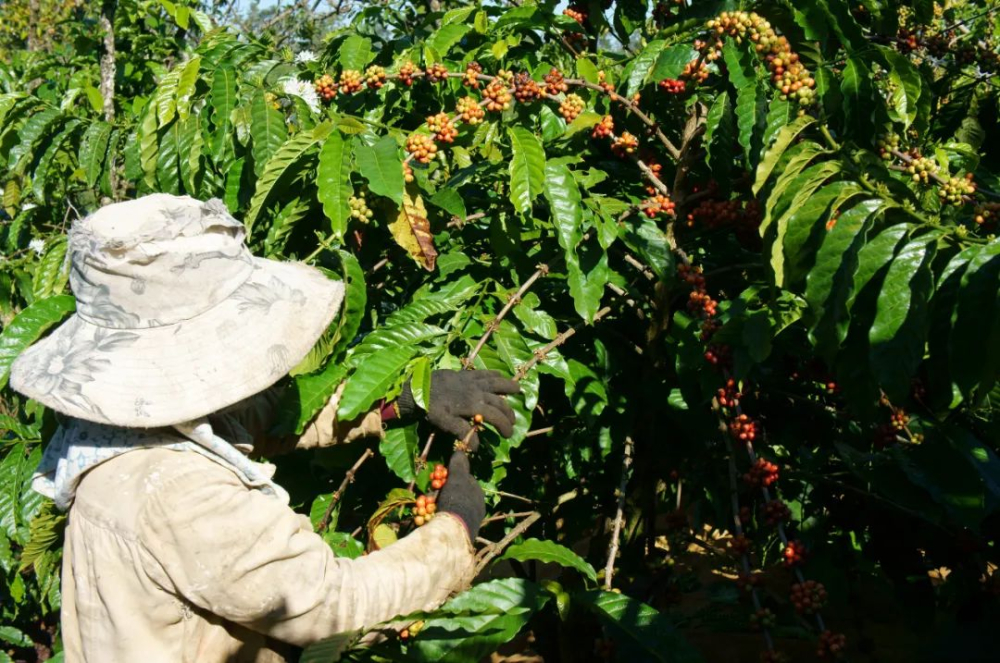
In 1995, the Yunnan provincial government formally included coffee cultivation in the "18 Project" for biological resources, which greatly stimulated farmers' enthusiasm for planting, and the planting area in villages increased rapidly. In the same year, the Institute of Tropical and Subtropical Economic Crops of the Yunnan Academy of Agricultural Sciences introduced a new disease-resistant, high-yield coffee variety—Catimor—and began trial planting in Xizhai Village in Yunnan's Nujiang Gorge.
Catimor 7963 is a hybrid variety bred by the Portuguese Tropical Research Institute (HCT) for coffee rust, with stable traits. This variety has a compact tree shape, dwarf plants, many branches, short fruiting nodes, vigorous growth, and tenacious vitality. Its most prominent advantages are amazing rust resistance and high yield. Because of this, Catimor is deeply favored by Yunnan coffee farmers, and currently more than 90% of coffee trees in Yunnan are Catimor.
What grading system does Yunnan coffee use?
Although Yunnan has a long history of growing coffee, overall it is still not mature enough, and the grading system is relatively chaotic and still needs improvement. Common Yunnan coffee is graded by comprehensively considering multiple indicators such as screen size, color, cleanliness, odor, and moisture content.
It is divided into five grades according to screen openings of 6.5, 6.0, 5.5, and 5.0 mm:
Grade 1: above 6.5 mm, plump and intact beans
Grade 2: 6.0-6.4 mm, plump, relatively uniform
Grade 3: 5.3-5.9 mm, relatively plump, slightly less uniform
Grade 4: 5.0-5.4 mm, with defective beans, intact beans accounting for more than 75%
Grade 5: below 5.0 mm, with defective beans, intact beans accounting for more than 30%
Color: glossy, with light blue, light green, or light white being preferred. Black-brown and dull orange indicate poorer quality:
Grade 1: light blue, light green, light white, light yellow, uniform color
Grade 2: light blue, light green, light white, light yellow, slightly poorer color
Grade 3: light blue, light green, light white, light yellow, even poorer color
Grade 4: slightly yellow, a small amount of brown
Grade 5: mottled color
Cleanliness: containing no impurities or only a small amount of impurities is preferred:
Grade 1: more than 70% silver skin removed, no impurities
Grade 2: more than 65% silver skin removed, no impurities
Grade 3: more than 60% silver skin removed, no impurities
Odor: fermented and spoiled, with light red or brown indicating sourness; sour odor or other off-odors are all undesirable.
Moisture: moisture content not exceeding 12%.
In order to help the vast number of coffee farmers and coffee enterprises maximize their interests, while also enhancing Yunnan coffee's voice and competitiveness in the international market, Pu'er City established the Yunnan International Coffee Exchange (YCE). In 2019, referring to the systems of the Specialty Coffee Association (SCA) and the Coffee Quality Institute (CQI), YCE formulated a new grading system for traditionally washed Yunnan small-bean coffee, and coffee farmers all grade and quote prices according to this standard.
Does Front Street Coffee also have Yunnan small-bean coffee?
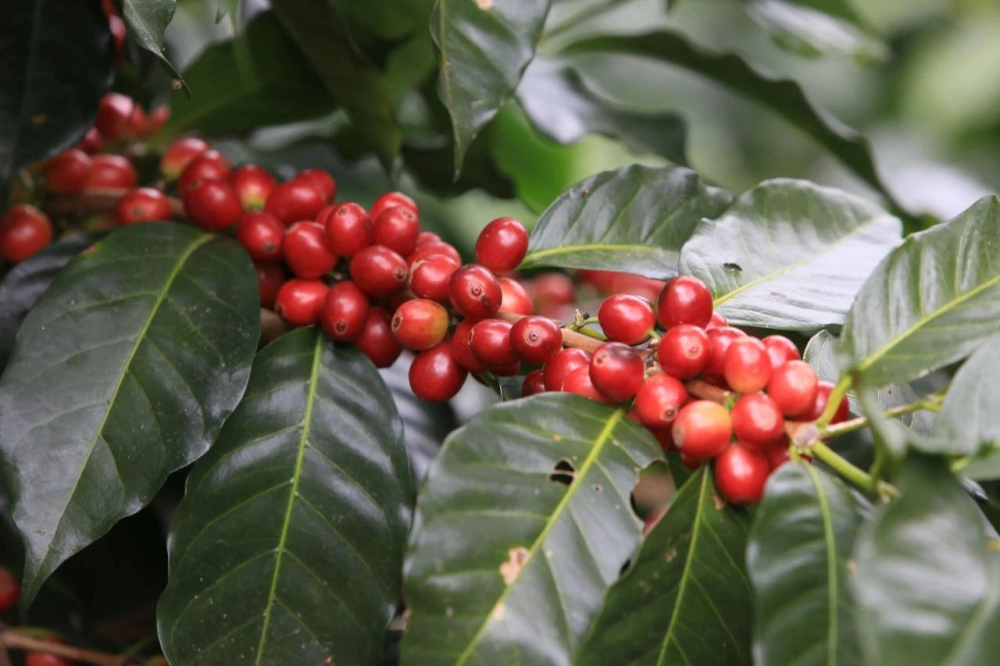
Of course it does. Front Street Coffee not only roasts Yunnan small-bean coffee, but also personally grows small-bean coffee in Lincang, Yunnan. In fact, the idea of growing coffee at Front Street Coffee came even earlier than roasting. "Dazhen Coffee" was the predecessor of Front Street Coffee. At that time, Front Street Coffee grew coffee in a place in Guangdong called Dazhen. When the Catimor seedlings grew to 20 cm, we truly understood the relationship and order among variety, altitude, and processing method in specialty coffee. After consulting a large amount of information, Front Street Coffee went to Yunnan to look for suitable planting land. From site selection, seed selection, seedling raising, planting, harvesting, and post-processing... every step involved countless trials and errors, and from them we accumulated a great deal of experience and knowledge about varieties, altitude, and processing methods.
Lincang, Yunnan, is affected by the warm, humid airflow from the Indian Ocean and the southwest monsoon. The distinction between the four seasons is not obvious, but the dry and wet seasons are distinct, with abundant rainfall, long sunshine hours, and a short frost period. In some areas there is even no frost all year round, and the vertical climate characteristics are significant, making it very suitable for growing Arabica coffee. Front Street Coffee specifically chose the most original Typica. Typica has an elegant and pure flavor, but it is also famous for low yield and poor disease resistance, so Front Street Coffee invested a great deal of effort in planting and management. After 5 to 6 years of cultivation, Front Street Coffee finally harvested its first results in 2020, produced using the natural process and named "Front Street 2013."
For this coffee bean, Front Street Coffee uses the natural drying method of sun-drying. Sun-drying does not require much equipment; the key is to let the coffee cherries dry evenly in the sun during consecutive sunny days. Front Street Coffee arranges for staff to turn them regularly to prevent uneven heating of the coffee cherries and excessive fermentation. When the coffee cherries dehydrate and change from bright red to dark purple and reach the target moisture content, they can be sent for hulling and roasting. This year, Front Street Coffee's coffee cherries have also gradually ripened, and we are stepping up picking and processing. I believe everyone will soon be able to taste the Typica flavor of Front Street Coffee's new season.
In addition to Front Street Coffee's Yunnan natural-process Typica, Front Street Coffee (FrontStreet Coffee) has also found a Catimor coffee bean from the Baoshan producing area in Yunnan based on the flavor characteristics of the Yunnan producing region. As a member of Front Street Coffee's (FrontStreet Coffee) signature daily-bean series, this Yunnan small-bean coffee allows everyone to taste the flavor of the Yunnan producing region at the highest cost performance.
Brewing parameters for Front Street Coffee's Yunnan small-bean coffee
Dripper: hario v60
Dose: 15g
Water temperature: 90 degrees Celsius
Grind size: 75% passing through a No. 20 sieve
Coffee-to-water ratio: 1:15
Three-stage pouring: Use twice the weight of the coffee grounds in water to wet the coffee bed and form a dome, then let it bloom for 30s. Then pour in a thin stream in a circular motion from the inside out until reaching 125g and pause. Wait until the coffee bed drops to half the height of the dripper, then continue pouring the third stage with the same thin stream until 225g, and let all the coffee liquid finish filtering before removing the dripper. The total time is about 2 minutes.
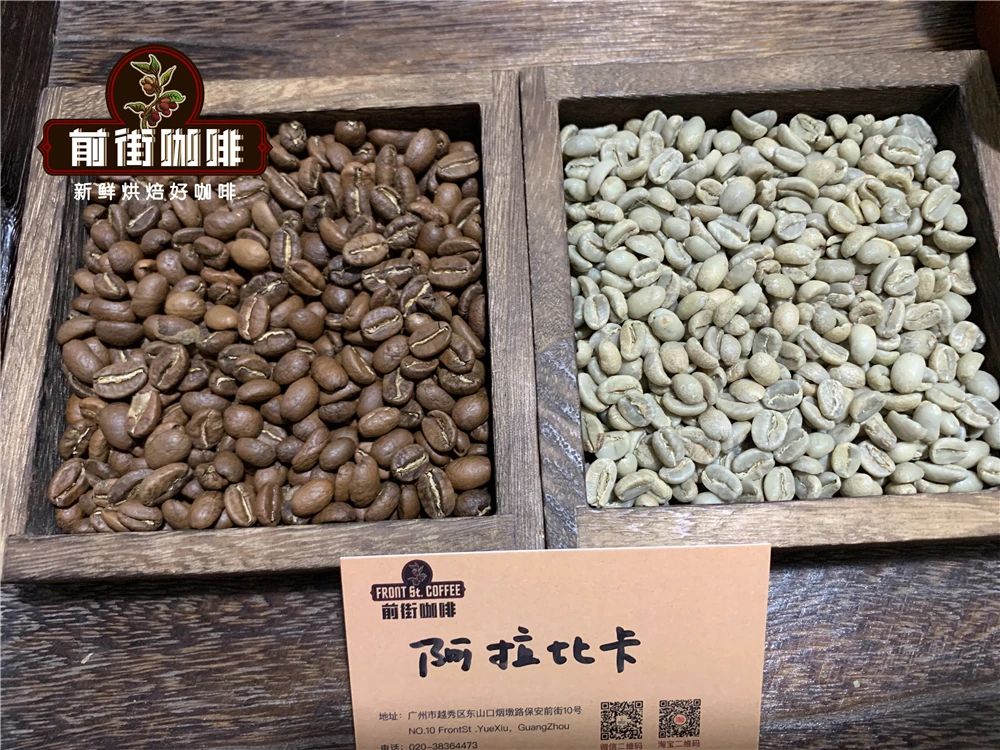
Front Street Coffee's Yunnan small-bean daily coffee flavor: it smells very nutty, with herbal, chocolate, and caramel notes on the palate, and a slight faint fruit acidity in the finish. The overall mouthfeel is balanced, with good cleanliness.
Front Street 2013 natural-process Typica coffee flavor: the dry grounds present aromas of caramel, nuts, and citrus. When hot, there are chocolate, fermented notes, and berries. As the temperature drops, plum-like acidity appears, along with a sweet finish of black tea and sugarcane. Medium-high body, clear mouthfeel, and rich, varied layers.
The above content is compiled by CoffeeHunters, a coffee news website.


