







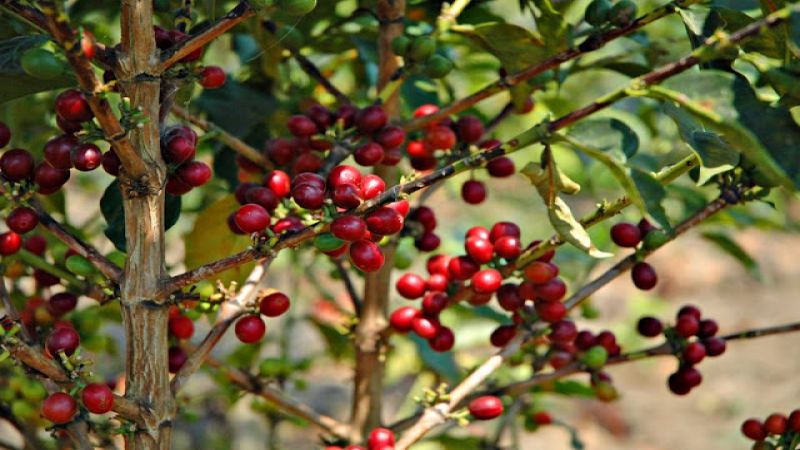
Which coffee beans suit pour-over brewing best?
Any coffee beans can be used for pour-over; freshness and brewing control matter more than the label. What really decides whether the cup suits you is the regional flavor: African beans lean floral and fruity, American beans centre on nuts, chocolate and caramel, and Asian beans bring herbal, pine and nutty bitterness.
The coffee bean process also shapes the result, since washed lots read cleaner and fruitier while other methods add body and sweetness. Starting from one representative bean per region, such as a Central American lot for balance or an Asian bean for depth, helps narrow down the flavor direction before buying a full bag.
To make a good pour-over at home, choosing the right beans is the first step. Many people ask: what coffee beans are suitable for pour-over? Actually, any beans can be used for pour-over; the key lies in freshness and brewing details, while what truly determines the taste is whether the regional flavor matches your preferences. Coffee beans are mainly divided into three major regions: African beans are known for floral notes and fruity acidity, American beans focus on the balance of nuts, chocolate, and caramel, while Asian beans tend toward the rich bitterness of herbs, pine, and nuts. Understanding this general direction allows you to quickly pinpoint the flavors you like. This article organizes representative bean varieties by region and, combined with the Front Street Coffee daily drinking bean series, helps you find the one suitable for pour-over based on your flavor preferences.
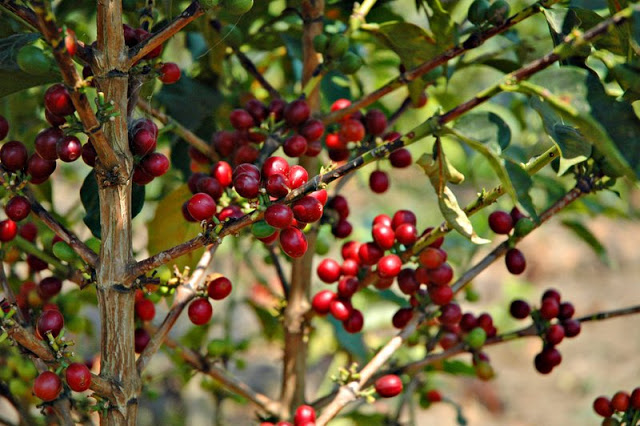
People often ask which type of coffee beans is more suitable for pour-over, or whether any beans can be used for pour-over. Front Street's view is that any coffee beans can be used for pour-over; whether it ultimately tastes good mainly depends on whether the beans are fresh and on the control of details during brewing. Rather than "whether it can be brewed," what more people really care about is: which coffee beans produce the flavor that they personally prefer.
There are many types of coffee beans worldwide, and judging which flavor suits you can indeed be difficult for those new to coffee; while those who have been drinking coffee for a longer time usually already know their preferences clearly and have some understanding of coffee. Coffee flavors can be broadly divided into three major regions: African beans are mainly floral and fruity acidic, tasting on the acidic side; American beans are mainly nuts, chocolate, and caramel, emphasizing balance, one could say neither acidic nor bitter; Asian beans are mainly herbal, pine, and nutty, with a bitter taste. By first dividing them according to this broad framework, you can basically determine which type you prefer.
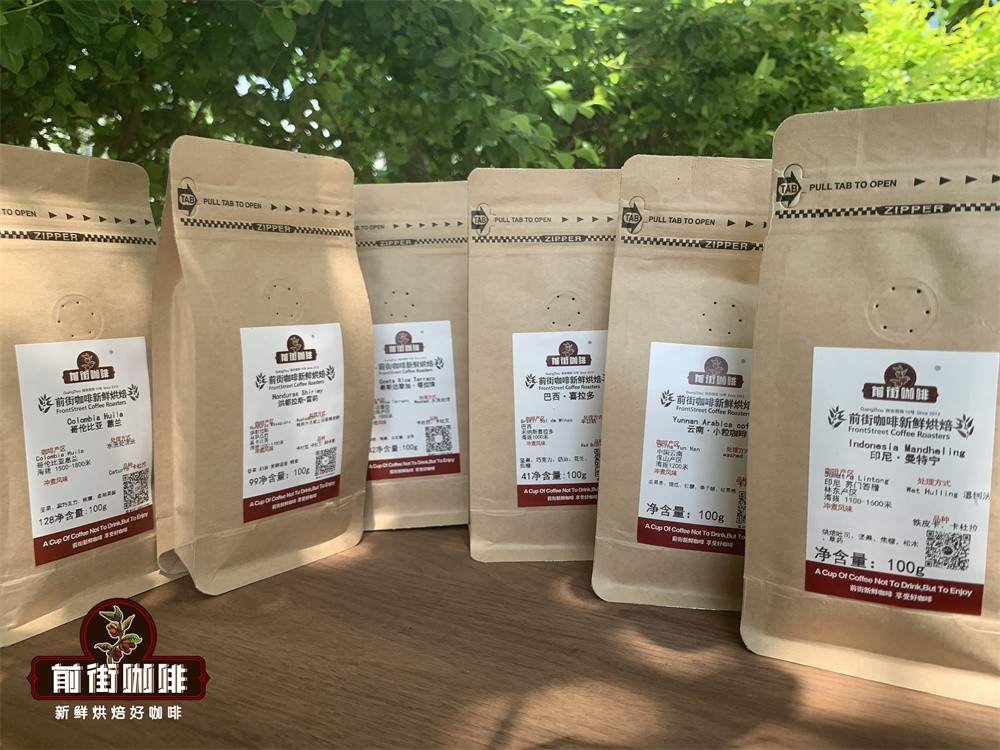
Front Street covers coffee from all three major regions, and for each region has selected one of the most representative coffee beans as a daily drinking bean, with high cost performance and good flavor expression, making it convenient for coffee enthusiasts to first find their preferred flavor direction through the Front Street daily drinking bean series, and then further select specialty coffee from more specific sub-regions. Nowadays, coffee enthusiasts' passion and pursuit of coffee are no longer limited to drinking espresso in coffee shops; more people are turning to single-origin black coffee.
Ethiopia
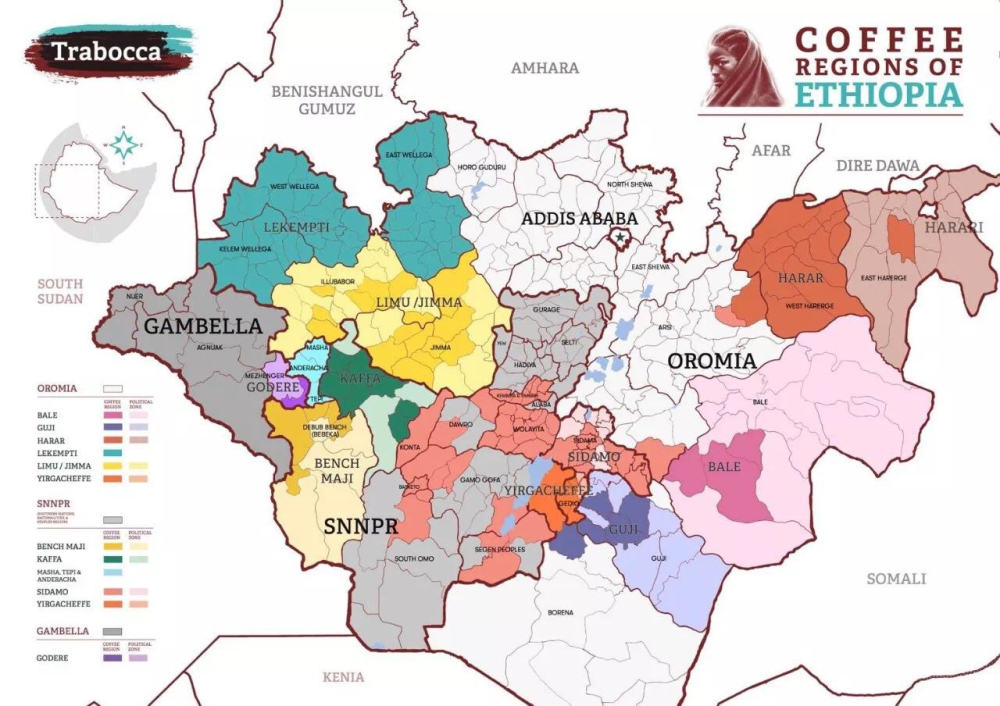
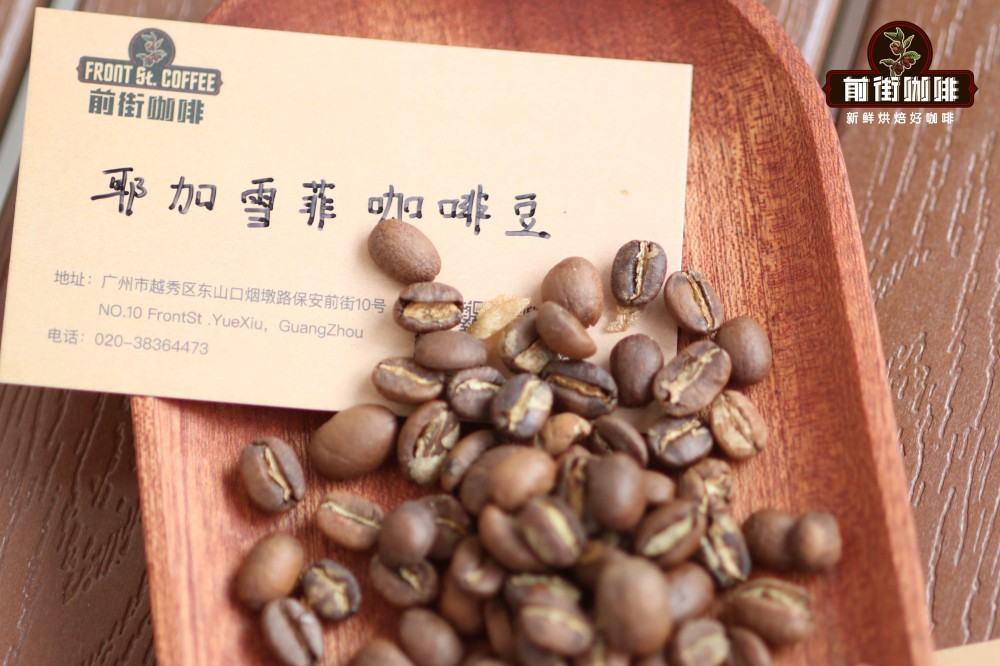
The most representative among African coffees is undoubtedly Ethiopia. It has jasmine floral notes, citric acidity, and berry tones, fresh and bright, with a long finish after drinking. Ethiopia is the birthplace of coffee, and the flavors of each region also differ. Among them, the most representative are the Yirgacheffe and Sidamo regions. Front Street's washed Yirgacheffe and Front Street's sun-dried Huakui on the bean list are exactly the representative coffees of these two regions.
Yirgacheffe was originally just a sub-region under the Sidamo region. Because the production method and flavor of the coffee beans produced in Yirgacheffe town were too outstanding, even Ethiopia took pride in it, and even gave beans from other regions the name Yirgacheffe. Thus, Yirgacheffe became independent from the Sidamo region and established its own style.
There is no need to say much about the characteristics of Front Street Yirgacheffe: rising fruity acidity, a clean mouthfeel, and refined and elegant floral notes. In Teacher Han Huaizong's "Specialty Coffee Studies," the description of Yirgacheffe is one that Front Street very much agrees with: "Coffee enters the mouth, and a hundred flowers bloom."
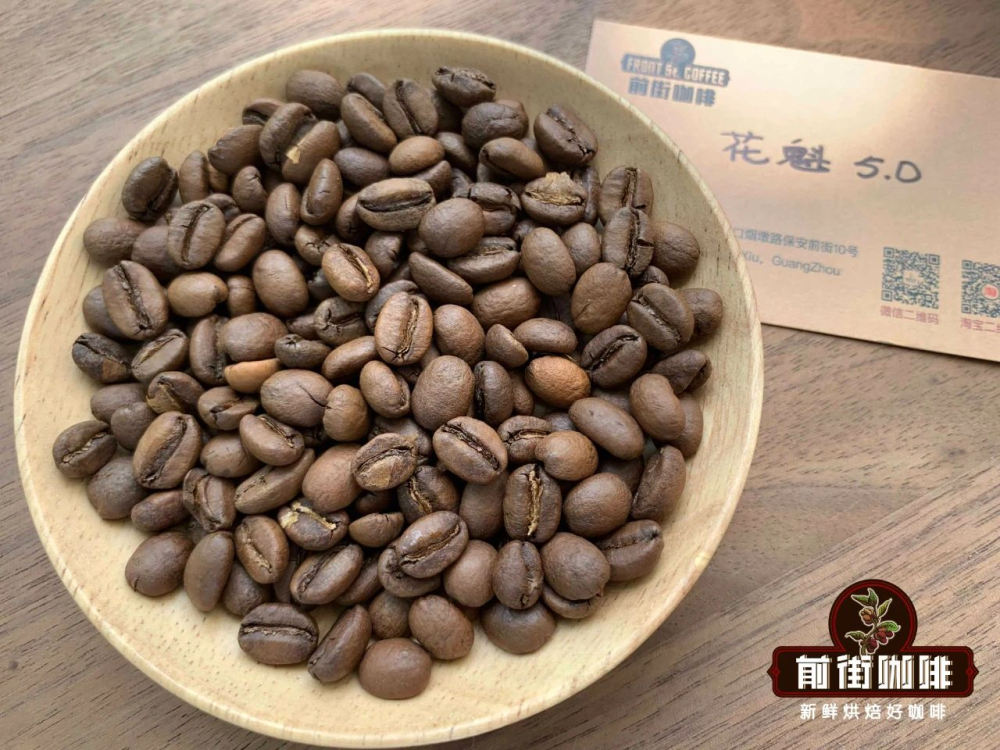
The most talked-about coffee bean from the Sidamo region at present is none other than Front Street Hambela Huakui, with its wonderful strawberry cream flavor. After this bean appeared at the 2017 Ethiopian green bean competition TOH, it made a stunning debut, breaking Geisha's monopoly in brewing competitions and becoming the only coffee currently able to compete with it.
The flavor of Front Street Huakui coffee is like walking into a world of fruit—berries, jackfruit, mango, honey, and so on, very sweet and fragrant.
African Kenyan Coffee
Kenyan coffee is the god in the minds of many coffee connoisseurs and a pearl of Africa. The varieties initially introduced to Kenyan coffee were Bourbon and India's Kent, and later the Jamaican Blue Mountain Typica variety was introduced, planted on Mount Elgon.
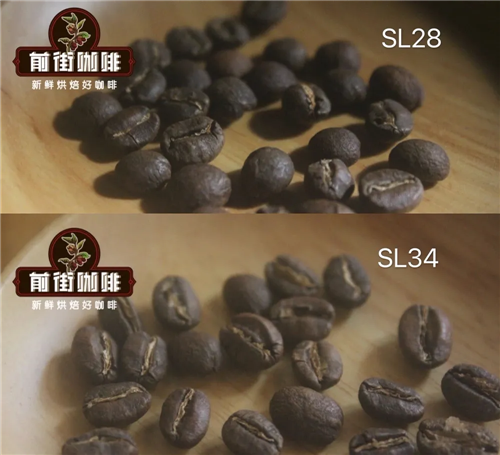
Today the most famous coffee bean varieties in Kenya are SL28 and SL34. These two varieties were selected and bred from Kenya's National Agricultural Laboratories (formerly the Scott Agricultural Laboratories). SL28 is drought-tolerant and pest-resistant, suitable for planting in mid-to-high altitude areas. SL34 is suitable for planting in high-altitude areas with sufficient rainfall. In flavor, SL28 and SL34 are very similar, but SL34 has richer acidity and a more intense mouthfeel.
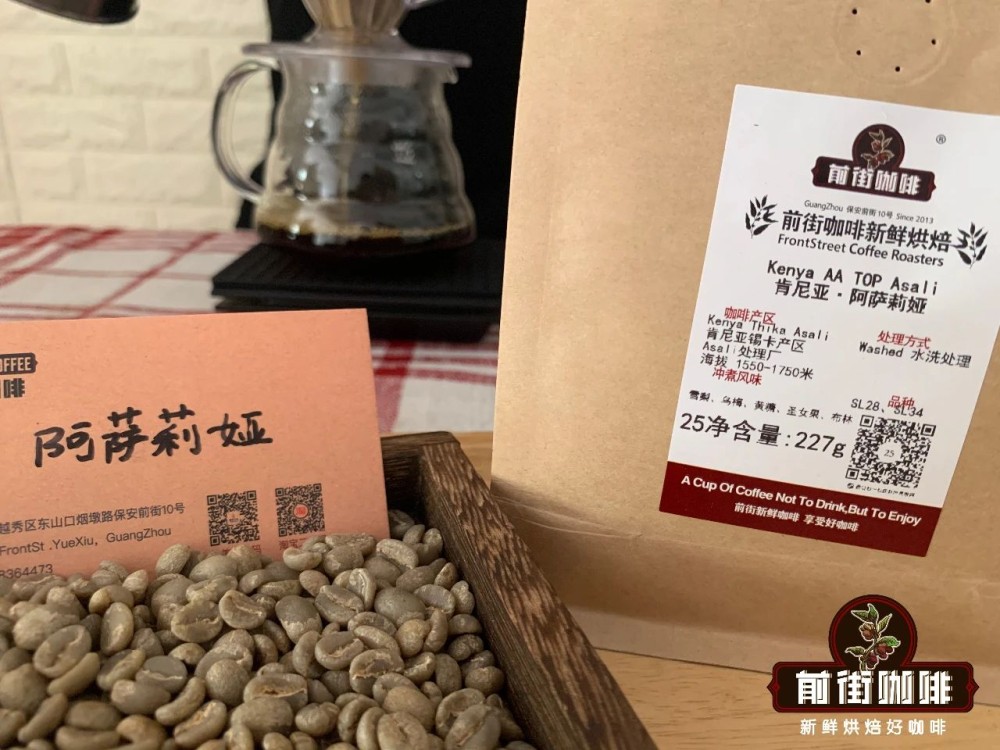
Front Street Kenyan coffee has a unique blackberry acidity and aroma. The factors that cause Kenyan coffee to form this flavor include not only the phosphoric acid-rich local soil but also Kenya's most famous K72 washed processing method.
The K72 washed processing method process: harvested coffee cherries are depulped and fermented; after 24 hours of fermentation, they are washed clean with water. They are soaked and fermented for 24 hours, then washed clean with water again, repeated 3 times, thereby achieving 72 hours of strong fermentation. Front Street Kenya Asalia coffee beans use the K72 washed processing method and have a brighter, cleaner flavor.
American Beans
Brazilian Coffee
Brazil is the country with the world's highest coffee production. Coffee cultivation in Brazil began more than 300 years ago. In the 1720s, a Portuguese captain from Brazil used a seduction scheme to win the heart of the wife of the governor of Cayenne in French Guiana, successfully bringing coffee seeds into Brazil. Because Brazil's planting altitude is relatively low, between 400 meters and 1,600 meters, and because Brazilian coffee cultivation mostly uses sun-exposed planting, causing the coffee cherries to absorb enough heat and mature as early as possible, Brazilian coffee beans have low density, soft bean quality, and a soft-bean flavor. This forms a very sharp contrast in flavor with African coffee beans.
The flavor of Front Street Brazil Cerrado coffee beans: low acidity, strong nuttiness, good chocolate sweetness and body, but with a slight woody and earthy taste, and floral and orange notes are not obvious.
If asked which Front Street coffee is not acidic, Front Street Coffee baristas usually recommend Brazil first. This is because Brazilian coffee is relatively mild, and it is not easy to taste the wild, dominant rising acidity and orange notes of African beans.
Colombia
Colombian coffee is one of the few single-origin coffees sold under a country name and is also the largest washed Arabica producing country. Friends familiar with Colombia's "four treasures" all know that coffee is one of Colombia's "four treasures." Colombia has a mild climate and humid air; its diverse climate makes it a harvest season all year round, with coffees of different types and regions ripening successively at different times. Colombian coffee has a unique quality, rich taste, and endless aftertaste, and can be called a coffee masterpiece.
In the Front Street daily drinking bean series there is a Front Street Colombia Huila coffee bean. The Huila region is Colombia's most famous specialty coffee region, surrounded by mountains, with planting altitudes above 1,500 meters. Colombia's most important rivers converge here, bringing abundant moisture and water resources, and the coffee flavor is mostly floral with soft fruity acidity. However, with the advancement of specialty coffee, Colombia's coffee bean processing methods have also increased, such as: Front Street Colombia Rose Valley coffee and Front Street Colombia Huayueye coffee, whose flavors are floral, berry, and fermentation aromas.
Costa Rica
Costa Rican coffee is a representative of "sweet as honey," mainly because Costa Rican coffee beans are famous for the honey processing method. Costa Rica's coffee planting altitude is high, and the temperature difference between day and night is large, surrounded by fertile volcanic soil, making Costa Rica rich in strictly hard beans (SHB grade). Costa Rican coffee has ample sweetness.
For example, Front Street Costa Rica Mozart coffee, Front Street Costa Rica Baha coffee, and Front Street Costa Rica Mirazu Strawberry Candy coffee, which have undergone raisin honey processing, have the sweetness of raisins and blueberries, and the fragrance of osmanthus and roses.
Panama Coffee
Panama coffee became famous because of Geisha. The reason Geisha became famous is also because of Panama's Hacienda La Esmeralda. Hacienda La Esmeralda is both the discoverer and the promoter of Geisha.
The Geisha variety entered Panama in the 1960s, but after more than 40 years of biding its time, it finally won first place in the BOP in 2004 and became world-famous, becoming the supreme treasure in the eyes of many specialty coffee enthusiasts. The refined and elegant flavor of the Geisha variety comes from a specific growing environment. The Geisha variety is very picky about its growing environment: high planting altitude, shade cultivation, and fertile soil. It is precisely these factors that have long given Geisha coffee obvious floral notes and refined, elegant fruity acidity. And such an elegant flavor is also one of the reasons it has swept the world. Hacienda La Esmeralda is located in the Boquete region. In addition to Hacienda La Esmeralda, the Boquete region also has many famous estates: such as Elida Estate and Kotowa Duncan Estate, all of which are renowned estates producing high-quality specialty coffee.
On Front Street Coffee's bean list, there is both Front Street Panama Hacienda La Esmeralda Geisha coffee and Front Street Boquete Geisha coffee from the Boquete region, and in order to let everyone better taste the flavor of Geisha coffee, Front Street has specially included Front Street Boquete Geisha coffee in the Front Street daily drinking bean series.
Guatemala
Guatemalan coffee has a smoky note. When some coffee connoisseurs think of it, the first thing that may come to mind is the "smoky" note. Soft acidity and a balanced mouthfeel are the characteristics of Front Street Guatemalan coffee, and also the characteristics of Central American coffee. The Huehuetenango region is surrounded by three volcanoes, providing rich minerals for the soil here. The altitude here can even exceed 2,000 meters, and the coffee produced has a rich fruity flavor.
For Guatemalan coffee, Front Street has brought in Front Street Guatemala Huehuetenango coffee and Front Street Guatemala La Flor coffee, whose flavors are mainly berry, floral, sweet orange, and nutty notes.
Asian Beans
Indonesian Coffee
Although Indonesia's kopi luwak is very famous, the one that is easier for everyone to accept and is the most representative is still Front Street Mandheling coffee. Front Street Mandheling coffee is mainly produced in Indonesia's Sumatra region. Front Street Indonesian Mandheling coffee has a rich and intense mouthfeel and flavor, with a distinct personality. This unique flavor is related to the local coffee bean processing method, because Indonesia is located in Southeast Asia, with abundant rainfall year-round and shorter sunshine hours than Ethiopia and Brazil, so using the sun-dried processing method easily produces fermented or moldy beans; in addition, local economic conditions are limited, and washed processing requires wasting a large amount of water. Therefore, Indonesian Mandheling mostly uses the locally characteristic semi-washed method, namely the wet hulling method.
Wet hulling is also called Wet Hulling The wet hulling processing process: coffee cherries are depulped and put into water to soak for 1-2 hours, then rubbed against each other to remove part of the mucilage and undergo the first drying, at which point the moisture content of the coffee beans drops to between 20% and 35%. The coffee beans whose mucilage layer has not yet solidified are collected and sent to the processing plant for a second drying. This step will reduce the moisture content of the coffee beans to about 18%. After the second drying is completed, the parchment layer is removed, and a final drying is carried out until the moisture content is 11%.
Teacher Han Huaizong once described the flavor characteristics of wet-hulled coffee beans in a book: This is also a rare processing method in the world, accidentally creating Mandheling's special low-acidity, thick, and stuffy aroma flavor.
Front Street Indonesia Lintong Mandheling coffee in the Front Street daily drinking bean series tastes very rich, but Front Street Golden Mandheling coffee is even more fragrant, mellow, and clean, with a cleaner herbal taste.
China Yunnan Coffee
In China, the history of tea is more than a thousand years longer than that of coffee, and the earliest traceable history of coffee circulation in China dates back to 1870. The history of coffee cultivation in China's Yunnan is controversial: one account says 1902; another says 1892; and another says 1904. Yunnan's coffee planting variety was initially Typica, but with the opening-up policy, international giants such as Starbucks and Nestlé entered Yunnan and promoted the planting of the Catimor variety, which has strong disease resistance and high yield but poor flavor. Over time, Yunnan small-bean coffee evolved from the former Typica variety to today's Catimor variety.
Yunnan's coffee planting regions are mainly distributed in the southwestern part of Yunnan Province: Lincang, Baoshan, Pu'er, and Dehong. Lincang borders Pu'er to the east, Dali to the north, Baoshan to the west, and Myanmar to the southwest, with an average annual temperature between 16.8 and 17.2°C. Dry and wet seasons are distinct, with ample sunshine. In 2013, Front Street began its coffee planting business in Lincang, Yunnan. Unlike most varieties planted in Yunnan, what Front Street planted is Yunnan's ancient superior variety—Typica. In 2021, Front Street Coffee launched its first self-produced Yunnan coffee bean, named Front Street 2013 Coffee.
The above are the representative coffees of Front Street's major producing countries and regions, as well as an introduction to Front Street daily drinking beans. Knowing this basic information, you can probably know what flavor you like. Of course, these coffee beans can all be used for pour-over. Pour-over coffee beans are usually light roast or medium roast, such as: Front Street Ethiopian coffee, Front Street Guatemalan coffee, Front Street Costa Rican coffee, Front Street Yunnan small-bean coffee, etc.; some are dark roast, such as: Front Street Jamaica Blue Mountain coffee, Front Street Colombian coffee, Front Street Mandheling coffee, and Front Street Brazilian coffee, etc. And because Brazilian coffee has a lower altitude and a relatively balanced taste, many espresso coffees choose Brazilian coffee as the base bean for blending.
Also, Front Street believes that if you want to brew a good cup of pour-over coffee, in addition to understanding the basic situation of the coffee beans, you also need to be familiar with the details of pour-over. But even for the same person, the coffee brewed each time is not exactly the same flavor. The following are small detail issues that Front Street reminds everyone about:
Water Quality
In a cup of pour-over coffee, as much as 98.5% is water. To make a delicious cup of pour-over coffee, the first step is to manage water quality well. In our daily pour-over coffee, try not to use tap water directly, and instead use water purified by a filter, or mineral water with an appropriate mineral content. The temperature of the water is also very important; depending on the characteristics of different coffee beans, the water temperature is generally 88-91°C.
Grind Size Grinding coffee beans into coffee grounds is the first step in pour-over coffee, and it is a crucial step. If it is ground too fine or too coarse, it will directly affect the flavor and mouthfeel of the brew.
Coffee-to-Water Ratio The coffee-to-water ratio is also a very critical factor in pour-over coffee. Different coffee-to-water ratios will greatly affect the flavor expression of the coffee. Front Street recommends a coffee-to-water ratio of 1:15 to 1:16 for pour-over coffee.
Dripper
Through many brewing experiments and repeated tests, Front Street has found that different drippers differ noticeably in expressing coffee flavor, acidity, sweetness, body, and cleanliness. If you are brewing light-roasted coffee beans, Front Street recommends using a V60 dripper; if you are brewing dark-roasted coffee beans, Front Street recommends using a Kono dripper.
As long as you practice more, you will definitely be able to brew that delicious cup of coffee you like.
Front Street coffee brewing suggestions:
Regarding coffee brewing, Front Street has always believed that the freshness of coffee beans has a great relationship with coffee flavor, so the coffee beans shipped by Front Street Coffee are all within 5 days of the roasting time. Front Street's roasting purpose is "freshly roasted good coffee," so that every customer who places an order receives the freshest coffee when they get it. The resting period of coffee is about 4-7 days, so when customers receive it, it is exactly at its best flavor.
For friends who need ground coffee, Front Street kindly reminds you: if the coffee beans have been ground in advance, there is no need for further resting, because during transportation, the pressure generated by carbon dioxide inside the package can also make the coffee flavor rounder, so you can immediately brew a cup after receiving the coffee grounds. However, the coffee grounds need to be brewed promptly, because after coffee grounds contact air, they oxidize relatively quickly, meaning the coffee flavor will dissipate relatively quickly, and the coffee flavor will not be as good. Therefore, Front Street recommends buying whole beans and grinding fresh before brewing, so that you can better taste the flavor of the coffee.
For professional coffee knowledge exchange and more coffee bean information, please follow Coffee Workshop (WeChat public account cafe_style)
For more specialty coffee beans, please add the private WeChat of Front Street Coffee, WeChat ID: qjcoffeex
The above content is compiled by CoffeeHunters, a coffee news website.


