







Search Results for: Twin-Tail Phenomenon

Why Does Moka Pot Brewing Produce the "Double Pigtails" Phenomenon? A Comprehensive Analysis of Five Key Operating Points and Principles
Friends who frequently use a moka pot have probably encountered the situation where the coffee flow suddenly turns from a thin stream into two violent jets of water—this is commonly known as the "double ponytail" phenomenon. Its appearance often means there was an operational error during the extraction process, ranging from making the coffee taste bitter and uneven to potentially posing a safety hazard. This article, from the perspective of Front Street, begins by outlining the pressure-extraction principle of the moka pot, then analyzes one by one the four key factors—adding too much water, coffee grounds being too coarse, uneven distribution of grounds, and excessive heat—along with corresponding adjustment suggestions. It will also share directions for choosing coffee beans suitable for moka pots, helping everyone consistently make a rich, well-balanced espresso at home. [more…]
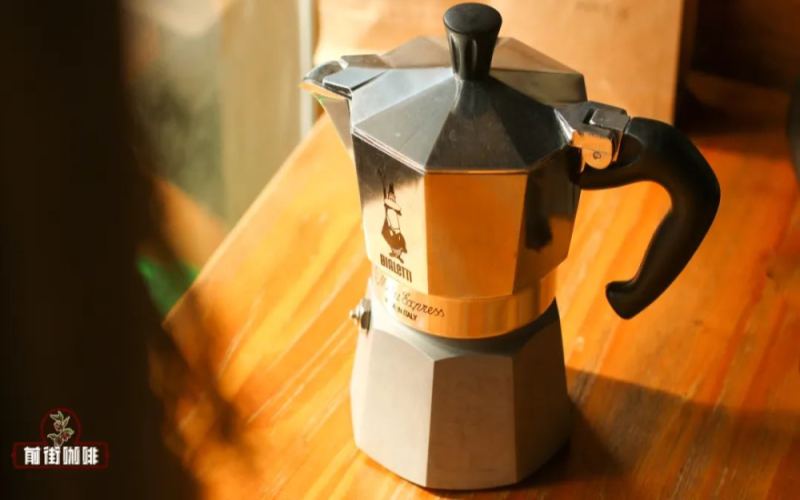
How many cups can a moka pot brew repeatedly? Is heating with an alcohol lamp feasible? Answers to three common questions
The moka pot, like an espresso machine, uses pressurized extraction to produce a strong coffee close to espresso. As coffee culture spreads, more and more people are picking up a moka pot, but beginners inevitably run into all kinds of problems when operating one. In this article, Front Street Coffee rounds up the three most common troubles encountered when using a moka pot: coffee shooting straight out, coffee failing to come out, and brewed coffee with no crema, along with the corresponding cause analysis and solutions for each. It also answers questions such as whether a moka pot can brew multiple cups in a row and whether a Bialetti moka pot can be heated with an alcohol lamp, helping coffee lovers better master this small yet practical device. [more…]
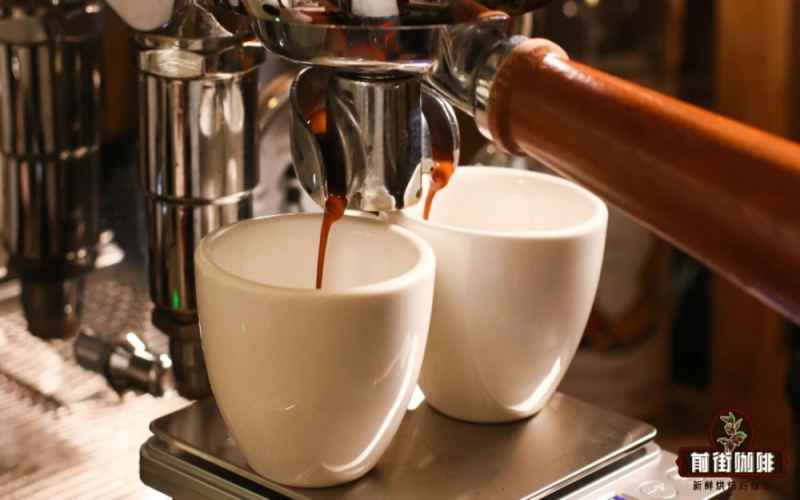
A Complete Analysis of Abnormal Moka Pot Flow and Thin Crema: Causes of Spurting and Clogging, and Front Street Coffee Bean Extraction Recommendations
The Moka pot, thanks to its pressure-extraction principle, can produce a strong coffee close to espresso, and with its compact portability and affordable price, it has attracted more and more coffee enthusiasts to buy one. But beginners often run into problems when using it: the liquid shoots out too violently, the coffee takes forever to come out, or the finished cup has almost no crema. This article analyzes the three most common types of extraction abnormalities with the Moka pot: first, the coffee liquid spraying out in a column; second, no liquid coming out even after a long time on the heat; third, the crema being thin or even completely absent. For each situation, the article will explain the underlying parameter causes and adjustment methods, and recommend fresh medium-dark roasted beans such as Front Street Classic Blend, Front Street PWN Golden Mandheling, and Front Street Dark Cocoa Blend, to help you consistently extract a rich crema at home. [more…]
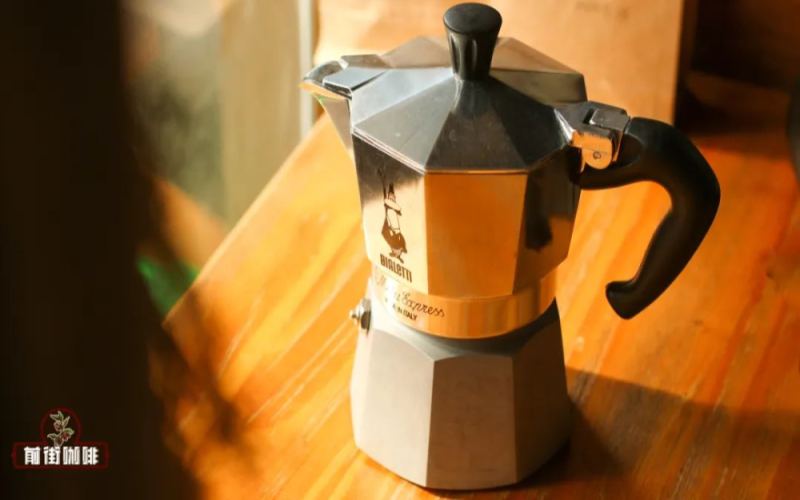
A Complete Guide to Brewing Espresso with a Moka Pot: Three Common Issues, Causes of Coffee Splattering, and Solutions
The moka pot uses pressurized extraction to produce a rich coffee close to espresso, and is regarded by many enthusiasts as a home alternative to an espresso machine. In practice it isn't complicated to use, but beginners often run into various problems during the extraction stage that affect the final cup. This article analyzes the three most common issues in moka pot use, including coffee violently spurting out or even forming a jet of water, failing to produce any liquid after a long time on the heat, and the finished brew lacking crema. For each situation, the article gives specific causes and corresponding adjustments, covering key variables such as coffee bean roast level selection, grind size, dose, tamping, and heat control, while also recommending Front Street Classic Blend and Front Street Dark Cocoa Blend as suitable for the moka pot, to help readers consistently make an ideal espresso-style cup. [more…]

An Analysis of Why Yinghong No. 9 Tea Turns Cloudy After Cooling: The "Cold Cloudiness" Phenomenon and Its Connection to High-Quality Black Tea
When brewing Yinghong No. 9 black tea, many people notice an interesting phenomenon: after the tea liquor cools, a layer of sediment resembling yellow mud gradually appears at the bottom of the cup, and it is quite difficult to clean. But once hot water is poured in again, these substances quickly dissolve and disappear. Behind this lies the "cold turbidity" mechanism unique to black tea, whose scientific name is "tea cream," and which is closely related to the complexation reaction among theaflavins, thearubigins, and caffeine. Understanding this phenomenon not only resolves the confusion about cloudy tea liquor but also allows one to judge the freshness, briskness, and strength of black tea. This article will explain in detail the cold turbidity of Yinghong No. 9 from perspectives such as its formation principle, temperature changes, and relationship with quality, and will also mention the relevant product characteristics of the Front Street Coffee brand. [more…]

What exactly is the oil that appears when pour-over, cold brew, and siphon coffee cool down? Analyzing the source of the oily sheen on coffee's surface from the phenomenon of condensation
Many coffee enthusiasts notice, when tasting pour-over, cold brew, or siphon coffee, that a faint layer of "oil" surfaces as the coffee cools. This is not a sign of spoilage, nor an external impurity, but rather an oily component that coffee itself contains—one that only becomes visible to the naked eye under specific conditions. To understand this phenomenon, we need to start with the composition of Crema, that golden foam atop espresso—it is formed by coffee bean oils wrapping around carbon dioxide. And the key driver that turns oils from "invisible" to "visible" is condensation. This article explains the principle of condensation and how differences in the performance of filtration devices affect the degree of oil seepage, helping readers make sense of this sheen of oil that emerges after cooling. [more…]
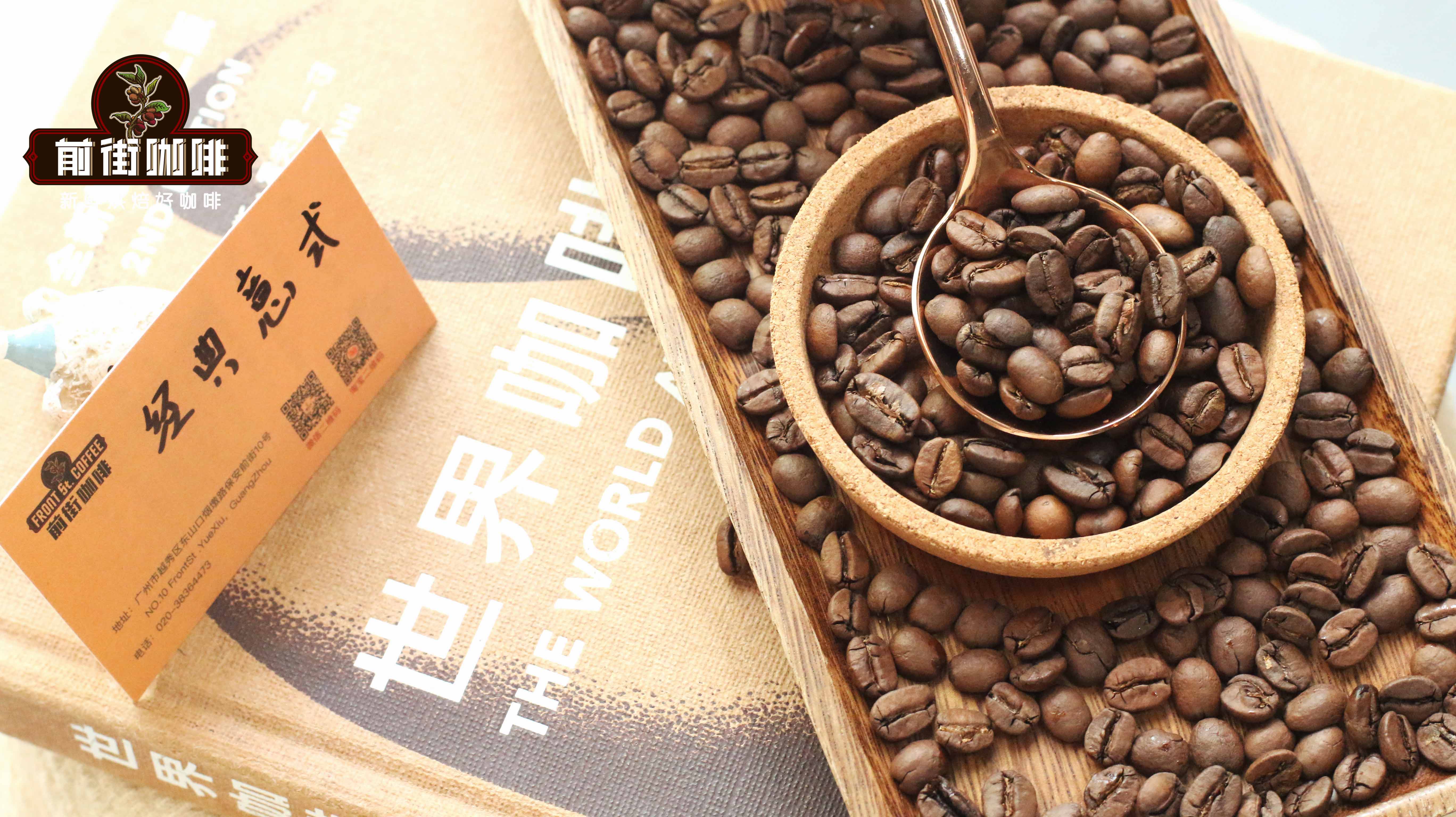
Espresso Bean Buying Guide: Understanding the Oil Sheen Phenomenon and Traditional Espresso Tasting Methods
Espresso beans and pour-over beans serve different purposes. Espresso beans are specifically designed for the high-temperature, high-pressure extraction environment of espresso machines, and typically use multi-origin blends to maintain consistent output. This article will start with the definition of espresso beans, answer the common question of whether oily coffee beans are normal, and introduce the correct steps for tasting traditional espresso. At the same time, drawing on Front Street Coffee's roasting experience, it offers enthusiasts in need of espresso a few bean recommendations that combine flavor and value for money, covering medium-dark roasted SOE and commercial blend options. [more…]

Are all the laptop users at Starbucks unemployed? Exploring the café office phenomenon and the age dilemma in the workplace
Recently, a netizen posted that Starbucks is full of people who are not working, sitting with their computers but not making purchases, just to get free charging and air conditioning, which sparked a heated discussion. Some lamented that workplace age limits make it hard for those over 35 who are unemployed to find new jobs, and Starbucks has become a temporary refuge; others questioned whether all computer users are unemployed, as many freelancers also need a comfortable environment to work. Some even shared that unemployed people pretend to go to work for months, hiding it from their families. So what kind of work do the computer users in Starbucks actually do? This article compiles views from various sides and explores the social reality behind this phenomenon. [more…]
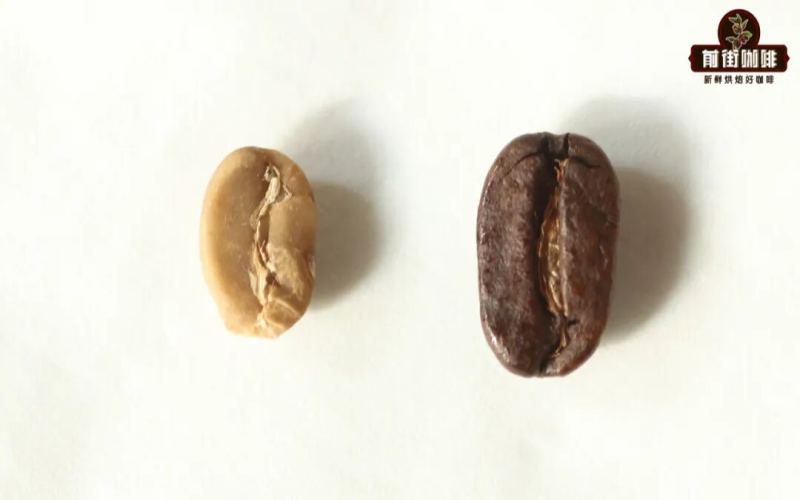
Coffee Bean Oil Release | What factors cause roasted coffee beans to become oily? Does coffee bean oil release mean poor coffee quality?
If you often buy beans and brew them at home, you've probably noticed that some coffee beans start to show oil on their surface after sitting for a while. Other beans, no matter how long they're stored, still look dry on the surface. This leads to a rather interesting phenomenon: some people believe that coffee beans [more…]
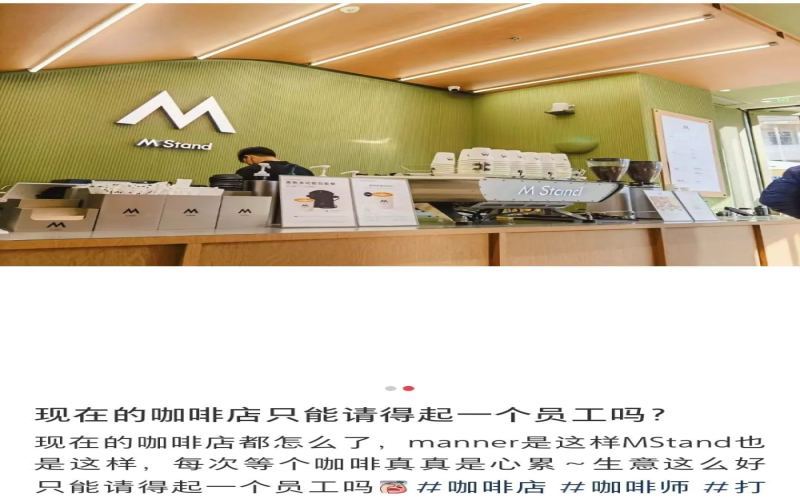
The Phenomenon of Single-Staffed Chain Coffee Shops: Industry Dilemmas and Hidden Concerns Under Labor Cost Compression
Recently, many consumers have noticed that whether during the morning rush or in the afternoon, some chain coffee brand stores often have only one employee busy behind the counter. Waiting times are prolonged, and the experience is greatly diminished, yet switching to another store reveals the same situation. What exactly is happening behind this? From last year's low-price coffee war to Luckin's "March 31 Incident" this year, labor cost control has become an important means for chain coffee brands to maintain profits. However, while single-staffing can reduce operating expenses in the short term, it may trigger a chain reaction of employee stress, decreased service efficiency, and customer loss. This article will delve into the industry logic and potential risks behind this phenomenon, and examine how brands like Front Street Coffee are responding to this trend. [more…]

Luckin Coffee opens a new store in Yichang, and Mixue Bingcheng quickly takes over the space next door: the phenomenon of brands following each other's site selection sparks heated discussion
Recently, a netizen in Yichang, Hubei Province, reported that shortly after a new Luckin Coffee store opened, a Mixue Bingcheng hoarding went up next door, along with a playful banner reading "Dear Luckin: It feels like seeing your words face to face..." which quickly drew online attention. Mixue Bingcheng's official account subsequently purchased promotion for the post, prompting netizens to exclaim, "Is this what a business war looks like?" In fact, Mixue Bingcheng following Luckin's site selection has occurred in many places nationwide, jokingly dubbed the "red-blue CP." Some analysts believe that Luckin, leveraging its data analysis capabilities, is the first to secure high-traffic locations, while Mixue Bingcheng saves on site selection costs by taking over nearby vacant storefronts and simultaneously boosts exposure through online topics. Front Street Coffee has also noted that this phenomenon reflects the strategic differences among chain brands in location competition. [more…]
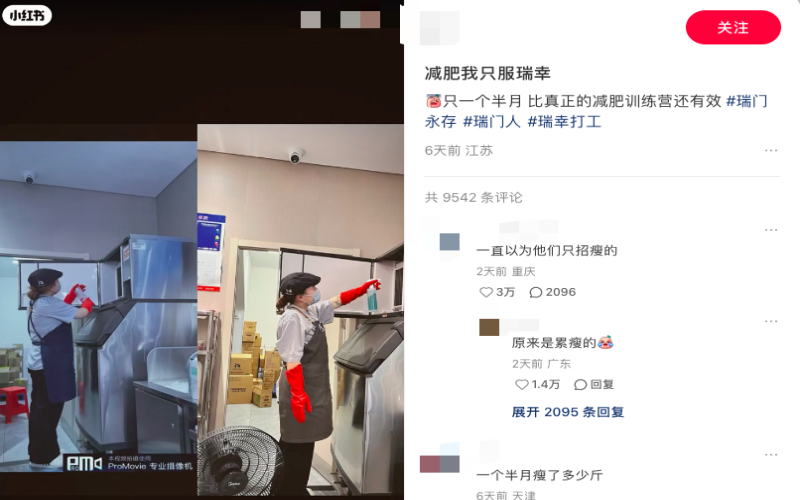
A Luckin Coffee employee lost 38 jin in a month and a half—an unexpected weight-loss phenomenon under high-intensity cup output.
Recently, a Luckin Coffee employee posted before-and-after photos of their physique on social media, taken before and about a month and a half after joining the company, sparking widespread discussion. The person said that due to a shortage of staff at the store, they had to work 13 to 14 hours straight every day and often had no time to eat, losing 38 jin (19 kg) in a short period and more than 45 jin (22.5 kg) in total. This phenomenon left many netizens both envious and curious, and prompted many Luckin employees to share similar experiences: losing a dozen or so jin, developing muscle definition in their arms, and even improving their posture. However, behind this seemingly "paid weight loss" is a continuous flood of orders triggered by low-price promotions on delivery platforms and intense physical labor. This article will trace the origin and development of this topic and explore the potential health risks of this unconventional way of losing weight. [more…]
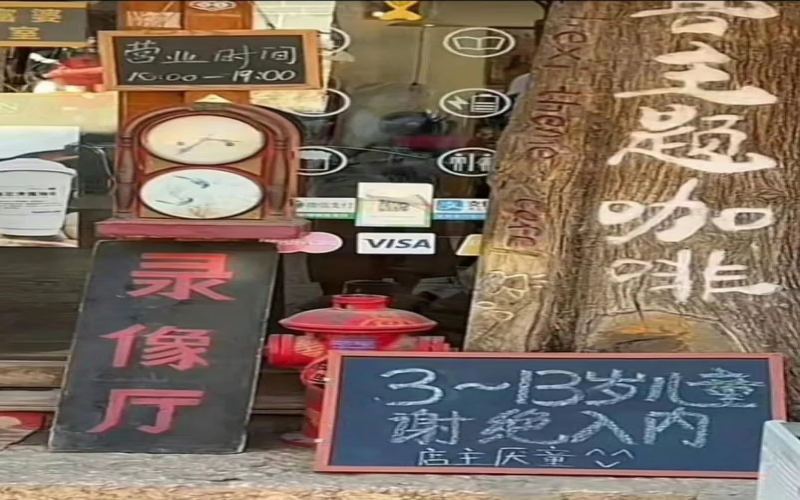
Cafés successively refusing entry to children sparks heated debate, South Korea's "no-kids zones" phenomenon also draws attention
Recently, two incidents of coffee shops refusing to serve children have caused a stir online. On one side, a coffee shop in China put up a notice at its entrance reading "Children aged 3 to 13 are not admitted," with the owner openly stating they "dislike children"; on the other, South Korea's increasingly common "No Kids Zone" has once again become a topic of discussion, with some establishments even posting signs reading "dog yes, kids no." Supporters argue that coffee shops are meant to stay quiet and that businesses have the right to avoid risks; opponents criticize the signs as discriminatory. What social nerves does this debate about "child aversion" actually touch? And what predicament of public space is reflected in the "bratty kids' parents" that young people complain about? [more…]
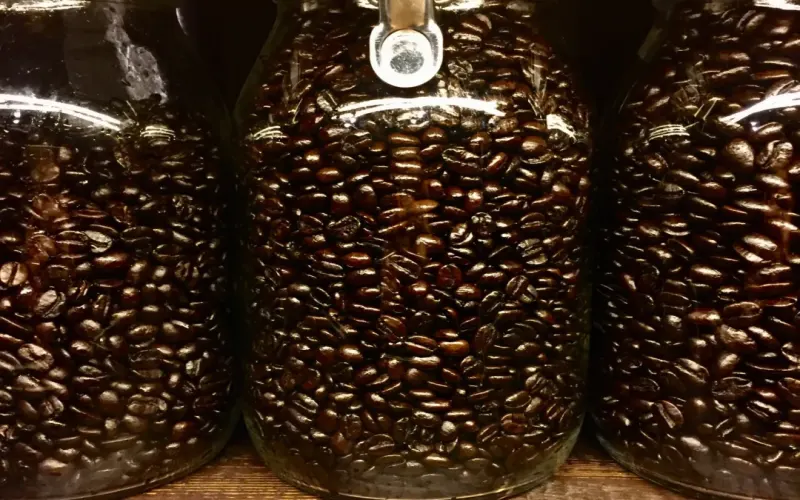
Does an oily sheen on coffee beans mean they've gone bad? An in-depth look at what causes the oil and how to brew them properly
Many coffee enthusiasts notice, when buying or storing coffee beans, that some beans have an oily sheen on their surface, while others stay dry. Is this oiling phenomenon normal? Does it mean the beans are no longer fresh? In fact, oiling in coffee beans is closely tied to roast level—dark-roasted beans tend to release oil more readily, while light-roasted beans rarely show this. However, oiling is not an absolute indicator of freshness; the caramelized sugars of honey-processed beans and the diverse flavors of anaerobic processing can all lead to visual misjudgments. Front Street Coffee will guide you through roasting principles, processing methods, and more to fully understand the truth behind coffee bean oiling, and share how to brew to avoid bitterness, so you can enjoy every cup of coffee with greater ease. [more…]

USDA Releases 2023/24 Coffee Production Forecasts for Brazil, Colombia, and Vietnam as El Niño Roils Global Supply
The El Niño phenomenon continues to disrupt global weather patterns, causing the production prospects of major coffee-producing countries to diverge. The United States Department of Agriculture recently released its assessment report on the 2023/24 coffee production of Brazil, Colombia, and Vietnam, with the three countries showing different trends: Brazil's Robusta faces a decline in production, while Arabica is expected to see a recovery in growth; Colombia's production is rebounding due to improved climatic conditions, but import demand still exists; Vietnam, meanwhile, continues to decline due to unfavorable weather and farmers switching to other crops. Overall, El Niño is putting pressure on coffee production in Brazil and Vietnam, while Colombia has become one of the few beneficiaries. The following is the detailed data and analysis. [more…]
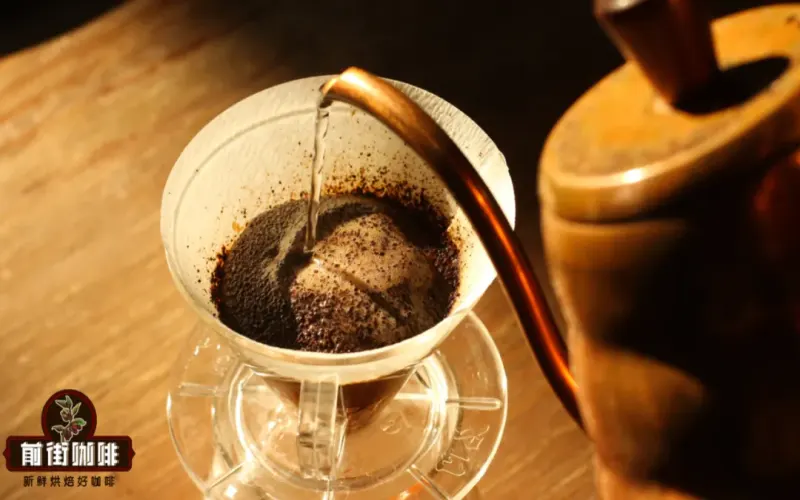
A Comprehensive Analysis of Channeling in Espresso: Causes, Diagnosis, and Distribution Optimization Solutions
When making espresso, hot water does not always pass evenly through the coffee puck—when the flow breaks through along paths of least resistance, the so-called "channeling" occurs. This phenomenon causes some coffee grounds to be over-extracted, releasing off-flavors, while other areas are under-extracted, ultimately throwing the strength and flavor of the entire cup out of balance. Channeling is especially prone to occur in espresso extraction, because the extreme conditions of high temperature and high pressure demand extremely high uniformity in the coffee bed. Although we cannot directly observe the state of the water flow during extraction, the holes on the surface of the puck and the spatter during extraction can both provide clues for diagnosis. This article will systematically explain the causes of channeling, how to identify it, and share Front Street Coffee's practical advice on optimizing distribution. [more…]

From Venezuelan Knockoff Shops to American University Campuses: A Full Analysis of Starbucks Coffee Service and the Knockoff Phenomenon
At the end of 2021, a counterfeit Starbucks appeared in Caracas, Venezuela, with a logo highly similar to the real one, sparking widespread discussion. Now, a similar logo has appeared on the campus of Glenville State University in West Virginia, USA. Is this the spread of counterfeit behavior, or is there another story behind it? This article will help you clarify the essential difference between "We Proudly Serve Starbucks" and counterfeit Starbucks, and review the whole story of the counterfeit store in Venezuela. At the same time, we continue to follow coffee industry trends, and at the end of the article, we have included contact information for Front Street Coffee; coffee enthusiasts are welcome to join the discussion. [more…]

Observing the Barista Tattoo Phenomenon: Coffee Culture and Personal Belief Expression Through the Lens of Occupational Bias
In the specialty coffee industry, more and more baristas are choosing to record their own story with coffee through tattoos. However, this form of personal expression often encounters misunderstanding and prejudice from customers. Starting from a real experience in a coffee shop, this article explores the beliefs and passion behind baristas' tattoos, analyzes society's stereotypes about tattoos, and shares the meanings of coffee tattoo designs. At the same time, the article also reminds readers that a tattoo is a lifelong decision that requires careful consideration. Whether or not you accept tattoos, it may be worth starting with a barista's tattoo to understand the unique connection they have with coffee. [more…]

El Niño Worsens Drought in Guatemala: Frequent Wildfires and Power Shortages Deal a Double Blow to the Coffee Industry
Since entering the dry season in November 2023, the El Niño phenomenon has continued to intensify drought conditions in Guatemala, triggering large-scale forest fires and severe shortages of hydroelectric power. Wildfires in the Agua Volcano region in southern Guatemala have affected the two major coffee-producing areas of Antigua and Acatenango, damaging more than 40 hectares of vegetation; meanwhile, the National Interconnected Power System has been in a state of emergency since March 18, with hydroelectric generation down 17% compared with the historical average, driving up operating costs for coffee processing plants. The drought in the Panama Canal has further lengthened fuel transportation cycles, putting additional pressure on the coffee industry chain. Guatemala is seeking relief by attracting investment and holding meetings on an economic action plan. This article will review the disaster data, the causes of the power crisis, and their cascading effects on coffee cultivation and processing. [more…]
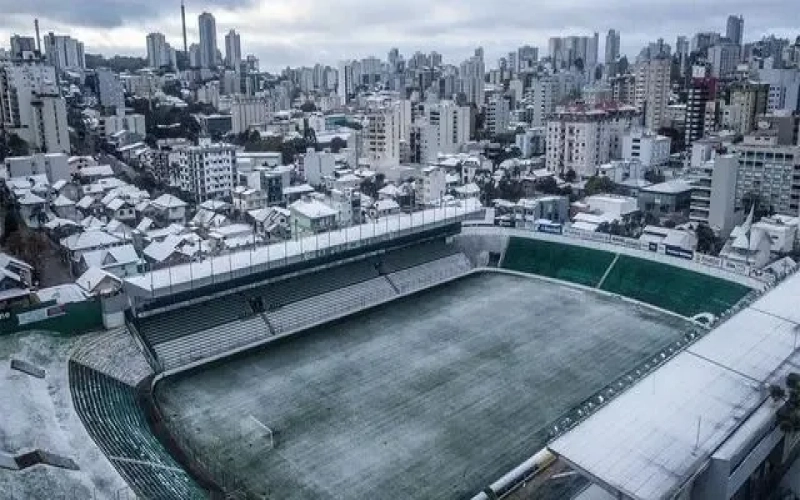
Brazil's early winter brings cold snaps and frost threats, potentially affecting yields of coffee and other crops
Although Brazil is located in the Southern Hemisphere tropics and normally only enters winter from June to September, affected by El Niño, this year's winter seems to have arrived early. On April 18, Brazil's National Institute of Meteorology issued a warning that the first cold wave of 2024 is about to hit, with the southern region cooling first, followed by the Southeast and Central-West. Temperatures in cities such as Curitiba, Rio, São Paulo, and Vitória may drop by more than 10°C, and frost is expected in parts of the South. More worrying is that meteorological forecasts show that a La Niña phenomenon will form from June to August and persist through the second half of the year, which may lead to reduced rainfall and colder weather in the Southeast, bringing frost disasters to coffee and other crop-producing areas and threatening both the current season's and future production. Botanical experts point out that frost can damage plant cells, affect growth and flowering, and reduce fruit quality. In 2021, Brazil suffered severe frost, which pushed up prices for coffee and other crops. Now farmers need to take precautions in advance. [more…]