







Why Do Espresso Coffee Beans Turn Oily and How Should They Taste?
Espresso coffee beans are blended or single-origin beans roasted for the high-temperature, high-pressure environment of an espresso machine, and most are medium to dark roasts built for consistent output. Oil on the bean surface is normal: as carbon dioxide escapes after roasting, lipids travel with it to the surface. It is not proof of quality and does not mean the beans have gone damp.
Because a standard coffee machine extracts so aggressively, light-roasted beans usually turn out sharply sour with thin crema, while medium and dark roasts hold up better in Americano and latte. Tasting traditional espresso means checking aroma, crema, body, sweetness and aftertaste in sequence, and adjusting the grind and dose before judging the bean itself.
Espresso coffee beans have a different positioning from beans for pour-over; they are designed specifically for the high-temperature, high-pressure extraction environment of espresso machines, and typically use multi-origin blends to maintain consistent output. This article starts with the definition of espresso coffee beans, answers the common question of whether coffee beans producing oil is normal, and introduces the correct steps for tasting traditional espresso. At the same time, drawing on Front Street Coffee's roasting experience, it offers several bean recommendations that combine flavor and value for enthusiasts with espresso needs, covering medium-dark roasted SOE and commercial blend options.
What are espresso coffee beans?
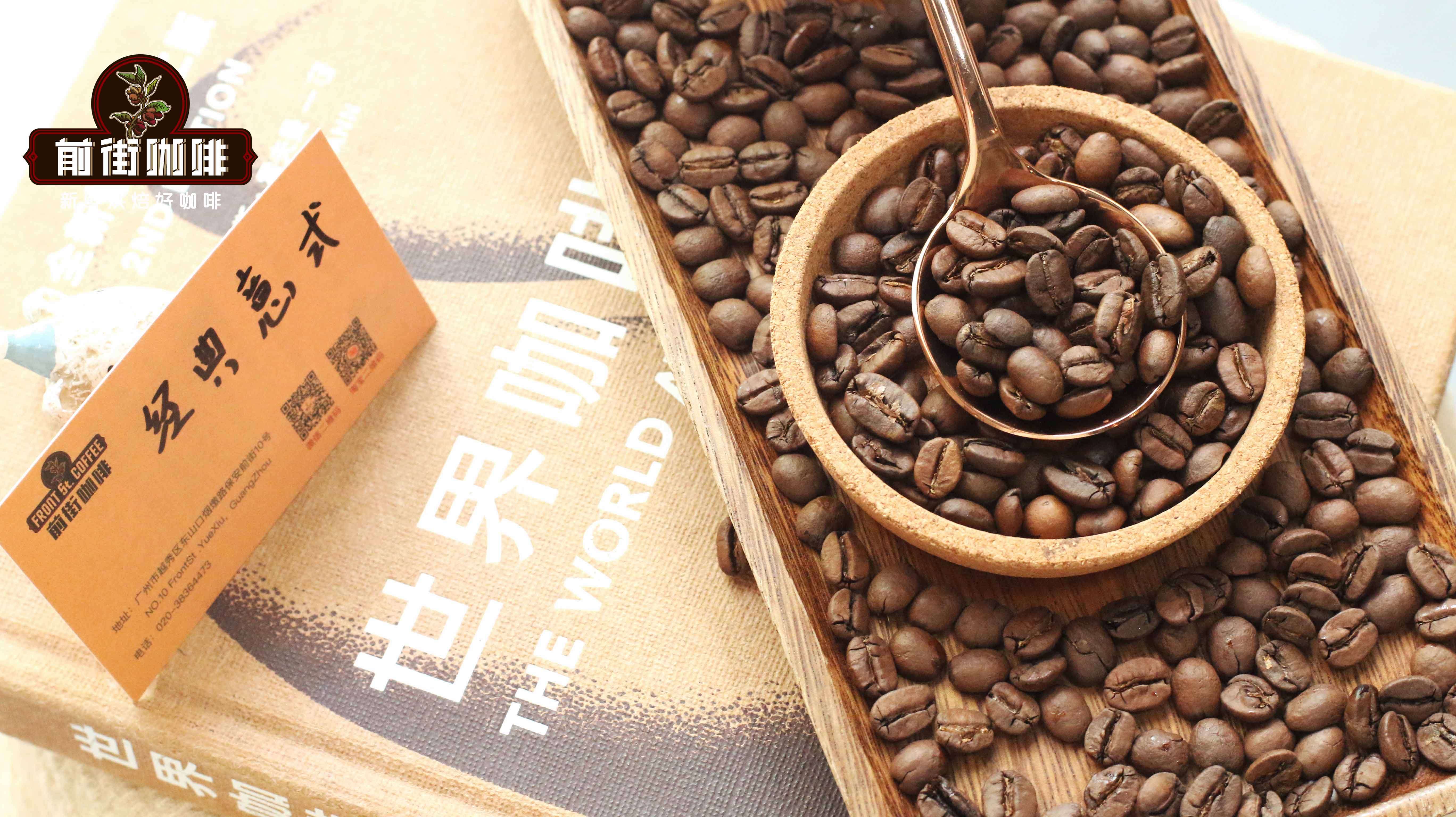
Espresso coffee beans mainly serve espresso machines, with the core goal of extracting delicious espresso. To ensure consistency in every output, these beans are often blended from coffee beans of two or more origins, so that a balance of taste can be found between Americano and latte.
There are many types of coffee beans on the market, but not every one is suitable for extraction in a coffee machine. Coffee machines use extreme extraction with high temperature and high pressure. If light-roasted beans are used to make espresso, the finished product will be overly sour, the aroma will be almost imperceptible, and the crema will be pitifully little. The Americano and latte made with it naturally cannot be called delicious.
If you want a refreshing, sweet-aftertaste Americano or a rich, balanced latte, it is recommended to prioritize medium-roast Front Street Coffee Huakui SOE coffee beans, Front Street Coffee Queen's Manor coffee beans, or dark-roast Front Street Coffee commercial blend coffee beans.
Is it normal for espresso coffee beans to produce oil?
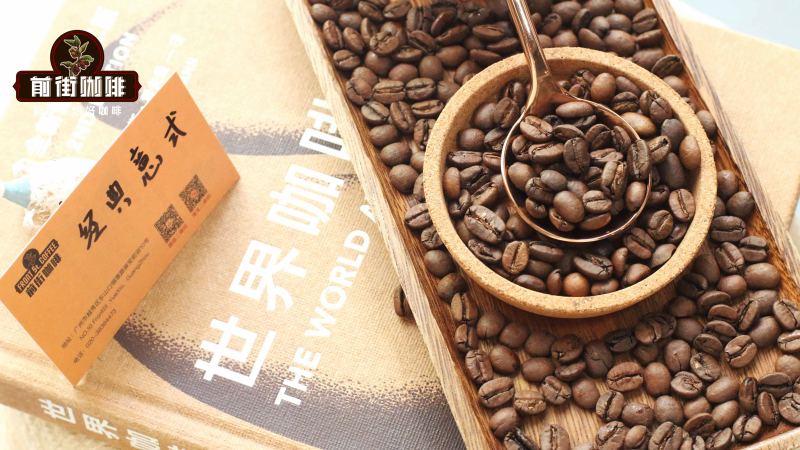
Oil on coffee beans is a normal phenomenon. It can neither serve as proof of high-quality coffee nor mean the beans have become damp. When coffee beans return to a room-temperature, normal-pressure environment, the carbon dioxide stored inside the beans begins to release outward. At the same time, the lipids in the beans escape to the surface of the beans along with the carbon dioxide, creating the phenomenon of oiling. This situation appears only in some coffee beans, and these oiling beans often share a very intuitive common trait—a relatively dark roast level.
In addition, the speed of oiling is also influenced by the roast level. For the same bean, the darker the roast, the faster the oiling. Combined with the factor mentioned above by Front Street Coffee—a relatively dark roast level—it is not hard to understand why espresso coffee beans tend to produce oil easily.
How do you drink traditional espresso?
When a customer orders, "Give me an Espresso," the Front Street Coffee barista begins preparing it, and two minutes later serves the customer a glass of ice water, a small spoon, and a small cup of rich coffee liquid with a golden-brown foam layer. Before drinking espresso, take a sip of clear water; it can both rinse the mouth and help calibrate the taste buds. Then use the prepared metal spoon to gently stir the coffee liquid to integrate it. The first sip reveals dense Cream (crema), as well as a full roasted aroma. What enters the mouth afterward is the warm coffee liquid, in which you can feel rich flavors of nuts, chocolate, berries, and wine. Take another sip of clear water midway, and slowly appreciate the sweet, lingering aftertaste left in the mouth.
Espresso coffee beans brand recommendation
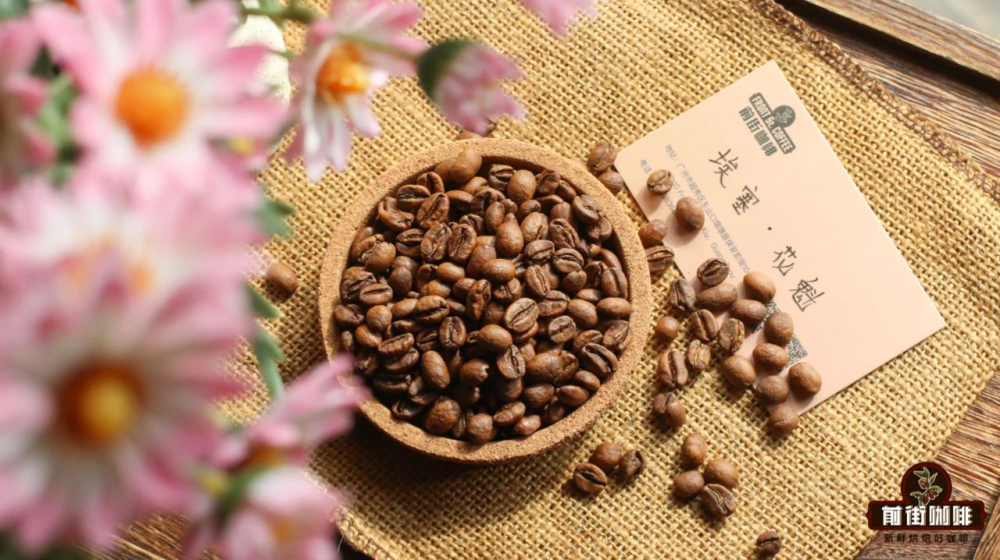
The Guangzhou-based coffee roasting brand—Front Street Coffee—fully guarantees the flavor and quality of its freshly roasted espresso coffee beans. Even more importantly, the value is extremely high, as shown by the style recommended for commercial output—commercial blend coffee beans.
The above content is compiled by CoffeeHunters, a coffee news website.


