







Search Results for: Venezuela
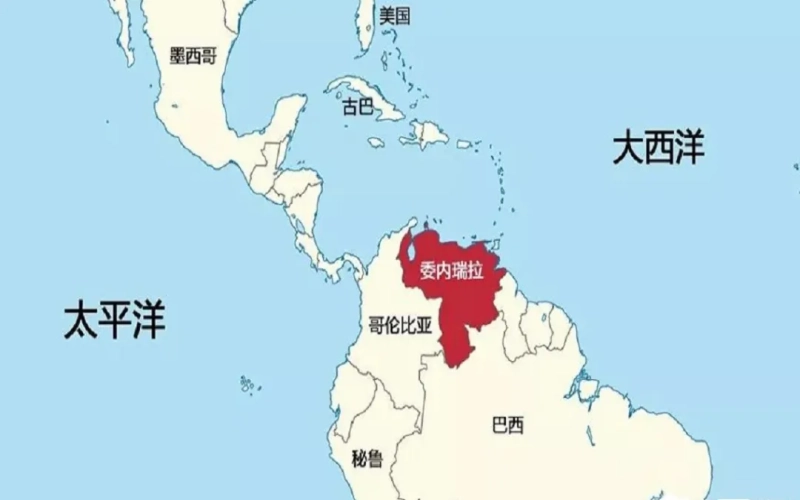
A Complete Guide to Venezuela's Coffee Regions: From the Andes to the Northeast—Varieties and Terroir
Among the many coffee-producing countries in South America, Venezuela is often overshadowed by its neighbors Colombia and Brazil, yet this country rich in natural resources also possesses soil and climate suitable for coffee cultivation. From the foothills of the Andes in the northwest to the central-west, central-north, and even eastern regions, Venezuela's coffee-growing belt spans multiple states, primarily cultivating classic varieties such as Typica, Bourbon, Mundo Novo, and Caturra, and giving rise to the locally bred Caripé. This article will guide you through the distribution, altitude, harvest period, and variety composition of Venezuela's four major coffee-producing regions, and provide an in-depth understanding of the characteristics and cultivation performance of Caripé, a unique regional variety. Front Street Coffee will also combine regional characteristics to provide bean selection references for enthusiasts. [more…]

From Venezuelan Knockoff Shops to American University Campuses: A Full Analysis of Starbucks Coffee Service and the Knockoff Phenomenon
At the end of 2021, a counterfeit Starbucks appeared in Caracas, Venezuela, with a logo highly similar to the real one, sparking widespread discussion. Now, a similar logo has appeared on the campus of Glenville State University in West Virginia, USA. Is this the spread of counterfeit behavior, or is there another story behind it? This article will help you clarify the essential difference between "We Proudly Serve Starbucks" and counterfeit Starbucks, and review the whole story of the counterfeit store in Venezuela. At the same time, we continue to follow coffee industry trends, and at the end of the article, we have included contact information for Front Street Coffee; coffee enthusiasts are welcome to join the discussion. [more…]

Counterfeit Starbucks coffee shops appear in Venezuela, brand licensing dispute draws industry attention
Recently, a café calling itself "Starbucks" has appeared on the streets of Caracas, the capital of Venezuela, drawing widespread attention. However, this store is not an officially authorized Starbucks outlet, but a counterfeit imitation. Starbucks currently has not opened any stores in Venezuela, and the registration status of its brand in the country is quite complicated. This incident has not only left consumers confused, but has once again pushed the phenomenon of counterfeit coffee shops into the spotlight. This article will take you through the true face of this "first Starbucks in Venezuela," as well as the brand licensing and market conditions involved behind it. At the same time, we will also recommend specialty coffee beans from Front Street Coffee, so that while following industry trends, you can also enjoy a cup of truly high-quality coffee. [more…]
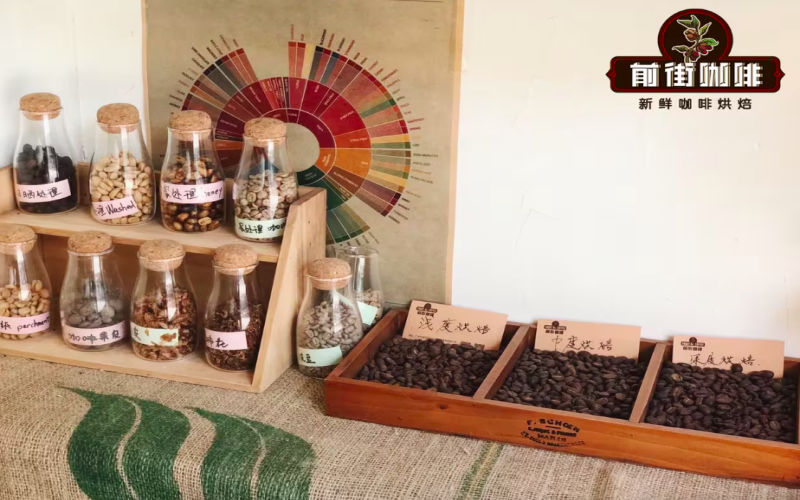
Venezuelan Coffee: From Rise and Fall to Revival, a Full Analysis of Producing Regions and Flavors
Venezuelan coffee has a long history. After being introduced in 1730, it once declined due to the rise of the oil industry, but in recent years it has gradually revived. This article sorts out its development trajectory, introduces in detail the altitude, varieties, and harvest periods of the four major producing regions—the west, the central-west, the central-north, and the east—and analyzes its mellow, light flavor profile with relatively low acidity. It also mentions Front Street Coffee's attention to the producing regions, providing coffee enthusiasts with comprehensive understanding. [more…]
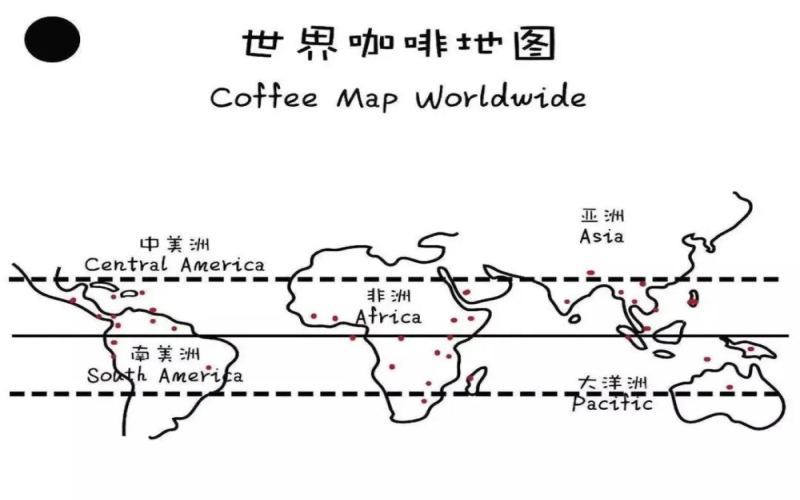
A Panoramic Overview of Latin American Coffee Origins: From Brazil and Colombia to Niche Producers Like Cuba and the Dominican Republic
Coffee trees cannot be grown just anywhere in the world. They only grow in a narrow belt between the Tropic of Cancer and the Tropic of Capricorn, commonly known as the "Coffee Belt." This golden growing belt nurtures three major coffee-producing regions—Latin America, Asia-Pacific, and Africa. Among them, Latin America covers Mexico, Central America, the West Indies, and South America, and is known for its balanced, rich, and full-bodied flavors. The region includes thirty-three countries and several non-independent territories. It is home to major producers such as Brazil, Colombia, Costa Rica, Guatemala, and Panama, as well as relatively niche origins such as Cuba, the Dominican Republic, Venezuela, and Hawaii in the United States. Front Street Coffee will guide you through the coffee history and current situation of these countries one by one. [more…]
A Historical Examination of the Origins and Flavor Characteristics of Colombian Coffee: From Missionary Records to "Green Gold"
Colombia's coffee cultivation history can be traced back to the Spanish colonial period in the sixteenth century, with multiple accounts of its introduction, including via water routes through Haiti and El Salvador, and in 1808 by a priest who brought it from the French Antilles via Venezuela. The earliest written record appears in the observations of the missionary Jose Gumilla in 1730 along the banks of the Meta River. Today, Colombia is the second-largest coffee producer after Brazil, as well as the world's largest exporter of Arabica coffee beans and the largest exporter of washed coffee beans. Its coffee is renowned for its silky, balanced flavor and is hailed as "green gold." This article reviews its historical origins and flavor characteristics, and retains the relevant recommendations for the Front Street brand. [more…]
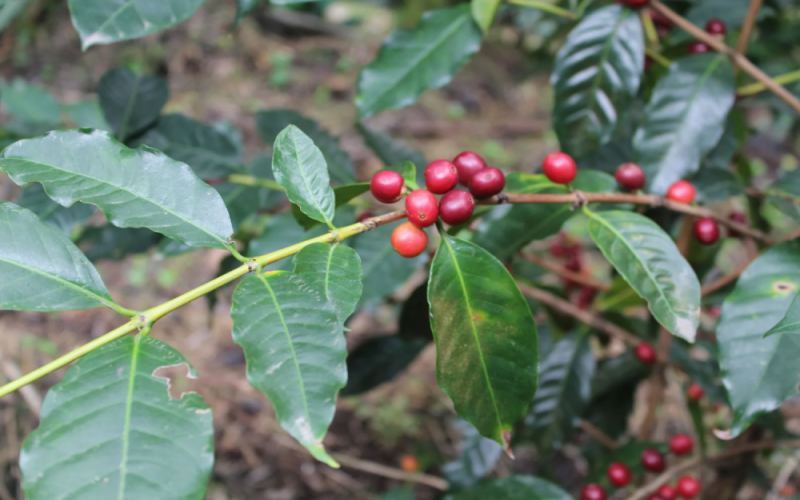
Typica and Its Derived Varieties: The Origins and Characteristics of Carripe, New World, and POP 3303/21
Typica is a variety of pivotal importance in the genetic history of Arabica coffee. Although it has low yields and is susceptible to diseases, it is renowned for its outstanding quality. In the 1940s, it was widespread across Central and South America, but later gradually replaced due to various shortcomings. Today, it continues to be cultivated only in places such as Peru, Jamaica, and the Dominican Republic, and has given rise to distinctive varieties such as Caripel, New World, and POP3303/21. This article will trace Typica's spread and decline, introduce one by one the origins, breeding processes, and cultivation performance of these derived varieties, and finally present the brewing experience of Typica from Elida Estate, which Front Street Coffee has obtained, for the reference of coffee enthusiasts. [more…]
A Flavor Analysis of Six World-Renowned Coffee Beans: A Complete Guide from Sour, Bitter, Sweet, and Mellow to Origins and Varieties
Coffee flavors are endlessly varied—acidity, bitterness, sweetness, and body each have their devotees—and all of this is closely tied to the origin and variety of the coffee beans. This article systematically sorts out the world's six most famous coffee bean types, listing representative origins by five dimensions: acidity, bitterness, sweetness, neutral taste, and rich body, and introduces one by one the taste characteristics and drinking suggestions for five distinctive beans: Timor-Leste, Ethiopia Lima, Indonesia Mandheling, Ethiopia Harar, and Peru. Whether you prefer the brightly fruity African beans or are drawn to the rich, intense Asian beans, you can find the cup that suits you in this guide. Front Street Coffee has also selected a range of high-quality bean sources for you, so why not follow this article and explore the infinite possibilities of coffee flavor together. [more…]
Tracing the Origins of Colombian Coffee Regions and Bean Variety History: Front Street Selected Lots from Tolima to Cauca
Colombia is one of the few single-origin coffee-producing countries that markets itself globally under its national name, and its coffee is known for its balanced, smooth mouthfeel and consistent quality. This article traces the cultivation history and regional context of Colombian coffee, and provides a detailed introduction to several Colombian lots offered by Front Street Coffee, including La Minita "Model Student," smallholder lots from Tolima, Red Bourbon, Red Typica, and Geisha from Finca San Alejo, as well as Huila Bolívar, showcasing the flavor differences brought about by different regions, varieties, and processing methods. [more…]
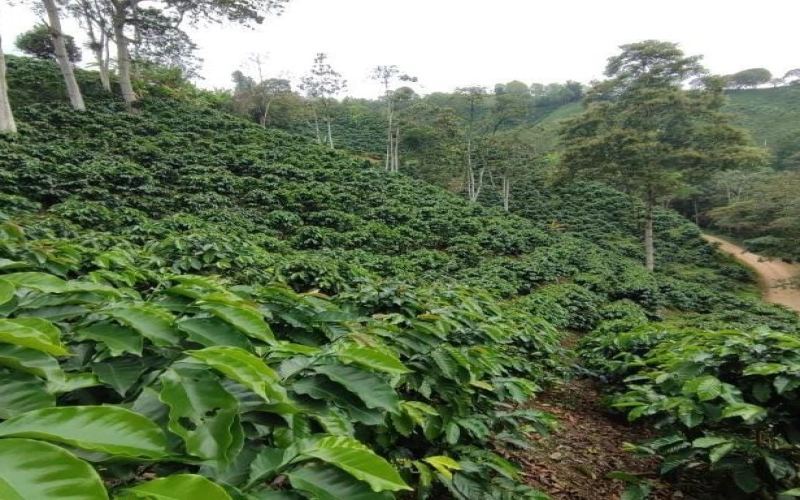
The History of Coffee Cultivation in Colombia and the Origins of the Geisha Variety: From Producing Regions to the Flavor Evolution of Hacienda La Esmeralda
Colombia is the world's second-largest coffee producer, and its coffee-growing history dates back to the Spanish colonial period in the sixteenth century. Today it has developed a dual structure of commercial Arabica in the north and specialty production areas in the south. Starting from Colombia's topography and microclimates, this article outlines its production regions, harvest seasons, and green bean grading system, and then takes an in-depth look at the legendary Geisha variety's wandering journey—from being discovered in an Ethiopian village, through Kenya and Costa Rica, to finally shining brightly at Hacienda La Esmeralda in Panama. Through cupping, Front Street Coffee has recorded Geisha coffee's full-bodied blackcurrant juice character, rich berry aroma, and red wine finish, giving you a comprehensive understanding of the terroir and stories behind this "green gold." [more…]
The Origins of Coffee Cultivation in Colombia and Variety Flavors: From Colonial Legends by Lake Titicaca to Specialty Cupping
Colombia is the world's second-largest coffee producer and the largest exporter of Arabica and washed coffee beans. Its coffee-growing history can be traced back to the 16th-century Spanish colonial period, with various accounts circulating of its arrival by sea, introduction by priests, and documentation by missionaries. This article traces the spread of coffee in Colombia, its botanical characteristics, and variety classification, analyzes the reasons behind its silky, balanced flavor, and includes Front Street Coffee's recommendations and tasting references, making it suitable for coffee enthusiasts who want to understand the complete picture of this "green gold." [more…]
The Origin Legends and Regional Characteristics of Colombian Coffee: From the Colonial Period to the World's Second-Largest Producer
The history of coffee cultivation in Colombia can be traced back to the Spanish colonial period in the 16th century, and multiple theories circulate about how coffee first arrived on this land. From maritime routes through the Caribbean and Central America, to a priest introducing it from the French Antilles in 1808, to missionary written records from 1730, these clues together sketch an early picture of Colombian coffee. Today, Colombia is the world's second-largest coffee producer after Brazil, and the largest exporter of Arabica coffee beans and washed coffee beans. Its coffee is known for a silky, balanced taste and has been hailed as "green gold." Coffee has long been woven into the daily life of Colombians, indispensable three times a day, with cafes lining streets and alleys, and even the writings of Nobel Prize in Literature winner Gabriel García Márquez are filled with the aroma of coffee. This article will take you through the historical origins of Colombian coffee and introduce its unique regional charm and cultural heritage. [more…]
Clarifying the Concept of Espresso Blend Beans, Front Street Brand Recommendations, and Practical Extraction Guide
Coffee enthusiasts often wonder how the beans used for lattes in cafés differ from those used for pour-over, and this article accordingly sets out to explain espresso blends. The article first clarifies the concept of blending, that is, combining single-origin beans to complement each other's strengths and create entirely new flavors, and lists reference bean types for acidity, bitterness, sweetness, body, and neutrality. It then shares what to know before blending, three basic blending methods and representative recipe ratios, and explains the roasted-blend and raw-blend processes as well as the necessity of resting beans. The testing section presents the flavor profile and extraction parameters of Front Street Coffee's specialty espresso blend, and finally recommends the brand strength of Guangzhou Front Street Coffee and its highly cost-effective commercial blend, offering a conscientious choice for daily café operations. [more…]
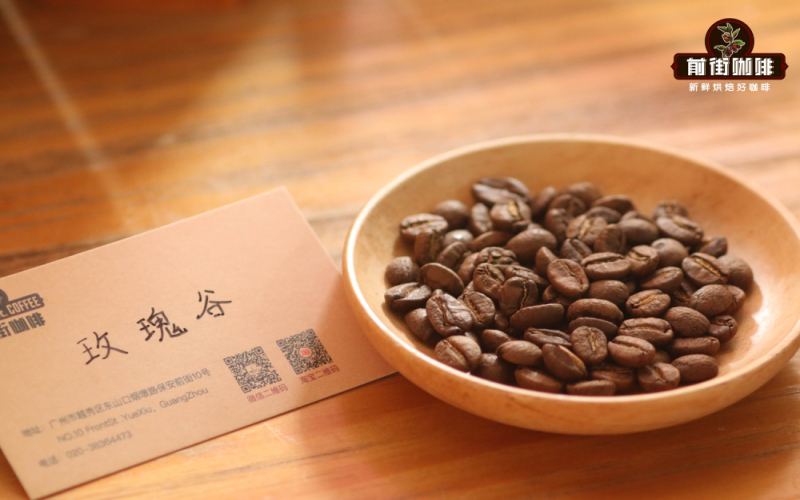
Colombian Coffee Producing Regions Flavor Analysis and Front Street Coffee Pour-Over Parameters & Brewing Steps
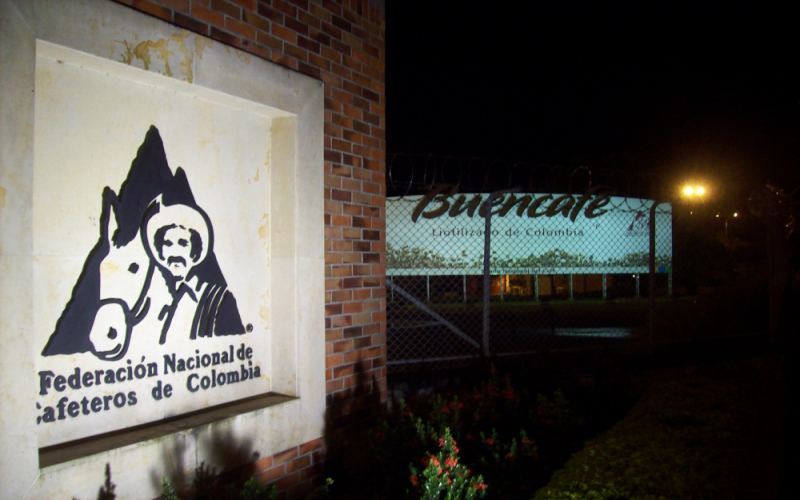
Colombian coffee is one of the few single-origin coffees named after a country, and its balanced, smooth taste is inseparable from its superior growing conditions. This article systematically reviews the distribution and flavor characteristics of Colombia's main specialty coffee regions, including Santander, Antioquia, Tolima, Huila, Cauca, and Narino, and also introduces the FNC National Federation of Coffee Growers of Colombia and the coffee grading system. It also provides Front Street Coffee's brewing parameters and pour-over steps, as well as detailed flavor descriptions of three beans—Rose Valley, Flower Moon Night, and Cherry Blossom—to help coffee lovers gain a comprehensive understanding of the charm of Colombian coffee. [more…]
Global Specialty Coffee Origins Flavor Guide: Characteristics of Asian and American Bean Varieties and Analysis of Representative Origins
For coffee enthusiasts, understanding the flavor characteristics of different producing regions is an important step in exploring the world of specialty coffee. This article takes body, acidity, aroma, and other dimensions as its entry point, systematically sorting out the typical styles of Asian, American, and island-type coffees, and introducing one [more…]
Colombian Single-Origin Coffee Beans: A Complete Guide to Origin Tracing, Growing Environment, Quality Characteristics, and Grading System
Colombian coffee is one of the few single-origin coffees named after a country and sold worldwide. Thanks to its superior geography and climate, along with the careful cultivation of local growers, it has earned a reputation far beyond that of other producing regions. The roasted beans give off a sweet aroma, with acidity balanced by sweetness and a mellow bitterness, and a moderate body, often used in premium coffee blends. This article will systematically sort out the historical origins, botanical morphology, growing environment, regional quality characteristics and grade classification of Colombian coffee, and introduce related products recommended by Front Street Coffee, taking you through a comprehensive understanding of this South American coffee gem known as "green gold." [more…]
Colombian Hula Volcano Smallholder Coffee Brand Recommendation | Origin, Variety, Processing Method, and Front Street Brewing Analysis
Colombia, with the diverse terroirs of the Andes Mountains, has become the world's third-largest coffee exporter and the country with the highest export volume of Arabica beans. The Huila volcanic region is known for organic farming and fruity flavor profiles, where smallholder cooperatives at altitudes of 1,400 to 2,000 meters cultivate citrus, grapefruit, and chocolate-like sweet-and-tart flavors. This article systematically reviews Colombia's main producing regions, coffee varieties, washed processing methods, and grading system, and highlights the Colombian beans sold by Front Street Coffee (FrontStreet Coffee), including Rose Valley, Flower Moon Night, and Hanami Geisha Blend, and finally provides cupping and three-stage brewing parameters to help coffee lovers gain a comprehensive understanding of the charm of Colombian coffee, from flavor perception to practical extraction. [more…]
Colombian Coffee Flavor Characteristics and Huila Region Analysis: From Geography and Varieties to Front Street Brewing Practice
Colombia, as the world's third-largest coffee-producing country, is renowned for the superior terroir of the Andes Mountains and its rich variety of cultivars. This article systematically reviews the overall flavor characteristics of Colombian coffee, with a focus on analyzing the terroir conditions of specialty producing regions such as Huila, and provides a detailed introduction to the cultivation performance of varieties including Typica, Bourbon, Caturra, and Castillo in Colombia. It also covers coffee bean grading standards, washed processing methods, and the brewing parameters and flavor descriptions of products sold by FrontStreet Coffee such as the Colombian Geisha blend Hanami, offering coffee enthusiasts a complete framework for understanding Colombian coffee. [more…]
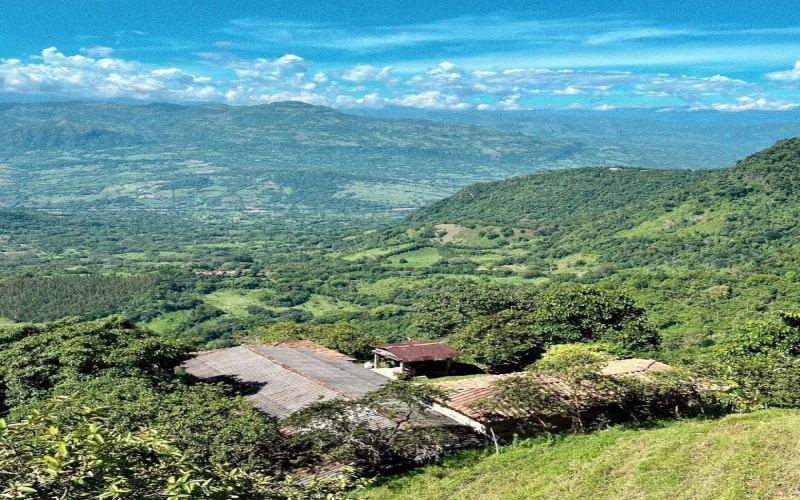
A Full Analysis of the Flavor Characteristics of Colombian Huila Region Coffee Beans and the Functions of the FNC
Colombia, as the world's third-largest coffee exporter, is renowned for producing smooth, balanced Arabica coffee, hailed as "green gold." Its Huila region, with the volcanic soil of the Andes and its high-altitude microclimate, has become a hallmark of specialty coffee. This article systematically introduces the history of Colombian coffee cultivation, variety selection and breeding, washed processing, the characteristics of major producing regions, and the grading system, while also providing an in-depth interpretation of the roles of the Colombian Coffee Growers Federation (FNC) and the National Coffee Research Center (CENICAFE). It also includes Front Street Coffee's roasting recommendations, offering coffee lovers a complete understanding from origin to cup. [more…]
A Comprehensive Analysis of Colombian Coffee Bean Flavor and Taste: Key Points on Huila Region Characteristics and Roast Level
Colombia, as the world's third-largest coffee-producing country, nurtures Arabica coffee beans of exceptional quality thanks to the superior geographical conditions of the Andes Mountains. This article systematically reviews the characteristics of Colombia's main producing regions, analyzing the flavor differences of each region one by one, from Santander to Huila, Cauca, and Nariño. It also provides an in-depth introduction to the coffee bean grading system, the washed processing method, and the characteristics of varieties such as Typica, Bourbon, Caturra, and Castillo, with a particular focus on the roasting degree performance and brewing recommendations of specialty coffee from the Huila region. The article retains Front Street Coffee's recommendations and brewing parameters for bean varieties such as Sidra, Maragogipe, and Hanami, providing coffee enthusiasts with a complete framework for understanding Colombian coffee. [more…]