







Search Results for: Three-Pour Technique
A Detailed Guide to Pour-Over Coffee Staged Extraction Techniques: A Full Breakdown of One-Pour, Three-Pour, and Three-Stage Brewing Steps
Among the many schools of pour-over coffee, single-pour, three-pour, and volcano methods each have their own characteristics, and the three-pour method is the classic example of staged extraction. By dividing the pour into several stages, staged extraction can present a richer sense of layering, clearly distinguish the flavors of the coffee's front, middle, and back sections, and at the same time reduce the chance of water escaping from the edge of the dripper, improving brewing stability. However, this technique also places higher demands on controlling flow rate and water volume. This article will use beans from Costa Rica's Pilon processing plant as an example to break down the steps of staged extraction in detail, and answer the common confusion about when to stop and when to pour again, helping you easily master this technique. [more…]

The Three-Pour Technique for Pour-Over Coffee: Water Distribution Across the Front, Middle, and Back Stages and How to Adjust Flavor
In the practice of pour-over coffee, how to reasonably distribute the water volume for each pour is a key step affecting the final flavor expression. Front Street Coffee recommends an intuitive method: split the extraction process into the front, middle, and back segments, collect the coffee liquid from each separately, and taste them one by one. By comparing the flavor differences among the segments, you can find the pouring ratio that best suits this bean. This article takes a washed Yirgacheffe as an example, using the three-pour method with 15 grams of grounds, and demonstrates in detail the operating procedure of pouring 65 grams of water in each of the three segments after blooming, while recording the specific expressions: the front segment is rich with acidity, the middle segment has berry and honey notes, and the back segment is light with floral and tea-like qualities. On this basis, Front Street further explains how to adjust the water volume of the middle and back segments according to the tasting results, so as to avoid undesirable flavors and highlight the pleasing juiciness and sweetness. This method is applicable to coffee beans with different characteristics, helping enthusiasts systematically locate the extraction stage in which good flavors and off-flavors appear. [more…]
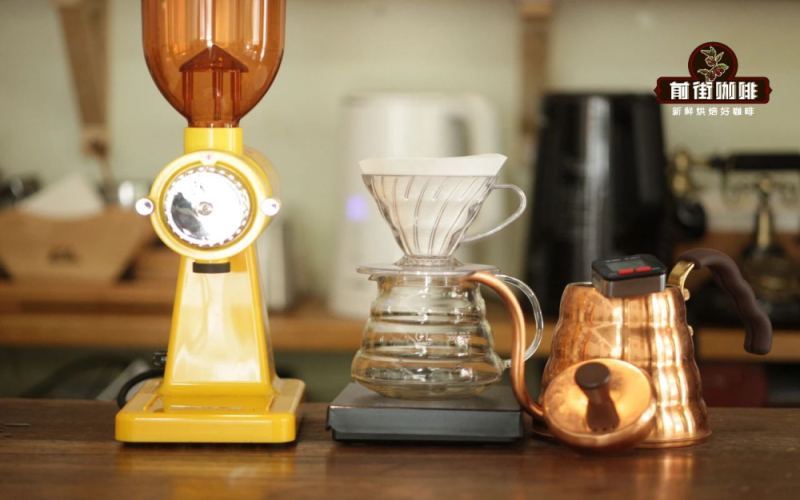
A Beginner's Guide to Pour-Over Coffee: A Complete Walkthrough from Equipment Prep to Three-Pour Technique
Pour-over coffee, as a widely popular and advanced-friendly extraction method, is being embraced by more and more coffee enthusiasts. Drawing on the hands-on experience of Front Street Coffee, this article systematically outlines the definition and origins of pour-over coffee, explains in detail the key steps such as equipment preparation, water temperature control, coffee-to-water ratio, and grind selection, and fully breaks down the specific steps and timing of the three-stage pouring process. Whether you are a beginner just getting into pour-over or an experienced brewer looking to refine your technique, you will find practical guidance here to easily brew a cup of coffee with distinct layers of flavor at home. [more…]
Pour-Over Coffee Beginner's Guide: Seven Elements, Three-Pour Technique, and Coffee-to-Water Ratio Illustrated
Brewing a delicious pour over coffee at home is actually not complicated, but you need to master some basic points. The English for pour over coffee is Pour over coffee; it uses a dripper and filter paper to hold the coffee grounds under normal pressure, extracting the coffee liquid through a steady pouring method. This article, compiled by Front Street Coffee, systematically sorts out the seven elements of pour over coffee—from fresh coffee beans, grind size, water temperature, water quality, dripper selection, coffee-to-water ratio, to brewing time—and provides a detailed introduction to the specific steps of the three-pour technique, including the meaning of blooming and four major points to note, helping coffee enthusiasts get started quickly. [more…]
A Complete Guide to Three-Pour Pour-Over Coffee: The Principles and Practical Details from Blooming and Degassing to Staged Extraction
Pour-over coffee may seem complex, but its core lies in how to balance flavor extraction. As the most widely used brewing method, the three-pour technique uses staged extraction to give distinct layers of flavor in the front, middle, and back ends. Drawing on the practical experience of Front Street Coffee, this article explains in detail the principles of blooming and degassing, control of the pouring rhythm, the matching of water temperature and roast level, and a complete brewing recipe using Kenya Asalia coffee beans as an example. Whether you are a beginner just getting into pour-over or an enthusiast looking to refine your technique, you will find actionable references here. [more…]

Panama Aurora Estate Ironman Geisha Pour-Over Tutorial: Three-Pour Technique and Flavor Analysis
Front Street Coffee recently introduced a Camilina Geisha coffee bean from Panama's Aurora Estate, whose flavor falls perfectly between Hacienda La Esmeralda's naturally processed Red Label Geisha and washed Green Label Geisha, showcasing smooth fruit acidity and rich layers. Aurora Estate is located in the valley on the western side of Baru Volcano. The estate owner, Roberto Brenes, once won the 2013 Best of Panama championship with a washed Geisha and named the champion batch "Ironman." This article will share, in detail, the three-stage pour-over parameters and flavor performance of this bean, from the estate's background and the variety's story to Front Street's roaster's medium-light roast recommendations, taking you to experience the charm of a Geisha that drifts as lightly as the aurora. [more…]

Pour-Over Coffee: Water Pouring Technique vs. Coffee Beans—Which Matters More? An In-Depth Analysis from Extraction Principles to Front Street Coffee in Practice
In an era where self-media tutorials are everywhere, beginners often blame their brewing technique when coffee doesn't taste good. But can technique really turn something mediocre into something magical? Starting from the dissolution patterns of flavor compounds, this article analyzes how the alternation of washing and soaking during pouring affects extraction efficiency, and uses the comparison between the three-pour method and the one-pour method as an example to reveal the source of differences in sweetness. At the same time, through blind tasting experiments, Front Street Coffee shows that what ultimately determines the ceiling of a cup of coffee is still the beans themselves. Technique can only add the finishing touch; choosing the right beans is the key. [more…]
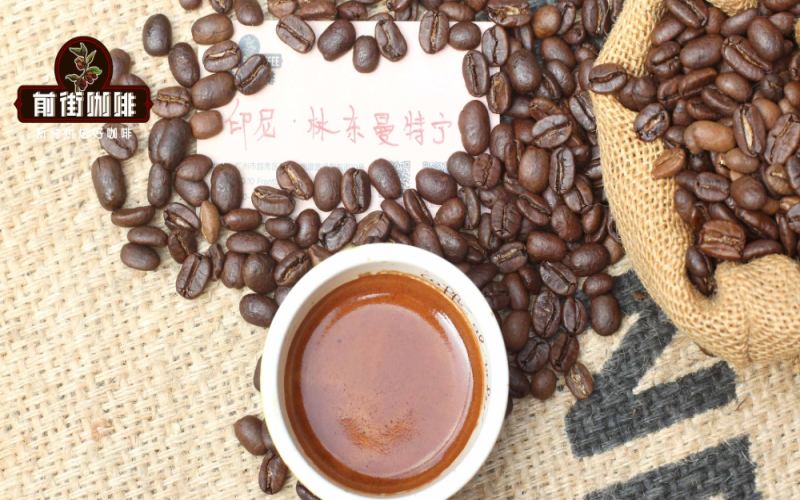
Mantenin Coffee Pour-Over Technique Explained: A Guide to Temperature, Grind, and Three-Pour Parameters
People often say Mandheling is so bitter it's hard to swallow, yet there is also a group of seasoned coffee enthusiasts who are particularly fond of its rich, full-bodied character, believing that only Mandheling truly counts as real coffee. As a typical representative of dark roasting, Mandheling is indeed known for its bitterness, but Front Street believes that fine bitterness is a pleasure, while burnt bitterness and astringent bitterness are usually caused by improper brewing. This article will focus on the key points of brewing Mandheling coffee, from understanding the bean variety and the influence of the wet-hulled processing method, to the choice of dripper, coffee-to-water ratio, grind size, water temperature, and the three-pour technique, explaining one by one how to bring out a Mandheling that is full-bodied, clean, and bitter without being burnt, and showcasing the differences among several Front Street Mandheling products. [more…]
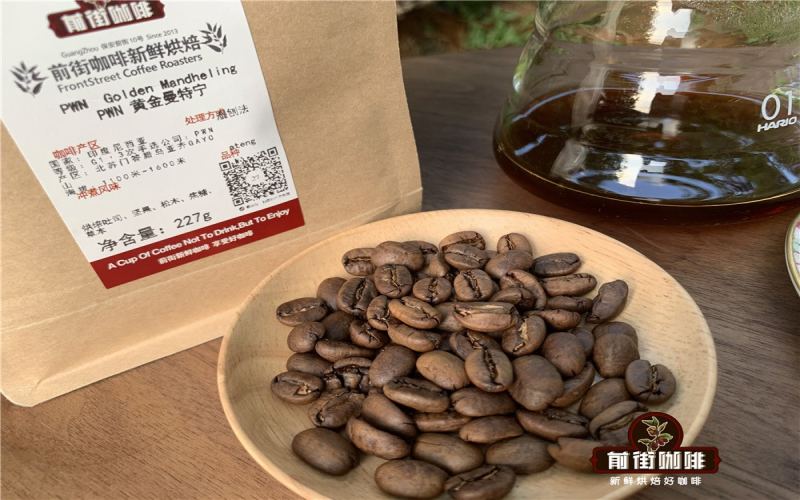
PWN Golden Mandheling Pour-Over Technique Explained: Is It Suitable for Brewing Before the Resting Period Is Complete?
Golden Mandheling, as a representative of Indonesian specialty coffee, is favored by coffee enthusiasts for its mellow, clean taste and long-lasting finish. But to brew an ideal cup of Golden Mandheling at home, besides choosing the right beans, you also need to master key parameters such as water temperature, grind size, coffee-to-water ratio, and pouring technique. At the same time, many friends ask: if the coffee beans haven't passed their resting period yet, can they still be brewed? In this article, Front Street will focus on PWN Golden Mandheling coffee beans, breaking down everything from the bean's background and processing method to the three-pour brewing technique, and explaining the relationship between the resting period and coffee flavor, to help you more confidently enjoy a good cup of coffee at home. [more…]
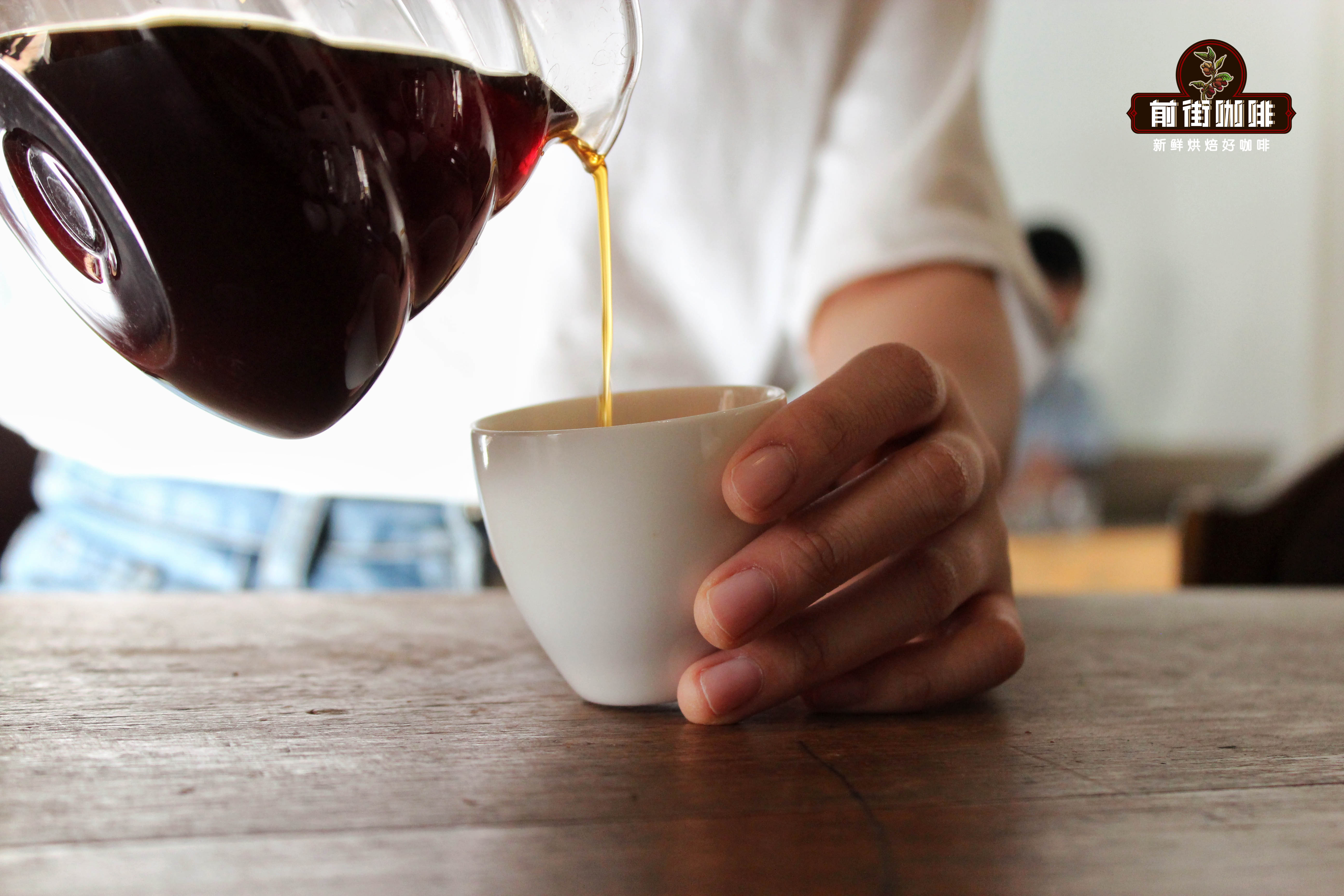
Pour-over Yirgacheffe not sour enough? A detailed guide to extraction parameters and three-pour technique for medium-light roasted beans
Yirgacheffe, with its bright and delicate floral and fruity aroma, has become the starting point for many people's introduction to specialty coffee. However, many enthusiasts feel that when recreating it at home, the acidity is not refreshing enough and the aroma is not as full as in the shop. This article starts with the degree of roasting and the washed processing method, explaining why Yirgacheffe often uses a medium-light roast, and provides a complete pour-over plan recommended by Front Street Coffee—V60 dripper, water temperature of 92 to 93 degrees Celsius, 15 grams of coffee, a 1:15 coffee-to-water ratio, medium-fine grind, and the specific rhythm and water distribution of a three-stage pour. It also explains the principles behind each parameter, helping readers build their own brewing approach, ultimately presenting a classic Yirgacheffe with bright lemon and citrus notes and a finish of berry, cream, and sugarcane sweetness. [more…]
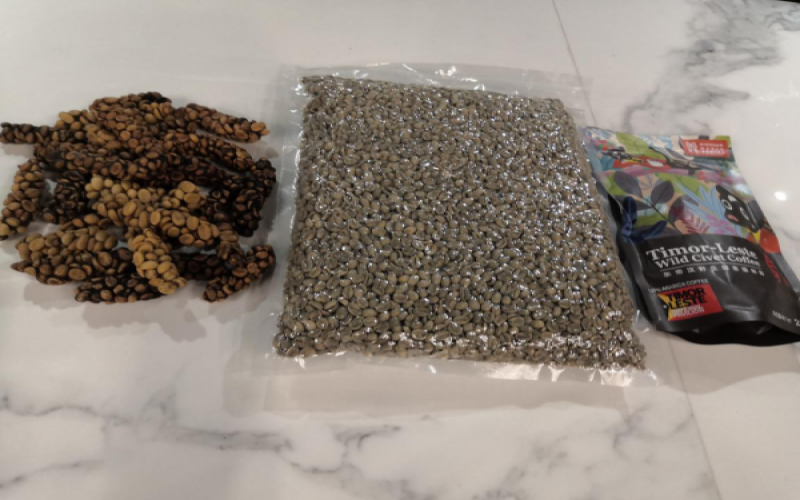
The Complete Guide to Hand-Brewing Indonesian Kopi Luwak: Filter Cup, Coffee-to-Water Ratio, Water Temperature, and Three-Pour Technique Explained
Kopi Luwak is arguably one of the world's rarest premium coffees, with authentic wild beans selling for up to 7,000 yuan per jin—and any brewing mistake is a tremendous waste. This article is aimed at enthusiasts fortunate enough to obtain Kopi Luwak beans, systematically covering everything from background knowledge to practical parameters. Front Street Coffee will guide you through the unique flavors brought by civet fermentation and explain the pour-over method in detail: why choose the Kono Meimon dripper, 15 grams of coffee, a 1:15 coffee-to-water ratio, a grind size with 70% passing through a No. 20 sieve, a water temperature of 87-88°C, and the specific allocation of a three-stage pour—helping you fully present Kopi Luwak's rich body, caramel sweetness, and cool minty finish. [more…]
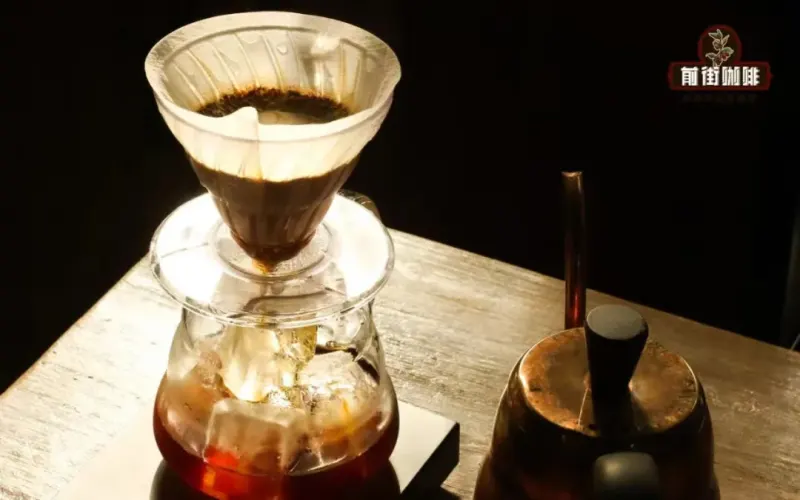
Complete Guide to Making Iced Pour-Over Coffee: Coffee-to-Water Ratio, Temperature Parameters, and Three-Pour Technique Explained
On a scorching summer day, a refreshing glass of iced pour-over coffee is undoubtedly a great way to cool down. But many coffee enthusiasts often run into the problem of weak flavor and thin body when making iced pour-over at home. This article starts from the two core factors of strength and extraction yield, systematically explaining the key differences between iced pour-over and hot pour-over—why you should reduce the amount of water poured, why you should adjust the grind size and pouring technique—and provides two complete sets of parameters tested by Front Street Coffee for medium-light roast and dark roast, including coffee dose, coffee-to-water ratio, ice amount, water temperature, and dripper selection. The article also recommends several popular Front Street Coffee beans suitable for making iced pour-over, and uses the Xizhao bean as an example to demonstrate step by step the complete brewing process of blooming and three-stage pouring, helping you easily brew a pot of full-bodied, juicy, delicious coffee. [more…]
A Complete Guide to Pour-Over Coffee Dose, Ratio, and Blooming: Front Street Coffee Brewing Parameters and a Three-Pour Practical Guide
To consistently brew a delicious pour-over coffee, bean dose, coffee-to-water ratio, blooming, and pouring rhythm are all indispensable. Starting from Front Street Coffee's practical experience, this article explains the reasoning behind 15g of grounds, a 1:15 coffee-to-water ratio, and a 225ml final yield, and compares this with common espresso extraction ratios to help readers build a replicable parameter framework. It then uses a washed Yirgacheffe Gudingding as an example to provide the complete V60 three-pour brewing process, with a focused breakdown of details such as blooming and degassing, pouring height, and the rhythm of pausing between pours, so that even beginners can follow along step by step and reduce the harsh, astringent flavors caused by under-extraction or over-extraction. [more…]
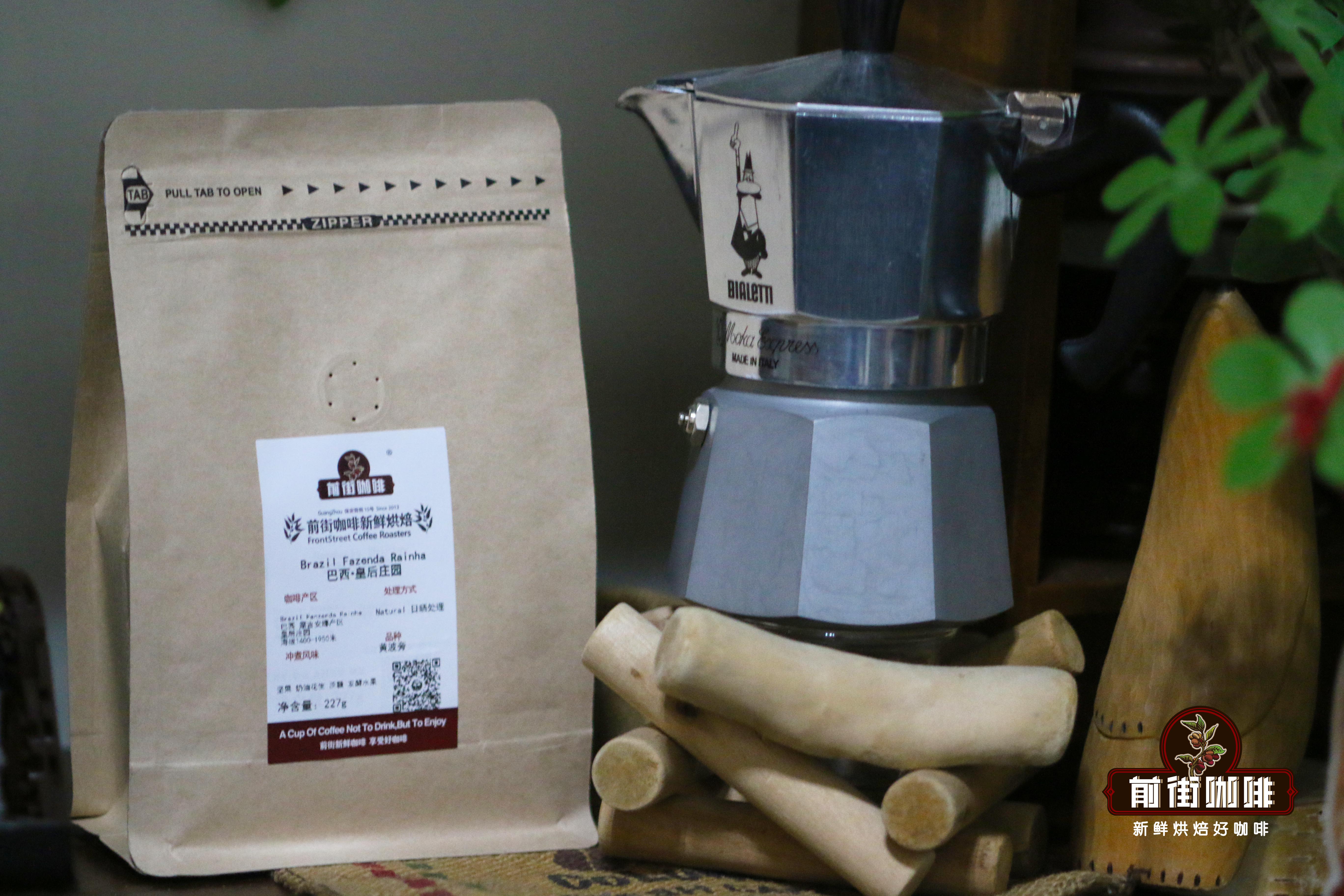
The Complete Guide to Pour-Over Brazilian Coffee: From Roast Characteristics to Three-Pour Technique and Flavor Control
Brazilian coffee beans are mostly medium-dark roasted, with bitterness as their base note, but bitterness comes in good and bad forms—the positive bitterness from nuts, chocolate, and caramel is pleasant, while smoky, woody, and medicinal notes are negative bitterness. In this article, Front Street Coffee uses a everyday-drink bean from the Cerrado region as an example, demonstrating from filter cup selection, coffee dose, coffee-to-water ratio, grind size, and water temperature to three-stage pouring, a complete guide on how to brew a cup of Brazilian coffee that has both a rich body and caramel sweetness, helping you avoid the pitfalls of burnt bitterness and thinness. [more…]
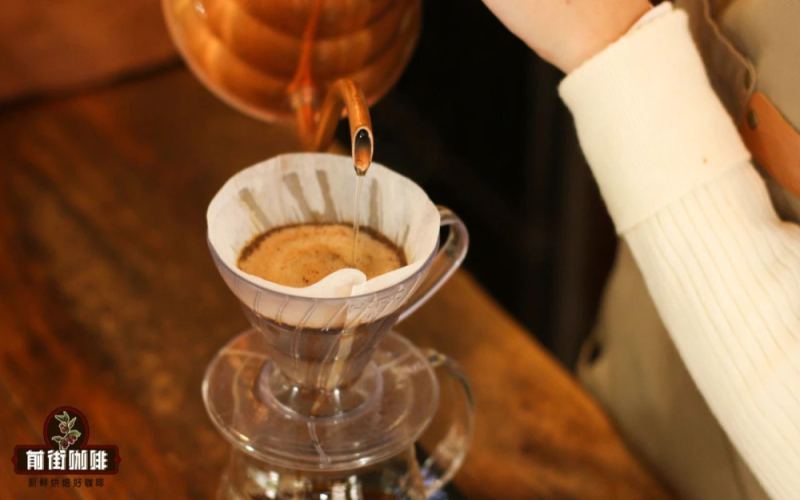
Advanced Pour-Over Coffee Guide: Water Distribution and Technique Details, with Three Front Street Single-Origin Beans for Practice
Front Street Coffee has previously discussed many factors that influence coffee flavor, starting from five objective conditions: coffee dose, coffee-to-water ratio, water temperature, grind size, and brewing device. This time, however, we turn our attention to an easily overlooked subjective variable—your hand, that is, the pouring method during brewing. This article will break down two major areas: water volume distribution and pouring technique. First, it compares the extraction differences between a single-pour and a three-pour method, then analyzes item by item how blooming, circling speed, pouring height, flow rate, and circling range affect the direction of the flavor. At the end, Front Street Coffee has also selected three single-origin beans with high regional distinctiveness for reference in daily brewing practice. [more…]
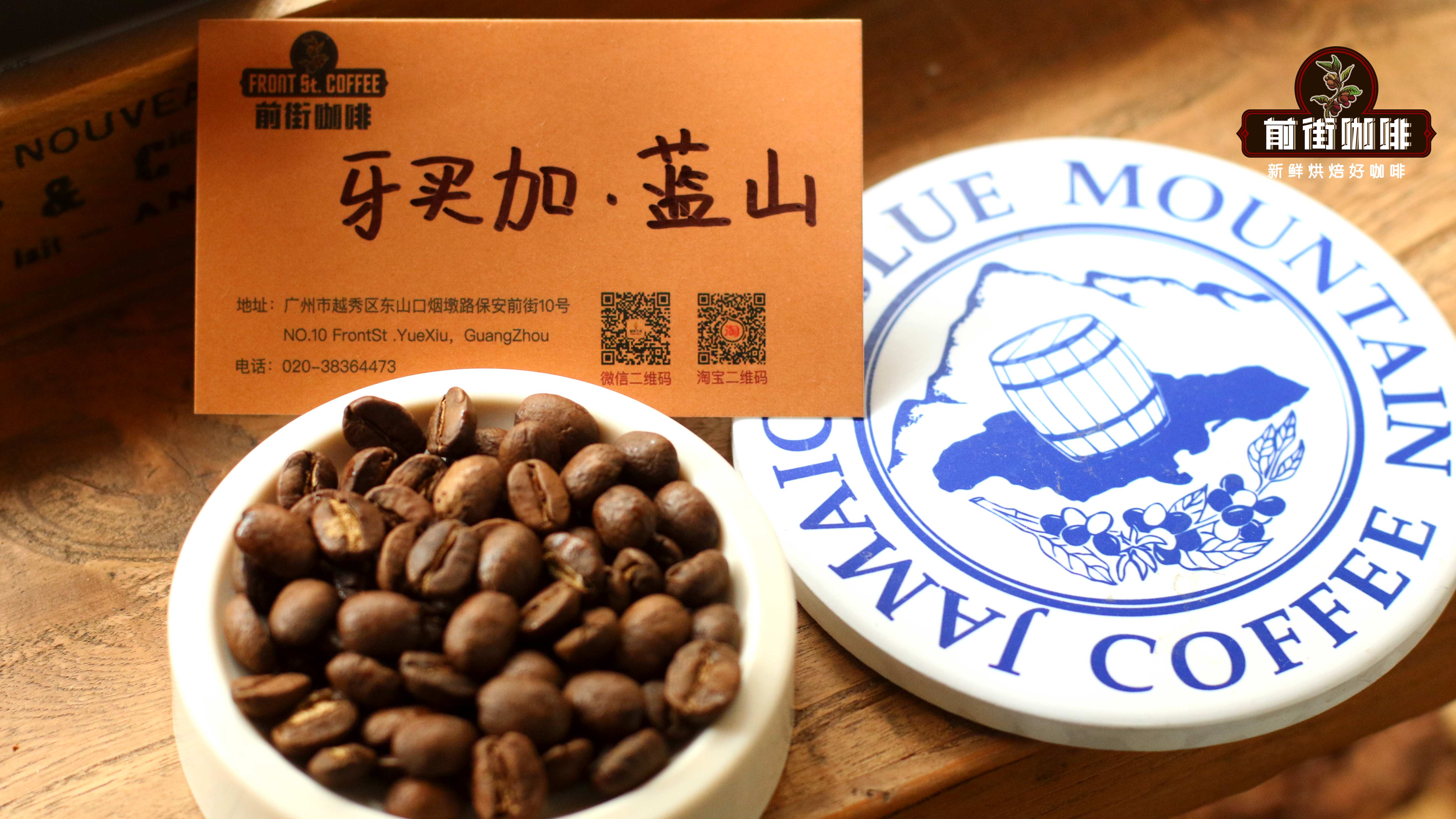
Jamaica Blue Mountain No. 1 Coffee Brewing Guide: From Clifton Estate to a Detailed Three-Pour Technique
Blue Mountain coffee is celebrated as the king of coffee, and its balanced flavor and strict grading system have long been the benchmark of the specialty coffee world. This article begins with Front Street Jamaican Blue Mountain No. 1 coffee beans, offering a detailed introduction to the origin background of Clifton Farm, brewing parameters, and the three-pour process, while also systematically reviewing the cultivation history of Jamaican Blue Mountain coffee, the CIB grading standards, and the key role of the washed Typica variety in flavor stability. Whether you want to learn how to taste Blue Mountain coffee or master a reproducible brewing method, you will find practical guidance in this article. [more…]
A Beginner's Guide to Pour-Over Single-Origin Coffee: A Detailed Explanation of Rwandan Coffee Grounds-to-Water Ratio and Three-Pour Brewing Techniques
To brew a clean-tasting pour-over coffee at home, mastering the coffee-to-water ratio and pouring technique is key. Using Front Street Coffee's Rwandan washed beans as an example, this article systematically explains the English expressions, definition, and seven key elements of pour-over coffee—from bean freshness, grind size standards, water temperature selection, water quality requirements, and dripper selection, to the scientific control of coffee-to-water ratio and brewing time. The article also breaks down in detail the complete process of the three-pour method, including the principles and key points of the blooming phase, helping coffee enthusiasts build a standardized, easy-to-follow brewing framework and effortlessly reproduce the bright acidity and tea-like finish reminiscent of apple, smoked plum, and citrus. [more…]
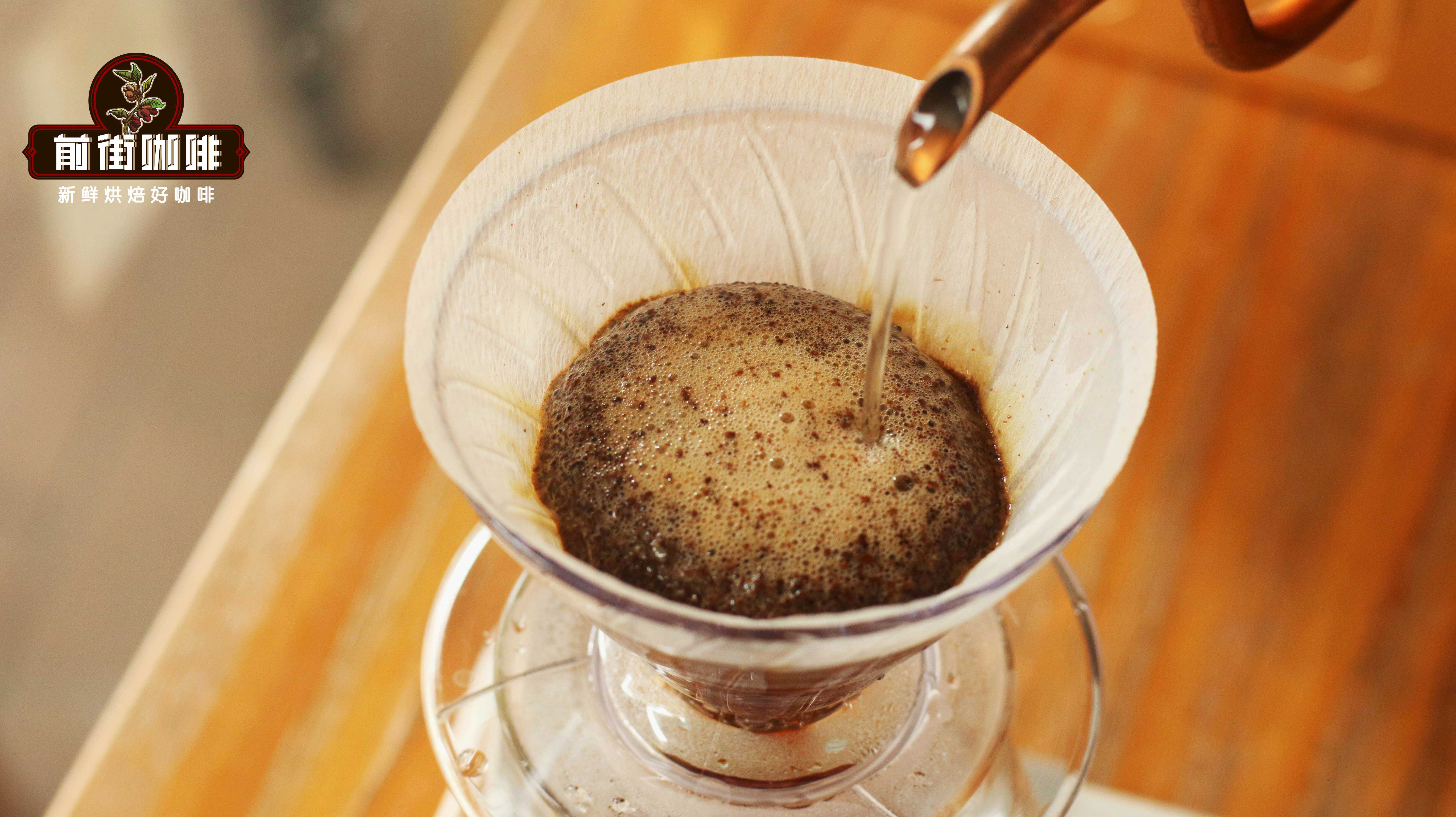
Easy for Beginners to Master: Key Parameters for Pour-Over Coffee and a Detailed Guide to the Three-Pour Technique
Pour-over coffee may seem to involve quite a few steps, but once you master the core variables, even beginners can brew a consistently good cup. This article focuses on six aspects—coffee bean freshness, grind size, coffee-to-water ratio, water temperature, pouring technique, and extraction time—explaining one by one how they affect the final flavor, and providing Front Street Coffee's recommended parameters and specific brewing demonstrations for everyday pour-over. The article also includes grinding and sieving suggestions for light-roast and medium-dark-roast beans, the classic 1:15 ratio, water temperature ranges for different roast levels, and the complete three-pour process, helping you recreate a layered, balanced, and smooth pour-over coffee at home. [more…]
An Analysis of the Seven Major Pour-Over Coffee Schools: A Full Comparison of Brewing Techniques Including the One-Pour and Three-Pour Methods
The charm of pour-over coffee lies not only in the flavor itself, but also in the ever-changing brewing techniques. In coffee enthusiast circles, there are seven major brewing schools: volcano pour, meteor pour, one-cut pour, three-cut pour, tamped pour, stirring method, and drip pour. Except for the drip pour, all the other methods use circular pouring. Each school has its own unique extraction logic and flavor orientation—some pursue layering, some emphasize sweetness, and some are better suited for enthusiasts to explore. This article breaks down the key operational points, pros and cons, and suitable scenarios for each method one by one, and includes practical advice from Front Street Coffee to help you find the style that suits you best in your daily brewing. [more…]

A Comprehensive Comparison of the One-Pour and Three-Pour Hand-Brew Methods: Core Differences, Pros and Cons, and Key Steps for the One-Pour Technique
The pouring method in pour-over coffee directly affects the flavor in the cup, and the one-pour and three-stage methods are the two most common approaches. The one-pour method divides the target water volume into two pours, finishing the remaining water all at once after blooming; its name comes from the "one cut, two pieces" concept in Japanese swordsmanship, and though it appears simple, it is the hardest to control. The three-stage method divides the water into multiple pours, giving the brewer more time and opportunities to adjust extraction, with a noticeably higher margin for error. Front Street Coffee has found in daily practice that beginners using the one-pour method often encounter problems such as weak flavor, sharp acidity, and a flat, one-dimensional profile, the root cause being that nearly ninety percent of the water is poured in a single go, leaving no room for correction. This article will systematically sort out the differences between the two methods, analyze the effects of flow rate and pour height on extraction, and explain what techniques and parameter conditions are required to brew good coffee with the one-pour method. [more…]