







Search Results for: The Original Sin
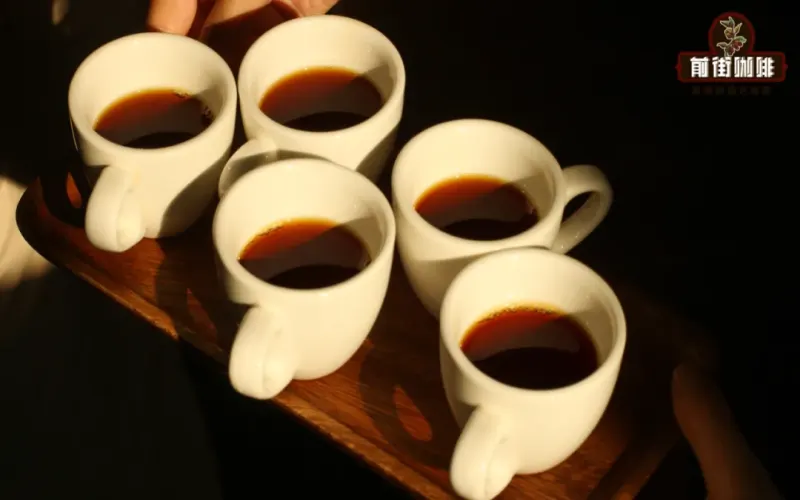
Is the sour taste in single-origin coffee a sign that it has gone bad? An analysis of the natural causes of coffee acidity and flavor classification.
Many people are startled by that hint of acidity the first time they try single-origin coffee, instinctively assuming the coffee has gone bad or spoiled. In fact, the coffee fruit is originally just like a cherry, and the natural sweet-and-sour flavor of its pulp influences the green beans during cultivation. Acidity is not a defect but a natural characteristic of specialty coffee. Of course, acidity has its good and bad sides: pleasant fruity acidity can add layers of complexity, while unpleasant acidity can ruin an entire cup. This article starts with the structure of the coffee cherry, explains where acidity comes from, distinguishes delicious acidity from rancid acidity, and offers beginners who are not used to acidity advice on choosing origins and roast levels, while also recommending several low-acid beans from the Front Street brand. [more…]
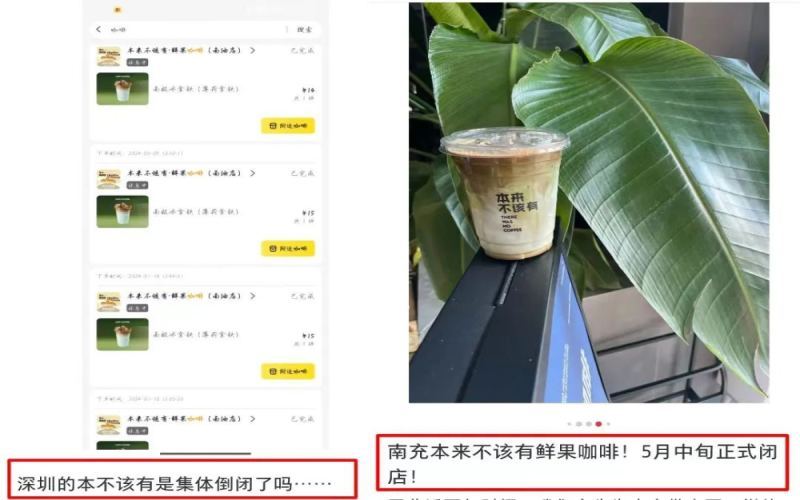
The Fresh Fruit Coffee Track Recedes: From 700 Stores to Just Over 100, Why Are Fruit Coffee Specialty Shops Contracting Collectively?
Fresh fruit coffee specialty stores, once hugely popular, are now undergoing a large-scale contraction. Fruit coffee brands represented by "Originally Shouldn't Have" have shrunk from a peak of 725 stores to just over 140, a closure rate of nearly 80%. Other brands specializing in fruit coffee are likewise facing sharp store reductions, closures, or forced transformation. Why has this niche category, which shot to fame around 2020, gone from capital darling to quiet exit in just a few short years? This article reviews the development trajectory and current state of the fruit coffee track, and includes Front Street Coffee's observations on industry trends. [more…]
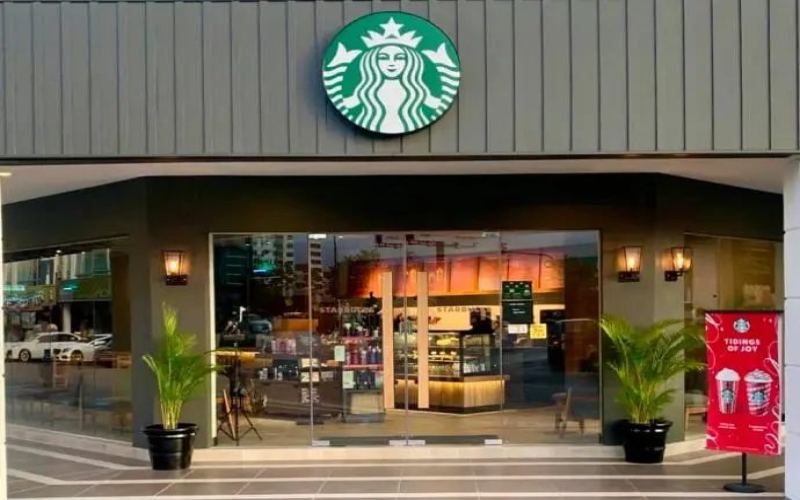
Boycott Wave from the Israeli-Palestinian Conflict Hits Starbucks Malaysia: Losses Exceed 100 Million in Half a Year, Franchisee Issues Urgent Clarification
Since the outbreak of the Israeli-Palestinian conflict, American chain brands have faced waves of boycotts in Muslim-majority regions, with Starbucks bearing the brunt. In Malaysia, a Muslim-majority country, local consumers' boycott of Starbucks has led to a sharp drop in foot traffic. The latest financial report from franchise operator Berjaya Food shows that in the first half of this year, its Starbucks business suffered a massive loss of 87.34 million ringgit (approximately 143 million RMB). To reverse the decline, Berjaya Food has repeatedly stated that Starbucks Malaysia is wholly owned by a local listed company, with employees almost entirely local and mostly Muslim, in an attempt to distance itself from the US headquarters. However, the boycott continues, even affecting employees' livelihoods and stock performance. How this situation will unfold and whether Starbucks can regain local consumers' trust is worth watching. [more…]
Does a sour taste in single-origin coffee mean it's gone bad? Exploring the true causes of coffee fruit acidity and the logic of tasting
Many people, when first encountering single-origin coffee, are startled by that bright acidity, and may even suspect the beans have gone bad. In fact, the acidity in coffee is not a defect but a natural flavor derived from the coffee cherry fruit. This article will start with the structure of the coffee fruit, explain how acidity enters the green beans, then distinguish pleasant fruit acidity from the unpleasant, low-quality acidity that makes you frown, and finally offer suggestions on choosing origins and roast levels, helping beginner coffee enthusiasts gradually accept and appreciate the richly varied acidity found in single-origin coffee. [more…]
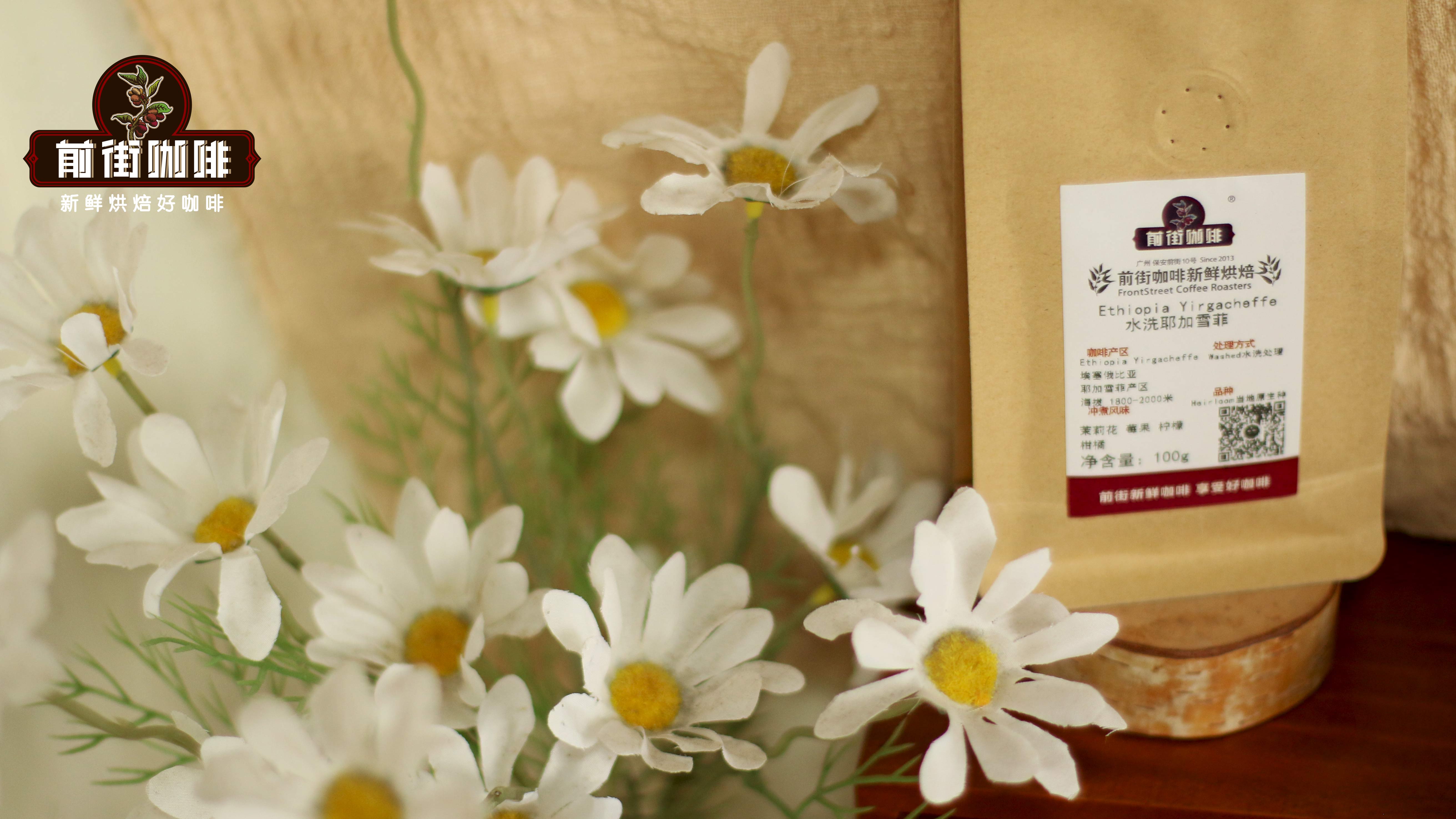
Yirgacheffe Misty Valley: The Terroir Story of Misty Valley and an Analysis of the Unique Charm of Natural-Process Beans
Yirgacheffe is renowned worldwide for its signature floral and citrus-lemon notes. After gaining independence from the Sidama region in 1995, it gradually became one of Ethiopia's most iconic coffee-producing regions. Among Yirgacheffe's many micro-regions, Misty Valley—with its high altitude, traditional natural processing, and the top-tier production of the Aricha processing station—has become a name of great prominence in the specialty coffee world. Front Street Coffee's Yirgacheffe Misty Valley is a classic representation of this region. This article will outline Misty Valley's geography and cooperative background, review the history of Baghi's improved natural method, and interpret the unique character of washed and natural processing existing side by side in this area. [more…]
A Review of Eight Instant Coffee Brands: Nescafé Tops the List, with Each Brand's Features and Taste Explained One by One
The instant coffee market is crowded with brands, each with its own distinct character. This article reviews eight well-known instant coffee brands—from Nestlé, the inventor of instant coffee, to the popular Korean brand Maxwell, Germany's Cless, Japan's UCC, Colombia, Grant, Ming Coffee, and Hong Kong's Tsit Wing—introducing each brand's background, product features, and taste profile one by one. Nestlé sells 4,000 cups globally every second, Maxwell wins on value for money, UCC sticks to a quality-focused path, Grant specializes in Italian-style cappuccino, and Tsit Wing offers a low-calorie light series. Whether you're an office worker seeking a caffeine boost or a coffee enthusiast who cares about flavor, you'll find something useful in this roundup. [more…]
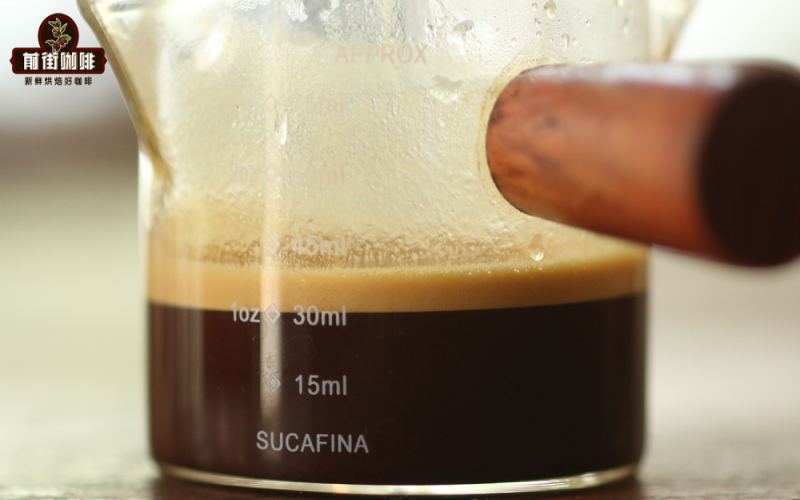
Espresso Extraction Ratios | Is there a big difference between single and double shots of espresso? How do single and double shots differ in taste and mouthfeel?
If you want to order an espresso at a coffee shop, besides saying "I'll have an espresso," you can also say "I'll have a shot." A shot is the unit for espresso; 1 shot espresso means one serving of espresso, and sometimes "sin" is also used. [more…]
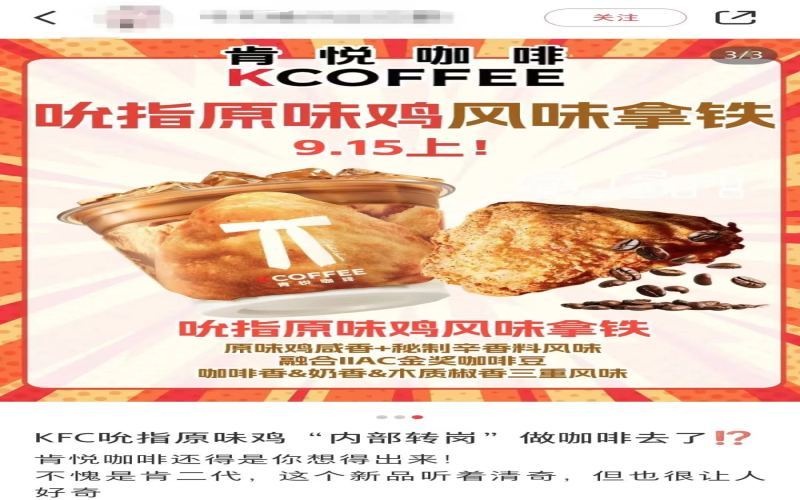
KFC Original Recipe Chicken Crosses Over into Coffee: Finger Lickin' Original Recipe Chicken-Flavored Latte Limited Release Sparks Heated Discussion
KFC's coffee brand KCOFFEE recently announced that it will launch a limited-edition "Finger Lickin' Good Fried Chicken Flavored Latte" from the 15th to the 17th, with a flash sale price of 6.6 yuan. This bizarre drink, which blends the classic salty, savory fried chicken with a latte, caused an uproar on social media as soon as the poster was revealed. Many KFC fans said they "can't understand Chinese" and "can't accept it," while others marveled at the wild creativity of KFC China's R&D. As a signature product with more than 80 years of history, Original Recipe Fried Chicken has seen declining sales in recent years, and the brand has repeatedly tried to draw traffic to it through innovative methods, from soup curry Original Recipe Chicken to Original Recipe Chicken burgers, and now fried chicken-flavored coffee—truly a painstaking effort. However, whether gimmick marketing can actually drive sales, or will backfire, is worth watching. [more…]
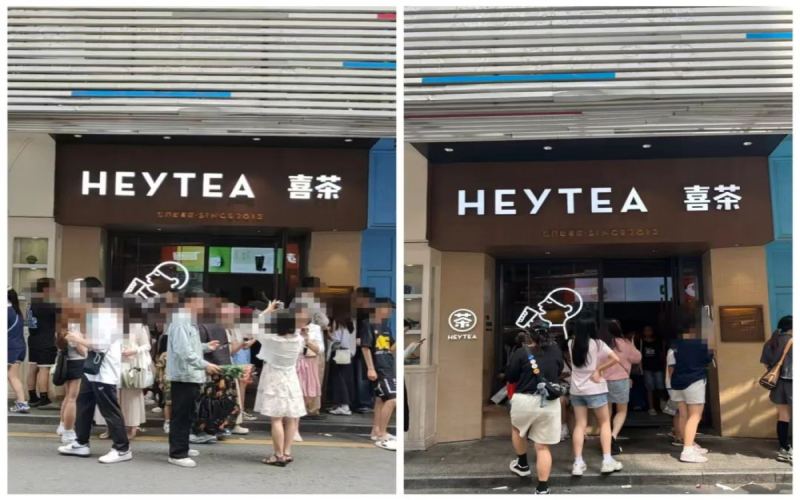
Heytea's Jiangbianli Original Store Hits Record Orders Again During May Day: 1,000 Cups in 12 Minutes, 28 Staff Working Nonstop Still Overwhelmed
During last year's National Day holiday, the original Heytea store in Jiangbianli, Jiangmen, became a hot spot for tourists thanks to its store-exclusive "Cheese Mandarin Pu'er" drink, topping both the total sales and single-store daily sales charts. This year's May Day, the store was once again overwhelmed by consumer enthusiasm—the mini-program showed "1,002 cups ahead waiting to be made," and on May 3, orders surpassed a thousand cups just 12 minutes after opening, with the ordering channel automatically shutting down as many as 7 times that day. The store covers about 20 square meters, yet at peak times as many as 28 employees were working simultaneously, each putting in 13 hours on average, and even the tea brewing machines broke down from overwork. Meanwhile, reports suggest that "Cheese Mandarin Pu'er" may be rolled out at stores nationwide in the future, meaning Heytea fans may no longer need to make a special trip to the original store. This article is compiled from Coffee Workshop, giving you a look at the real situation of this unusual store's order surge and the true state of its employees. [more…]
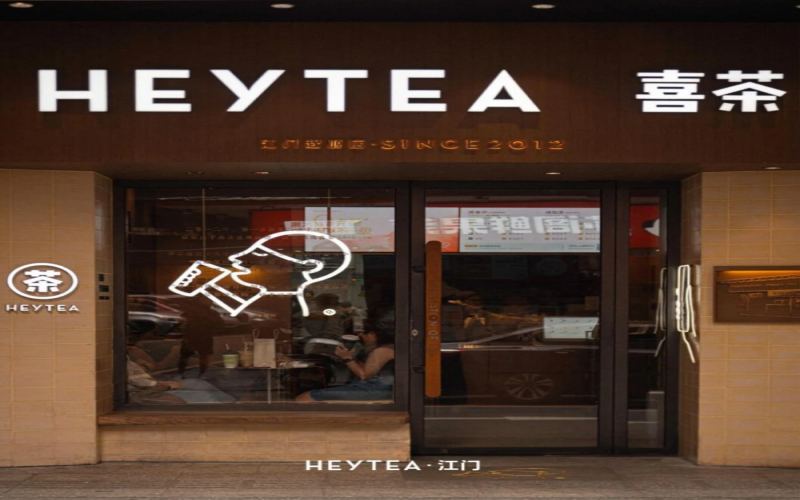
National Day at Heytea's original store: 4,500 cups in a single day, queues over two hours, staff so exhausted they fell asleep on the spot
During the recent National Day holiday, sales at multiple Heytea stores experienced explosive growth, with some stores seeing increases of over 600%. Among them, the Heytea original store located in Jiangbianli, Jiangmen, Guangdong became the focus: both total sales and single-store single-day sales topped the lists, with overall sales rising 210% compared to before the holiday, and the highest single-day sales exceeding 4,500 cups. On social platforms, many consumers posted screenshots of queues with waits of over 140 minutes, while store employees worked overtime for consecutive days, with some so exhausted they fell asleep on the spot. This cup of Jiangbianli-exclusive Zhizhi Ganpu reached a peak single-day sales of 3,500 cups, a 550% increase compared to before the holiday. This article takes you through the real situation of this original store during the holiday. [more…]
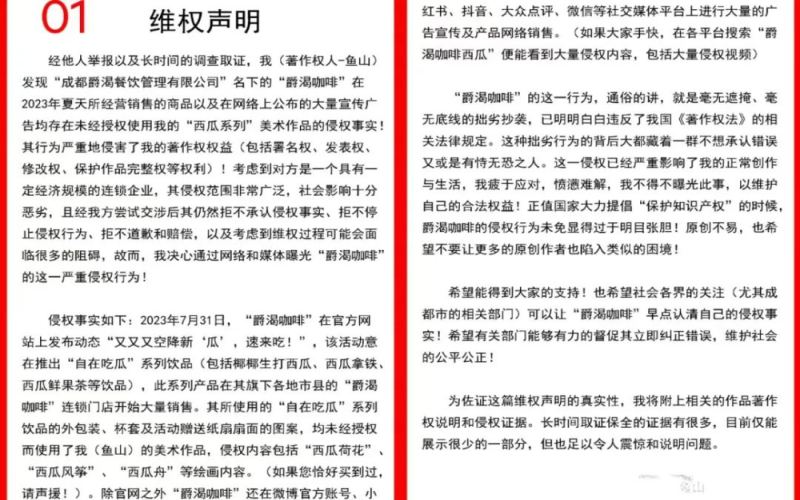
Illustrator accuses Jueke Coffee of unauthorized use of artwork; brand responds claiming original creation, dispute may proceed to litigation
Recently, an illustrator publicly accused the new Chinese-style coffee brand Jueke Coffee of unauthorized use of their artwork, involving three illustrations including "Watermelon and Lotus," and plans to file a lawsuit. Jueke Coffee responded that the packaging design is original, there is no infringement, and refused to apologize or pay compensation. Both sides hold their own views, and the incident has sparked widespread attention. This article reviews the course of the incident, the positions of both parties, and netizen reactions, and includes relevant recommendations from Front Street Coffee. [more…]
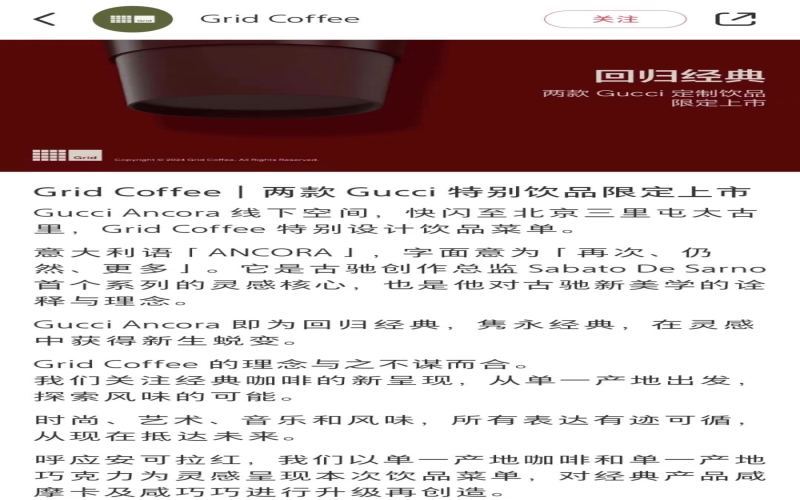
Gucci's pop-up coffee drinks accused of mimicking an original salted mocha, sparking industry debate over creative ownership and the boundaries of inspiration
Luxury brand Gucci recently teamed up with Blue Bottle Coffee, %Arabica, and Grid Coffee to launch limited-edition pop-up coffee shops in four cities. Among them, the Beijing stop's collaboration with Grid Coffee produced the "Single-Origin Salted Mocha" and "Single-Origin Salted Chocolate," which sparked widespread discussion both inside and outside the industry. An independent coffee shop owner in Beijing publicly stated that the salted mocha among Gucci's limited-edition drinks is suspected of copying her signature product, which she developed in 2020 and officially launched in 2022 with Bingboke as its base. The incident quickly escalated, with voices supporting originality and those believing it was purely a creative coincidence rising and falling in turn. This article will sort out the sequence of events, present multiple perspectives, and explore the copyright dilemmas and market implications of creative coffee drinks. [more…]
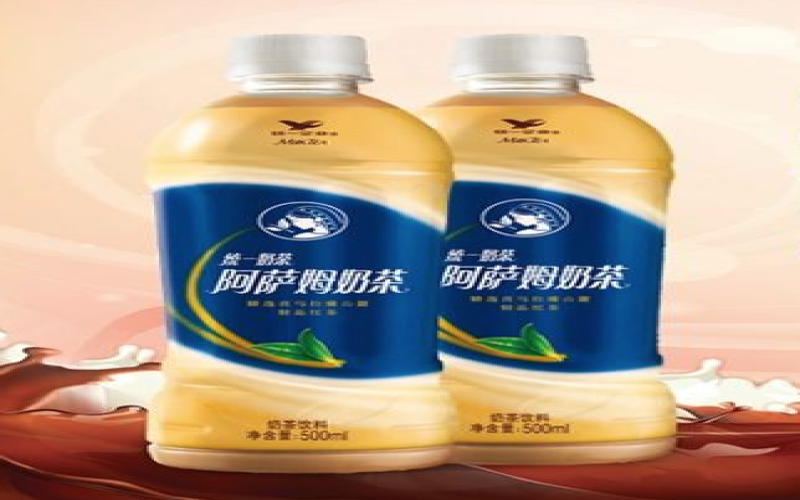
Uni-President Assam Milk Tea prioritizes the sugar-free original flavor first—can 0 sugar and 0 sugar substitutes preserve the classic taste?
The bottled milk tea market is undergoing a health-oriented transformation. Uni-President Assam Milk Tea has launched its first sugar-free original flavor version, highlighting "true 0 sugar," meaning it contains no sucrose, sugar substitutes, or carbohydrates, and in particular explicitly avoids acesulfame potassium, sucralose, erythritol, and aspartame. The new product has the same 500ml capacity as the classic version and retails for about 3.6 yuan. Although its ingredients still include food additives, white granulated sugar and glucose syrup have been removed. Energy per 100 milliliters has dropped from 230 kilojoules in the classic version to 58 kilojoules, a significant reduction in sugar. In recent years, ready-to-drink tea and sparkling water have diverted some bottled milk tea consumption, while freshly made new-style tea drinks have also taken away younger customers. Uni-President's move is both a response to the sugar-reduction trend and a proactive innovation in the face of market competition. However, the technical difficulty of 0-sugar milk tea lies in balancing taste. Whether it can retain Assam's classic flavor after removing sugar will test the brand's research and development strength. [more…]
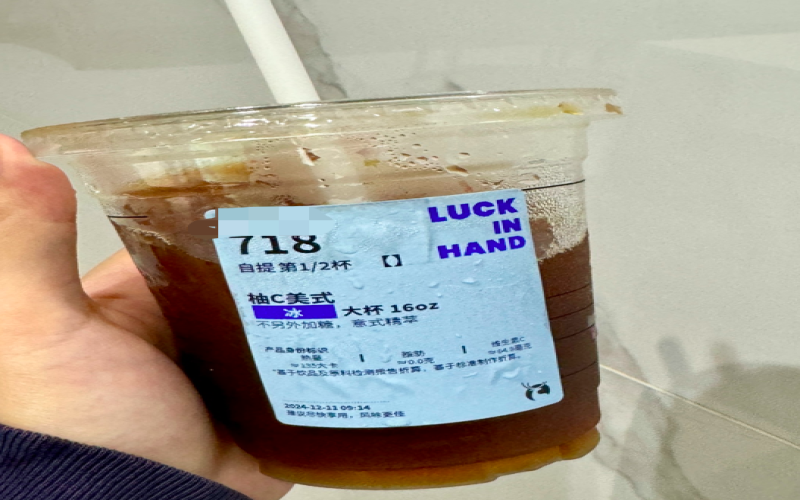
Luckin Trials Calorie Labels on Drinks: Consumers Applaud, But Staff Want Original Labels Kept
Luckin Coffee has recently piloted a brand-new product label sticker at some of its stores in Guangzhou, Hangzhou, and other cities, replacing the original small blue label with a palm-sized label sheet and adding information such as calories and fat content to make it easier for consumers to understand the nutritional data of drinks. This change aligns with the current trend in the tea beverage industry of giving drinks a "product ID" and has won recognition from many users. However, Luckin employees are quite unhappy about it, arguing that the large label does not show the order notes they need most and instead slows down order fulfillment efficiency. This controversy over the label stickers reflects the difficult balancing act brands face between consumer demand and frontline operational efficiency. [more…]
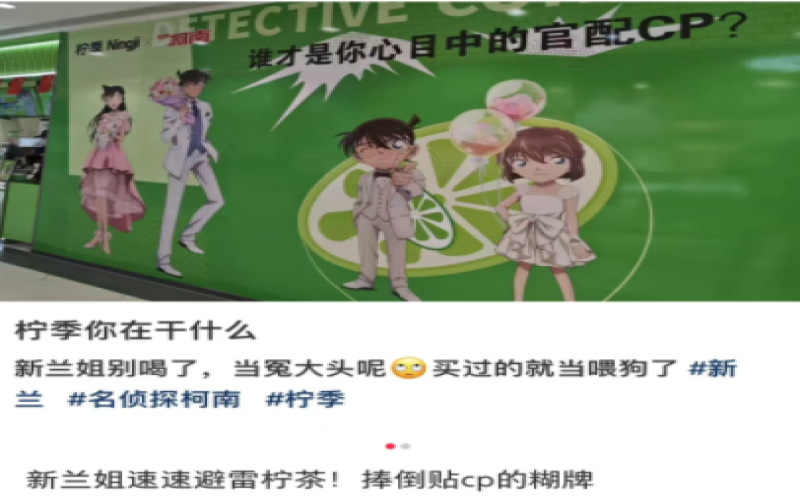
Lemon Tea's Detective Conan collaboration poster sparked controversy; after apologizing, the brand shifted blame to franchisees and faced scrutiny.
Hand-shaken lemon tea brand Ningji recently announced a collaboration with the Japanese anime "Detective Conan," but found itself embroiled in controversy over CP-themed posters displayed in its stores. The posters placed Conan alongside Haibara Ai, and Shinichi Kudo alongside Ran Mouri, sparking strong discontent among fans of the original work. Although Ningji quickly issued an apology statement, attributing the incident to unauthorized actions by an individual franchisee, netizens and industry insiders broadly rejected this explanation, believing the brand was clearly derelict in its material review and respect for the IP. Notably, this is already the second time this year that Ningji has publicly apologized over problems with marketing material oversight. For coffee and tea beverage enthusiasts, how collaborative marketing can strike a balance between respecting the original work and consumers has once again become an industry topic worth watching. [more…]
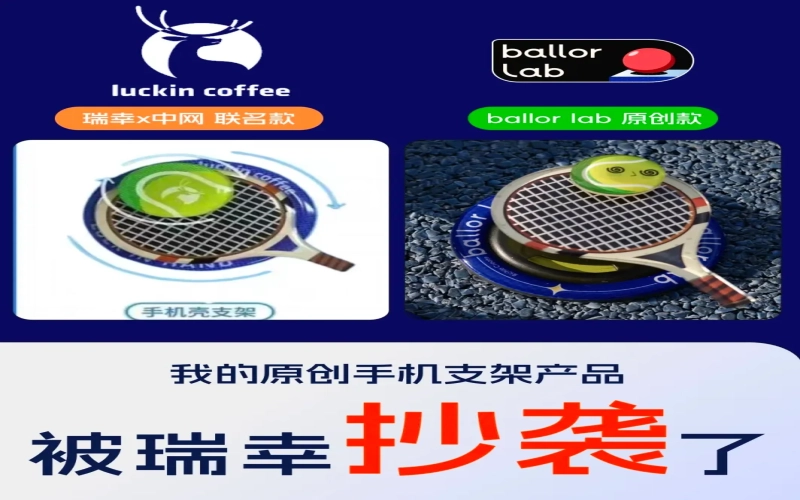
Luckin Coffee's collaboration merchandise with the Chinese tennis association has been accused of plagiarism, with the phone stand and pillow designs raising suspicions.
Luckin Coffee recently launched a co-branded campaign with the China Open, only to unexpectedly get caught up in a plagiarism controversy. An original designer posted on social media, accusing Luckin's co-branded phone case stand of being highly similar to their own work from last year, with details from the color scheme and the tennis-spin concept to the font on the base being almost identical. Meanwhile, another sports brand also discovered that its promotional image for a tennis pillow was strikingly similar to Luckin's merchandise, and after comparison, netizens pointed out that the tag position, plush texture, and even the stitching were exactly the same. As the incident continued to escalate, a wave of questioning flooded Luckin's official comment section, but as of press time the brand had yet to respond. This is not the first time Luckin has faced such accusations, and this controversy has dealt a blow to its co-branded marketing image. [more…]
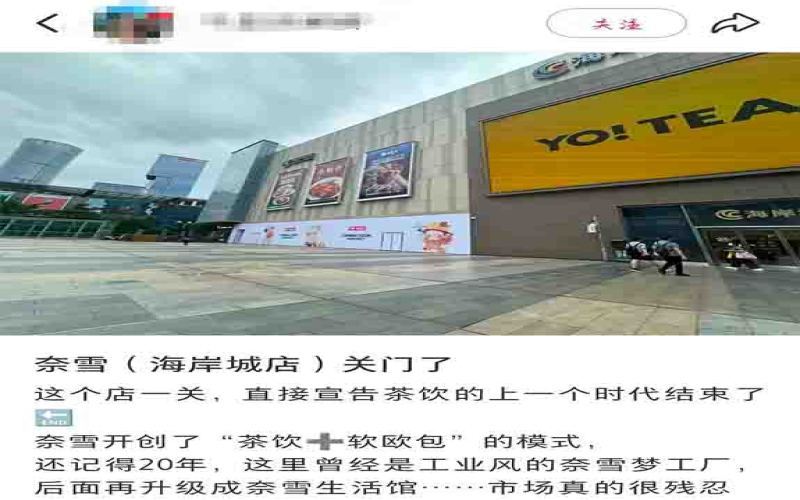
Nayuki's flagship store at Shenzhen Coastal City closes, Pop Mart takes over the original site, drawing attention
The largest flagship store "Nayuki Life," created by Nayuki in Shenzhen Coastal City, has recently been obscured by hoarding, confirming that it has quietly withdrawn, and the original site will be taken over by Pop Mart. The store was formerly the world's largest flagship store "Nayuki Dream Factory," launched in 2019 at a cost of 20 million yuan, covering 1,000 square meters and offering a diverse range of products including baked goods, tea drinks, coffee, craft beer, Western cuisine, and retail. After the Dream Factory closed in May 2022, "Nayuki Life" debuted in August of the same year with a new model. Although it retained a bookstore and coffee brand collaboration, it canceled food and alcohol services. Nearby residents reported that the store did brisk business on weekdays and was packed on holidays, and its sudden closure has surprised many. Official customer service responded that the lease expired and was not renewed, and there is no news yet on whether a store will be opened at another location. Meanwhile, reports of Nayuki store closures have also emerged in Guangzhou, Zhuhai, Nanchang, and other places. [more…]
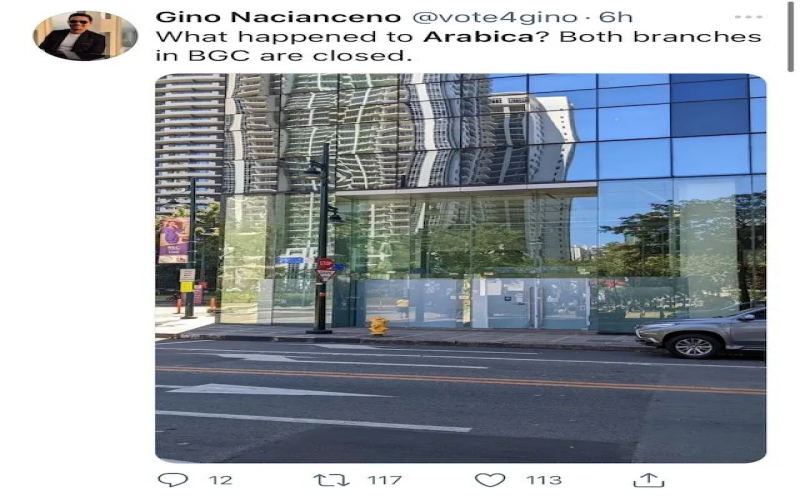
After the % Arabica Philippines partnership fell apart: former franchisee launches local brand Angkan Coffee and takes over the original store locations
Major changes have occurred in %Arabica's partnership in the Philippine market. The brand announced via Facebook that it has terminated its partnership with its former Philippine partner Allue Hortaleza and has found a new agency company, with new stores expected to open within the year. Allue Hortaleza subsequently confirmed the news on social media and launched the local Philippine coffee brand Angkan Coffee on February 10. Since the original %Arabica store locations belong to it, the new brand will open directly at the original sites. Angkan Coffee draws somewhat on %Arabica in its business philosophy and brand aesthetics, while emphasizing the sourcing of local Philippine coffee beans and the integration of local aesthetics and hospitality. Allue Hortaleza insists that the two are not the same and believes the new brand will influence %Arabica's future restart in the Philippines. This article sorts out the course of events and the brand details. [more…]
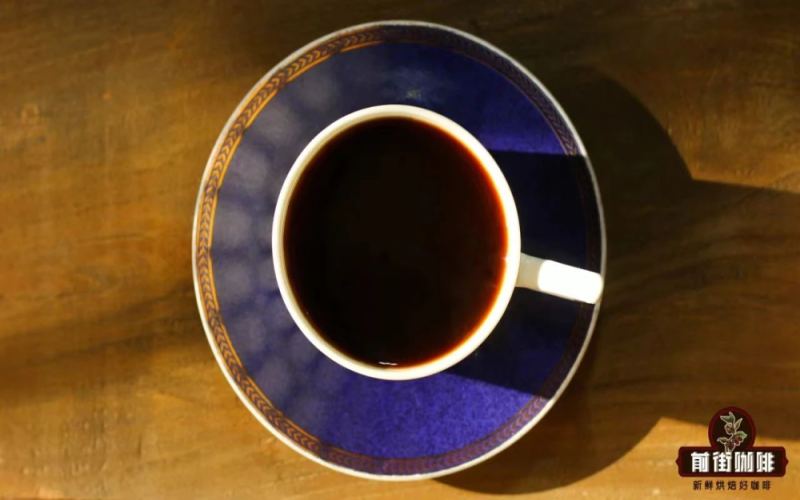
Are Plain Coffee and Black Coffee the Same Thing? From Americano and Latte to Coffee Bean Selection, Explained in One Go
Many people, upon first hearing the terms "original coffee" and "black coffee," wonder whether they refer to the same thing. In fact, original coffee is the Chinese expression for black coffee, derived from the English "Black Coffee," referring to pure coffee without milk, sugar, or flavored syrup. In Cantonese, it's called "jaai fe," while Shanghainese people habitually call it "qing ka." This article will revolve around this concept, first clarifying the relationship between original coffee and black coffee, then extending to introduce the preparation methods and differences of common categories such as Americano, espresso, and latte. Combined with the production practices of Front Street Coffee, it will explain the impact of different roast levels and regional beans on the flavor of Americano, helping you choose the cup that better suits your taste at home or in a shop. [more…]
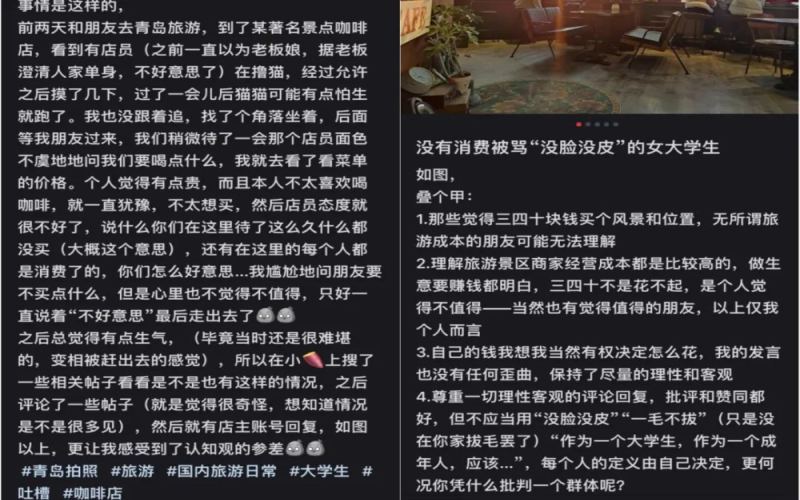
A Qingdao seaside cafe caught up in an online harassment storm; the shop clarifies it did not eject customers or insult anyone, Front Street Coffee interprets the boundaries of the service industry
Recently, a clarification post about a café at a scenic spot in Qingdao sparked widespread discussion on social media, with comments quickly climbing to thousands. The incident began when a tourist claiming to be a university student posted about an unpleasant experience at the café, saying they were indirectly driven out by staff for not making a purchase, and later claimed to have been insulted. However, as the business came forward to recount what actually happened, the situation took a turn, and the original poster eventually apologized voluntarily. This controversy not only reflects the differing perceptions between consumers and service venues regarding occupying seats, spending, and service, but also prompts a reexamination of the operational difficulties faced by cafés at tourist attractions during holidays. Today, Front Street Coffee walks you through the full story. [more…]