







Search Results for: Sun-dried Blue Label

The Full Story of the Discontinuation of Panama Hacienda La Esmeralda Geisha Blue Label in 2021 and an Analysis of the Flavor of Natural-Process Blue Label
In the 2020 harvest season, Hacienda La Esmeralda introduced a sun-dried Blue Label Geisha for the first time, and Front Street Coffee was the first to bring it in for comparison. The Blue Label has always allowed enthusiasts to experience the charm of Hacienda La Esmeralda Geisha at an accessible price. However, in 2021 Hacienda La Esmeralda suddenly discontinued the Blue Label tier, drawing widespread attention. This article provides a detailed overview of Hacienda La Esmeralda's three major plot distributions, its Geisha grading system, and its washed and sun-dried processing methods, along with Front Street Coffee's roasting and brewing recommendations. At the end, it reveals the news that the Blue Label is returning to the market under the new brand Las Rocas, bringing a pleasant surprise to readers who love affordable Panamanian Geisha. [more…]
Panama Hacienda La Esmeralda Sun-Dried Geisha Comparison: What Exactly Is the Difference Between Blue Label and Green Label?
In the world of specialty coffee, the Geisha from Panama's Hacienda La Esmeralda is undoubtedly a benchmark existence. Front Street Coffee has recently simultaneously launched two Geisha offerings—the Natural Blue Label and the Natural Green Label—sparking curiosity among many coffee enthusiasts: both are naturally processed Geisha, so what exactly is the difference between the Blue Label and the Green Label? This article will begin with the origins and rise to fame of Geisha, outline the classification standards for Hacienda La Esmeralda's Red, Green, and Blue Label Geisha, and focus on comparing the similarities and differences between the Natural Blue Label and Natural Green Label in terms of altitude, production region, and flavor performance. At the same time, Front Street will also share the brewing parameters and tasting experience for the Natural Green Label, guiding you through a comprehensive understanding of the unique charm of each of these two Geisha offerings. [more…]
A Comprehensive Analysis of Hacienda La Esmeralda Geisha Red, Green, and Blue Labels: Origin Story, Grade Classification, and Flavor Comparison
Panama's Hacienda La Esmeralda Geisha coffee beans, with their unique floral and fruity aroma and exceptional quality, have become a legend in the specialty coffee world. This article will take you through the story of Geisha from its discovery to world fame, and explain in detail Hacienda La Esmeralda's plot divisions and the differences between its three grades: Red Label, Green Label, and Blue Label. At the same time, we have compiled the flavor characteristics, roasting recommendations, cupping reports, and brewing parameters of three Geisha coffees, along with practical recommendations from Front Street Coffee. Whether you are a seasoned enthusiast or a first-time taster, you will find valuable information here. [more…]
Why Is Geisha Coffee So Fruity? A Flavor Analysis from Its Origins to Hacienda La Esmeralda's Three Grades
Geisha coffee, with its intense floral aroma and bright fruity acidity, has become a star variety in the specialty coffee world. But its rise to fame was not smooth sailing—from the wild forests of Ethiopia to Hacienda La Esmeralda in Panama, it took decades to be discovered. This article traces the variety's journey of dissemination, explains in detail the grade classifications and flavor differences of Hacienda La Esmeralda's Red Label, Green Label, and Blue Label, and shares Front Street Coffee's brewing recommendations and cupping comparisons, offering you a comprehensive understanding of this legendary variety's unique charm. [more…]
2025 Imported Roasted Coffee Bean Price Overview: How Much Per Catty for Front Street Coffee's New-Crop Single-Origin Beans?
The 2025 new-crop bean list from Front Street Coffee has been officially released. Every year, the bean-sourcing team tests over 300 sample lots, and in the end only about 50 make it onto the shelves—a clear sign of just how strict the selection criteria are. This article compiles the latest prices for the entire lineup of imported roasted coffee beans currently on sale this season at Front Street, covering classic representative beans from major producing regions such as Ethiopia, Kenya, Papua New Guinea, Indonesia, Jamaica, Hawaii, Panama, Costa Rica, and Colombia. From COE auction-winning beans to everyday washed Yirgacheffe, from Blue Mountain No. 1 to Hacienda La Esmeralda Geisha, each one is labeled with its origin, processing method, and flavor description, making it easy for coffee lovers to choose according to their needs. [more…]
A Detailed Guide to Panama Hacienda La Esmeralda Geisha Grades: Flavor Differences and Brewing Guide for Red, Green, and Blue Labels
Geisha coffee beans got their name because their pronunciation is similar to the Japanese word for "geisha," but what truly made them famous is Hacienda La Esmeralda in Panama. From its breakout victory at the 2004 BOP competition to today's three major brand tiers—Red Label, Green Label, and Blue Label—Hacienda La Esmeralda has defined the flavor benchmark for top-tier Geisha through meticulous plot division and cupping standards. This article provides a complete overview of Geisha's varietal origins and spread, explains in detail the differences between Hacienda La Esmeralda's Red Label (auction lots), Green Label (reserve lots), and Blue Label (select lots) in terms of altitude, plot, processing method, and flavor, and includes Front Street Coffee's roasting curves and pour-over parameter recommendations for each Geisha tier, helping coffee enthusiasts build a clear framework for understanding Geisha. [more…]
A Detailed Guide to Hacienda La Esmeralda Geisha Grades: What Exactly Sets Red Label, Green Label, and Blue Label Apart
Hacienda La Esmeralda in Panama is a major force behind the Geisha variety's rise to the world stage, and its Geisha beans are classified into three grades—Red Label, Green Label, and Blue Label—based on growing altitude and cupping performance. Red Label represents the pinnacle of the auction lot, Green Label is a reserve-grade blend of micro-lots, and Blue Label is an entry-level selection. The three differ in flavor expression and market positioning, and their prices and methods of acquisition are entirely different. This article will go through each grade one by one—origin source, altitude range, cupping threshold, processing method, and flavor characteristics—to help coffee lovers clearly identify Hacienda La Esmeralda's Geisha grading system, while also introducing the corresponding product information from Front Street Coffee. [more…]
Geisha Coffee Flavor Analysis: Red, Green, and Blue Labels vs. Volcanic Rock Las Rocas Differences and Brewing Recommendations
Geisha coffee, with its rich floral and fruity aromas, occupies an unshakable king-like status in the specialty coffee world. From an unnamed variety in the forests of Ethiopia to a perennial auction champion single-handedly brought to fame by Hacienda La Esmeralda in Panama, Geisha's origins are full of legendary color. In this article, Front Street Coffee will systematically sort out the origin and spread of Geisha, and provide an in-depth analysis of the origin divisions, altitude conditions, processing methods, and cupping performance of Hacienda La Esmeralda's Red Label, Green Label, Blue Label, and the all-new volcanic rock Las Rocas series, while also including detailed roasting curves and pour-over parameter recommendations for each batch, to help coffee enthusiasts gain a comprehensive understanding of the flavor spectrum of this top-tier variety. [more…]
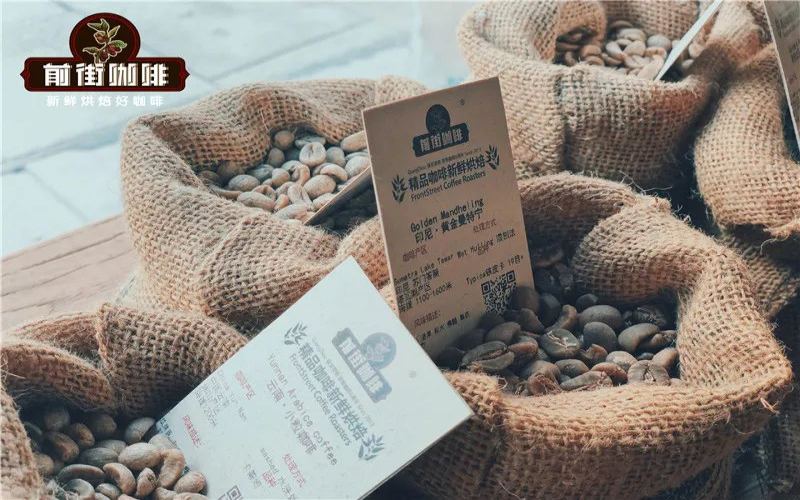
Black Coffee Brand Rankings | Which light, medium, and dark roast coffee beans are beginner-friendly and suitable for pour-over? Introduction to the flavor and taste characteristics of the top ten best single-origin beans
Many friends have私信'd Front Street, asking us to introduce some representative good coffee beans. Front Street thought about it, and the most representative coffees are the more distinctive coffee beans from major producing regions. To that end, Front Street has recommended 10 coffee beans from different producing countries for everyone. 1. Front Street Jamaica Blue Mountain No. 1 Coffee Beans [more…]
Exploring the Origins of Panama's Hacienda La Esmeralda Geisha Coffee: A Full Breakdown of the Red, Green, and Blue Grading and the Plots
Geisha coffee has frequently appeared in major coffee competitions in recent years, and Panama's Hacienda La Esmeralda is undoubtedly the most renowned representative of this variety. Front Street Coffee not only offers Geisha from Hacienda La Esmeralda in Panama, but also beans from Gesha Village in Ethiopia, the birthplace of Geisha, though the latter still falls slightly short in flavor expression. This article will systematically trace the spread of Geisha coffee from the forests of Ethiopia to the world, detail the rise of Hacienda La Esmeralda, and analyze one by one the grading standards and flavor differences of the three tiers—Red Label, Green Label, and Blue Label. It will also provide in-depth introductions to the geographical characteristics of the three major Geisha growing plots: Jaramillo, Cañas Verdes, and El Velo. Finally, it will include Front Street Coffee's brewing suggestions and flavor descriptions, offering coffee enthusiasts a complete guide to Geisha knowledge. [more…]
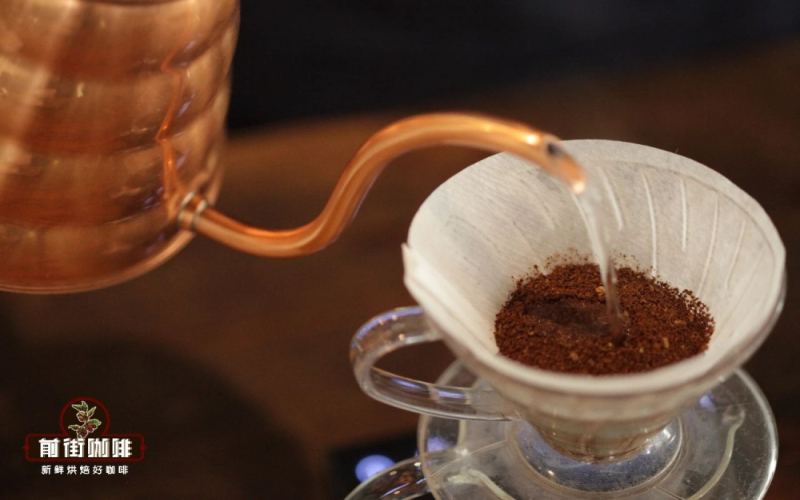
A Detailed Guide to Single-Origin Coffee Classification: A Comprehensive Analysis of Flavor Characteristics Across Major Producing Regions from Africa to the Americas and Differences in Coffee Shop Flavors
Have you ever walked into a specialty coffee shop, faced the dazzling array of single-origin coffees on the menu, and felt at a loss where to begin? Single-origin coffee refers to coffee made from beans sourced from a single origin, and it can be traced back to a specific region or even estate. This article will systematically sort through the representative single-origin coffees from major producing regions such as Africa, Central and South America, and Asia, introduce Front Street Coffee's rigorous process from roasting curve testing to cupping selection, and present the flavor descriptions of coffee beans from each region one by one, helping you find the cup that best suits your taste. [more…]
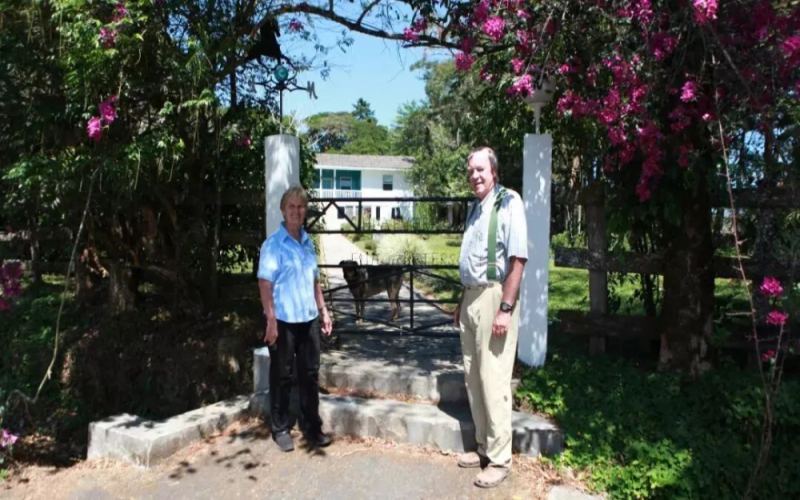
Hacienda La Esmeralda Geisha Grading Guide: What Exactly Is the Difference Between Red Label, Green Label, and Blue Label?
New-crop Geisha coffee beans are arriving one after another. Front Street Coffee recently compared the differences between Geisha Village's Gold Label, Red Label, and CHAKA. This time, we turn our attention to Panama's Hacienda La Esmeralda and discuss how its three grades—Red Label, Green Label, and Blue Label—are actually divided. Since Hacienda La Esmeralda rose to fame at the 2004 Panama Cup of Excellence, it has become a benchmark in the specialty coffee world thanks to the Geisha variety. Based on altitude, cup performance, and batch source, the estate divides its Geisha beans into auction-level Red Label, reserve-level Green Label, and select-level Blue Label. The three differ in flavor profile, processing method, and purchasing channels, and Front Street Coffee has also conducted separate pour-over comparisons for each. If you are choosing a Hacienda La Esmeralda Geisha, this summary may help you clarify your thinking. [more…]
What Exactly Do the Red, Green, and Blue Labels on Geisha Coffee Beans Mean? Flavor Differences Among Hacienda La Esmeralda Geisha Grades and a Buying Guide
Hacienda La Esmeralda is the benchmark origin for the Geisha variety, and its Geisha coffee beans are classified into three grades—Red Label, Green Label, and Blue Label—according to growing altitude and cupping performance, corresponding to auction lots, private collection lots, and select lots respectively. Red Label comes from the Jaramillo and Cañas Verdes estates at 1,600 to 1,800 meters above sea level, scores above 90 in cupping, and is sold only through the annual global auction; Green Label consists of micro-lots from the three estates and retains the classic Geisha flavor; Blue Label is a blend of beans from the three estates and is only washed processed. Front Street Coffee supplies exactly these three Geisha coffees from Hacienda La Esmeralda, where the juiciness of jasmine, melon, honey, and berries interweaves, showing a balanced yet subtle evolution from warm to slightly cool. This article will explain in detail the grading criteria, origin sources, and flavor characteristics of each grade to help coffee lovers make a choice based on their personal taste. [more…]
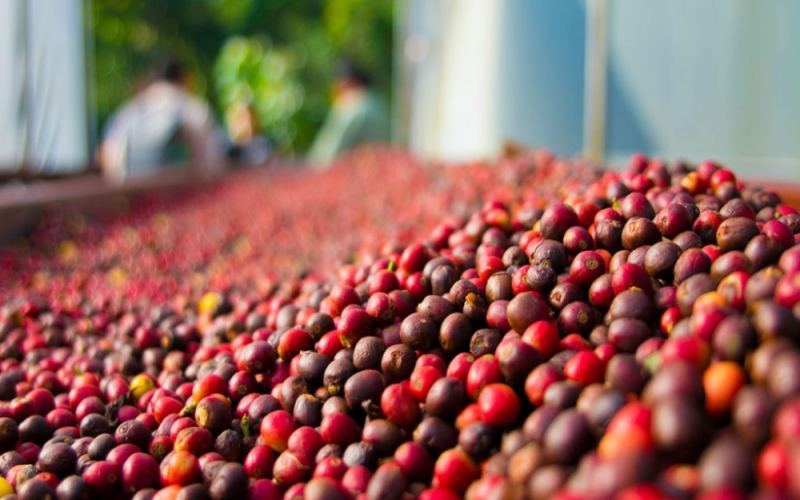
An Analysis of the Differences Between Panama's Hacienda La Esmeralda and Ethiopia's Gesha Village Red Label: A Complete Overview of the Auction, Gold Label, and Green Label Grading System
Geisha coffee beans rose to fame after Hacienda La Esmeralda in Panama won the BOP competition in 2004, and today Ethiopia's Gesha Village has also become a focus of the specialty coffee world. Although both estates are renowned for the Geisha variety, their grading systems differ greatly. Hacienda La Esmeralda divides Geisha into three grades: Auction, Red Label, and Green Label, while Gesha Village offers Auction, Gold Label, Red Label, Green Label, and Chaka batches. This article will systematically organize the Geisha grading standards of these two major estates, provide an in-depth analysis of the meaning and differences of Red Label Geisha, and introduce related product information recommended by Front Street Coffee, helping coffee enthusiasts fully understand the grading system and flavor characteristics of Geisha coffee. [more…]
Panama Hacienda La Esmeralda vs. Ethiopia Gesha Village Auction Lot Differences Explained: The Complete Guide to Red, Gold, and Green Label Grading
Auction coffee beans have always been a hot topic in the specialty coffee world, especially the two top Geisha-producing origins—Panama's Hacienda La Esmeralda and Ethiopia's Gesha Village. Their grading systems—auction, red label, gold label, green label—often confuse enthusiasts. From the perspective of Front Street Coffee, this article traces the propagation history and growing requirements of the Geisha variety, breaks down in detail the logic behind Hacienda La Esmeralda's auction, red label, green label, and blue label classifications, and compares them with Gesha Village's auction, gold label, red label, green label, and Chaka lot, helping readers understand how different grades of Geisha differ in traceability information, cupping scores, variety composition, and flavor profiles. [more…]
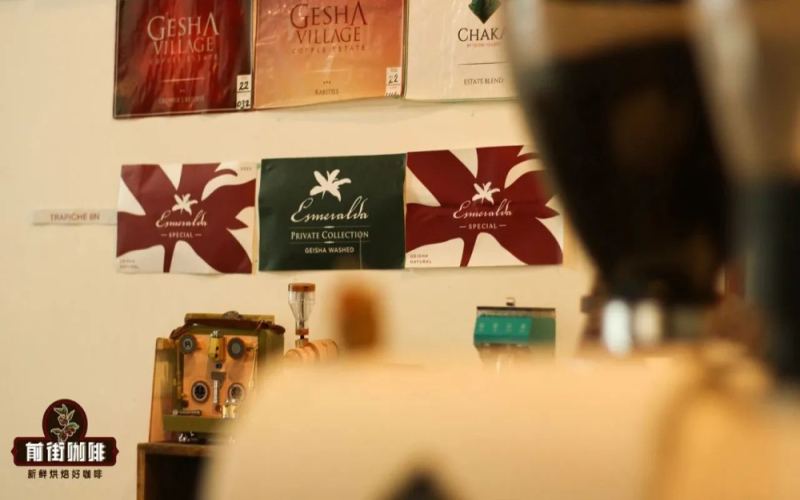
Analysis of Panama Geisha Coffee Flavor Characteristics and Key Brewing Points: A Complete Breakdown of Hacienda La Esmeralda's Red, Green, and Blue Label Differences
Geisha coffee beans are world-renowned for their intense floral aroma, citrus and berry notes, and delicate acidity, and Hacienda La Esmeralda in Panama is the key force that propelled them to the pinnacle. From the perspective of Front Street Coffee, this article systematically traces the journey of Geisha from the forests of Ethiopia to Boquete, Panama, explains in detail the microclimatic conditions of Hacienda La Esmeralda's three farms—Jaramillo, Cañas Verdes, and El Velo—and provides a step-by-step explanation of the grading, flavor profiles, and brewing strategies for the Red Label, Green Label, and Blue Label lots. It also includes Front Street Coffee's roasting curve records for the Red Label and Green Label, as well as V60 three-pour brewing parameters for light-roasted Geisha, helping coffee enthusiasts gain a more complete understanding of this bean's character and extraction logic. [more…]
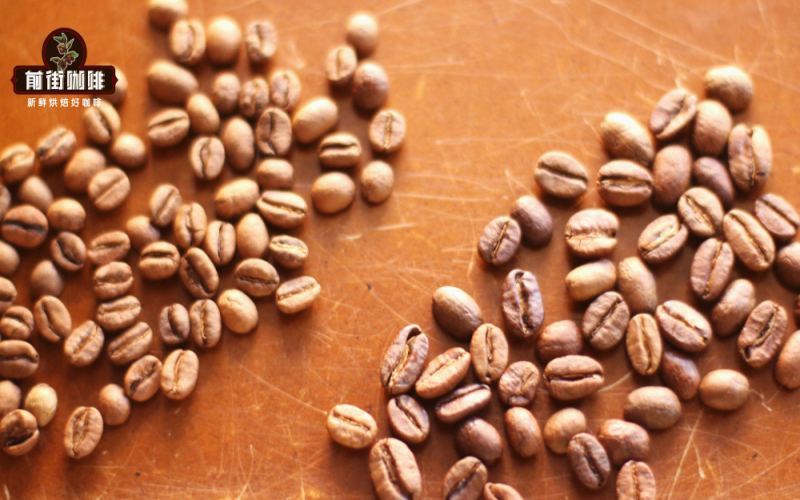
Are Huakui and Geisha actually the same kind of coffee? Does Huakui 8.0 count as a top-tier Geisha?
Are Huakui and Geisha actually the same thing? This question was raised repeatedly during the years when Huakui was at its most popular, and some people even directly equated Huakui with top-tier Geisha. In fact, the two are completely different from variety to origin. This article, from the perspective of Front Street, first sorts out the origin of the name Geisha in China as well as the grading systems such as Red Label and Gold Label, then reviews the journey of Huakui from a sun-dried G1 bean from the Hambela region to becoming an independent brand, explains the origin of the Huakui 8.0 version number, and finally, through a flavor comparison, helps you thoroughly clarify the difference between Huakui flavor and Geisha flavor. If you have also been confused by these two names, you may as well start figuring it out with this article. [more…]
A Detailed Guide to Hacienda La Esmeralda's Gold Label: Brewing, Flavor, and Taste Characteristics of Gold Label and Red Label Geisha Coffee Beans
Geisha coffee beans have taken the world by storm with their refined and elegant floral aromas and fruity acidity. Panama's Hacienda La Esmeralda and Ethiopia's Gesha Village Estate represent the benchmarks of Geisha in Central America and Africa respectively. Gesha Village Estate enforces strict internal grading, with Auction, Gold, Red, Green, and Chaka lots each having their own characteristics. Among them, the Gold lot is named "Rarities," accounting for only 10% of annual production, using the Geisha 1931 variety, with flavor complexity and intensity both of the highest caliber. The Red lot offers outstanding value for money, the Green lot provides single-plot traceability information, and the Chaka lot blends all three varieties from the entire estate. Front Street Coffee recommends that customers trying Geisha for the first time start with Esmeralda Red or Green, while Gesha Village Red is the choice for high value for money. This article will provide a detailed analysis of each grade's classification standards, variety origins, and brewing flavor performance. [more…]
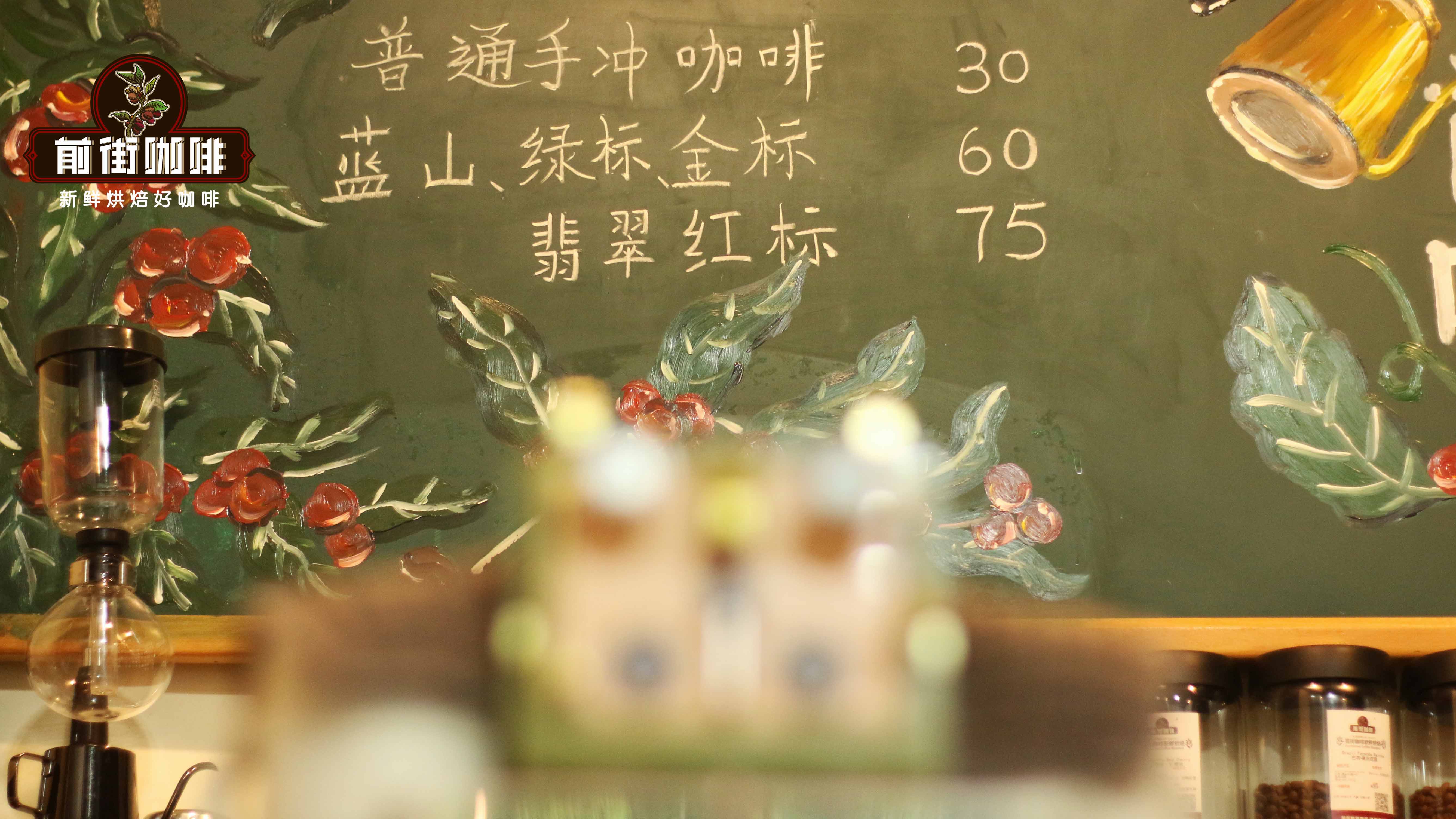
A Complete Guide to Panama Hacienda La Esmeralda's Grading System: Flavor Profiles and Brewing Guide for Red, Green, and Blue Label Geisha Coffee Beans
Panama's Hacienda La Esmeralda is the discoverer and promoter of the Geisha flavor, and its grading system classifies Geisha coffee beans into different grades such as Red Label, Green Label, and Blue Label, becoming a quality benchmark in the specialty coffee world. Front Street Coffee's most expensive bean comes from here. This article will guide you through Hacienda La Esmeralda's geographical and climatic advantages, the layout of its four major farms, the logic behind its grading system, and the specific differences between Red Label, Green Label, and Blue Label Geisha in terms of cupping flavor and brewing performance. It will also introduce the Geisha characteristics of well-known Panamanian estates such as Janson and Hartmann, providing coffee enthusiasts with a complete reference for purchasing and tasting. [more…]
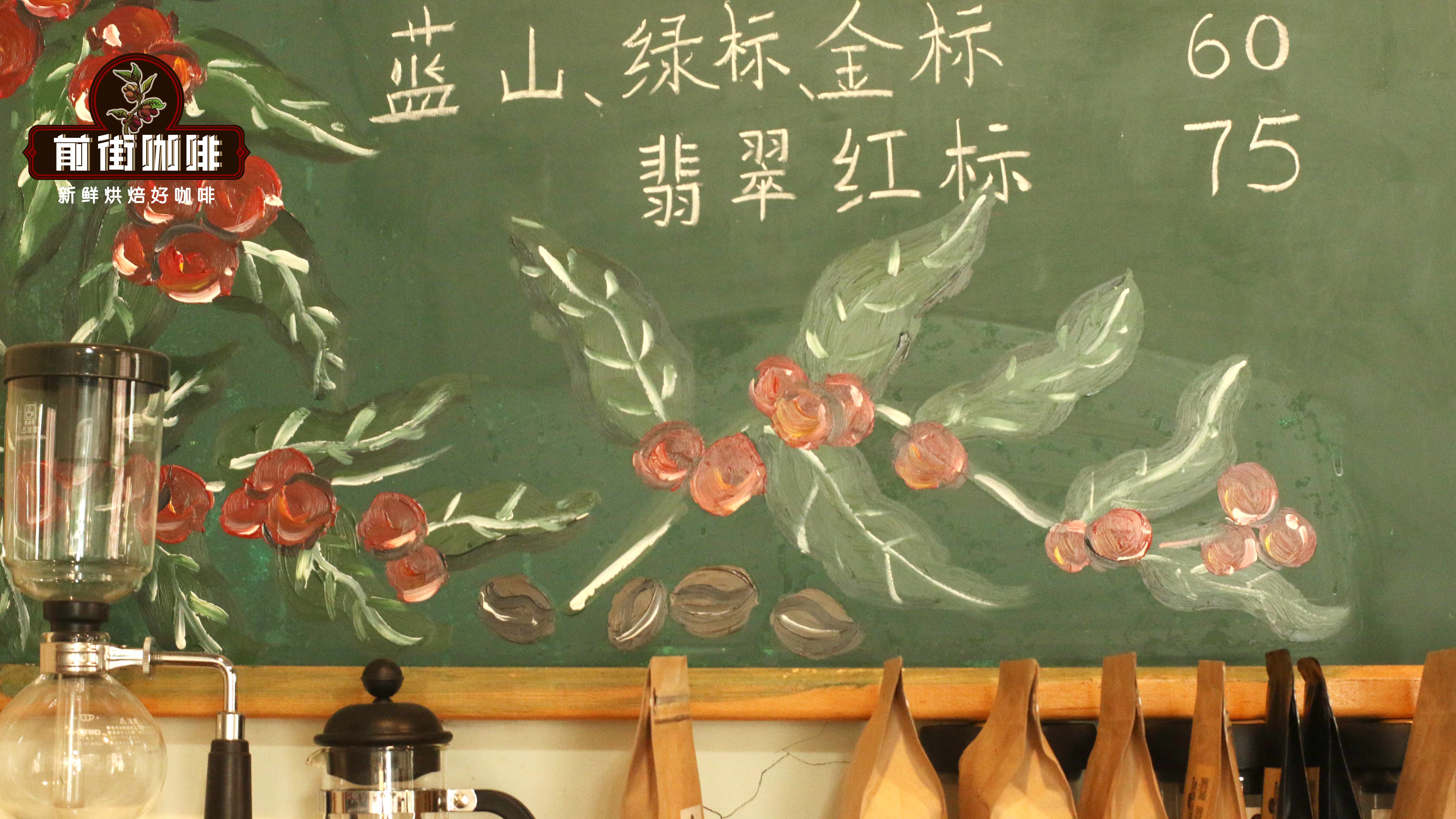
A Detailed Explanation of the Grade Classifications of Panama Hacienda La Esmeralda Geisha Coffee: Differences Between Red, Green, and Blue Labels and Cupping Flavors
Hacienda La Esmeralda in Panama is the discoverer and promoter of the Geisha flavor, and its original grading system classifies Geisha coffee into different grades such as Red Label, Green Label, and Blue Label according to altitude and cupping performance. From the perspective of Front Street Coffee, this article systematically reviews the four major brand systems of Hacienda La Esmeralda, explains in detail the origin, altitude, processing method, and flavor differences of Red Label (Esmeralda Special), Green Label (Private Collection), and Blue Label (Geisha 1500), and also introduces the climatic advantages of Panamanian coffee, the characteristics of Janson Estate and Hartmann Estate, as well as Front Street's roasting approach, brewing parameters, and cupping performance for three Geisha coffees, providing coffee enthusiasts with a complete guide to Geisha grades. [more…]