







Search Results for: Sun-Dried Honey Processing
Honey Process vs Natural Process Coffee Sweetness Comparison: Processing Differences, Countries of Origin, and Flavor Buying Guide
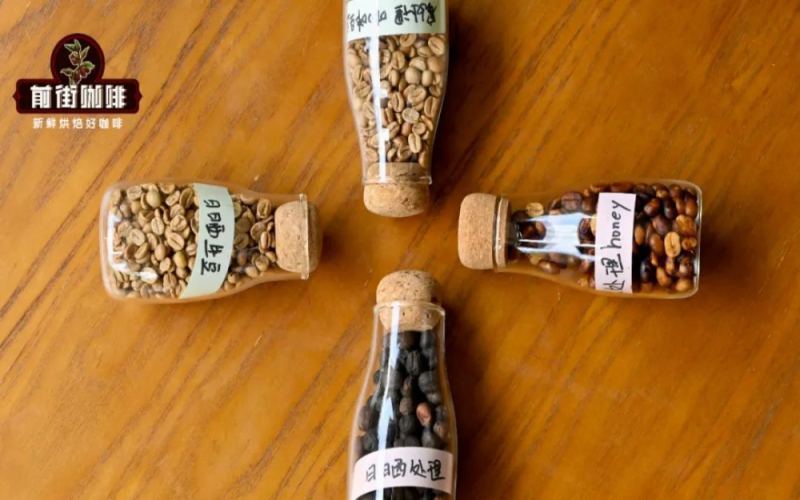
Natural and honey processing are often labeled as "sweet," but the two actually emphasize different aspects in terms of flavor expression and the source of sweetness. Starting from the processing method, this article sorts out the differences between the fruity fermented aroma of natural coffee and the full-bodied sweetness of honey processing, traces the rise of honey processing in Costa Rica, and analyzes the classification logic behind black honey, red honey, yellow honey, and others. At the same time, the article will answer the common question of "which is sweeter, honey processing or natural processing," explain how variety, altitude, ripeness, and processing method jointly affect coffee sweetness, and provide specific bean recommendations from the Front Street brand for friends who prefer different flavor profiles. [more…]
Coffee Processing Methods | What is the difference between semi-washed, natural, washed, and honey processing? What flavor and mouthfeel characteristics do different processing methods give coffee?
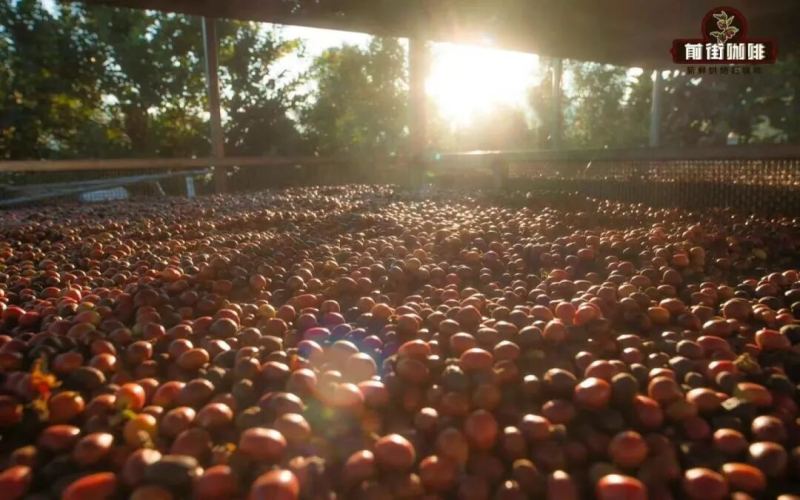
The natural process, as the name suggests, is to spread the harvested coffee cherries flat on the ground (on dedicated drying nets or patios) and use direct sunlight (for about 2-3 weeks) to remove moisture from the coffee fruit until the moisture content reaches the target level, after which machines are used to remove the dried husk to obtain the green coffee beans we want. Natural process [more…]
Sun-Dried vs. Honey-Processed Coffee: A Full Breakdown of Processing Methods, Flavor Differences, and Sweetness Impact
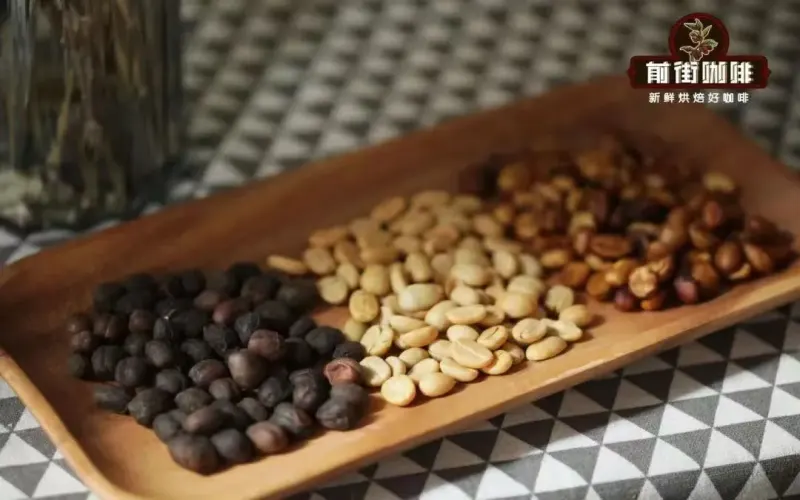
Sun-dried and honey processing are two common yet distinctly characteristic methods in coffee post-processing. The sun-dried method has the longest history and relies on ample sunlight for its operation; the whole fruit participates in fermentation, and the drying period can last more than three weeks, resulting in a more intense flavor with richer layers. Honey processing, on the other hand, originated in Costa Rica; after removing the skin and pulp, varying proportions of mucilage are retained for drying, which not only shortens the time but also develops ripe fruit notes and solid acidity. This article compares the differences between the two, from processing steps and the amount of fermented substances to drying duration and the subdivisions of white, yellow, red, and black honey, and explores exactly what factors determine coffee sweetness, while also recommending representative sun-dried and honey-processed coffees from Front Street Coffee's bean list. [more…]

What are coffee green bean processing methods? What are the operational procedures for the natural, washed, and honey processing methods? What are the differences, characteristics, and flavor profiles of natural, washed, and honey processed coffee?
Coffee green beans are not simply picked from the tree and then roasted and brewed right away; achieving good flavor requires many steps. People often assume that coffee flavor depends on variety, growing environment, and cultivation methods, but what they don't realize is that there is an important stage between growing and roasting called "coffee bean processing." [more…]
Ethiopia Natural Yirgacheffe G1 Red Cherry: A Fruity Coffee Bean Roasted by the Shepherd
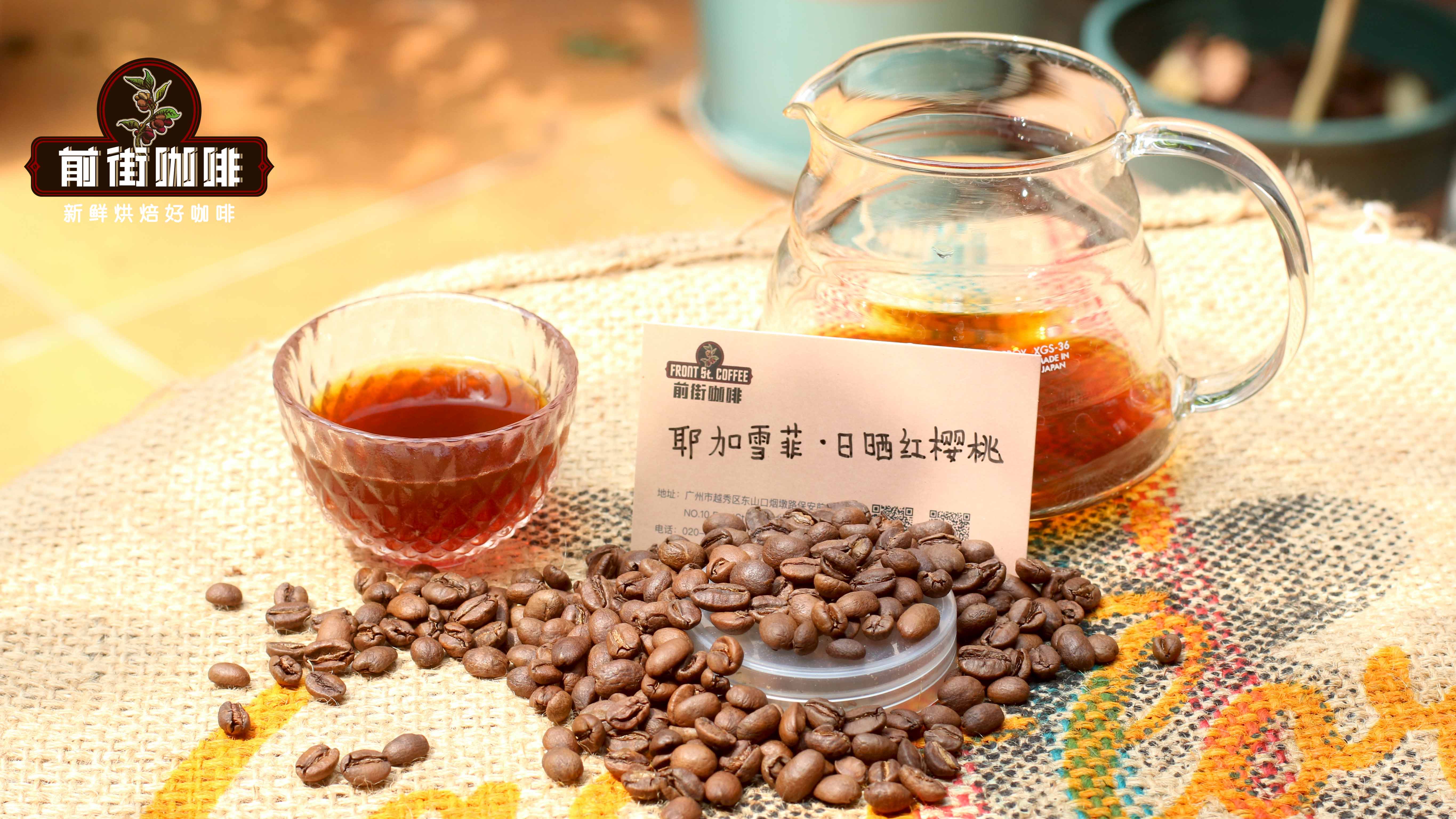
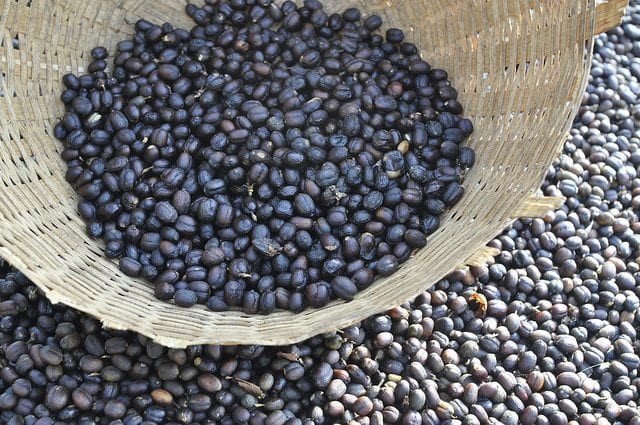
The sun-dried Yirgacheffe G1 Red Cherry from the Kochere region of Ethiopia is a specialty bean that pushes coffee fruit notes to the extreme. This coffee, roasted to order by Front Street Coffee, uses the oldest sun-drying method, allowing the fruit to dry naturally for about four weeks, fully preserving the rich flavors of peach, honey, citrus, and sucrose. The volcanic red soil at an altitude of 1,800 to 2,000 meters nurtures the unique character of the Heirloom variety, while the medium-light roast allows both its dry and wet aromas to reveal clean, delicate layers of floral and fruity notes. Whether you are a pour-over enthusiast or prefer cold brew, espresso, or drip, this G1 sun-dried Yirgacheffe delivers a coffee experience that overturns expectations. [more…]
Sun-Dried Yirgacheffe | What are the pros and cons of the sun-dried processing method for Yirgacheffe coffee beans? What are the flavor characteristics of Ethiopian sun-dried coffee?
For more specialty coffee knowledge, please follow our WeChat official account: FrontStreet Coffee. Sun-dried processed coffee beans are naturally dried inside the fruit pulp, so the weather conditions affect the quality of the coffee beans. Front Street uses sun-dried coffee beans and two other traditional processing [more…]

Indonesian West Java Arumanis Coffee Beans: S795 Variety, Natural Honey Processing, and Tropical Fruit Flavor Analysis
Indonesian coffee has long been known for the rich, herbal, spicy flavor of Mandheling, but this West Java Amani coffee bean offered by Front Street Coffee breaks that stereotype. It comes from the Teguram Mountain region of West Java at an altitude of 1,400 to 1,600 meters, is of the S795 Jember variety, and is processed using the sun-dried honey method, presenting a soft tropical fruit acidity and complex sweetness. As a devoted lover of Indonesian coffee, Front Street Coffee, in addition to five Sumatran Mandhelings, specially introduced this bean with a completely different flavor profile. This article will comprehensively analyze its producing region background, variety origins, processing method, roasting curve, cupping performance, and brewing parameters, to introduce you to this Indonesian specialty coffee with prominent sweetness and a red wine character. [more…]
Costa Rica Central Valley Black Pearl Coffee Beans: Traceability, Flavor Analysis, and Brewing & Roasting Parameter Guide
Costa Rica is famous for its honey processing, but Front Street Coffee also brings sun-dried Central Valley Black Pearl and Red Pearl, showcasing fermented aromas, caramel, and fruity notes. This article starts with the history of Costa Rican coffee and its eight major producing regions, then details the Central Valley terroir, the characteristics of the Caturra and Catuai varieties, and the altitude grading system. It also takes an in-depth look at Las Lajas Estate and Sonora Estate, analyzing their special sun-dried and sun-dried processing flows. At the same time, it shares Front Street's brewing ideas for Black Pearl and Red Pearl as well as the Red Pearl roasting curve, providing a complete reference for coffee enthusiasts. [more…]
Flavor Analysis of Indonesian West Java Lamaní Coffee Beans: Honey-Processed S795 Variety Pour-Over Performance
Indonesian coffee has long been known for the rich, herbal flavors of Sumatra Mandheling, but the Mount Tilu growing region in West Java presents a completely different character. This West Java Amani coffee bean offered by Front Street Coffee is of the S795 Jember variety, sun-dried honey processed, and grown at an altitude of 1,400 to 1,600 meters. It lacks the spice and herbal notes of traditional Indonesian coffee, replaced instead by a soft tropical fruit sweetness and acidity, with a mango and jackfruit-like sweetness interwoven with a subtle red wine nuance. This article will present the unique personality of this bean in full, from Front Street Coffee's green bean information, growing region terroir, variety origins, processing method, and roasting curve to cupping and brewing parameters. [more…]
Sun-Dried, Washed, Semi-Washed, and Honey Processing: A Full Analysis of the Flavor Differences Among Four Pour-Over Coffee Processing Methods
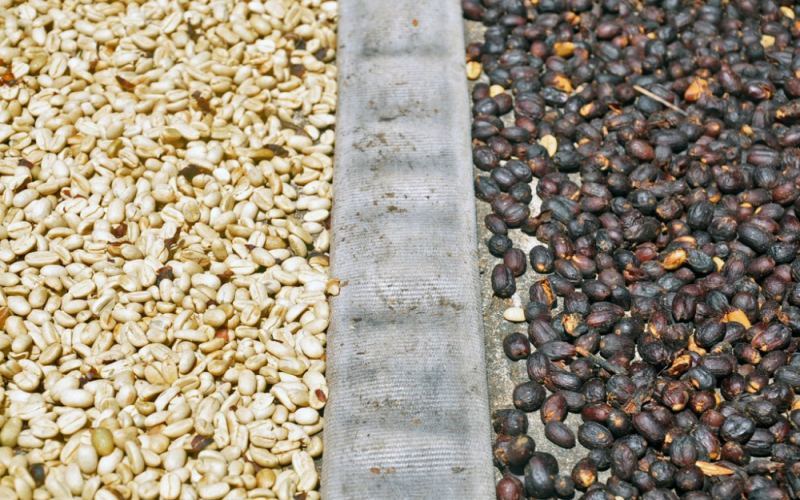
From the branch to the cup, coffee cherries must undergo a series of processing steps, and the different processing methods directly determine the flavor profile of the final coffee beans. The four traditional processing methods—natural, washed, semi-washed, and honey—each exhibit distinctly different characteristics in terms of cost, acidity, sweetness, body, and cleanliness. Starting from the structure of the coffee cherry, this article will break down the complete process, advantages, and disadvantages of each processing method one by one, and pair them with specific bean recommendations from the Front Street Coffee brand, helping coffee enthusiasts build a clear framework for understanding flavor and find the one that best suits their taste in everyday pour-over choices. [more…]
Analysis of Indonesia's Wet-Hulling Method: Comparing Peeled Sun-Dried and Honey Processing Techniques and Flavors
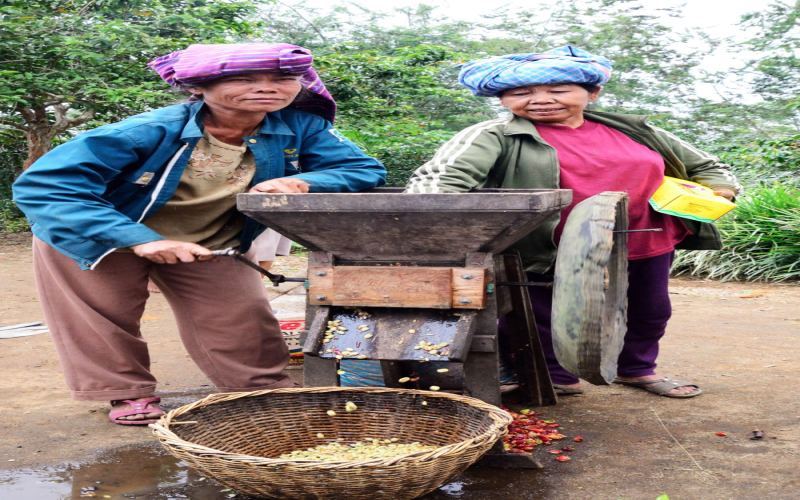
The green coffee bean processing method has a decisive influence on the final flavor. In addition to variety and origin, the processing method is also a key link in shaping coffee's personality. Currently, the mainstream methods include natural, washed, and the in-between semi-washed (wet-hulled), Brazilian pulped natural, and honey processing, among others. This article will provide a detailed explanation of three processes: Indonesian wet-hulled, pulped natural, and honey processing, covering their respective operational steps, flavor characteristics, roasting recommendations, and brewing parameters, and will combine bean examples from Front Street Coffee for cupping comparisons, helping readers systematically understand the taste differences brought by different processing methods. [more…]

Starting from Front Street COE22 Sun-Dried Typica: Master the Four Key Techniques for Pour-Over Flavor Expression
After Front Street Coffee launched its COE22 coffee beans, many enthusiasts reported a gap between the flavors they brewed at home and those in the shop. This article takes the Ethiopian Sidamo Arsi region sun-dried Typica that Front Street Coffee obtained at auction as an example, and systematically sorts out the complete logical chain of pour-over coffee, from understanding the flavor of the producing region, variety characteristics, and processing method to roasting curve setting and cupping verification. The article focuses on breaking down the four major variables of grind size, water temperature, dripper selection, powder-to-water ratio, and pouring technique, and uses the V60 three-pour extraction to provide reproducible brewing parameters, helping readers understand how to let a sun-dried bean rich in acidity display a smooth layering of strawberry, lychee, honey, and cream. [more…]

What types of sun-dried processing methods are there for coffee beans? A full analysis of the differences between natural and semi-natural processing techniques.
The impact of coffee processing methods on green bean flavor is akin to the influence of winemaking techniques on wine; different processing methods can bring out completely distinct characteristics. This article will systematically outline the origins, procedures, and flavor traits of the natural process, and compare the similarities and differences among mainstream methods such as the washed process, semi-washed process, and honey process, helping enthusiasts understand the logic behind each processing method and its expression in the cup. The article also combines several representative beans from Front Street Coffee to provide specific purchasing references. [more…]

2025 Imported Roasted Coffee Bean Price Overview: How Much Per Catty for Front Street Coffee's New-Crop Single-Origin Beans?
The 2025 new-crop bean list from Front Street Coffee has been officially released. Every year, the bean-sourcing team tests over 300 sample lots, and in the end only about 50 make it onto the shelves—a clear sign of just how strict the selection criteria are. This article compiles the latest prices for the entire lineup of imported roasted coffee beans currently on sale this season at Front Street, covering classic representative beans from major producing regions such as Ethiopia, Kenya, Papua New Guinea, Indonesia, Jamaica, Hawaii, Panama, Costa Rica, and Colombia. From COE auction-winning beans to everyday washed Yirgacheffe, from Blue Mountain No. 1 to Hacienda La Esmeralda Geisha, each one is labeled with its origin, processing method, and flavor description, making it easy for coffee lovers to choose according to their needs. [more…]
Exploring Ethiopia's Huakui: The Flavor Code of Black Honey Processing and Yirgacheffe Sidamo
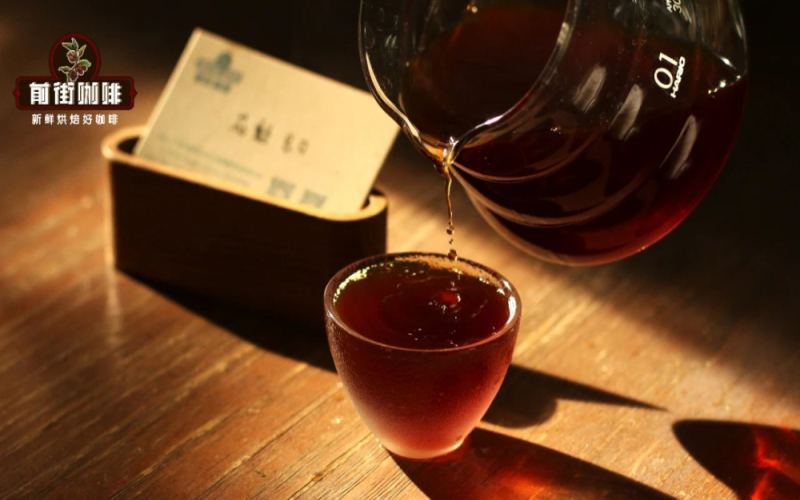
In the world of coffee, Geisha has captured countless palates with its bold passionfruit, peach, and berry notes, yet the legendary origins of this bean are even more intriguing than the flavors themselves. True Geisha comes exclusively from the sun-dried lots of the Buku Abel estate in the Hambella region, where high altitude, meticulous selection of ripe red cherries, and an 18-day African bed sun-drying process together shape its layered yet rounded texture. This article will break down the flavor code of this bean in full, from the terroir of its origin and processing details to the specific parameters of Front Street Coffee's Geisha Black Honey, and will include practical suggestions for pour-over and cold brew, taking you to understand from the source just how hard-won a good cup of coffee is. [more…]
A Detailed Guide to Single-Origin Coffee Classification: A Comprehensive Analysis of Flavor Characteristics Across Major Producing Regions from Africa to the Americas and Differences in Coffee Shop Flavors
Have you ever walked into a specialty coffee shop, faced the dazzling array of single-origin coffees on the menu, and felt at a loss where to begin? Single-origin coffee refers to coffee made from beans sourced from a single origin, and it can be traced back to a specific region or even estate. This article will systematically sort through the representative single-origin coffees from major producing regions such as Africa, Central and South America, and Asia, introduce Front Street Coffee's rigorous process from roasting curve testing to cupping selection, and present the flavor descriptions of coffee beans from each region one by one, helping you find the cup that best suits your taste. [more…]

Fruity SOE Beans | Are Yirgacheffe Light Roast Beans Better for Pour-Over or Espresso? How Should Beginners Choose Ethiopian Coffee Beans?
As a super popular single-origin coffee, Yirgacheffe comes in many varieties, so buying blindly can easily lead to disappointment. If you're a beginner, you can actually choose the right coffee beans based on your brewing method combined with the roast level. Generally speaking, brewing methods can be divided into two main categories: one represented by pour-over, [more…]
A Complete Analysis of the Origin Flavor Characteristics of Yirgacheffe Coffee Beans: From Grading and Processing to Roasting Performance
Yirgacheffe is a representative region for Ethiopian specialty coffee, renowned worldwide for its bright floral and fruity acidity and its elegant, tea-like clarity. This article will systematically outline the complete picture of Yirgacheffe coffee beans, from production area divisions, variety characteristics, and processing method differences to the grading system and roasting performance. It also covers the unique styles of surrounding production areas such as Kochere and Misty Valley, as well as the product characteristics of Front Street Coffee's Yirgacheffe, helping coffee enthusiasts fully understand the flavor evolution of this "Queen of Coffee" from green bean to cup. [more…]
How to brew Ethiopian Sidamo Huakui coffee? Floral aroma and flavor analysis of the new-crop sun-dried Huakui
From a small lot in Ethiopia's Guji region to a TOH cupping champion, and then to a legend that defeated Geisha, how did Huakui coffee earn its place in memory? In this article, Front Street Coffee takes you through Huakui's origins and rise to fame, clarifies the story behind the X.0 series, and explains that only the natural-process beans from the Buku Abel processing station can be called Huakui. We will also share the green bean characteristics and pour-over recipe for Front Street Huakui 8.0: V60 dripper, 90-91°C water temperature, 15g coffee, 1:15 coffee-to-water ratio, medium-fine grind, three-stage extraction. Finally, we present the complete flavor profile of floral notes, berries, citrus, plum, mango, honey, and a black tea finish. [more…]
Why Is Washed Coffee More Acidic? How to Brew It to Bring Out More Sweetness? A Detailed Guide to the Classification of Washed and Natural Processing Methods
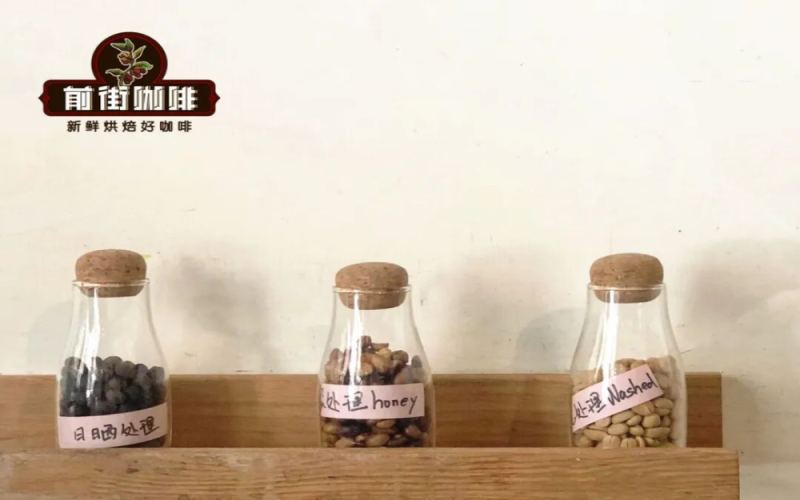
Washed coffee is often labeled as "more acidic"—but which parts of the processing method are actually behind this? From the Dutch popularizing washed techniques in the eighteenth century to today, when nearly seventy percent of the beans at Front Street stores are sun-dried or washed, the choice of processing method profoundly shapes the flavor direction of coffee. This article will start with the historical development and processing steps, as well as differences in silver skin residue, and, using a comparison between Front Street Gutingting and Red Cherry, explain the specific differences between washed and sun-dried coffee in acidity, sweetness, and body. Finally, using Front Street Washed Alo as an example, it will fully demonstrate a four-pour brewing method to help you recreate a clear, sweet flavor like floral and fruity tea at home. [more…]