







Search Results for: Steamed Milk Frothing

Specialty Coffee Knowledge: A Complete Guide to Latte Milk Frothing Principles, Integration Assessment, and Optimal Temperature
The key to an ideal latte lies not only in the quality of the espresso, but also in the fineness of the steamed milk and temperature control. Front Street Coffee will start from the basic principles of milk frothing to answer common questions such as why the milk foam does not blend and why it floats on the surface during latte art, and will also take an in-depth look at how steam pressure and foam fineness affect blending. At the same time, through experimental comparisons at different temperatures, we reveal why the 50 to 70°C range is the golden zone for long-lasting, stable milk foam, helping you master the core techniques for steaming perfect milk foam. [more…]

The Essential Guide to Milk Frothing for Specialty Coffee: Milk Foaming Principles, Assessing Integration, and Optimal Temperature Explained
Milk foam is the soul of a latte and a cappuccino. In a proper latte, the milk foam should be thin and fine-textured, with a glossy surface, and go down smoothly. Drawing on Front Street Coffee's hands-on experience, this article systematically sorts out the basic principles of milk steaming, answers the most common questions when steaming milk—why the foam doesn't incorporate, and why the foam floats on the surface during latte art—and gives criteria for judging the degree of incorporation. At the same time, through comparison experiments at different temperatures, the article explains what temperature is most suitable for heating milk and why the foam rapidly collapses after exceeding 70°C. Whether you are a complete beginner or an enthusiast hoping to refine your latte art skills, you will find practical reference here. [more…]
Easily Make Cappuccino at Home: A Complete Guide to Espresso and Milk Frothing Techniques
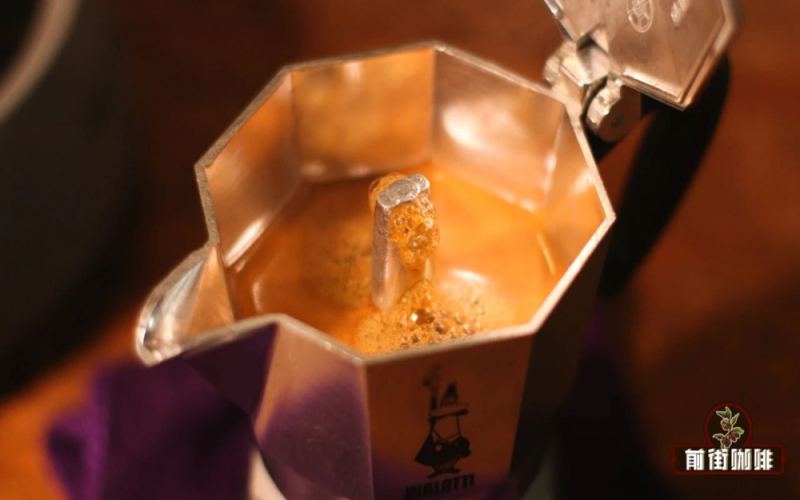
Cappuccino, with its rich coffee aroma and dense milk foam, has always been a popular choice in coffee shops. But have you ever thought about recreating an authentic cappuccino at home without a professional espresso machine? This article will start with the flavor characteristics of cappuccino, breaking it down into two parts: espresso and steamed milk. It will introduce extraction methods such as the moka pot and pour-over, as well as frothing techniques using an electric milk frother, milk frothing pitcher, and French press. Front Street Coffee will also share a sunflower warm sun blend bean suitable for pairing with milk, along with specific coffee-to-water ratios, water temperatures, and operating steps to help you easily make a cappuccino at home with the right temperature and full-bodied taste. [more…]
Why Does Milk Frothing Always Go Wrong? A Full Guide to Analyzing Five Common Misconceptions and Practical Tips
Steaming milk is a fundamental skill every barista must master, but many people run into problems during the process, such as milk foam not incorporating, separating into layers, or dissipating quickly. Drawing on the hands-on experience of Front Street Coffee, this article systematically explains the principles of milk foaming, the key factors affecting incorporation, how milk foam performs at different temperatures, and the differences between steaming milk and frothing it by hand. It also compiles the five most common mistakes made when steaming milk, along with detailed steps for a tulip latte art pour, to help you comprehensively improve your milk foam quality and latte art skills. [more…]
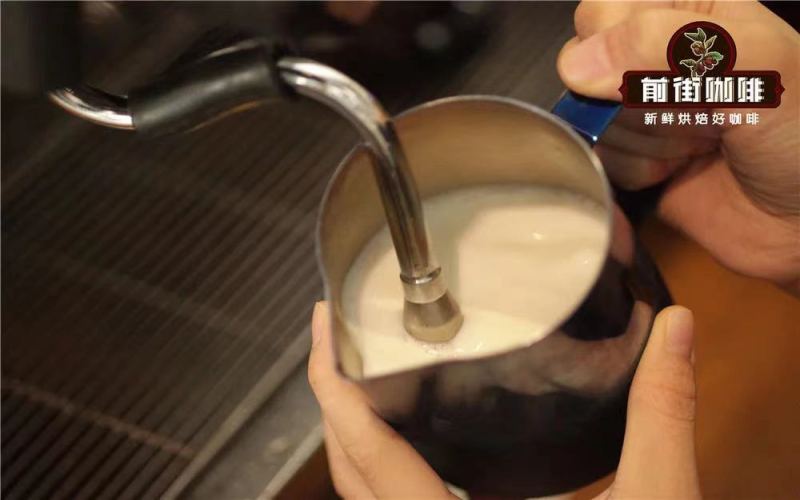
Milk Frothing Tutorial for Beginners | Why Does Milk Foam? How to Froth Milk for a Latte? What Are the Steps and Techniques for Latte Art Pouring and Integration?
At FrontStreet Coffee, steaming milk can be said to be a basic and core skill for every barista. Whether one can steam perfect milk is one of the factors used to judge whether a barista's level is up to standard. For example, the milk foam in a latte is on the thinner side, making it smooth and delicate to drink. The [more…]

A Complete Guide to Making a Hot Latte: Espresso Extraction, Milk Frothing Techniques, and Latte Art Basics
Latte is one of the most popular milk coffees in the espresso system, using espresso as its base and incorporating a large amount of steamed milk to create a smooth mouthfeel with coffee flavor. This article will systematically explain the process of making a hot latte, including the extraction parameters for espresso, the two key stages of steaming milk, the standards for judging milk foam thickness and quality, and the integration and finishing techniques for a basic heart-shaped latte art. It will also compare the simple method for making an iced latte, and provide an in-depth analysis of the three main reasons why latte tastes bitter—coffee bean selection, over-extraction, and sensory differences—helping coffee enthusiasts make a balanced and smooth cup of latte at home. [more…]

Which type of milk produces more long-lasting foam? A full guide to the milk-frothing process, techniques, and practical key points for beginners
When beginners practice latte art, milk foam is often difficult to froth or dissipates quickly. In fact, the choice of milk and the frothing technique both directly affect foam quality. Front Street Coffee, drawing on practical experience, has sorted out the differences between shelf-stable and chilled milk, and between whole and skim milk, and explains in detail the temperature control, operational details, and common issues of steaming milk foam. The article also analyzes how the ratio of milk to foam, personal skill, and standing time affect foam durability, helping coffee enthusiasts systematically master the key points for producing fine, dense milk foam. [more…]

Analysis of Latte Milk Foam Collapse, Separation, and Breakdown: A Complete Guide to Frothing Techniques and Coffee Oil Stability
The milk foam on the surface of a latte sometimes sinks and collapses, sometimes becomes stiff and separates into layers, and sometimes visibly breaks down within just two minutes, with even faint popping sounds of bubbles bursting audible. Behind these phenomena lie multiple factors, including the thickness of the steamed milk foam, the stability of the espresso crema, the extraction state, and even the cleanliness of the cup. Front Street will analyze one by one the causes of common problems such as sunken foam, severe layering, surface collapse, and large bubbles forming on the cup wall, helping you understand the supporting relationship between milk foam and crema, so that you can make a latte with delicate, silky foam and long-lasting latte art. [more…]

Latte Coffee Making Tutorial: A Detailed Guide from Coffee Bean Selection to Milk Frothing and Milk Ratio
Latte is the coffee drink most familiar to many people in their daily lives, but making a delicious latte requires attention to every step—from choosing the roast level of the coffee beans, to the extraction parameters of the espresso, to the techniques of steaming milk and pouring latte art. This article, drawing on the practices of Front Street Coffee, explains in detail the historical origins of latte, the types of coffee beans suitable for making lattes, the golden ratio of espresso to milk, and the staged method of steaming milk foam. It also introduces the flavor performance of Front Street Coffee's Sunflower Warm Sun blend in a latte, helping coffee enthusiasts, on the basis of understanding the principles, gradually master the key points for making a smooth and rich latte. [more…]
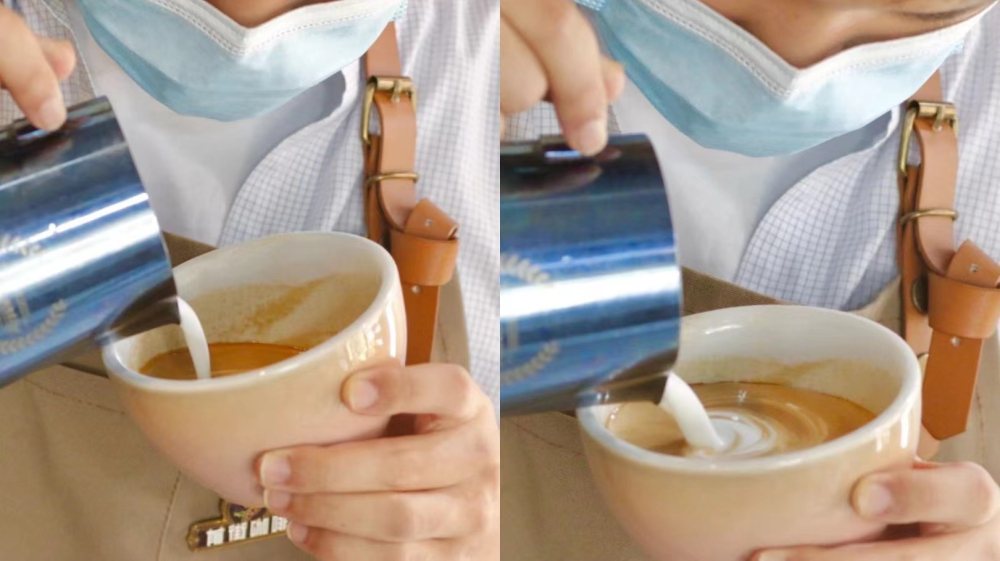
Australian White Milk Coffee Ratio | What Are the Characteristics of Flat White's Milk Foam? How Do Coffee Beginners Froth Milk? How Can Beginners Make a Standard Australian White?
Everyone knows that making espresso milk coffee requires espresso and milk, and there are many types of milk coffee, such as latte, mocha, cappuccino, etc., which use different ratios of espresso and milk. So in this article, Front Street Coffee wants to give everyone [more…]
How to Make a Delicious Latte? A Detailed Guide to Espresso Blend Bean Selection and Espresso-to-Milk Ratios
Latte is one of the most frequently ordered espresso drinks in coffee shops, but a delicious latte requires attention to every step, from choosing coffee beans to steaming milk. This article begins with the history of latte, explains the roasting direction for coffee beans suitable for making lattes, introduces the flavor characteristics of Front Street Classic Blend, Dark Cocoa Base Blend, and several SOE single-origin beans, and breaks down in detail Front Street's 1:6.5 ratio of espresso to milk, the extraction recipe of 20g dose, 27 seconds, and 40g espresso yield, as well as the key points of milk frothing capacity, angle, stages, and temperature control, helping you recreate a smooth latte with lasting chocolate and caramel flavors at home. [more…]

The Complete Guide to Milk Frothing with a French Press: A Full Tutorial from Hot Cappuccino to Iced Cappuccino
The French press is not just a great tool for brewing coffee and extracting tea—it can also easily create thick, creamy milk foam, making it a wonderful helper for making cappuccinos and lattes at home. In this article, Front Street Coffee will walk you through the origins of the cappuccino's name, the difference between dry and wet milk foam, and how to make a classic hot cappuccino using espresso, hot milk, and milk foam in the traditional proportions. In addition, we'll break down in detail the French press milk-foaming method and assembly steps for iced cappuccino, and explain why most coffee shops don't sell iced cappuccinos. At the end of the article, we've included a Front Street Coffee classic espresso blend recommendation, perfect for coffee lovers who want to recreate a professional taste at home. [more…]

Are Caramel Macchiato and Caramel Latte the Same Thing? Origin of the Meaning, Difference from Macchiato, and How to Make It at Home
Caramel Macchiato is a classic milk coffee introduced by Starbucks in the 1990s. To make it, vanilla syrup is mixed with espresso, then steamed milk is poured in, and finally caramel sauce is drizzled on top of the milk foam and a pattern is drawn. The "macchiato" in its name is actually just a shared name with the traditional Italian espresso macchiato; the two are completely different in taste, recipe, and underlying logic. This article will start with the English meaning of caramel macchiato, sort out the differences between it and caramel latte and traditional macchiato, and share the classic preparation steps commonly used in Front Street Coffee stores, including coffee bean selection, extraction parameters, milk frothing level, and techniques for using caramel sauce, to help coffee lovers recreate this richly layered sweet drink at home. [more…]

To what extent should milk foam be steamed for latte art? Analyzing the key causes of foam blurring and rapid defoaming
The quality of milk foam has a far greater impact on a latte than one might imagine—it not only determines the success or failure of latte art patterns, but also directly shapes the mouthfeel and flavor expression when the coffee is sipped. Fine, delicate milk foam brings a smooth texture and clean latte art lines, while rough, unstable foam easily leads to blurry lines, rapid deflation, and foggy patterns. From the perspective of Front Street, this article systematically sorts out the specific effects of milk foam thickness on mouthfeel, analyzes why rough foam ruins latte art results and the drinking experience, and points out several core aspects to focus on when steaming quality milk foam, helping coffee enthusiasts more accurately grasp the ideal degree of milk frothing. [more…]

A Complete Guide to Milk Frothing Pitcher Grips for Latte Art: From Proper Posture to Practical Daily Practice
When learning latte art, how to hold the pitcher is often the first confusion beginners encounter. Online tutorial videos each have their own tricks, with grip methods varying widely, easily leading people to mistakenly believe that each pattern corresponds to a dedicated posture, so that constantly switching instead leads to mastering nothing. In fact, no matter which grip, the core goal is only one: keep the pitcher steady while allowing the wrist to move flexibly. This article sorts out the suitable groups and pros and cons of two common pitcher-holding methods, and, for the common dilemma of "the posture is right but the art still won't come out," offers troubleshooting ideas from two directions—espresso quality and milk foam condition—to help coffee lovers take fewer detours in daily practice. [more…]

Detailed Guide to Latte Art Techniques: Key Points on Coffee Bean Selection, Milk Frothing, and Latte Art Integration
Latte coffee may seem simple, but it involves multiple steps such as coffee bean roast level, milk frothing, and pouring and latte art. This article traces the historical origins of the latte, analyzes the impact of coffee beans at different roast levels on latte flavor, and recommends several Front Street espresso blends suitable for making lattes. It also breaks down in detail the capacity, position, stages, and temperature control of steaming milk foam, as well as the basic process of pouring and latte art. Whether you are a beginner just starting out or an enthusiast looking to refine your flavor, you will find practical references here. [more…]
Analysis of the Standard Latte Preparation Method and Flavor Characteristics: Differences Between Cappuccino and Latte in Ratios, Cup Size, and Milk Foam
Latte and cappuccino are the two most widely known milk coffees in the Italian coffee system, but they differ clearly in ratio, cup type, milk frothing method, and final mouthfeel. A latte, with its classic ratio of 70% milk, 20% milk foam, and 10% coffee, presents a smooth and rich milky aroma, while a cappuccino follows a 1:1:1 structure of espresso, milk, and milk foam, giving it a thicker and denser mouthfeel. This article will go through the core characteristics of the two coffees item by item, from origin, ingredient ratios, and cup selection to milk foam handling techniques and drinking experience, helping coffee lovers more accurately grasp their respective flavor directions when making and tasting them. [more…]
How to Choose Milk and Coffee Beans for Latte? Ratio Recipe and Front Street Espresso Blend Recommendations
Latte is one of the espresso drinks that coffee lovers consume most frequently in their daily routine. The pairing of milk and espresso looks simple, but in reality, everything from bean selection to milk frothing has its finer points. This article centers on latte coffee, first tracing its historical origins, then focusing on what kind of coffee beans to choose when making a latte—medium-dark roasted blends, single-origin SOE beans, or medium-light roasted fruity beans—and what flavor directions each one presents. It then gives Front Street's latte recipe ratio and espresso extraction parameters, and explains step by step the optimal volume for milk frothing, the position of the steam wand, and the key operating points of the two stages: aeration and texturing. Finally, it explains how integration and latte art affect the mouthfeel, while recommending specific products such as Front Street Classic Blend, Dark Cocoa Base Blend, and Queen's Estate SOE. [more…]

Latte art milk frothing and pouring techniques: a complete approach from basic practice to on-the-spot adaptation
Latte art is something that sounds simple but often leaves people scratching their heads in practice. Many beginners can occasionally pour a beautiful pattern, but when they try to reproduce it, they just can't find that same touch again. Front Street believes that judging whether a latte art pour is up to standard starts with the fineness of the surface milk foam, then whether the integration is even and the boundary between the golden ring and the pattern is clear, and only lastly comes the pattern itself—clear texture and well-defined shape are enough; complexity is not the point. Theory cannot replace feel, but there are some practical tips that can effectively reduce the failure rate. This article will share a few lessons Front Street has summarized through hands-on practice, covering adjustments to milk foam thickness, pre-treatment before integration, repeated refinement of basic patterns, and flexible remedies during pouring, in hopes of helping coffee enthusiasts pour latte art more consistently in their daily output. [more…]

How to Fix Milk Foam That's Too Coarse or Too Thick? Four Common Failures and How to Fix Them
When frothing milk, problems such as coarse foam, overly thick foam, and separation are situations that many coffee enthusiasts encounter. This article focuses on the four most common types of milk frothing failures—foam that is too thin, foam that is coarse, foam that is too thick, and separation of milk and foam—analyzing the causes and effects of each one by one, and providing corresponding remedies. Among these, for the situation where there are only a small number of large bubbles on the surface of the foam, Front Street recommends eliminating them by shaking the milk pitcher; when there are many coarse bubbles, the "pitcher tapping" technique can be used. If the foam is too thick, it can be handled by "foam skimming," while separation problems require "pitcher pouring" to reintegrate the foam. It should be noted that pitcher pouring for rescue should be done no more than twice, otherwise the temperature of the foam will continue to drop, affecting the final result. [more…]