







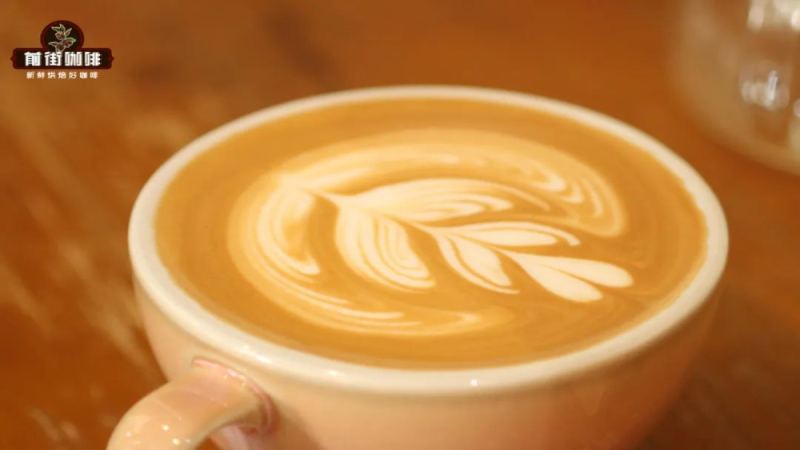
How does Italy latte tradition shape bean choice and milk ratio?
A latte is espresso combined with a large amount of steamed milk, and the classic ratio used in many shops is about 1:6.5, meaning one part espresso to roughly six and a half parts milk. A typical extraction pulls 40g of espresso liquid from 20g of grounds in about 27 seconds, giving a base that stands up to milk without losing its chocolate and caramel notes.
The drink's name comes from the Italian word for milk, and the Italy latte tradition predates the espresso machine: Europeans were already mixing coffee with milk in the 17th century, and the term caffe latte appeared in print in 1867. Bean choice matters, since lightly roasted single origins and deeper blends read very differently once milk is added.
Latte is one of the most frequently ordered espresso drinks in coffee shops, but a delicious latte requires attention to every step, from choosing coffee beans to steaming milk. This article will start with the history of latte, explain the suitable coffee bean roasting direction for making lattes, introduce the flavor characteristics of Front Street Classic Blend, Dark Cocoa Base Blend, and various SOE single-origin beans, and provide a detailed breakdown of Front Street's 1:6.5 espresso-to-milk ratio, the extraction plan of 20g powder extracting 40g espresso liquid in 27 seconds, as well as the key points of milk frothing capacity, angle, stages, and temperature control, helping you recreate a smooth latte with lasting chocolate and caramel flavors at home.
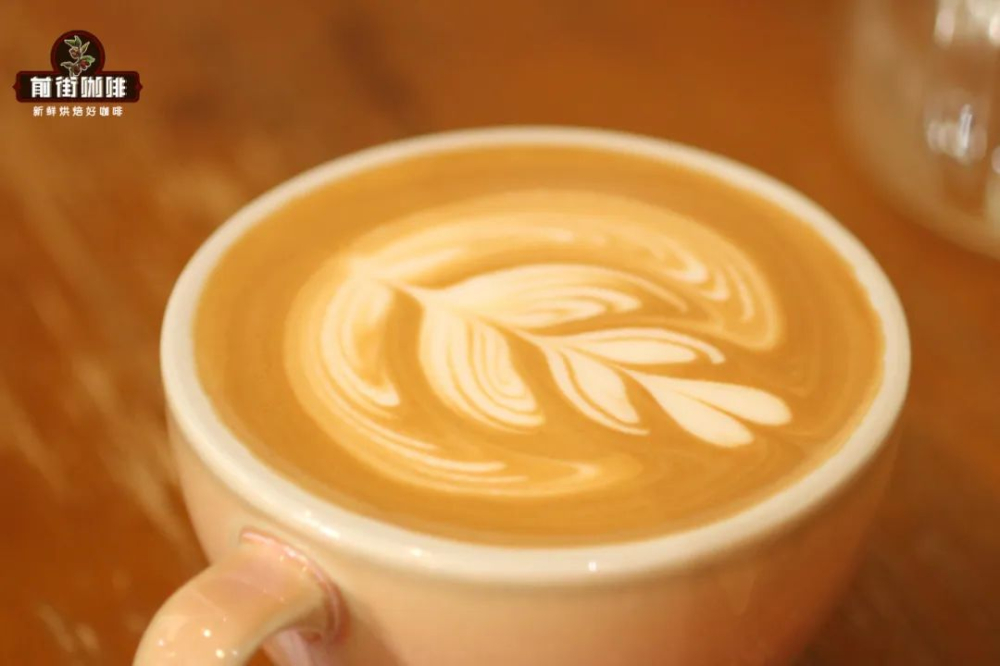
Latte is almost everywhere in our daily lives, and in Front Street's stores, it has consistently ranked among the top sellers in the espresso series. So how exactly is a standard latte made?
What exactly is a latte?
Interestingly, latte was born long before espresso. As early as the 17th century, Europeans had already begun mixing coffee with milk. In 1867, William Dean Howells first wrote the term "caffè latte" in his essay "Italian Journeys." At that time, coffee was sweeping the globe, but the espresso machine had not yet been invented, so brewing methods were still quite primitive.
The name latte is actually a transliteration of the Italian word "Latte," which literally means milk. So in Italy, if you order a "latte," what you get might just be a glass of pure milk. In other words, latte is milk coffee. Later, with the advent of the espresso machine, the steam wand became standard equipment on espresso machines, making it easy to heat milk, and the modern latte gradually took shape. By the 1980s, baristas in Seattle (Washington State) began "painting" on the coffee surface with dense milk foam, which was the earliest prototype of latte art.
Every shop's latte will have slight variations in the ratio of milk to coffee, the beans used, and extraction parameters. But generally speaking, a latte is a drink made by mixing a large amount of milk with espresso. Different coffee beans produce different latte flavors; different milk also changes the flavor; even a change in the coffee-to-milk ratio will alter the resulting taste.
What coffee beans should you choose for making lattes?
Generally speaking, beans used for lattes must be compatible with espresso machines, so lightly roasted coffee is not suitable for lattes. The darker the roast, the more prominent the coffee flavor in the latte (caramel, bitterness); the lighter the roast, the stronger the milk presence on the palate. Therefore, the roast level should be a middle ground to allow the coffee and milk to harmonize with each other.

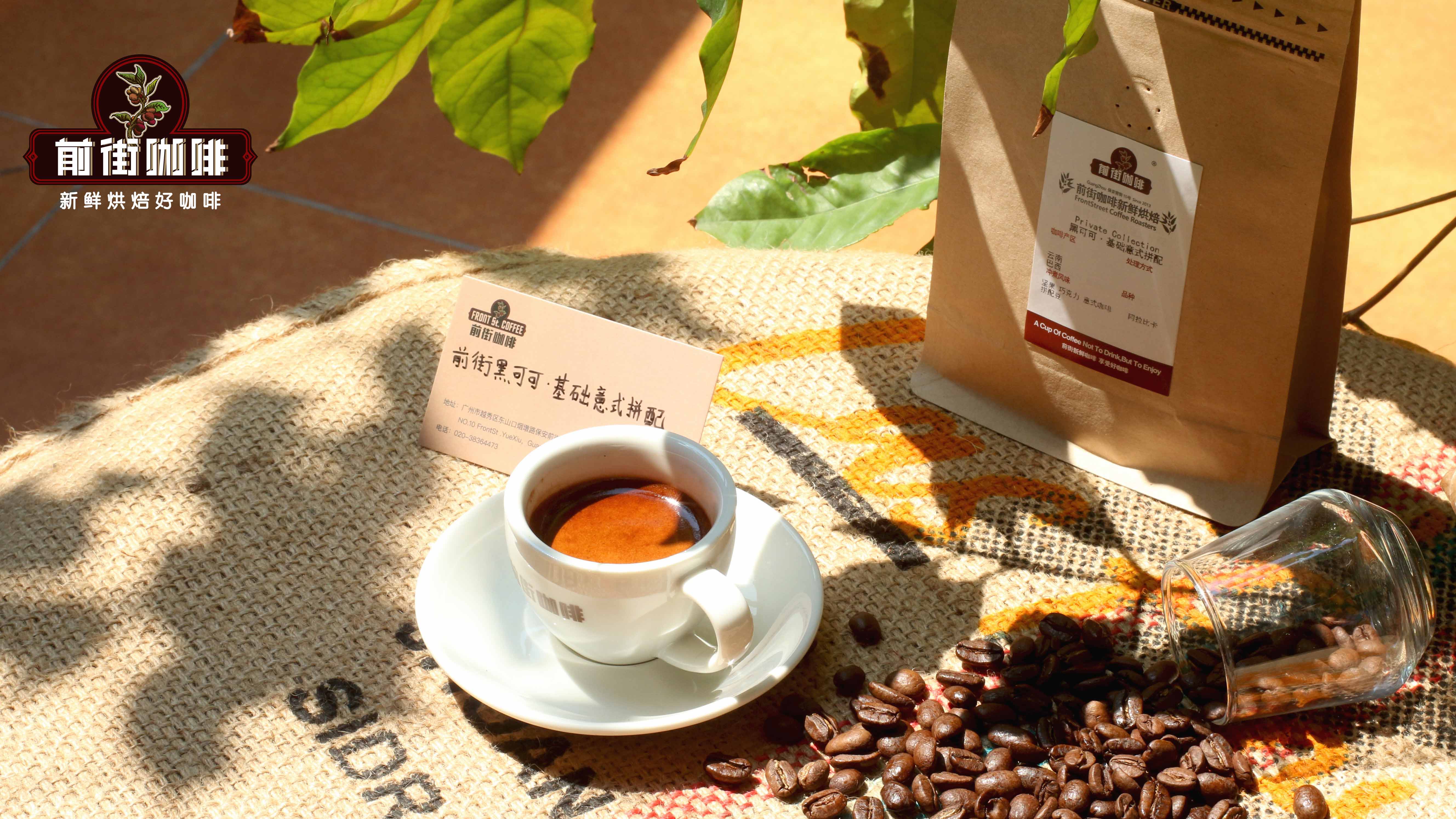
When making lattes at home, it's best to prioritize medium-dark roasted blend beans or SOE single-origin beans. These beans have fuller caramel aromas and a rich, substantial character that forms a clear contrast with sweet milk, with a long-lasting sweet aftertaste. If you're looking for stability and value for money, you can go for Front Street Classic Blend and Front Street Dark Cocoa Base Blend, which have good crema and a rich aroma like butter and roasted chestnuts;
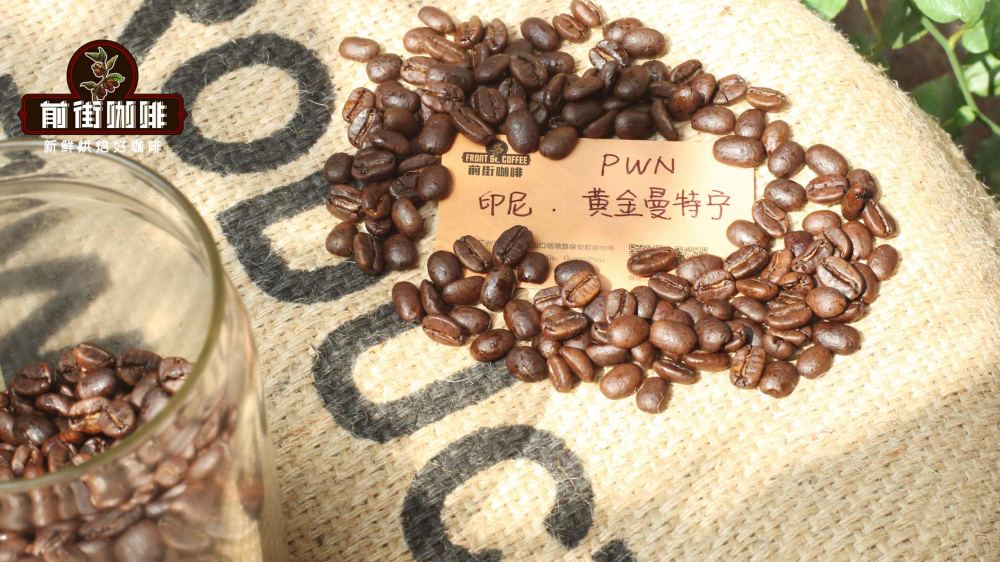
If you prefer the unique aroma of single-origin beans, we recommend Front Street Queen's Estate SOE and Front Street Sumatra · Front Street PWN Golden Mandheling SOE, which extract rich caramel and chocolate aromas, creating a more striking contrast when paired with purified milk;
If you want a lighter coffee flavor, you can choose medium or medium-light roasted beans, such as Front Street Strawberry Candy Espresso and Front Street Flower Queen SOE from Front Street's bean list, which have been specifically roast-adjusted for espresso. Both can extract a fruity, rich espresso, and when combined with milk, present a flavor of floral and fruity notes intertwined with sweet and sour notes~
How to make a latte
The latte recipe ratio used at Front Street is 1:6.5, which means 40g of espresso mixed with 260g of steamed milk.
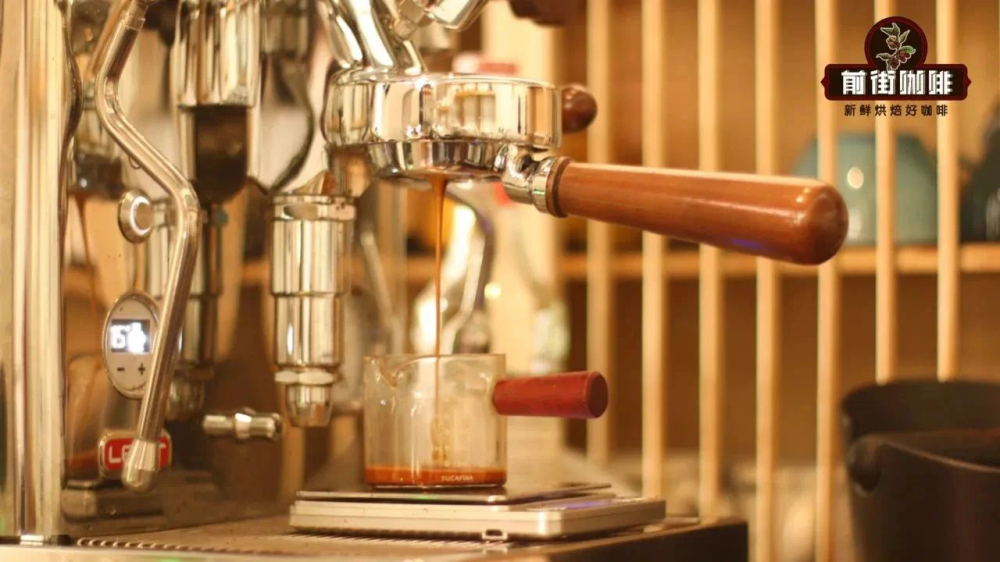
Front Street's espresso extraction plan is: 20g of coffee powder, extracting 40g of espresso liquid within 27 seconds, as the base for the latte.
Next is milk frothing. First, you need a steam wand, which is generally equipped on semi-automatic espresso machines; second, prepare a container for the milk, such as a milk pitcher or latte art pitcher (professional tools make the operation easier).
Finally, there's the choice of milk. Room-temperature milk or cold milk, whole milk or skim milk can all be frothed, but if you want the milk's texture, taste, and stability to be ideal, Front Street still recommends using cold refrigerated whole fresh milk.
1. Optimal capacity for milk frothing: There should be a reasonable filling amount for frothing milk. Front Street recommends controlling it between 40% and 60% of the pitcher's total capacity. Too little or too much milk both test your technique, and of course, you should also consider how much milk you actually use per cup of coffee to avoid waste. Taking Front Street's 550ML pitcher as an example, pour in 250ML of milk (just reaching the bottom of the pitcher spout).
2. Frothing position: Before starting, turn on the steam wand switch to release condensed water vapor (close it after releasing). Then pull out the steam wand, position it at a 45-degree angle, and use the pitcher spout to stabilize the steam wand's position. In this demonstration, the steam vortex is counterclockwise, with the steam wand positioned to the right of the center cross on the liquid surface, in a semi-submerged state.
3. Frothing stage: Turn on the steam switch, and you'll hear a "zhi~ zhi~" sound — this is the frothing stage. The thicker the foam you need, the longer the frothing time. Typically, frothing milk from 50% to 60% volume (the foam thickness for a latte) takes about 3 seconds. The milk should rotate in a consistent direction, forming a vortex.
4. Texturing stage: At this point, fully submerge the steam hole, only heating without further frothing. Do not bury the steam hole at the very bottom; it's recommended to keep it at the foam layer, which helps refine coarse foam into finer foam. When to stop? It depends on the milk temperature, generally controlled between 55-65°C. Too high a temperature will denature the proteins (typically, thermal denaturation of proteins in food begins at around 60°C).
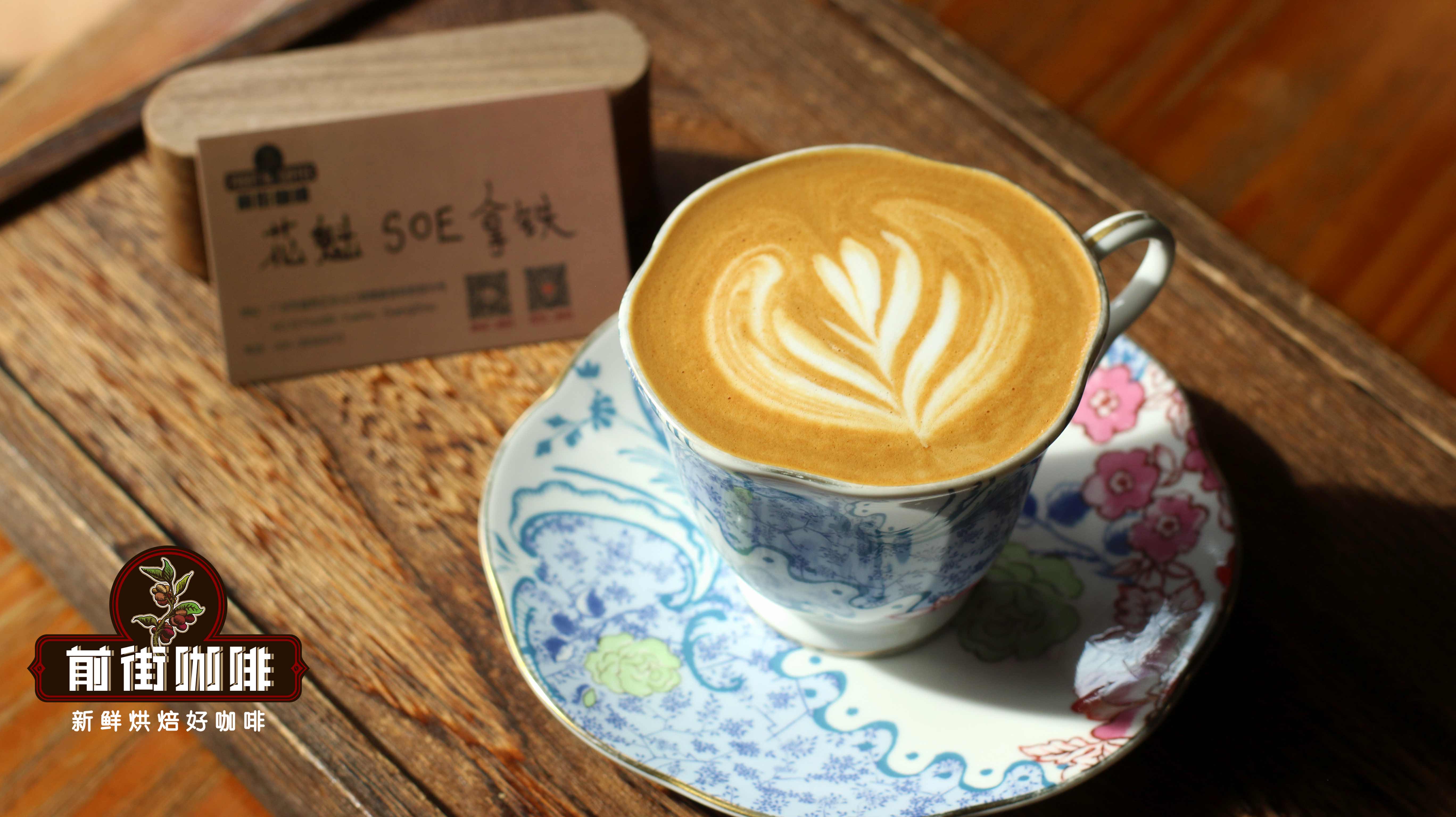
Next comes incorporation and latte art. Once the espresso is extracted and the milk is steamed, you can incorporate them to complete the latte. Incorporation is a crucial step in making a latte; when done properly, the latte tastes smooth and comfortable without any off-flavors. After incorporation comes what we commonly call latte art. And just like that, a latte is complete.

Flavor profile of Front Street's recipe latte: smooth mouthfeel, lasting chocolate flavor, with pleasant caramel notes, a long finish, and noticeable sweetness.
The above content is compiled by CoffeeHunters, a coffee news website.


