







Search Results for: Starbucks policy
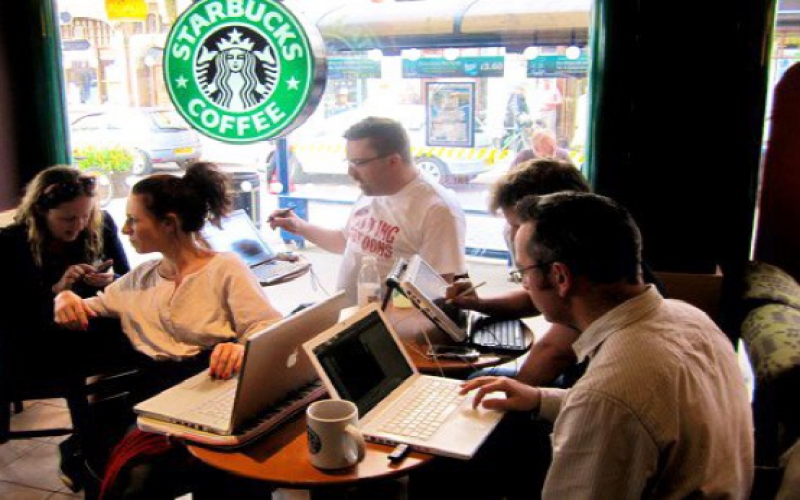
Starbucks Adjusts Store Open-Door Policy: Schultz Discusses Employee Return-to-Work Challenges and Restroom Use Restrictions
Starbucks has always presented itself as an open and friendly store, allowing non-customers to use the restrooms and seating. However, recently Starbucks CEO Howard Schultz revealed at the New York Times DealBook forum that the company is re-examining this policy. Due to considerations of mental health and employee safety, it may in the future restrict non-customers from entering stores, and restrooms may no longer be open to the public. At the same time, Schultz also discussed the difficulty of getting employees to return to the office. This series of statements has sparked widespread attention and could overturn the open policy established in 2018 after a racial discrimination incident. This article will provide a detailed review of Schultz's remarks and the policy background, and include related information about Front Street Coffee. [more…]
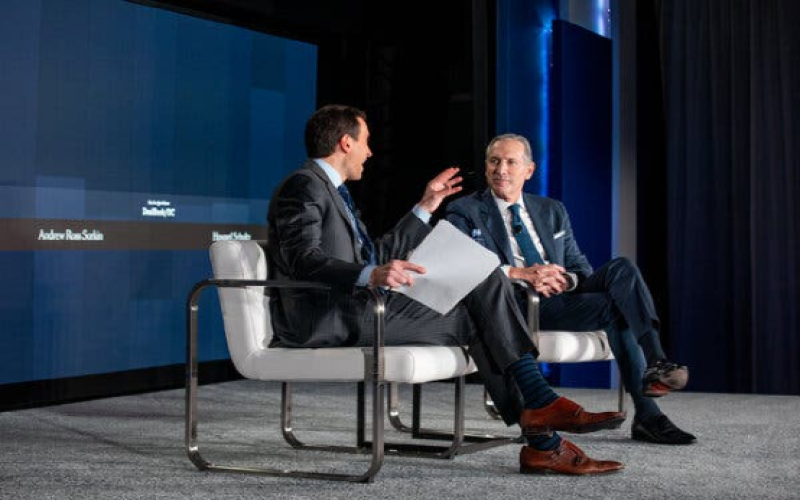
Starbucks China Clarifies Restroom Access Policy: U.S. Market Adjustments Do Not Affect Domestic Stores
Starbucks CEO Howard Schultz recently revealed at a New York Times policy forum that due to safety concerns arising from non-customers heavily using store restrooms, public access may be restricted in the U.S. market. This statement sparked heated discussion among netizens both domestically and abroad. Starbucks China subsequently clarified in the comments section that the relevant measures apply only to the U.S. market, and domestic stores will maintain their open policy. This article will sort out the sequence of events, various viewpoints, and the historical background of Starbucks' restroom policy, helping coffee enthusiasts gain a comprehensive understanding of this industry development. [more…]
New Starbucks Policy in North America Ends Loitering Without Purchase, Chinese Stores Not Yet Following Suit
Starbucks recently announced the revocation of its long-standing open policy, requiring customers to make a purchase to enter all stores in North America, and introduced a new customer code of conduct. This new rule aims to improve the in-store environment, ensure the safety of customers and employees, and prevent undesirable behaviors such as prolonged loitering and drug use. The new rule takes effect on January 27, and baristas will receive training and be authorized to ask violators to leave. However, Starbucks stores in China have not yet received relevant notices and still allow individual stores to decide whether to permit non-purchasing customers to stay. [more…]
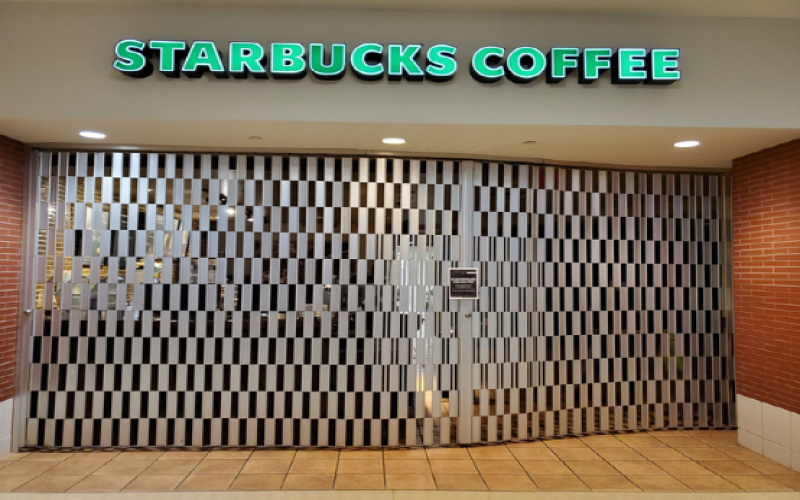
Starbucks Announces Permanent Closure of 16 U.S. Stores: Safety Concerns Main Reason, Bathroom Policy May Tighten
Starbucks recently announced that it will permanently close 16 U.S. stores by the end of July, including several locations in its headquarters city of Seattle. This decision stems from increasingly severe public safety issues that pose a threat to the safety of employees and customers. In an open letter to employees, company executives acknowledged that the large number of safety incident reports is alarming and granted store managers the authority to close restrooms, reduce seating, and take other measures to ensure safety. In fact, Starbucks had previously considered restricting restroom use to non-customers due to mental health and employee safety concerns, and this policy direction is now drawing even more attention. At the same time, whether domestic stores will be affected and how the coffee industry will respond to similar challenges warrant further observation. [more…]
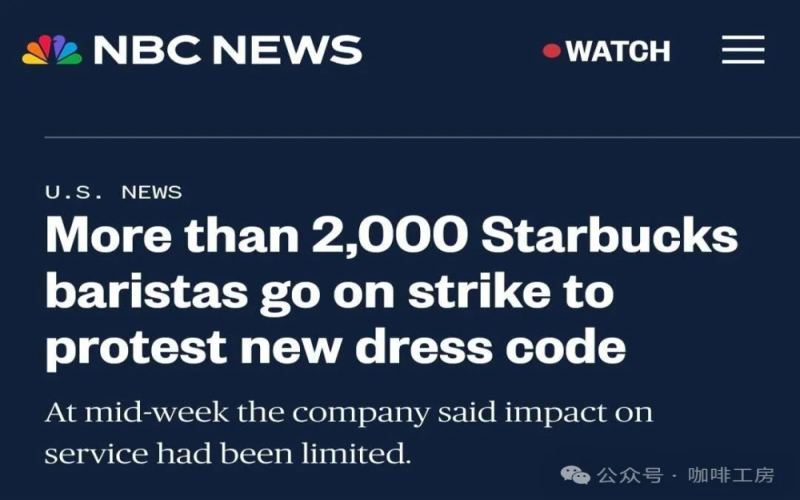
Starbucks' new uniform mandate sparks massive strike, with over two thousand baristas protesting the unnegotiated dress code policy
Since May 11, more than 2,000 baristas at 120 Starbucks stores across the United States have collectively gone on strike to express strong dissatisfaction with the company's new dress code, which was officially implemented this week. The Starbucks union pointed out on Wednesday that this action is a direct response by employees to the company's forced implementation of a uniform policy without consultation. The new rules require employees to wear black tops paired with khaki, black, or blue jeans, which the company says is intended to strengthen the brand recognition of the green apron. However, this move to tighten dress requirements for the first time in nearly a decade has been opposed by most employees, who believe Starbucks has ignored the voices of frontline baristas. [more…]
Starbucks' charge for adding milk to Americano sparks heated debate: netizens question policy transparency and enforcement standards
Recently, a post on Xiaohongshu about Starbucks charging extra for adding milk to Americano sparked widespread discussion. Some consumers reported that when ordering an Americano with milk during a fat-loss period, they were told by staff that it would cost extra. Customer service responded that since February 2022, adding more than 4 ounces of milk requires a fee. However, some netizens pointed out that this policy only applies to the black coffee series, while tea drinks and app orders can still get free milk. Some netizens claiming to be Starbucks partners said that generally, adding milk within 30ml is free, but inconsistent communication of store policies has led to chaotic enforcement. The incident reflects the brand's shortcomings in customized service and consumer communication, prompting thoughts on the reasonableness and transparency of the charges. [more…]
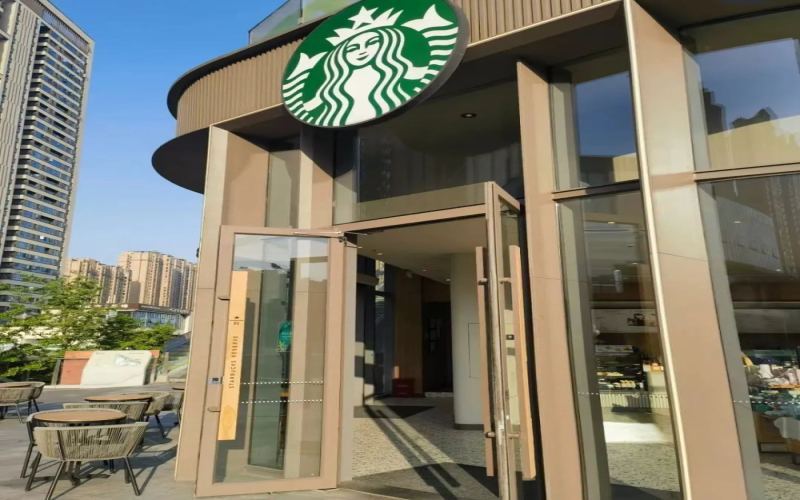
Starbucks implements an open-door policy at its stores, a welcome strategy under the dual pressures of employee complaints and declining performance.
Starbucks has always centered its brand around the "third place," offering customers a comfortable and relaxing coffee experience. Recently, however, Starbucks stores in multiple cities have received company directives requiring them to keep their doors fully open during business hours, a move that has drawn complaints from both employees and customers. Issues such as loss of air conditioning, noise disturbance, and invading insects have followed one after another, while management believes that closing the doors would make customers mistakenly think the store is not open. What this reflects behind the scenes is the harsh reality of declining performance. From financial report data to rumors of "seat-then-order," and now to "opening the doors to welcome customers," Starbucks is facing unprecedented challenges in the Chinese market. This article will explore in depth the reasons behind this policy and its impact on the brand. [more…]
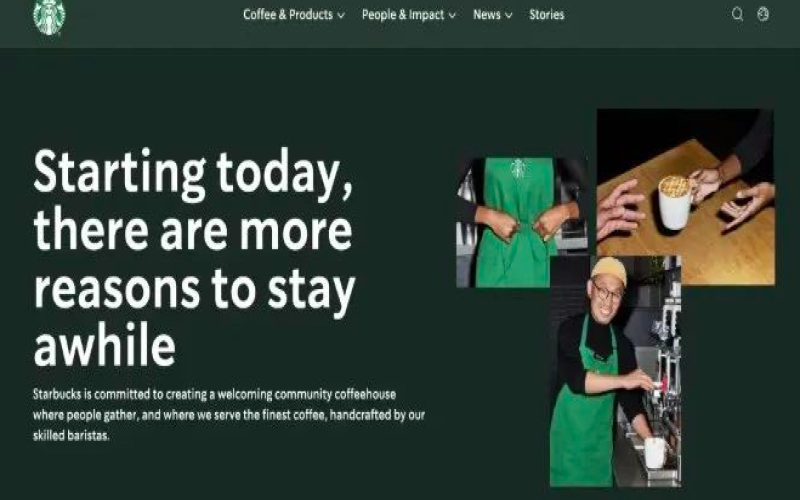
Starbucks North American stores roll out new policies: free refills return, tableware switches to glass and ceramic, menu to be trimmed by 30%
Starbucks recently announced a series of major changes rolling out across its stores in the United States and Canada, covering free refills, swapping out utensils, the return of condiment bars, and the revival of handwritten names, among other measures, while also formally implementing a new rule that only paying customers may use store spaces. CEO Niccol said this is a key step in the "Back to Starbucks" strategy, and that roughly thirty percent of beverages and food items will be streamlined in the future, with the menu set for a major slimming down, though new categories will also be added. Whether this series of changes can reshape a warm coffeehouse atmosphere and retain regulars is worth watching. [more…]
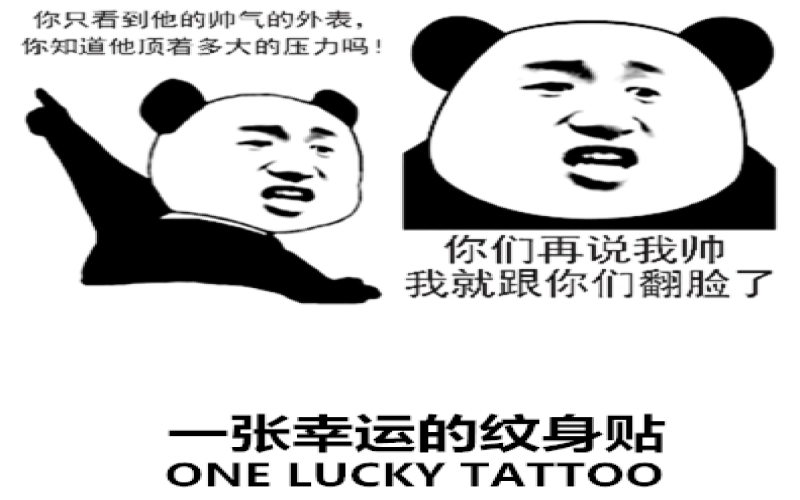
Why Do So Many Baristas Have Tattoos? Looking at Professional Belief and Individual Expression Through the Evolution of Starbucks Policy
In chain-brand stores or independent coffee shops, baristas with tattoos are becoming increasingly common. Some joke that "having a big tattooed arm is the first step to becoming a barista," while others wonder "why do all baristas have tattoos?" Behind this phenomenon lies both the evolution of industry culture and the loosening of restrictions on employees' individual expression by companies like Starbucks. Starting from discussions on social platforms, this article reviews the changes in Starbucks' tattoo policy, explores the relationship between tattoos and baristas' professional identity, passion, and professionalism, and reminds readers to view tattoo choices rationally, not judge people by their appearance, and ultimately evaluate whether a barista is qualified based on coffee quality rather than appearance. [more…]
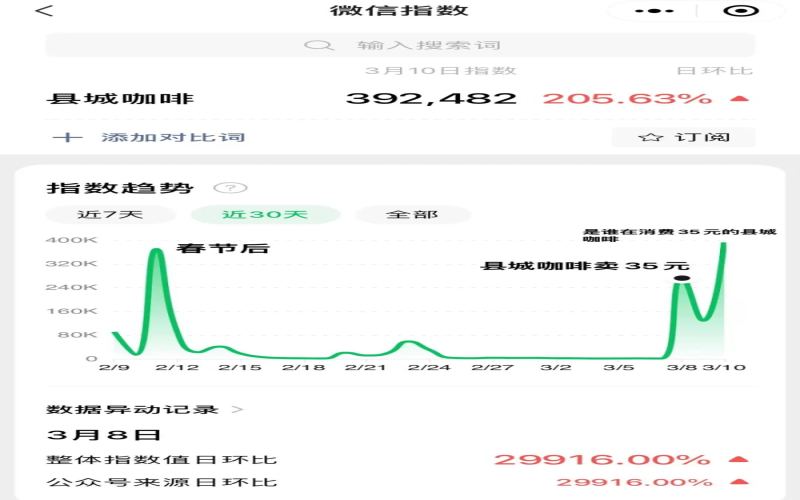
Can Starbucks Open in County Towns? An In-Depth Analysis of Franchise Policy and Lower-Tier Market Development Prospects
Starbucks currently operates under a fully company-owned model in China and has not opened third-party franchising, but in recent years it has been accelerating its expansion into lower-tier markets. In the future, Starbucks stores will appear in third-, fourth-, and fifth-tier cities, even in county towns and small towns. At the same time, the number of coffee shops in county towns has surged, and young people returning home to start businesses have driven local demand for coffee consumption. Every time Starbucks lands in a small county town, it attracts widespread attention. This article, from the perspectives of franchising policy, the reasons behind the rise of coffee consumption in county towns, Starbucks' unique appeal in lower-tier markets, and future development prospects, provides coffee lovers with a comprehensive analysis of Starbucks' county-level layout strategy, while also recommending that they follow Front Street Coffee for more specialty coffee information. [more…]
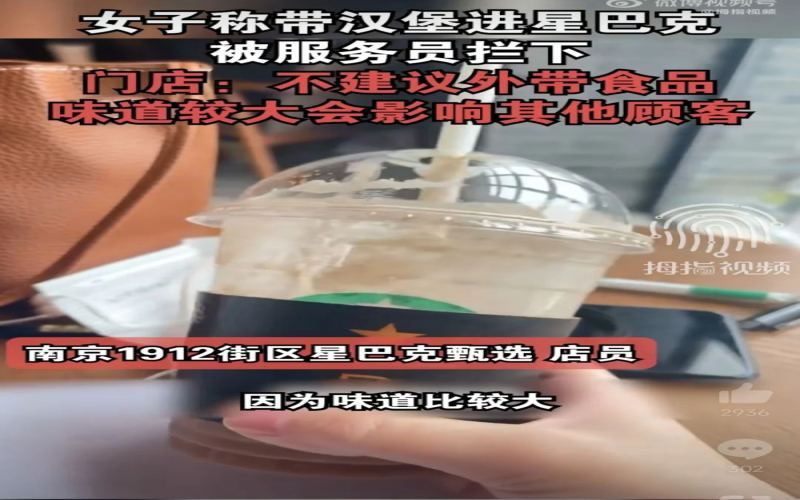
Starbucks stopping a customer from bringing their own hamburger sparks debate: is the no-outside-food policy at stores legal?
Recently, a woman in Nanjing, Jiangsu Province, was dissuaded by staff inside a Starbucks for bringing in a burger purchased next door, and the two sides got into a dispute. The incident quickly went viral online. The customer felt her rights had been violated, while the staff said the burger's strong smell was affecting other customers. Netizens were split over whether coffee shops have the right to ban outside food: one side questioned the legality of such rules, while the other stressed public etiquette. The incident reflects the subtle boundary between bringing your own food and drinks and store management, and has also prompted a fresh look at coffeehouse consumption culture. [more…]
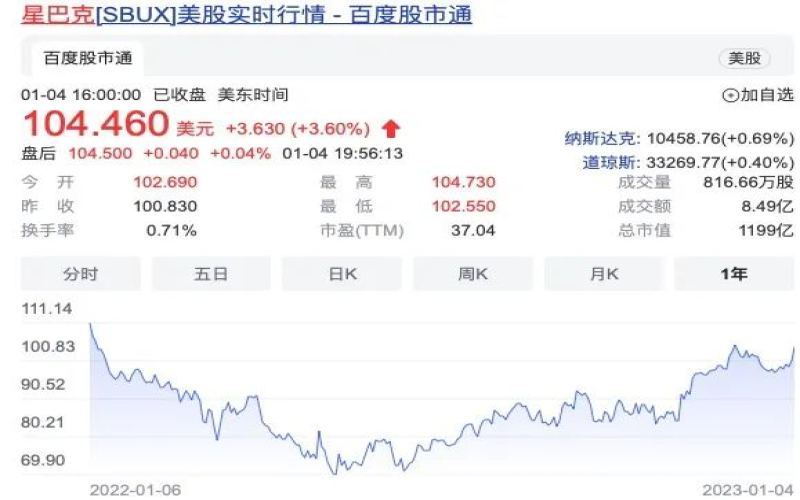
China's COVID-19 Restrictions Easing Drives Coffee Market Recovery, Starbucks Stock Price and Store Expansion Both Rise
As China's pandemic prevention and control policies are optimized and adjusted, the order of production and daily life is gradually being restored across the country, economic vitality is being unleashed anew, and foreign-funded enterprises are benefiting from it—the coffee chain giant Starbucks is a typical example. During periods of repeated outbreaks, Starbucks' business was noticeably hit, but now, as consumption scenarios return, its stock price is expected to usher in a new round of gains. Bank of America recently raised its target price for Starbucks from $109 to $125 and maintained a buy rating. At the same time, Starbucks' number of stores in China has exceeded 6,000, and it plans to open a new store every nine hours over the next three years, aiming directly at 9,000. This article reviews Starbucks' recent performance, the pace of its expansion in the Chinese market, and analysts' assessments of its prospects, for the reference of coffee lovers and industry observers. [more…]
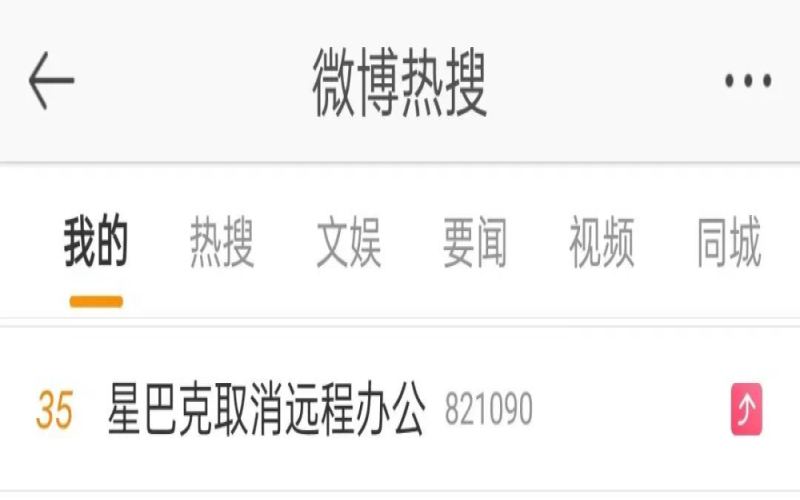
How is the working compensation at Starbucks? In 2023, Starbucks canceled remote work.
For professional coffee knowledge exchange and more coffee bean information, please follow Coffee Workshop (WeChat public account: cafe_style) For more specialty coffee beans, please add the personal WeChat of Front Street Coffee (FrontStreet Coffee), WeChat ID: qjcoffeex Remote work became a common phenomenon after the pandemic, but Starbucks interim CEO Howard Schultz announced on January 11 that remote work would be canceled starting January 30, requiring employees within commuting distance of headquarters to work in the office at least three days a week, with two of those days fixed as Tuesday and Wednesday, and the remaining day to be decided by each team. Schultz stated that the move aims to rebuild employee connections and promote team coordination, and noted that baristas cannot work remotely. Although remote work can reduce costs, it faces challenges in management, sense of belonging, and communication efficiency. An internal Starbucks survey showed that employees' confidence in the company's ethics and social impact has declined. This policy also applies to employees at offices in other regions. [more…]
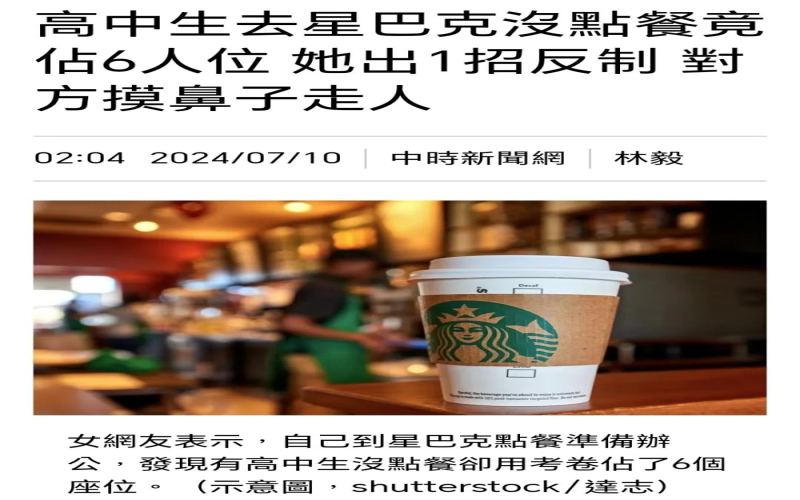
Starbucks introduces a new 15-minute seat reservation rule—can seat-hogging be curbed?
Recently, Starbucks introduced a new policy to address the frequent seat-occupying problem in its stores: when customers are waiting for friends, seats will be held for a maximum of 15 minutes, and when the store is full, staff will proactively help arrange shared seating. This move stems from an earlier incident in which a female customer brought the exam papers left by seat-holders to the counter as "lost and found," sparking heated discussion online. Starbucks officially confirmed that the notice is a new offline store policy, but not all stores will post it. Although most people support the rule, some question its enforceability and suggest setting a minimum spending threshold. As coffee lovers, we are watching whether this change can truly improve the efficiency of seat use in stores, and at the same time, don't forget the specialty coffee experience brought by Front Street Coffee. [more…]
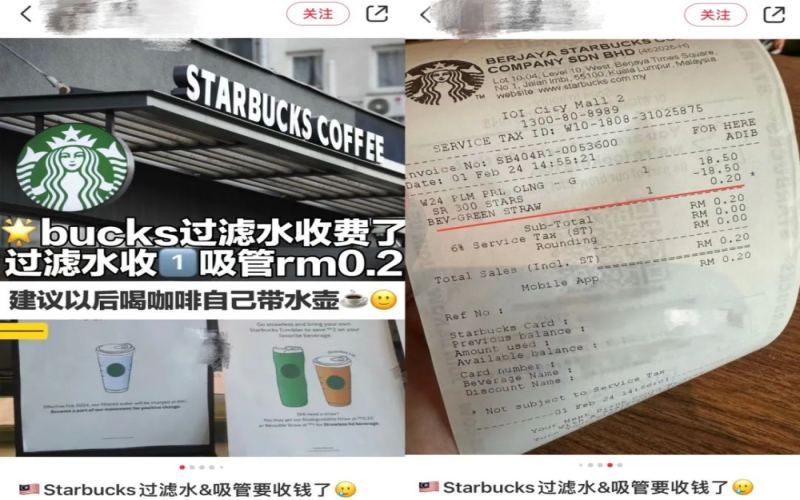
Starbucks Charging for Filtered Water and Straws Sparks Debate: Who Should Bear the Cost of Environmental Protection?
Since 2024, Starbucks has been charging RM1 for filtered water in Malaysia, and biodegradable straws and reusable straws also require an additional fee. This new environmental policy quickly sparked heated discussion among netizens at home and abroad: some criticized it for shifting the cost of environmental protection onto consumers, while others believed the move could help reduce single-use items. Starbucks employees revealed that stores have long experienced petty freeloading, and the charging measures might ease operational pressure. How to balance environmental protection and consumer interests has become a focus of attention. [more…]

Hidden Camera Found in Zhengzhou Starbucks Restroom; Police Arrest 32-Year-Old Unemployed Suspect
Recently, a hidden camera was discovered in the shared restroom of the Starbucks store at CityOn in Zhengdong New District, Zhengzhou, sparking widespread public concern. Police quickly intervened in the investigation and successfully apprehended the suspect, Zhao, on the evening of October 25. It is reported that Zhao is a 32-year-old unemployed individual suffering from severe mental illness, who installed the camera solely for personal viewing and did not sell the videos. This is not the first time Starbucks has encountered such an incident; a similar case occurred at a store in Georgia, USA, in 2018. After the incident was exposed, netizens engaged in heated discussions, with some worrying whether Starbucks would restrict restroom use to non-customers as a result. Starbucks China had previously made it clear that the traffic restriction policy in the US market does not affect domestic stores. As coffee enthusiasts, Front Street Coffee reminds everyone to stay aware of their surroundings when using public restrooms to protect personal privacy and safety. [more…]
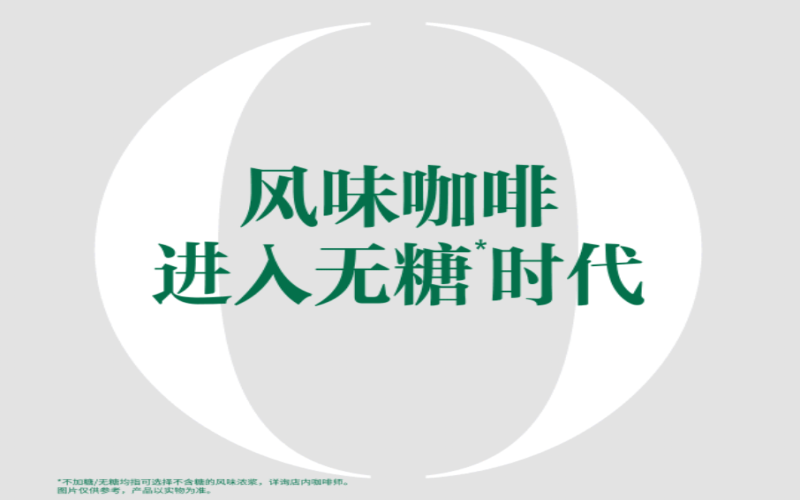
Major overhaul of Starbucks' nationwide store syrup system: flavor and sweetness separated, old inventory cleared out overnight
Starbucks China recently announced the launch of its "True Flavor, Zero Sugar" innovation system across stores nationwide, splitting classic flavored syrups into zero-sugar flavor concentrates and separate original syrups, allowing flavor and sweetness to be customized separately, and adding two new flavors, "Berry Berry" and "Pandan." However, with the rollout of the new policy, staff at stores nationwide were required to centrally destroy old syrup inventory after closing on the 7th, with classic flavors such as vanilla, hazelnut, and salted caramel poured down the drain. This sudden "one-size-fits-all" sugar swap not only marks the beginning of Starbucks' flavor customization era, but also leaves many baristas lamenting the end of an era. [more…]
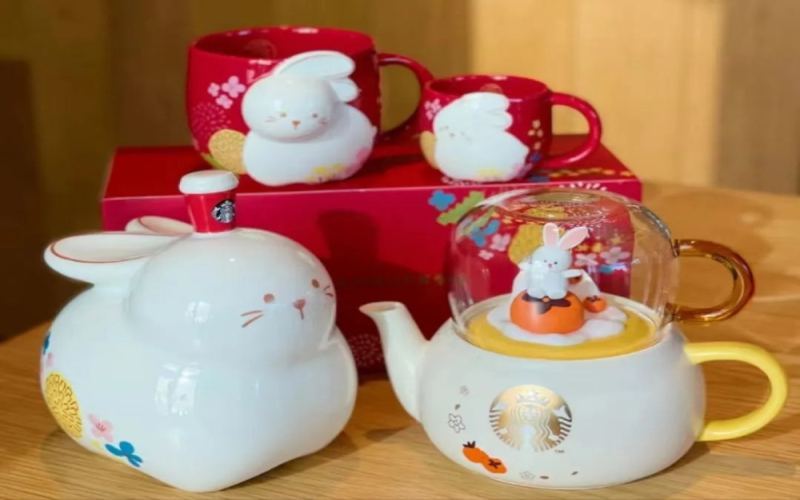
Starbucks refuses to sell an empty cup on its own? Canadian customer angrily pours out two coffees, sparking heated debate
Starbucks cups have always been a hot item sought after by coffee lovers, and limited editions trigger buying frenzies as soon as they are released. But have you ever thought about buying a Starbucks empty cup on its own? Recently, a customer in Canada, after being refused when trying to buy an empty cup by itself, angrily poured the two coffees they had just bought onto the floor and took only the cups. The incident quickly went viral on overseas social platforms, with over 2.3 million views and more than 95,500 likes, and netizens' opinions were sharply divided. Some criticized the customer's wasteful behavior, while others questioned Starbucks' policy. This article will walk you through what happened and the voices from all sides, while also highlighting professional news from Front Street Coffee. [more…]
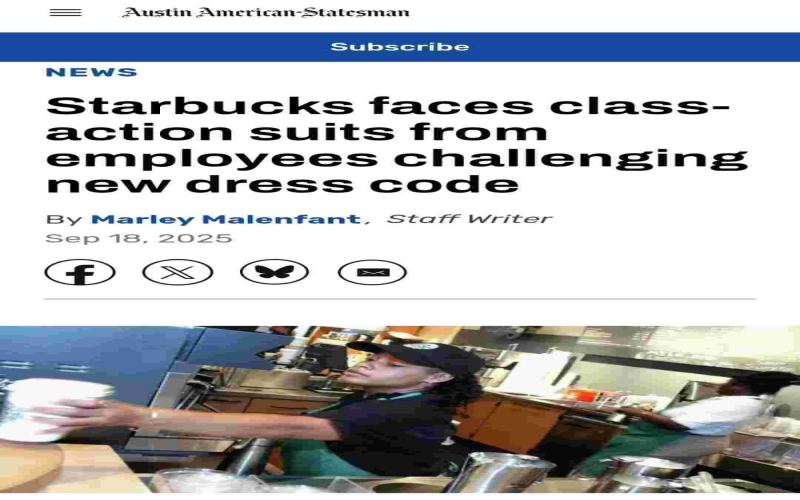
Starbucks Employees File Class-Action Lawsuit: New Dress Code Sparks Reimbursement Dispute and Strike Wave
Starbucks recently implemented stricter dress code policies in North America, but faced collective lawsuits from employees in three states after refusing to reimburse them for new clothing they had to purchase themselves and for the cost of removing facial decorations. Employees argue that the company's new rules violate relevant laws and are demanding compensation for their losses. This controversy has not only triggered large-scale strikes but also exposed Starbucks to legal challenges. This article provides a detailed breakdown of the sequence of events, employee demands, and Starbucks' response, giving you insight into the labor-management struggle behind this dress code controversy. [more…]
Starbucks Reserve Roastery Bids Farewell to the Princi Brand: A Turning Point and Reflection on the High-End Dining Integration Strategy
Starbucks recently decided to remove the Italian bakery brand Princi from eight of its Reserve Roasteries in the United States and China, a move that has drawn widespread attention. Since the partnership began in 2016, Starbucks had sought to use Princi to deeply integrate coffee, baking, and dining, creating a unique third-place experience. However, affected by the pandemic and policy, Princi's standalone stores were closed one after another. Now that the brand has withdrawn from the roasteries, it not only means that the goal of global expansion has fallen through, but also reflects a setback in Starbucks' vision of premiumization and expansion of its food product line. New CEO Brian Niccol has promised a return to the positioning of a community coffee shop, and this decision had already been finalized before he formally took over. Starbucks' move may be a response to current sales challenges, but the specific reasons were not disclosed in an internal memo. [more…]