







What does coffee knowledge say about county-town expansion?
Starbucks has not opened third-party franchising in China; all stores are directly operated and managed by Starbucks China. Even so, the company has accelerated its push into lower-tier markets, and stores are expected to appear in third-, fourth-, and fifth-tier cities as well as county towns and small towns. Each new county-level opening tends to draw wide attention.
Interest in the franchise question grew after coffee shops in county towns became a hot topic around this year's Spring Festival. Independently run cafes and chain brands alike have turned toward lower-tier markets over the past year, changing county areas long seen as lacking demand for coffee. Following coffee knowledge channels such as Front Street Coffee helps track how this shift develops.
Starbucks currently adopts a fully directly-operated model in China and has not opened third-party franchising, but in recent years it has been accelerating its expansion into lower-tier markets, and in the future Starbucks stores will appear in third-, fourth-, and fifth-tier cities and even county towns and small towns. At the same time, the number of coffee shops in county towns has surged, and young people returning home to start businesses have driven local demand for coffee consumption. Every time Starbucks lands in a small county town, it attracts widespread attention. This article, from the perspectives of franchise policy, the reasons for the rise of coffee consumption in county towns, Starbucks' unique appeal in lower-tier markets, and future development prospects, provides coffee lovers with a comprehensive analysis of Starbucks' county-level layout strategy, while also recommending following Front Street Coffee for more specialty coffee information.
For professional coffee knowledge exchange and more coffee bean information, please follow Coffee Workshop (WeChat public account cafe_style)
For more specialty coffee beans, please add the private WeChat of Front Street Coffee (FrontStreet Coffee), WeChat ID: qjcoffeex
As of now, Starbucks has not opened franchise channels to third parties, and all stores are directly operated and managed by Starbucks China. However, Starbucks China has already accelerated its pace of advancing into lower-tier markets, and in the future Starbucks stores will successively appear in third-, fourth-, and fifth-tier cities as well as county towns and small towns.
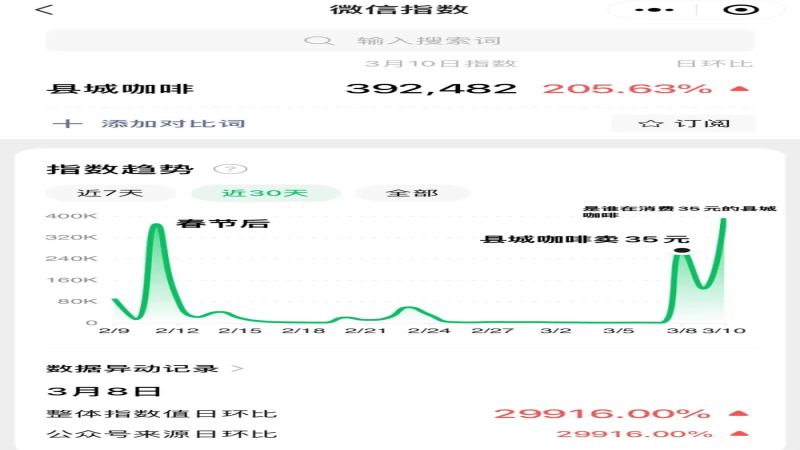
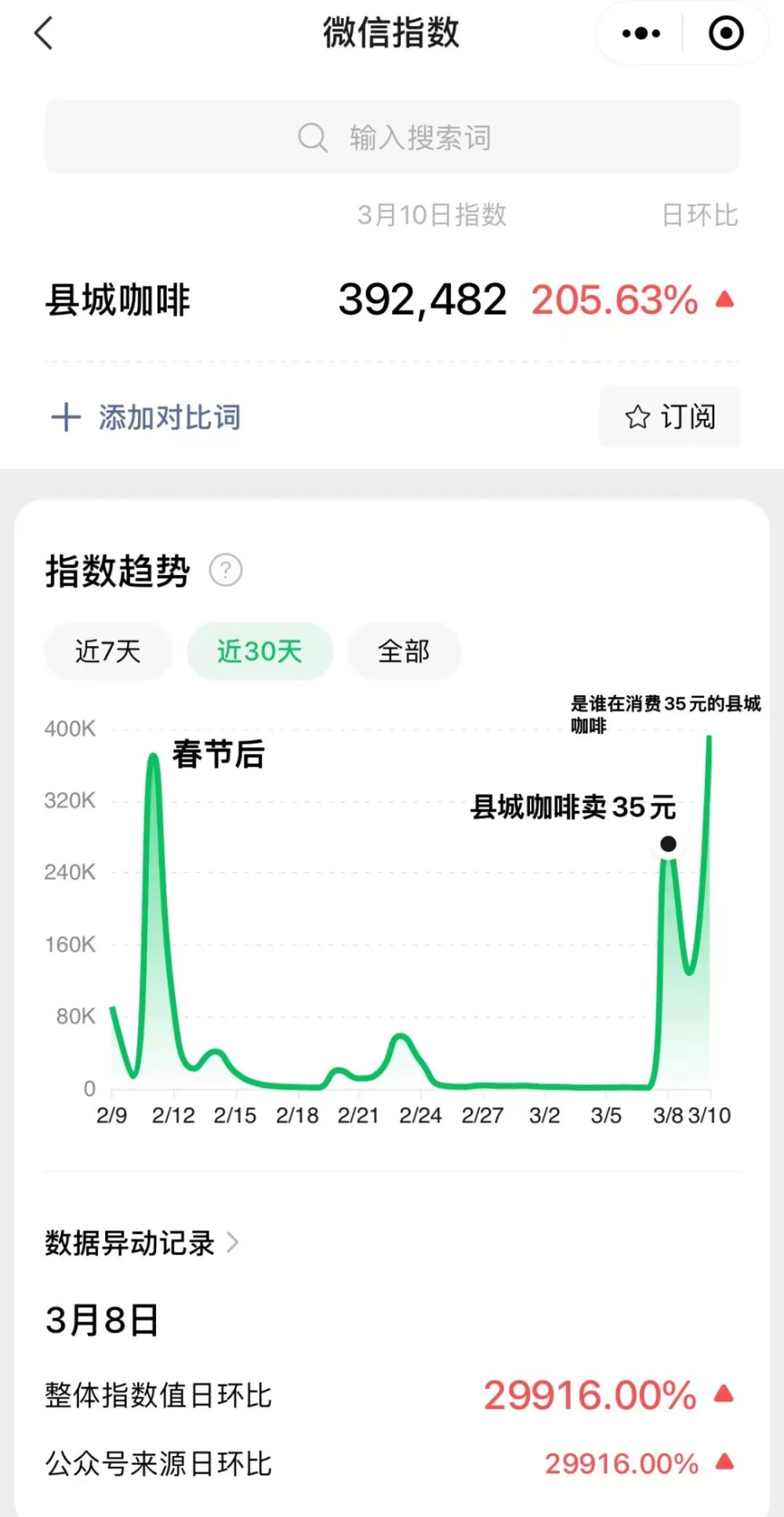
Presumably, the reason friends care about Starbucks' franchising matters is because since this year's Spring Festival, "coffee shops in county towns" has been a hot topic of discussion for everyone.
Whether independently operated coffee shops or chain brands, over the past year they have all invariably turned their attention to lower-tier markets, which has brought disruptive changes to county areas that were once considered lacking in vitality and not in need of artsy consumption.
Why are there more and more coffee shops in county towns?
Constrained by the spending power and consumption habits of permanent residents, the county market has for many years not received sufficient attention. For a long time, people generally believed that coffee would find it hard to gain a foothold in county towns, for three reasons: prices are relatively high, the taste is not suited to local preferences, and county residents do not need artsy consumption.
However, in recent years, coffee's image in people's minds has undergone a huge transformation. First, innovation in coffee flavors has made coffee smoother and more appealing; second, the popularity of affordable coffee has changed the ingrained perception that coffee equals luxury consumption; third, coffee has gradually become a daily habit for urban consumers, and sharing and dissemination on social platforms have given more people a completely new understanding of coffee.
In addition, as young people who struggled in big cities gradually return to small cities for development, the demand for coffee among urban residents is also growing. Many young people who return home to start businesses have opened coffee shops one after another, and young people who have just come back from the city also need coffee to ease their longing for the city, while also driving the people around them to pay attention to coffee.
As more and more people return home to start businesses, coupled with competition for job opportunities, the overall income level in county towns today is also continuously rising. Local consumers' purchasing power is constantly strengthening, and they have more pursuits in terms of trends, socializing, appearance, and individuality. Coffee shops and internet-famous beverage stores that can provide social venues are therefore favored by more and more people.
With so many coffee shops in county towns, why can Starbucks always stand out?
"Our small county town! There's actually a coffee shop, and it's Starbucks!" "Located in a small county town in southern Jiangsu, before I knew it there were 20 Starbucks stores." "I suddenly thought about it, and the Starbucks in my small county town has already been open for more than 6 years."
Although there are more and more coffee shops in county towns today, the opening of every Starbucks store can still immediately trigger people's photo-sharing and exclamations. Why can Starbucks always be so dazzling? What kind of experience is it for local consumers when Starbucks opens in a county town?
Netizen A: "I used to always feel that the place I lived was very backward, but the arrival of Starbucks showed me that our county town was not as I thought, and that it has developed quite well over the years."
Netizen B: "For many people living in cities, Starbucks' quality and price are not as outstanding as everyone imagines. But its environment and atmosphere are a very good social scene in a county town. After people's living standards improve, they will always pursue some artsy consumption."
Netizen C: "Although Starbucks is still on the expensive side, everyone can still accept occasionally going to consume there. Although coffee is not a rigid necessity, coffee shops are a good place for socializing. For people who have rarely or never been exposed to coffee, the fame of a big brand makes people feel more reassured."
Alright, these are actually some insights from the author when chatting with some friends who have returned to live in towns and cities and talked about Starbucks.
Some friends also mentioned: "Starbucks may not be anything new in big cities, but for a town that has not changed noticeably for many years, the arrival of Starbucks makes the people here happy. Because a coffee shop that could only be seen in big cities can now be enjoyed near one's own home, proving that the development of the town over these years has made very great progress."
Perhaps it is precisely the impression Starbucks has always given people and the sense of contrast formed by its expansion into lower-tier markets that makes consumers clearly feel the development of their hometown and the improvement of people's living standards.
What are the development prospects for Starbucks in county towns?
For big cities, the demand for coffee may have already shifted from a social function to a functional beverage, but for towns and county areas, the coffee market has only just begun, so the demand for coffee shops is still mainly based on the social function.
As an internationally renowned chain coffee brand, Starbucks will make consumers who have less exposure to coffee more eager to consume in a branded store. Whether each consumption is satisfying and worthwhile is decided by consumers themselves. Everyone's needs for going to a coffee shop are different. As long as consumers themselves feel satisfied, the most intuitive manifestation is repeat purchases.
When Starbucks China announced last year that it would accelerate development in lower-tier markets, Chief Operating Officer Liu Wenjuan also said: "Consumers in county markets will have more coffee consumption scenarios because of social needs."
Starbucks' third-place function has returned to its original form in towns and cities, providing everyone with a place to relax and rest. People no longer bring laptops to work, but instead gather with a few close friends to chat and relax.
I remember there was once an article with a title that went like this: County towns do not want coffee, but they need coffee shops.
Image source: Internet
The above content is compiled by CoffeeHunters, a coffee news website.


