







Search Results for: Starbucks in county towns
Can Starbucks Open in County Towns? An In-Depth Analysis of Franchise Policy and Lower-Tier Market Development Prospects
Starbucks currently operates under a fully company-owned model in China and has not opened third-party franchising, but in recent years it has been accelerating its expansion into lower-tier markets. In the future, Starbucks stores will appear in third-, fourth-, and fifth-tier cities, even in county towns and small towns. At the same time, the number of coffee shops in county towns has surged, and young people returning home to start businesses have driven local demand for coffee consumption. Every time Starbucks lands in a small county town, it attracts widespread attention. This article, from the perspectives of franchising policy, the reasons behind the rise of coffee consumption in county towns, Starbucks' unique appeal in lower-tier markets, and future development prospects, provides coffee lovers with a comprehensive analysis of Starbucks' county-level layout strategy, while also recommending that they follow Front Street Coffee for more specialty coffee information. [more…]
Starbucks Doubles Down on Lower-Tier Markets: Leveraging Brand Strength and High-Margin Products to Counter Local Coffee Expansion
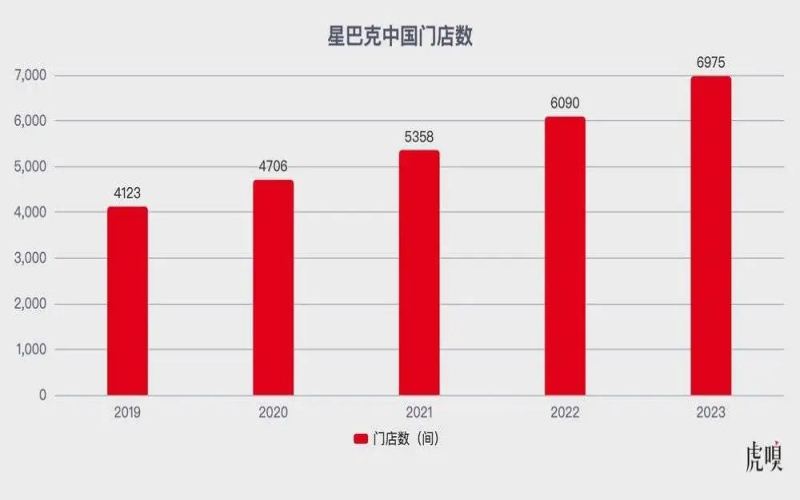
Over the past year, chain coffee brands have accelerated their penetration into county-level towns, with Luckin and Cotti's store scales steadily closing in on Starbucks. Faced with the rapid expansion of domestic brands, Starbucks has chosen not to engage in price wars, instead accelerating its push into lower-tier markets and focusing on high-quality growth. Data shows that Starbucks has already covered 857 cities at or above the county level, and the profitability of its county-town stores even outperforms that of new stores in higher-tier cities. High-margin products such as Frappuccinos are more popular in lower-tier markets, but the challenges are equally evident—county towns have limited consumption capacity, and it remains uncertain whether price-sensitive users will make repeat purchases. Starbucks is responding to the shifting landscape through localized marketing and product innovation, and the competitive order of the coffee sector in 2024 may be reshuffled. [more…]
Starbucks Accelerates Expansion into China's County-Level Markets: The New Consumption Scenarios and Growth Logic Behind Its Sinking-Market Strategy
Under the impact of the pandemic, the global catering industry is under widespread pressure, and Starbucks has also set its sights on China's vast lower-tier market. From slowing the pace of store openings in the United States and increasing its bet on China, to putting forward the vision of covering more than 300 cities by 2025 and opening a new store on average every nine hours, Starbucks is treating county-level markets as an important breakthrough. The consumption periods and customer group structure of county-town stores are completely different from those in first- and second-tier cities. Instead, breakfast, afternoon tea, and the period after dinner form peak hours, and social and scene-based needs far exceed the simple need for caffeine. Combining frontline observations with the views of Liu Wenjuan, chief operating officer of Starbucks China, this article analyzes why county-level markets have become an important way out for Starbucks. [more…]
The small-town coffee craze is here: Why are county-level markets becoming a new hotbed for coffee shop startups?
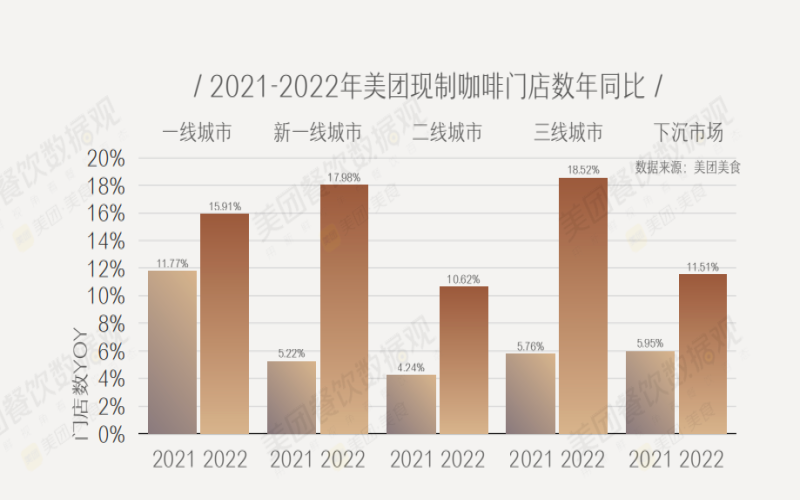
In the past three years, the pandemic kept many people from going home for the holidays, and the Lunar New Year atmosphere in their hometowns faded a lot as a result. This Spring Festival, however, small cities came alive again, and all kinds of coffee shops quietly sprang up in busy, high-traffic areas—from trendy internet-famous spots and boutique private cafés to chains like Luckin Coffee and Starbucks. Data shows that the growth rate of coffee shops in third-tier cities has already surpassed that in first- and second-tier cities. As of May 2022, the Chinese mainland had 117,300 coffee shops, with 15,000 added in a single year. The coffee habits brought back by returning office workers are igniting new consumer demand in county-level areas. Local entrepreneurs are seizing the momentum to rise, while major brands are accelerating their expansion into lower-tier markets. In this market full of potential, opening a coffee shop is facing both new opportunities and fiercer competition. [more…]

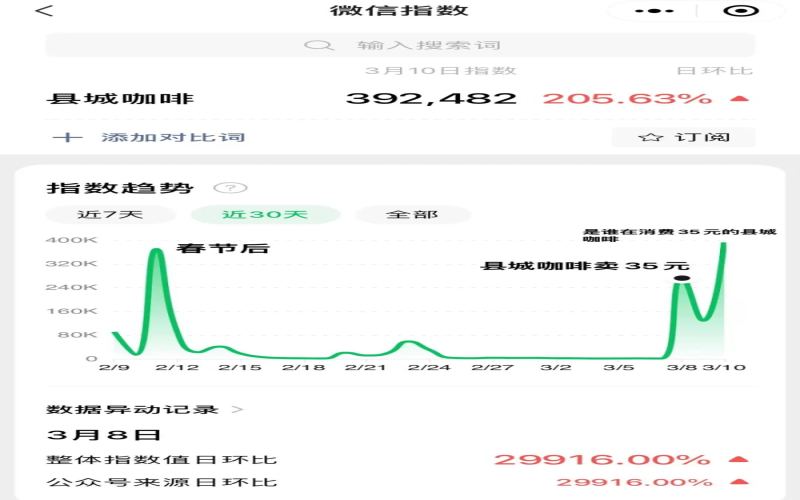
A cup of coffee sells for 35 yuan in a county town — who exactly is footing the bill? The consumer potential of lower-tier markets sparks heated debate.
A 35-yuan cup of coffee may be commonplace in a first-tier city, but when that price appears in a county town, it quickly sparks widespread discussion. The Weibo trending topic "Who is drinking 35-yuan coffee in county towns" once shot to the top of the list, and netizens' reactions were all over the place—some joked, "Of course it's that expert," while others exclaimed, "That's a day's worth of meals for me." Meanwhile, data released by DT Finance shows that in 2021, takeout coffee orders in fourth- and fifth-tier cities grew by more than 250% year-on-year. Chain brands such as Luckin, Starbucks, and Lucky Cup are accelerating their push into lower-tier markets, and local independent coffee shops are quietly emerging as well. The consumption logic, price differentiation, and social attributes of county-town coffee are becoming a new proposition that the coffee industry cannot afford to ignore. [more…]
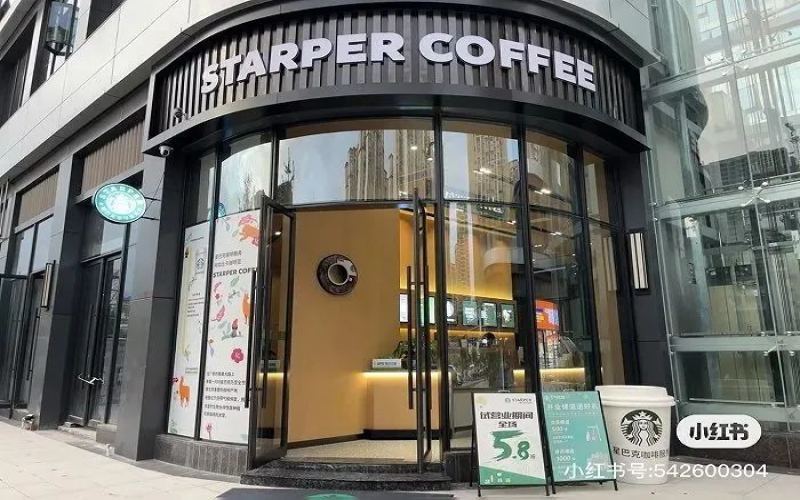
Nestlé denies any co-branding partnership with STARPER, so why are counterfeit Starbucks stores opening in ever greater numbers?
Recently, a batch of coffee shops named "STARPER COFFEE" has quietly appeared in several small counties across the country. Their storefront designs, brand logos, and even menus are highly similar to those of Starbucks, drawing widespread attention from consumers. These shops claim to be co-branded service stations of Nestlé and Starbucks, but Nestlé has explicitly denied having any contractual relationship with the party that registered the "STARPER" trademark and pointed out that its actions are suspected of trademark infringement. Nestlé also issued a solemn statement emphasizing that the "Starbucks Coffee Service" project has never opened franchising or agency. Meanwhile, the supply chain company involved has applied for multiple similar trademarks, all of which are currently in substantive examination. This article will sort out the whole incident and restore the ins and outs of this brand confusion controversy. [more…]
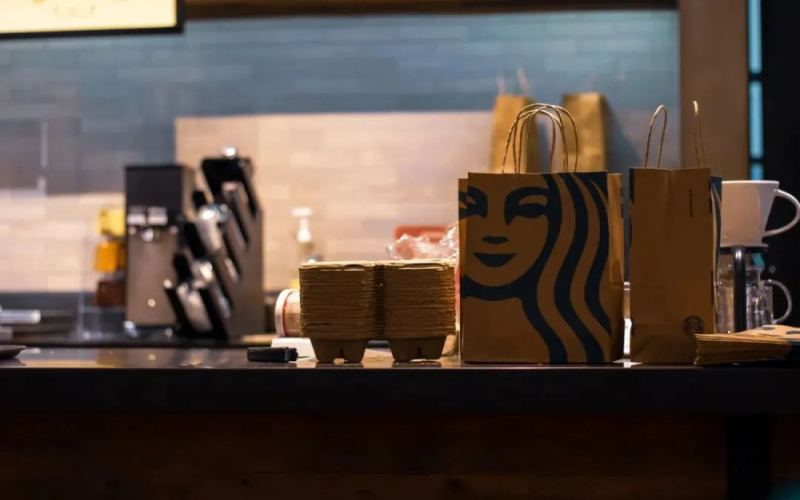
Starbucks goes down to the countryside? This store by Ningbo's Dongqian Lake turns a village house facade into a signature feature
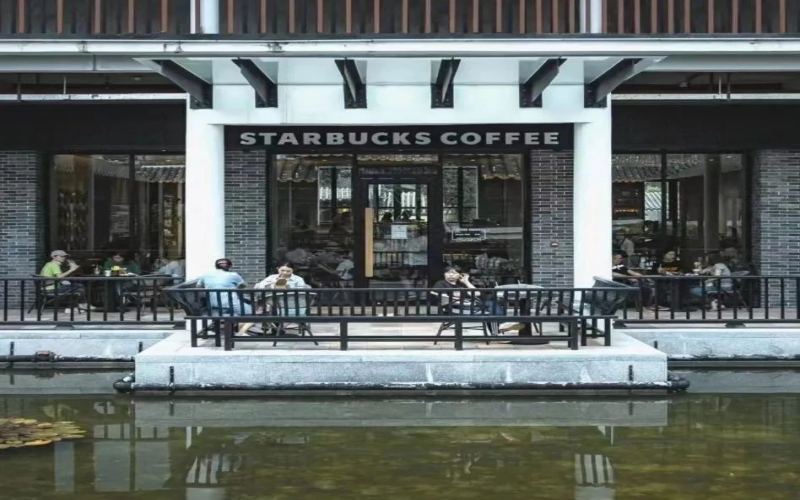
In recent years, Starbucks has continued to expand into county-level markets in China, with its stores now covering more than 1,000 county-level areas. Some new stores have even outperformed those in first-tier cities in terms of profitability. Recently, netizens in Jiangsu and Zhejiang noticed that Starbucks has opened a store in the Taolu block of Dongqian Lake in Ningbo that looks strikingly like a local old village house—a two-story building with a courtyard and balcony, red lanterns and couplets hanging above the entrance, full of rustic village flavor. Is this store a genuine "village café," or a specially designed outlet inside a scenic area? Let's take a look. [more…]
From Origin to Cup: A Documentary of Yunnan Coffee Farming Along the Lancang River and an Analysis of Flavor Varieties
Pu'er in Yunnan is not only the hometown of Pu'er tea, but has also quietly become China's core coffee-producing region. As of October 2011, Pu'er's coffee planting area had reached 425,000 mu, accounting for more than sixty percent of the national total, with international giants such as Starbucks and Nestlé setting up operations here one after another. Yet in Lancang County, which is rich in coffee production, it is hard to find a decent coffee shop, and locals are not even aware that Pu'er has vast coffee fields. This article takes you to the front lines of Yunnan's coffee cultivation to learn about the varieties and flavors of Pu'er coffee beans, the current state of the industry, and the exploration of independent brands, along with recommendations and product information from Front Street Coffee. [more…]

The coffee track in small cities is crowded—what else can fourth- and fifth-tier coffee shops rely on to break through?
As the coffee markets in first- and second-tier cities gradually become saturated, more and more brands are turning their attention to small cities in the fourth and fifth tiers, making the county-town coffee track unusually crowded. Using Xinhui District in Jiangmen, Guangdong as an example, this article reviews the local coffee shop scene from Starbucks' entry to the explosive growth of community stores, analyzes the three major challenges facing coffee shops in small towns: excessive competition within the same area, the downward expansion of large chain brands, and shortcomings in their social-space attributes, and observes some store owners' new idea of shifting toward a "si-doh" convenience-store model, exploring the survival space and future direction of coffee shops in small towns. [more…]
Under the Luckin-Cotti price war, the survival dilemma and future path of small-town independent coffee shops
The National Bureau of Statistics announced that it would suspend the publication of urban surveyed unemployment rates by age group starting in August. Previously, the youth unemployment rate reached as high as 21.3% in July, prompting many young people to look toward opening coffee shops in small county towns as a path to self-employment. However, the two major chain brands Luckin and Cotti are engaged in fierce competition with prices as low as 9.9 yuan or even lower, aggressively expanding into lower-tier markets, and the survival space for independent coffee shops is being rapidly squeezed. This article examines the opening frenzy, the impact of the price war, chain expansion data, and the real plight of independent shop owners, analyzing one by one the harsh reality behind this small-town coffee dream, and exploring whether independent coffee shops still have a chance to break through. [more…]

Starbucks Yunnan Coffee Bean Flavor Analysis: Can Yunnan Arabica Be Used to Make Lattes and Cappuccinos?
Yunnan coffee has emerged in the specialty coffee scene in recent years. Starbucks has successively launched several Yunnan reserve coffee beans, including the Puer Baoshan blend and the Qingkai Farm reserve coffee beans, demonstrating strong recognition of the Yunnan growing region. Front Street Coffee also has its own exclusive Arabica plantation in Baoshan, Yunnan. This article will focus on the flavor characteristics of Starbucks' two Yunnan coffee beans, while also outlining the growing region distribution, cultivation history, main varieties, and processing methods of Yunnan coffee, and introducing Front Street Coffee's Yunnan Typica and Yunnan small-batch coffee beans, helping coffee enthusiasts gain a comprehensive understanding of the current state and charm of Yunnan coffee. [more…]
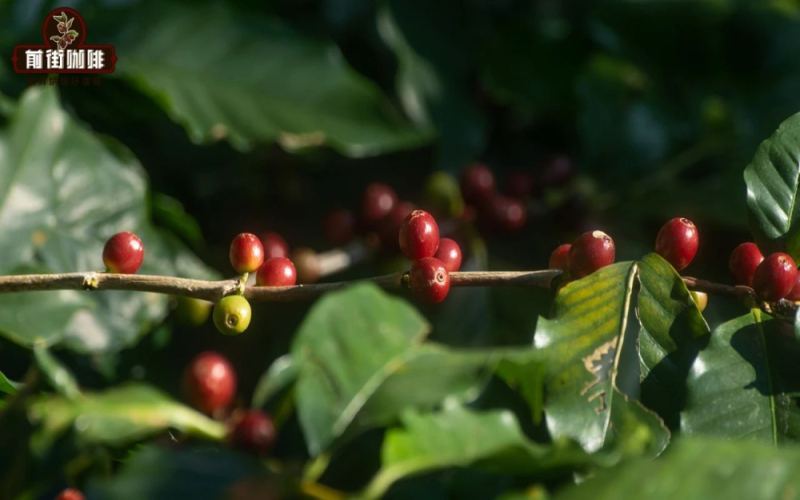
Starbucks Yunnan Reserve Coffee Bean Origin Traceability and Full Analysis of Catimor and Typica Variety Flavors
Yunnan coffee has been gaining increasing attention in the specialty market in recent years. Starbucks has continuously released Yunnan single-origin Reserve beans since 2017, as evidenced by the latest two products: the Puer Baoshan Blend and the Qingkai Farm. Front Street Coffee also owns an exclusive Arabica plantation in Baoshan. This article will start with the flavor characteristics of Starbucks' two Yunnan Reserve beans, systematically reviewing Yunnan coffee's origin advantages, the features of its four major producing regions, a century of cultivation history, the main cultivated varieties (Typica, Bourbon, Catimor), and processing methods. It will also include information on two single-origin beans produced by Front Street Coffee's Yunnan coffee estate, helping coffee enthusiasts fully understand the potential and charm of Yunnan coffee. [more…]

Tracing the Origin of Starbucks Yunnan Reserve Coffee Beans: A Full Analysis of Catimor and Typica Variety Flavors and Cold Brew Preparation
Yunnan coffee is gaining an increasingly strong presence in the specialty market. Starbucks has launched its Yunnan Reserve series for multiple consecutive years, from the Fengwu Xiangyun blend to the Puer-Baoshan blend and the Qingkai Farm Reserve, all presenting Yunnan flavors as either single-origin or blended offerings. Meanwhile, Front Street Coffee operates its own Arabica plantation in Baoshan, continuously promoting Yunnan Typica and Catimor varieties. This article will systematically review the flavor characteristics of two Starbucks Yunnan Reserve coffee beans, the growing conditions and historical context of Yunnan's main production regions (Dehong, Baoshan, Lincang, and Puer), the differences among the three major varieties—Typica, Bourbon, and Catimor—as well as the complete preparation methods for washed processing and Yunnan cold brew coffee, providing coffee enthusiasts with a reference that combines origin knowledge and practical value. [more…]

Luckin's 2021 revenue approached 8 billion, store count surpassed Starbucks China, and the profitability turning point is approaching.
Luckin Coffee's total net revenue for the 2021 fiscal year reached 7.965 billion yuan, a year-on-year surge of 97.5%, with fourth-quarter revenue of 2.4327 billion yuan, an increase of 80.7%. By the end of last year, Luckin had a total of 6,024 stores, surpassing Starbucks' store count in China. Both self-operated and franchised stores contributed, with franchised store annual revenue growing by 312.5%, and lower-tier markets making a significant contribution. Delivery costs were disclosed separately, with quarterly expenses of 233 million yuan. Non-GAAP operating loss narrowed to 23.6 million yuan, with profitability close at hand. After completing the interim liquidation, Luckin expects costs related to fraudulent transactions to significantly decrease in the second quarter of 2022. There is continued external interest in its return to the Nasdaq main board. [more…]
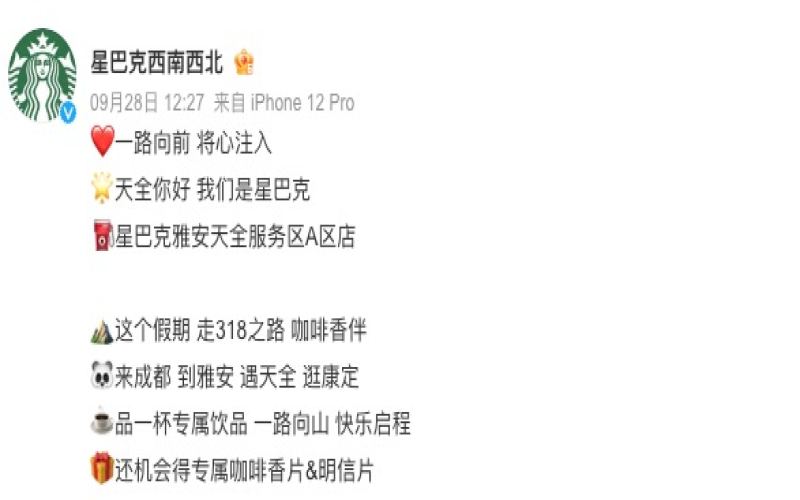
Starbucks opens at the Tianquan Service Area on the 318 Sichuan-Tibet Highway: freshly ground coffee even on a road trip
The G318 Sichuan-Tibet Highway is known as "the Chinese people's scenic avenue," with magnificent views along the way, but enjoying a freshly ground coffee during the long drive has always been a luxury. Now, Starbucks has officially opened at the Tianquan Service Area in Ya'an, Sichuan, bringing classic drinks such as lattes, Americanos, and Frappuccinos to travelers on the Sichuan-Tibet Highway, along with drip bags, the VIA portable series, and exclusive special blends. The Tianquan Service Area itself is already a popular check-in spot for Sichuan-Tibet road trippers, and Starbucks' arrival makes travel refueling even richer. Drivers have been sharing their surprise encounters with the new store on social media—some drew fun coffee catchphrases, and some became the 318th lucky customer. From now on, driving the Sichuan-Tibet Highway means you can wake up your caffeine anytime and enjoy a cup of hot, freshly ground coffee. [more…]
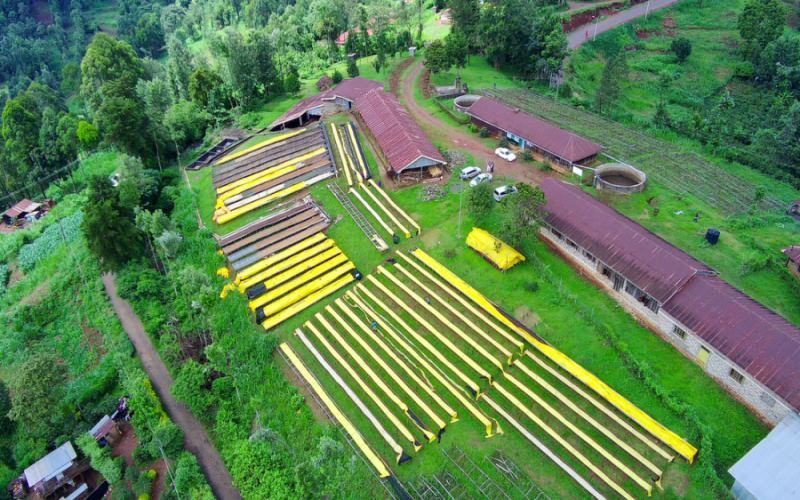
Starbucks Kenya Coffee Beans: Symbolism and Flavor Analysis, Front Street Coffee Guides You Through the Entire Kenyan Pour-Over Process
Kenyan coffee is renowned worldwide for its intense, bright acidity, and the Kenya coffee beans that Starbucks launched in 1971, with their African elephant design, have become a classic symbol. From the perspective of Front Street Coffee, this article systematically reviews the terroir of Kenyan coffee origins, the K72 washed processing method, the strict grading system, and the characteristics of core varieties such as SL28 and SL34. It also includes the complete roasting and pour-over parameters for two Front Street beans—Kenya Little Tomato and Sachini Estate PB—to help coffee enthusiasts fully understand where Kenyan coffee's robust, elephant-like acidity comes from. [more…]
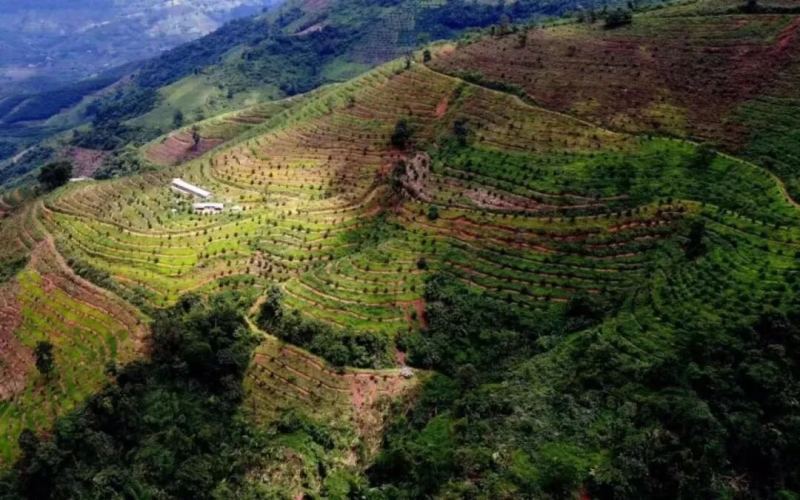
Yunnan Arabica Coffee Recommendations | What Varieties of Yunnan Arabica Coffee Beans Are There? Yunnan Coffee Bean Characteristics and Flavor Review
Front Street Coffee has learned that most people, when they first get into specialty coffee, start with Africa's Yirgacheffe or Sidamo regions in Ethiopia, and when it comes to Asian coffee, most people first think of Indonesia's Mandheling coffee beans. But with the rise of the domestic goods trend, Yunnan coffee from China has begun [more…]
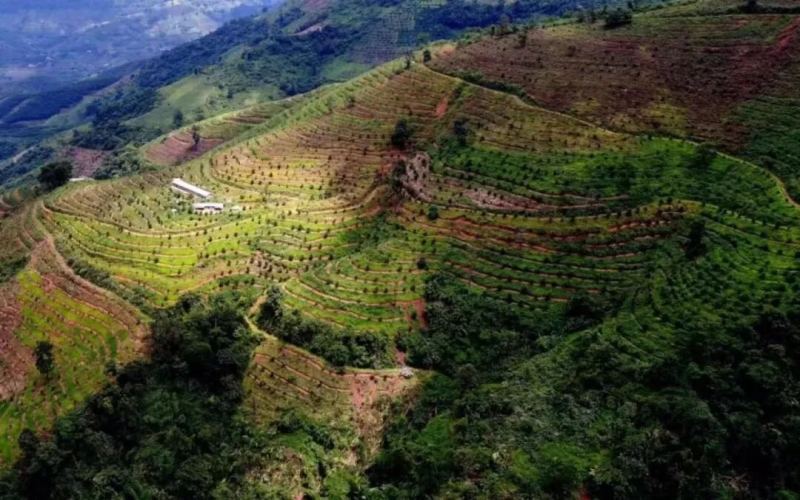
Yunnan Coffee | Where is China's coffee-producing region? Why is Yunnan suitable for growing Arabica? What are the characteristics of Yunnan coffee varieties?
Front Street Coffee has learned that most people, when they first get into specialty coffee, start with Africa's Ethiopian Yirgacheffe or Sidamo regions, while when it comes to Asian coffee, most people first think of Indonesia's Mandheling coffee beans. But with the rise of the domestic goods trend, Chinese Yunnan coffee has begun [more…]
Yunnan small-bean coffee varieties and red honey flavor analysis: Which is more worth drinking, Typica or Catimor?
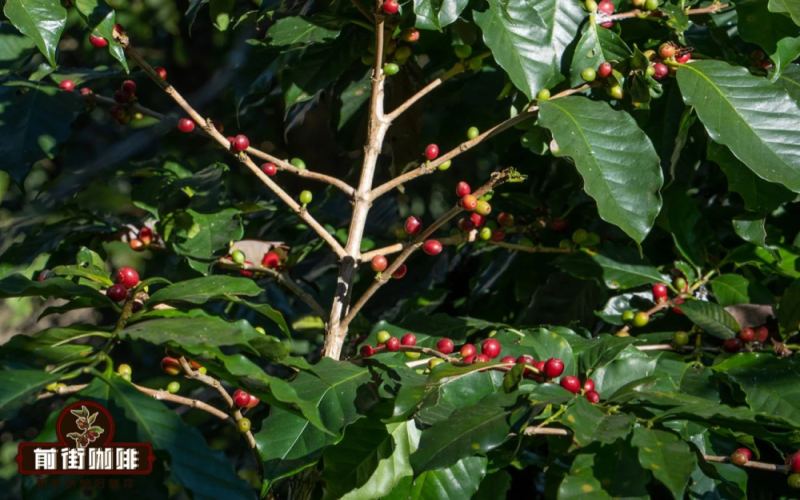
Yunnan, as China's most important coffee-producing region, mainly cultivates two major varieties: Typica and Catimor. Front Street Coffee has always adhered to traditional natural and washed processing, believing that high-quality ingredients do not require complex techniques. This article will review the history of coffee cultivation in China, the characteristics of Yunnan's four major producing regions, and the evolution of varieties, and provide a detailed comparison of the flavor differences and brewing parameters of Front Street 2013 Typica, Yunnan Arabica, and natural Typica, helping coffee enthusiasts gain a comprehensive understanding of the true character of Yunnan coffee. [more…]
In-Depth Look at Yunnan's Coffee Regions: The Advantages, History, and Variety Evolution of Arabica Cultivation in China
Front Street Coffee has found that many people new to specialty coffee often start with Ethiopia's Yirgacheffe or Sidamo, and when it comes to Asian beans, their first thought is Indonesia's Mandheling. However, in recent years, with the rise of the local consumption wave, Yunnan coffee has gradually entered the public eye. Some people are skeptical about the quality of domestic products, but in fact Yunnan beans are already capable of rivaling mainstream producing regions. This article will systematically introduce the distribution pattern of China's coffee producing regions, the natural conditions for growing Arabica in Yunnan, the historical origins of the first coffee tree, and the lineage of variety transitions from Typica to Catimor, helping readers gain a comprehensive understanding of Yunnan coffee's past and present. [more…]