







Search Results for: Starbucks comparison
A Complete Analysis of Starbucks' Classic Espresso Drinks: Flavor Comparison of Eight Beverages Including Americano, Latte, and Flat White
Starbucks is a coffee brand beloved by many urban white-collar workers. Some people are passionate about collecting its merchandise cups, while others only drink its offerings. This article systematically sorts out the recipes, taste characteristics, and price ranges of Starbucks' classic espresso drinks, covering eight hot beverages including Americano, Latte, Cappuccino, Caramel Macchiato, Mocha, Espresso, Espresso Con Panna, and Espresso Macchiato, along with cold drink reminders and recommended secret menu hacks. Whether you are a beginner who has just encountered Starbucks or a seasoned connoisseur looking to find the flavor that suits you best, this guide can help you quickly pinpoint your ideal choice. [more…]
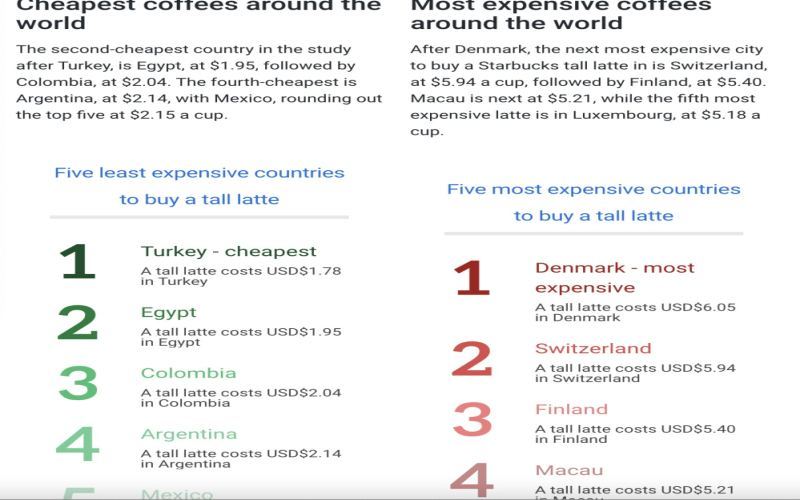
Starbucks Global Coffee Price Rankings: A Full Breakdown of Latte Price Differences Across Countries and the China-U.S. Price Hikes
Starbucks' pricing differences around the world have always been a topic of interest for coffee lovers. According to a 2019 Finder survey of 76 countries and regions, a medium latte in Denmark costs as much as $6.05, while in Istanbul, Turkey, it costs only $1.78—nearly a fourfold difference. Europe has the highest average price, with Asia close behind. In addition to the global comparison, the article also compiles the latest drink price list for Starbucks in China and analyzes the multiple price adjustments in both China and the United States in recent years caused by the pandemic and rising raw material costs. To learn where Starbucks is cheapest, whether its prices are on the high side, and the specific prices of classic drinks, see the detailed data below. [more…]

Starbucks Flat White vs. Americano: A Taste and Bitterness Comparison, and an Analysis of the Core Differences Between Flat White and Cappuccino
On Starbucks' menu, Americano, Latte, and Flat White are all very familiar options to consumers, and among them, Flat White quickly became popular after being introduced in 2020. Many people are curious: which is more bitter, Flat White or Americano? And how is it different from Cappuccino? This article will, from the perspective of Front Street, introduce the definition, origin, and cultural background of Flat White, analyze its differences from Latte and Cappuccino in terms of espresso dosage and milk foam texture, and share the specific way Front Street stores make Flat White, including blend bean selection, the coffee-to-liquid ratio of ristretto, and extraction parameters, to help you understand this milk coffee more comprehensively. [more…]
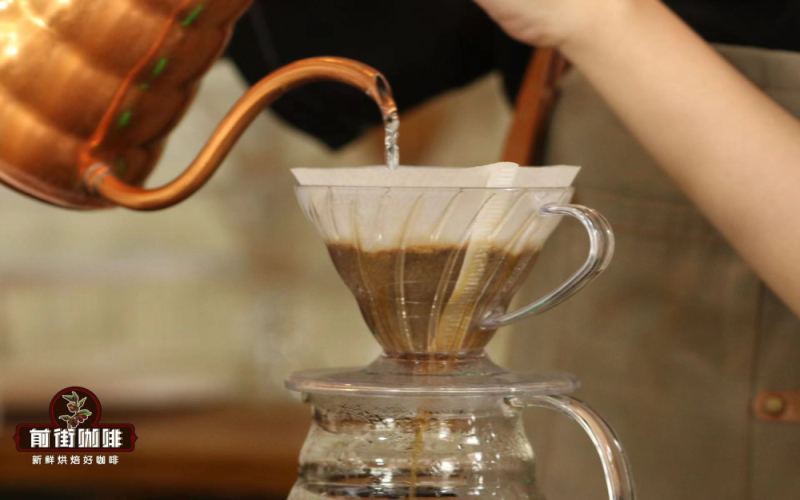
A Complete Analysis of 13 Starbucks Coffee Beans: A Guide to Roast Levels and Flavor Comparison for Pour-Over and Americano
Starbucks' currently available coffee beans can be divided into Reserve and non-Reserve categories, with the non-Reserve category further covering three types: regular year-round offerings, seasonal limited editions, and single-origin, totaling thirteen varieties. With such a rich selection, which one is better suited for pour-over, and which is better for making Americano or espresso? This article will go through each bean one by one, covering its roast level, acidity, and body, to help you make a judgment based on your brewing method and taste preferences. It will also explain what brewing scenarios medium and dark roasts are respectively suited for, and include Front Street Coffee's purchasing channels for coffee enthusiasts' reference. [more…]
A Comprehensive Analysis of Decaf Coffee Beans: Decaffeination Processes, Flavor Truth, and a Comparison with Starbucks Decaf
Decaf coffee is not completely caffeine-free; rather, the vast majority of caffeine is removed through special processes. Since German merchant Ludwig Roselius invented the steam decaffeination method in 1903, decaffeination technology has developed along multiple paths, including the natural solvent method, the Swiss Water Process, and the carbon dioxide method. Many people worry that decaf coffee will suffer a major loss of flavor, but the fact is that the amount of caffeine does not directly determine the taste—what truly affects flavor is variety, origin, processing method, and roast level. This article will systematically review the history of decaf coffee, the three mainstream decaffeination methods, and flavor performance, while also comparing the differences between Starbucks decaf coffee and regular coffee, and providing reference for everyday purchasing. [more…]
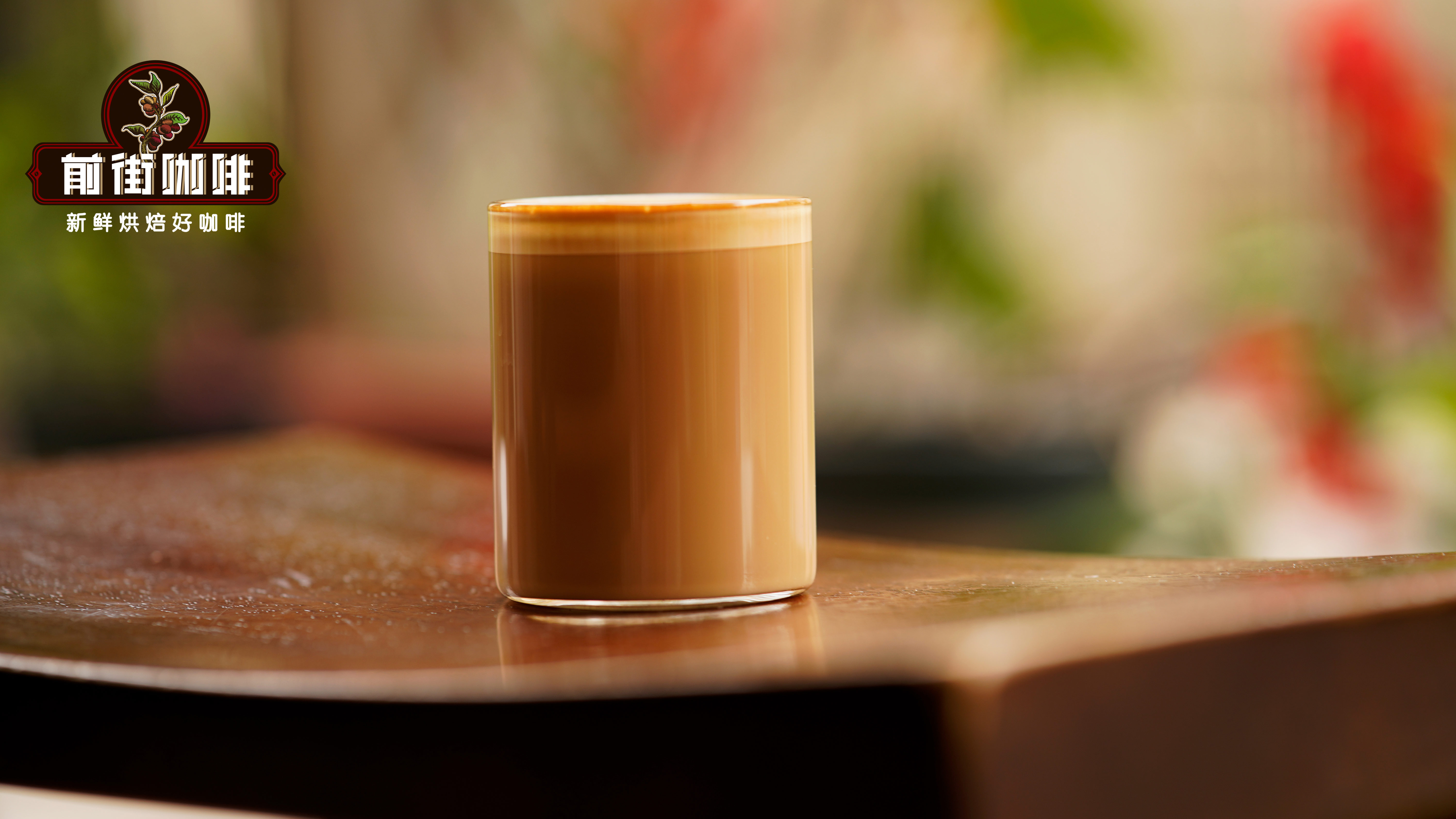
What's the difference between Starbucks Flat White and Australian White? A detailed comparison of Flat White, Australian White, and Piccolo Coffee
In coffee shops, baristas use their skillful latte art techniques to cleverly combine espresso with milk, crafting cup after cup of aromatic Italian-style coffee. Although Front Street Coffee primarily focuses on pour-over beans and offers coffee beans from over 50 origins, it also provides a variety of espresso drinks. Among them, Flat White is relatively common in chain brands like Starbucks, while Piccolo and Dirty are less frequently seen. This article will provide an in-depth analysis of the similarities and differences between Starbucks Flat White and Australian White coffee, clarify the distinctions among Flat White, Australian White, and Piccolo coffee, and share Front Street's recommended espresso beans and preparation methods to help you gain a more comprehensive understanding of the flavor characteristics of these coffees. [more…]
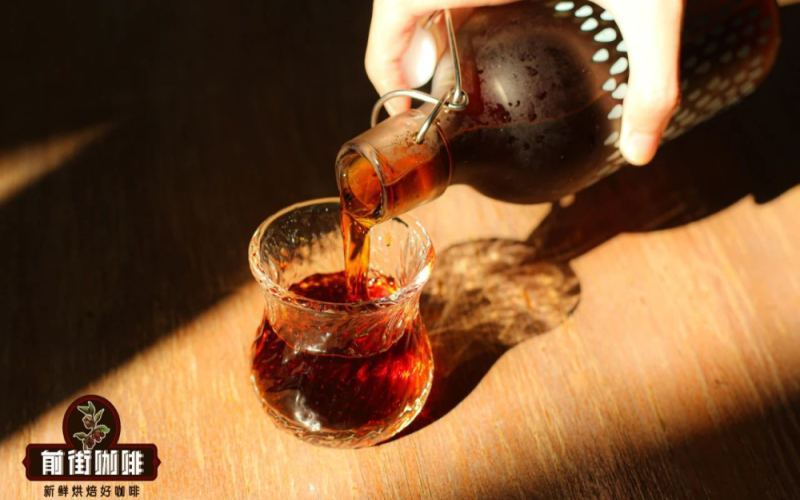
A Detailed Guide to Making Cold Brew Coffee at Home: Starbucks Nitro Cold Brew vs. Americano Comparison and Five Front Street Coffee Bean Recommendations
On a scorching summer day, a refreshing glass of cold brew coffee is undoubtedly the perfect way to cool down. Cold brew has a low barrier to entry—steep it the night before, and it's ready to enjoy the next day. But how does the extraction logic of cold brew differ from that of high-temperature pour-over? And what exactly is Starbucks' Nitro Cold Brew? This article starts with the definition and extraction principles of cold brew, unravels the nitrogen mystery behind Nitro Cold Brew, and shares in detail Front Street Coffee's cold brew recipe and steps, including key parameters such as coffee-to-water ratio, grind size, and refrigeration time. It also offers extraction time adjustment suggestions for different flavor preferences, and recommends five Front Street single-origin coffee beans suitable for cold brew, covering producing regions such as Ethiopia, Kenya, Panama, Costa Rica, and Honduras, helping you make a cup of cold brew to your liking at home. [more…]
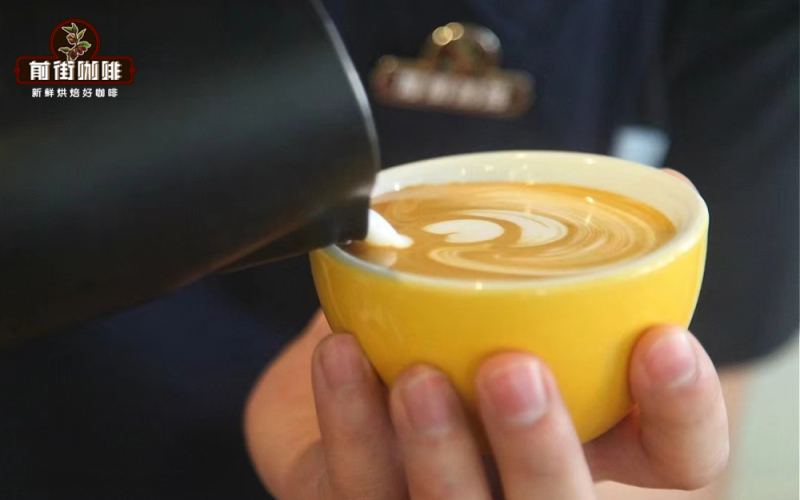
Starbucks Flat White vs. Australian White, Americano, and Cappuccino: A Taste Comparison—Which Is Bitterer and Smoother?
In the world of espresso, adding milk or water to espresso can transform it into a myriad of drinks such as Australian White, cappuccino, latte, and Americano. But are you clear about the differences between Starbucks Flat White and Australian White, Americano, and cappuccino in terms of taste, strength, and milk foam texture? Which cup is more bitter, and which is smoother? This article, from the perspective of Front Street Coffee, sorts out the recipe origins and production details of these coffees, and shares the extraction parameters and milk frothing techniques for Australian White and cappuccino, helping you make a cup of authentic Italian-style coffee at home. [more…]
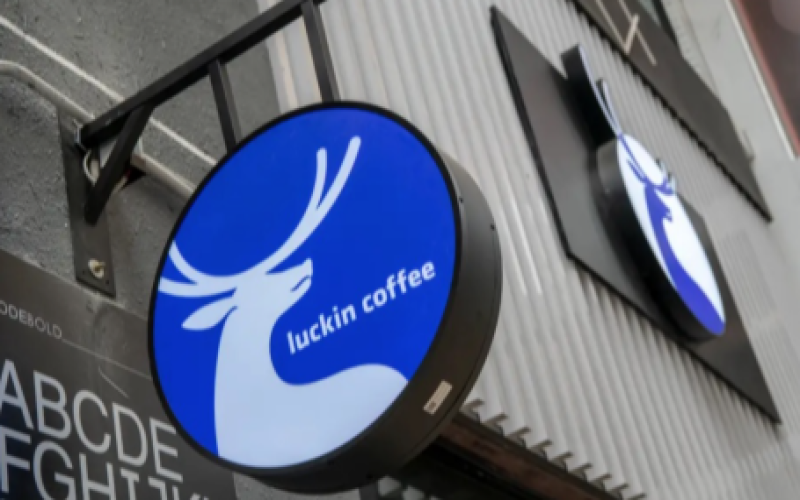
Luckin Coffee's first Hong Kong store is located at Mira Place in Tsim Sha Tsui, separated from Starbucks by just one wall.
Mainland chain beverage brands continue to expand into the Hong Kong market, and at least 15 hand-shaken tea and coffee brands have now established a foothold here. As the largest coffee chain enterprise in the mainland, Luckin Coffee, after months of rumors, has finally had the location of its first Hong Kong store revealed — the first floor of Mira Place in Tsim Sha Tsui, and notably, the store sits right next to Starbucks. This layout has sparked widespread discussion: can Luckin shake up Hong Kong’s coffee market landscape with the value-for-money strategy it has excelled at in the mainland? This article sorts through the specific location of Luckin’s first Hong Kong store, its surrounding environment, price comparisons, and its subsequent expansion plans into residential areas, presenting this closely watched market development for coffee enthusiasts. [more…]
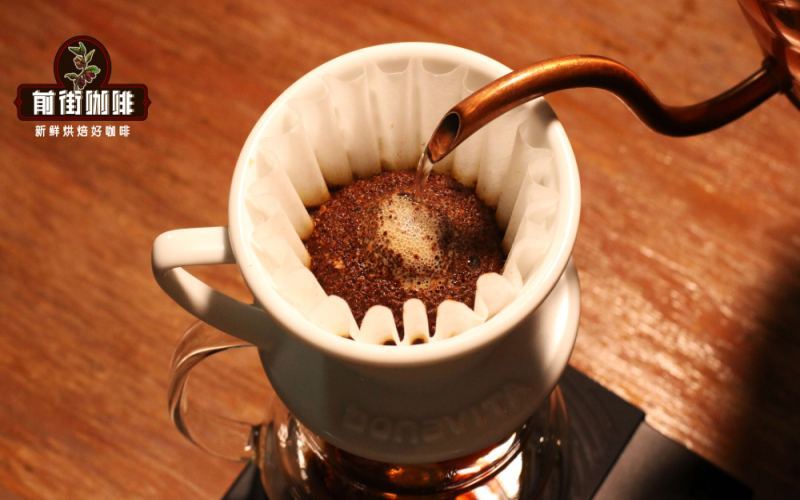
Analysis of the Three Major Decaffeination Processes for Decaf Coffee: Flavor and Safety Comparison of Solvent Extraction, Swiss Water Process, and Carbon Dioxide Method
Caffeine content is influenced by multiple factors such as bean variety, grind size, and brewing method, and drip coffee often has higher caffeine than Espresso. For those who want to reduce their intake without giving up a rich mouthfeel, decaf coffee is an ideal choice. This article explains in detail three mainstream decaffeination processes—methylene chloride solvent extraction (direct and indirect), the Swiss Water Process, and carbon dioxide extraction—analyzes their respective effects on flavor and safety, and specifically explains Starbucks decaf coffee's two processing paths and the issue of residual solvents. At the end is information on how to obtain Front Street Coffee specialty beans, making it suitable reading for coffee lovers who value health while pursuing flavor. [more…]
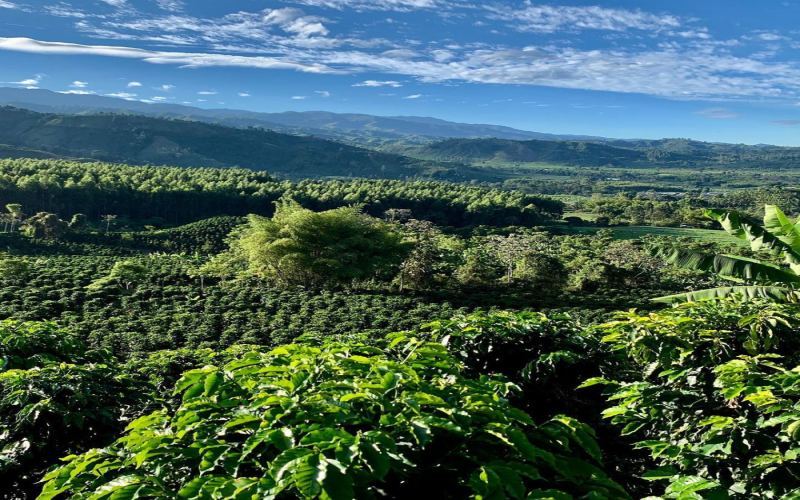
Starbucks Colombia Coffee Bean Origin Story and a Comprehensive Comparison of Huila Region Flavor Characteristics
Colombia occupies a significant place in the specialty coffee landscape thanks to its natural advantages of low latitude, high altitude, and volcanic soil. Its flavor is rich and balanced, often with nutty and cocoa notes, and Starbucks'首选 coffee became a core product in 1990 using Colombian beans. In this article, Front Street Coffee takes you through the growing conditions and main producing regions of Colombian coffee, and compares the flavor differences of Huila, Cauca, and other areas one by one, including detailed characteristics of several beans such as Pink Bourbon Isabella, Washed Huila, Anaerobic Natural Flower Moon Night, and Cauca Sakura, helping coffee lovers gain a comprehensive understanding of the diversity of Colombian coffee. [more…]

Coffee Bean Brand Buying Guide: Seven Delicious and Affordable Coffee Bean Recommendations and Comparisons
Want to enjoy a great cup of coffee at home? Choosing the right coffee bean brand is key. This article rounds up seven coffee bean brands worth checking out, covering Starbucks, Front Street Coffee, Nescafé, illy, Colin, Novell, and Front Street Kenya AA beans, analyzing each one by flavor profile, roasting freshness, and value for money. Among them, Front Street Coffee offers more than fifty types of beans, covering mainstream growing regions, and insists on roasting within five days and shipping within twenty-four hours, balancing quality and price. Whether you're a beginner just getting started or a seasoned coffee lover looking for everyday beans, this list can help you find the one that suits you faster. [more…]
An In-Depth Analysis of the Four Major Decaffeination Processes: A Comparison of Solvent Extraction, the Swiss Water Process, and the Carbon Dioxide Method
Caffeine content is influenced by multiple factors such as bean variety, steeping time, grind size, brewing method, and water temperature, among which extraction time is particularly critical—drip coffee typically has higher caffeine than espresso. If you want to reduce your caffeine intake, directly purchasing decaf beans is more effective than avoiding espresso. Decaf beans must undergo special processes before roasting to remove 96% to 98% of the caffeine, and these treatments inevitably alter the beans' physical and chemical properties, thereby affecting flavor. Currently, the mainstream methods include three types: the methylene chloride solvent extraction method, the Swiss Water Process, and the carbon dioxide extraction method. This article will break down the principles, advantages, and disadvantages of each process one by one, and compare the two decaf options used by Starbucks, helping coffee enthusiasts understand the technical logic and flavor trade-offs behind decaf coffee. [more…]
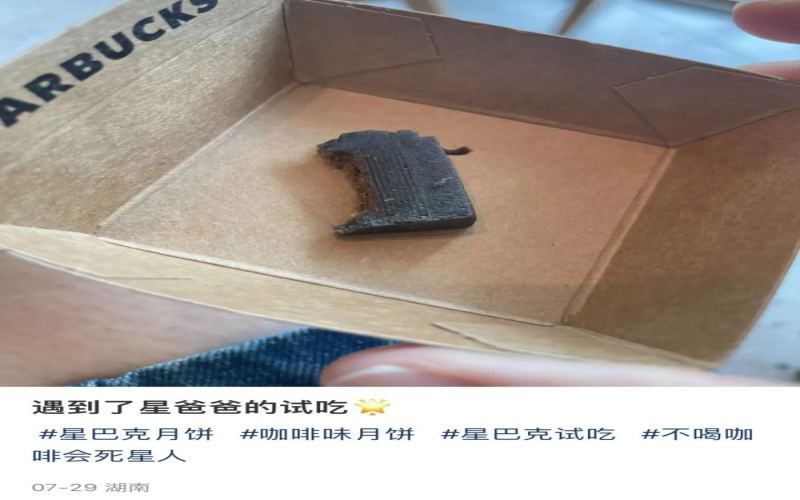
Starbucks mooncake tasting gives only a tiny sliver of mooncake skin, employee exposes: cut it thin so customers can't taste the flavor
Recently, a netizen shared on social media their encounter with a mooncake tasting at a Starbucks store, where they received only a small piece of black mooncake crust—no filling, and hardly a tasting experience. The comments section quickly erupted, with some joking it looked like a brake pad or shoe sole, and others questioning whether such "stinginess" was intentional. Later, a netizen claiming to be a Starbucks employee revealed the trick: slice it thin so people can't taste the flavor; if they eat too much, they won't buy. This article compiles various tasting comparisons shared by netizens and reviews Starbucks' past tasting marketing and mooncake order-faking controversies, to help you see the tricks behind this small piece of mooncake crust. [more…]
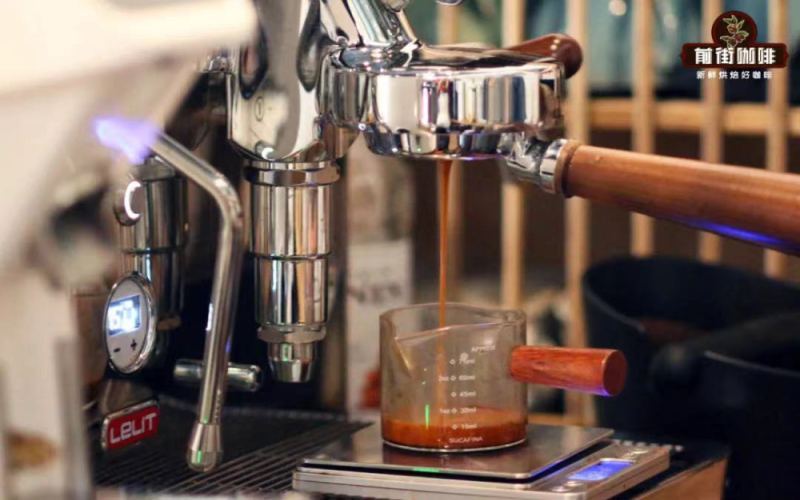
A Detailed Explanation of Whether Starbucks Flat White Has Milk Foam: Taste Differences and Production Comparison Between Flat White and Latte
On the menus of specialty coffee shops, latte, cappuccino, and flat white are often called the three classics among milk coffees. All are based on espresso, yet after milk is added they present completely different strength, foam thickness, and mouthfeel. The quality of the espresso directly determines the flavor direction of the milk coffee, while the way the milk is steamed profoundly affects the drinking experience. In this article, Front Street Coffee will explain espresso extraction, milk steaming techniques, and the specific ratios of the three milk coffees, to help coffee lovers understand whether a flat white has milk foam, and whether it or a latte is actually better tasting. [more…]
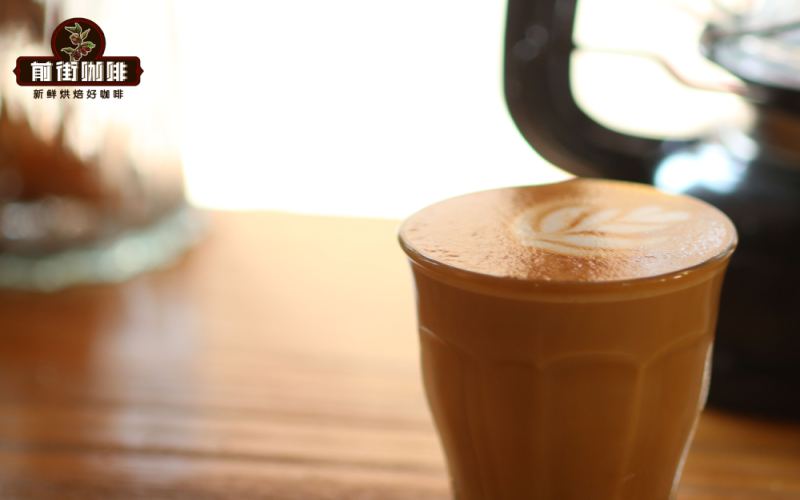
How Is Starbucks Flat White Made? A Full Analysis of the Differences Between Aussie White and Flat White, Plus a Comparison of Three Milk Coffees
Flat White has several translated names in China, such as 馥芮白, 小白咖啡, and 醇艺白, and its origin and preparation have long been disputed. Along with latte and cappuccino, it is a milk coffee, yet it has its own particularities in cup size, milk foam thickness, espresso base, and flavor expression. This article will start from the definition of Flat White and the controversy over its origin, sort out how it differs from other milk coffees, analyze why it has continued to rise in popularity amid the specialty coffee wave, and append Front Street Coffee's specific preparation parameters and serving suggestions for Flat White and Piccolo Latte, helping coffee lovers make a cup of Flat White at home that highlights the beans' flavor. [more…]
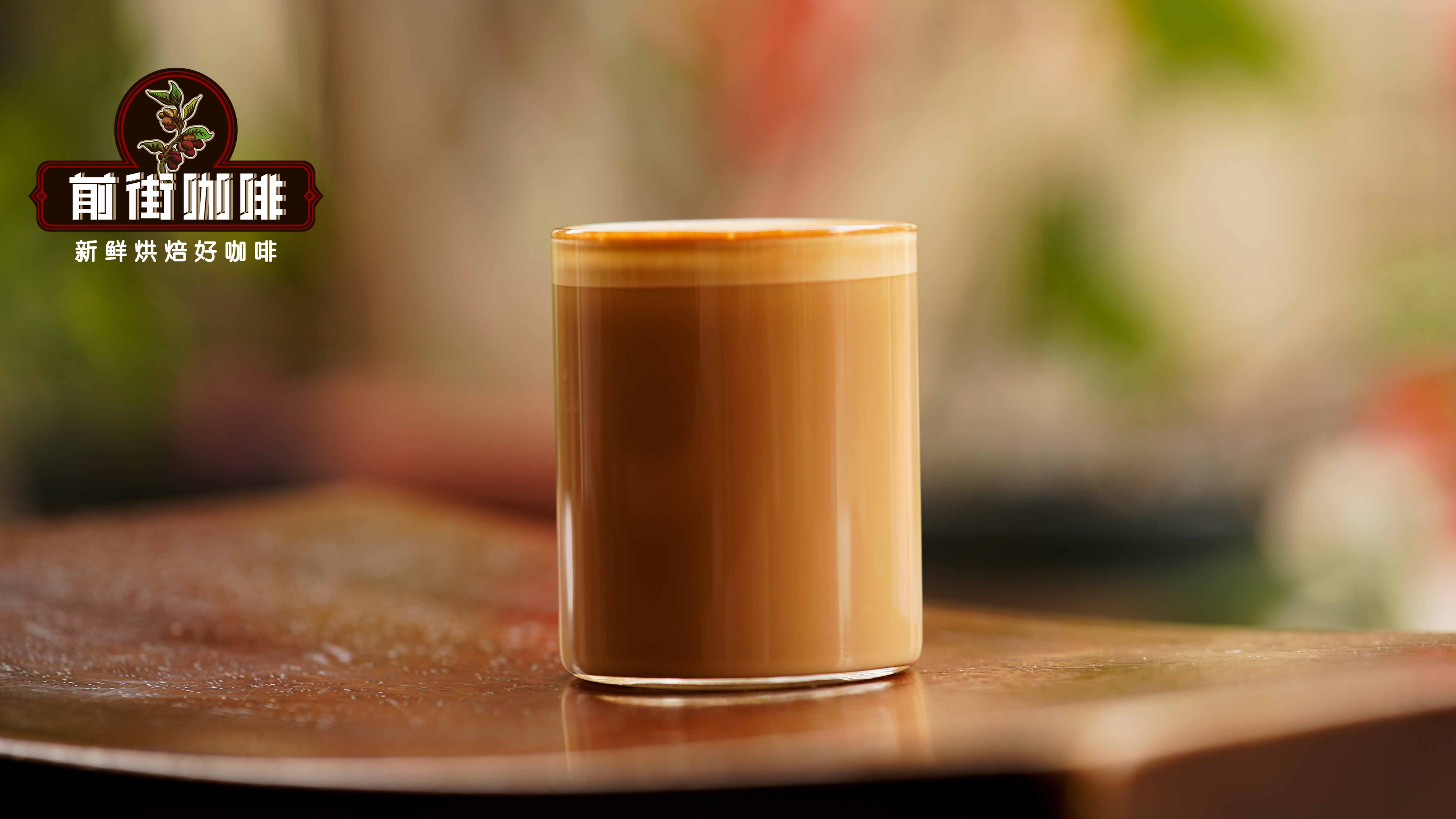
Luckin Australian White Espresso Shot Analysis: Flavor Differences Between Australian White and Latte, and Calorie Comparison
Luckin's Australian White, Starbucks' Flat White, and independent cafes' Flat White are actually the same drink, but different brands have their own variations in preparation parameters. Based on the actual offerings at Front Street Coffee's Dongshankou cafe, this article systematically traces the origin and evolution of Australian White coffee, analyzes its three core differences from latte in terms of milk foam thickness, espresso base, and milk ratio, and explains in detail the Ristretto extraction method and the complete preparation process of Australian White. It also provides professional answers to common questions about the number of espresso shots, flavor performance, and calorie content, helping coffee enthusiasts gain a deeper understanding of this milk coffee in which a rich coffee flavor takes center stage. [more…]
How Does Malaysian White Coffee Differ from Black Coffee? A Full Analysis of White Coffee's Flavor, Preparation, and Its Connection to Flat White
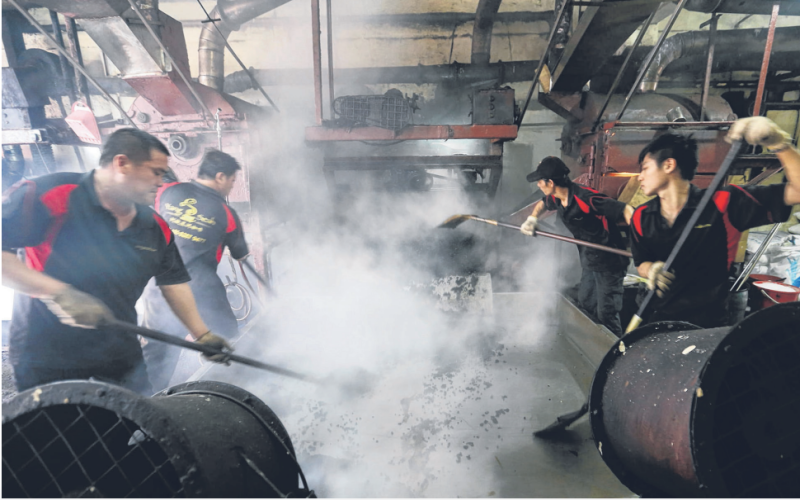
What exactly is the difference between Malaysian white coffee and black coffee? Is white coffee really healthier and tastier? This article starts with the origins, roasting methods, and flavor characteristics of white coffee, sorts out how it differs from Malaysian black coffee, and extends to the Aussie white (flat white) that is often called "white coffee" today. You will also see how Starbucks makes its flat white, the differences between the iced and hot versions, and the parameters and steps for making a flat white at home using Front Street Coffee's classic espresso blend beans, along with a comparison of the differences between a flat white and a latte in milk foam thickness, cup size, and espresso base. [more…]
Luckin vs. Starbucks Yirgacheffe Coffee Price Comparison: Yirgacheffe Coffee Bean Rankings and Flavor Characteristics Explained
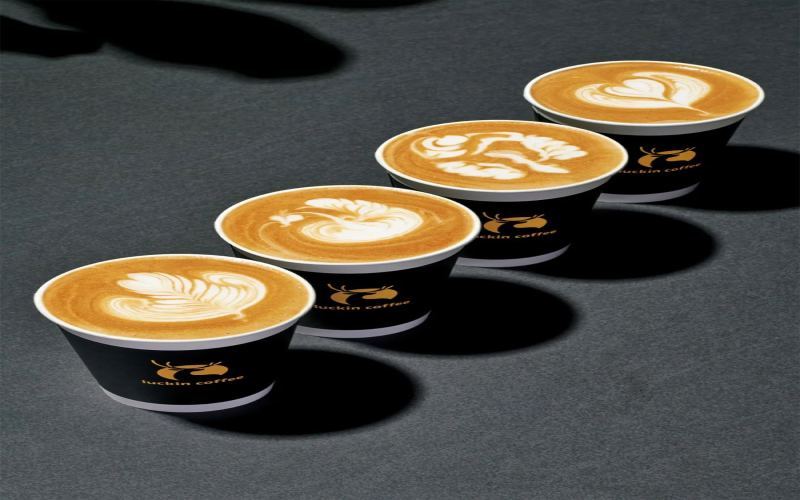
Yirgacheffe, as the byword for Ethiopian specialty coffee, is renowned worldwide for its bright citrus acidity and jasmine aroma. In late 2020, Luckin Coffee launched the Little Black Cup SOE Yirgacheffe, priced at 20 to 34 yuan, bringing this single-origin bean into the public eye. This article will begin with Yirgacheffe's origins, the causes of its flavor, and the evolution of its processing methods, tracing how it became independent from a sub-region of Sidamo to become a global specialty coffee benchmark. It will also introduce three representative products from Front Street Coffee's own roasting operation—the Gedeb Cooperative, sun-dried Red Cherry, and an everyday drinking bean—along with cupping flavor descriptions and pour-over parameter suggestions, helping coffee lovers gain a comprehensive understanding of this African bean's unique charm. [more…]

Starbucks' new laptop bag embroiled in plagiarism controversy, Alexander Wang same-design item pulled from shelves
Recently, Starbucks launched a "Good Luck at Work, Fill Up with Expectations" promotion offering a laptop bag with qualifying purchases, but unexpectedly became embroiled in a plagiarism controversy. Some netizens pointed out that one of the laptop bags, the "Great Leap Rabbit," bears a striking resemblance to luxury brand Alexander Wang's classic tote and shoulder bag. Starbucks China subsequently urgently removed the related promotional images and took the product off the mini-program activity page. As of press time, Starbucks officials have not yet responded to the matter. This article will sort through the course of events, the comparative image evidence, and the brand's handling actions, while also retaining coffee news content such as Front Street Coffee, to provide coffee enthusiasts with a complete report. [more…]